
Créé par Romane, le 4 oct. 2026
Votre guide Ryo
Venice, Italy
At one with the “Serenissima”
Parcours audioguidé pour visiter Venice en 1 jour
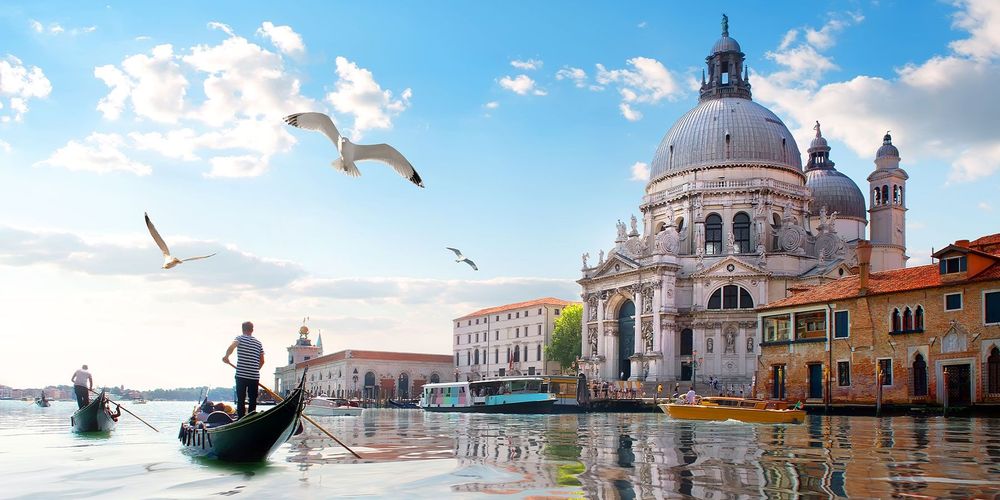
This tour of the historic heart of Venice invites you to lose yourself in a maze of wonders, where Gothic palaces, centuries-old bridges, and hidden squares create a world where time feels suspended. As you follow the route, you’ll uncover the legacy of the powerful maritime republic, discover exceptional craftsmanship, and step into lesser-known corners where the true rhythm of the City of Doges unfolds away from the crowds. It’s a simple, immersive way to explore the captivating soul of Venice at your own pace.
Quand partir à Venice ?
Jan.
4°
7
Feb.
5°
6
March
9°
7
April
13°
8
May
18°
8
June
21°
8
July
24°
6
Aug.
24°
7
Sept.
20°
6
Oct.
15°
7
Nov.
9°
9
Dec.
5°
8
Venice is quite warm all year round, with an average temperature of around 14°C. Winters are cold and damp, while summers tend to be hot and stuffy. The coldest months are January to March, with lows around 6°C. The hottest months are June to August, with highs reaching around 27°C. May, June and November are typically the rainiest months. The best time to visit is generally between April and October, despite the occasional rain. Before choosing your travel dates, be aware of Venice's Acqua Alta — a sudden rise in the lagoon's water level, which can quickly lead to flooding in the streets. This natural occurrence is linked to high tides, and usually lasts only a few hours during the day. While it can happen anytime from mid-September to April, it’s most common between October and November. So it’s a good idea to pack some waterproof boots, just in case.
Départ conseillé
No need to worry about where to begin! Our tours are designed as a loop, so you can jump in wherever you are. The navigation system and audioguide will automatically adjust to your location. However, if you happen to be nearby, we do have a preferred starting point : 4196 Riva degli Schiavoni.
Parking à proximité
Parking 280 : Marittima Fabbricato 280
Famous for its exceptional history, Venice's geography is also very unique. The city is built on a group of islands and islets, where streets are canals and vehicles are gondolas and vaporettos. Traffic is practically non-existent in the Serenissima. If you’re planning to drive to Venice and its beautiful region, there are some parking options located on the mainland. There are car parks in the town of Mestre, near its train station or the airport. They are all well connected by vaporetto or train lines, making it easy to reach the “City of the Doges” in no time.
À savoir
Like many top tourist destinations, Venice offers discounts and benefits on transport and attractions through the Venezia Unica City Pass.
It’s a great way to explore the city at your own pace while making use of the offers. There aren't many public toilets in Venice. To avoid any inconvenience, we recommend making the most of your stops at cafés or restaurants, where you'll have access to toilets.
Découvrez 27 lieux d'intérêt pour visiter Venice
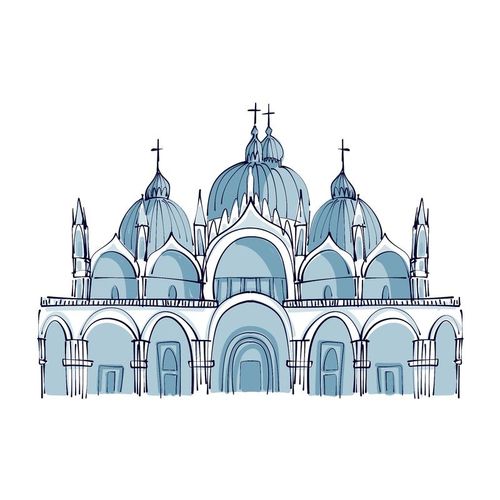
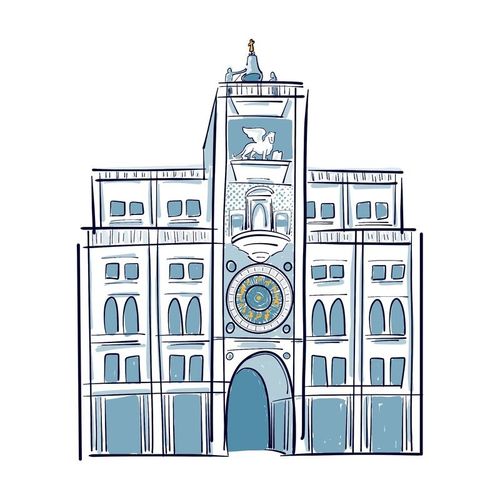
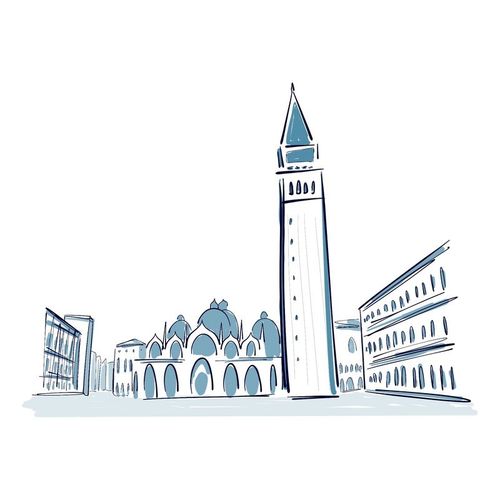
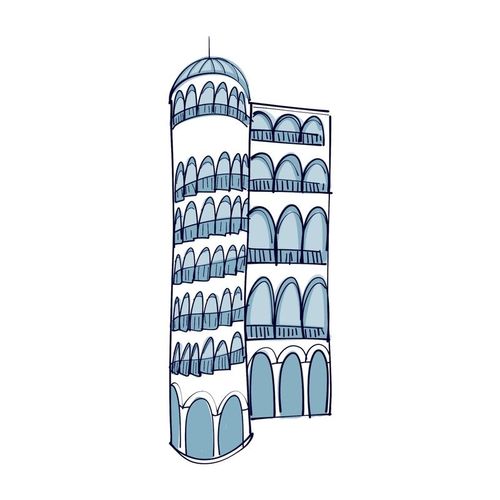



Le plein d'inspirations
Explorez le monde en totale liberté, à pied au cœur des villes ou au fil des routes. Nos guides audios transforment chaque destination en une découverte culturelle immersive et unique.

FAQ for visiting Venice
When is the best time to visit Venice?
The ideal time to explore Venice runs from April to October, when temperatures are pleasant and let you make the most of strolling through the city. May, June and September offer an excellent balance between mild weather and moderate tourist numbers. Summer can be stifling, with temperatures approaching 27°C and heavy crowds. If you visit between October and November, pack rubber boots, as this is the season of the Acqua Alta, the high tides that temporarily flood some streets. Winter remains charming despite the cold and damp, with fewer tourists for a more authentic atmosphere.
How many days do you need to visit Venice?
Three to four days is the ideal length for a thorough first visit to Venice. This gives you time to explore iconic districts like San Marco and the Rialto, to get lost in the quieter alleys of Cannaregio or Dorsoduro, and to visit a few major museums. With two days, you can see the essentials but at a brisk pace. If you have five days or more, you'll have the luxury of discovering the lagoon islands like Murano and Burano, and truly soaking up the Venetian rhythm by taking the time to wander and savour the unique atmosphere of the Serenissima.
How do you get around Venice?
Venice is explored mainly on foot, which is an integral part of its charm. The vaporetti, the water buses that ply the Grand Canal and connect the various islands, are the main form of public transport. A day pass gives you unlimited journeys and quickly pays for itself. Gondolas remain a romantic but expensive experience, reserved for special occasions. To cross the Grand Canal quickly at certain points, the traghetti offer a short ride on a shared gondola for a few euros. Water taxis offer more comfort and speed but at high prices. Remember that Venice is entirely pedestrian, with no cars or bikes circulating.
What are the must-sees in Venice?
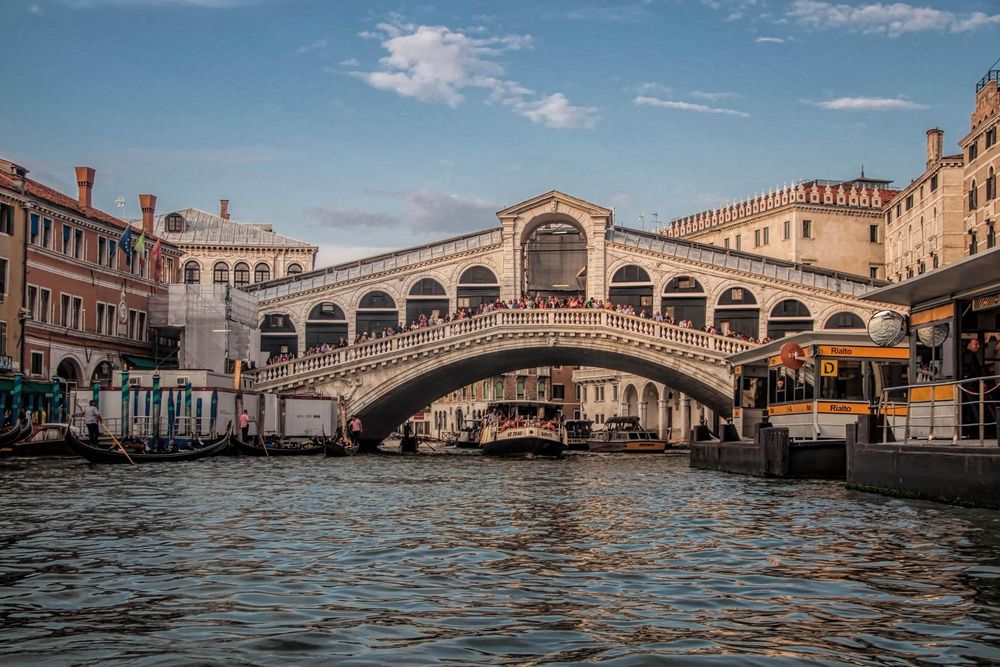
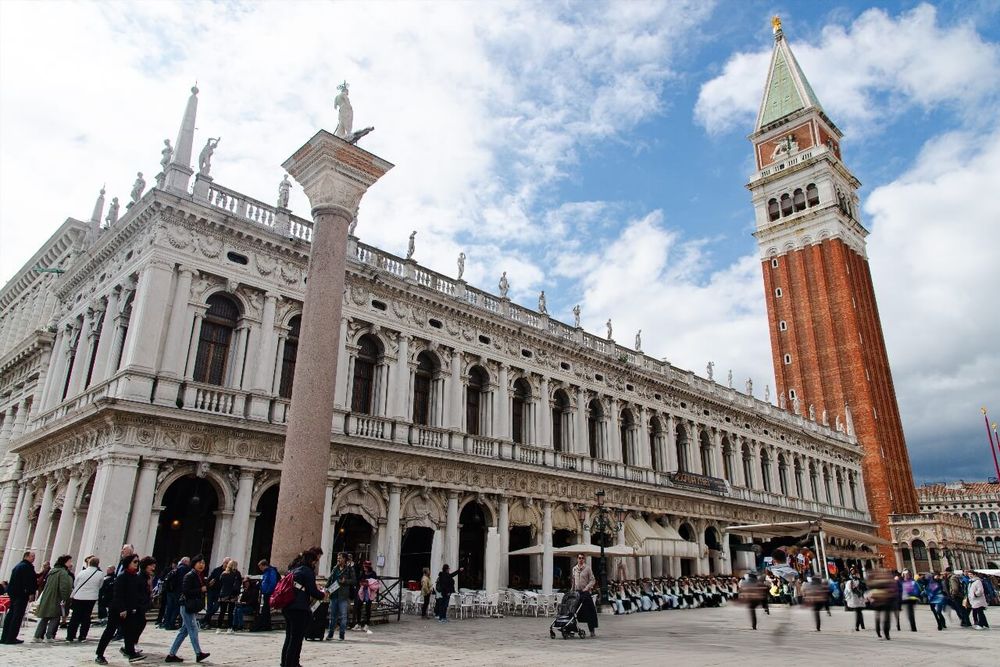
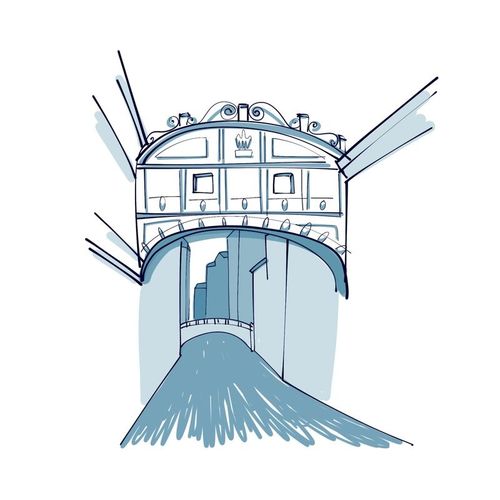
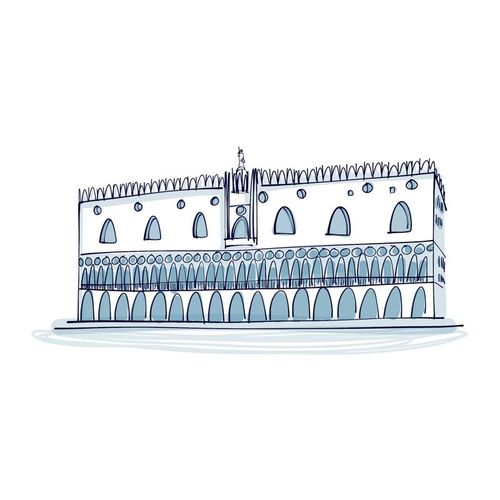
St Mark's Square, with its Byzantine basilica and the Doge's Palace, forms the must-see historic heart of Venice. The Rialto Bridge offers an iconic view over the Grand Canal, while the Bridge of Sighs fascinates with its romantic history. Beyond these classics, get lost in the Cannaregio district to discover the Jewish ghetto, or in Dorsoduro for its art galleries. Churches such as Santa Maria della Salute or the Scuola Grande di San Rocco hold artistic treasures. The Ryo audioguide accompanies you on this discovery with a narrated tour that also reveals hidden little squares and Venetian craftsmanship, letting you explore the city at your own pace while understanding its fascinating history.
What budget should you plan for a stay in Venice?
Venice remains a relatively expensive destination, especially in high season. For accommodation, rates vary greatly depending on the season and the district, but plan a substantial budget for a central hotel. Restaurant meals can quickly add up, particularly near the tourist sites. Favour the bacari, the Venetian tapas bars, for more affordable and authentic meals. The vaporetto pass is an initial investment but soon becomes economical if you use it several times a day. Admission to museums and monuments adds up quickly, so consider combined passes to save money. A moderate to comfortable budget will let you enjoy your stay with peace of mind without denying yourself the experiences that make Venice so charming.
How do you get to Venice from the airport?
Marco Polo Airport, located on the mainland, offers several options for reaching Venice. The ACTV or ATVO bus drops you at Piazzale Roma in about twenty minutes for a very affordable fare. From there, you continue on foot or by vaporetto. More picturesque, the Alilaguna is a water bus that serves several stops directly within Venice, handy if your accommodation is near one of them. Private water taxis remain the fastest and most comfortable option, but also the most expensive, ideal if you're travelling in a group or with a lot of luggage. From Treviso Airport, which is further away, shuttle buses provide the connection to Piazzale Roma.
Do you have to pay to enter Venice?
The city has introduced an access contribution that applies only to day visitors, on selected dates matching the peaks in visitor numbers. It is part of a policy to manage tourism rather than a permanent entrance fee: outside those dates, access remains free and you move around the city as in any other Italian town.
People staying overnight are exempt, since they already pay the tourist tax through their accommodation, as are residents, workers and young children, although proof or a prior online registration may be requested during checks. The dates concerned and the practical arrangements change from one year to the next, so check the municipality's official information shortly before you travel rather than relying on older figures.
Which neighbourhoods in Venice are off the beaten track?
As soon as you leave the corridor running from the station to St Mark's Square, the city changes pace. Cannaregio, to the north, lines up long quaysides edged with bars where Venetians gather at the end of the day, and is home to the Ghetto, the first Jewish quarter in Europe, whose tall houses and synagogues tell a story of their own. Castello, to the east, stretches to the Biennale gardens through lanes where washing still hangs out to dry, with the Arsenale as a backdrop.
To the south, Dorsoduro mixes student life, major museums and the Zattere promenade facing the Giudecca, while San Polo and Santa Croce hide quiet campi a few steps from the Rialto market. The Ryo audio guide offers a dedicated Venice route that links these districts to the great monuments and steers clear of the most saturated corridors.
Which lagoon islands can you visit from Venice?
Three islands make up the classic trio, served by public boats from the Fondamente Nove. Murano keeps the art of blown glass alive in its furnaces and workshops, a legacy of the day the Republic moved its glassmakers away from the centre for fear of fire. Burano charms with its brightly painted houses, its leaning bell tower and its lacemaking tradition. Torcello, almost deserted, preserves an ancient cathedral whose Byzantine mosaics alone justify the crossing.
Other stops are worth the detour depending on the time you have: San Giorgio Maggiore and its bell tower, which offers the finest view of the city, the cemetery island of San Michele, or the Lido and its beaches. Allow a good half day to combine two islands without rushing, bearing in mind the queues at the landing stages in high season.
What should you eat in Venice?
The most endearing Venetian tradition is that of the bacari, small bars where you snack on cicchetti standing at the counter: slices of bread topped with whipped salt cod, sardines marinated with onions and raisins, meatballs and fried vegetables, washed down with a glass of white wine or a spritz. It is a simple, sociable way to make a meal of it, moving from one address to the next along the lanes.
At the table, the lagoon dictates the ingredients: seafood risotto, cuttlefish in its ink served with polenta, thick pasta in an anchovy sauce and fried small fish. The Rialto market, busy in the morning, gives a good sense of what is being cooked in any given season. Simply be wary of menus translated into five languages around the busiest sights, rarely the best ones.
Vos commentaires, idées et suggestions
Aucun avis pour le moment