© Shutterstock
 Votre guide Ryo
Weekend in Venice: Complete Itinerary, Must-Sees and Tips for 2026
It is 7 a.m. on St. Mark's Square and, for once, it is almost empty: the pigeons have the paving to themselves, the café waiters are still stacking their chairs, and only the lapping of the lagoon covers the noise of the first delivery barges. A successful weekend in Venice depends a great deal on this kind of timing detail, because after 10 a.m., the tourist tide reclaims the Grand Canal.
The good news is that two days are enough to see the essentials if you plan them well: St. Mark's Basilica and its golden mosaics, a Rialto Bridge lined with about twenty shops, a modern art collection housed in an unfinished palace on the Grand Canal, and two lagoon islands where glass is still blown by mouth and lace is still stitched by needle. This guide details a day-by-day itinerary, possible stay themes (romantic, carnival, foodie), a realistic budget, the access fee introduced by the city and the best way to get around without a car, since there simply are none in the centre. To get a feel for the city before you leave, the Ryo audio-guided tour of Venice retraces the history of the main monuments of the historic centre, headphones on, at walking pace.
Day 1: St. Mark's, the Grand Canal and the Rialto
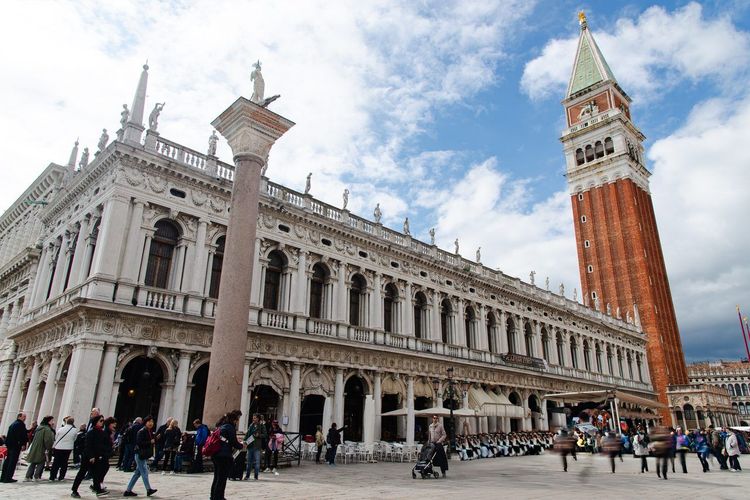
The first day focuses on the historic heart, the one everyone has come to see. It is best to tackle it early: the density of visitors easily doubles between 9 a.m. and noon, and triples in high season. If you arrive the evening before, keep this whole day for the St. Mark's and Rialto area, which can be covered entirely on foot.
St. Mark's Square, the Basilica and the Doge's Palace
The square itself impresses with its proportions: 175 metres long, lined by the arcades of the Procuratie and dominated by the bell tower, rebuilt in 1912 after its collapse in 1902, which rises to 98.6 metres. It is from up there, by lift, that you will finally understand the geography of the city: an archipelago of about a hundred islets linked by more than 400 bridges.
The St. Mark's Basilica deserves a good hour of your time. Its façade accumulates the spoils of several centuries of Venetian conquests, including the famous bronze horses brought back from Constantinople in 1204 (those on the façade are copies; the originals are sheltered in the basilica's museum). The interior is even more surprising: more than 8,000 square metres of golden mosaics cover the domes, a decor that earned the building the nickname Chiesa d'Oro, the golden church. Entry now requires a paid timed-slot ticket, with the Pala d'Oro, the treasury and the loggia of the horses available as options: booking online saves you from losing an hour of useful visiting time.
Right next door, the Doge's Palace was for centuries the seat of power of the Republic of Venice. You will visit the doge's apartments, the Great Council Hall (one of the largest pillar-free halls in Europe, dominated by Tintoretto's Paradise) and the former prisons, linked to the palace by a bridge that you will see from another angle at the end of the day. The combined ticket with the museums of St. Mark's Square costs less than separate admissions and should also be booked in advance in season.
Arriving before 8:30 a.m. lets you photograph the square without a forest of selfie sticks in the background. The Ryo audio-guided tour crosses this very square and then runs along the basilica before heading to the Rialto Bridge (Ponte di Rialto, 30124 Venezia, rated 4.7/5 on Google from 198,521 reviews), with commentary specific to each stop: you move at your own pace, without waiting for the rest of a group.
The Grand Canal and the Rialto Bridge
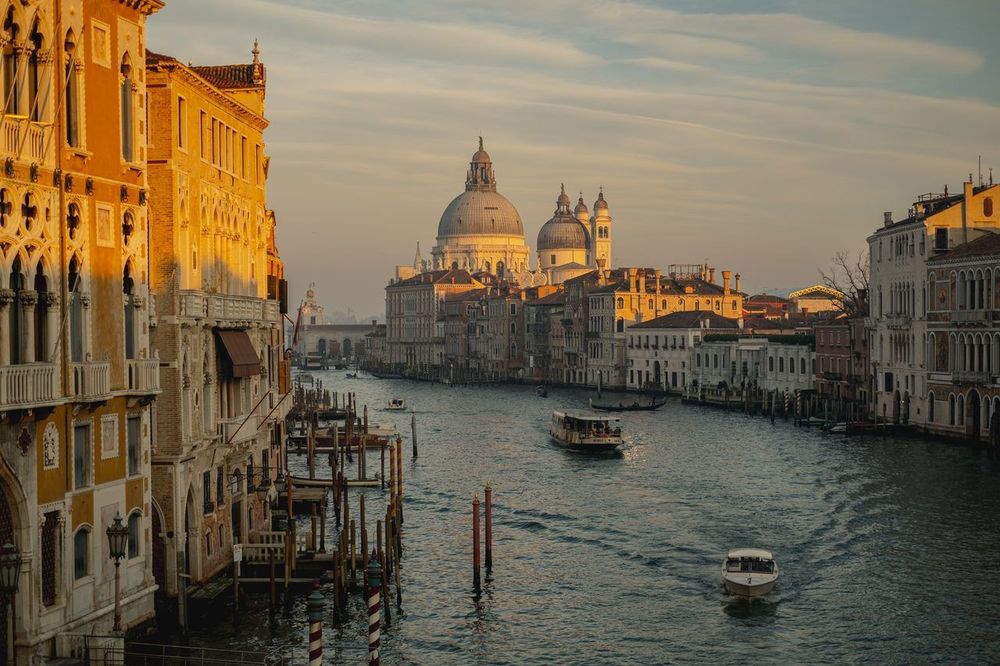
The Grand Canal winds for 3.8 kilometres in the shape of a reversed S and remains the best way to take the measure of the city without walking: vaporetto line 1 runs its entire length, stopping in front of almost every palace, for the price of a simple transport ticket. Sit at the front of the boat, on the outer side: the view easily rivals that of a private excursion at a fraction of the cost.
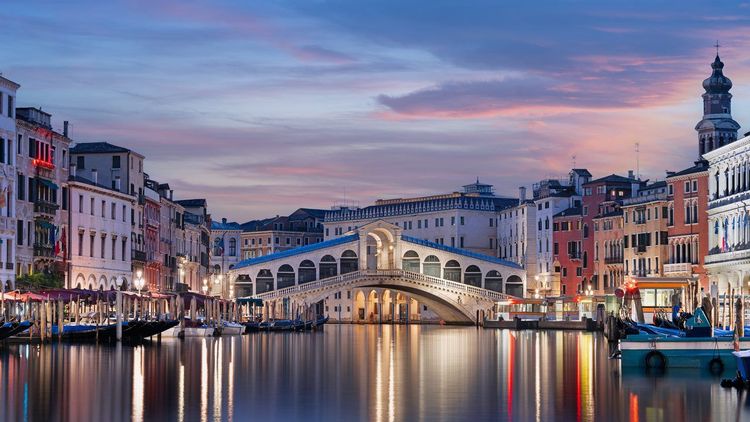
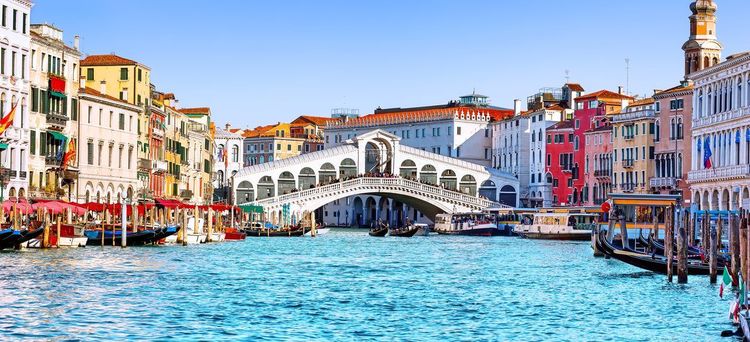
The Rialto Bridge marks the ideal midday point of this first leg. Completed in stone in 1591 to replace a series of wooden bridges that regularly collapsed, it houses a double row of about twenty shops under its arcades. The view from the top, in both directions along the canal, remains one of the most photographed in Italy, especially at sunset when the light skims the façades.
At the foot of the bridge, the Rialto market opens at dawn from Tuesday to Saturday: lagoon fish stalls on the Pescheria side, fruit and vegetables on the Erberia side. It closes around 12:30 p.m., making it a morning stop rather than an afternoon one. Venetians themselves still shop there, and the neighbouring bacari serve the first cicchetti of the day from 11 a.m.
Alleys and Campi of the Historic Centre
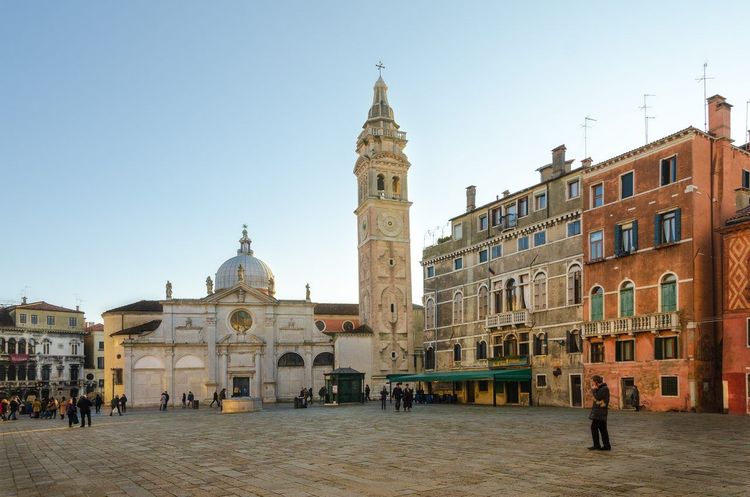
Between St. Mark's Square and the Rialto, the network of alleys (calli) and small squares (campi) is worth getting lost in on purpose. The Campo Santa Maria Formosa, wider and airier than most others, gathers cafés and a neighbourhood market in the morning. A little further south, the La Fenice theatre, ravaged by fire in 1996 and reopened in 2003, can be visited during the day with an audio guide, even if you attend no opera.
Look out for the vere da pozzo, those carved wellheads that still punctuate many squares: they are a reminder that before running water arrived, each campo had its own cistern of rainwater filtered through sand. A detail that changes how you see these seemingly merely decorative squares.
Day 2: Dorsoduro, Art and Hidden Treasures
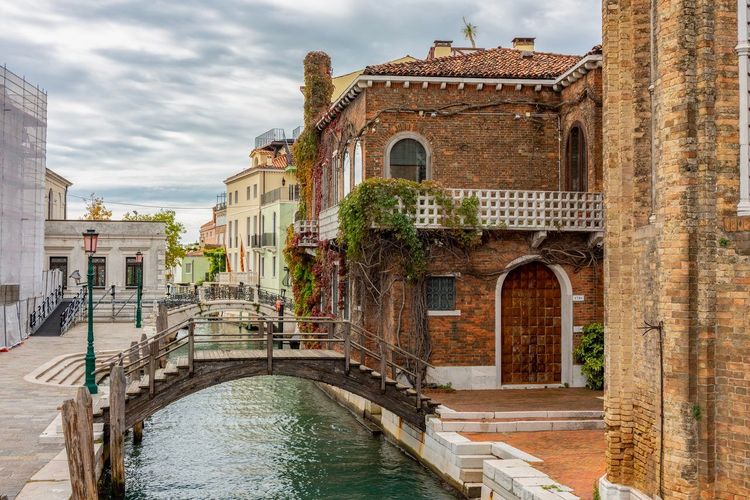
The second day changes pace completely. You leave the tourist density of St. Mark's to cross the Grand Canal via the Accademia Bridge towards Dorsoduro, a student and artistic district where the canals are noticeably calmer.
The Peggy Guggenheim Collection and the Accademia Gallery
The Peggy Guggenheim Collection occupies the Palazzo Venier dei Leoni, a palace begun in 1749 and left unfinished, which gives it an unusual low, squat silhouette on the Grand Canal. Peggy Guggenheim lived there from 1949 until her death in 1979, gathering Pollock, Kandinsky, Magritte and Giacometti in what remains one of the best collections of 20th-century art in Europe. The sculpture garden, where the collector rests alongside her dogs, offers a rare shaded pause in a city short of green spaces. The museum is closed on Tuesdays: a detail to keep in mind if your weekend spills into the start of the week.
Ten minutes' walk away, the Accademia Gallery perfectly complements the visit by going back in time: Titian, Tintoretto, Veronese, Giorgione and Bellini fill the rooms of the former Scuola della Carità. Allow two hours for each museum if you like to take your time, one hour each if you are selective.
A shorter Ryo audio-guided tour, called Meeting the Serenissima, takes you through precisely this corner of Dorsoduro and stops in front of the Venier dei Leoni palace with an anecdote about the collector who made it famous.
The Dorsoduro District and Its Canals Away from the Crowds
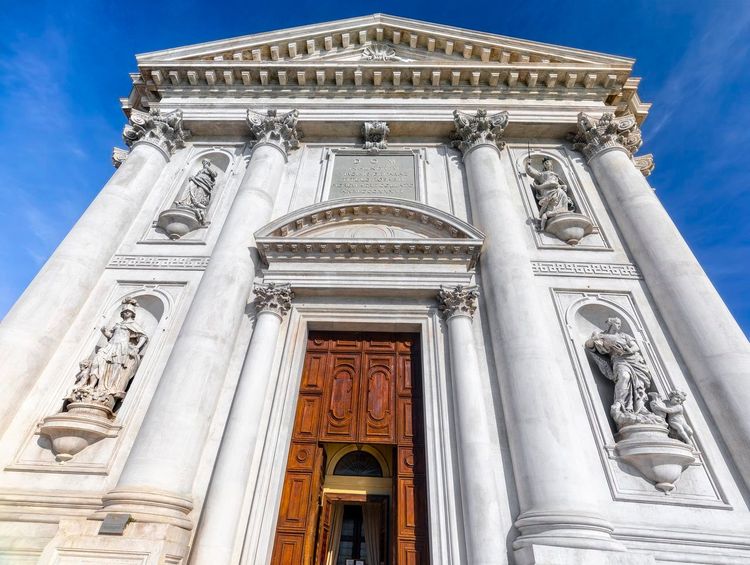
Dorsoduro is best explored on foot, without a rigid itinerary. At the tip of the district, the basilica of Santa Maria della Salute, built by Baldassare Longhena in thanksgiving for the end of the 1630 plague, dominates the entrance to the Grand Canal; just behind it, the Punta della Dogana offers one of the finest panoramas over the St. Mark's basin. Every 21 November, Venetians still walk to the basilica across a temporary bridge of boats.
The Campo Santa Margherita, vast and lined with bars, fills with students from aperitif time: it is one of the few places in Venice where the atmosphere feels like that of an ordinary Italian city rather than a postcard set.
The Zattere, the quays that run along the Giudecca Canal on the south side, offer an open view of the island of Giudecca and Palladio's Redentore church. You will walk there without meeting many people, even in high season, with an ice cream in hand if you follow local habit.
Hidden Treasures Between Craftsmen's Workshops and Small Churches
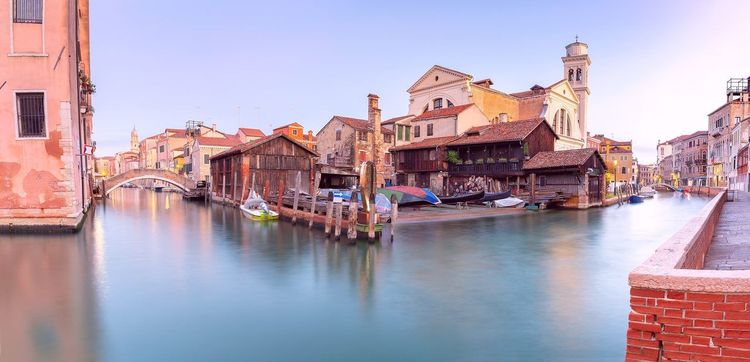
The Squero di San Trovaso (Dorsoduro 1097, 30123 Venezia, rated 4.6/5 on Google from 472 reviews), one of the last gondola boatyards still in operation, can be observed from the opposite bank of the rio. You will see wooden hulls at different stages of construction or repair, a trade that now counts only a handful of craftsmen in the whole city.
A few minutes away, the church of San Sebastiano was decorated by Veronese from 1555, to the point that the painter chose to be buried there. It often remains empty even though it rivals the city's great religious sites. Half an hour is enough to see it, and the mask and bookbinding workshops of the district pleasantly extend the stroll.
Excursion to Murano and Burano: The Lagoon Islands
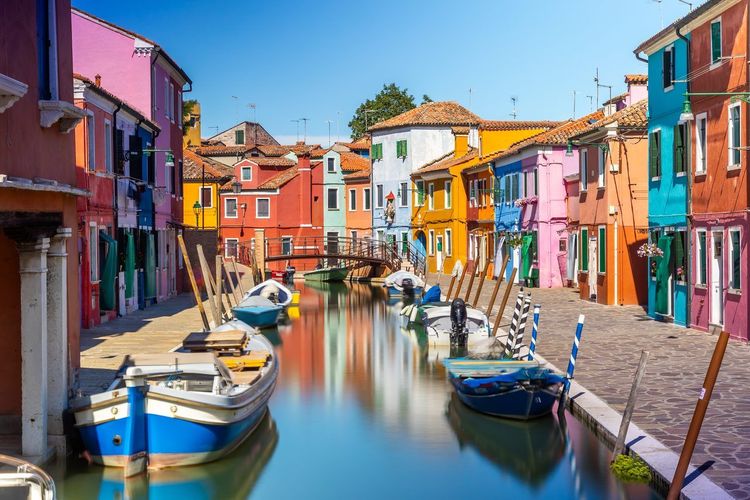
Beyond the historic centre, two lagoon islands are easily visited in a day, or in a well-organised half-day if you only choose one.
Murano and the Art of Blown Glass
Murano has lived off glass since 1291, the year the Republic moved all glass furnaces out of Venice for fear of fires. The result: more than seven centuries of know-how concentrated on a small archipelago of barely more than one square kilometre. The Museo del Vetro traces this history through pieces ranging from Roman times to contemporary creations, and several fornaci open to the public offer live glassblowing demonstrations.
Vaporetti leave regularly from Fondamente Nove, on the north shore of Venice, and the trip takes between 10 and 20 minutes depending on the line. Beware of touts offering a free transfer to a glassworks: the visit almost always ends in a shop. To buy real Murano glass, look for the Vetro Artistico Murano mark, which certifies the origin of the pieces.
Burano and Its Colourful Houses
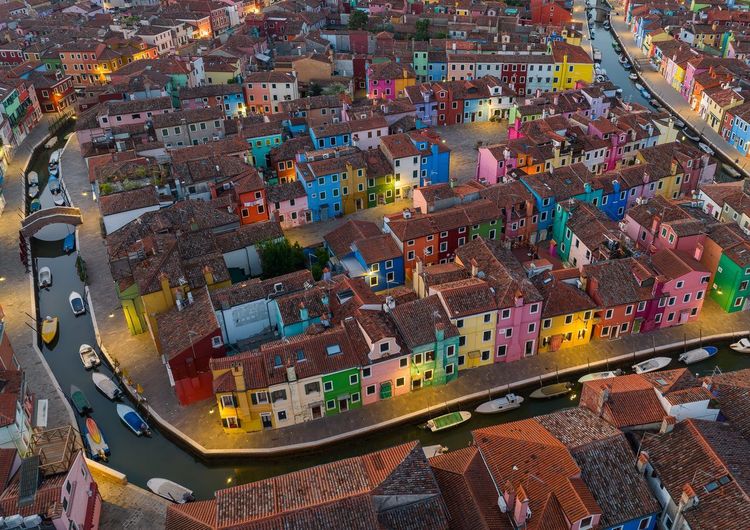
Burano (Piazza Baldassare Galuppi, 30142 Venezia, rated 4.7/5 on Google from 11K reviews), about 40 minutes by vaporetto from Fondamente Nove, immediately strikes with its façades painted in bright colours that are no accident: legend has it that fishermen spotted their houses in the fog thanks to these hues, and any new colour must still be approved by the municipality. The island is renowned for its needle lace, a craft that enjoyed its golden age in the 16th century and is presented in the small Museo del Merletto.
The leaning bell tower of the church of San Martino, visible from afar, is a little reminiscent of Pisa's in miniature. Two hours are enough to walk the main streets, but a lunch break on site will let you taste risotto di gô, made with a small lagoon fish, and the S-shaped buranelli biscuits. Just opposite, the island of Torcello and its cathedral with Byzantine mosaics can be added with a 5-minute boat ride if you still have an hour ahead of you.
Castello, Between the Arsenal and Gardens
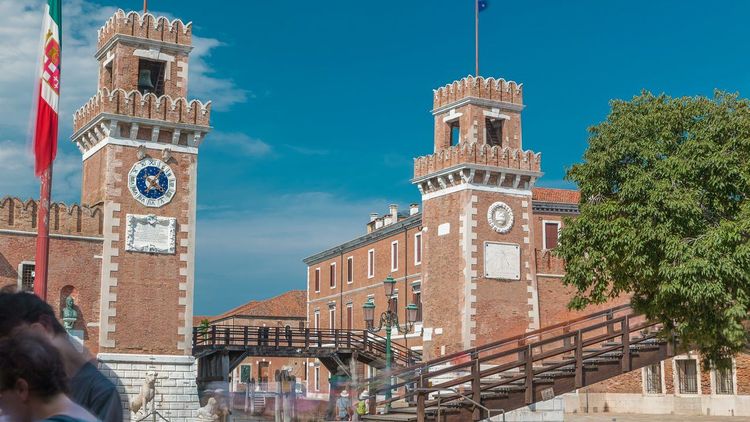
Back in Venice, the district of Castello, east of St. Mark's, remains far less crowded than the centre. The Arsenal, an immense shipyard founded in the 12th century that reportedly employed up to 16,000 workers at its peak, made the Republic one of the first naval powers of the Mediterranean. Part of the buildings now hosts the Biennale exhibitions.
The public gardens (Giardini), just to the east, offer one of the city's rare green spaces. The Via Garibaldi, the district's only wide thoroughfare, lines up its stalls and wine bars frequented by locals: a good place to dine without paying the price of a Grand Canal view.
Other Venice Must-Sees Not to Miss
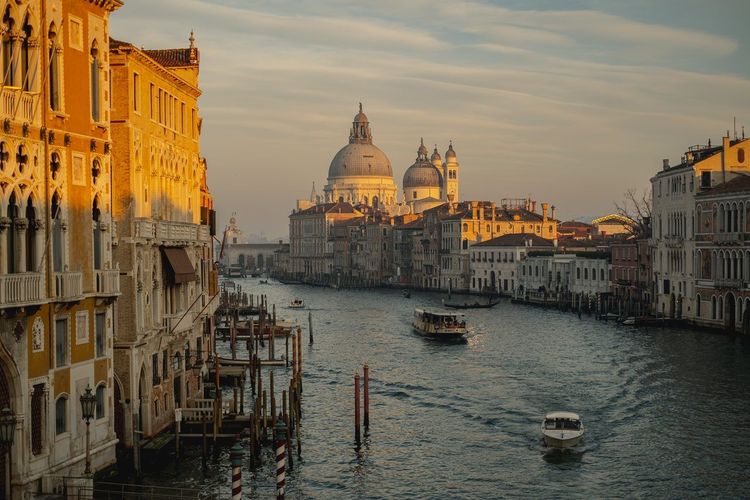
A few sites cross the itineraries of the first two days without finding their natural place in them. Here are those that justify a detour.
The Bridge of Sighs and the Scala Contarini del Bovolo
The Bridge of Sighs links the Doge's Palace to the new prisons, right behind the place visited on the first day. Its name is said to come from the sighs of convicts glimpsing the lagoon one last time through its latticed windows. It is best photographed from the Ponte della Paglia, on the Riva degli Schiavoni, which offers the best-known angle.
Less well known, the Scala Contarini del Bovolo (Corte dei Risi 4299, 30124 Venezia, rated 4.5/5 on Google from 15,283 reviews) is an external spiral staircase built towards the end of the 15th century for a private palace. You can admire it from the courtyard, or climb to the top for a small fee and an open view over the rooftops. Its name, bovolo, means snail in Venetian dialect.
The Ryo app accompanies your walk through this area with an audio commentary on the history of the Doge's Palace and its prisons, told just as you pass in front of the bridge.
Cannaregio and the Ghetto, the Other Venice
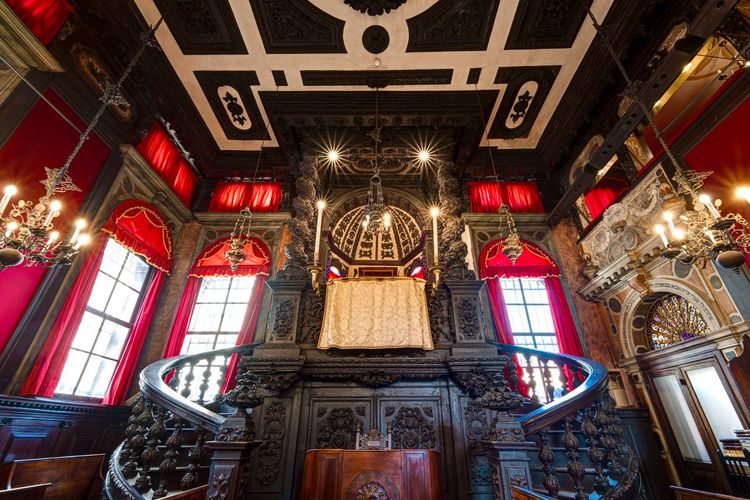
North of Santa Lucia station, Cannaregio is the most populated district of the city and the one where you will meet the most Venetians. The Ghetto, created in 1516 on the site of a former foundry (getto in Venetian), gave its name to all ghettos in the world. Its buildings rise up to seven or eight storeys, an exceptional height in Venice, for lack of room to expand on the ground, and five synagogues remain there.
In the evening, the Fondamenta della Misericordia and the Fondamenta degli Ormesini turn into a long waterside terrace, where you hop from one bacaro to the next for a few euros a glass. If you could keep only one evening off the beaten track, this would be it.
Gondola Ride on the Small Canals
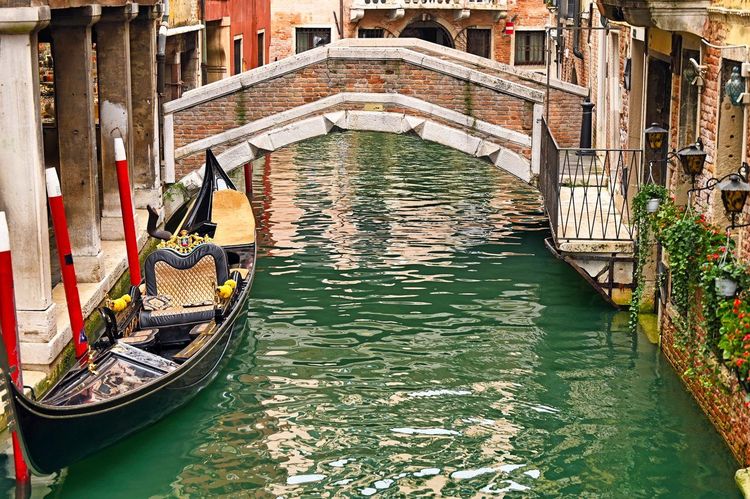
A gondola ride lasts 30 minutes and its official fare, set by the city, is 90 euros from 9 a.m. to 7 p.m., then 110 euros in the evening. The price is per boat, for up to five passengers, which changes the equation considerably if you share the ride. Choose a stazio away from the Grand Canal to enjoy the quiet small rii rather than the gondola traffic jams near the Rialto.
For a much cheaper experience, the traghetto, an undecorated gondola that crosses the Grand Canal at a few fixed points, costs 2 euros and gives you an idea of the sensation, standing up like the Venetians. The two options complement rather than exclude each other.
Which Weekend Theme to Choose in Venice?
Venice is not visited the same way depending on what you come looking for. Three profiles clearly emerge from the most successful stays.
Romantic Weekend for Couples
For a romantic weekend, favour quiet hours: a sunrise stroll along the deserted quays, a late dinner in a Dorsoduro bacaro rather than on St. Mark's Square, and a gondola booked late in the afternoon when the light turns golden. For a walk for two, our Ryo audio-guided tour lasts about two hours and punctuates each bridge crossed with an anecdote heard through headphones, without needing to speak loudly to be heard. A room overlooking a side canal often costs much less than one with a Grand Canal view, for equivalent charm.
Venice Carnival and a Festive Getaway
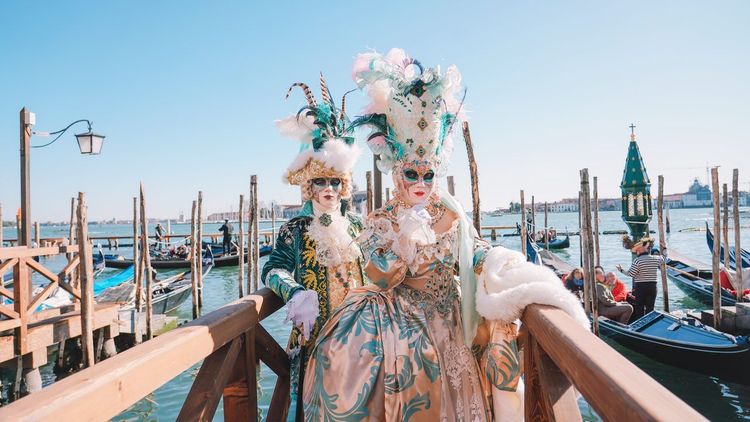
The carnival takes place every year in the two weeks before Shrove Tuesday, which falls on 9 February in 2027. Masks, costumes inspired by the Commedia dell'arte, a best-mask contest on St. Mark's Square and a parade of decorated boats on the Cannaregio canal transform the city, but accommodation prices climb sharply and you need to book months ahead. To enjoy the atmosphere without the maximum crowds, aim for the first weekend of the carnival, which is more affordable than the final weekend.
Other festivals punctuate the year: the Festa del Redentore, on the third weekend of July, with its grand fireworks over the St. Mark's basin; the Regata Storica, on the first Sunday of September; and the Biennale, devoted to art in even-numbered years and architecture in odd-numbered years.
Foodie Break: Venetian Culinary Specialities
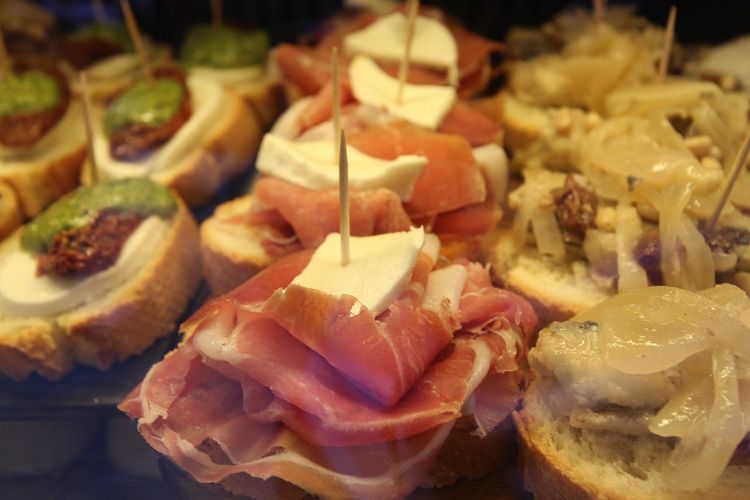
Venetian cuisine happily departs from the clichés of mainland Italian cooking. Sarde in saor, sardines marinated with onions, raisins and pine nuts, date back to the time when sailors needed long-lasting preserves. Baccalà mantecato, dried cod whipped into a cream with olive oil, is enjoyed spread on small crostini in the bacari of Cannaregio. As for main dishes, try fegato alla veneziana (calf's liver with onions) and bigoli in salsa, thick pasta with anchovy.
The spritz, made with sparkling white wine and Aperol or Select, was born in the Veneto before conquering the rest of Europe; ordering one with a cicchetto for a few euros is the local version of the aperitif. In restaurants, check the coperto (cover charge) line on the menu: it is legal but must be displayed.
When to Go to Venice for a Weekend?
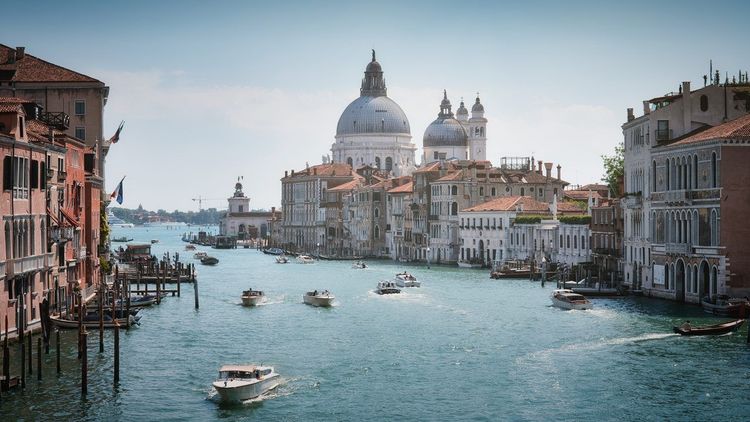
Spring (April-May) and autumn (September-October) offer the best compromise between mild weather and reasonable crowds. Summer, on the other hand, combines stifling heat in the narrow alleys, mosquitoes in the evening and maximum tourist density.
The acqua alta phenomenon, those high tides that temporarily flood St. Mark's Square and some low-lying areas, occurs mostly between October and January. Since the MOSE mobile barriers came into service in 2020, the strongest episodes are largely contained, but the square, the lowest point in the city, can still end up under a few centimetres of water: bring boots or overshoes if you travel during this period.
The carnival, in February or early March depending on the date of Easter, pushes accommodation rates up by 30 to 50% compared with a normal period. Winter, outside carnival, remains the cheapest and quietest period, provided you accept short days and fogs that, incidentally, give the lagoon its most beautiful photos.
How to Get Around Venice?
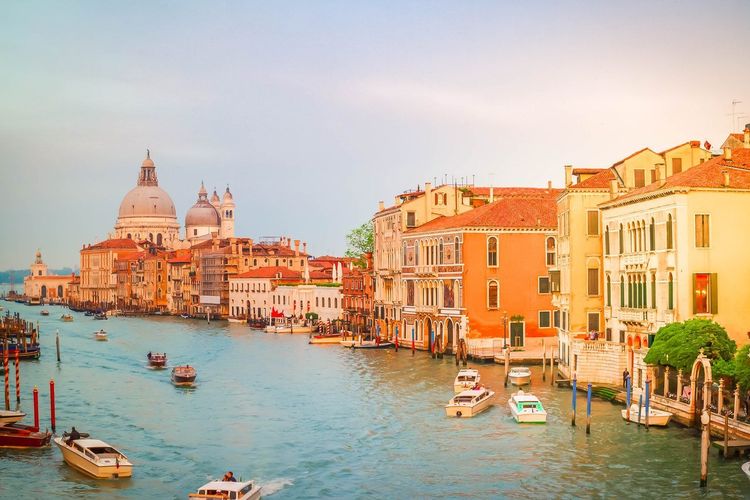
Venice is explored without any car: there are none in the historic centre, and even ambulances and fire engines travel by boat.
Vaporetto and Water Transport
The vaporetto acts as a water bus. A single ticket costs 9.50 euros for 75 minutes of validity, but the unlimited passes (24h at 25 euros, 48h at 35 euros, 72h at 45 euros) become worthwhile from the third trip. Line 1 runs the whole length of the Grand Canal, stopping everywhere, while line 2 is faster by skipping some stops. Validate your card each time you board: checks are frequent and fines are steep.
On Foot and by Traghetto Between Districts
Most distances in the historic centre can be covered on foot in 20 to 30 minutes at most, provided you follow the yellow arrows painted on the walls (Per Rialto, Per San Marco) rather than your GPS, which often gets lost between two calli. The traghetti let you cross the Grand Canal where there is no bridge, for 2 euros.
From Marco Polo Airport or Mestre Station
Venice Marco Polo Airport is about twelve kilometres from the centre by road. The ATVO bus reaches Piazzale Roma in 20 to 25 minutes, while the Alilaguna lagoon shuttle serves Fondamente Nove, the Rialto and St. Mark's in about an hour, with the advantage of arriving by water. A private water taxi, faster, easily costs more than 120 euros. Travellers arriving by train stop either at Santa Lucia station, directly in the historic centre, or at Venezia Mestre, on the mainland, about ten minutes by train from Santa Lucia.
Where to Stay in Venice: Districts and Accommodation Tips
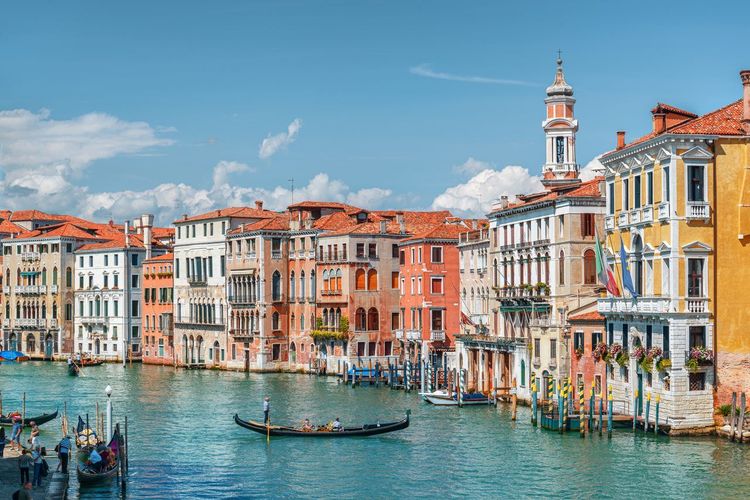
The choice of district profoundly changes the experience, much more than in most cities. Keep in mind that most hotels have no lift and that you will drag your suitcase over several bridges with steps.
Staying Near St. Mark's or the Rialto
This is the most practical option for a short weekend: everything is done on foot, without depending on vaporetto timetables, and you can enjoy an empty St. Mark's Square in the evening, once the day visitors have left. In return, prices are the highest in the city.
Staying in Dorsoduro or Cannaregio for More Calm
Dorsoduro and Cannaregio remain 10-15 minutes on foot from the centre while offering quieter nights. Cannaregio in particular keeps an authentic neighbourhood life with its own bars and markets, and its proximity to the station simplifies arrival by train.
Staying on the Mainland in Mestre to Save Money
Venezia Mestre, linked to the city by the Liberty Bridge, offers accommodation rates often two to three times lower than those of the historic centre. The drawback is the morning and evening commute, which cuts into an already short weekend, and the loss of nocturnal Venice, the most beautiful.
Booking in Advance: Tickets and Visits to the Main Monuments
For a two-day stay, every hour counts: booking a few things ahead really makes a difference.
Tickets to Book Before You Go
Three bookings are worth making several weeks before departure. St. Mark's Basilica operates with time slots that bypass the general queue, often 45 minutes to an hour long in season. The Doge's Palace sells combined tickets with the museums of the square, in limited slots during the busy months. The Peggy Guggenheim Collection, finally, limits the number of visitors per time slot: without a reservation, the wait can exceed an hour on a summer Saturday. For the glass workshops of Murano or the small churches of Castello, no reservation is necessary.
The Venice Access Fee in 2026
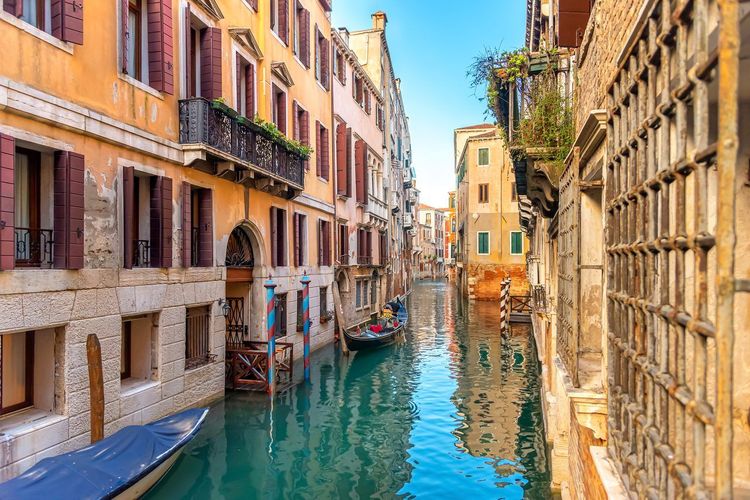
Since 2024, the city has applied a contributo di accesso to day visitors. In 2026, it covers 60 days, mainly weekends and bridge holidays, between 3 April and 26 July, from 8:30 a.m. to 4 p.m. The amount is 5 euros if you pay at least four days before your visit, 10 euros after that. Good news for your weekend: if you sleep in accommodation within the municipality of Venice, Mestre included, you are exempt since you already pay the tourist tax, but you must still register your stay on the official portal to obtain the exemption QR code.
What Budget to Plan for a Weekend in Venice?
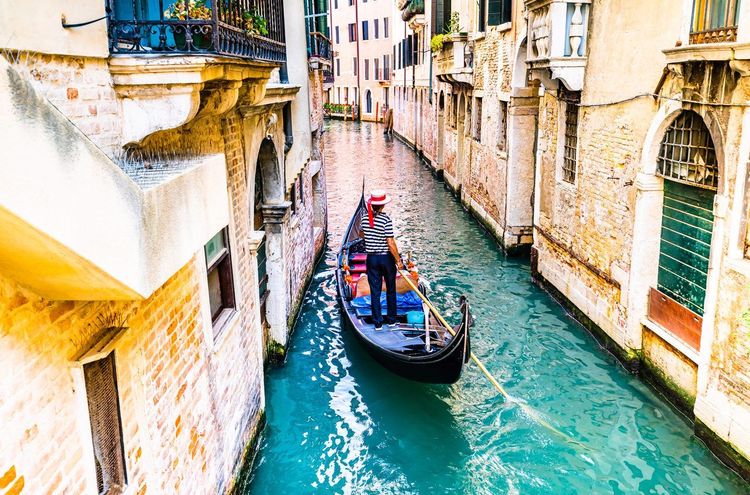
Three ranges emerge depending on the level of comfort you want. A budget weekend, two nights in a hostel or 2-star hotel on the Mestre side, low-cost flights and meals on the go, is budgeted at around 250 to 350 euros per person.
Flight-and-hotel packages sold by the big agencies, often advertised at around 400 to 600 euros per person for two nights in a 3- or 4-star hotel in the centre, are a good compromise if you do not want to organise everything yourself. A high-end weekend, with a 4- or 5-star hotel overlooking a canal, gourmet restaurants and private boat transfers, starts at around 900 euros per person and easily exceeds 1,500 euros depending on the season.
Add the often-forgotten extras: tourist tax (a few euros per night per person depending on the hotel category), vaporetto pass, and entrance tickets to monuments, which easily come to 40 to 60 euros per person for the main sites in this guide. To reduce the bill, have your coffee standing at the counter rather than on a terrace on St. Mark's Square, where the orchestra is charged as an extra.



FAQ
How many days do you need for a weekend in Venice?
Two full days are enough to cover St. Mark's, the Rialto, Dorsoduro and an excursion to Murano or Burano. A third day lets you add Cannaregio, Castello and Torcello, or simply slow down the pace.
What is the best time to go to Venice?
April-May and September-October offer the best balance between weather and crowds. Summer is hot and packed, while winter (outside carnival) is quiet and affordable but cooler, with a risk of acqua alta between October and January.
How do you get around Venice without a car?
On foot for most journeys in the centre, by vaporetto for longer distances or the lagoon islands, and by traghetto to cross the Grand Canal where there is no bridge.
Do you need to book tickets in advance for St. Mark's Basilica and the Doge's Palace?
Yes, especially between April and October. Online time slots help you avoid queues that can exceed an hour, particularly for the basilica and the combined Doge's Palace ticket.
What budget should you plan for a weekend in Venice?
Expect between 250 and 350 euros per person for a budget version, 400 to 600 euros for a standard flight-and-hotel package, and from 900 euros for a high-end version, excluding tourist tax and entrance tickets.
Can you visit Murano and Burano in half a day?
Murano alone can be visited in half a day. For both islands on the same day, plan for a full day starting early, as the vaporetto ride between the two islands adds about 30 to 40 minutes to the schedule.
Venice in Two Days: Our Advice to Truly Enjoy It
Over these two or three days, Venice reveals itself in a much quieter light than its reputation suggests, provided you agree to move away from St. Mark's Square at peak hours. The alleys of Castello, the fondamente of Cannaregio, the workshops of Murano and the calm canals of Dorsoduro offer more than enough material to justify a return.
The real secret lies in timing: get up early, stay out late, and leave the middle of the day to museums and islands. To give meaning to every campo you cross, the Ryo audio-guided tour of Venice tells you the story of the Serenissima step by step, at your own pace, without depending on a group's schedule.
À lire également