© Shutterstock
 Votre guide Ryo
25 Activities in Venice and Its Surroundings in 2026
Activities in Venice and its surroundings go far beyond a gondola ride on the Grand Canal and a packed St. Mark's Square in the middle of August. Venice is a city to be inhabited rather than passed through: no cars, no bikes, no trams, just the sound of water and the particular light that filters between the palaces in the early morning. If you've heard that the city is overcrowded and disappointing, it's probably because you rushed through it in two hours on a summer Saturday. It takes on an entirely different dimension for those who take the time to get lost in it. To start finding your bearings in the City of the Doges, the Ryo Venice audio guide leads you between bridges, campi, and sestieri with the stories that make all the difference.
Across these 25 activities: Piazza San Marco deserted at 6am, a Gothic spiral staircase hidden in a private courtyard, a bookshop whose ladders are made of stacked books, cicchetti for two euros served standing at the bar, and day trips to Padua and Verona that reveal a Veneto often overlooked. Venice from the canal side, Venice from the lagoon side, and the mainland less than an hour away by train: here is what you should not miss in 2026. Starting from St Mark's Square, our audio walking tour of the Serenissima covers the essentials in 3.6 km.
1. St. Mark's Square at Dawn
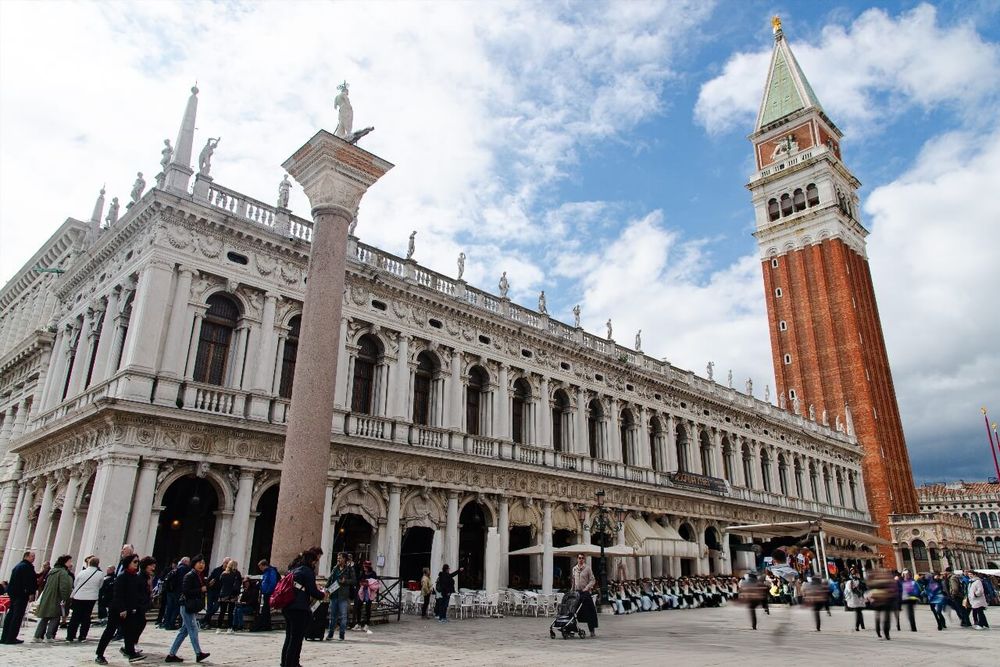
Piazza San Marco (Piazza San Marco, 30100 Venezia, rated 4.7/5 on Google with 180K reviews) is one of the rare squares in the world that truly lives up to its reputation, provided you arrive before the hordes of visitors. At 6am, between May and September, you will discover Venice's largest square almost empty: pigeons as the sole occupants, the four Byzantine and Baroque facades reflected in the puddles left by the acqua alta, Caffè Florian still closed behind its gilded windows.
The square took its current form in the 12th century, with modifications continuing through the 18th. What we call "the square" actually comprises two spaces: the main Piazza and the Piazzetta, which opens onto the St. Mark's Basin between the two columns bearing San Marco and San Todaro. It was from the Piazzetta that ships once arrived, and it was also here that condemned men were executed between the two columns. Superstitious Venetians still avoid walking between them today.
The pink Euganean trachyte paving was laid in 1723 to a wave-inspired parterre design. Bring waterproof shoes if you visit in autumn or winter: the acqua alta regularly covers the square with 30 to 100 cm of water. Raised walkways allow circulation, and the experience of a flooded square is one you will find nowhere else.
2. The Doge's Palace and Its Secret Itineraries
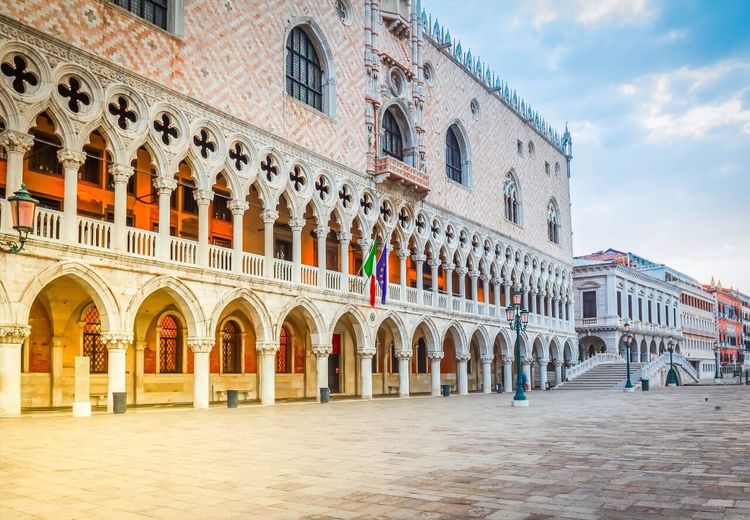
The Palazzo Ducale is the most visited monument in Venice, and one of the few that justifies the wait — provided you don't settle for the standard route.
Built between the 9th and 16th centuries, the palace served simultaneously as the doges' residence, the seat of the republican government, and a state prison. Its facades of Istrian pink marble set in a lattice above the ground-floor arcades represent the finest example of Venetian Gothic in existence. Inside, the halls of the Maggior Consiglio and the Senate are filled with canvases by Tintoretto, Veronese, and Palma il Giovane, some covering surfaces of over two hundred square meters.
What standard guides leave out: the Itinerari Segreti, the secret itineraries available only by reservation. This ninety-minute tour takes you through the hidden 14th-century administrative spaces, into the lead-lined cells (the famous Piombi) located beneath the palace rooftops, and into the pozzi dungeons at lagoon level. It was in the Piombi that Giacomo Casanova was imprisoned in 1755 and from which he made a spectacular escape the following year — the only successful escape in the palace's history. His account, written in his own hand, remains one of the most gripping documents in the Venetian archives.
Book the Itinerari Segreti at least two weeks in advance during high season: places sell out quickly and the group is limited to around twenty people. The ticket also includes access to the palace's regular rooms; allow a full half-day if you do both. The entrance through the Porta della Carta, adorned with a bas-relief of Doge Francesco Foscari, is worth a photographic detour in itself.
The New Prisons (16th century), accessible via the famous Bridge of Sighs, complete the visit. The bridge takes its name from the legend that condemned men let out a final sigh upon seeing the lagoon through its barred windows. In reality, the passage simply connected the palace to the new prisons. The legend, however, has endured.
3. St. Mark's Basilica
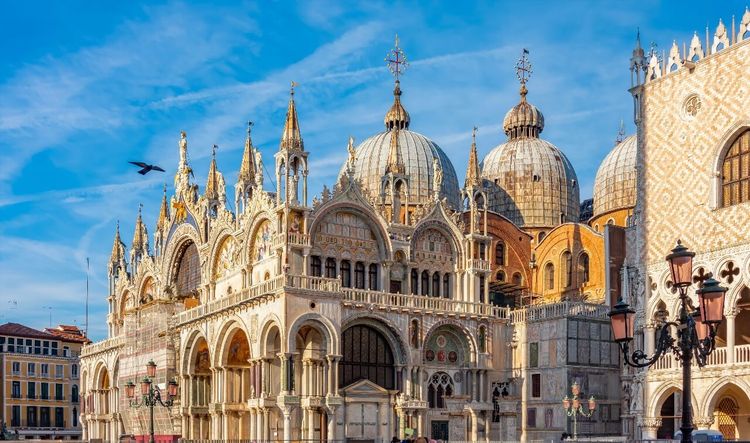
The Basilica di San Marco (Piazza San Marco 328, 30124 Venezia, rated 4.7/5 on Google with 29,061 reviews) is the most Eastern of the West's great basilicas. Its five Byzantine domes, 8,000 m² of golden mosaics, and its facade adorned with bronze horses (copies of the originals kept inside since the 13th century) make it one of the most singular buildings in Europe.
To avoid the queue that can stretch to two hours in summer, book your time slot online in advance. Access to the logette (upper galleries) allows you to admire the mosaics up close and take in the square from the height of the horses. Look up as soon as you enter the narthex: the 12th-century mosaics depicting Genesis there are paradoxically among the best-preserved in the entire building.
4. The Rialto Market
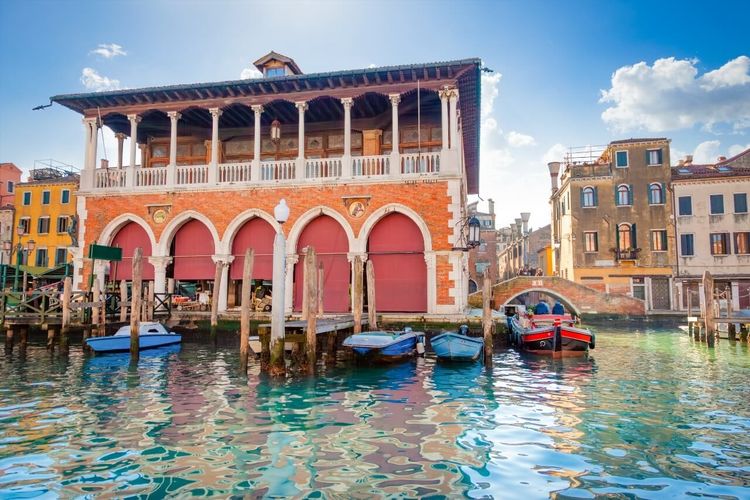
The Mercato di Rialto has been operating since the 11th century. It is not a tourist recreation: fishermen deliver their crates before 7am, market gardeners set up their stalls at dawn, and about half the clientele consists of Venetian restaurateurs who come to choose the day's cuttlefish and moeche (soft-shell crabs).
The fish hall (Pescheria) was rebuilt in 1907 in a neo-Gothic style that blends seamlessly with the surrounding medieval buildings. The market closes around noon and remains closed on Sundays. If you are staying in an apartment, this is the ideal place to put together a Venetian lunch: flat lagoon fish, rocket, local cherry tomatoes, and bulk wine from the campo merchants. The crowd starts to build around 9:30am; arrive before then.
Just steps away, the Ponte di Rialto (Rio Terà Rialto, 30125 Venezia, rated 4.7/5 on Google with 193,601 reviews) offers the most photographed views of Venice over the Grand Canal. Built in 1591 after decades of debate (Palladio and Michelangelo had both submitted their own designs), it remains the only stone bridge of that era to span the Grand Canal.
5. Walking across Venice, Sestiere by Sestiere
Venice is divided into six sestieri: San Marco, Castello, Cannaregio, San Polo, Santa Croce, and Dorsoduro. The most satisfying walk is to cross the city diagonally, from Santa Lucia station to Piazza San Marco, consistently straying from the signposted routes.
The secret is simple: always take the street not indicated on the "Per San Marco" signs. Venice is a city of 118 islands, 417 bridges, and 160 canals: even with a GPS, you will get lost, and that is precisely the point. The narrowest calli, such as Calle Varisco in Cannaregio at just 53 cm wide, can only be reached by drifting.
Wear flexible soles: the Istrian stone paving is beautiful but slippery when wet, and there are many small bridges without handrails. Light walking shoes with a grippy sole are far better than ballet flats for a serious day of exploration.
6. A Gondola Ride, Done Differently
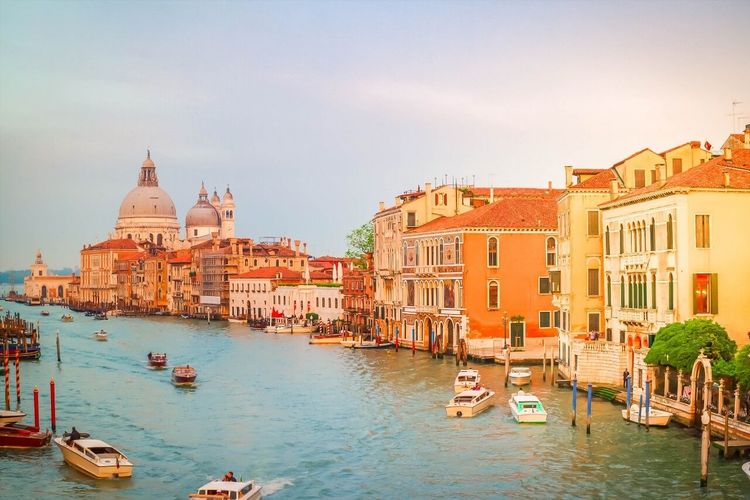
The gondola is the image of Venice, to the point of becoming a cliché. A private ride costs €90 for thirty minutes during the day and €110 in the evening from 7pm onwards (official rate set by the municipality, per boat not per person), and the San Marco canal can resemble a decorated-boat traffic jam at the height of the season. Yet the experience remains unique if you approach it differently.
First option: the traghetto, a shared gondola that crosses the Grand Canal at six fixed points for €2 per person. Venetians use it like an extended pedestrian crossing: you stand, you cross, you move on. Touristy? Not really — it is how the city functioned before the current bridges existed.
Second option: book a gondola off-season (November to March), in the early evening. The inner canals empty out almost completely, and the light from the lampposts reflected in the black water creates an atmosphere that July photographs have never captured. Some gondoliers offer itineraries through Cannaregio or Dorsoduro, far from the congested San Marco.
Third option: learn to row the Venetian way. Several associations offer introductory voga longa courses on the canals of the Giudecca or on the lagoon. Expect to pay €80 to €120 for a two-hour session including equipment. Balance is the first challenge: professional gondoliers spend years mastering the technique of bracing on the ribalta.
7. Watching the Craftsmen at Squero San Trovaso
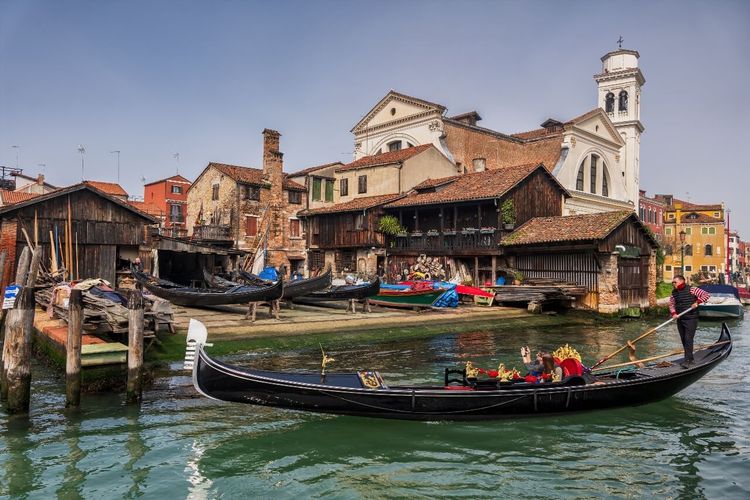
The Squero San Trovaso (Fondamenta Nani 1097, 30123 Venezia, rated 4.6/5 on Google with 429 reviews) is the oldest gondola boatyard still in operation in Venice. There are two or three remaining, depending on the year, down from around fifty in the 19th century.
The workshop itself cannot be visited as it remains private, but the view from the opposite fondamenta offers a rare spectacle: craftsmen work in an Alpine timber courtyard (the buildings resemble mountain chalets built at the water's edge), and you can observe from a distance the various stages of gondola construction and repair. The characteristic black hull receives 7 coats of specialist lacquer; each gondola is assembled from 280 pieces of 8 different types of wood. Allow fifteen to thirty minutes on site.
8. The Dorsoduro District and La Salute
Dorsoduro is the sestiere of painters, students from Ca' Foscari University, and contemporary art lovers. Less crowded than San Marco, it nonetheless concentrates some of the city's greatest museums.
The Chiesa di Santa Maria della Salute marks the lagoon entrance to the Grand Canal. This Baroque basilica, built between 1631 and 1687 in the aftermath of the great plague that had killed a third of Venice's population, is one of the most recognizable silhouettes in Venice. The interior is more austere than expected; Tintoretto's masterworks in the sacristy are worth the separate admission.
The Ca' Rezzonico (Fondamenta Rezzonico 3136, 30123 Venezia, rated 4.5/5 on Google with 3,439 reviews) houses the Museo del Settecento Veneziano, entirely dedicated to 18th-century Venice. Tiepolo's frescoes on the ballroom ceiling give a vivid sense of the Republic's splendor in its decline. Robert Browning died here in 1889 in the apartment his son had acquired the previous year.
The Dorsoduro quaysides (the Zattere) offer Venice's longest straight waterfront walk, facing the island of the Giudecca. In the late afternoon, it is the best spot to watch cruise ships leave the St. Mark's Basin, some towering several meters above the domes of La Salute — a staggering juxtaposition of scales.
9. The Cannaregio District and the Historic Ghetto
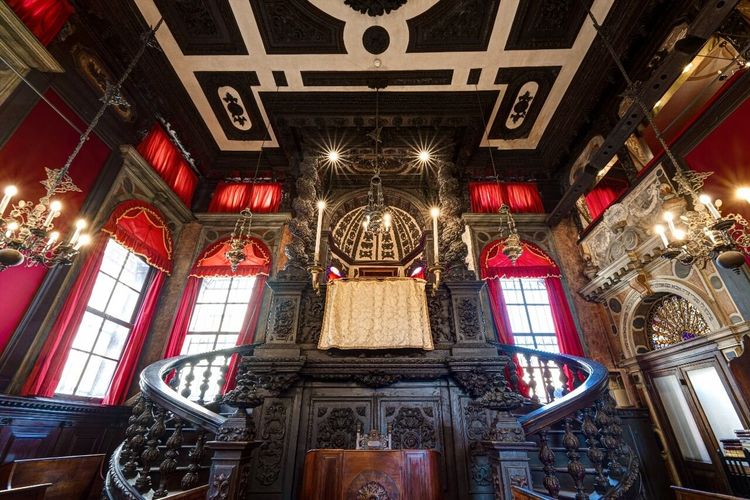
Cannaregio is Venice's northernmost sestiere, the least visited of the six, and in many ways the most authentically Venetian. This is where most permanent residents live, where grocery stores stay open past 7pm, and where restaurants don't have translated menus.
The Ghetto di Venezia (Campo del Ghetto Nuovo, 30121 Venezia, rated 4.7/5 on Google with 9K reviews) is the first Jewish ghetto in history. The word "ghetto" comes from the Venetian "gheto," meaning foundry, which occupied this space before 1516. When the Republic of Venice confined the Jewish community here that spring, it inadvertently created the model that all of Europe would go on to imitate. Today, the Ghetto campo is one of the few spaces in Venice that gives the impression of a genuine village square: children playing, benches occupied by locals.
The Madonna dell'Orto (14th century), a ten-minute walk to the north, is the church where Tintoretto had his studio and where he is buried. Two monumental paintings by his hand — the Presentation of the Virgin at the Temple and the Last Judgment — are preserved in the choir. Admission is modest; footfall, almost nonexistent.
10. The Ca' d'Oro on the Grand Canal
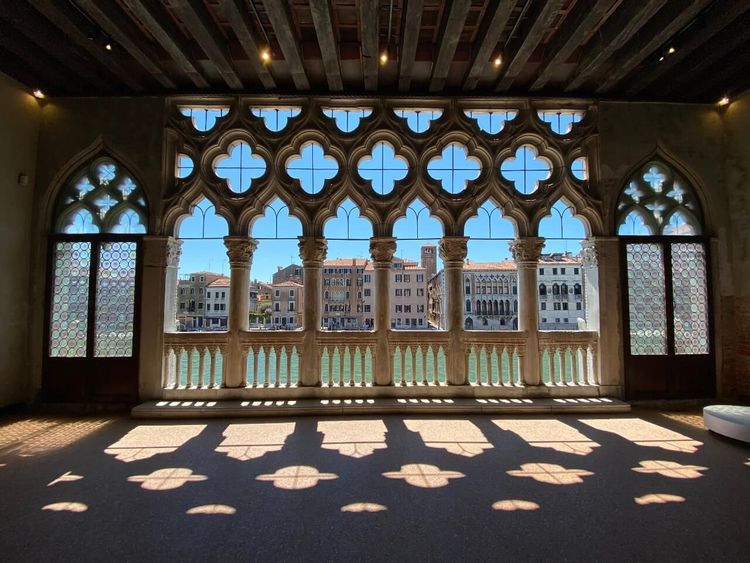
The Ca' d'Oro (Calle Ca' d'Oro 3933, 30121 Venezia, rated 4.4/5 on Google with 748 reviews) (15th century) owes its name to the gilding that once covered its flamboyant Gothic facade. It now houses the Galleria Franchetti, a relatively uncrowded collection of paintings and sculptures from the 15th to 17th centuries, including a Saint Sebastian by Mantegna displayed in a marble-floored room facing the loggia on the canal.
The admission price is among the lowest in Venice for the quality of the collection. But the main reason to come is the open loggia overlooking the Grand Canal on the first floor: the view of the vaporetto traffic and the palaces opposite, from this Gothic balcony suspended above the water, ranks among the most memorable moments Venice has to offer. Arrive on a weekday before 11am to enjoy it without waiting.
11. La Fenice, the Hall That Rises from the Ashes
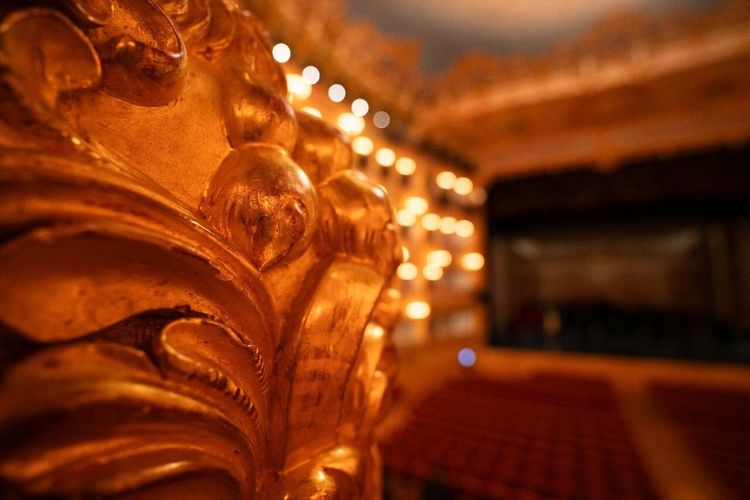
The Teatro La Fenice (Campo San Fantin 1965, 30124 Venezia, rated 4.7/5 on Google with 15,899 reviews) (the Phoenix) has burned down three times in two centuries: in 1836, then again in 1996 in an arson attack set to delay renovation works. The reconstruction to the original plans, completed in 2004, restored the Louis XVI-style hall to its 1837 state, with its white stucco, red velvet, and five tiers of boxes.
If you are not attending a performance, the guided tour of the hall (available several times daily) allows you to understand the building's exceptional acoustics and go behind the scenes. Wagner, Verdi, Stravinsky: most of the great premieres of the 19th-century European operatic repertoire took place here. The premiere of La Traviata in 1853 was booed: the audience found the soprano too heavyset to play a dying woman.
12. The Clock Tower
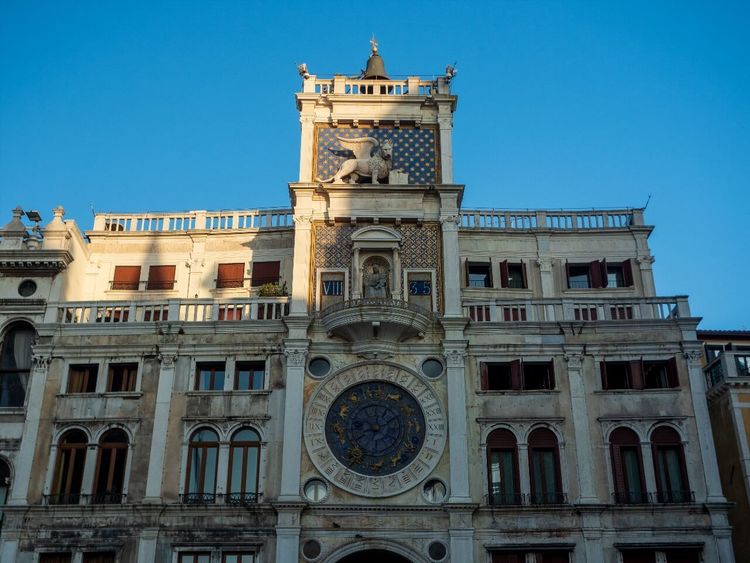
The Torre dell'Orologio (Piazza San Marco 147, 30124 Venezia, rated 4.7/5 on Google with 2,055 reviews) (1499) closes off Piazza San Marco to the north and announces the entrance to the Merceria, Venice's main shopping street. At the top, two bronze figures known as the Mori have been striking the hour bell for over five hundred years.
The interior visit, accessible by reservation only, takes you through the workings of the astronomical clock (which displays the time, the phases of the moon, the zodiac sign, and the position of the sun) and up to the terrace at the foot of the Mori. Book well in advance: the group is limited to 12 people and the visit lasts approximately 90 minutes.
13. The Contarini del Bovolo Staircase
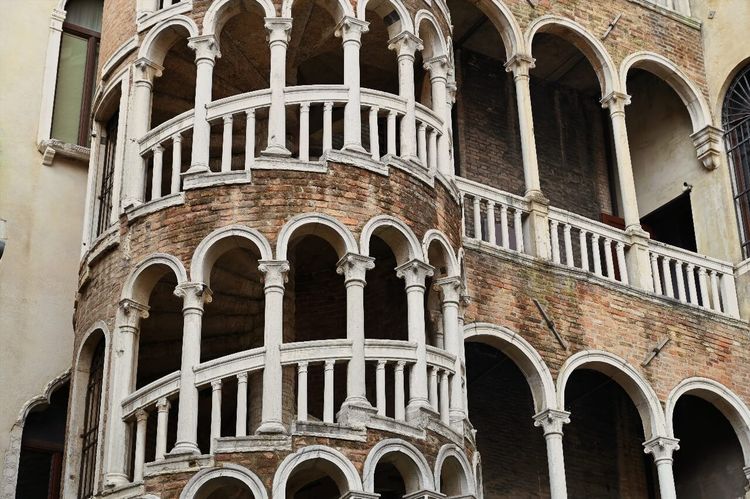
Few things in Venice surprise as much as this staircase. Hidden in a small private courtyard a few minutes from San Marco, the Contarini del Bovolo staircase (bovolo means snail in Venetian) is a spiral external loggia in Gothic-Renaissance style, built around 1499.
A recent restoration reopened access to the top. You climb through the round arches of the first level to reach the pointed arches at the top, the stylistic transition readable in the stone itself. There is a view over the San Marco rooftops from the uppermost landing. Entry is paid, yet the site remains unknown to the majority of visitors who pass within twenty meters of it without suspecting it is there.
14. The Acqua Alta Bookshop
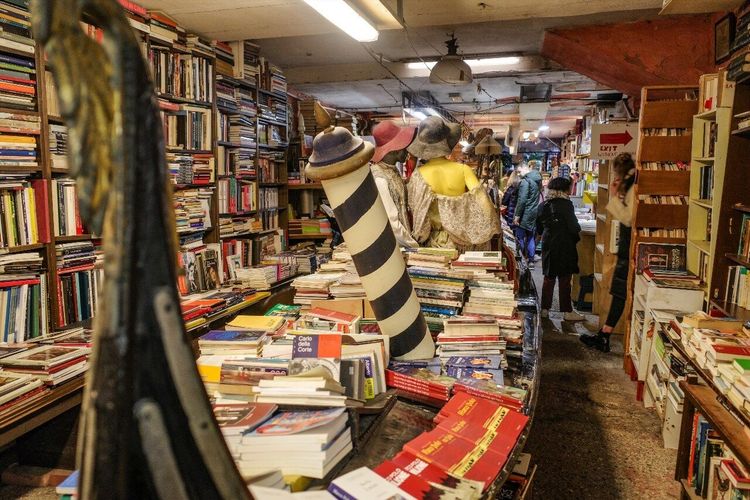
The Libreria Acqua Alta (Calle Lunga Santa Maria Formosa 5176b, 30122 Venezia, rated 4.4/5 on Google with 31,579 reviews) is not an Instagrammable bookshop concept dreamed up by a designer: it is a secondhand bookshop that has solved the recurring acqua alta problem in its own way. Books are stored in bathtubs, boats, and entire gondolas arranged inside, and a staircase made of bound volumes provides access to a terrace overlooking the inner canal.
The place is now well known and the queue can grow long. Arrive at opening (9am) or in the late afternoon (after 5pm), and don't come looking for a specific book: the catalogue is incomprehensible. Come for the atmosphere, for the owner's cat sleeping in a gondola, and for the view of the canal from the staircase of stacked books.
15. Cicchetti and Venetian Bacari
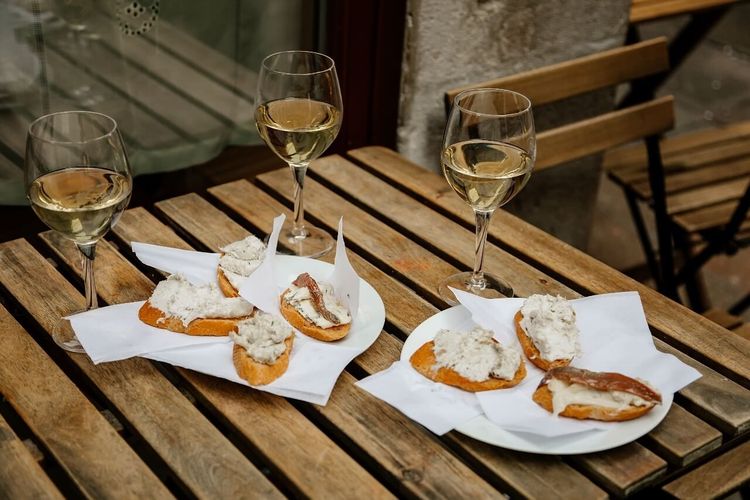
Cicchetti are Venice's answer to tapas: small bites served on bread or on skewers, available in bacari (traditional wine bars) from around 11am. Typical price: €1 to €2.50 each. You eat standing up, at the bar or on the doorstep, with an ombra (small glass of local wine) for €1 to €1.50.
The most typical cicchetti: sarde in soar (sardines marinated in vinegar, onions, and raisins, a 15th-century recipe), baccalà mantecato (dried cod emulsified with olive oil into a white cream), polpette (meat or fish balls), and moeche fritte (fried soft-shell crabs, in season from April to June and October to November).
Do Mori, just steps from the Rialto market, is one of Venice's oldest bacari (founded in 1462), always packed at midday, with hams hanging from its copper ceiling. The area around the Ruga degli Orefici and the streets adjacent to the Rialto offers the best selection of authentic bacari, far from the establishments that display prices in English on photographed boards. To explore these neighborhoods with historical anecdotes at every street corner, the Ryo Venice audio guide includes several stops in the city's most gastronomically rich sestieri.
16. The San Giorgio Maggiore Bell Tower
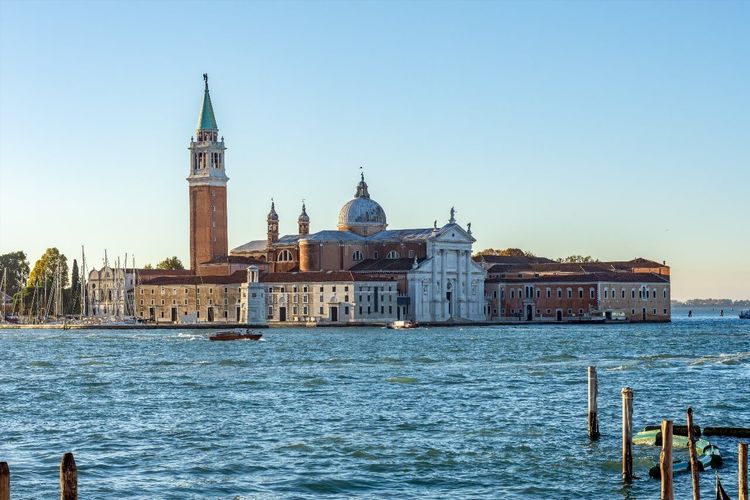
Most visitors queue to climb the bell tower at Piazza San Marco. That is a beginner's mistake: the view from the bell tower of San Giorgio Maggiore, on the other side of the basin, is superior. From San Giorgio island you can see the entire lagoon, the Lido, the Doge's Palace, and the Basilica della Salute — and there is no queue whatsoever.
The island is reached by vaporetto (line 2 from San Zaccaria, 5 minutes). The lift takes two minutes up to the panoramic platform. Go in the late afternoon: the raking light gilds the white facades of La Salute and the Doge's Palace in tones that no postcard can reproduce.
17. The Venice Carnival
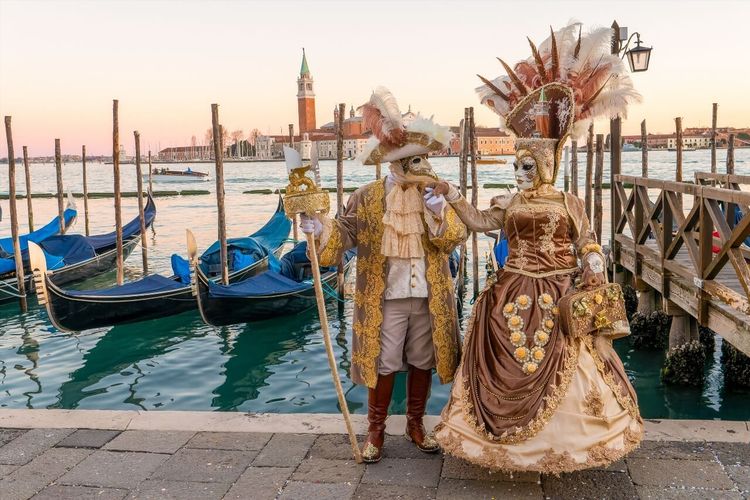
The Venice Carnival returns every year in February, during the two weeks before Ash Wednesday. It draws around 3 million visitors over eighteen days, which means prices double and St. Mark's Square resembles a packed railway concourse. But the Carnival also has a side that escapes the crowds: private balls in the palaces, nocturnal processions through the calli, and mask-making workshops in the small shops of Castello and Cannaregio.
The most common traditional masks: the bauta (a hood with a beak-shaped nose covering the mouth, allowing the wearer to eat and drink without removing it), the medico della peste (the plague doctor mask with its long nose filled with aromatic herbs), and the moretta (a small oval mask held between the teeth, which rendered women silent and mysterious). The artisan Tragicomica in the sestiere of San Polo still makes these papier-mâché masks using the traditional method.
18. Sunset on the Riva degli Schiavoni
The Riva degli Schiavoni (Riva degli Schiavoni, 30122 Venezia, rated 4.7/5 on Google with 18 reviews) is the long quay running along the St. Mark's Basin from the Doge's Palace to the Castello district. Its name comes from the Slavonian merchants (originally from Dalmatia) who moored their vessels here in the Middle Ages.
The sunset seen from this quay, with the San Giorgio Maggiore bell tower glowing red on the right and the silhouette of La Salute to the left, is one of the most photographed scenes in Venice — and for good reason. Arrive 30 to 45 minutes before sunset and settle along the edge of the quay, preferably east of the Ponte del Greci. The terrace bars of the hotels overlooking the Riva (Danieli, Londra Palace) offer another perspective from their rooftops, with a mandatory purchase but an unmatched vantage point.
19. The Island of Murano, World Capital of Glass
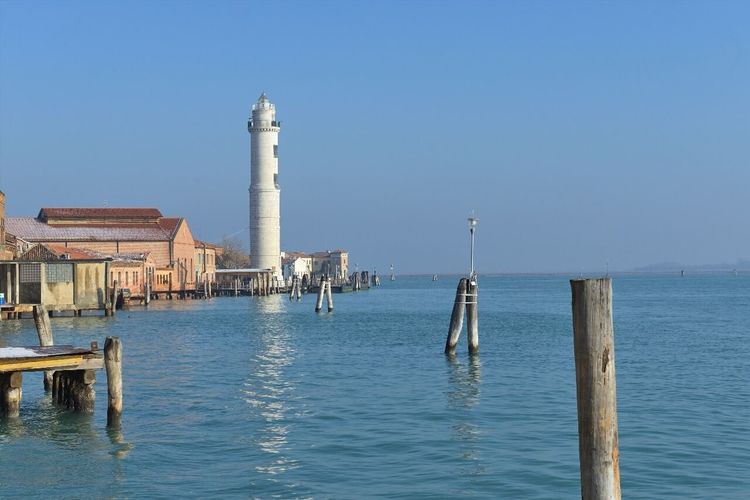
Murano is 15 minutes from Venice by vaporetto (lines 4.1 and 4.2 from Fondamente Nove). Since the 13th century, the Republic transferred all the glassworks there in 1291 to prevent fires in the main city, and the island has been producing blown glass using techniques kept secret for centuries.
Glassblowing demonstrations are offered in several workshops on the island, often free of charge to draw customers into the shop. It is not a folkloric show: it is real craftwork, in front of a furnace at 1,200 degrees. The gestures are precise and the material transforms in seconds from a shapeless tube into a bowl, vase, or miniature animal. When buying: beware of shops selling pieces labeled "Murano" that are manufactured in Asia. The Vetro Artistico Murano label with a hologram certifies genuine origin.
The Museo del Vetro (Fondamenta Giustinian 8, 30141 Murano, rated 4.1/5 on Google with 9,682 reviews) in Murano traces the history of Venetian glass from the earliest Roman objects to contemporary creations. The collection includes 15th-century pieces of exceptional delicacy and millefiori (thousand-flower) glasses whose manufacturing secret has been lost and rediscovered several times over the centuries.
Murano deserves a full half-day, not just an hour in the shops. Its canals, its little squares, and its church of Santi Maria e Donato (12th century, with a polychrome marble mosaic floor dating from 1141) are all worth exploring beyond the glassworks. For full details on timings and how to organize your day, consult our Ryo guide to the islands of Murano, Burano, and Torcello before you go.
20. The Island of Burano and Its Rainbow Houses
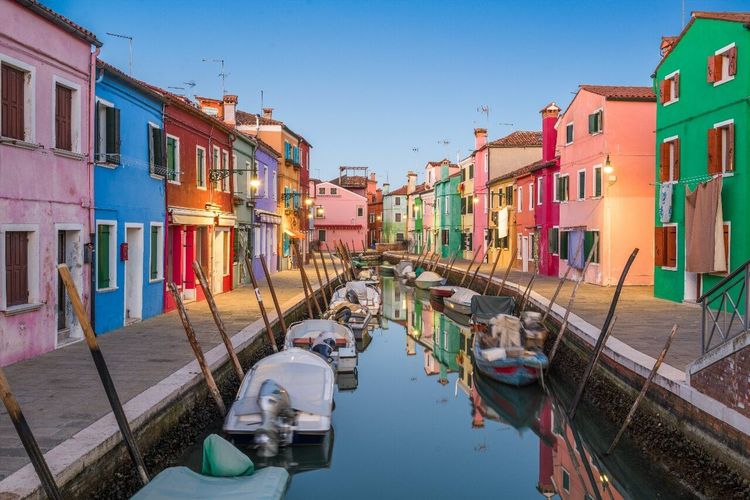
Burano is 40 minutes from Venice by vaporetto (line 12 from Fondamente Nove). It is the most colorful of the lagoon islands: each house is painted a vivid color — saffron yellow, crimson red, ultramarine blue, or pistachio green — according to a communal allocation system dating back several centuries that allowed fishermen to recognize their homes in the morning mist.
The island has traditionally lived on needle lace (the merletto di Burano), an extraordinarily fine technique that takes years to learn and featured in the embroideries of European royal courts in the 17th century. The Museo del Merletto presents a collection of historic lace and demonstrations by the last active lacemakers.
Burano can be visited in two hours for the main island. The appeal lies not in the museums but in wandering through the colorful calli, having a coffee facing the leaning bell tower (tilted approximately 1.9 meters from vertical), and enjoying a risotto al go (goby risotto, the typical lagoon fish) at one of the waterfront restaurants.
The neighboring island of Mazzorbo (Isola di Mazzorbo, 30012 Venezia, rated 4.5/5 on Google with 77 reviews), connected to Burano by a wooden bridge, is worth the detour for its Dorona vine, a near-extinct white grape variety revived by the Venissa estate, and for its complete silence outside of mealtimes.
21. Torcello, the Island at Venice's Origins
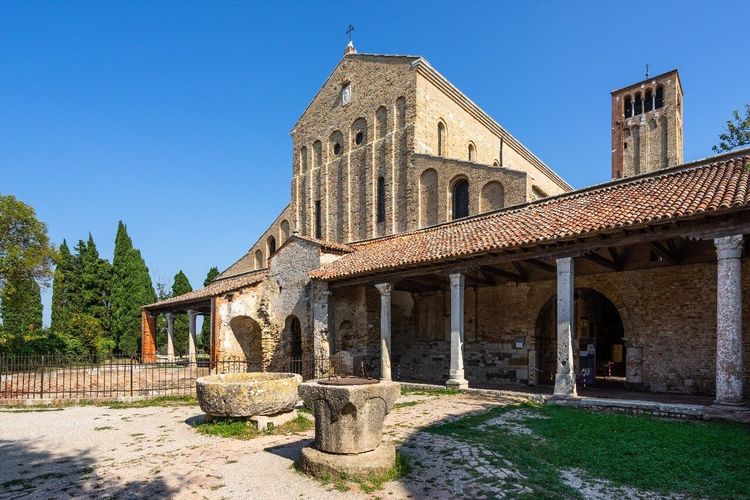
Torcello is the oldest inhabited island in the lagoon. The settlement that existed there in the 7th century had 20,000 inhabitants, more than Venice at the same period. Today, Torcello is home to only a handful of families and a few restaurants, but its Cattedrale di Santa Maria Assunta (founded in 639 AD) is one of the finest examples of Byzantine mosaic art in the Western world.
The Last Judgment mosaic covering the entire back wall of the cathedral dates from the 11th century. It is spectacular not for its dimensions, though these are considerable, but for the minuteness of its details: each soul is individualized, each scene of penance rendered with a disturbing precision that speaks volumes about the medieval worldview.
Torcello can be reached from Burano (a few minutes by vaporetto) or directly from Fondamente Nove (75 minutes on line 12). Plan your visit for early morning: the cathedral receives few visitors before 10am, and the atmosphere of the deserted island, with its grassy canals and its isolated bell tower in the lagoon mist, is unforgettable.
22. Exploring the Lagoon by Vaporetto
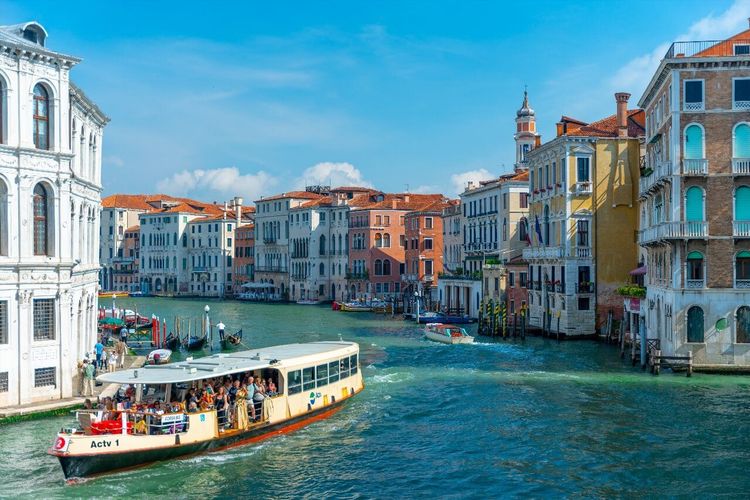
The vaporetto is Venice's public bus, and one of the best ways to discover the city for €9.50 per single ticket (or €35 for an unlimited 48-hour pass). Line 1 runs the full length of the Grand Canal from Piazzale Roma to San Marco: forty-five minutes of panoramic views over the palaces, private moorings, and hanging gardens between the buildings.
The most useful lines for exploration: line 2 (Grand Canal express, faster), line 12 (to Murano, Burano, Torcello), and lines 4.1/4.2 (circuit of Venice and Murano). A single ticket is valid for 75 minutes, allowing several connections within that window. Boarding with bulky luggage during peak hours is restricted; drivers may refuse to let you on.
23. Day Trip to Padua
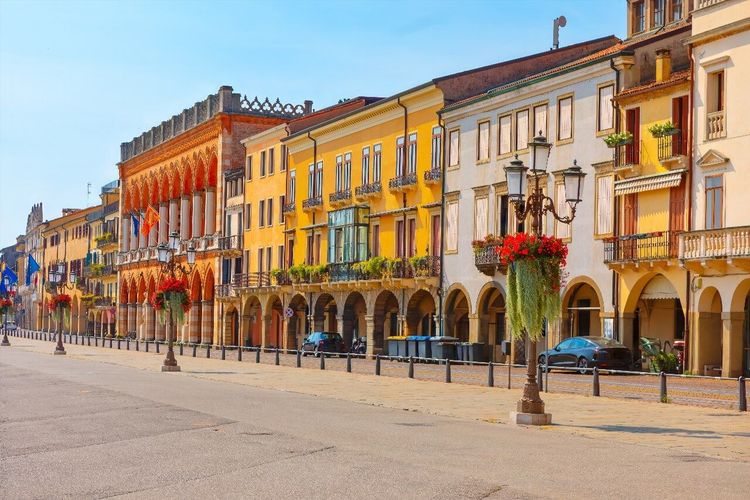
Padua (Padova in Italian) is 25 to 30 minutes from Venice by regional train from Santa Lucia station, for around €5 per journey. It is one of the most rewarding excursions from Venice: a university city of 220,000 inhabitants with two UNESCO sites, an intact historic center, and an atmosphere that contrasts radically with Venetian mass tourism.
The Cappella degli Scrovegni is one of the most important artistic destinations in Europe and one of the least known to the general public. Enrico Scrovegni, son of a notorious usurer, commissioned it from 1303 to atone for his father's sins. Giotto painted there the first cycle of realistic frescoes in the history of Western art: 37 frescoes covering the walls from floor to ceiling, depicting the life of Mary and Christ with a mastery of perspective and human emotion unprecedented at the time. Advance booking is mandatory: the group is limited to 25 people per fifteen-minute slot, and places sell out weeks in advance during high season.
The Basilica di Sant'Antonio (Piazza del Santo 11, 35123 Padova, rated 4.8/5 on Google with 55,351 reviews) (the "Santo" for the people of Padua) is one of Italy's most visited pilgrimage sites, with its forest of candles and the Chapel of Relics where the jaw and tongue of Saint Anthony of Padua are preserved — the tongue found still red and uncorrupted in 1263, thirty-two years after his death, according to tradition.
The Piazza delle Erbe and the Piazza dei Signori together form one of the best-preserved medieval square complexes in Italy. The Palazzo della Ragione that separates them shelters beneath its immense inverted ship-hull roof the largest medieval hall in Europe without interior columns: 81 meters long, 27 meters high, covered with 15th-century astrological and calendar frescoes.
Padua can be visited in a half-day if you focus on the Cappella degli Scrovegni and the historic center, or in a full day if you add the Botanical Garden (the oldest in Europe, founded in 1545, UNESCO-listed) and the city center's endless arcaded streets.
24. The Riviera del Brenta
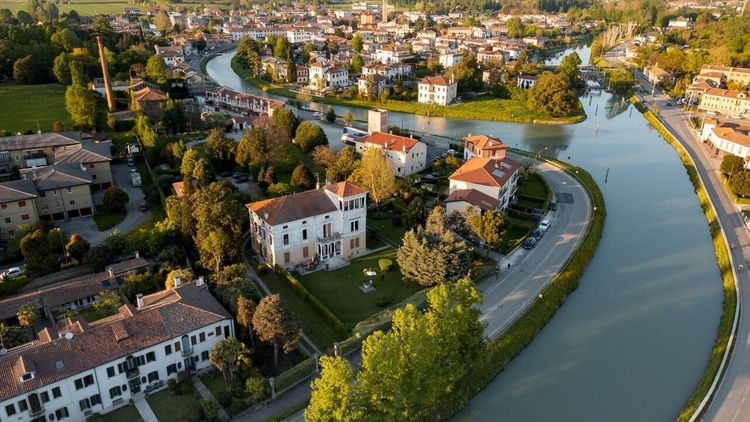
The Riviera del Brenta stretches along the Brenta canal between Venice and Padua, over 30 kilometers of banks lined with Venetian patrician villas. In the 16th century, Venice's noble families built their summer residences here. More than 80 villas survive today, several of which are UNESCO-listed among Palladio's villas.
The Villa Pisani (Via Doge Pisani 7, 30039 Stra, rated 4.4/5 on Google with 7,161 reviews) in Stra is the largest and most impressive: 114 rooms, an 11-hectare park featuring Italy's most famous maze (said to be "Napoleon's," who reportedly got lost in it himself), and a gallery of Tiepolo frescoes. Napoleon, Viceroy Eugène de Beauharnais, Sissi, and other figures of European history all stayed here on various occasions.
The most elegant way to discover the Riviera: the Burchiello, a tourist barge that links Venice to Padua once a day from April to October. The cruise lasts approximately eight hours with stops at the finest villas. Expect to pay €130 to €160 per person including admissions and lunch. Alternatively, the SITA bus from Padua serves the main villa stops at a lower cost.
The Villa Foscari (known as "La Malcontenta"), halfway between Venice and Padua, is one of Palladio's most refined works (1558): an ancient temple facade transformed into a Venetian residence, which directly inspired the British and American neo-Palladians of the 18th century.
25. Verona, One Hour from Venice
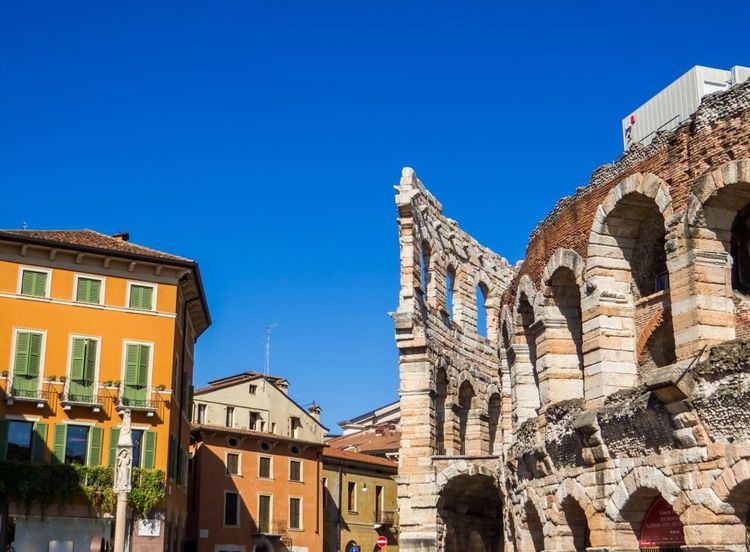
Verona is 70 minutes from Venice by Frecciarossa (around €20 when booked in advance) or 90 to 120 minutes by regional train. It is one of the best-preserved medieval cities in Italy, inscribed on the UNESCO World Heritage List since 2000, and its Roman amphitheater is the best-preserved in the world after the Colosseum.
The Arena di Verona dates from the 1st century AD and could hold 30,000 spectators. It now serves as the stage for the Verona Opera Festival, held every summer from June to September: Verdi's Aida, with its live elephants and hundreds of extras, has been performed outdoors here since 1913. Attending an opera at the Arena, with the audience's candles lit in the darkness and the ancient stone tiers underfoot, is one of the most singular experiences Italy has to offer.
Verona's historic center can be covered on foot in a full day. Not to be missed: the Piazza delle Erbe (the ancient Roman forum, now occupied by market stalls beneath colorful parasols), the Palazzo degli Scaligeri and the Arche Scaligere (open-air Gothic tombs of the Scaligeri family), and Castel San Pietro with its panoramic views over the meanders of the Adige.
The Casa di Giulietta (Via Cappello 23, 37121 Verona, rated 4.1/5 on Google with 88,642 reviews) draws considerable queues for a 14th-century building that has nothing to do with Juliet: Romeo and Juliet is a play written by Shakespeare in London in 1595, and Shakespeare never set foot in Verona. The courtyard is nonetheless free to enter, the romantic balcony genuinely exists, and the thousands of love messages stuck to the wall form an inadvertent installation worth a look.
Plan a full day in Verona if you want to see both the Arena and the historic center. For opera lovers, book your evening at the Arena several months in advance: the best seats sell out as soon as the box office opens in January.
FAQ
What is the best time to visit Venice?
The months of March to May and September to October offer the best compromise: pleasant temperatures, great photographic light, and moderate crowds compared to July and August. Winter (November to February) is less crowded but subject to acqua alta. Avoid August weekends and the Carnival period if you are sensitive to crowds: Venice can host 60,000 tourists per day, yet has only 50,000 permanent residents.
How do you get around Venice and its surroundings?
In Venice, the only motorized transport options are the vaporetti (€9.50 per ticket) and water taxis (very expensive). For the surrounding area, Santa Lucia station serves Padua (25 min), Verona (70 min), and Mestre (10 min, the starting point for buses to the Riviera del Brenta). Murano, Burano, and Torcello are all accessible by vaporetto from Fondamente Nove.
How much time do you need to visit Venice?
Allow at least 3 days to explore Venice in depth: two days for the main sestieri and one day for the islands (Murano and Burano, or Torcello). 5 days allow you to add a day trip to Padua and a day in Verona. Day-trippers generally leave frustrated, having barely scratched the surface.
Can you visit Murano and Burano in a single day?
Yes, if you start early. Take the vaporetto around 9am from Fondamente Nove, spend the morning in Murano (3 to 4 hours), head to Burano for lunch and the afternoon (2 to 3 hours), and return to Venice in the late afternoon. Adding Torcello on the same day is possible but will leave you little time on each island.
What are the best day trips from Venice?
Padua (25 min by train, Cappella degli Scrovegni) and Verona (70 min, Arena and centro storico) are the two most rewarding full-day excursions. The Riviera del Brenta is ideal if you appreciate Palladian architecture and historic gardens. Treviso (30 min by train) offers a Venetian town with canals and far fewer tourists. For art lovers, Vicenza and its Palladian villas deserve a full day.
How do you avoid the crowds in Venice?
Three simple rules: visit the main landmarks before 9am or after 5pm, avoid the Merceria and the San Marco area between 10am and 4pm, and explore the Cannaregio and Castello neighborhoods rather than San Polo or San Marco for your daily wanderings. Venice empties noticeably the moment you take a calle perpendicular to the main tourist routes.
Venice does not exhaust its secrets in one trip, or even three. But with these 25 activities, you have everything you need to build a stay that goes well beyond the well-trodden sites: from fish markets at dawn to the sleeping islands of the lagoon, from secret palaces to Roman amphitheaters on the Venetian mainland. Whether you have two days or two weeks, Venice and its lagoon deserve to be experienced at their own pace: the rhythm of the rising and falling water, the vaporetti gliding through the morning mist, and cicchetti served at the bar before lunch.
To make the most of these activities in Venice and its surroundings without getting lost in logistical details, the Ryo Venice audio guide offers a self-guided tour that anchors you in the history of the City of the Doges at every step of your walks. Ryo is here to guide you, from the Grand Canal to the islands of the lagoon.
À lire également