
Créé par Romane, le 4 oct. 2026
Votre guide Ryo
Bologna, Italy
The City of Knowledge
Parcours audioguidé pour visiter Bologna en 1 jour
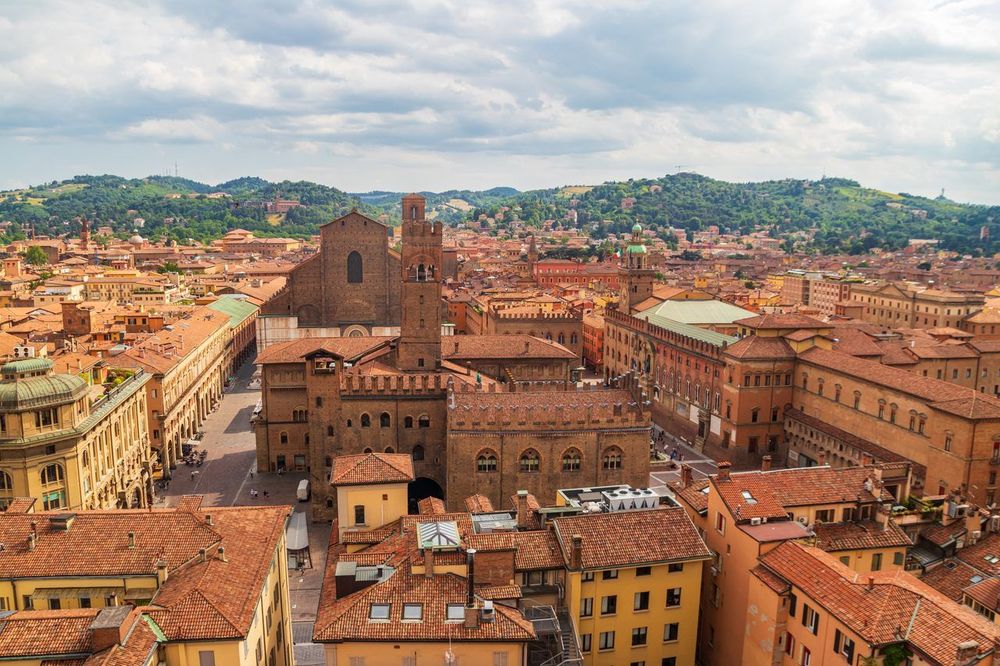
Rich in remarkable heritage, Bologna captivates with its medieval center, its famous arcades, and its lively student atmosphere. Nicknamed the Red, the Fat, and the Learned, it blends history, gastronomy, and cultural life.
Quand partir à Bologna ?
Jan.
4°
8
Feb.
6°
7
March
10°
9
April
14°
10
May
19°
11
June
24°
9
July
27°
6
Aug.
28°
6
Sept.
23°
7
Oct.
17°
9
Nov.
10°
9
Dec.
5°
8
The best times to visit Bologna are spring and summer, between April and October. July and August are the driest and hottest months, and the springs are mild and sunny.
Départ conseillé
No need to worry about where to begin! Our tours are designed as a loop, so you can jump in wherever you are. The navigation system and audio-guide will automatically adjust to your location. However, if you happen to be nearby, we do have a preferred starting point: On Piazza Maggiore
Parking à proximité
Parcheggio Piazza VIII Agosto : Piazza dell'Otto Agosto, 33
Attention, as in many Italian cities, Bologna has implemented a ZTL (limited traffic zone) to protect its city center. This zone involves significant traffic restrictions that you must take into account to avoid getting a fine. During the day, you are not allowed to drive or park in this area without having first paid for a ticket that authorizes you to enter. If you are staying at a hotel, ask for advice to know whether you need this entry ticket or if you simply have to register in order to reach the hotel. In any case, do not enter this zone without having made the necessary request, otherwise you will definitely get a fine! Where to park will depend on whether you have access to the ZTL or not. If you are not authorized to enter the hypercenter, you can park on the outskirts, possibly even for free, and reach the center by public transport. You can also use paid parking lots, but make sure to check the rates in advance to choose the most cost-effective option.
À savoir
Bologna is a city rich in history and therefore in monuments. I recommend buying a City Pass in advance if you plan to visit several of them, as it will be much cheaper.
Be aware that in Bologna, car traffic is restricted in the city center. Some zones are limited during the day, others 24/7. Make sure to get proper information before your visit, as failing to respect these restrictions may result in a fine.
Découvrez 25 lieux d'intérêt pour visiter Bologna

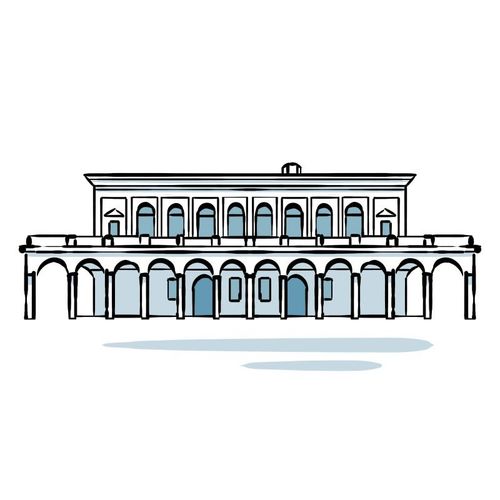
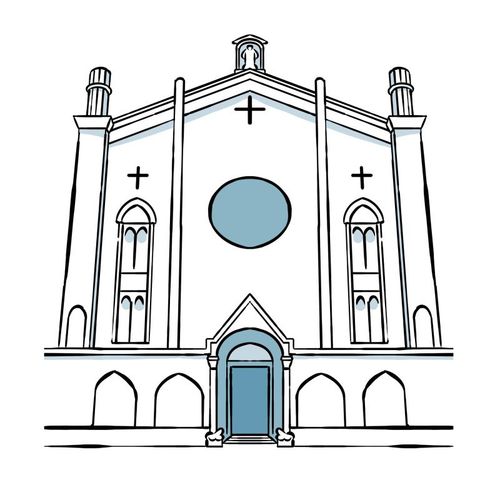
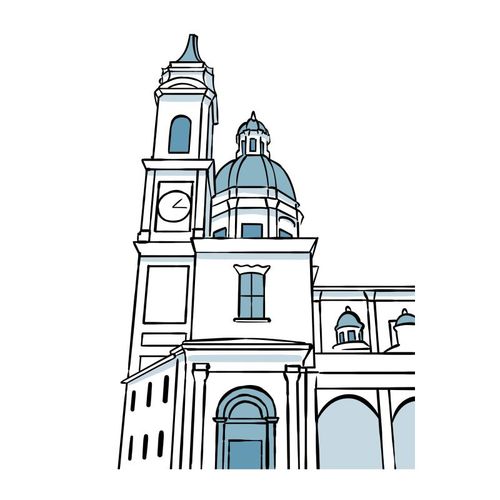
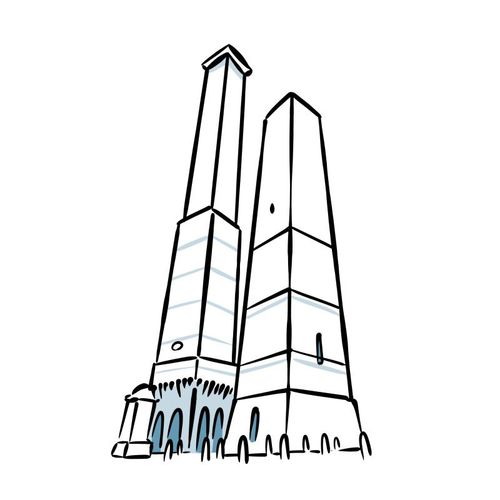

Le plein d'inspirations
Explorez le monde en totale liberté, à pied au cœur des villes ou au fil des routes. Nos guides audios transforment chaque destination en une découverte culturelle immersive et unique.
FAQ for visiting Bologna
When is the best time to visit Bologna?
The ideal time to discover Bologna runs from April to October, when the climate is at its most pleasant. Spring offers mild temperatures and generous sunshine, perfect for strolling under the arcades. Summer, particularly July and August, guarantees dry, hot weather, ideal for enjoying the terraces and the city's lively atmosphere. Autumn is also very pleasant, with cooler temperatures. Winter can be cold and damp, but the atmosphere remains warm thanks to the many cafés and restaurants where you can warm up. The months of May, June and September often represent the best compromise between mild weather and moderate tourist crowds.
How many days do you need to visit Bologna?
For a first visit to Bologna, ideally allow three full days. This gives you time to explore the historic centre at a comfortable pace, visit the main monuments such as the medieval towers and the Basilica of San Petronio, all while enjoying the city's unique atmosphere. Two days are enough to see the must-sees if your schedule is tight, but you will have to make choices. With four days or more, you can truly soak up the Bolognese rhythm, discover the less touristy districts, take day trips into the surroundings and, above all, take the time to savour the local cuisine at different establishments. Remember that Bologna is also experienced by wandering under its arcades and enjoying its student atmosphere.
How do you get around Bologna?
Bologna's historic centre is perfectly suited to walking, with its pedestrian streets and its famous porticoes that shelter you from the sun or the rain. Most of the tourist attractions are within a reasonable distance of one another. For longer journeys, the TPER bus network serves the whole city and its outskirts effectively. Self-service bikes are an excellent alternative for exploring more quickly while enjoying the urban atmosphere. Taxis remain available but are generally more expensive. If you are staying on the outskirts, public transport will let you reach the centre easily. A car is not recommended in the historic centre, where traffic is restricted and parking difficult.
Where should you stay in Bologna?
The historic centre remains the preferred choice for staying in Bologna, letting you be at the heart of the action and close to the main attractions. The district around Piazza Maggiore offers total immersion in the Bolognese atmosphere. The university area offers often more affordable options with a young, dynamic atmosphere, ideal if you enjoy student bars and restaurants. The area around the central station is a practical alternative, well connected and generally cheaper, while still within walking distance of the centre. For a quieter stay, residential areas such as Santo Stefano or the surrounding hills offer peace and charm, even if they require using public transport to reach the centre.
What should you eat in Bologna?
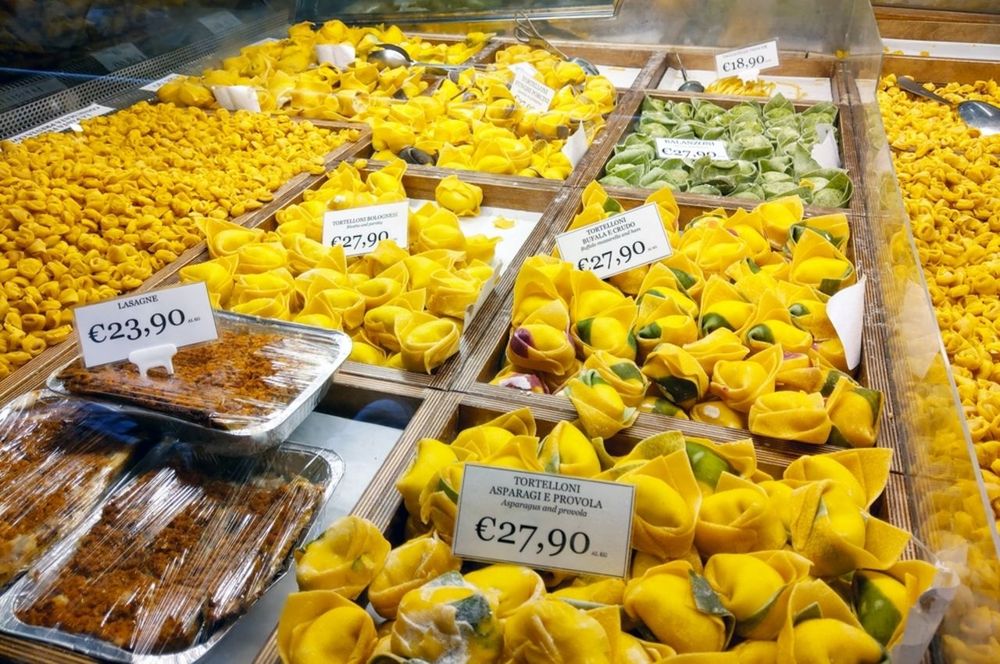
Bologna fully deserves its nickname "la Grassa" with its exceptional gastronomic tradition. Tagliatelle al ragù, often wrongly called "bolognese" elsewhere, are prepared here according to the traditional recipe with a sauce simmered for hours. Tortellini in brodo, small stuffed pasta served in a flavourful broth, are another must-try. Do not miss the artisanal mortadella, quite different from its industrial versions, nor the crescentina, a flatbread filled with local cured meats. Green lasagne, coloured with spinach, is a local speciality you absolutely must discover. To accompany these delights, the wines of the Bolognese hills such as Pignoletto or Sangiovese pair perfectly. Finish with an affogato or a zuppa inglese for a complete experience.
What are the must-sees in Bologna?
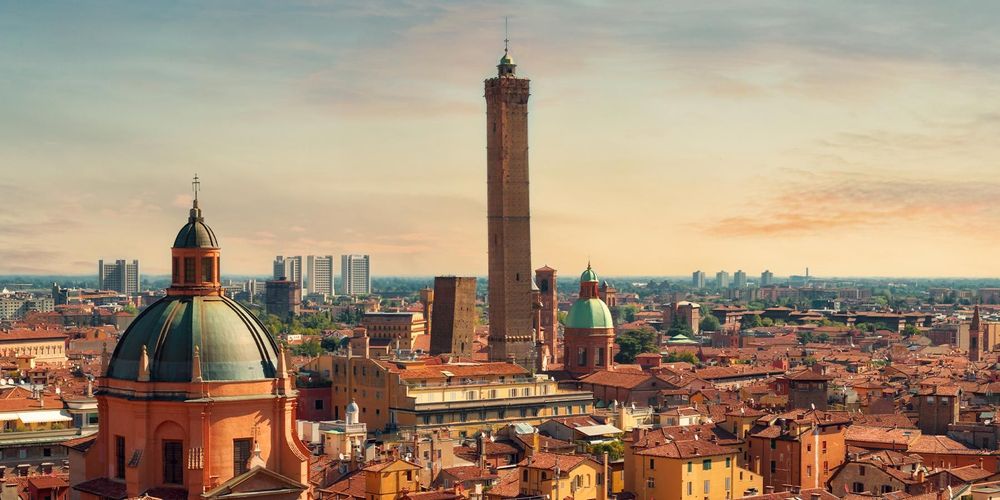
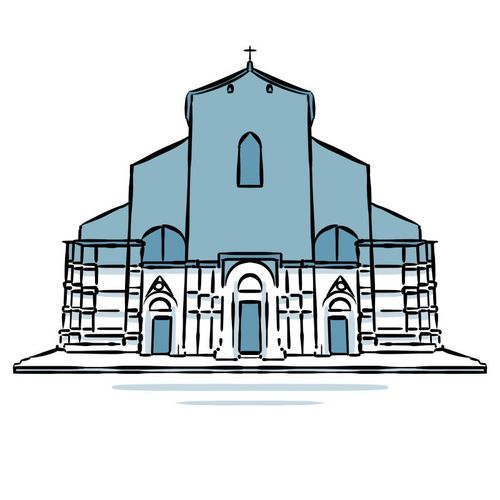
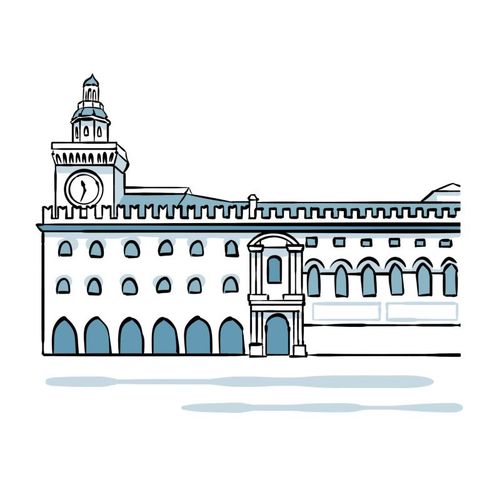
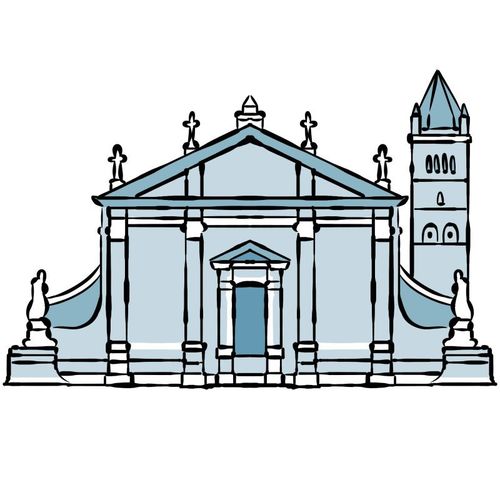
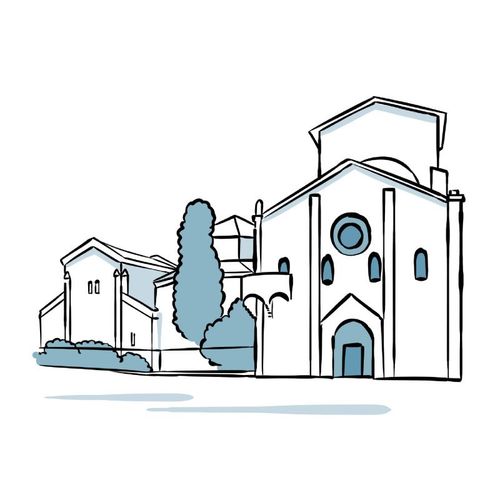
Bologna abounds with architectural and cultural wonders to discover. The two iconic towers, Asinelli and Garisenda, dominate the medieval skyline and offer an unforgettable panoramic view for those who climb the steps of the Asinelli tower. Piazza Maggiore, the beating heart of the city, houses the majestic Basilica of San Petronio and the Palazzo d'Accursio. The porticoes inscribed on the UNESCO World Heritage list create a unique route through the city, notably the one to San Luca, which stretches for nearly four kilometres. The Santo Stefano complex, nicknamed the Seven Churches, fascinates with its thousand-year-old architecture. For a complete, narrated discovery of these treasures, the Ryo audioguide offers routes that reveal the history and secrets of each monument while guiding you through the medieval lanes.
How do you get from the airport to Bologna's city centre?
Bologna's Guglielmo Marconi airport is only about ten kilometres from the city centre, making the transfer quick and convenient. The Aerobus shuttle connects the airport directly to the central station in around twenty minutes, with frequent departures throughout the day. It is generally the most economical and efficient option. The new Marconi Express monorail offers a modern, fast alternative, connecting the airport to the station in under ten minutes. Taxis remain available outside the terminal, handy if you have a lot of luggage or are travelling in a group, with a journey usually lasting a quarter of an hour depending on the traffic. Private-hire services and car rental round out the options for reaching your accommodation.
How much does a trip to Bologna cost?
The budget for a stay in Bologna varies considerably depending on your choices and the season. Accommodation is generally the main expense, with prices fluctuating according to proximity to the centre and the time of year. Dining can be very affordable in the traditional trattorias frequented by students, or more expensive in gourmet restaurants. A full meal in a typical establishment generally remains reasonable compared to other major Italian cities. Public transport offers excellent value for money for getting around. Admission to museums and monuments remains accessible, and many churches can be visited free of charge. Plan for a moderate to comfortable daily budget depending on your travel habits, keeping in mind that Bologna remains more affordable than Rome, Florence or Venice while offering an authentic experience.
Why are Bologna's porticoes so famous?
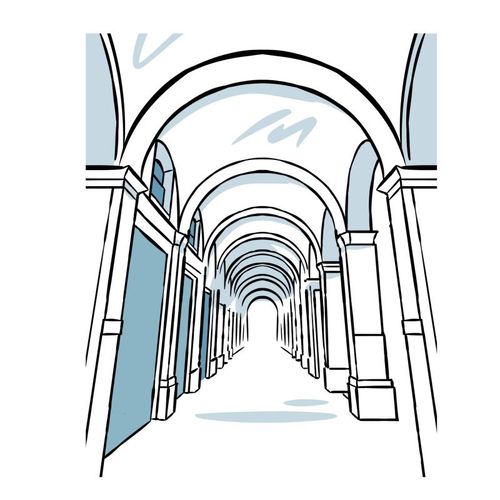
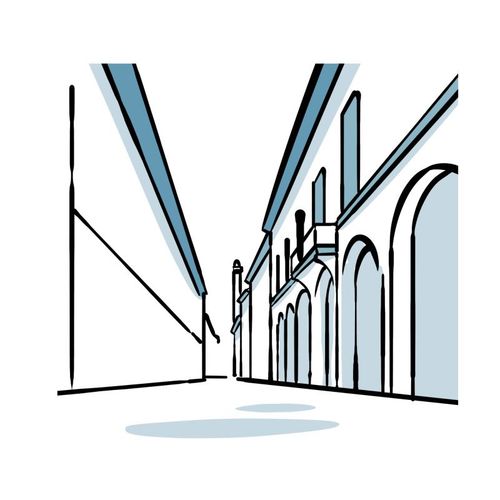
Bologna lines up dozens of kilometres of porticoes, the covered walkways that run along the streets of the centre. They were born in the Middle Ages, when upper floors were extended over the public way to house students and craftsmen, before the city regulated them and they were built in wood, stone and brick. A selection of them is now listed as UNESCO World Heritage, for that rare continuity between everyday use and architecture.
The most impressive one climbs towards the sanctuary of the Madonna di San Luca: a long run of arches rising from the Saragozza gate up to the hill, sheltered from sun and rain alike. Walking under the porticoes remains the best way to understand the city; the Ryo audio guide offers a dedicated Bologna route that follows this thread from one district to the next.
What can you discover in Bologna off the beaten track?
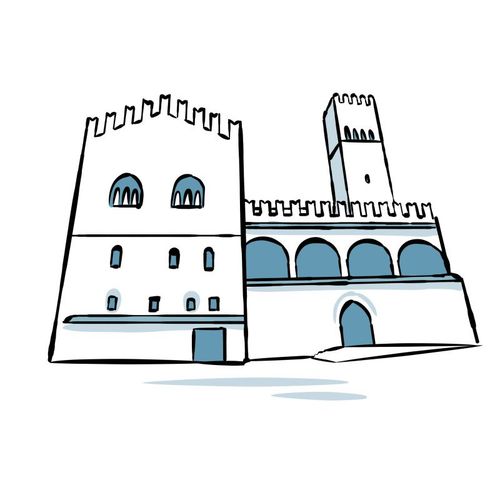
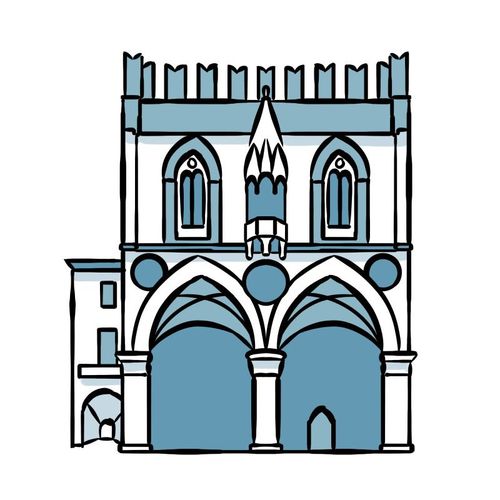
Behind the Piazza Maggiore, Bologna keeps a set of curiosities that locals like to group under the name of the seven secrets. People mention the little window on via Piella, which opens onto a hidden canal and recalls the network of waterways once buried under the city, the surprising echo under the vaults of the Palazzo del Podestà, where two people standing diagonally apart can talk in a whisper, or the particular angle from which the Neptune statue holds a surprise.
In the same spirit, the former Jewish quarter and its narrow lanes, the open courtyards of the Quadrilatero, the Roman remains visible beneath the Salaborsa library or the terraces up around San Michele in Bosco all offer a breather away from the main flow. Short stops, easily slipped in between two monument visits.
Vos commentaires, idées et suggestions
Aucun avis pour le moment