© Shutterstock
 Votre guide Ryo
Visiting Bologna in 2 Days: The Complete 2026 Itinerary
Bologna is unlike any other city in Italy. Beneath its kilometres of porticoes, tucked between Florence and Venice on most tourist itineraries, it still largely escapes the crowds that swamp its neighbours. The Bolognese call it La Rossa for its brick rooftops and its political past, La Grassa for its cuisine and La Dotta for its university — the oldest in the Western world.
To visit Bologna in 2 days, you have to make choices: between the roughly 180 medieval towers that once existed and the two that still dominate the city, between the dozens of churches in the centre and the three or four that truly deserve a detour. This guide builds a chronological itinerary over two full days, complemented by all the essential practical information: where to eat real tortellini, where to sleep without breaking the bank, how to get from Marconi Airport to the centre, and whether the city's tourist pass is really worth the price.
The Ryo audio guide tour of Bologna follows much the same route as the one described here, with historical commentary delivered directly into your ears as you walk between monuments — turning a list of sights into a genuine stroll, without ever having to pull out your phone to check an address.
Day 1 in Bologna: Historic Heart and Iconic Landmarks
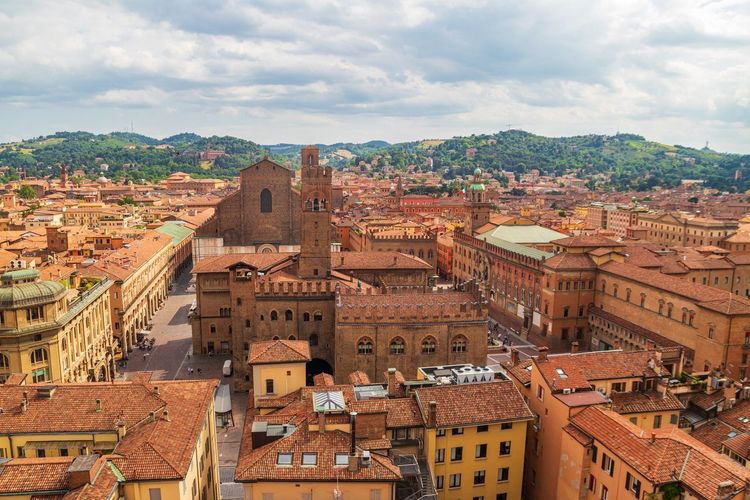
The first day stays entirely within the historic centre, within a radius of barely 800 metres. It begins on the city's largest square, continues through Europe's oldest university and ends in front of the towers that made Bologna's reputation long before Pisa. Allow a full day, from breakfast to aperitivo, with long, indulgent breaks between monuments. The historic centre still has more than 40 kilometres of uninterrupted porticoes today — a world record recognised by UNESCO since 2021 — meaning that even a shower in the middle of March won't derail this programme.
Piazza Maggiore, the Fountain of Neptune and the Palazzo d'Accursio
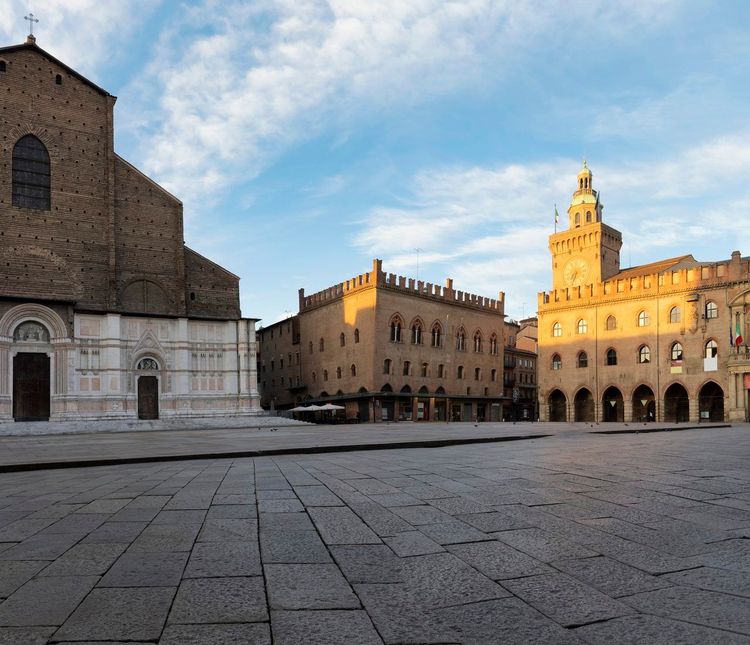
Everything begins on the Piazza Maggiore, one of the largest squares in Italy, laid out from the 13th century to host fairs and public proclamations. It remains the meeting point for all Bolognese today, surrounded by porticoes where locals settle at terrace tables from the first rays of sunshine.
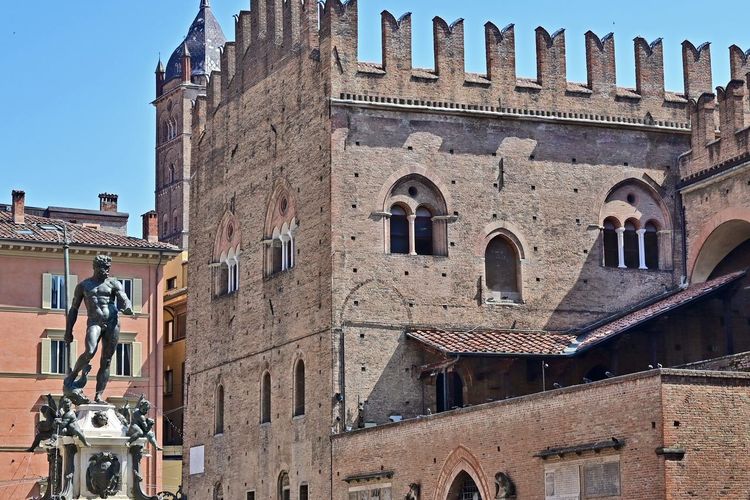
At the corner of the square, the Fountain of Neptune has drawn every eye since 1566. The sculptor Giambologna depicted the god of the sea surrounded by bronze sirens in a pose that caused a scandal at the time, deemed too provocative for a public square. Take the time to walk around the fountain: the details on the pedestal are as finely worked as the statue itself.
Just behind it, the Palazzo d'Accursio has served as the city hall since the 13th century. Its asymmetric façade blends different eras without much stylistic coherence, which doesn't stop the whole ensemble from working visually. Inside, the municipal art collections occupy the former papal apartments, with an entrance that is often overlooked by visitors in a hurry.
Basilica San Petronio and the View from the Clock Tower
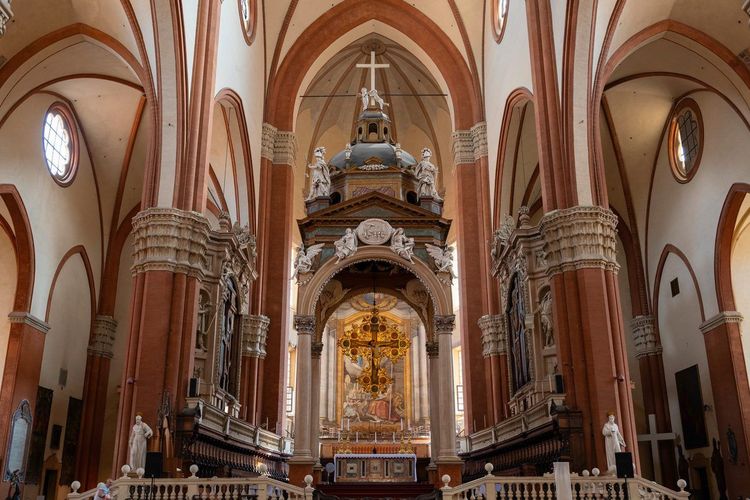
Facing the Palazzo d'Accursio stands the basilica San Petronio, a brick vessel so imposing that its founders originally wanted to surpass St Peter's in Rome. The pope of the time had the project scaled back, which explains the unfinished façade: the lower section in pink and white marble stops halfway up, leaving bare brick above.
Inside, look for the meridian line traced on the floor in 1655 by astronomer Gian Domenico Cassini. At 67 metres long, it is one of the largest sundials in the world, still used to calculate the exact solar noon thanks to a small hole drilled in the vault.
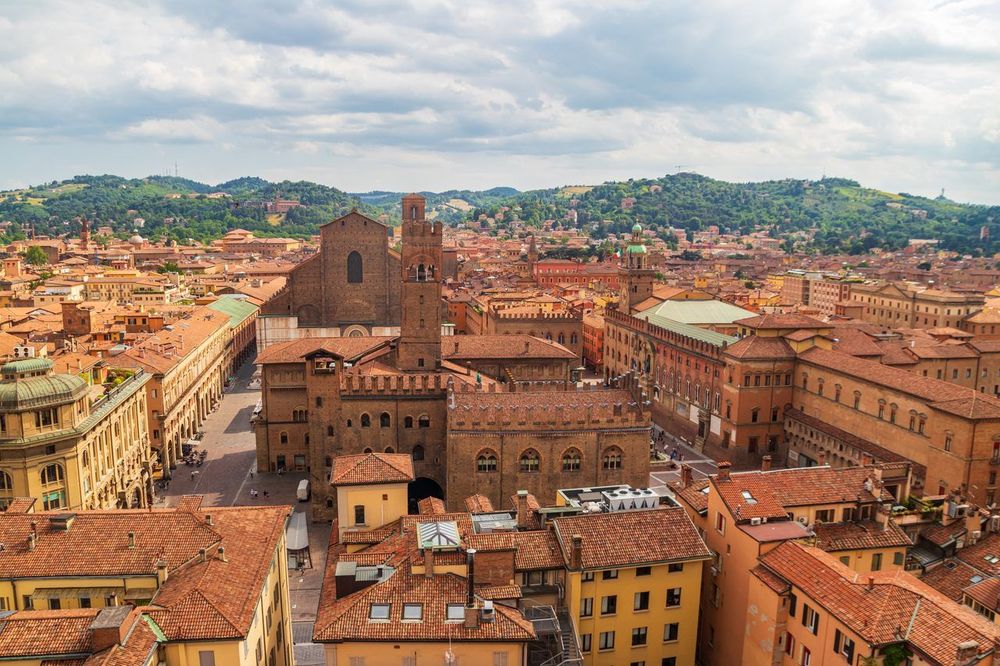
For the panorama, climb the Clock Tower of the neighbouring Palazzo d'Accursio instead: less well known than the Due Torri, it offers an unobstructed view over the red-tiled rooftops without the queues of its competitors.
A Food Break at the Quadrilatero and the Mercato di Mezzo
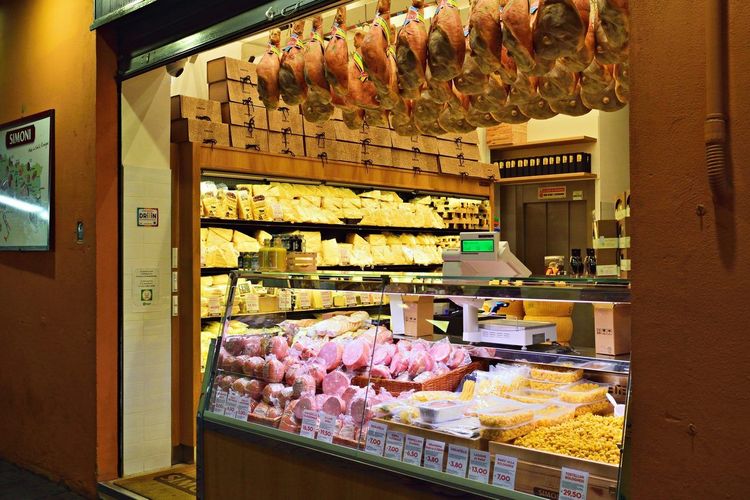
Head next to the Quadrilatero, the medieval merchant district stretching behind the basilica. Its narrow lanes — Via Pescherie Vecchie and Via Drapperie chief among them — still bear the names of the guilds that worked there in the Middle Ages: fishmongers, drapers, goldsmiths.
This is the ideal spot for a quick lunch. The Mercato di Mezzo, a renovated covered market on two levels, brings together around thirty stalls where you can snack on freshly sliced mortadella, arancini and glasses of Lambrusco standing at the counter. Budget 10 to 15 euros for a full lunch made up of several small plates.
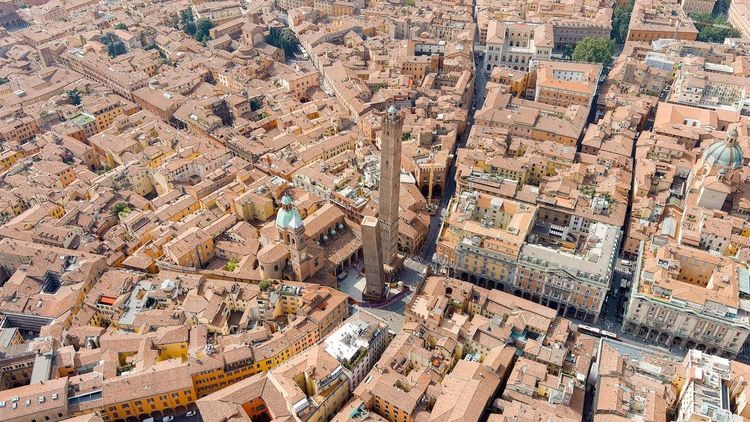
Leaving the market to the east, it's a five-minute walk to Piazza di Porta Ravegnana and the Due Torri. Of the roughly 180 towers Bologna had in the 12th century, only two have survived: the Torre degli Asinelli, 97 metres tall and climbable by 498 steps, and the Torre Garisenda, shorter but leaning nearly four degrees, closed to the public since 2023 for structural safety reasons.
Book your time slot for climbing the Torre degli Asinelli as early in the morning as possible: tickets are sold by the hour and weekend slots sell out quickly in high season.
Palazzo dell'Archiginnasio and the Old University
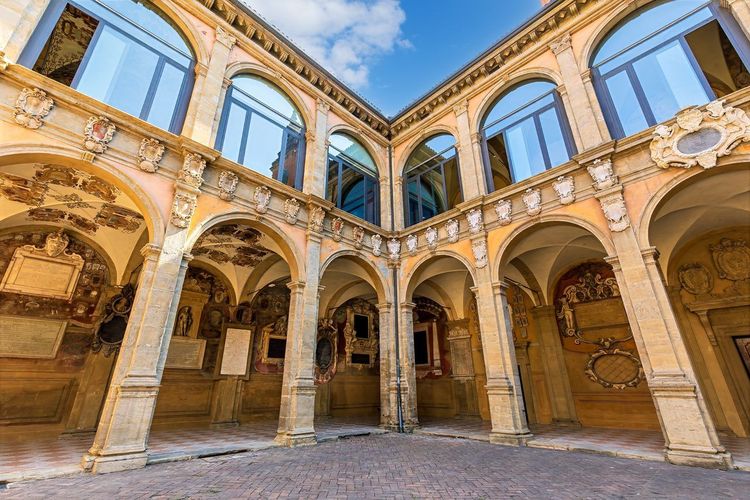
Head back towards the basilica San Petronio to reach the Palazzo dell'Archiginnasio (Piazza Galvani 1, 40124 Bologna, rated 4.6/5 on Google from 1,888 reviews), the historic seat of the University of Bologna, founded in 1088 and the oldest university in the Western world still in operation. The inner courtyard and monumental staircase are covered in painted coats of arms left by generations of students over four centuries.
On the first floor, the anatomical theatre in fir wood hosted public dissections from the 17th century onwards, under the gaze of flayed statues supporting the vault. The room, rebuilt to its original design after a 1944 bombing, can be visited in about fifteen minutes and makes a fitting close to this history-packed first day. The City of Knowledge audio-guided tour links Piazza Maggiore to the Fountain of Neptune throughout the day, ahead of this final stop at the anatomical theatre.
Day 2 in Bologna: Hidden Neighbourhoods and Unusual Panoramas
The second day leaves the tourist core to explore the neighbourhoods where the Bolognese actually live. It requires more walking than the first, with a foray beyond the city walls up to the sanctuary that overlooks the city, but it is also the day that lingers longest in the memory.
Santo Stefano and the Sette Chiese
Ten minutes on foot from the centre, the basilica of Santo Stefano actually comprises seven religious buildings nested within one another since the 5th century, hence its nickname the Sette Chiese. You can visit a reconstruction of the Holy Sepulchre in Jerusalem, a 12th-century Romanesque cloister planted with rose bushes and a small courtyard where the noise of the city, just metres away, barely penetrates.
Entry is free and open, making it an easy stop to combine with a coffee on the piazza Santo Stefano just outside, lined with Renaissance palaces.
Hiking Under the Great Portico to the Sanctuary of San Luca
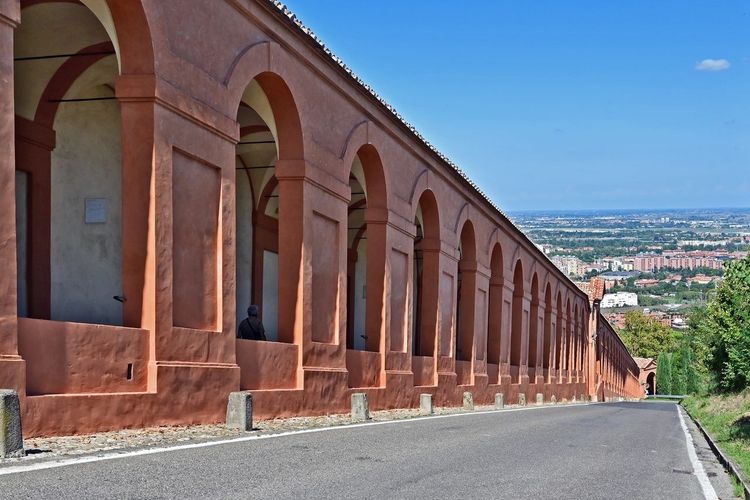
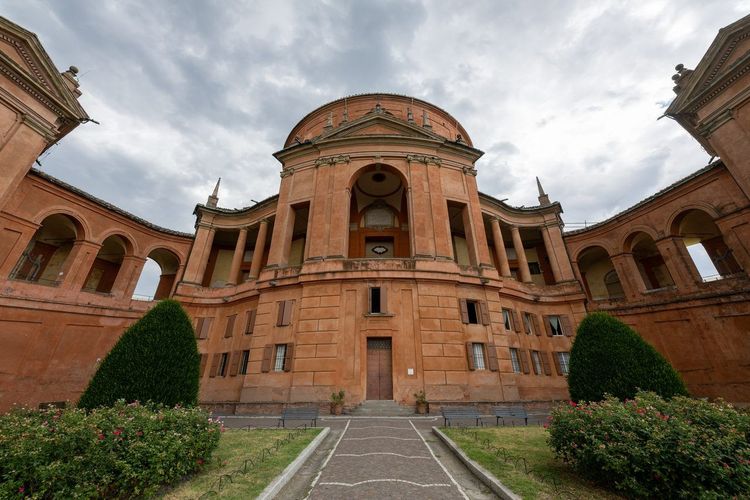
The centrepiece of the day: the portico of San Luca, 3.8 kilometres and 666 uninterrupted arches climbing from the Porta Saragozza to the top of the Colle della Guardia. Built between 1674 and 1793 to shelter pilgrims from the rain, it is officially the longest portico in the world.
At the top, the sanctuary of the Madonna di San Luca houses a Byzantine icon attributed to Saint Luke himself according to local legend, brought to Bologna in the 12th century. The dome, added in the 18th century, offers from the forecourt a panorama stretching across the entire Po Plain on a clear day.
Allow 45 minutes to an hour on foot from the centre — flip-flops are clearly not ideal. Those who would rather save their legs can take the San Luca Express tourist bus from Piazza Maggiore, or the small tourist train at weekends. The best time to make the climb is early in the morning, before 9am, when the raking light passes through the arches of the portico and the summer heat has not yet turned the ascent into an ordeal. At weekends, allow a good extra hour due to local crowds, as many Bolognese use the same path for their Sunday run.
Hidden Bologna: Secret Canals and Street Art
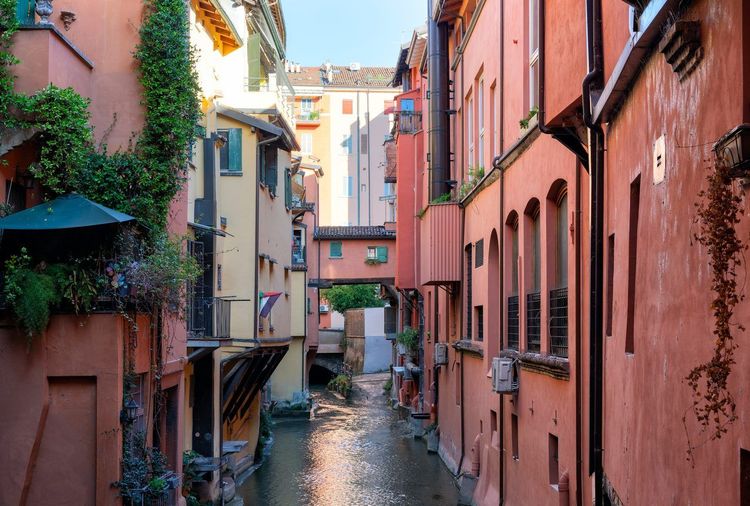
Few visitors know that Bologna was built on a network of navigable canals from the Middle Ages, today almost entirely covered over by the streets. The window on Via Piella, a small, discreet opening in an anonymous wall, remains one of the only visual access points to the Canale delle Moline still flowing below. The scene, with its colourful façades reflected in the water, evokes Venice more than the usual image of Bologna.
The university district around Via Zamboni and Via del Pratello concentrates the city's finest street art murals, including several works attributed to the Bolognese artist Blu, internationally known for his large-scale political murals. Wander without a precise itinerary through these streets in the late afternoon — the raking light brings out the colours particularly well.
Aperitivo and Student Atmosphere in the Evening
Bologna counts nearly 90,000 students among its residents, which explains a nightlife scene that is particularly lively for a city of its size. The Bolognese aperitivo is traditionally enjoyed between 7pm and 9pm, often in former chapels or wine bars converted from cellars, a glass of Pignoletto in hand and a buffet included in the price of the drink.
The streets around Via Zamboni and Piazza Verdi concentrate the majority of student bars, while the Quadrilatero area tends to attract a more relaxed terrace crowd. If you follow the Ryo audio guide for Bologna during the day, it points out several of these spots — including the walk from Piazza Maggiore to Piazza Santo Stefano — handy for extending the evening without consulting a map.
More Cultural Treasures if You Have a Little Extra Time
Morandi Museum and Palazzo Poggi
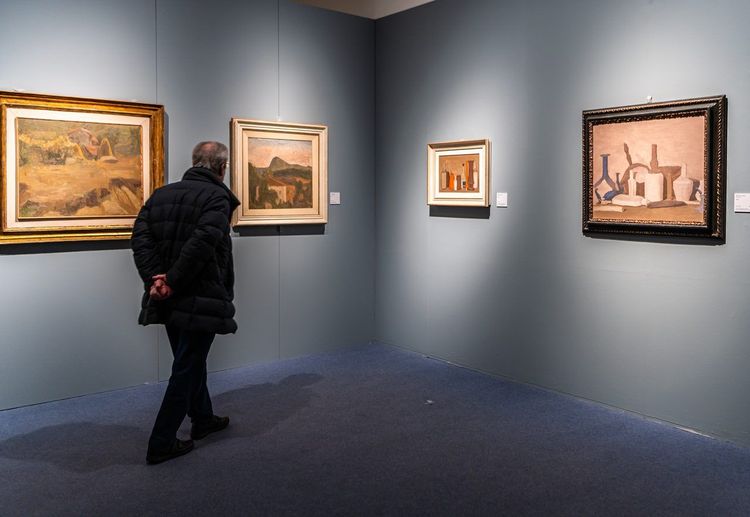
If your stay spills over into a third day, two cultural addresses are worth the detour. The collection of the Morandi Museum, dedicated to Bolognese painter Giorgio Morandi and his famous muted still lifes, is now integrated into the modern art museum MAMbo rather than housed in a separate building.
The Palazzo Poggi (Via Zamboni 33, 40126 Bologna, rated 4.7/5 on Google from 618 reviews), the historic seat of the university, houses 18th-century scientific curiosity cabinets: astronomical instruments, anatomical wax figures and relief military maps. It is one of the best-preserved university museums in Europe, and is often deserted on weekdays.
Cathedral San Pietro and the Sanctuary of Santa Maria della Vita
The cathedral San Pietro, on the shopping street Via Indipendenza, often goes unnoticed behind its neighbouring façades, even though it has been the official seat of the Archdiocese of Bologna since the 18th century.
Not far away, the sanctuary of Santa Maria della Vita conceals one of the most moving works in Italian sculpture: the Compianto sul Cristo Morto, a 15th-century terracotta group depicting seven figures caught in mid-cry of anguish around the dead Christ. The expressiveness of the faces — almost unsettling — contrasts sharply with the sobriety of the exterior façade.
What to Eat in Bologna: Specialities and Good Addresses
The Essentials: Tortellini, Tagliatelle al Ragù and Mortadella
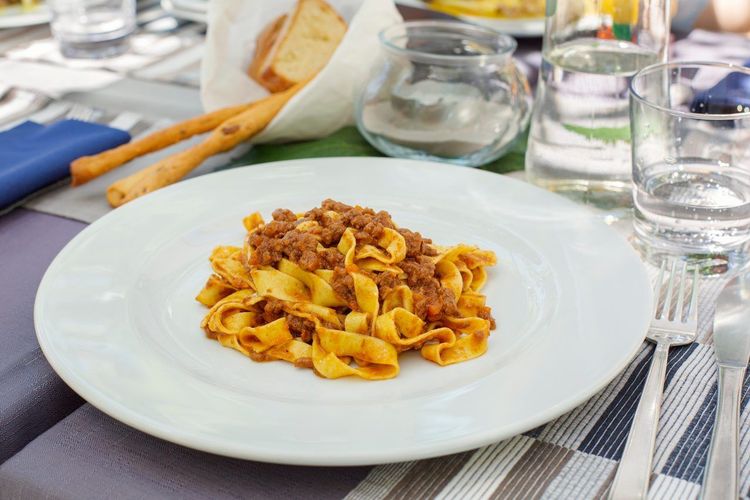
Bologna lent its name to a sauce that Italians themselves don't recognise by that term: here it is called ragù alla bolognese, and it is eaten with fresh egg tagliatelle, never with industrial spaghetti as the exported legend would have it.
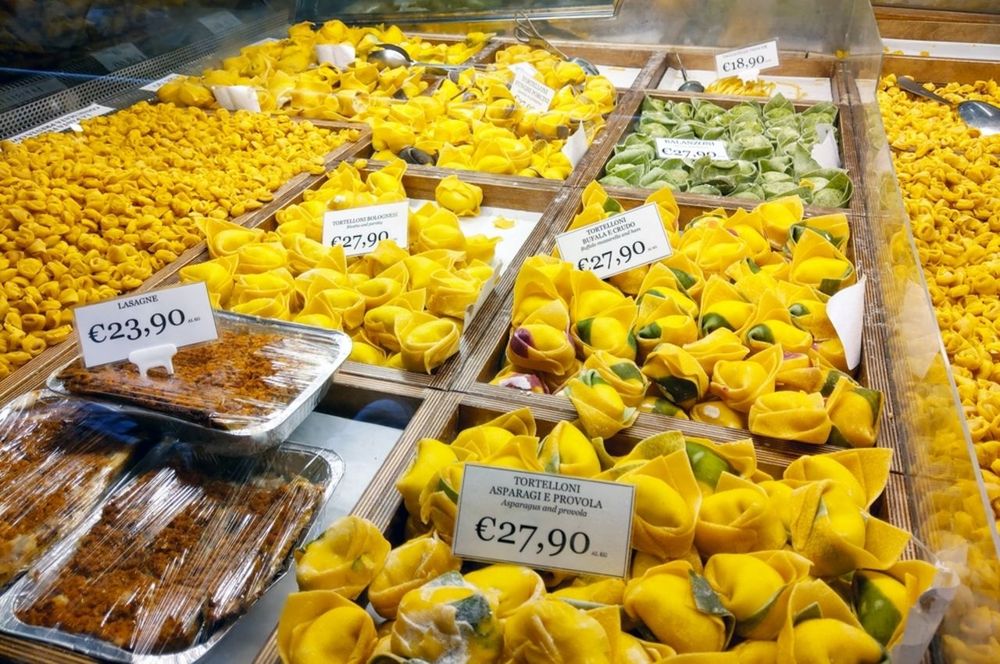
Tortellini, small stuffed pasta folded into a ring shape, are traditionally enjoyed in brodo — in a clear capon broth — rather than with a sauce. Local legend has it that their shape was inspired by the navel of Venus, glimpsed by an innkeeper through a keyhole.
Finally, it is impossible to leave without having tasted mortadella, the pink cured meat studded with fat and pistachios that bears no resemblance to the industrial version sold elsewhere in Europe. Ask for it thinly sliced at a Quadrilatero butcher's — it literally melts in the mouth.
Where to Eat: Trattorias and Local Addresses
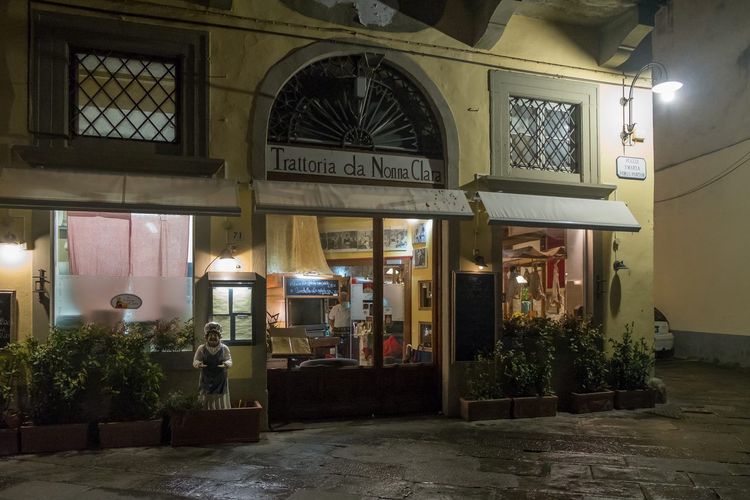
For a full meal, Trattoria Anna Maria near Via Belle Arti serves one of the best tortellini in brodo in the city, in a setting covered with photos of passing artists. Budget 20 to 25 euros for a meal with a starter and main course.
More affordable, Osteria dell'Orsa, a student haunt for decades near Via Mentana, offers generous tagliatelle al ragù for around ten euros. Book for the evening — tables fill up quickly from 8pm.
Wine lovers can round things off with a glass of Sangiovese or Pignoletto, two local Emilia-Romagna grape varieties that are rarely exported but served in most wine bars in the centre, often accompanied by a board of charcuterie and 24-month aged Parmesan.
Finish on a sweet note with an artisan gelato: the Gelateria delle Moline, right next to the famous window overlooking the canal, makes a zabaione ice cream that is considered a benchmark in the city.
For a more complete overview of specialities and addresses organised by neighbourhood, the Ryo guide to Bologna's culinary specialities covers the must-tries dish by dish.
Where to Stay in Bologna: Neighbourhoods and Recommended Hotels
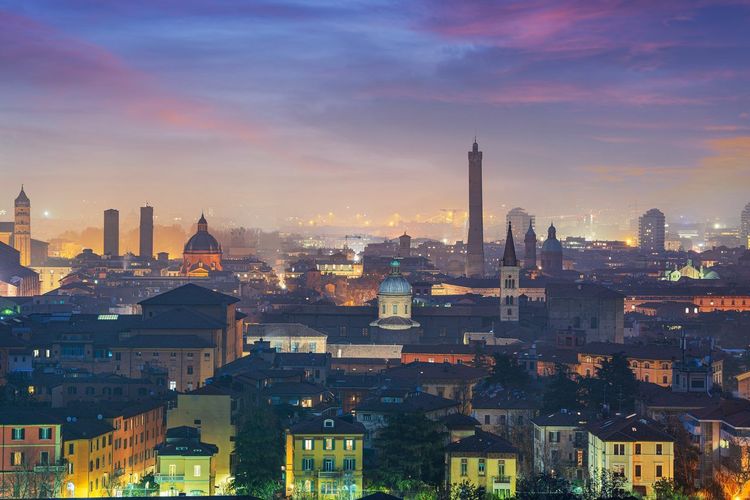
The historic centre, within the perimeter of the old city walls, remains the most practical choice for a two-day stay: everything is reachable on foot in under 20 minutes, porticoes included in case of rain.
Around Piazza Maggiore and the Quadrilatero, options such as Art Hotel Commercianti or I Portici Hotel offer excellent value for money, with rooms starting from 120 to 150 euros per night in low season, doubling during trade fair periods.
The university district around Via Zamboni is better suited to tighter budgets, with B&Bs and hostels from 60 to 70 euros, at the cost of a noisier atmosphere in the evenings on both weekdays and weekends.
The Santo Stefano neighbourhood, more residential in character, appeals to travellers seeking peace and quiet while remaining ten minutes on foot from Piazza Maggiore. Short-term apartment rentals typically cost between 90 and 130 euros per night, often offering more space than a standard hotel room. Note that since 2024 the city has tightened its regulations on short-term rentals in certain streets of the historic centre: check that the listing displays a valid official CIN code before booking, to avoid platforms that list unregistered properties.
Avoid staying near the central station if you are travelling light and without a car: the area is convenient for connections but loses its charm after dark compared to the lanes of the historic centre. Also watch out for the dates of major trade shows held at BolognaFiere, such as Cosmoprof or the Motor Show: hotel prices can double or even triple during those periods, so it is worth checking the trade fair calendar before booking.
How to Get to Bologna and Get Around
By Plane, Train or Car
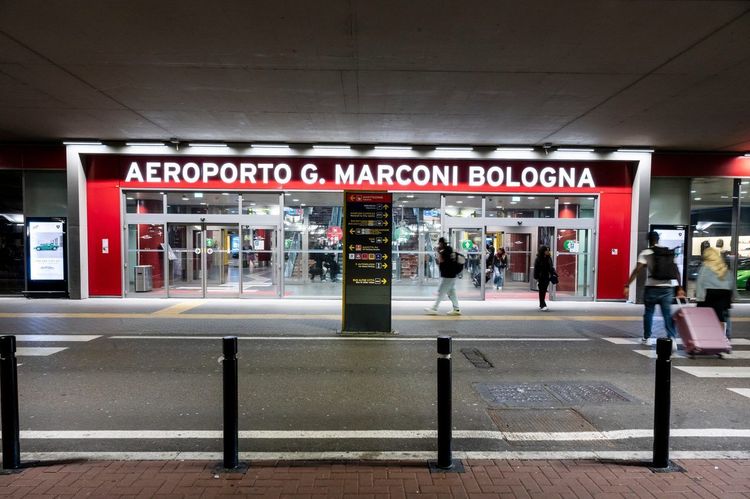
Bologna's Guglielmo Marconi Airport, 6 kilometres north-west of the centre, receives direct flights from Paris, Lyon, Marseille and several other French cities in low season. Allow 1h40 to 2h of flying time depending on the departure city.
From the airport, the Marconi Express, an automated monorail, links the terminal to Bologna's central station in 7 minutes, with departures every 7 to 15 minutes depending on the time of day. Allow around 11 euros for a single fare — a price that remains higher than at most comparable Italian airports.
By train, Bologna is a major rail hub in northern Italy: 35 minutes from Florence, 1 hour by Frecciarossa from Milan, just over 2 hours from Rome. It is often the fastest option if you are combining several Italian cities in the same trip.
By car from France, allow around 9 to 10 hours via the Fréjus or Mont Blanc tunnels — a journey better suited to a stop on an Italian road trip than a direct drive for a two-day weekend.
Getting Around the Centre and Renting a Car
Bologna's historic centre is entirely walkable: the distance between the station and Piazza Maggiore is no more than 1.5 kilometres, almost entirely under porticoes. Only pull out a map for the San Luca excursion or a possible outing into the hills.
It is better not to rent a car if you are staying in the city: much of the historic centre is classified as a ZTL (limited traffic zone), with automatic camera fines for unauthorised vehicles that enter.
If, however, you are extending your stay towards Ferrara, Modena or the surrounding hills, rental agencies are mainly located at the airport and the central station, with rates starting from 35 to 40 euros per day for a small car in low season.
For the few journeys outside the centre — such as to the station or the airport outside monorail hours — the TPER bus network is reliable, with a ticket at 1.50 euros valid for 75 minutes, purchasable at a kiosk or directly by SMS.
The Bologna Welcome Card: Is the Tourist Pass Worth It?
The Bologna Welcome Card costs around 25 euros for 48 hours and gives access to a selection of municipal museums, the Torre degli Asinelli and discounts on certain guided tours.
The calculation is straightforward: if you plan to climb the tower (around 5 euros on its own) and visit two municipal museums (5 to 8 euros each), the pass pays for itself from the third paid entry. For a simple weekend focused on outdoor monuments and churches — the vast majority of which are free — it may not be justified.
Buy it online before you leave rather than on-site, to avoid an extra queue at the tourist office on Piazza Maggiore. A 72-hour version is also available at a slightly higher price, which makes more sense if you are extending to a third day or taking a day trip to Ferrara.
What to Do in Bologna When It Rains
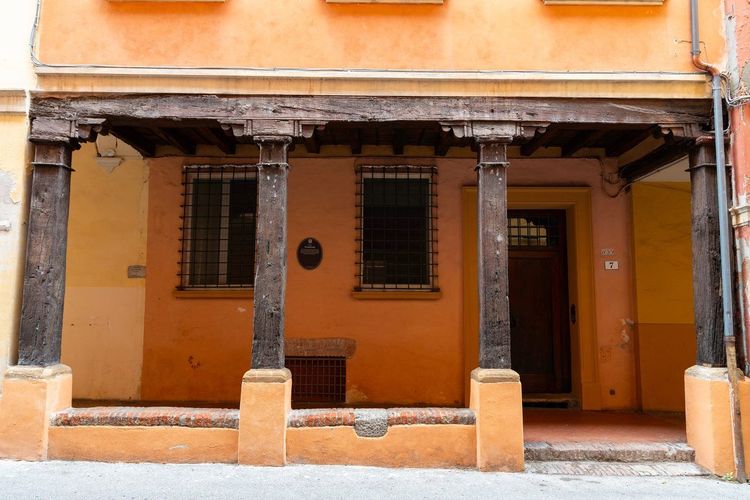
Bologna is one of the most enjoyable Italian cities in the rain, thanks to its 40 kilometres of continuous porticoes that allow you to reach almost the entire historic centre under shelter.
On the museum side, the National Picture Gallery, Palazzo Poggi and MAMbo each offer two to three hours of dry-weather visiting, while the Mercato di Mezzo remains open and covered year-round for an impromptu lunch.
Avoid attempting the climb to San Luca in a heavy downpour: the portico does protect against vertical rain, but the sloping cobblestones become slippery — better to postpone that outing to a drier slot.
The Palazzo Re Enzo and the Museo Civico Archeologico usefully fill a rainy afternoon, just a few minutes' walk from each other near Piazza Maggiore. If the rain sets in for the whole day, head to one of the many historic cafés in the centre — such as the one installed under the arcades of the Palazzo dei Notai — to watch Bolognese life from a covered terrace. The City of Knowledge audio-guided tour passes through Piazza Maggiore before continuing toward the Palazzo Poggi, a handy rainy-day fallback.
Map of Bologna and Summary Itinerary
To visualise the two days, keep in mind that Bologna's historic centre fits within a circle of roughly 1.5 kilometres radius around Piazza Maggiore, with the exception of the sanctuary of San Luca on the neighbouring hill.
The first day traces a compact loop around Piazza Maggiore, the Quadrilatero and the Due Torri. The second stretches further towards Santo Stefano, then climbs up to San Luca before descending into the university district for the evening.
The Ryo audio guide for Bologna follows this route as a geolocated tour, with an interactive map that means you never have to pull out a paper map at every street corner.
The tourist offices on Piazza Maggiore and at the station also hand out a free paper map in English, useful as a supplement in areas where the mobile signal is weak — particularly under certain porticoes in the old centre.
How Long to Allow: 1, 3 or 4 Days in Bologna?
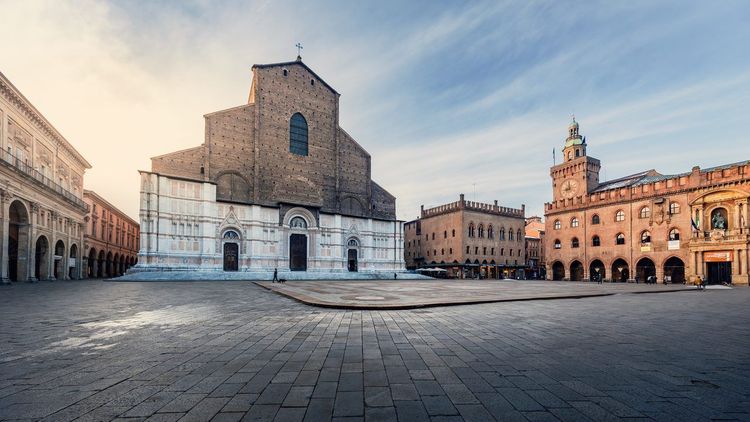
Two days cover the essentials described in this itinerary, but some travellers wonder whether they can get away with skipping a night. Visiting Bologna in 1 day is feasible if you limit yourself to Piazza Maggiore, San Petronio, the Due Torri and lunch at the Mercato di Mezzo, sacrificing the San Luca excursion entirely.
Conversely, visiting Bologna in 4 days allows you to work through the 'more cultural treasures' section of this guide (Morandi Museum, Palazzo Poggi, cathedral San Pietro) at a relaxed pace and slow down the rhythm of the first two days, particularly around the climb to San Luca.
A stay of 3 days or more also opens up the possibility of a full-day excursion to Ferrara, 50 minutes by train and UNESCO-listed for its Renaissance centre, or to Modena, just 25 minutes away, birthplace of Ferrari and traditional balsamic vinegar. Both cities are easily done as a day trip from Bologna without changing accommodation.
For a first visit, two full days remain the most balanced format: long enough to do nothing in a rush, short enough not to grow tired of a city that is easily explored on foot. If your dates happen to coincide with a trade fair at BolognaFiere, it is worth extending the stay by a day — accommodation prices rise sharply, so you might as well spread the cost across more sightseeing. Finally, bear in mind that Bologna makes an excellent destination at any time of year, unlike more seasonal cities such as Venice: even in the depths of winter, the porticoes make walking comfortable, and hotel prices remain far gentler than in April or September.
FAQ
How Many Days Do You Need to Visit Bologna?
Two full days are enough to cover the historic centre and the excursion to San Luca, the itinerary described in this guide. Plan for three to four days if you want to add a day trip to Ferrara or Modena, or to visit the university museums at a leisurely pace.
How Do You Get to Bologna from France?
Flying is the fastest option, with direct flights from Paris, Lyon or Marseille to Marconi Airport in 1h40 to 2h. The train works well if you combine Bologna with other Italian cities, via Milan or Turin. Driving takes around 9 to 10 hours.
Where Should You Stay in Bologna for a 2-Day Trip?
The historic centre, around Piazza Maggiore and the Quadrilatero, is the most practical choice for getting everywhere on foot. The Via Zamboni university district suits tighter budgets, while the Santo Stefano neighbourhood is ideal for those seeking more peace and quiet.
What Must You Absolutely Eat in Bologna?
Tortellini in brodo, tagliatelle al ragù and thinly sliced mortadella form the unmissable trio. Round it off with a glass of local Pignoletto and a board of aged Parmesan for a typically Bolognese aperitivo.
Is the Bologna Welcome Card Worth It for 2 Days?
It becomes worthwhile from the third paid visit — tower or municipal museum. If your programme focuses on outdoor monuments and free churches, buying individual tickets is often cheaper.
What Can You Do in Bologna When It Rains?
The 40 kilometres of porticoes in the centre let you get almost everywhere under cover. Supplement with the National Picture Gallery, Palazzo Poggi or a long break in one of the historic arcaded cafés.
What Is the Best Time to Visit Bologna?
Spring, in April and May, and early autumn, in September and October, offer the most pleasant temperatures for walking all day. Summer becomes stifling beneath the brick, and the major trade fairs at BolognaFiere push hotel prices up on certain dates.
Two days in Bologna are enough to understand why so many travellers leave promising to return. The city fits into a small area compared to Rome or Florence, yet it packs in a remarkable density of details — leaning towers, hidden canals, a thousand-year-old university — that rewards those who take the time to look up beneath the porticoes rather than rushing from one monument to the next.
To prepare this Italian interlude without missing a thing, the Ryo audio-guided tour is the simplest complement to this itinerary: download it before you leave, and let yourself be guided through the lanes of the centre with your ears open rather than your eyes fixed on a map.