





Walk
The City of Three Cultures
Cordoba, Spain
Walk
The City of Three Cultures
Cordoba, Spain
8.2 km
Distance
3h20
Durée
24
Audios
Loop
Parcours
Shutterstock
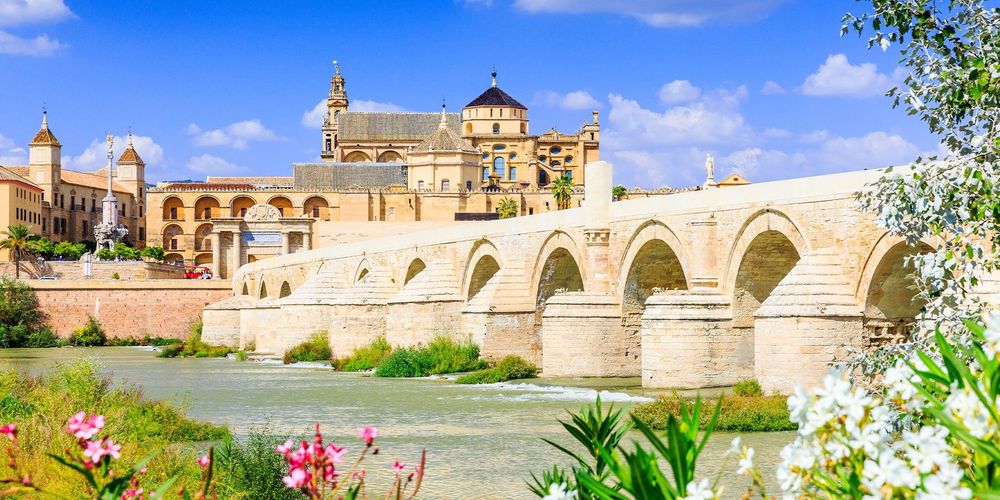
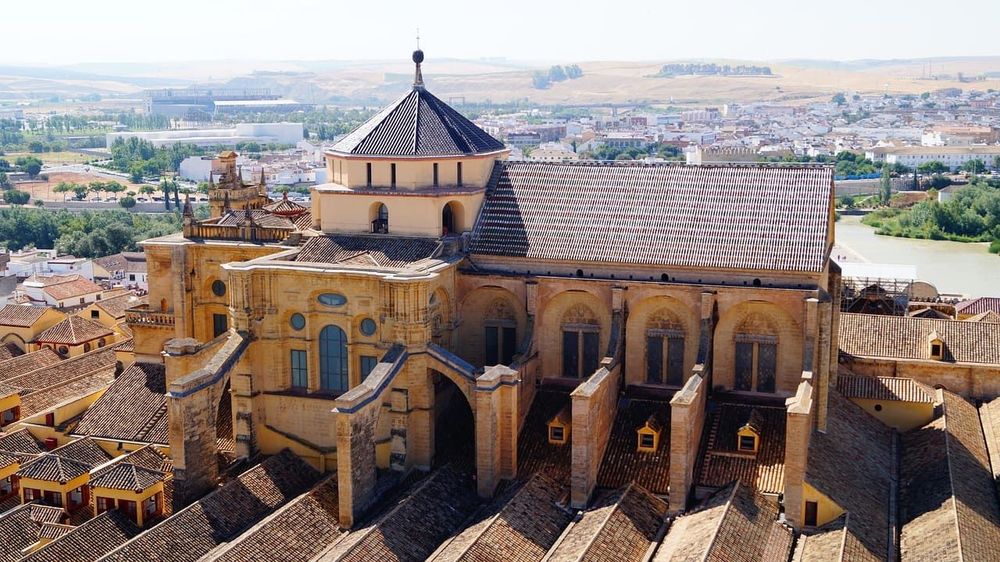
The Mosque-Cathedral is the most emblematic monument of Cordoba and one of the masterpieces of Islamic art in the West. The Cordoba audio-guided tour stops here, with respect, to evoke this unique sanctuary, where civilisations are superimposed.
Built from the eighth century, the great mosque of Cordoba is famous for its vast prayer hall, a true forest of columns topped with double arches in stone and brick with red and white shades. Its finely decorated mihrab is among the finest of the Islamic world. After the reconquest of the city, a cathedral was raised in its heart, giving rise to the name of Mosque-Cathedral. A unique monument, it testifies to the meeting of cultures.
You admire the forest of columns and the red and white double arches, the finely decorated mihrab and the cathedral raised in its heart, in an atmosphere of contemplation. The Mosque-Cathedral is a unique masterpiece and the symbol of Cordoba. It is a major stop to be discovered with respect.
The Mosque-Cathedral lies in the heart of the historic centre of Cordoba, reachable on foot. The visit has a fee and follows its own hours, which vary with the season; the crowds can be large. It is a place of worship and heritage: it is best to check the arrangements, plan your visit and respect the sacred character of the place.
Because a cathedral was raised in the heart of the former great mosque after the reconquest of the city, making the two buildings coexist in a unique monument.
In the heart of the historic centre of Cordoba, in Spain.
Aucun avis pour le moment
