© Shutterstock
 Votre guide Ryo
Visiting Marseille with Family in 2026: Calanques, Museums and Must-Sees
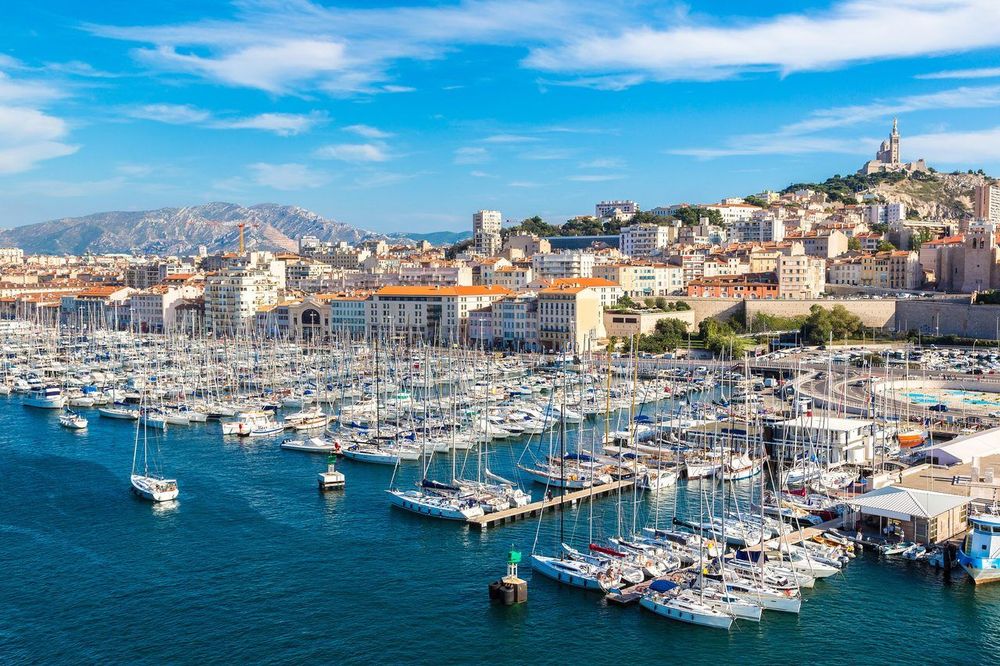
In Marseille, a single afternoon can start on a ferry that crosses the Vieux-Port in three minutes and end with your feet in turquoise water, in a calanque reachable on foot from a bus stop. It's this alternation that makes visiting Marseille with family so easy to organize: the city packs a basilica, a reconstructed prehistoric cave, offshore islands and urban beaches into a tight radius, with no need to rent a car for most of the stay. A rocky islet where seagulls nest, a cave where 27,000-year-old hand stencils are projected onto the walls, a museum built entirely around optical illusion, an old Belle Époque carousel still spinning on the port: these are four scenes that the youngest travelers remember longest from a Marseille trip. To get a sense of the historic center before heading off toward the sea, the Ryo audio-guided tour of Marseille offers 24 stops over about 3 hours and 7.3 km, enough to connect the Vieux-Port to Notre-Dame de la Garde without getting lost in the alleys of Le Panier. This guide covers the Vieux-Port, Le Panier, the Mucem, the Grotte Cosquer, the Château d'If and the Calanques, then the parks, offbeat activities and outings for teens, before answering practical questions about transport, accommodation and the best season to come with your tribe.
From the Vieux-Port to Notre-Dame de la Garde, the Must-Do Walk
The Vieux-Port and Its Ferry
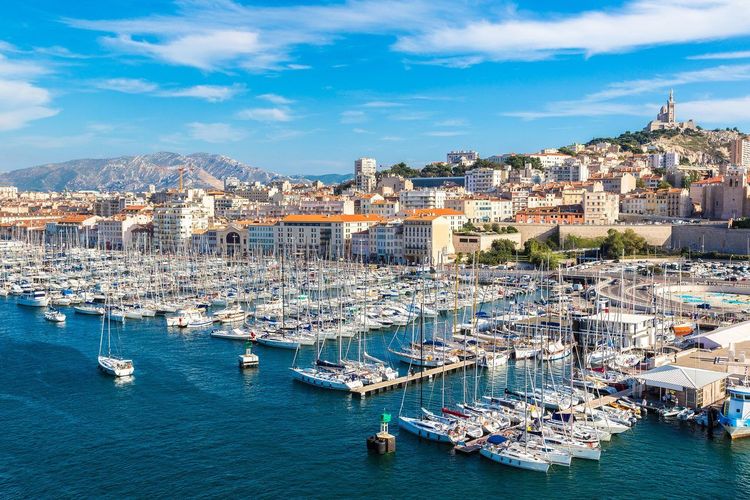
The Vieux-Port is the cradle of Marseille: the Greeks founded the city, Massalia, here about 2,600 years ago, and the basin served as the main port until the 19th century. Today it is mostly a large rectangle of water lined with wide quays, ideal for a first stroll without too much walking.
For little ones, the real attraction is a crossing of a few minutes: the RTM ferry links the place de l'Hôtel-de-Ville to the place aux Huiles, on the Rive Neuve side, for 0.50 euro per trip (free with a 24h or 72h RTM pass). It leaves roughly every 20 minutes, from 7:30 am to 8:20 pm, and you pay on board with exact change or contactless card. It's often the first memorable moment of the trip, even before the basilica or the calanques.
The fish market sets up early in the morning on the quai des Belges: your kids will enjoy watching the fishermen empty their crates, and it's a good way to talk about local fishing before heading off to Le Panier. If you're traveling with a stroller, stick to the quay on the north side, the widest and least crowded.
Two forts face each other at the harbor entrance, Saint-Jean on the north side and Saint-Nicolas on the south: they are a reminder that Marseille long had to defend its access to the sea, a useful landmark before visiting the Mucem later in the day.
The Little Train to Notre-Dame de la Garde
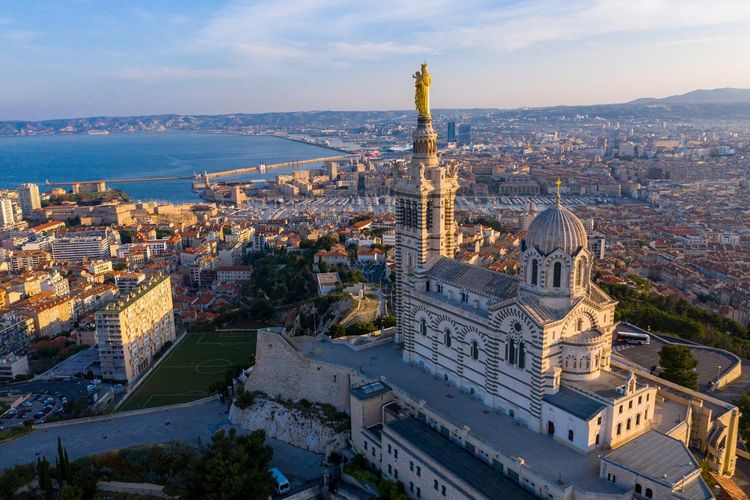
Walking up to Notre-Dame de la Garde (Rue Fort du Sanctuaire, 13006 Marseille, rated 4.8/5 on Google from 52,521 reviews) means a half-hour steep climb, not always comfortable with a stroller or 5-year-old legs. The tourist little train solves the problem: its route 1 leaves from the quai du Port, passes Fort Saint-Nicolas, the Palais du Pharo, the Corniche and the Vallon des Auffes, then drops you off in front of the basilica's forecourt.
The little train runs every day of the year; expect 11 euros per adult and 6 euros per child. The full loop lasts about 1h15, including a stop of around twenty minutes at the top: to stay longer, just hop on a later train.
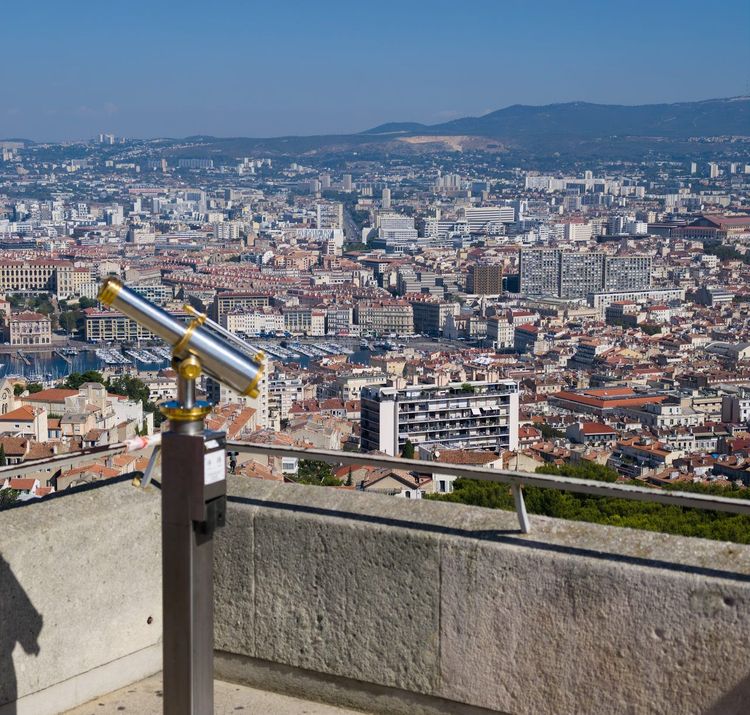
Once at the top, the view is well worth the trip: all of Marseille unfolds below, from the Vieux-Port to the Frioul islands, with the Vélodrome stadium recognizable in the distance on a clear day. The inside of the basilica, decorated with mosaics and ex-voto offerings in the shape of boats, often intrigues the youngest more than expected. Allow 45 minutes on site for the visit and the viewpoint, a little more if you stay for a picnic on the hillside.
Incidentally, the Ryo audio-guided tour of Marseille follows exactly this route between the Vieux-Port and the basilica, with a stop dedicated to the ferry and then to the climb to Notre-Dame de la Garde: handy for understanding what you're looking at once at the top, without depending on mobile network coverage.
A Stroll Along the Canebière
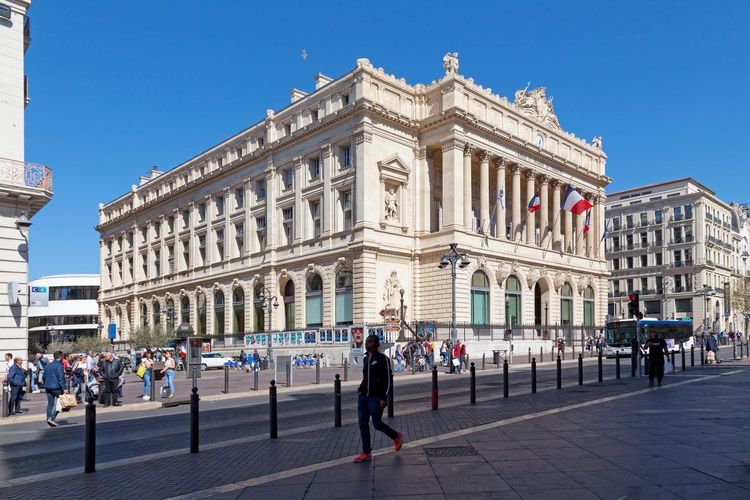
On the way back down toward the center, the Canebière runs from the Vieux-Port to the Réformés church over about a kilometer. The avenue owes its name to the rope-making workshop that once processed hemp, "cannabis" in Latin, into rigging for the port's ships, a detail that generally amuses the older kids when you tell them the origin of the word.
The avenue has lost some of its 19th-century shine but still has Haussmann-style facades worth a look, and several ice cream parlors offer a welcome break when little legs start to tire. Keep an eye on the traffic: the Canebière remains a busy tram and bus route, not really designed for strolling in a large group.
To extend the walk, head up to the cours Belsunce or go back down via the perpendicular side streets, calmer and shadier, to reach Le Panier without retracing the whole route.
Le Panier and the Mucem, Two Historic Neighborhoods to Explore as a Family
The Le Panier Neighborhood and Its Treasure Hunt
Le Panier is the oldest neighborhood in Marseille, a tangle of steep alleys, laundry drying between facades and little squares where games of pétanque start without warning. It's also, quite often, the favorite neighborhood of 6-12 year olds: everything is done on foot, without cars, and every street corner hides a mural or a staircase to climb.
Several local providers offer a treasure hunt in Le Panier, with a booklet of riddles to solve by following clues painted on the walls or hidden in courtyards. Allow an hour and a half to two hours with school-age kids, and bring good shoes: the streets are cobbled and sometimes steeply sloped.
If you'd rather improvise, simply walk up to the place de Lenche, one of the oldest inhabited sites in the city, then let your little explorers spot the colorful facades of the rue du Panier and the craftsmen's workshops still operating there. The neighborhood also keeps the memory of World War II: in January 1943, the occupying forces evacuated and then dynamited the old quarters north of the Vieux-Port, and several discreet plaques recall it, a page of history that speaks to schoolchildren when told simply.
On the way down to the waterfront, the Cathédrale de la Major (Sainte-Marie-Majeure) impresses with its Byzantine size, far more than with its interior: its domes striped in white and green stone can be seen from the Mucem, just opposite.
The Mucem and Fort Saint-Jean
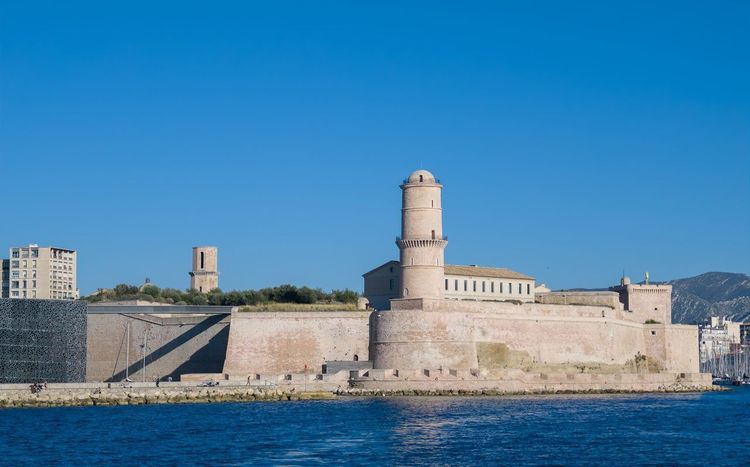
The Mucem, the Museum of the Civilizations of Europe and the Mediterranean, is recognizable by its black concrete lattice that filters the light over the J4 esplanade. The permanent exhibitions are easy to follow from about age 8-9, with tactile trails and workshops on Wednesdays and during school holidays.
More interesting for the youngest: a suspended footbridge links the museum to Fort Saint-Jean, a 17th-century fortress with Mediterranean gardens and a view over the harbor entrance. Access to the fort's outdoor areas and the footbridge is free, making it an easy stop to slot in between two paid visits.
Arrive in late morning instead: the terraces of the Mucem and the fort are very exposed to the sun in the afternoon in summer, and the youngest tire quickly on these large shadeless esplanades.
The short version of the Ryo audio-guided tour of Marseille goes through the alleys of Le Panier before reaching the Mucem and Fort Saint-Jean: about ten audio stops on the history of the neighborhood, to listen to as you climb, without depending on a human guide.
Street Art and Terraces on the Cours Julien
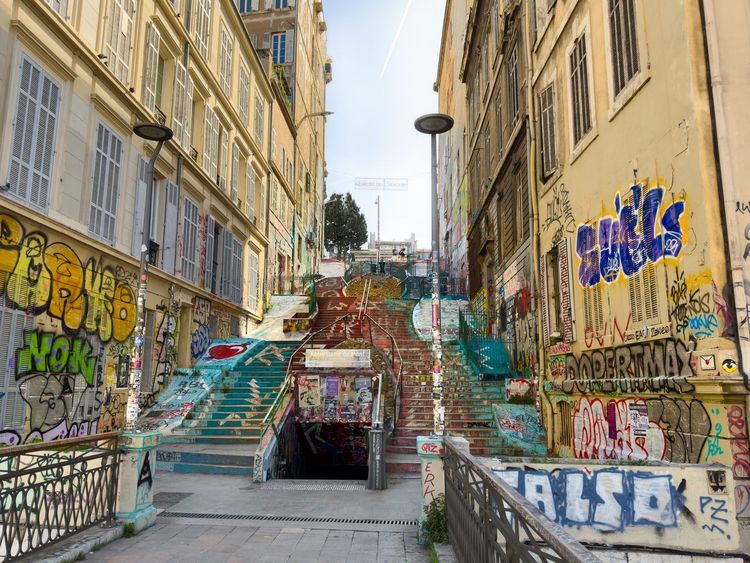
Fifteen minutes on foot or two metro stops away, the Cours Julien (13006 Marseille, rated 4.4/5 on Google from 3K reviews) completely changes the atmosphere: alleys covered in murals, vintage shops and lively terraces.
It's the place to fit in a slightly different lunch break: pizzerias, Lebanese food or crêperies around the square, with terraces wide enough to let the little ones move between tables without bothering the neighbors. Between bites, a simple walk around the block is enough to spot a dozen murals, some renewed every year during a street art festival. On Sunday mornings, an organic market sets up on the square, handy for buying a snack before resuming your walk toward the Canebière.
The Grotte Cosquer and Museums Not to Miss with Kids
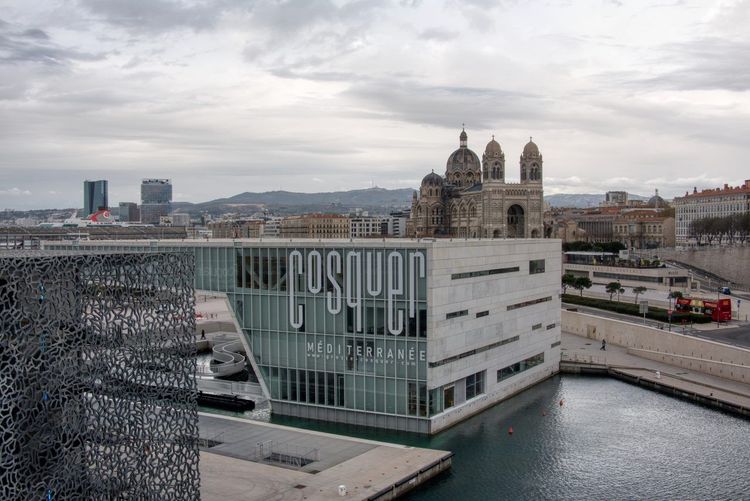
The Grotte Cosquer Méditerranée, a Dive into Prehistory
The real Cosquer cave, whose underwater entrance was discovered in 1985 by diver Henri Cosquer near Cap Morgiou, in the Marseille calanques, is now submerged by rising waters and inaccessible to the public. Cosquer Méditerranée, set up on the J4 esplanade next to the Mucem, offers a full-scale replica: the same walls, the same paintings of horses, penguins and seals, the same hand stencils about 27,000 years old.
The visit is made aboard small electric cars that glide silently through the half-light, a setup that greatly impresses children from age 6. The ride lasts about 35 minutes, but allow 1h30 to 2 hours including the exhibition rooms that follow; adult entry costs 19 euros, 11 euros for ages 10-17 and 6 euros for ages 6-9.
Online booking is strongly recommended, especially on weekends and during school holidays: car time slots are limited and sessions fill up by the morning in high season.
Musée de l'Illusion and Préau des Accoules

The Musée de l'Illusion, set under the Voûtes de la Major opposite the Mucem, is all about interactivity: anti-gravity rooms, holograms, rooms where you shrink before your eyes in photos. It's one of the few Marseille museums where little ones happily stay more than an hour without needing to be motivated.
In Le Panier, the Préau des Accoules offers a different approach: art workshops and exhibitions designed specifically for ages 4-12, in a renovated former school. Entry is free, making it a good budget-friendly alternative on a rainy day.
Palais Longchamp and the Natural History Museum
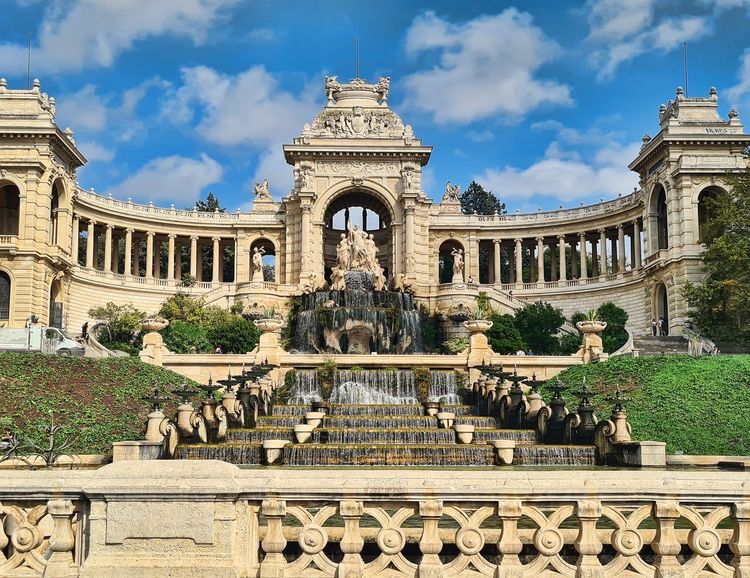
The Palais Longchamp, with its colonnades and monumental cascade, houses two museums under one roof: the Fine Arts Museum and the Natural History Museum, with its whale skeletons and mineral displays that often fascinate young visitors more than the paintings on the ground floor.
For a more local approach, the Musée d'Histoire de Marseille, near the Bourse, traces 26 centuries of the city through archaeological remains, including an ancient shipwreck found in the port. Adapted guided tours, offered on certain Wednesdays, make things easier to follow for the youngest.
Teens a bit more curious about architecture generally enjoy MaMo (280 Boulevard Michelet, 13008 Marseille, rated 4.2/5 on Google from 144 reviews), the contemporary art center set on the roof of Le Corbusier's Cité Radieuse: you go up by the building's elevator, and the rooftop terrace offers a rare view over the bay; the exhibitions, scheduled mostly in summer, are free.
To compare all the city's museums, our article on Marseille museums details opening hours and family rates, useful for building a "museums" day without nasty surprises on arrival.
Château d'If and the Frioul Islands: Heading Out to Sea as a Family
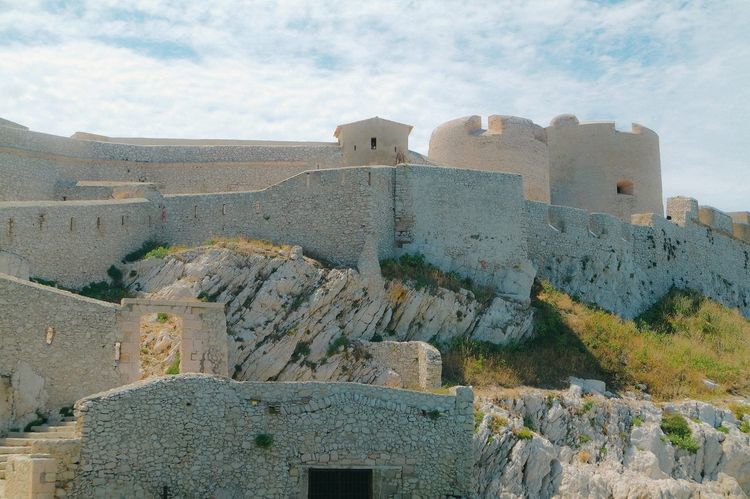
Cruise to the Château d'If and the Frioul Islands
The boat shuttles leave from the quai des Belges, at the Vieux-Port, every 30 to 45 minutes in season, for a crossing of about 20 minutes to the Château d'If (13007 Marseille, rated 4.6/5 on Google from 5,722 reviews).
The fortress, made famous by Alexandre Dumas and his Count of Monte Cristo, can be visited freely: dungeons, ramparts, a 360° view over Marseille and the calanques. Young readers of the novel love looking for the cell attributed to the book's character, even though it is obviously fictional.
Expect about 17.70 euros round trip for the Château d'If alone, or 26 euros for the combined If and Frioul ticket, plus the castle entry fee (7 euros, 5.50 euros reduced rate, free for under 18s). In midsummer, it's best to book the day before: morning departures are full by 10 am.
You can continue on to the Frioul islands, served by the same companies: pebble coves, flat trails and water noticeably clearer than at the Vieux-Port, ideal for a swim before catching the boat back. The Saint-Estève beach, on Ratonneau island, is well suited to a first snorkeling session for those who can already swim: the water there stays shallow and sheltered. Bring closed shoes, as the limestone rock of the islands is not kind to bare feet.
A Sailing Trip to See Marseille from the Sea
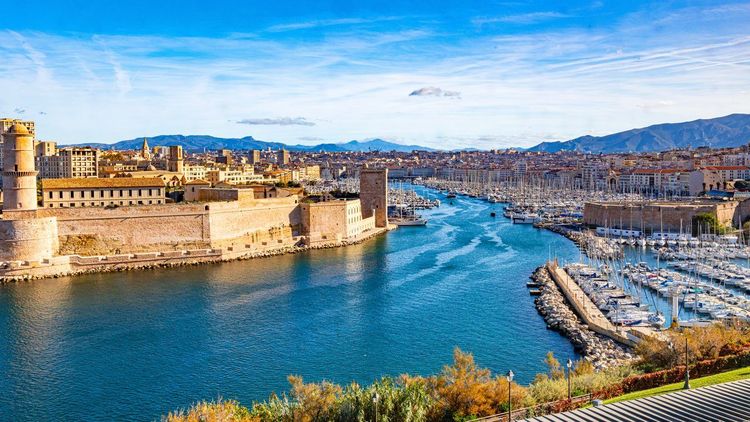
For a different approach, several skippers offer two- to three-hour sailing trips from the Vieux-Port, with views of the Corniche, Notre-Dame de la Garde and the calanques from offshore. Some companies take children from age 4-5 on stable catamarans, better suited than a sleek sailboat that heels sharply.
The Vieux-Port waterfront, the departure point for most of these trips, corresponds to one of the first stops of the Ryo audio-guided tour of Marseille: a good opportunity to spot the boarding quays before booking on site. The smallest ones, for their part, mostly enjoy the crossing itself: spotting seagulls, guessing the shape of the islands, looking for the Planier lighthouse in the distance.
The Calanques of Marseille: Hiking and Swimming as a Family
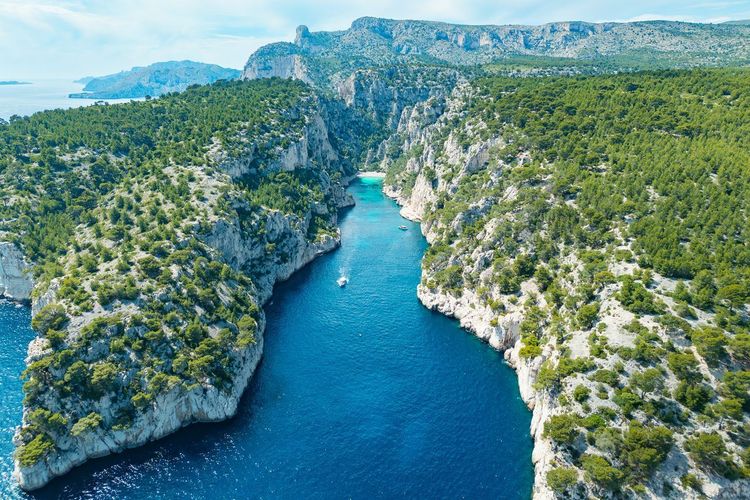
The Calanques National Park, Trails Accessible to Children
The Calanques National Park stretches along 20 km of coastline between Marseille and Cassis, a landscape of white limestone plunging straight into turquoise water. From the 9th arrondissement, several calanques can be reached in under an hour's walk, making it a realistic outing from age 6-7.
The Sormiou calanque and the Morgiou one remain the most accessible: wide trails, partial shade under the pines, and the option to turn back quickly if heat or fatigue sets in.
With a child under 5, it's better to aim for the calanques served by boat rather than the steep trails: the descent to Sormiou or Morgiou is passable with an all-terrain stroller, but other calanques like En-Vau require a real hike over rough terrain, poorly suited to toddlers.
In summer, car access to several calanques is strictly regulated to limit crowds and fire risk: it's best to check road opening times before leaving, or to take the bus or the shuttle boat from the Vieux-Port. For Sugiton, departing from Luminy, a free online reservation is mandatory in midsummer (400 people per day, slots opening three days ahead): keep it in mind before promising a swim to the whole troop.
If your teens have good legs, a hike in the Marseilleveyre massif lets you link several calanques along the ridges, with spectacular views of the Frioul islands. Allow a full half-day, good hiking shoes and plenty of water: there is no refreshment point along the route.
Calanques by Kayak, Bike or Electric Mountain Bike
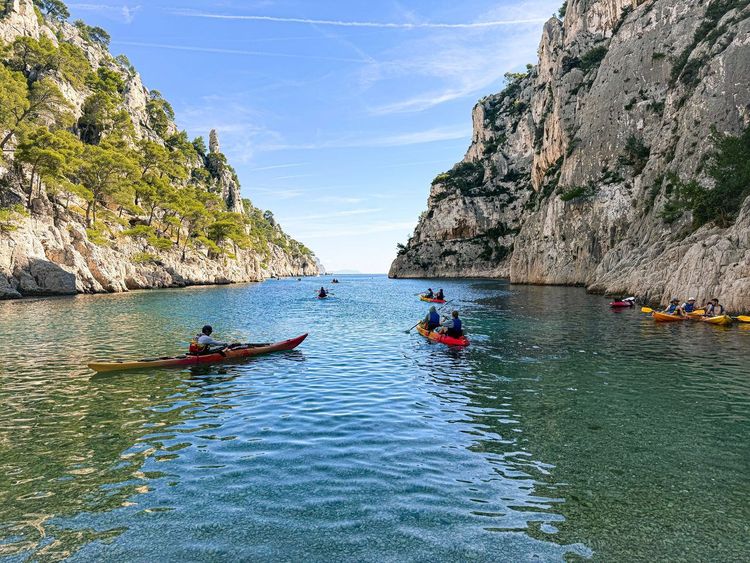
The kayak remains the simplest way to discover several calanques in the same outing without walking for hours in the sun: several rental companies departing from the Pointe Rouge or Callelongue offer guided trips of 2 to 3 hours, in two- or three-seater kayaks that can fit a child at the front.
If you'd rather stay on land, an e-bike tour or an electric mountain bike ride lets you reach some of the park's viewpoints without the effort of a classic hike, notably on the tracks around Luminy. Rental companies often provide baby seats or models suited to ages 12-16.
In any case, booking ahead is almost mandatory in July and August: access quotas for some calanques and the limited availability of kayaks and e-bikes fill up fast, sometimes several days before the desired date.
Cassis and the Coves of Île Verte in La Ciotat
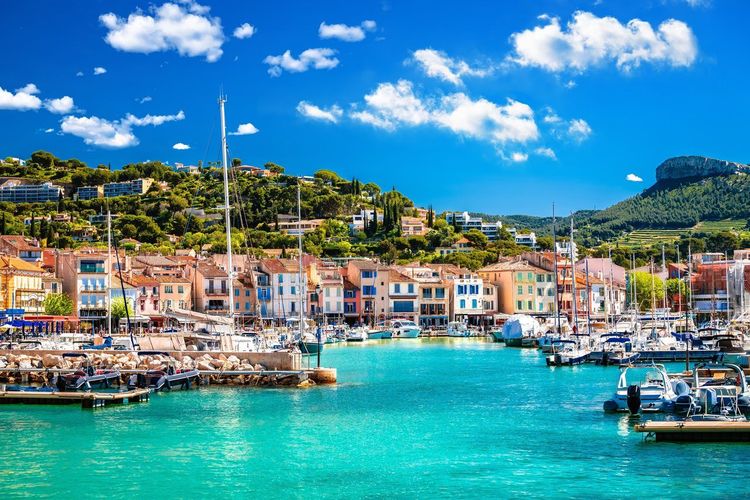
About forty minutes by road from Marseille, Cassis offers a gentler alternative to the wild calanques: a colorful little harbor, pebble beaches accessible without any walking, and boats that skirt the neighboring calanques (Port-Miou, Port-Pin, En-Vau) for those who prefer looking to hiking.
Expect about 20 to 25 euros per adult for a one-hour boat trip along the Cassis calanques, with tickets available directly at the port without reservation in low season. Our article on the most beautiful calanques of Marseille details which ones are best suited to an outing with little ones, depending on their age.
At the other end, near La Ciotat, a shuttle boat reaches Île Verte in a few minutes (13600 La Ciotat, rated 4.5/5 on Google from 99 reviews), a wooded islet with sheltered coves, ideal for a calm swim away from the bustle of the port. It's a good option for a quiet morning before heading back to Marseille.
Parks, Beaches and Fresh Air: Marseille's Best Experiences

Parc Longchamp and Parc Borély
The Parc Longchamp, laid out around the Palais Longchamp, mixes shaded lawns, ponds and a monumental 19th-century water tower, built to celebrate the arrival of the Durance waters in Marseille.
Some audio stops of the Ryo audio guide for Marseille pause right in front of the gates of Parc Longchamp to tell the story of this water tower, a good moment for a picnic break before setting off again.
Further south, the Parc Borély stands out for its château, its botanical garden and its large pond home to ducks. The château itself houses a museum of decorative arts, faience and fashion, with free entry on certain first Sundays of the month: a good fallback on a rainy day after the botanical garden.
The Prado Beaches and the Corniche JF Kennedy
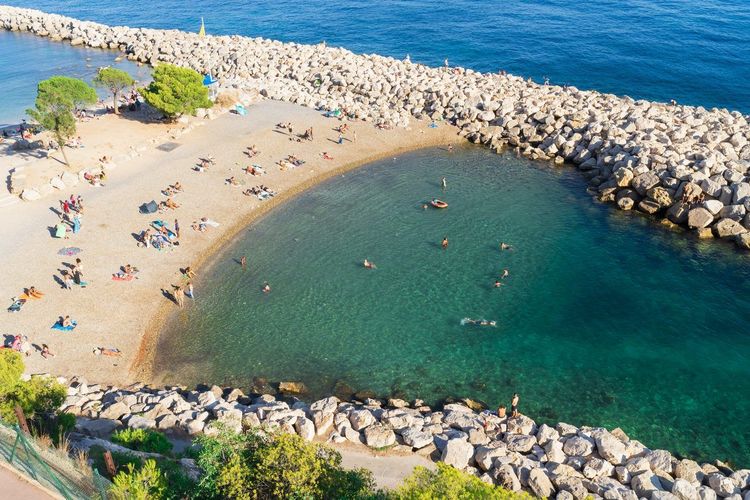
The Prado beaches, built on an artificial landfill facing Parc Borély, remain the simplest choice for an afternoon swim without leaving the city: fine sand, supervised areas in summer, and several beach volleyball and pétanque courts nearby. From the center, metro line 2 to Rond-point du Prado then buses 19 or 83 take you there, which avoids hunting for a parking spot in midsummer.
Heading back toward the center, the Corniche JF Kennedy offers an uninterrupted series of coves and small pebble beaches, including the Catalans beach, closer on foot to the Vieux-Port. The bravest stop along the way to photograph the war memorial of the Armée d'Orient, perched above the waves, and the sunset from the rocks of the Prophète remains a moment that even teens put down their phones to watch.
Educational Farm and Parks for Toddlers
With toddlers, the Roy d'Espagne educational farm (Rue Jules Rimet, 13009 Marseille, rated 4.5/5 on Google from 314 reviews), in the 9th arrondissement, offers calmer contact with farm animals and its vegetable garden. Access is free and open on Wednesdays from 4 pm to 6:30 pm and on Saturday mornings during the farmers' market, a chance to fill your basket with organic produce too.
For those who mostly need playgrounds and sand, several downtown squares (Jardin des Vestiges, square Léon) offer fenced shaded play areas, useful for a midday break without leaving the city.
Fun and Offbeat Activities in Marseille
Marseille Soap Workshops and Pétanque Introduction
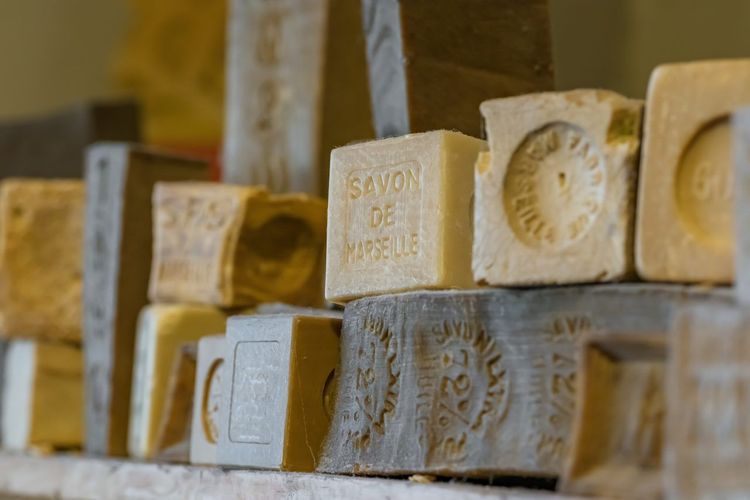
Several artisanal soap factories in the city center offer Marseille soap-making workshops open to all ages, often by reservation in late morning: apprentice soap makers mold and scent their own soap in about an hour, a more original souvenir than a simple gift shop.
One audio stop on the tour tells the story of Marseille soap just before passing a former soap factory in the neighborhood: the anecdote often sticks with the little ones: as early as 1688, an edict by Colbert required pure olive oil to make Marseille soap, well before the famous 72% oil standard.
On a shaded square in Le Panier or in a park, a pétanque introduction remains a free and typically Marseille activity: a few boules rented for a few euros are enough, and even a first-grader understands the rules in under ten minutes.
Belle Époque Carousel and Escape Game
On the Vieux-Port, the Belle Époque carousel has been spinning for decades, with its hand-painted wooden horses: a short, inexpensive break between two visits, most effective before age 7.
For older kids, several escape games in the city center offer scenarios accessible from age 8-10, lasting about an hour, often with riddles at two difficulty levels so the youngest can take part without being left behind. Weekends book up quickly, especially during school holidays.
Astronomical Observatory and Friche la Belle de Mai
The astronomical observatory of Marseille, on its historic site on the Longchamp plateau, welcomes the public with the Andromède association: a 30-seat planetarium on Wednesday afternoons and during school holidays, observation evenings with the historic telescope the rest of the year. Book ahead, and keep in mind that the evenings depend on the weather.
The Friche la Belle de Mai (41 Rue Jobin, 13003 Marseille, rated 4.4/5 on Google from 6,351 reviews), a former tobacco factory converted into a cultural venue, offers a rooftop terrace with free access, a playground and a skatepark at the foot of the old warehouses: a good free option to end a day without rushing.
Marseille with Teens: Sports, Street Art and Thrills
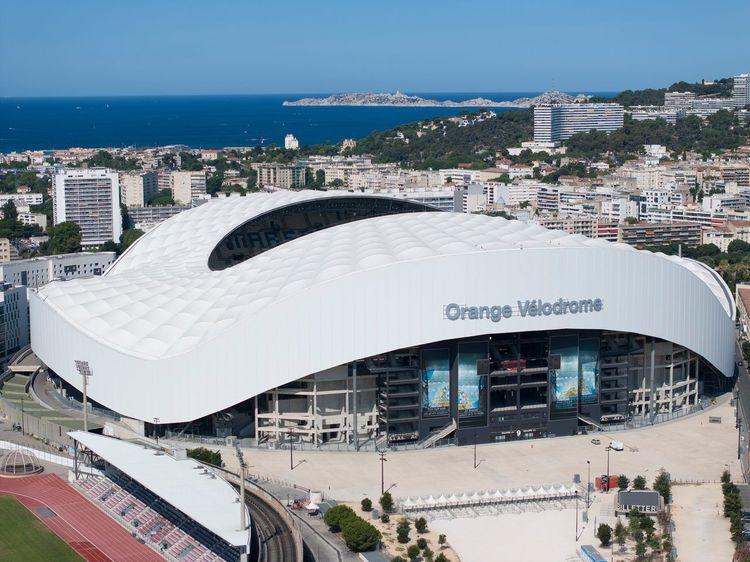
Stade Vélodrome and Urban Sports
For teens who are football fans, a Stade Vélodrome tour (3 Boulevard Michelet, 13008 Marseille, rated 4.6/5 on Google from 42,256 reviews) combines a behind-the-scenes visit, the locker rooms and sometimes the pitch depending on availability, outside match days. The 67,000-seat venue remains one of the largest stadiums in France and an almost obligatory stop for OM fans.
The city also has several skateparks and outdoor basketball courts, notably around the Plaine or the Prado, handy for burning off energy at the end of the day while the younger ones recover. Some also enjoy an indoor climbing session, with several venues in the center offering roped routes accessible from age 10-12, a good alternative on days with strong wind on the corniche.
Street Art, Urban Art and Thrills
Beyond the Cours Julien, street art Marseille can also be discovered in the Belle de Mai neighborhood and on the port's hoardings, with murals that change regularly with urban festivals.
For bigger thrills, several rental companies offer electric mountain bike outings on the technical trails around Luminy, or paddle and wakeboard sessions departing from the Prado beaches, two activities that go over better with 13-17 year olds than yet another museum visit. Some also prefer hopping on a bike-share to connect, on their own or nearly, the Vieux-Port, the Cours Julien and the Corniche in one afternoon, far from the slower pace of group visits. If the weather turns, a multiplex cinema near the Terrasses du Port shopping center often shows films in original language, a simple fallback when enthusiasm starts to fade.
Day Trips Around Marseille
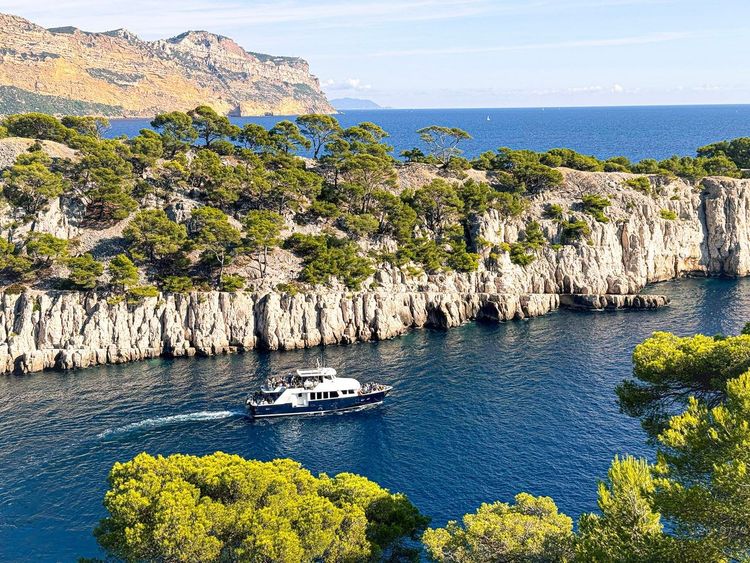
Cassis and the Calanques by Boat
If you didn't have time to make it to Cassis earlier in your stay, this excursion works well as a day on its own: expect about 40 minutes by road or 25 minutes by train to the station, then a local bus to the port. See the section on the calanques for details on boat trips and easily accessible coves.
The Camargue, Les Baux-de-Provence and the Luberon
For a full-day excursion, the Camargue, about 1h30 by road, offers marshes, pink flamingos and wild beaches: perfect for animal lovers and open space, far from the urban density of Marseille. Allow a good hour of walking or cycling in the regional nature park for a chance to see the flamingos up close; guided tours by 4x4 or on horseback remain the best option with little ones who quickly tire of walking.
The Baux-de-Provence, a hilltop village ranked among the most beautiful villages in France, can be visited in half a day, with the bonus of the Carrières de Lumières, an immersive show projected onto huge limestone walls that captivates all ages.
Further afield, Arles charms with its Roman arena still in use and its compact historic center, easy to explore on foot. The Luberon, for its part, requires a full day by car to link two or three hilltop villages like Gordes or Roussillon, but remains feasible as an excursion from Marseille if you've rented a vehicle. Our selection of the most beautiful villages to discover around Marseille details the distances and visit times for each.
If you stay more than a week, the Verdon gorges are worth the detour, about 2h30 by road: easy lakeside hikes, swimming in turquoise water and, for older kids, canoe rental on Lake Sainte-Croix.
Amusement Parks and Water Parks Around Marseille
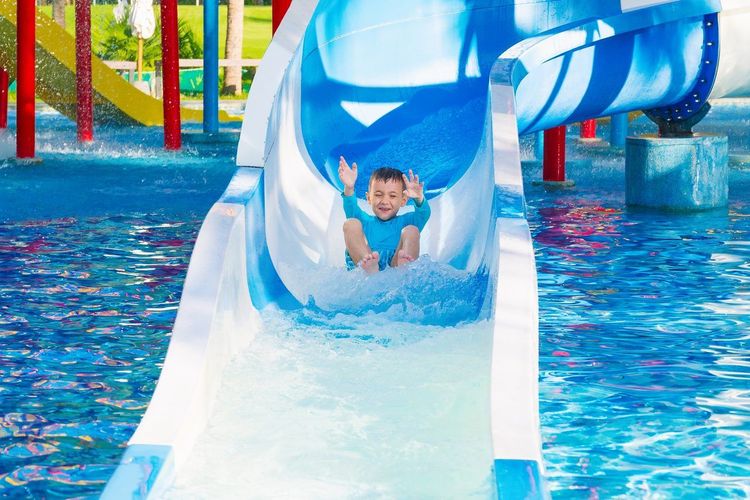
For a more playful day, several water parks around Marseille and Aix-en-Provence offer slides and wave pools, a good option in midsummer when the heat makes museum visits less appealing. Book on a weekday if possible: the region's water parks are full on some Saturdays in July and August, with long waits at the main slides.
As for amusement parks, OK Corral, a western theme park in Cuges-les-Pins half an hour to the east, offers stunt shows and family attractions, while several smaller wildlife parks and adventure farms round out the offer for the youngest, generally within an hour's drive.
Practical Info for Planning Your Family Stay in Marseille
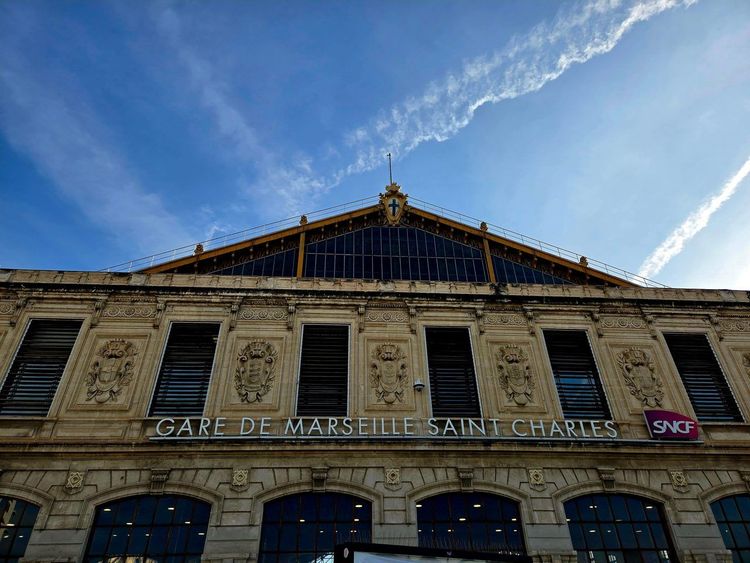
How to Get to and Around Marseille with Family
Marseille has its own airport, Marseille-Provence, linked to the city center by a direct shuttle in about thirty minutes, or by the TGV that drops you right at Saint-Charles station from Paris in a little over three hours. Without a car, these two options remain the simplest.
Once there, the metro, tram and bus network covers most of the sights mentioned in this guide: two metro lines are enough to connect the Vieux-Port, Longchamp and the Prado. A car is mostly useful for excursions to the calanques on the east side or to Cassis and La Ciotat.
To get around without stress, avoid rush hours on the tram (8-9 am and 5-6:30 pm) if you're traveling with a stroller: the trains are packed and access to the dedicated spaces isn't always guaranteed.
Where to Stay as a Family in Marseille
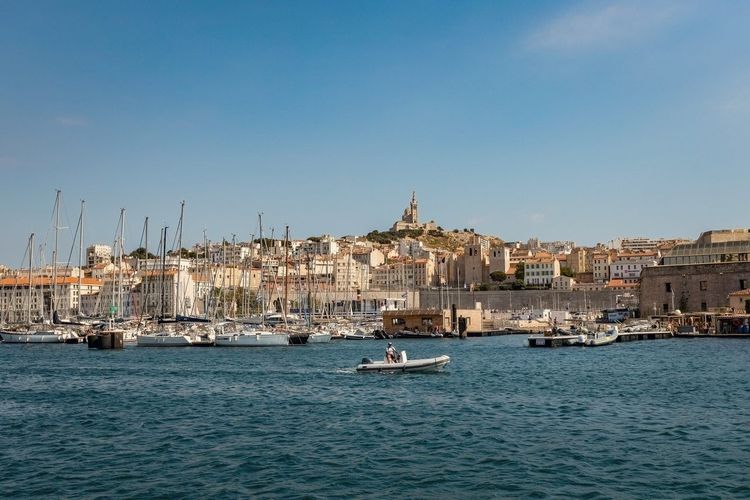
The Vieux-Port neighborhood remains the most practical for a first visit: everything is done on foot, many apartments with fully equipped kitchens are available there, for a budget starting around 120 to 150 euros a night in low season for a two-room apartment.
If you're looking for more calm and direct access to the sea, aim for the Prado or Corniche area, a few minutes by metro and bus from the center, with more recent hotels offering connecting or family rooms.
When to Go and How Many Days to Plan
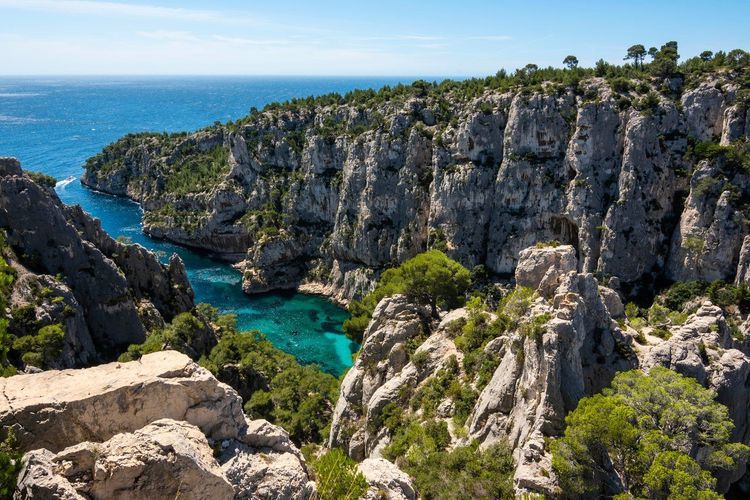
Spring (April-June) and early autumn (September-October) remain the best seasons to visit Marseille with family: pleasant temperatures for walking, less crowded calanques, and more reasonable accommodation rates than in July and August.
For a first stay, three days are enough to see the essentials: Vieux-Port and Notre-Dame de la Garde on the first day, Le Panier and the Mucem on the second, a calanque or the Château d'If on the third. With five days, it becomes possible to add Cassis, an excursion inland (Baux-de-Provence, Camargue) and a calmer day around the parks and museums. For a complete day-by-day plan, our guide to visiting Marseille in 3 days details a ready-to-use itinerary.
City Pass, Budget and Free Outings
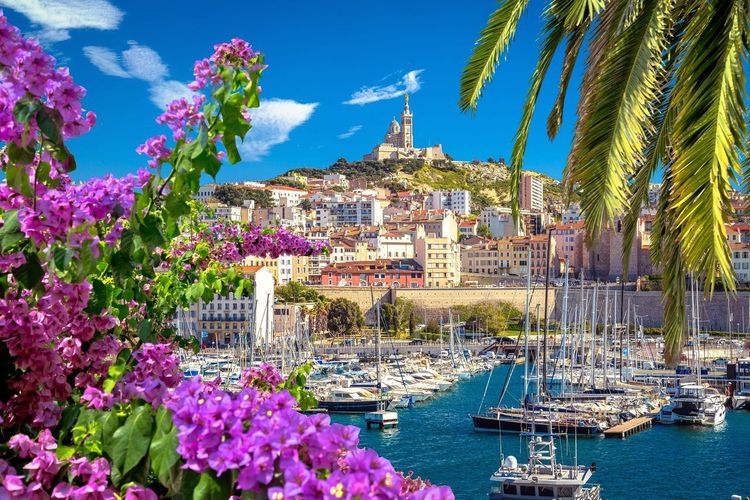
The City Pass Marseille, valid for 24, 48 or 72 hours, includes access to several museums and public transport: a quick calculation is needed depending on the number of paid visits planned, as it isn't always worthwhile if you favor outdoor activities, which are free by nature.
As for free outings, Le Panier, the Canebière, the outdoor areas of the Mucem and Fort Saint-Jean, the beaches and several parks (Longchamp, Borély) cost nothing, which helps balance a tight budget between two or three paid visits (Cosquer Méditerranée, Musée de l'Illusion or a cruise to the Château d'If). For a week for four people, budgeting 25 to 35 euros per day per person for paid visits, excluding accommodation and transport, is a reasonable estimate.
With a baby, favor short, shaded outings: the Vieux-Port with a stroller, a ferry ride, a nap on the grass of Parc Borély. Most Marseille museums and restaurants have changing tables, but it's best to check before heading to the Grotte Cosquer, where the cars are not designed for strollers.



FAQ
Is Marseille a good family destination?
Yes, and it's precisely its variety that wins people over: a compact, walkable city center, islands and calanques reachable in under an hour, museums designed with young visitors in mind (Musée de l'Illusion, Cosquer Méditerranée) and public transport that covers most sights without a car. The only things to watch out for are the heat in midsummer and the large crowds on the city beaches in July and August.
What is the best neighborhood to stay in with children in Marseille?
The Vieux-Port remains the simplest choice for a first stay: everything is within walking distance, including Le Panier and the departure points for the islands. If you prefer being near the beach, look at the Prado area instead, which is a bit more residential and quiet in the evening.
Are the Calanques suitable for young children?
Some are, as long as you pick the right ones: Sormiou and Morgiou are accessible to little walkers thanks to wide paths, while calanques like En-Vau require a more technical hike that is not well suited to children under 8-10. Boat or kayak trips avoid the problem for the youngest ones.
Do you need to book to access the Calanques?
No reservation is needed for most trails, except at Sugiton in midsummer (free online booking, 400 spots per day); car access to several calanques is limited and regulated in summer for fire safety reasons. For kayaking, e-biking or boat cruises, however, booking a few days ahead in high season avoids disappointment on the spot.
How long do you need to enjoy Marseille with family?
Three days cover the essentials of the city center and one trip out to sea or to the calanques. Five days let you add Cassis, a day trip inland (Baux-de-Provence, Camargue or Luberon) and a calmer day around the parks and museums, without rushing.
What is the best museum for kids in Marseille?
The Musée de l'Illusion and Cosquer Méditerranée are generally the favorites among younger visitors, thanks to their interactive and sensory appeal. The Préau des Accoules, in Le Panier, is a good free option for ages 4-12.
What can you do in Marseille with a baby?
With a baby, it's best to focus on short outdoor outings: a stroller walk around the Vieux-Port, a ferry ride, a nap in the shade of Parc Longchamp or Parc Borély. Skip the cars of the Grotte Cosquer and favor museums with step-free access like the Mucem.
Between the Vieux-Port ferry, the alleys of Le Panier and a swim in a calanque, visiting Marseille with family ultimately has less to do with a fixed itinerary than with a good balance of walking, sea and breaks in the shade. The city lends itself well to improvisation: a museum that's closed on a rainy day is easily replaced by an afternoon at the port, and a calanque that's too crowded by a boat trip to the Château d'If.
To keep a common thread without spending too much time planning, our Ryo app offers a complete audio-guided tour of the historic center, listened to at your own pace, without depending on a guided tour slot or on mobile network coverage once the episodes are downloaded.
À lire également