© Shutterstock
 Votre guide Ryo
Things to Do in Buenos Aires in 2026: Neighborhoods, Tango, and Tips
In Buenos Aires, a single afternoon walk can take you across a century: the Belle Époque balconies of Recoleta give way, a few streets on, to the converted industrial docks of Puerto Madero, then to the painted corrugated-iron houses of La Boca. This diversity of neighborhoods, this deliberate blend of Europe and Latin America, is why the question of what to do in Buenos Aires comes up so often among travelers planning a trip to Argentina. To find your way around without losing time between appointments, the Ryo audio-guided tour of Buenos Aires connects several of these atmospheres on foot, headphones on, at whatever pace you choose.
Between a visit to the Teatro Colón, an evening of tango at a San Telmo milonga, a shared asado on a terrace, and a morning on the canals of the Delta in Tigre, the Argentine capital offers an abundance of experiences. You will also discover more unexpected details: a cemetery of more than 4,700 mausoleums where Eva Perón rests, a Sunday flea market that takes over entire streets, an improvised percussion concert every Monday evening in the courtyard of a former warehouse, and a gaucho fair celebrating its 40th anniversary in 2026. This guide covers the neighborhoods not to miss, the most powerful cultural experiences, the best dining spots, and practical information — budget, safety, transport, season — to help you build a complete stay of three days or more.
1. Exploring the Neighborhoods of Buenos Aires
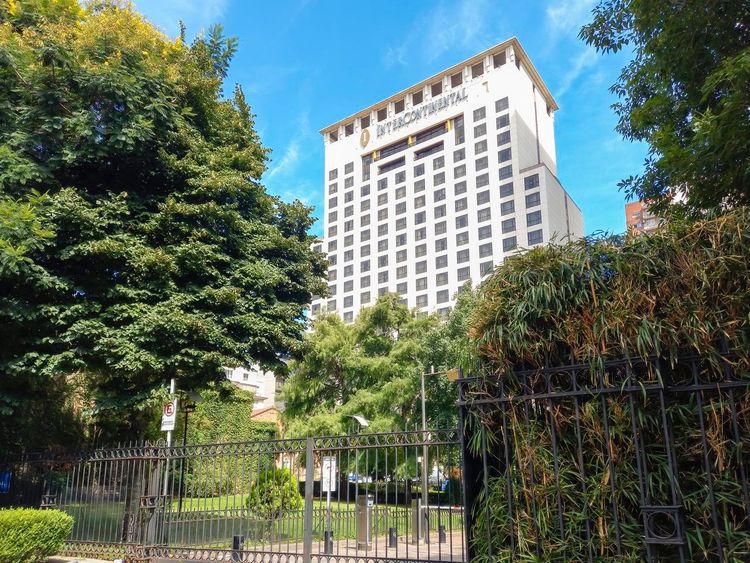
Buenos Aires is not visited as a single city but as a federation of neighborhoods (barrios), each with its own architecture, rhythm, and reputation. Here are the six areas to know before building your itinerary.
Palermo, the Trendy Neighborhood with a Thousand Parks
Palermo is by far the largest barrio in the capital — so large that it is subdivided into several sub-neighborhoods with distinct identities: Palermo Soho for its designer boutiques and restaurants set in former low-rise houses, Palermo Hollywood for its bars and old television production studios. On weekends, Plaza Serrano transforms into an impromptu craft market, surrounded by packed terraces.
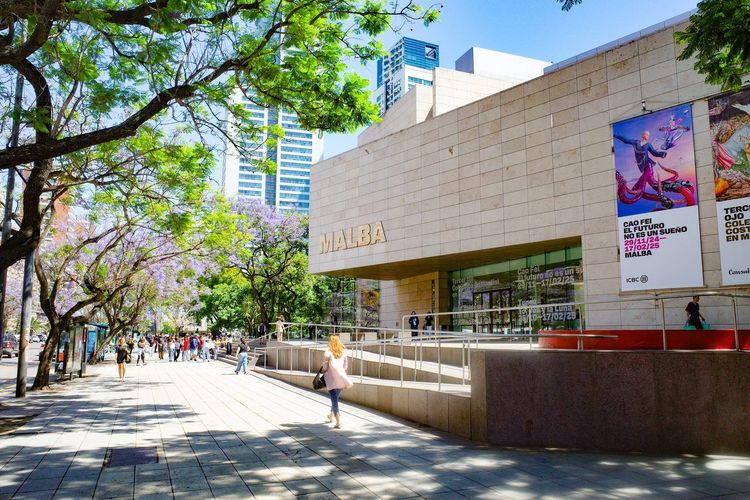
To the north, the Bosques de Palermo offer nearly 400 hectares of parks, artificial lakes, and themed gardens, including an authentic Jardín Japonés open to the public. You can rent a bike there or simply walk to the MALBA, the Latin American art museum that has made Palermo a cultural as much as a social reference.
San Telmo, the Tango Soul and Its Sunday Flea Market
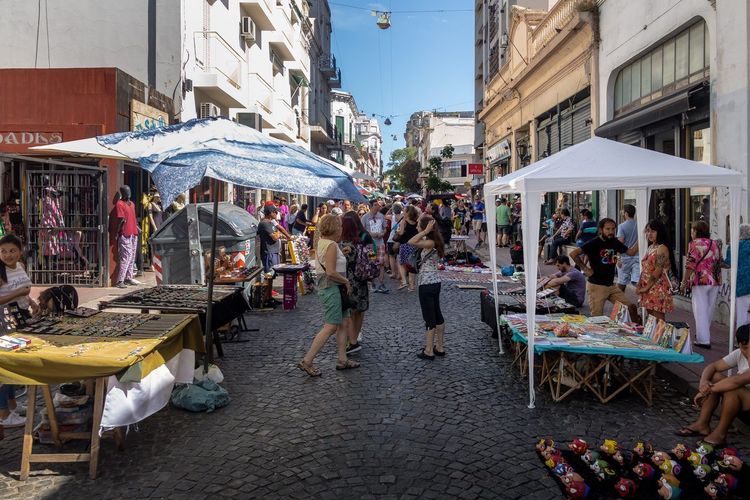
The city's oldest neighborhood has kept its uneven cobblestones, colonial facades, and artists' workshops. Every Sunday, the Feria de San Telmo takes over Defensa Street for nearly a kilometer: antique dealers, second-hand sellers, and street musicians transform Plaza Dorrego into an open-air stage, where couples sometimes dance an impromptu tango between the stalls.
On weekdays, the atmosphere becomes calmer, allowing you to stroll through the Mercado de San Telmo, a 19th-century covered market where butchers' stalls and small eateries mingle. It is also in this working-class neighborhood that tango is said to have taken shape, in the inner courtyards of the conventillos where European immigrants lived crowded together.
Recoleta and Its Monumental Cemetery
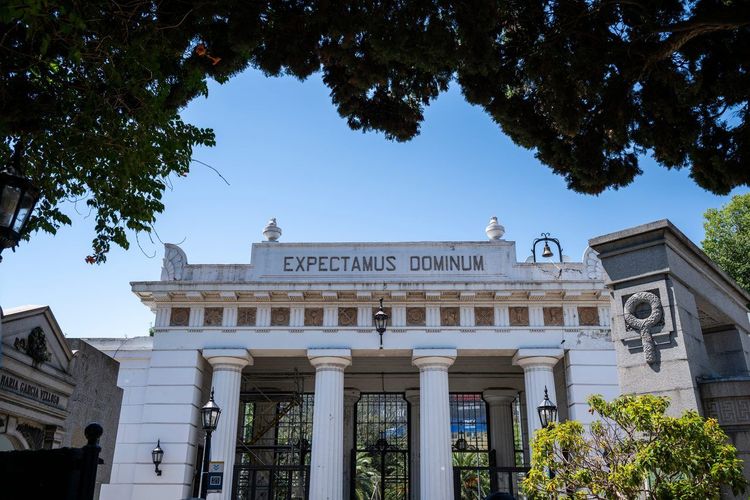
The quintessential upscale neighborhood, Recoleta lines its streets with Haussmann-style buildings and cafés with white tablecloths. Its most visited attraction remains the Cementerio de la Recoleta: more than 4,700 mausoleums, vaults, and marble-and-bronze pantheons, arranged like the streets of a miniature city, with more than 90 listed as national historic monuments. Eva Perón rests in the Duarte family vault, which you will easily spot by the flowers left there every day.
Good to know: entry is free for Argentine residents but paid for foreign tourists (around 24,000 pesos in August 2026, ticket purchasable online or on site). Free guided tours in Spanish depart every hour, and the site is open every day from 9 a.m. to 5 p.m. English-language tours depart at 1 p.m. and 3 p.m. and fill up quickly in high season: book your slot a few days in advance on the cemetery's official website.
Nearby, the Basílica Nuestra Señora del Pilar and the Recoleta Cultural Center round out the visit. On weekends, you can follow up with a craft market set up just outside the cemetery, before heading to San Telmo by taxi or bus.
The Ryo audio-guided sub-tour dedicated to a walk through the upscale neighborhoods links several of these elegant addresses in a single commented walk, with its own audio for each stop — letting you move from one atmosphere to the next without having to re-plan your route between stages.
La Boca and the Colorful Caminito
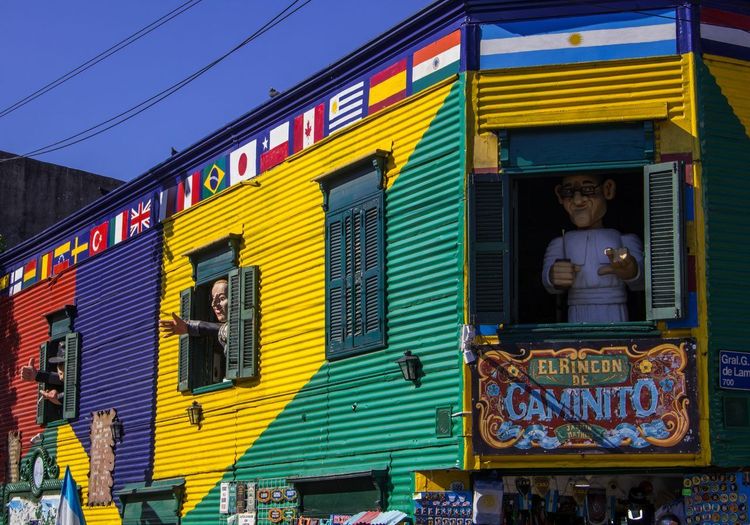
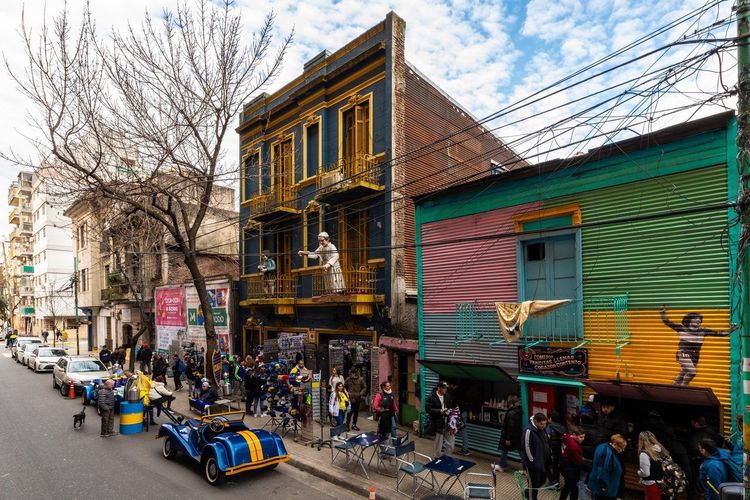
La Boca is the historic port neighborhood, where many Genoese immigrants settled in the late 19th century. Lacking resources, they painted their corrugated-iron houses with leftover paint from the shipyards: the result, the open-air museum street of Caminito, remains one of the most reproduced images of the city.
Just behind it stands La Bombonera, the legendary Boca Juniors stadium, whose interior can be visited on non-match days. The neighborhood also inspired the painter Benito Quinquela Martín, whose house-museum is open to the public. A practical tip: stay within the marked tourist perimeter around Caminito — the adjacent streets change in character significantly, especially after dark.
Puerto Madero, the Renovated Docklands by the River
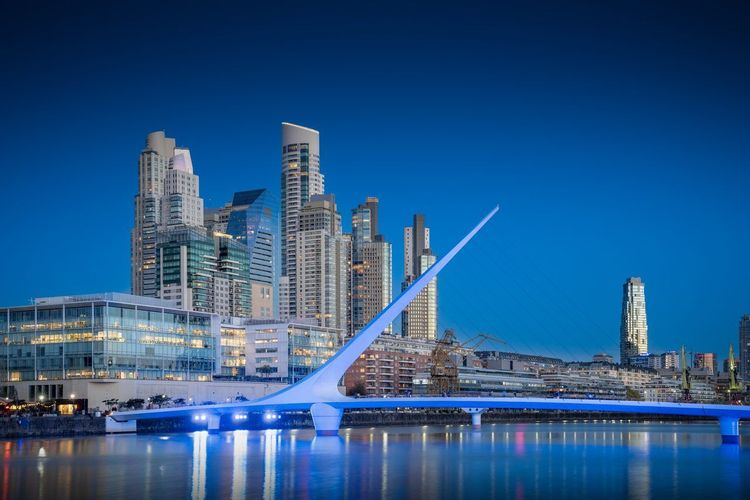
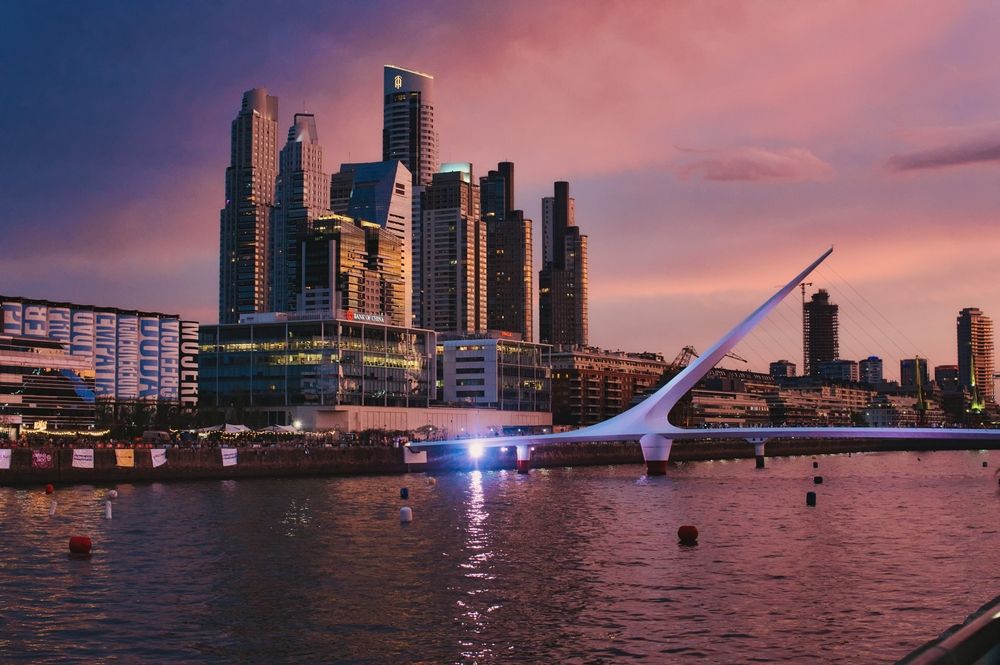
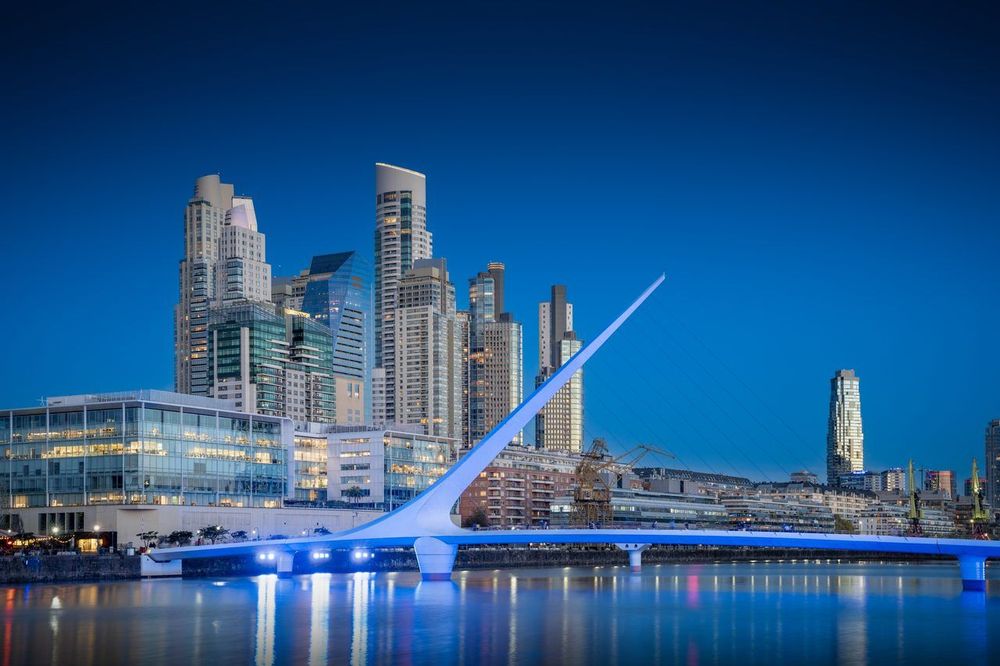
At the opposite end of the urban renewal spectrum from La Boca, Puerto Madero has transformed its old red-brick docks into an upscale business and residential district, crossed by the Puente de la Mujer, a pedestrian footbridge designed by Santiago Calatrava. It is today one of the safest and most modern barrios in the capital.
Following the river southward, you reach the Reserva Ecológica Costanera Sur, 350 hectares of wetland where herons and ibis nest just a few minutes' walk from the glass towers.
Microcentro, Congreso, and the Historic Center
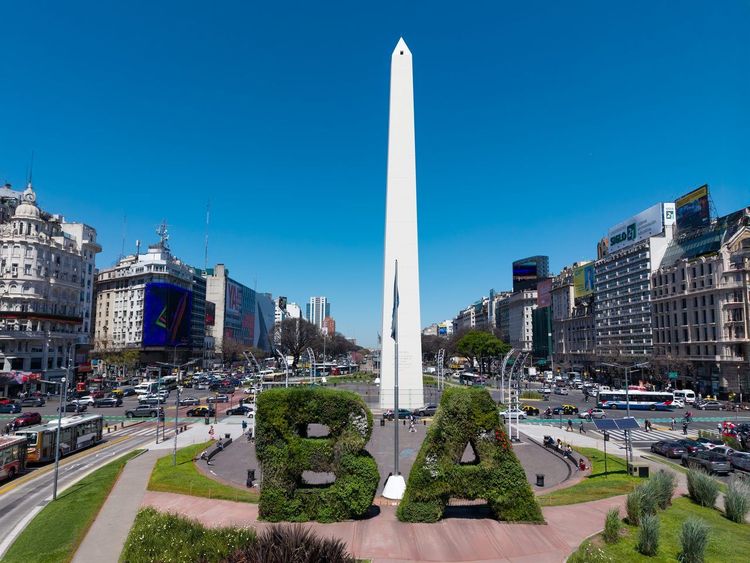
The administrative heart of Buenos Aires spreads around Avenida 9 de Julio, reputed to be one of the widest boulevards in the world, dominated by the Obelisco (Av. 9 de Julio, Buenos Aires, rated 4.6/5 on Google with 185,534 reviews), erected in 1936 for the 400th anniversary of the city's first founding. Running parallel, Avenida Corrientes concentrates theaters, cinemas, and bookshops open late into the night, earning it the nickname of the street that never sleeps. Further west, Congreso square and its neoclassical palace mark the entrance to the political district.
Around this core, several barrios are worth at least a detour. Monserrat, adjacent to Plaza de Mayo, preserves the city's oldest colonial street grid, particularly around the Manzana de las Luces. Retiro is home to the historic railway stations and Plaza San Martín, facing the Torre Monumental, the former "English Tower" gifted by the British community and inaugurated in 1916. Balvanera, around the bustling Once market and the Abasto neighborhood where singer Carlos Gardel grew up, contrasts with the calm of Monserrat. Further north, Belgrano is home to the small but lively Barrio Chino, centered on Arribeños Street, where Asian restaurants and grocery stores draw a local crowd on weekends. Finally, beyond the city limits, the residential municipalities of Vicente López and San Isidro open the door to the Tigre delta, an excursion detailed later in this article.
2. Admiring the Teatro Colón, One of the World's Most Beautiful Opera Houses
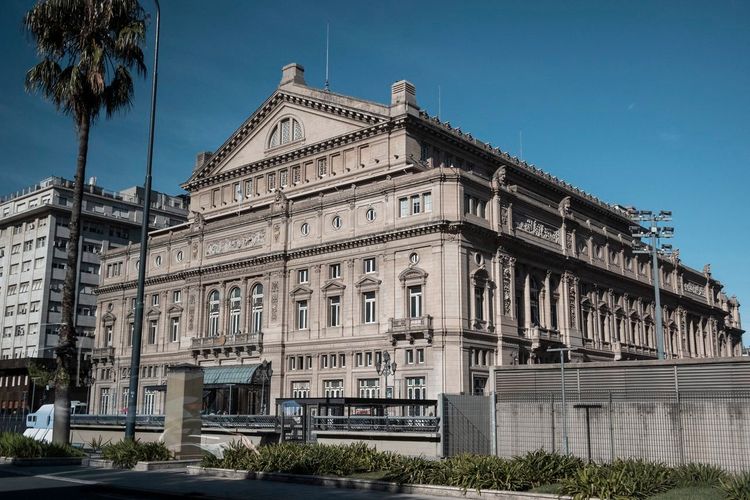
Inaugurated on May 25, 1908 with a performance of Aida, after nearly twenty years of construction, the Teatro Colón (Cerrito 628, Buenos Aires, rated 4.8/5 on Google with 89,730 reviews) regularly features in international rankings of venues with the finest acoustics, alongside La Scala in Milan and the Opéra Garnier. Its architecture blends Italian, French, and German influences: marble, bronze, and stained glass tell, on their own, the story of a city that aspired to rival Europe at the turn of the 20th century.
The horseshoe-shaped main auditorium can seat up to 2,487 spectators. If your stay does not coincide with the operatic schedule, book a daytime guided tour instead: lasting around fifty minutes, it passes through the foyer, the busts gallery, the Salón Dorado, and the main hall, in groups of around thirty people. Tours are conducted mainly in Spanish, with two daily departures in English (1 p.m. and 3 p.m.), which fill up quickly in high season: book your slot a few days in advance on the theater's official website.
To attend a performance without breaking the bank, keep an eye out for standing tickets or seats in the upper gods, significantly cheaper than the orchestra and often released shortly before the show.
3. Discovering the Casa Rosada and Plaza de Mayo
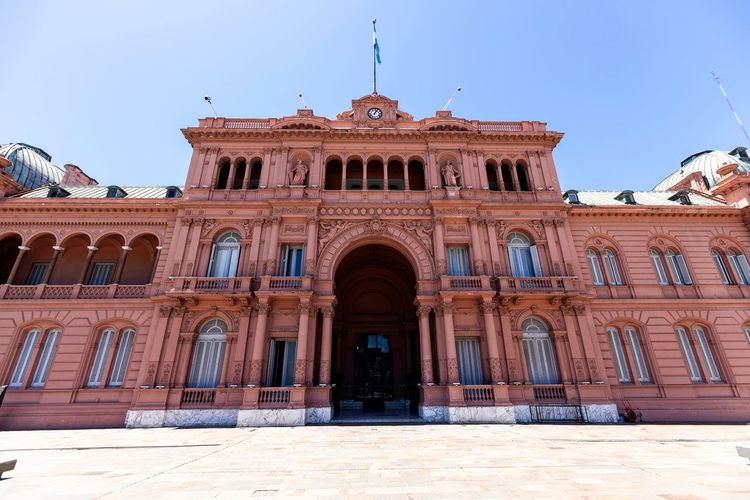
It is impossible to visit Buenos Aires without passing through its founding square. Plaza de Mayo (Buenos Aires, rated 4.6/5 on Google with 142,971 reviews) occupies the heart of the city laid out by Juan de Garay in 1580 and remains, to this day, the stage for the country's major political demonstrations. Every Thursday at 3:30 p.m. since 1977, the Mothers of the Plaza de Mayo march there in memory of those who disappeared during the dictatorship — a silent ritual worth observing from a respectful distance.
On one side of the square stands the Casa Rosada, the seat of the Argentine presidency, recognizable by its pink facade whose origins remain debated: a mix of lime and ox blood according to some historians, a symbol of reconciliation between the two rival political colors of the 19th century according to others. It was from its balcony that Eva Perón addressed the crowds. The palace can be visited free of charge on Saturdays, Sundays, and public holidays, exclusively by prior online reservation on the official presidential website, with a passport required on the day.
Around the square, the colonial Cabildo and the Catedral Metropolitana, where General San Martín rests, complete a dense architectural ensemble within a few hundred meters. If you are following the Ryo audio-guided tour of Buenos Aires, a commented stop here puts the political history of the site into context, from the Spanish founding to contemporary demonstrations.
The best time to photograph the pink facade is early in the morning, before organized groups arrive and the rallies that regularly occupy the esplanade during the day. Just behind the palace, the Museo Casa Rosada preserves remnants of the colonial fort and customs house, along with objects related to successive presidents. Allow an hour for the square, cathedral, and cabildo combined, and more if you add the interior visit of the Casa Rosada.
4. Attending an Authentic Tango Show
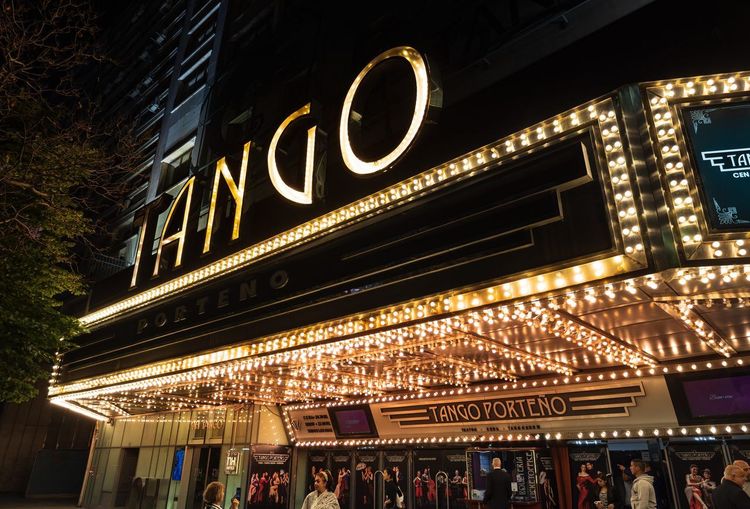
Tango took shape in the outskirts and conventillos of San Telmo, La Boca, and Almagro in the late 19th century, in a context of mass immigration and precarity that blended melancholy with musical improvisation. What it has since become now takes two very different forms.
On one side, there are the tourist shows: dinner-shows with dazzling costumes, a live orchestra, and professional dancers, held in venues in San Telmo or Puerto Madero. They are spectacular, expensive, and designed for visitors. On the other, the milonga — a social dance where locals come to dance together according to a precise code, the famous cabeceo, a silent invitation exchanged by eye contact before each dance. Entry costs a fraction of a dinner-show ticket, but it is worth observing the customs before stepping onto the floor.
The Café Tortoni (Av. de Mayo 825, Buenos Aires, rated 4.5/5 on Google with 40,643 reviews), the city's oldest café, opened in 1858, hosts a tango show of around one hour in its basement, which has the feel of a cabaret, starting around 8 p.m. The room is small and often fully booked: reserve your seat in advance, and check which nights performances are held, as schedules vary by season. Many milongas also offer a short introductory lesson before the dancing begins, to help beginners get familiar with the basic steps before the floor fills up. If the name Carlos Gardel keeps coming up in conversation, it is because the Abasto neighborhood where he grew up continues to celebrate his memory through murals and statues. During the day, the Ryo audio guide helps you place this music in the history of the neighborhoods you are walking through, before choosing in the evening between a milonga and a show.
5. Experiencing the Electric Atmosphere of La Bomba del Tiempo
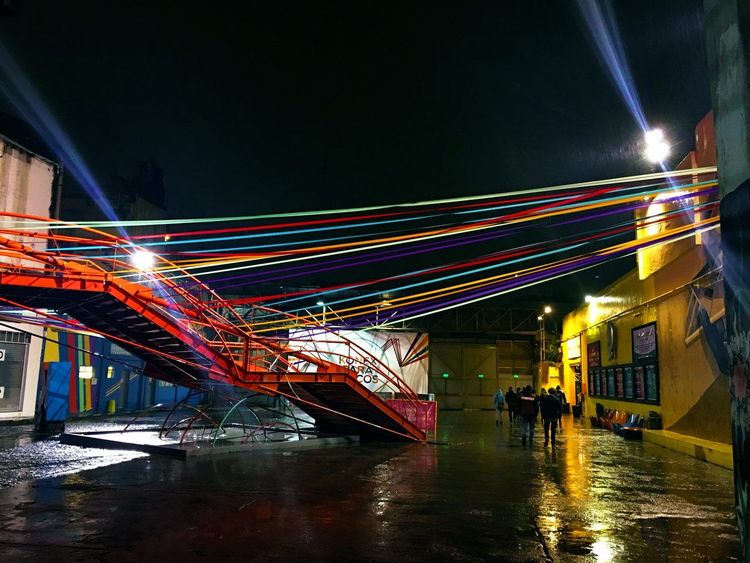
Every Monday evening since 2006, around fifteen percussionists set up in the courtyard of the Ciudad Cultural Konex (Sarmiento 3131, Buenos Aires, rated 4.6/5 on Google with 26,575 reviews), a former warehouse converted into a cultural center, to improvise Afro-Latin rhythms directed on the fly by a conductor. No score, no setlist: the leader guides the musicians through a language of more than 70 signals, so every concert is unique.
The audience, mostly local, dances as much as it listens, in an atmosphere of popular celebration rather than a seated concert. Buy your tickets in advance through the Konex's official ticketing platform or at its box office: these are the only valid points of sale. The evening is in principle reserved for those over 18, with the exception of a few Monday evenings open to all ages, and moves to a covered hall in the event of rain.
6. Navigating the Canals of the Delta in Tigre
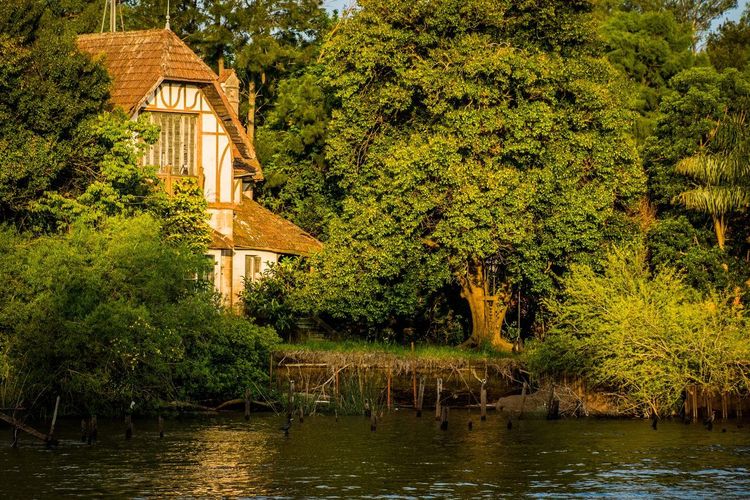
About thirty kilometers north of the center, the town of Tigre marks the entrance to the Paraná river delta, a labyrinth of canals and islands where water replaces streets. The Mitre line train from Retiro station takes about an hour — a more pleasant option than driving on a weekday.
On arrival, lanchas colectivas — boats that act as river buses for delta residents — allow you to travel along banks lined with houses on stilts and century-old rowing clubs. Many visitors settle for an hour of sailing, but a half-day lets you get off at an isolated jetty, walk along a wooden boardwalk, and then board the next boat.
Back at the dock, the Puerto de Frutos (Lavalle 4, Tigre, rated 4.5/5 on Google with 104,333 reviews) gathers artisans, wicker furniture sellers, and fruit stalls on the old freight quays, especially lively on weekends. By train, you will pass through the northern residential municipalities of Vicente López and then San Isidro, a former colonial town dominated by a neo-Gothic cathedral that merits a stop in its own right if time allows. Together, they make for a green and fluvial interlude that is the opposite of the bustle of the center — a simple way to connect with a nature very different from what one usually associates with a capital of 3 million people.
The delta islands are connected by no roads: the few thousand permanent residents live to the rhythm of boats. Schoolchildren, groceries, and building materials all travel by water, and grocery-boat services make their rounds from one pontoon to the next. This island reality is better discovered by opting for a lancha colectiva rather than a large tourist catamaran: the journey is slower, but the contact with local residents is very real.
For those who enjoy physical activities, several clubs offer kayak or stand-up paddleboard rentals on the secondary canals, away from the tourist boat traffic. The Tren de la Costa, a scenic line that runs along the Río de la Plata from Maipú station, offers a picturesque alternative for reaching Tigre, with stops at several residential villages along the way. Allow a full day if you combine boating, the market, and a stop in San Isidro, or half a day if you stick to the bare minimum.
7. Savoring Argentine Cuisine: Asado, Empanadas, and Cafés
Argentine dining is built on deeply ingrained habits that vary little from one neighborhood to another but structure the entire day, from a late breakfast to dinner that never starts before 9 p.m. To go beyond this overview, our selection of the culinary specialties of Buenos Aires details the dishes you absolutely must try.
Meat and Parrillas
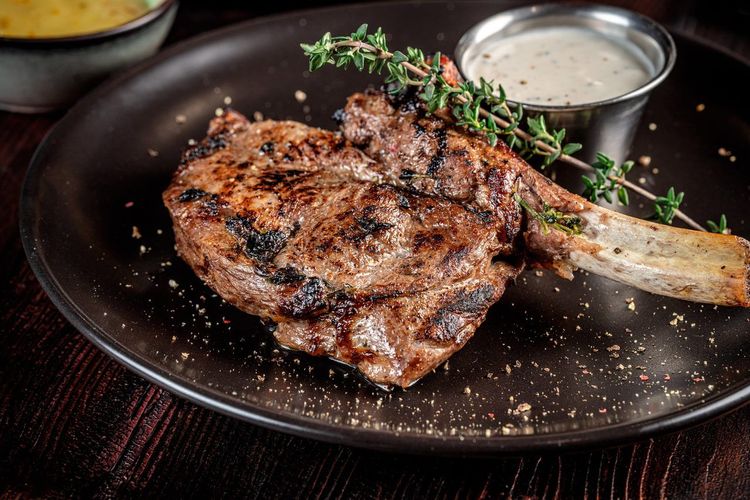
The asado goes far beyond a simple barbecue: it is a social ritual, often on Sundays, where meat slow-cooks over wood embers for several hours. In restaurants, the menu of a classic parrilla distinguishes between bife de chorizo (thick sirloin), asado de tira (short ribs cut across the bone), and achuras (grilled offal), often served as a starter with chorizo and morcilla before the main course.
Even though prices have risen significantly in recent years, beef remains one of the items where the value for money most impresses a European visitor. A Malbec from Mendoza almost always accompanies the meal, served by the glass in most neighborhood establishments. Before the meat arrives at the table, choripán — a grilled chorizo tucked into crusty bread and topped with chimichurri — is eaten as street food near stadiums or Sunday markets. Booking a well-known parrilla on a Friday or Saturday evening is strongly recommended: the best tables fill up by 8:30 p.m.
Argentine Fast Food: Empanadas, Pizzas, and Sandwiches
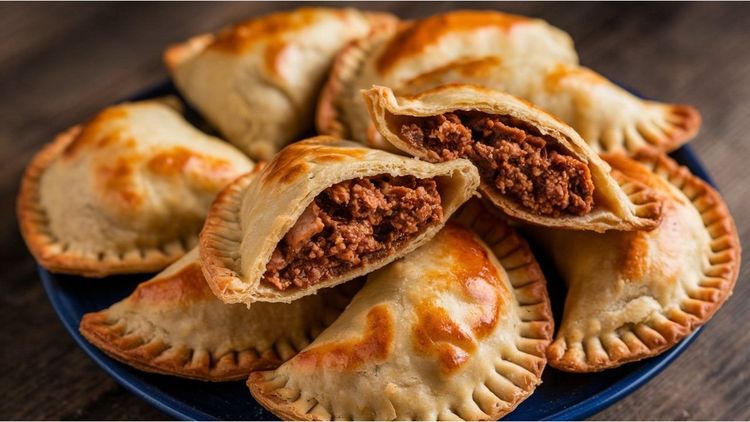
Quicker and more affordable, empanadas come in dozens of regional varieties: spiced ground meat, ham and cheese, or humita (creamy corn), all baked or fried depending on the establishment. You eat them standing up, between visits, for a handful of coins.
Porteño pizza is also worth a try: fugazzeta, generously topped with mozzarella and onions, deliberately departs from the Neapolitan model that nonetheless inspired it. Sandwiches de miga, very thin slices of white bread filled with ham and cheese, complete this repertoire available at any hour. A reliable choice for a quick lunch, they are sold individually or on platters in bakeries and confiterías in the Microcentro.
Cafés and Desserts (Dulce de Leche, Alfajores)
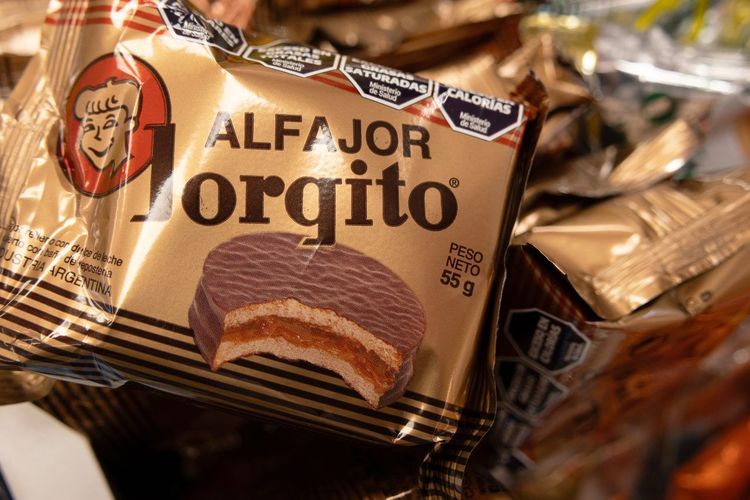
Dulce de leche, a thick, caramelized milk jam, appears everywhere: in morning pastries (medialunas), on crêpes, or sandwiched between two biscuits in the form of alfajores, the national snack sold even at petrol stations. Heladerías, heirs to Italian immigration, serve ice creams of a density and richness rarely matched outside of Italy.
For a coffee break, head to a historic confitería like the Café Tortoni mentioned above, or one of the noted bares where waistcoat-and-bow-tie service has endured for decades. It is finally hard to spend a week in Buenos Aires without encountering a local with a thermos under one arm and a mate in hand: this bitter infusion, shared through a metal straw among friends on a public bench, remains the city's most constant social ritual, far more than a mere tourist curiosity.
8. Diving into the Cultural Scene: Museums, Theaters, and Street Art
Must-See Museums and Galleries
The MALBA, already mentioned in Palermo, houses one of the richest collections of 20th-century Latin American art, from Frida Kahlo to Antonio Berni. The Museo Nacional de Bellas Artes, free and often overlooked by hurried visitors, nevertheless displays works by Rodin, Monet, and Van Gogh alongside Argentine masters. The Museo Evita, housed in a former Palermo Chico mansion, traces the life of Eva Perón through gowns, speeches, and personal objects, far removed from the clichés perpetuated by the musical.
More recent, the Palacio Libertad (Sarmiento 151, Buenos Aires, rated 4.6/5 on Google with 81,013 reviews), the name given in 2024 to the former Centro Cultural Kirchner, occupies the old post office palace near Puerto Madero. It impresses first with its architecture and with the Ballena Azul, a large symphonic concert hall created at the heart of the building. Entry remains free for the majority of exhibitions and many concerts — a real bonus if you are traveling on a tight budget.
Theaters and Live Performances
Beyond the Teatro Colón, Avenida Corrientes concentrates a density of venues that earns it recurring comparisons with Broadway or the West End. The Teatro San Martín, a city-owned theater, offers an eclectic program — contemporary dance, experimental theater, art-house cinema — at prices far below those charged in Europe for productions of comparable quality.
You do not need to understand Spanish perfectly to enjoy a physical performance or a dance show: several venues offer visual productions where the text remains secondary.
Street Art in the Urquiza Neighborhood
Less well known than La Boca, Villa Urquiza in the northwest of the city has been covered in recent years with monumental murals. Local and international artists have painted entire facades here, often spanning several floors, addressing social themes or purely aesthetic ones.
Several collectives organize guided walking tours of the neighborhood — an interesting alternative for those who have already seen Caminito and are looking for an artistic experience less frequented by tour groups. Allow a good hour and a half to cover the main streets.
9. Enjoying the Nightlife in Buenos Aires
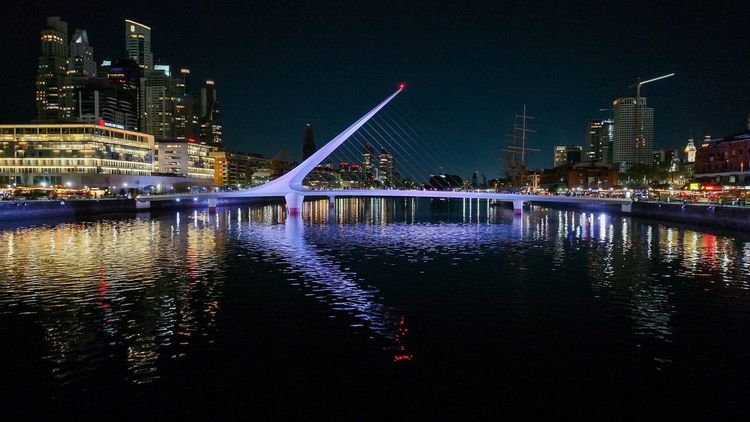
Buenos Aires lives at night to a rhythm that often catches European visitors off guard: dinner rarely starts before 9 p.m., and the nightclubs — the boliches — only really fill up after 1 a.m. and do not close until dawn.
Palermo Soho and Palermo Hollywood concentrate the highest density of cocktail bars, often hidden behind anonymous facades in the speakeasy style. Puerto Madero, more formal, draws an older clientele to its bar-restaurants with views over the docks. San Telmo, finally, retains a more bohemian atmosphere, between impromptu tango bars and lively terraces that stay busy late into the weekend.
A practical tip if you are not used to this rhythm: start your evening with dinner around 9:30 p.m., move on to a bar around 11 p.m., and do not expect to find a crowd at a club before 2 a.m. Nothing stops you, of course, from slotting the Ryo audio-guided tour into the late afternoon in the upscale neighborhoods, then heading to dinner in Palermo as night falls.
For live music, several mid-sized venues like Niceto Club host concerts and themed nights throughout the week, with a particularly active electronic and independent scene. Entry prices generally remain modest compared to North American or Western European standards. To get home safely after midnight, opt for a ride-hailing app rather than hailing a taxi in the street: the price is fixed in advance and the journey can be shared with your companions in real time.
10. Escaping to the Feria de Mataderos or an Estancia
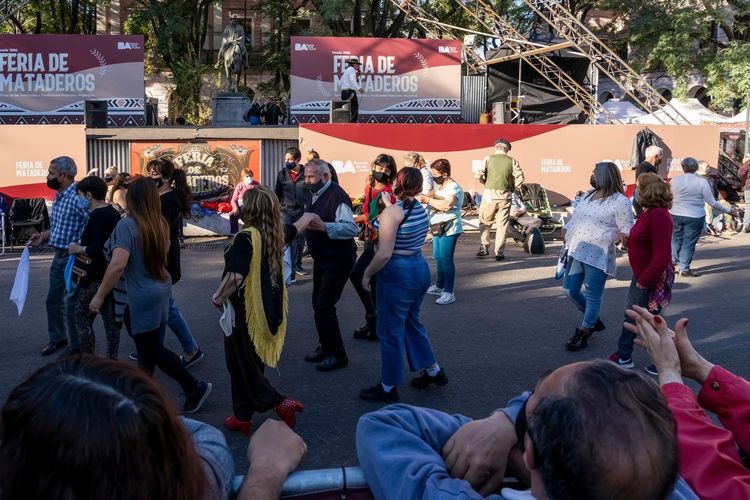
In the outlying neighborhood of Mataderos, a former slaughterhouse district that gave the barrio its name, the Feria de Mataderos (Av. Lisandro de la Torre y Av. de los Corrales, Buenos Aires, rated 4.5/5 on Google with 10,201 reviews) takes place on Sundays and national public holidays, generally from 11 a.m. to 7 p.m., around a road junction closed to traffic. Founded in 1986, it celebrates its 40th anniversary in 2026. Note: it does not run in January or February, and may be cancelled in the event of rain. Visitors come for the sortija races, where gaucho horsemen attempt to catch a suspended ring at full gallop, for the folk dances, and for the malambo, a virile dance driven by the pounding of boots on the ground.
Between shows, dozens of stalls sell leather crafts, pottery, and freshly cooked empanadas, in a popular atmosphere far removed from the tourist center. The fair remains largely attended by locals themselves, making it one of the most authentic experiences accessible by public transport from the city center. Plan your return journey if you intend to stay late: several bus lines serve the neighborhood from the center, but the trip takes a good hour and ride-hailing cars are less available there.
To go further into this rural world, a day at an estancia — a traditional ranch in the province of Buenos Aires — ideally rounds out the picture. Most packages combine a horse ride, an outdoor asado lunch, and a folk show at the end of the day, one to two hours' drive from the center depending on the property chosen. The most visited estancias, often located around San Antonio de Areco, the national capital of gaucho tradition, offer day packages with return transport included from Buenos Aires. Budget more than for most other activities listed here, but the experience often justifies the price if you are not planning any other outing from the capital.
11. Where to Stay in Buenos Aires by Neighborhood
Knowing where to sleep matters more to the quality of your stay than the choice of hotel itself, given how different the atmosphere can be from one barrio to the next.
Palermo remains the most popular choice among international travelers: a high density of restaurants, bars, and apartments in renovated old houses, at the cost of a little more noise on weekends. Recoleta is better suited to a quieter, more classic stay, with a good standard of established hotels and a central location for visiting the surrounding museums.
San Telmo appeals to those who love historic charm and tango, with accommodation often housed in renovated old buildings, at prices that remain reasonable despite the neighborhood's gradual gentrification. Puerto Madero, at the other extreme, concentrates the city's most upscale and secure accommodation, ideal for a business stay or a first night after an overnight flight.
For a practical compromise, Retiro and the Microcentro offer excellent transport connections, particularly useful for those planning an excursion to Tigre. You will lose out on neighborhood atmosphere, however, as these areas are mainly frequented on weekdays by office workers.
In high season, from December to February, plan to book your accommodation at least a month in advance in the most sought-after neighborhoods — Palermo and Recoleta above all. For the rest of the year, prices are considerably more flexible, and it is not uncommon to find good last-minute deals.
If you are traveling with family, opt for an apartment rather than a standard hotel room: many newer buildings in Palermo or Puerto Madero have a laundry room and a kitchenette, a real comfort on a stay of more than four nights. Finally, bear in mind that the distance between two neighborhoods can represent twenty to forty minutes of travel during peak hours: it is better to choose a single base for most of your stay than to keep changing accommodation.
12. How to Get Around Buenos Aires
The local metro network, the Subte, has six lines (A to E, plus H) that efficiently serve the center and parts of Palermo, Recoleta, and Belgrano, but is more limited for reaching La Boca or certain southern neighborhoods. A rechargeable SUBE card is essential: it gives access to the metro, buses, and suburban trains, and can be purchased at many kiosks and stations.
The network of colectivos — urban buses — literally covers the entire city, day and night, but its workings remain unintuitive for a visitor: it is better to rely on a mapping app that shows line numbers in real time rather than trying to memorize a map.
For individual trips, ride-hailing apps work well throughout the city and display a fixed price before the journey — a real advantage over traditional taxis. Some drivers prefer cash payment, so keep a little on hand as a supplement.
Between neighboring areas, for example Palermo and Recoleta, walking is often the most pleasant option: the wide pavements and numerous parks make these journeys just as enjoyable as taking public transport.
From Ezeiza international airport, allow between 45 minutes and an hour and a half depending on traffic to reach the center: official shuttle services remain the most reliable option, significantly cheaper than a taxi. The domestic Aeroparque airport is only about fifteen minutes from Palermo, a convenient option if your Argentine trip includes other cities. Remember to always validate your SUBE card when boarding a bus, even for very short journeys.
13. When to Visit Buenos Aires: Climate and Best Time to Go
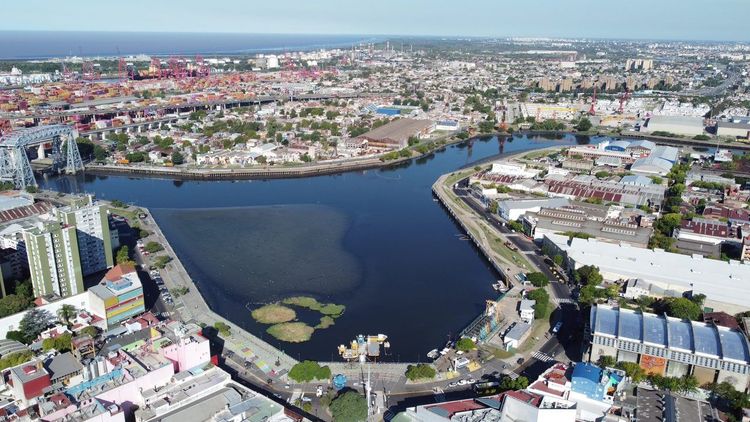
Since Argentina is located in the Southern Hemisphere, the seasons are reversed compared to Europe: summer runs from December to February, with temperatures regularly exceeding 30°C and high humidity, while winter, from June to August, remains mild for a European visitor, with an average of 8 to 15°C.
The in-between seasons — Southern Spring (September to November) and autumn (March to May) — represent the best windows for visiting the city. Spring has the added bonus of the jacaranda flowering, when these trees carpet certain avenues with a spectacular violet for a few weeks, generally between late October and late November.
Watch out for the Christmas and New Year period: Argentines themselves go on holiday, which drives up flight prices while paradoxically emptying some of the central business neighborhoods. Book your flights several months in advance if your stay falls during this period — long-haul flights to Buenos Aires fill up quickly between December and February. Another point to bear in mind if the Feria de Mataderos interests you: it does not take place in January or February. In spring, however, Palermo's parks host many open-air events, taking advantage of long days and still-pleasant temperatures before January's heat peaks.
14. Budget: How Much Does a Trip to Buenos Aires Cost?
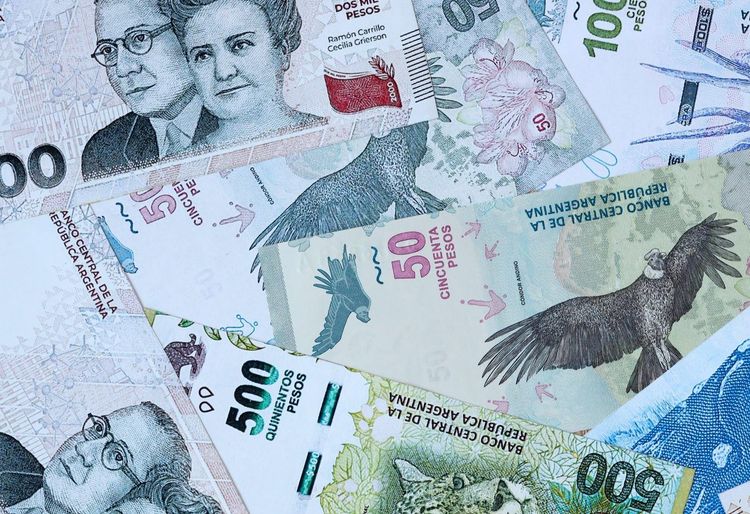
For years, one of the main financial advantages for tourists lay in the gap between the official exchange rate and the "blue dollar" — a parallel market that offered visitors paying in cash a significantly more favorable rate. The removal of most currency controls in April 2025 has greatly reduced this gap, and Buenos Aires is today noticeably more expensive in euros than it was in the early 2020s. The exchange rate nevertheless remains favorable on many counts for those arriving with strong currencies.
In practical terms, a set lunch at a neighborhood restaurant runs around 7 to 13 euros, and dinner for two at a good parrilla with half a bottle of wine is more in the range of 50 to 80 euros — less than a comparable meal in Paris, but more than people often imagine. A coffee with a medialuna remains affordable, and public transport is still inexpensive. Local purchases — leather crafts, bags, Mendoza wine — can also be worthwhile, provided you compare prices across a few shops before deciding.
Among the essentials for traveling in Argentina: a bank card with no foreign transaction fees, now the simplest solution in most shops, and a little cash in clean, undamaged notes for markets, small shops, and some drivers. Also check the exchange rate before any significant withdrawal or currency exchange.
Finally, budget for a few expenses travelers often overlook: entry to the Recoleta cemetery, which is paid for foreigners, tickets for La Bomba del Tiempo, or a day at an estancia — significantly more expensive than most other activities. On the other hand, the Museo Nacional de Bellas Artes, the Palacio Libertad, and visits to the Casa Rosada are free. The Argentine economy moves fast: check prices in the weeks before your departure rather than relying on figures that may already be outdated.
15. Safety: Our Tips for Visiting Buenos Aires with Peace of Mind
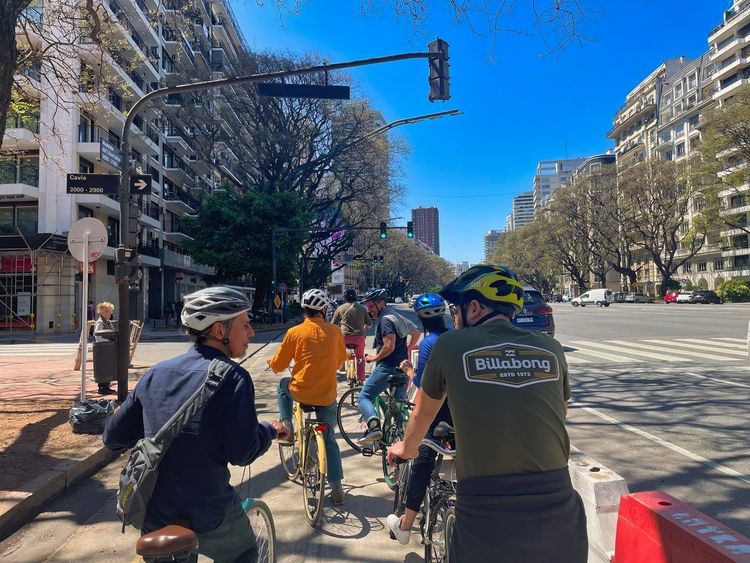
Overall, Buenos Aires remains a city where tourists move around comfortably, particularly in central and lively neighborhoods such as Palermo, Recoleta, Puerto Madero, or the heart of San Telmo during the day. Visitor safety and comfort depend above all on the common sense typical of any large metropolis, rather than any specific danger associated with the city.
A few simple safety tips reduce most of the risk. Avoid displaying a recent phone or jewelry on crowded public transport, where pickpocketing remains the offence most frequently reported by tourists. Around Caminito in La Boca, stay within the marked visitor perimeter: the streets a few hundred meters from the tourist trail change in character significantly, especially after sunset.
At night, prefer ride-hailing apps over waiting for a taxi in the street, particularly in the Constitución neighborhood and certain parts of Once, which have a reputation for being more tense in the evening. Keep a photocopy of your passport separate from the original, and avoid withdrawing large amounts from an isolated ATM in the evening: opt for daytime withdrawals in busy areas.
These precautions, valid in any major South American capital, are more than sufficient to enjoy the city fully. In the event of a demonstration — frequent around Plaza de Mayo and Avenida 9 de Julio — it is better to move away as a precaution rather than linger out of curiosity: these gatherings are generally peaceful but can block traffic for several hours.
If you are traveling alone, keep the usual evening precautions in mind: avoid walking long distances on foot after midnight, opt for well-reviewed accommodation in central neighborhoods, and let someone know your itinerary when heading somewhere more isolated, such as Mataderos or an estancia.
16. How Many Days to Visit Buenos Aires: Suggested Itinerary
Three full days are enough to cover the essentials of what to do in Buenos Aires on a first trip, provided you are willing to make choices. Here is a framework you can adjust to suit your priorities and travel pace.
Day 1: Arrival and Discovering Palermo
Devote your first day to Palermo, a pleasant and undemanding neighborhood for adjusting to jet lag. Morning in the Bosques de Palermo and the Jardín Japonés, a light lunch at one of the Palermo Soho cafés, then an afternoon at the MALBA if Latin American art interests you, or at the nearby Museo Evita. In the evening, let yourself be carried by the bar scene in Palermo Hollywood, without pushing the pace after what is often a long flight from Europe. If your flight lands early in the morning at Ezeiza, allow a good hour of travel before you can drop off your bags: a light program for this first half-day is better than a packed back-to-back visit schedule.
Day 2: Recoleta, Its Museums, and a Tango Show
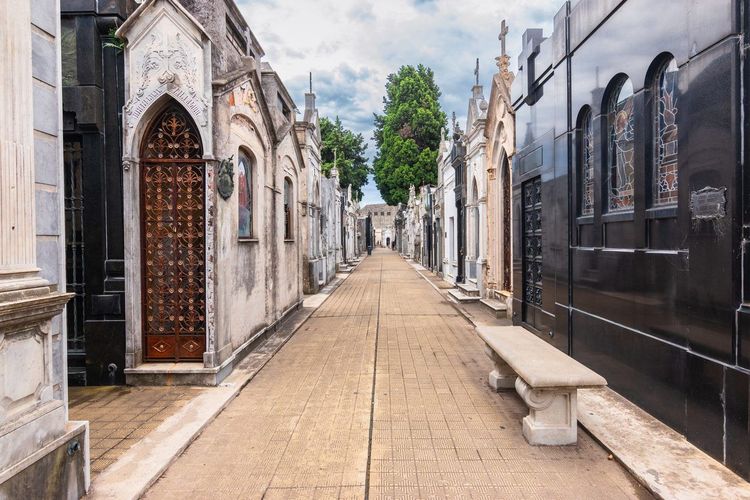
On the second day, head to Recoleta from 9 a.m. to visit the cemetery before the organized groups arrive, which are more numerous late in the morning. Continue to the Museo Nacional de Bellas Artes, a few minutes' walk away, then take a break at one of the neighborhood's cafés. If you had chosen the upscale neighborhoods for the audio-guided walk, this is the day for it. Reserve your evening for a tango show or, if it is a Monday, for La Bomba del Tiempo at the Konex — an experience that intentionally contrasts with Recoleta's classicism. Remember to book your show ticket the day before: the best venues sell out on weekends.
Day 3: Plaza de Mayo, San Telmo, and La Boca
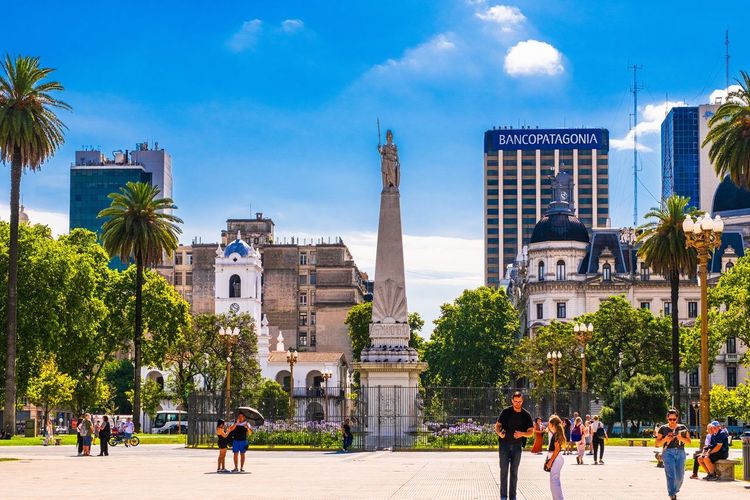
The last day is built around three neighborhoods close to one another in the historic south of the city. Start at Plaza de Mayo and the Casa Rosada in the morning (interior visit on weekends, by reservation), then walk to San Telmo, particularly recommended on a Sunday for its feria. Finish with La Boca and Caminito in the late afternoon, keeping in mind to stay within the tourist perimeter once the light begins to fade. This third day involves more walking than the previous two: wear comfortable shoes and, in summer, plan a shaded break between San Telmo and La Boca.
For this day or the first, the Ryo audio-guided tour of Buenos Aires provides a ready-made framework of commented stops, if you prefer to follow a thread rather than plan your own route.
If you have an extra day, add the excursion to Tigre or, on a Sunday outside January and February, the Feria de Mataderos — two options that take you out of the center without requiring complex organization.
FAQ
Is Buenos Aires Worth Visiting?
Yes, without hesitation for anyone interested in urban Latin America: the city combines European architectural richness, a dense cultural scene (tango, theater, free museums), and still-reasonable prices for dining and transport. Three days are enough for a convincing first impression.
How Many Days Do You Need to Visit Buenos Aires?
Allow at least three full days to cover the essential neighborhoods, Plaza de Mayo, and a tango show. A fourth day lets you add a trip to Tigre or the Feria de Mataderos without rushing the rest of your stay.
What Is the Best Time to Visit Buenos Aires?
The Southern Spring (September to November) and autumn (March to May) offer the most pleasant temperatures, without January's stifling humidity or the year-end holiday crowds. Spring adds the spectacular flowering of the jacaranda trees.
Is Buenos Aires Safe for Tourists?
Yes, in central and tourist neighborhoods, as long as you apply the usual precautions of any major city: vigilance on crowded public transport, caution after dark around La Boca and parts of Once, and using ride-hailing apps rather than hailing taxis on the street at night.
What Budget Should You Plan for a Trip to Buenos Aires?
Since the lifting of currency controls in 2025, the city is more expensive than a few years ago, but meals, transport, and many cultural activities generally remain less costly than in Western Europe. Budget around 50 to 80 euros for a good dinner for two at a parrilla, and check prices before you leave, as the Argentine economic situation changes quickly.
How Do You Get Around Buenos Aires?
The Subte (metro), colectivos (buses), and ride-hailing apps cover the entire city. A rechargeable SUBE card is essential for the metro and bus, while walking is perfectly sufficient between neighboring areas like Palermo and Recoleta.
What Are the Must-See Neighborhoods in Buenos Aires?
Palermo, San Telmo, Recoleta, La Boca, and Puerto Madero form the core of the most visited areas, each with a distinct atmosphere. Microcentro and Congreso round things out for those who want to add the historic administrative center to their itinerary.
Buenos Aires is not just a list of monuments to check off: it is a city experienced through the rhythm of its neighborhoods, its late-night schedules, and its social rituals, from sharing mate on a park bench to the Saturday-night milonga. Three days give a solid overview, but each extension — Tigre, Mataderos, an estancia — reveals a different facet of the Argentine capital.
To plan your visit without spending hours preparing, the Ryo audio guide to Buenos Aires is a reliable starting point: it organizes several of these neighborhoods into commented stops, to follow at your own pace, between breaks for a coffee or an empanada.