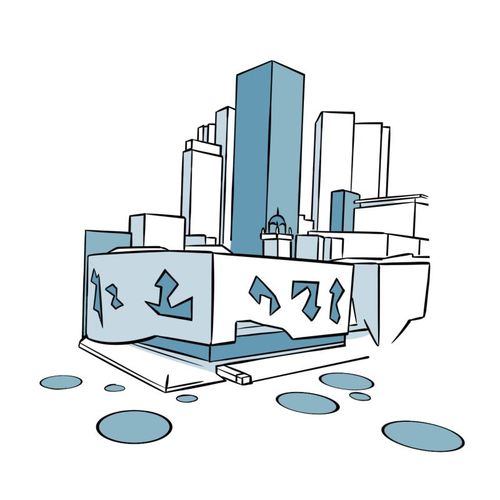
Federation Square
1/21

Créé par Emilie, le 20 mai 2026
Votre guide Ryo
Melbourne, Australia
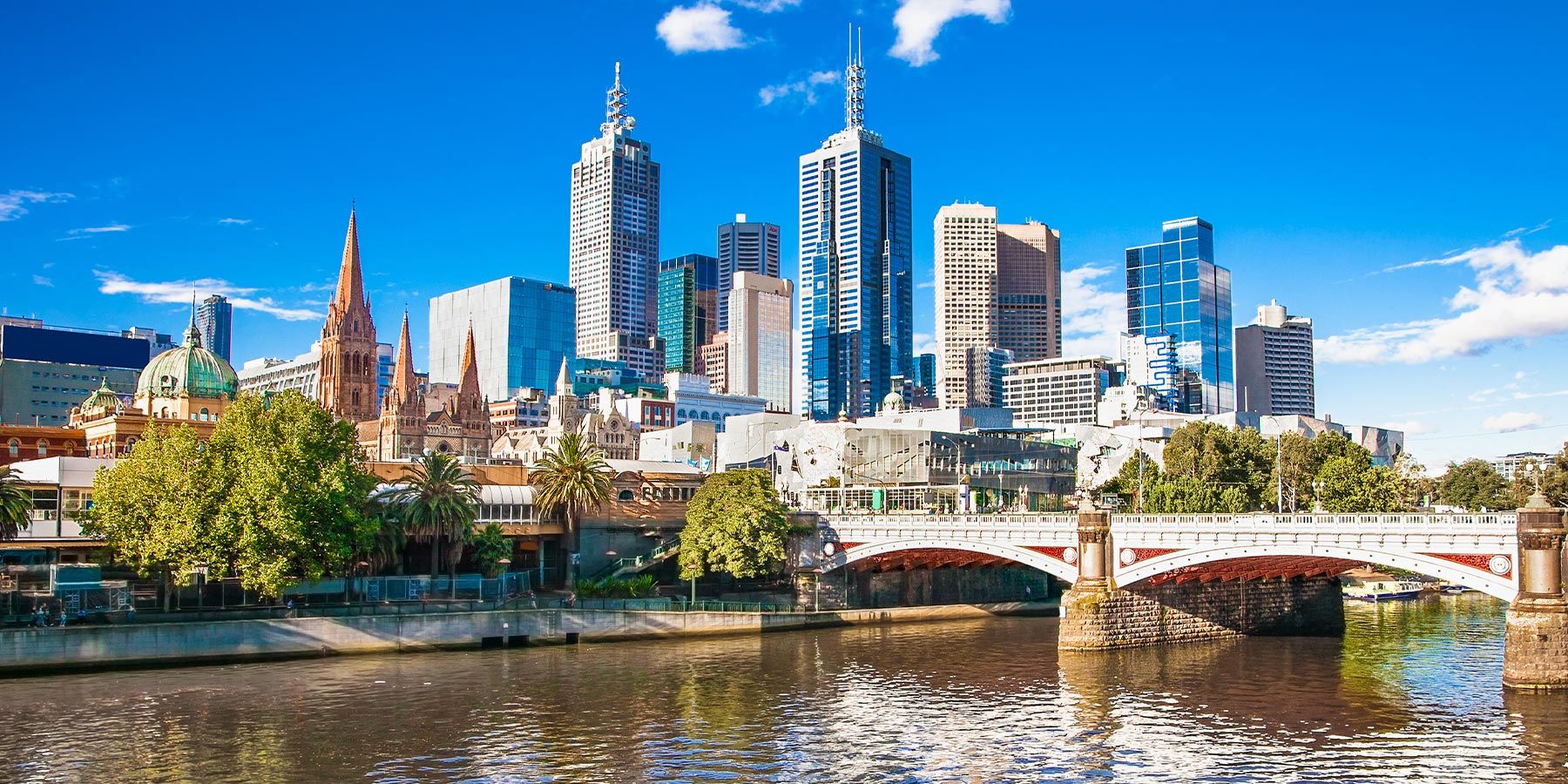
Australia's sporting and cultural capitalDynamic and cosmopolitan, Melbourne stands out for its blend of architecture, vibrant arts scene, and lifestyle. With its cafés, street art, parks, and the banks of the Yarra River, the city offers a creative and distinctly modern atmosphere.
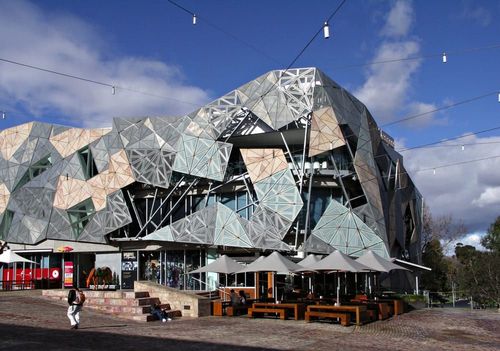
Federation Square
1/21
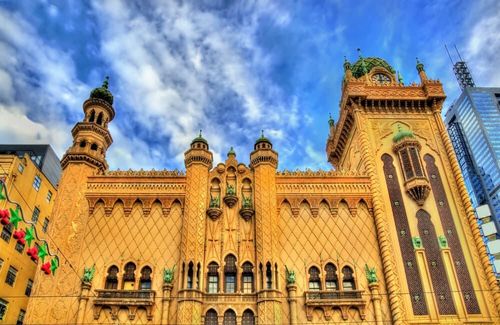
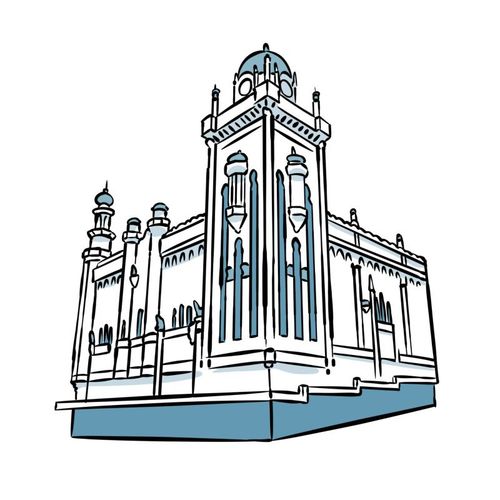
Forum Theatre
2/21
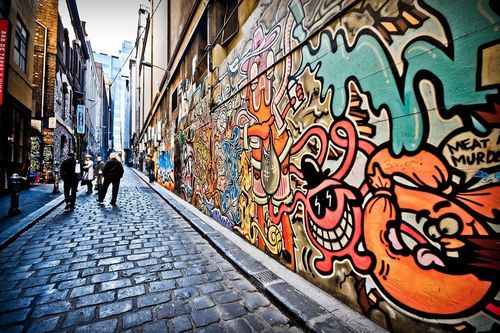
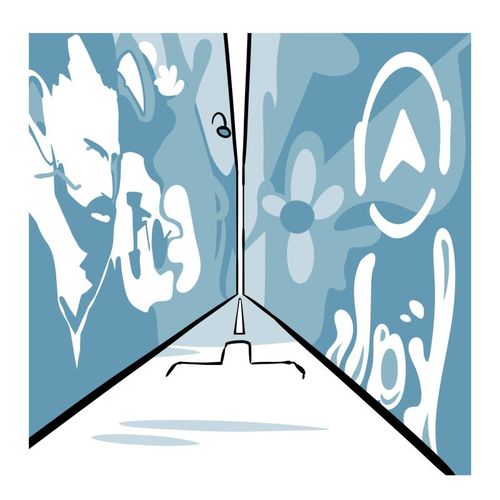
Street Art
3/21
AC/DC lane
4/21
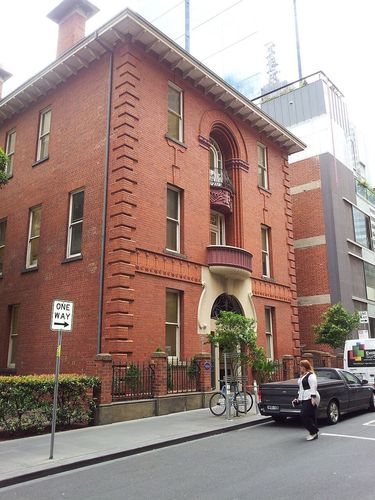
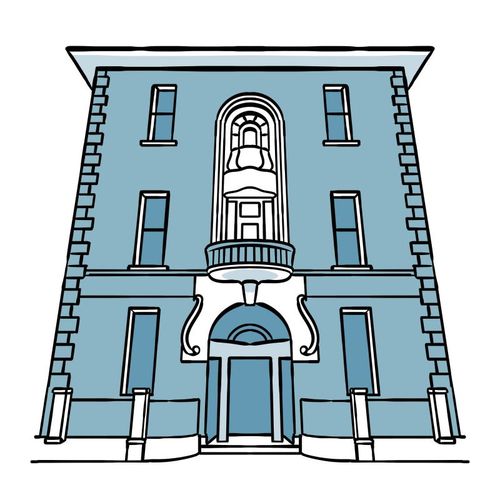
Milton House
5/21
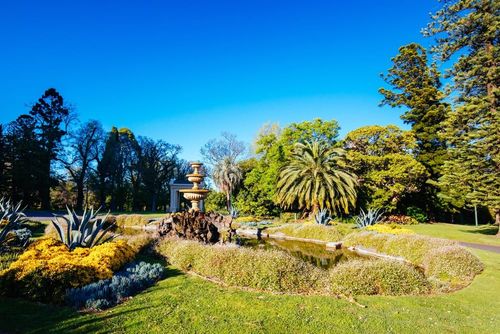
Fitzroy Gardens
6/21
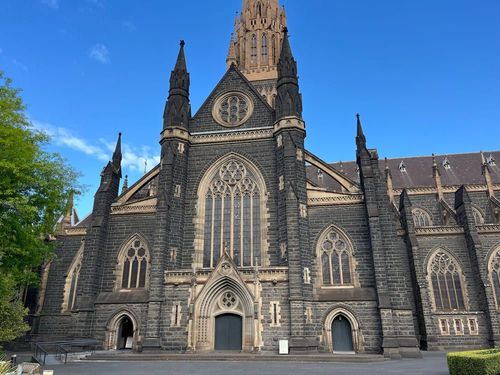
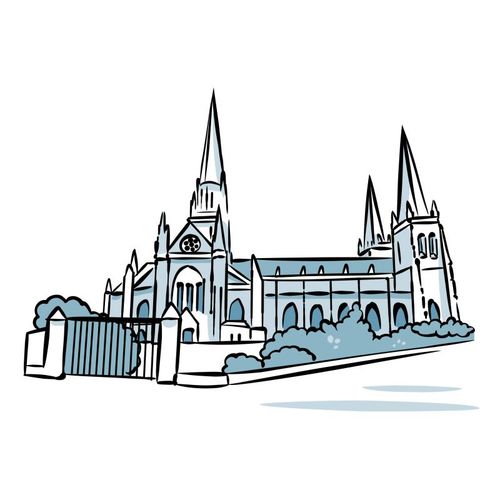
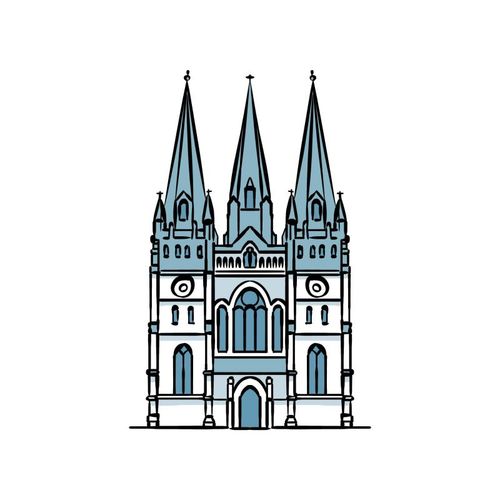
Saint Patrick’s Cathedral
7/21
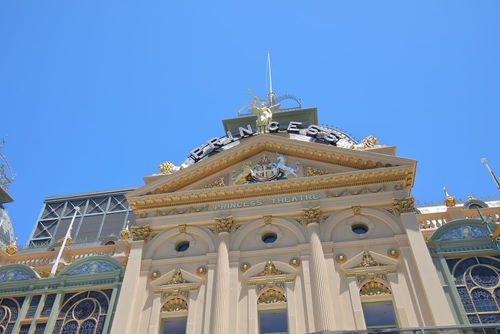
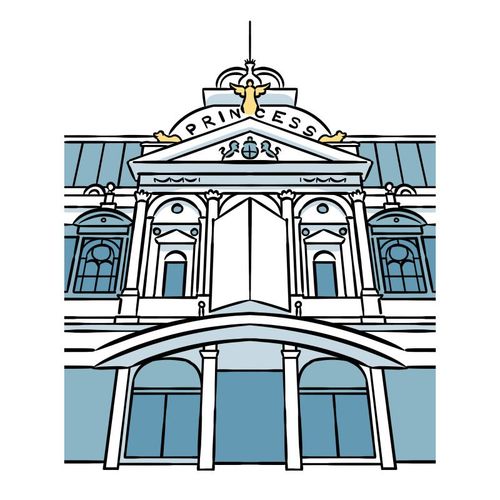
Princess Theatre
8/21
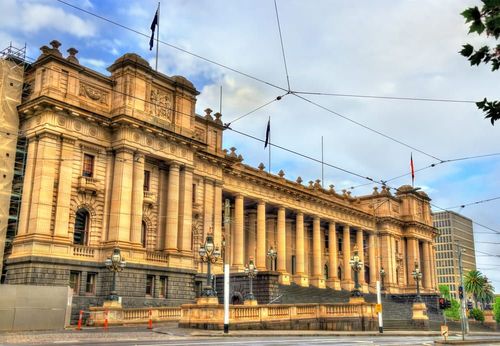
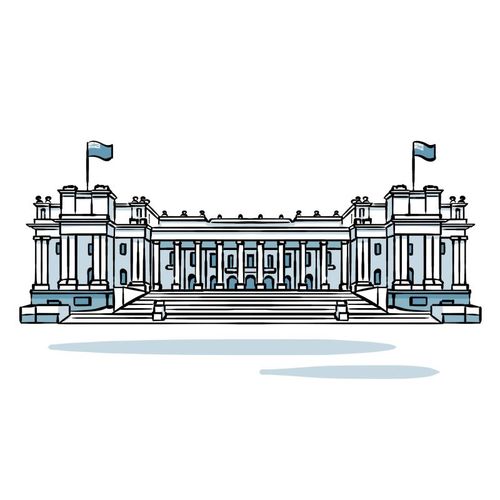
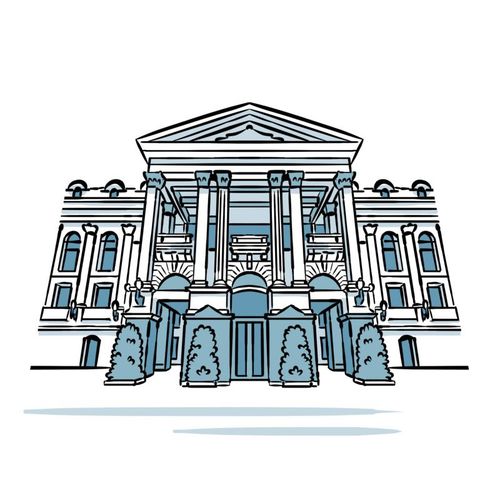
The Parliament
9/21
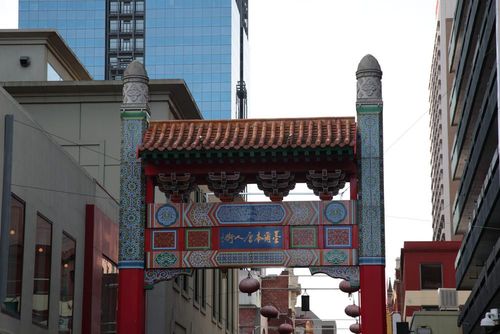
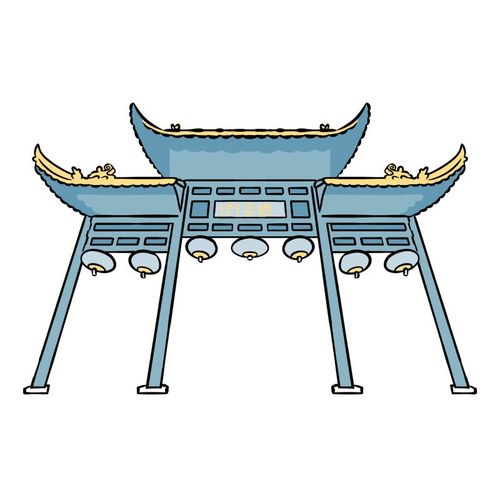
Chinatown
10/21
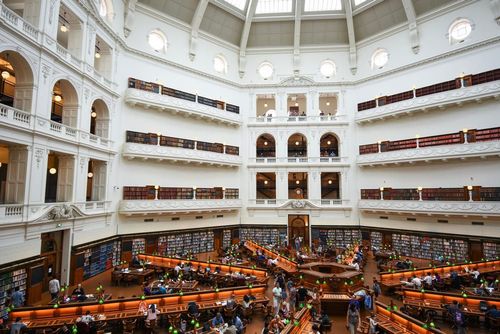
State Library Victoria
11/21
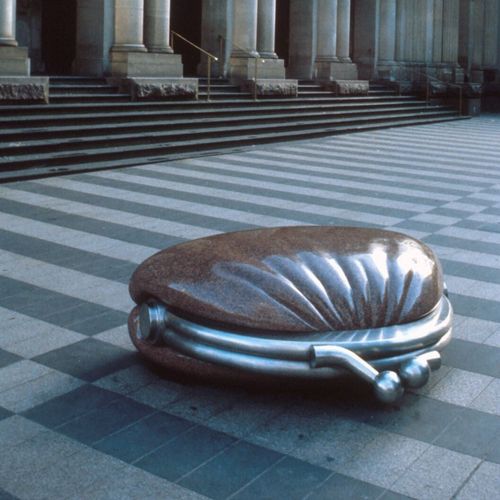
The public purse
12/21
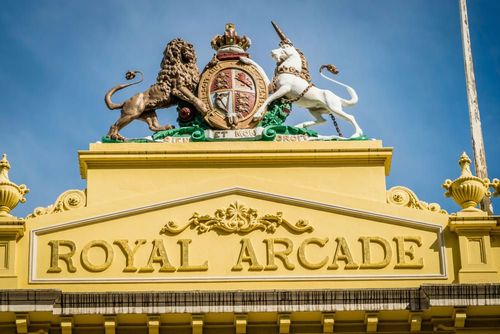
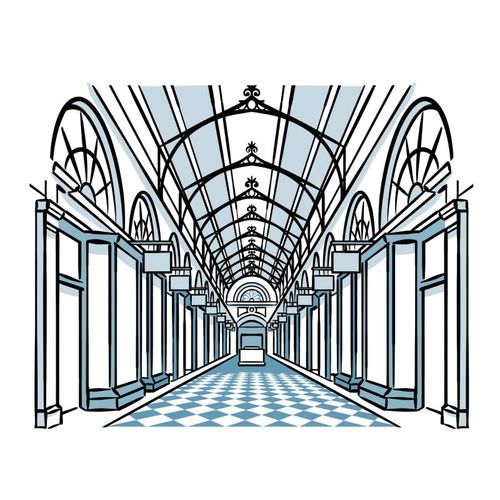
Royal Arcade
13/21
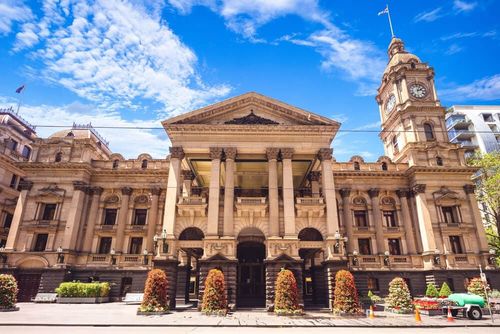
History of Melbourne
14/21
Centre place and Degraves Street
15/21
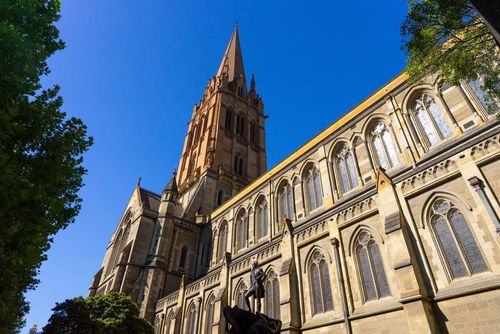
Saint-Paul’s Cathedral
16/21
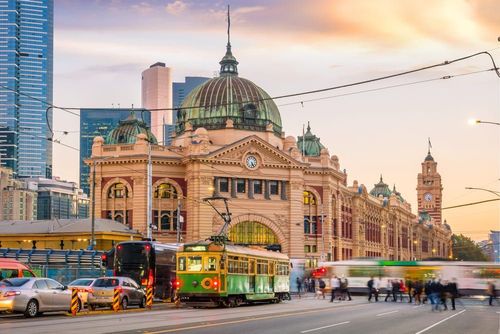
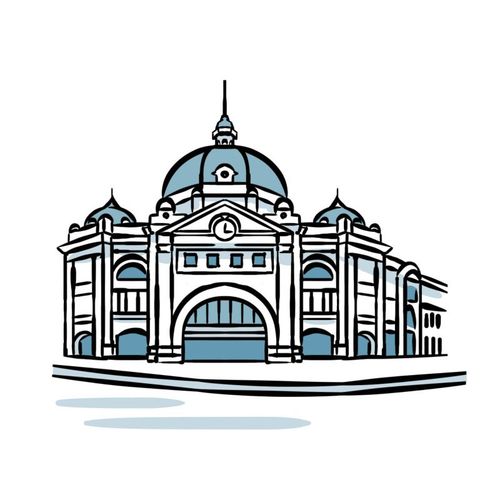
Flinders Street station
17/21
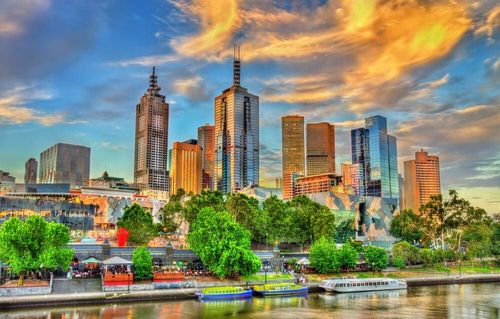
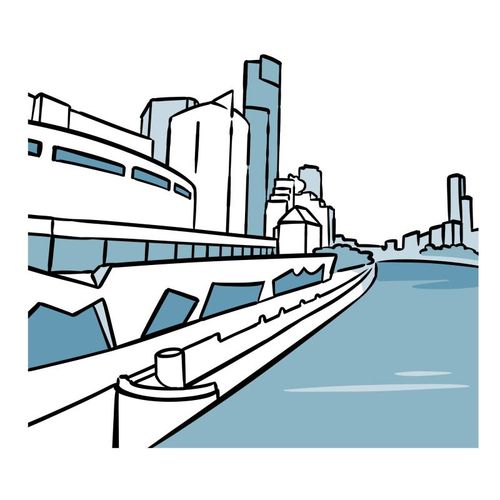
South Bank
18/21
Melbourne’s Skyline
19/21
Princes bridge
20/21

Advice
21/21
Jan.
25°
Feb.
25°
March
23°
April
19°
May
15°
June
12°
July
11°
Aug.
12°
Sept.
15°
Oct.
18°
Nov.
21°
Dec.
23°
Contrary to popular belief, Australia isn't all sunshine and unbearable heat. Located at the southernmost tip of the continent, Melbourne has a unique climate where you can experience all 4 seasons in a single day. Still, it's not a deal-breaker. If you're planning to explore the great outdoors during your stay, consider visiting during the right season. But, rest assured; Melbourne is a year-round destination. Summer (December to February) is undoubtedly the best time to explore the city and its surroundings. Average temperatures range from 15°C to 25°C (59°F to 77°F), with highs often exceeding 30°C (86°F). In autumn (March to May), it's cooler and foggy in the mornings, but you can still enjoy beautiful days. Average temperatures rannge from 10°C to 20°C. Spring (September to November) is unpredictable, so pack for all types of weather! During winter (June to August), it's cold and snowy north of Victoria! Make the most of it, hit the slopes of the local ski resorts and brag to your mates back home!
No need to worry about where to begin! Our tours are designed as a loop, so you can jump in wherever you are. The navigation system and audio-guide will automatically adjust to your location. However, if you happen to be nearby, we do have a preferred starting point: Federation Square
Bourke square Parking , 392 Bourke St (to enjoy the view from the Rooftop!) If you're travelling by car, you've probably already discovered the joys of driving on the left side of the road, and all the automatic reflexes that come with it. Turning on your windshield wipers instead of your turn signal, searching for the gear shifter on the wrong side... it's all part of the experience. But Melbourne has yet another challenge in store: deciphering parking signs! If you want to avoid any confusion or fines, your best bet is to opt for one of the many underground car parks. And if your accommodation has parking, then leave your car at home – it's good for the planet, your nerves, and your wallet :) Now for decoding the signs: Slashed 'S' with an arrow below: No parking on the side indicated by the arrow. 1P, 2P, 3P, 4P, etc.: Maximum allowed parking time in hours. Meter or Ticket: Paid Parking. You'll either find a ticket-issuing parking meter or an automated kiosk where you'll enter your parking space number and license plate number. The times below indicate the hours during which the rule applies. Clearway followed by days and times: There should be no parked vehicles on the road during the specified times (usually peak hours). Loading zone: No-parking area, reserved for loading and unloading goods only. For example, if you see a sign that says "1P 9am-6pm SAT-SUN," it means you can't park for more than one hour on Saturdays and Sundays, from 9 AM to 6 PM. However, parking is free during these times. If the sign says "2P meter 7AM-5PM MON-FRI 7AM-1PM SAT," it means you can park for a maximum of two hours at a charge, from 7 AM and 5 PM, Monday to Friday, and from 7 AM and 1 PM on Saturdays. Outside of these hours and on Sundays, you can park for as long as you like, free of charge.
Melbourne, at the forefront of public transport and ecology, offers a free tram zone in the city center. If you're not used to this concept, don't fret – there are no pesky ticket inspectors lurking around. This "free tram zone" allows you to explore most of the city's tourist attractions. If you venture beyond this zone, you'll need a rechargeable Myki card. The cost of your journey will be automatically calculated based on the zone you're in. If you prefer cycling, Melbourne, like all metropolises, has self-service bike terminals. However, remember that helmet usage is mandatory for cyclists in Australia. And Aussies aren't messing around! Australia's official currency is the Australian dollar (AUD), symbolized by AU$. Since 1988, Australian bills have been made from durable polypropylene plastic. Other countries followed suit, but Australia was the first one to do it. No need for a fancy wallet; these Aussie notes can handle a dip! Throw a few bucks in your trunks and hit the waves! Note that when you withdraw money from an ATM in Australia, there are two kinds of fees. The ATM's issuing bank in Australia may charge a fee for the transaction. The amount will be displayed before you confirm the withdrawal. Your French bank may also charge an international transaction fee for withdrawing cash abroad. It's advisable to inform your bank about your travel plans to avoid having your card blocked due to suspected fraud.
Explorez le monde en totale liberté, à pied au cœur des villes ou au fil des routes. Nos guides audios transforment chaque destination en une découverte culturelle immersive et unique.