Walk
The Tales of Habana Vieja and Habana Centro
Havana, Cuba
Walk
The Tales of Habana Vieja and Habana Centro
Havana, Cuba
5.8 km
Distance
2h30
Durée
25
Audios
Loop
Parcours
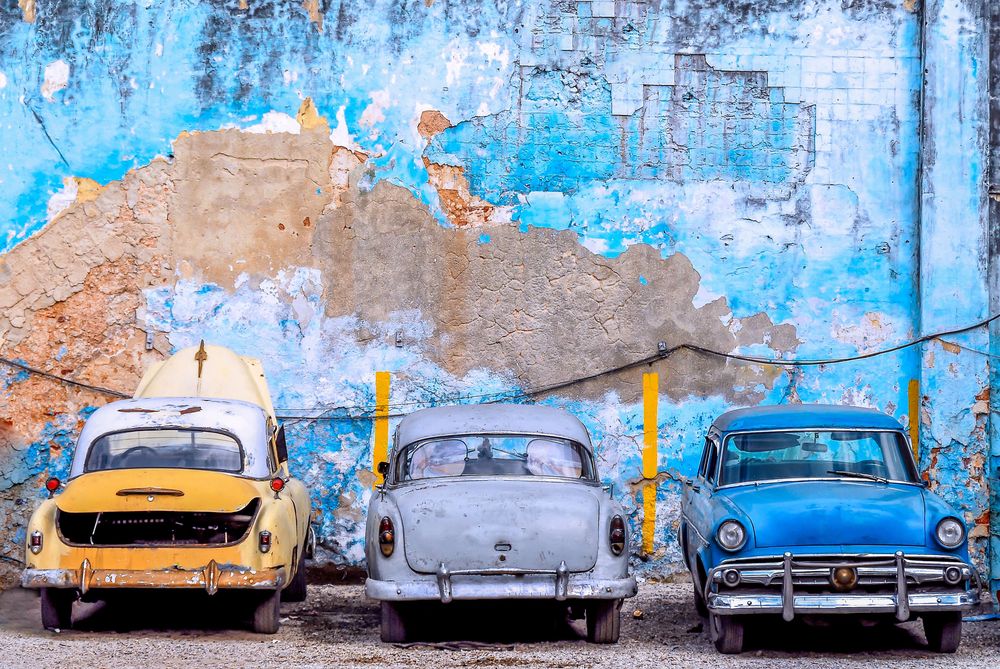
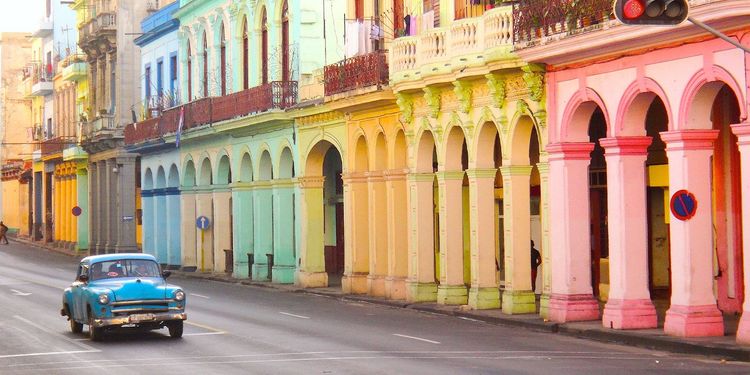
Cuba stands as an island outside of time, where the scent of tobacco mingles with the echoes of salsa and every colorful façade tells a story of passion and resistance. Visiting Cuba means diving into a country that moves at its own tempo — that of vintage American cars cruising the Malecón and troubadours playing as the sun turns the Caribbean Sea red. For travelers who want to go beyond the surface, the Ryo audio-guided tours available in Cuba invite you to soak up the soul of the island through its alleyways and squares, listening to voices that place every stone back into its human and historical context.
Havana is far more than a capital: it is a world city, laden with magnificent contradictions and raw beauty. Ryo offers two distinct tours here, including El Vedado, Between Elegance and Revolution, which takes travelers through one of the island's most fascinating neighborhoods. Between broad shaded avenues, Art Deco villas, and sites steeped in revolutionary memory, this audio-guided tour reveals a lesser-known Havana — that of intellectuals, artists, and ideals. Further on, the old city — with its colonial squares, fountains, and constant effervescence — unfolds like an open novel, at your own pace.
Beyond Havana, Cuba unfolds a geography of breathtaking richness. The Viñales Valley, a UNESCO World Heritage Site, offers a unique tableau: mogotes — limestone karst hills blanketed in vegetation — rise from a plain of tender green tobacco plantations. It is one of the most photographed landscapes on the island, ideal for an early-morning hike. In the heart of the country, Trinidad, also a World Heritage Site, enchants with its cobblestone streets, pastel-colored houses, and salsa rhythms drifting from windows into the street. The beaches of the northern coast, the savannas of Oriente, and the mountain ranges of the Sierra Maestra complete a geographical portrait in which every region of the country has its own identity and character.
The most favorable time to visit Cuba generally runs from November to April, during the dry season. Skies are clear, temperatures are pleasant, and humidity is moderate. The rainy season, from May to October, brings showers that are often short but intense, as well as a risk of hurricanes toward the end of the period. Each season offers a different experience, however: the summer months see the island living at a more local pace, far from peak tourist crowds.
The island can be explored in several ways depending on your preferences and budget. Long-distance buses connect the main cities with reasonable reliability and are a popular option for independent travelers. Car rental offers greater freedom for exploring rural areas and back roads, though finding fuel can sometimes require a degree of planning. Shared taxis, known as almendrones in some cities, provide an authentic immersion in daily life. Within cities, walking remains the best way to feel the pulse of each neighborhood, especially when following an audio-guided tour.
The dry season, from November to April, is generally considered the ideal time to visit Cuba. The weather is sunny and temperatures remain mild. Outside this window, heat and rainfall increase, but the landscapes become greener and crowds are thinner.
A stay of around two weeks allows you to combine Havana with a few major destinations such as Trinidad or the Viñales Valley. To travel more slowly — lingering in neighborhoods, attending street concerts, and truly soaking up the island's atmosphere — it is advisable to plan for more time.
Among the experiences not to be missed: strolling through Old Havana and the El Vedado neighborhood, hiking in the Viñales Valley, wandering the streets of Trinidad at sunset, listening to Cuban music in a patio or a casa de la trova, and admiring the 1950s American cars that are an integral part of the urban landscape.
Long-distance buses are the most common solution for traveling between major cities. Shared taxis are a fast and local alternative. Car rental offers the greatest freedom, particularly for reaching natural sites or less accessible villages. It is advisable to plan your journeys in advance, especially during high season.
Music is undoubtedly Cuba's most vibrant cultural expression. From son cubano to salsa, by way of Afro-Cuban jazz, it can be heard everywhere: in alleyways, on squares, in homes and bars. Attending a musical session, even an informal one, is an experience that leaves a lasting impression on every traveler. The cuisine, simpler in nature, stands out with dishes such as ropa vieja, black beans and rice, and tostones, reflecting a mixed culinary tradition shaped by African and Spanish influences.