
Créé par Emilie, le 4 oct. 2026
Votre guide Ryo
Havana, Cuba
The Tales of Habana Vieja and Habana Centro
Parcours audioguidé pour visiter Havana en 1 jour
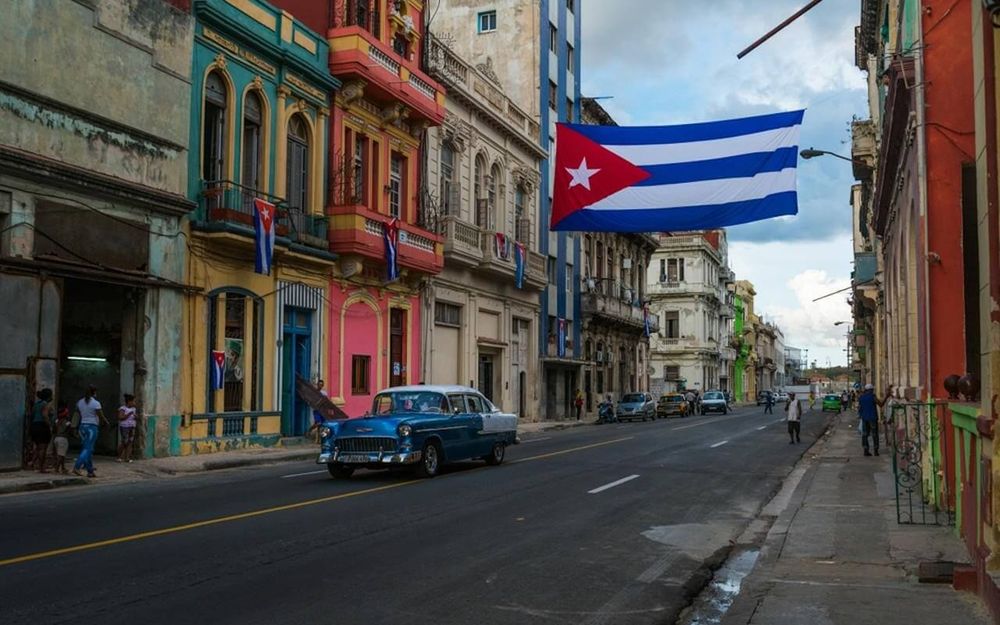
Step into the heart of a city that feels as though it has paused time to preserve the magic of a vibrant past, where life moves to the rhythm of salsa and the scent of the sea drifts through the air. This route carries you from the colonial splendor of Old Havana—a maze of cobbled streets and Baroque squares still echoing with Spain’s legacy—toward the lively elegance of the city’s 20th-century boulevards. Let yourself be guided by the senses, from the aroma of tobacco lingering in narrow lanes to sweeping views of the fortresses standing guard over the strait, revealing a Havana that is as evocative as it is unforgettable.
Quand partir à Havana ?
Jan.
22°
5
Feb.
23°
4
March
24°
4
April
26°
4
May
27°
8
June
28°
12
July
29°
10
Aug.
29°
12
Sept.
28°
15
Oct.
27°
13
Nov.
26°
9
Dec.
25°
7
Throughout the year, Havana’s average temperature hovers around 25°C, thanks to its tropical and equatorial climate, with very hot summers and humid winters. January and February are the coolest months, with lows around 20°C. The hottest months are July to September, with highs reaching around 33°C. The rainiest months fall between June and October. To make the most of your trip, the best times to visit are from January to April, and in November and December — even if occasional showers are still possible.
Départ conseillé
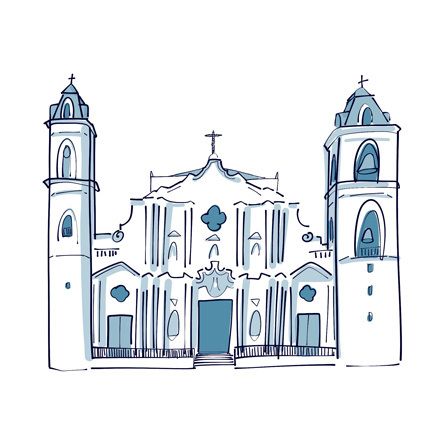
No need to worry about where to begin! Our tours are designed as a loop, so you can jump in wherever you are. The navigation system and audioguide will automatically adjust to your location. However, if you happen to be nearby, we do have a preferred starting point: The Cathedral of San Cristobal
Parking à proximité
Parqueo Edificio 61, near plaza Vieja
In Cuba, most travelers don’t drive, but those who rent a car should know that official parking lots are scarce. The usual option is to park on the street under the watch of a “parqueador” (wearing a red vest or cap), who looks after the vehicle for a small fee. Unsupervised parking, especially at night, is best avoided.
À savoir
Public toilets are few and far between in Havana. To avoid any uncomfortable situations during your visit, it’s best to use the facilities in places where you stop to eat or have a drink.
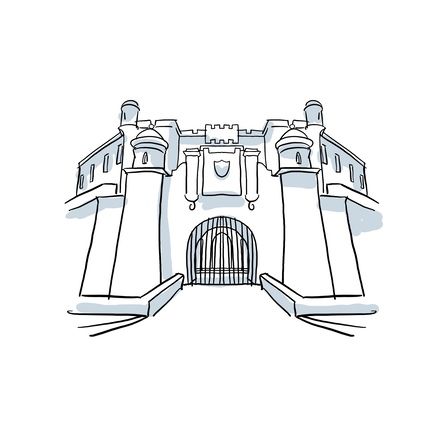
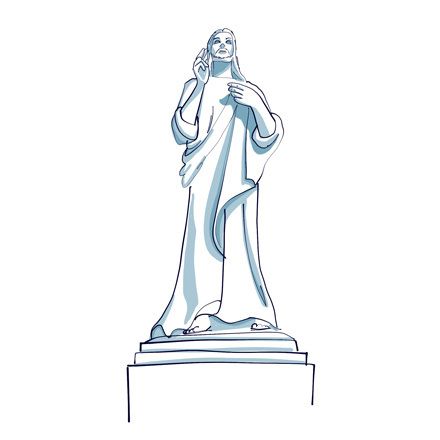
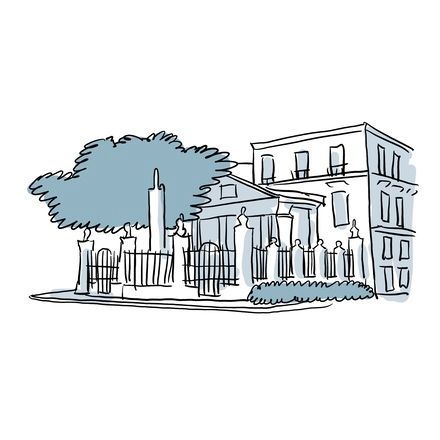
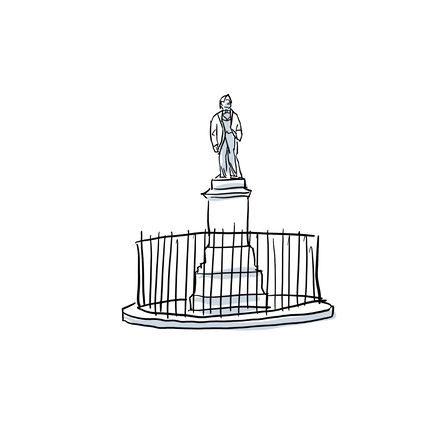
Découvrez 25 lieux d'intérêt pour visiter Havana






Le plein d'inspirations
Explorez le monde en totale liberté, à pied au cœur des villes ou au fil des routes. Nos guides audios transforment chaque destination en une découverte culturelle immersive et unique.



FAQ for visiting Havana
How many days do you need to visit Havana?
To discover Havana in good conditions, ideally plan for between three and five days. Two days are enough to explore the essentials of Habana Vieja and Centro Habana, but you risk rushing a little. With three days, you can wander the colonial lanes, visit the main squares and museums, and soak up the city's unique atmosphere. Four to five days will let you add neighbourhoods like Vedado and Miramar, enjoy the Malecón at sunset, and perhaps even take an excursion into the surrounding area. Havana's cultural and architectural richness deserves that you take your time to appreciate it fully.
What are the must-see neighbourhoods in Havana?
Habana Vieja remains the essential historic heart with its colonial palaces and emblematic squares. Centro Habana plunges you into everyday Havana life, between crumbling buildings and popular effervescence. Vedado, more modern, is home to the famous Plaza de la Revolución and offers a more airy atmosphere with its wide avenues. Miramar, a chic residential district, contrasts with the rest of the city with its opulent villas. Do not forget to walk along the Malecón, this seafront promenade that links several neighbourhoods and forms the city's social hub. The Ryo audioguide accompanies you precisely through Habana Vieja and Centro Habana so you miss none of their hidden treasures.
How do you get around Havana?
The vintage collective taxis, those famous American cars from the 1950s, remain the most picturesque option for medium-length trips. For short distances, favour walking, which will let you soak up the atmosphere. The coco-taxis, a kind of yellow scooter shaped like a coconut, are fun for short tourist rides. Local buses exist but remain complicated for visitors. Classic taxis and bicycle taxis round out the offer. Always negotiate the price before getting in. Bike rental is also becoming popular for exploring certain neighbourhoods. Avoid driving yourself, as the traffic and signage can be disconcerting for the uninitiated.
Where should you stay in Havana?
The casas particulares, rooms in local homes, offer the most authentic experience and allow genuine exchanges with Cubans. Habana Vieja concentrates many options, ideal for being at the heart of the tourist action. Centro Habana offers more affordable accommodation while remaining central. Vedado, quieter and residential, suits those seeking more tranquillity with its renovated state hotels. Miramar attracts a wealthier clientele with its upmarket establishments. Prices vary considerably depending on the standard and the season. Book ahead, especially in high season, as the best addresses fill up quickly.
What should you visit first in Old Havana?
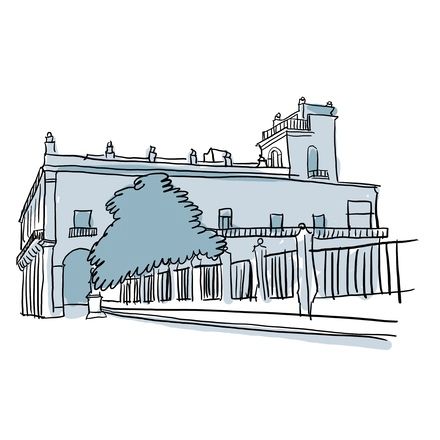
The Plaza de Armas, lined with colonial palaces, is a perfect starting point for exploring this UNESCO-listed district. The majestic Baroque cathedral and its square transport you to the Spanish colonial era. Do not miss the Plaza Vieja with its restored colourful facades and lively terraces. The del Morro and de la Cabaña fortresses offer spectacular views over the bay. The Museum of the Revolution is worth the detour to understand Cuba's recent history. Wander through the cobbled lanes between these monuments to discover artists' studios and small museums. The Ryo audioguide reveals precisely the little hidden stories behind these historic facades during your walking tour.
What is the best way to see the vintage American cars?
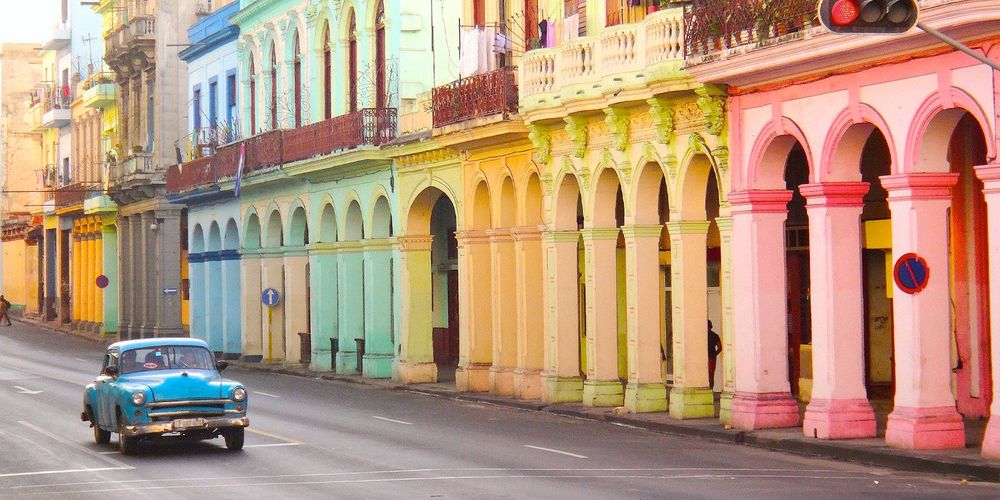
These rolling jewels from the 1950s are an integral part of the Havana landscape. To admire them, simply stroll through the streets, particularly around the Capitol and Parque Central where they park while waiting for customers. Taking a ride in a convertible remains a memorable experience, usually offered for an hour along the Malecón and through the emblematic neighbourhoods. The drivers know the best viewpoints and love sharing the history of their vehicle. Some owners even organise visits to their garages for enthusiasts. Prices are negotiable but remain reasonable for the experience on offer. It is also a chance to chat with the drivers, often very proud of their rolling heritage.
Where should you eat in Havana?
The paladares, private family-run restaurants, offer the best local cuisine in a convivial atmosphere. You will find them just about everywhere, often set up in former colonial homes or on terraces with a view. Habana Vieja and Vedado concentrate the most renowned addresses. For an authentic and economical experience, try the little street stalls offering Cuban sandwiches and local pizzas. State-run restaurants are improving but generally remain less flavourful than the paladares. Be sure to taste the ropa vieja, the rice with black beans, and the tostones. Freshly pressed tropical fruit juices are also worth the detour. Book at the popular paladares, especially in the evening.
Is it possible to visit cigar factories?
Several cigar factories open their doors to visitors curious to discover this emblematic craft. The guided tours let you watch the torcedores expertly roll the tobacco leaves using age-old techniques. The intoxicating smell of tobacco and the hushed atmosphere of the workshops create a unique ambiance. The guides generally explain the different manufacturing stages and the cultural importance of the Cuban cigar. Some tours include a tasting for enthusiasts. It is also possible to buy cigars directly at the factory, with a guarantee of authenticity. Book your visit in advance, as places are limited and in high demand. It is a fascinating immersion in a know-how listed as part of the island's cultural heritage.
What can you do along Havana's Malecón?
The Malecón is the long seafront esplanade that runs for several kilometres, from the mouth of the bay to the Vedado district. It is less a tourist sight than a place of daily life: in the late afternoon you will find anglers, musicians, families sitting on the parapet and couples watching the waves break against the wall, sometimes hard enough to spray the road.
The walk is an easy one, best taken when the heat drops and the light turns golden on façades worn by the salt spray, some under restoration and others left to themselves. The Malecón also stitches the districts together and lets you grasp the layout of the city at a glance. The Ryo audio guide offers a dedicated Havana route that follows the seafront and the streets of the historic centre.
Where can you hear Cuban music in Havana?
Music happens everywhere in Havana, often with no stage and no printed programme. In the old town, son and bolero bands set up in restaurant courtyards and on the squares from early evening. The Callejón de Hamel, an alley in Centro Habana painted from end to end, traditionally hosts open-air rumba sessions on Sundays, in a very local atmosphere driven by the drums.
For a more structured night out, the city's casas de la música programme salsa and timba with well-known bands, while converted factories in Vedado combine concerts, exhibitions and dancing until late. Often the best approach is simply to follow the sound: an open door and a few percussion beats are usually enough to lead you to the best night of the week.
Vos commentaires, idées et suggestions
Aucun avis pour le moment