Walk
A Medieval Gem on the Baltic Sea
Tallinn, Estonia
Walk
A Medieval Gem on the Baltic Sea
Tallinn, Estonia
4.1 km
Distance
1h40
Durée
22
Audios
Loop
Parcours
Estonia has that rare gift of transporting you gently out of the everyday: between cobblestone lanes inherited from the Middle Ages, silent forests where time seems to stand still, and Baltic shores bathed in a unique Nordic light, this small northern European country strikes just the right chord, never overwhelming. You travel at your own pace, letting the landscapes and stories set the rhythm. It is precisely this spirit that the Ryo audio-guided tours seek to capture, offering travellers a sensitive and independent way to enter the history and soul of Estonia.
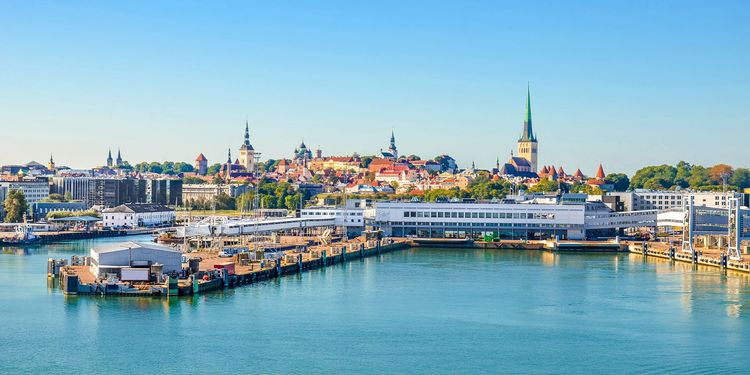
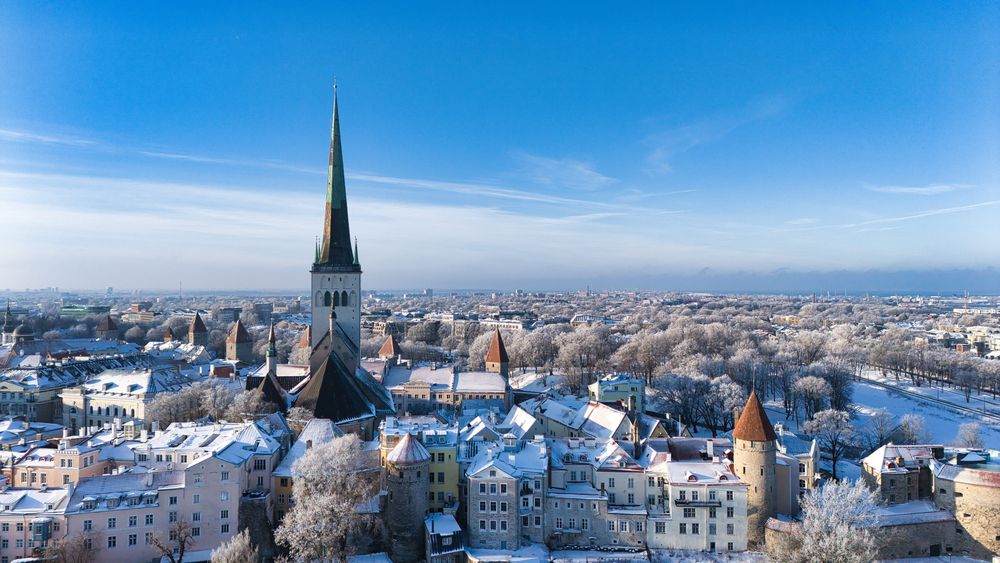
It is hard to remain unmoved by Tallinn. Perched on a hill overlooking the Gulf of Finland, its rampart-encircled old town is one of the best-preserved in Northern Europe, inscribed on the UNESCO World Heritage List. Along the cobbled lanes, between crenellated towers and colourful pastel facades, the traveller reads history in the open air: Hanseatic merchants, successive occupations, cultural resistance. The Ryo audio-guided tour "A Highlight of the Baltic Medieval Era" plunges into this living memory, giving flesh and voice to the stones that have weathered the centuries.
Beyond Tallinn, visiting Estonia means accepting the invitation to wander into more secretive territories. Lahemaa National Park, to the east of the capital, unfolds a patchwork of ancient forests, bogs crossed by wooden boardwalks, and Baltic manors with severe facades — reflections of a bygone aristocracy. Further south, landscapes of plains and lakes invite quiet contemplation, dotted with villages where rural life flows at a pace few European countries have managed to preserve.
Offshore, Kihnu Island deserves a special detour: inscribed on UNESCO's Intangible Cultural Heritage list, it perpetuates one of Europe's last matriarchal traditions, where women keep costumes, songs, and ancestral crafts alive. The Baltic coast, meanwhile, offers fine sandy beaches and open panoramas over a sea that is often grey and magnetic, perfect for long solitary walks.
Estonia reveals itself differently depending on the season. Spring and summer, from May to August, are generally the mildest periods: the days stretch out until night almost disappears around the solstice, creating an atmosphere that is both strange and bewitching. Autumn tints the forests gold and russet, ideal for exploring nature. Winter, harsh and snowy, wraps Tallinn in a distinctive Nordic charm, particularly around its Christmas markets.
The country is compact and easy to navigate. From Tallinn, a network of buses and trains serves the main towns and regions. To explore more remote areas, bogs, and islands, a car offers invaluable freedom. Journeys to the islands are generally made by ferry, with varying frequencies depending on the season. In the city, Tallinn is a pleasure to explore on foot, making it a particularly well-suited destination for independent travel.
The period from June to August is generally the most popular, thanks to the long summer days and pleasant temperatures. Those wishing to avoid the crowds and enjoy spectacular colours will prefer September and October. Winter attracts travellers seeking Nordic authenticity and Tallinn under snow.
A stay of four to five days allows you to explore Tallinn in depth and take a few day trips into the surrounding area, such as Lahemaa Park. To travel the country more fully, including the islands and the south, a week to ten days is recommended.
The old town of Tallinn and its medieval ramparts top the list. Also unmissable are Lahemaa National Park, Kihnu Island and its living traditions, as well as the bog landscapes and the Baltic coast for lovers of wild nature.
Inter-city buses are the most widespread means of transport and cover the majority of destinations. Car rental remains the most flexible option for exploring the countryside, nature parks, and reaching ferry ports to the islands. In Tallinn, walking is all you need to discover the historic centre.
Estonian cuisine draws on peasant and Nordic traditions: dense and fragrant rye bread, smoked fish, game, and wild berries gathered from the forest. On the cultural side, choral singing holds a place of its own: the great song festivals, inscribed on the UNESCO heritage list, bear witness to the role of music in Estonian national identity.
Yes, Estonia is particularly well suited to independent travel. The country is safe, well organised, and English is widely understood, especially among younger generations. Tallinn is easy to explore on foot, and digital tools such as Ryo audio-guided tours allow you to immerse yourself in local history and stories without the constraints of a group or fixed schedule.






