






Créé par Romane, le 4 oct. 2026
Votre guide Ryo
Tallinn, Estonia
A Medieval Gem on the Baltic Sea
Parcours audioguidé pour visiter Tallinn en 1 jour
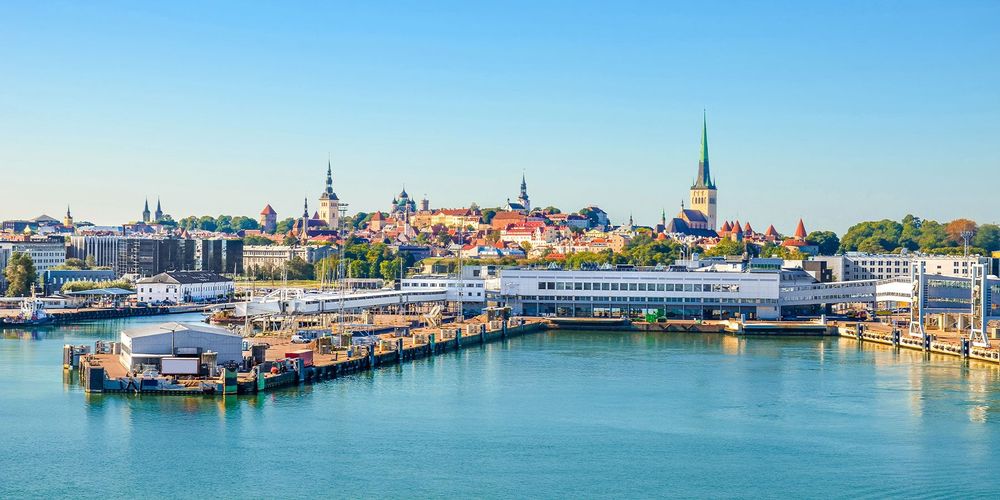
On the Baltic Sea, Tallinn reveals one of the best-preserved medieval centers in Europe, listed as a UNESCO World Heritage Site. With its upper town and colorful streets, it offers an atmosphere that is both historic and almost fairy-tale-like.
Quand partir à Tallinn ?
Jan.
-4°
10
Feb.
-3°
8
March
1°
9
April
6°
9
May
12°
9
June
16°
10
July
18°
11
Aug.
17°
11
Sept.
13°
10
Oct.
8°
11
Nov.
3°
11
Dec.
-1°
11
Throughout the year, Tallinn’s average temperature hovers around 6°C, due to its cold temperate climate. January and February are the coldest months, with lows typically around -3°C. The warmest period runs from June to September, with highs averaging around 18°C or more. Rainfall is most frequent between June and August. To make the most of your trip and enjoy milder weather, the best time to visit remains between June and September—just keep in mind that a few showers may still occur.
Départ conseillé
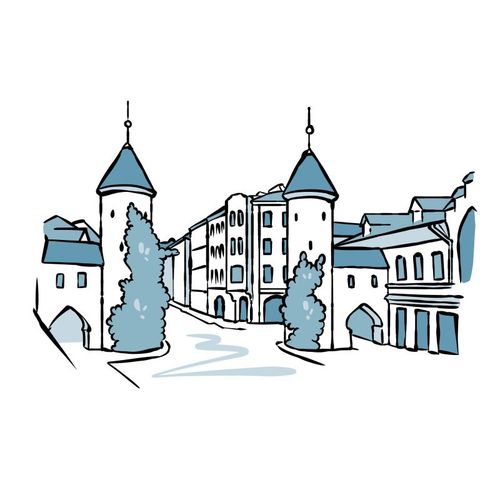
No need to worry about where to begin! Our tours are designed as a loop, so you can jump in wherever you are. The navigation system and audioguide will automatically adjust to your location. However, if you happen to be nearby, we do have a preferred starting point: The Viru Gates
Parking à proximité
EP24 : Aia 7
Since parking in Tallinn’s Old Town—Vanalinn—is either extremely limited or prohibited, you’ll have no choice but to leave your vehicle in one of the car parks located a bit further out. Sure, that means a bit more walking, but think about the upside: the peace and quiet you’ll enjoy during your visit. No rumbling engines, no honking horns, no endless waits at crossings, and no parked cars ruining your perfect photo shots. Bliss! Here’s a helpful tip: the farther you park from the city centre, the lower the parking fees tend to be.
Before you set off on foot, be aware that paying for your parking space requires a special scratch card, which can be purchased in shops, kiosks, or directly from parking attendants. Once you have one, just scratch off your start time and place the card visibly on your dashboard.
À savoir
Like any top tourist destination, Tallinn offers a range of perks and discounts on transport and attractions through the Tallinn Card. It’s a great option if you want to explore the city at your own pace while making the most of everything it has to offer.
Découvrez 22 lieux d'intérêt pour visiter Tallinn

















Le plein d'inspirations
Explorez le monde en totale liberté, à pied au cœur des villes ou au fil des routes. Nos guides audios transforment chaque destination en une découverte culturelle immersive et unique.








FAQ for visiting Tallinn
When is the best time to visit Tallinn?
The ideal time to discover Tallinn runs from June to September, when temperatures are at their most pleasant with highs around 18°C or above. This is when the city comes alive and when you can make the most of the terraces and the long Baltic summer days. Be aware, however, that this period also coincides with the rainiest months, so pack a raincoat. If you prefer to avoid the tourist crowds, May and early October remain good alternatives with still-mild weather. Winter offers a fairytale atmosphere with snow that enhances the medieval old town, but temperatures can drop as low as -3°C in January and February.
How many days do you need to visit Tallinn?
Two to three days are generally enough to discover the essentials of Tallinn. In two days, you'll have time to explore the medieval old town in detail, wander through its cobbled streets and visit the main monuments. A third day will let you venture beyond the historic centre to discover the more modern neighbourhoods such as Kalamaja with its colourful wooden houses, or the creative Telliskivi district. If you have more time, you can take an excursion to Kadriorg park or even explore the surroundings of Tallinn. The city's human scale means you can see a great deal in a short time, all while keeping a pleasant sightseeing pace.
How do you get around in Tallinn?
Tallinn is a very pleasant city to explore on foot, especially in the old town where most of the attractions are concentrated. For longer distances, the public transport network is efficient, with trams, buses and trolleybuses that serve all the neighbourhoods well. Tickets can be bought directly from the driver or via the dedicated mobile app, and a single journey generally costs a few euros. Taxis and ride-hailing apps are also available and remain affordable. For a more original experience, you can also rent an electric bike or a scooter, particularly handy in summer. Since the city is relatively compact, you won't need to rent a car unless you're planning excursions outside Tallinn.
Is the Tallinn Card worth buying?
The Tallinn Card can be worthwhile if you plan to visit several museums and paid attractions during your stay. It offers free admission to many tourist sites as well as unlimited access to public transport. Before buying it, do the maths based on your itinerary: if you intend to visit at least three or four paid attractions per day, it generally becomes cost-effective. However, many visitors find that simply strolling through the old town, which is free to access, already makes for a very rich experience. The card comes in 24-hour, 48-hour or 72-hour versions, to suit the length of your stay. Weigh up your sightseeing priorities carefully before deciding whether this investment is worth it for you.
What can you see in Tallinn's old town?
Tallinn's old town, a UNESCO World Heritage site, is a true medieval gem divided between the upper town and the lower town. Don't miss Town Hall Square with its lively terraces, the perfectly preserved medieval ramparts and towers, and the Alexander Nevsky Cathedral with its distinctive domes. In the upper town, the Kohtuotsa viewing platform offers a breathtaking view over the red-tiled rooftops. The cobbled streets are full of colourful merchant houses and historic churches. For an optimal discovery of all these treasures, the Ryo audioguide accompanies you with a narrated route that reveals the fascinating history of each monument while guiding you efficiently between the must-sees.
How do you get to the city centre from the airport?
Tallinn Airport is just a few kilometres from the city centre, making the transfer simple and quick. The most economical option is tram number 4, which links the airport directly to the centre in about twenty minutes. Tickets can be bought from the machine at the airport or directly from the driver. Public buses also provide regular connections. For greater comfort, taxis and ride-hailing services are available outside the terminal, with a journey that generally takes less than fifteen minutes depending on traffic. Some hotels also offer shuttles, so don't hesitate to ask when booking. The cost varies according to the option chosen, from the most economical on public transport to the most convenient by taxi.
What are the best neighbourhoods to stay in Tallinn?
The choice of neighbourhood depends on your priorities and your budget. The old town remains the most sought-after quarter for its medieval charm and its immediate proximity to the main attractions, but it's also the most touristy and generally the most expensive. The Kalamaja district, just to the north, offers a trendy alternative with its colourful wooden houses, its hip cafés and more affordable rates. For a more local vibe and even gentler prices, consider Kesklinn, the modern city centre, well served by transport. The Kadriorg district will appeal to greenery lovers with its large park, while still staying close to the centre. Each neighbourhood has its own character, but all make it easy to reach the tourist sites.
Where can you eat in Tallinn?
Tallinn offers a varied culinary scene that blends Estonian traditions with modern influences. In the old town, you'll find many restaurants in authentic medieval settings, perfect for sampling local specialities such as wild boar or elk. For a more contemporary and affordable experience, head towards the Kalamaja district or the creative Telliskivi market, where trendy restaurants sit alongside food trucks. The Baltic Station Market also offers an excellent choice of stalls to discover local cuisine at gentle prices. Don't hesitate to try Estonian black bread, Baltic herring and hearty soups, perfect for warming up. Vegetarians will also find plenty to enjoy, with more and more suitable options throughout the city.
What is there to see in Tallinn outside the old town?
The Estonian capital does not stop at its city walls. East of the centre, Kadriorg park spreads its wooded avenues around a baroque palace commissioned by Peter the Great, with the KUMU art museum a few steps away and a seaside promenade running on towards Pirita and the ruins of its convent. To the north, the former working-class district of Kalamaja lines up its colourful wooden houses before opening onto Telliskivi, an industrial wasteland turned creative quarter with its workshops, cafés, galleries and covered market. The waterfront, around the old seaplane harbour, tells the country's maritime story beneath vast concrete vaults. The Ryo audio guide offers a dedicated Tallinn route that links these districts to the highlights of the historic centre.
What day trips can you take from Tallinn?
Tallinn lends itself well to day trips. To the east, Lahemaa national park combines pine forests, bogs, an indented coastline and restored manor houses such as Palmse and Sagadi, with well-marked trails that are easy to walk. To the west, the small seaside town of Haapsalu and its castle ruins offer a quieter atmosphere, while the islands of Saaremaa and Hiiumaa, reached by ferry, really call for two days. Closer to the city, Jägala waterfall and the Viimsi peninsula, with its open-air museum, are quickly reached by car or bus. Finally, Helsinki is only a crossing of the Gulf of Finland away from the port, which makes it a common excursion. Depending on the season, do check timetables, as they are often reduced in winter.
Vos commentaires, idées et suggestions
Aucun avis pour le moment
