
Créé par Romane, le 4 oct. 2026
Votre guide Ryo
Helsinki, Finland
A Scandinavian getaway
Parcours audioguidé pour visiter Helsinki en 1 jour
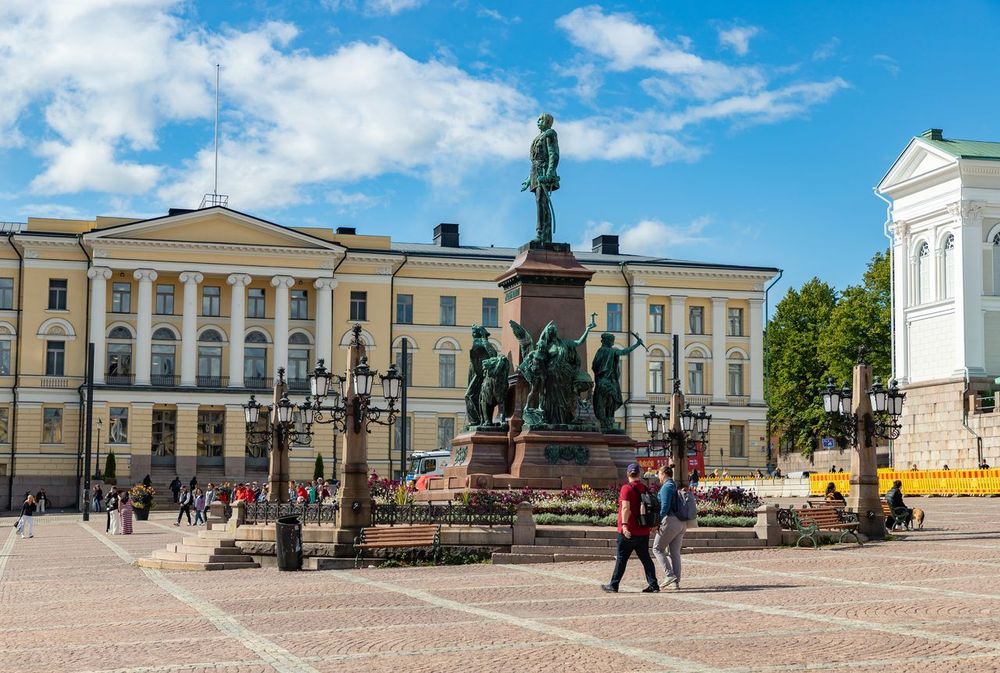
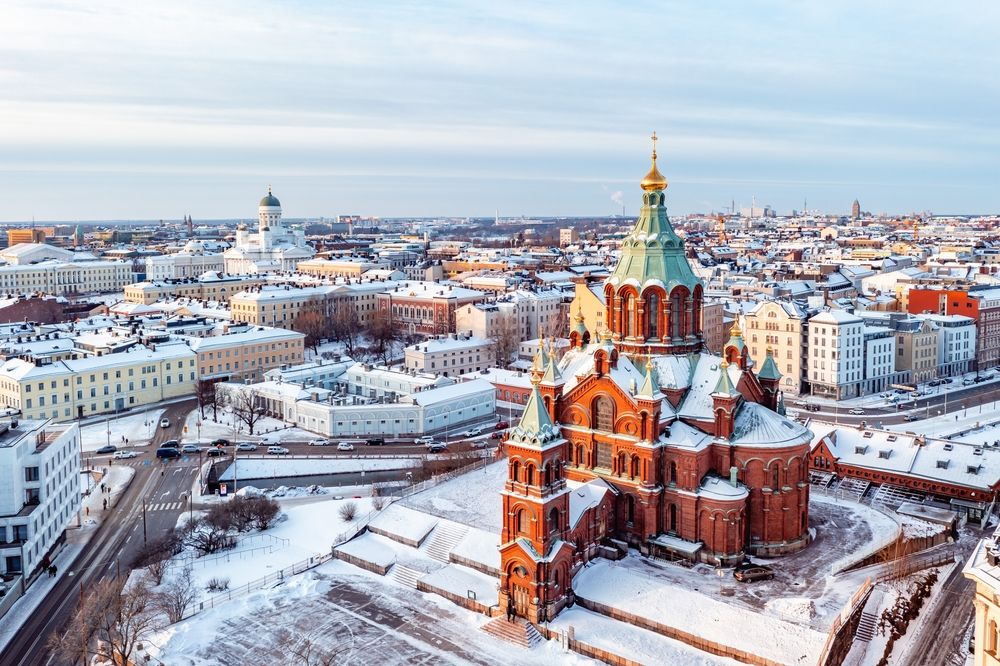
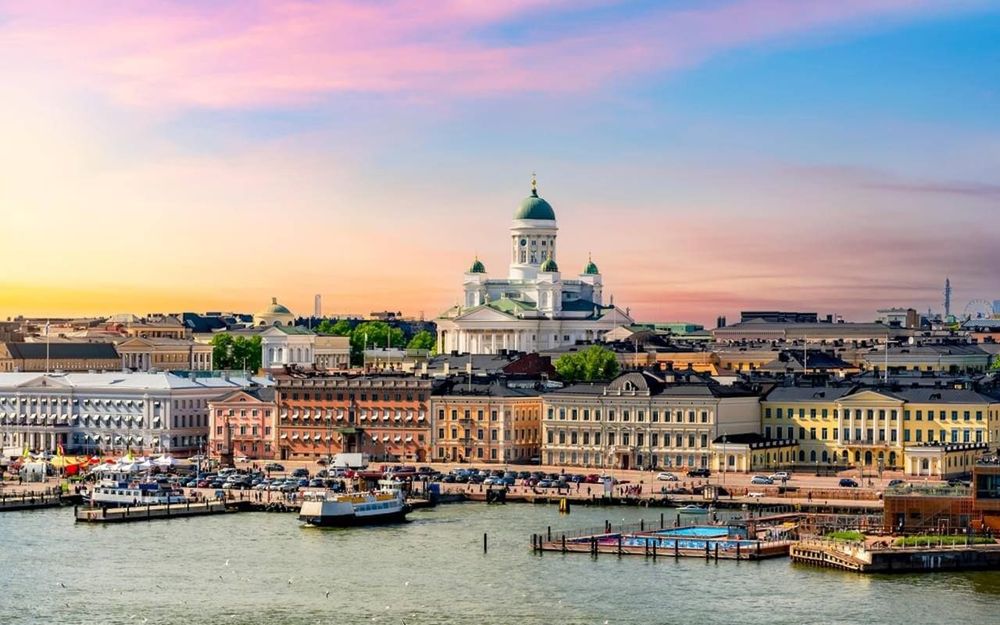
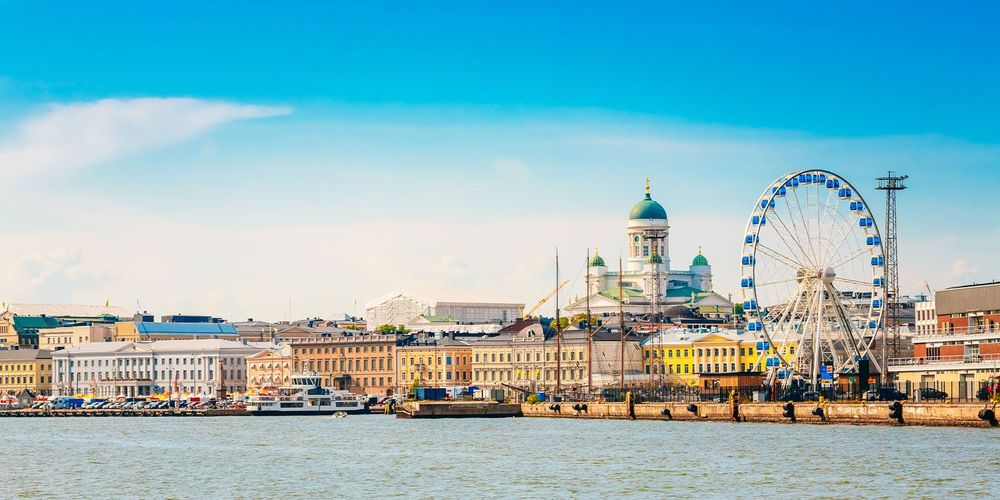
The capital of Finland, Helsinki reveals elegant architecture blending neoclassicism and Art Nouveau. With its lively harbor, design culture, and Nordic heritage, the city offers a setting that is both modern and calming.
Quand partir à Helsinki ?
Jan.
-5°
9
Feb.
-4°
7
March
-1°
8
April
5°
9
May
11°
9
June
16°
10
July
19°
11
Aug.
18°
11
Sept.
13°
10
Oct.
8°
11
Nov.
3°
11
Dec.
-2°
10
The warmest months in Helsinki are July and August. In winter, average daytime temperatures don’t reach above -1°C, while in summer they can reach up to 21°C. So, the best time to visit Helsinki is in July and August—although these are also the peak months of the tourist season in Finland. It’s also worth noting that in winter, especially in December, daylight lasts only about 6 to 7 hours, with the sun rising around 9:00 AM and setting around 4:00 PM. In contrast, summer days can stretch up to 19 hours, with sunrise around 4:00 AM and sunset as late as 11:00 PM—perfect for making the most of the long summer days!
Départ conseillé
No need to worry about where to begin! Our tours are designed as a loop, so you can jump in wherever you are. The navigation system and audioguide will automatically adjust to your location. However, if you happen to be nearby, we do have a preferred starting point: Helsinki's Central Station
Parking à proximité
Parking EuroPark P-Eliel : Asema-aukio 1
Parking in Helsinki can be quite expensive. The best option is to use one of the paid underground car parks. They’re more costly than on-street parking, but street spaces are time-limited and won’t allow you to leave your car there for a full day.
You can expect to pay about thirty euros for a full day of underground parking. If you choose to park on the street, make sure to read the signs carefully to ensure parking is allowed, and don’t forget to pay at the meter — fines in Finland are steep!
Découvrez 27 lieux d'intérêt pour visiter Helsinki










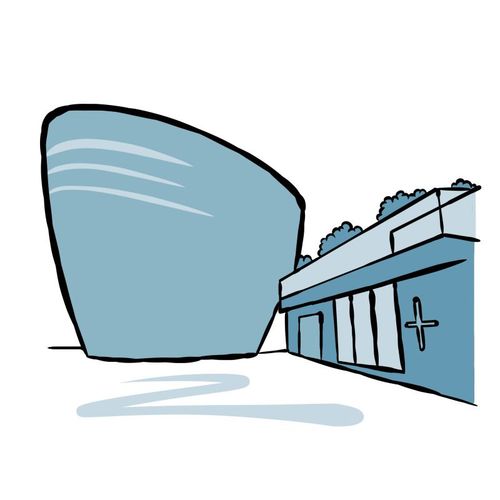

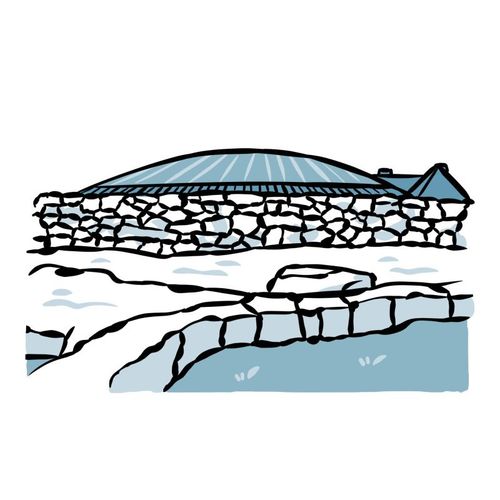
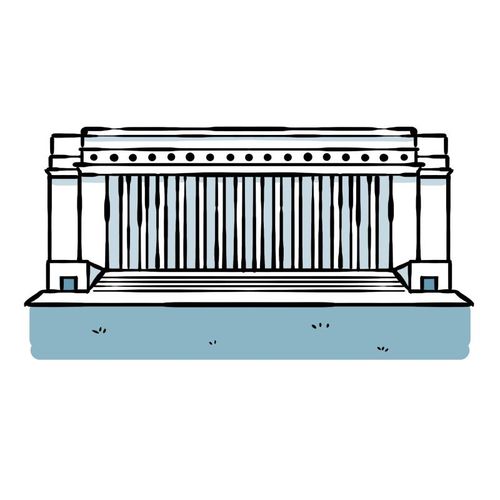

Le plein d'inspirations
Explorez le monde en totale liberté, à pied au cœur des villes ou au fil des routes. Nos guides audios transforment chaque destination en une découverte culturelle immersive et unique.

FAQ for visiting Helsinki
When is the best time to visit Helsinki?
The best time to discover Helsinki runs from June to August, with July and August as the ideal months. Temperatures are then pleasant, hovering around 21°C, and you will enjoy exceptionally long days: the sun rises around 4 a.m. and sets around 11 p.m., giving you nearly 19 hours of daylight! This period does, however, correspond to the peak tourist season. If you prefer to avoid the crowds, May and September remain good choices, with days that are still long and mild temperatures. The Finnish winter, from December to February, suits lovers of snow and magical atmospheres, but be prepared for sub-zero temperatures and very short days, with only 6 to 7 hours of daylight in December.
How many days do you need to visit Helsinki?
For a first discovery of Helsinki, ideally allow three to four days. This time will let you comfortably explore the historic centre, stroll through the Design District, visit a few museums, and take a trip to the nearby islands such as Suomenlinna. Two days can be enough to see the must-sees if your schedule is tight, but you will have to make choices and keep up a brisk pace. With five days or more, you can truly soak up the Finnish atmosphere, discover the less touristy neighbourhoods, enjoy the traditional saunas, and perhaps even take a getaway into the surrounding nature. Helsinki is a human-scale city that lends itself perfectly to a peaceful exploration.
How do you get around Helsinki?
Helsinki has an excellent public transport network that makes getting around easy and efficient. The integrated system includes trams, buses, metro, and ferries, all accessible with the same ticket. The trams are particularly handy for exploring the city centre and are an attraction in their own right with their historic lines. The metro efficiently serves the outlying neighbourhoods. To reach islands like Suomenlinna, the public ferries are included in standard transit tickets. The city is also very pleasant to explore on foot, especially in the compact centre. In summer, cycling becomes a popular option, with many cycle paths and a public bike-sharing system. Taxis are available but generally more expensive than elsewhere in Europe.
What are the must-see neighbourhoods in Helsinki?
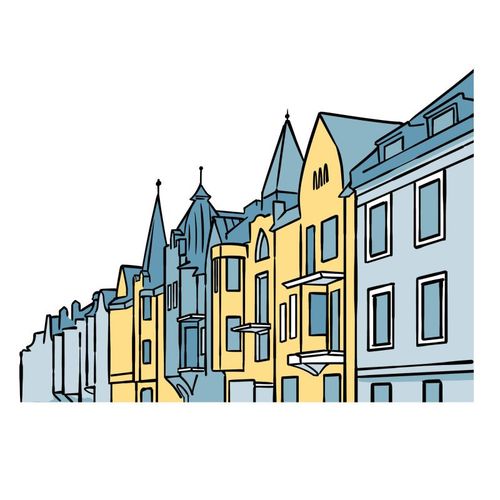
The heart of Helsinki beats around Senate Square and the Lutheran cathedral, symbols of Finnish neoclassicism. The market district, with its constant bustle and historic halls, deserves an in-depth visit. Kamppi and Punavuori form the Design District, a paradise for lovers of Nordic design with its boutiques, galleries, and trendy cafés. Kallio, once working-class, has become the bohemian neighbourhood par excellence, prized for its alternative bars and laid-back atmosphere. Eira charms with its Art Nouveau villas and peaceful residential feel. The Ryo audioguide accompanies you in discovering these different neighbourhoods, revealing their histories and secrets along narrated routes suited to your walking pace.
Which culinary specialities should you taste in Helsinki?
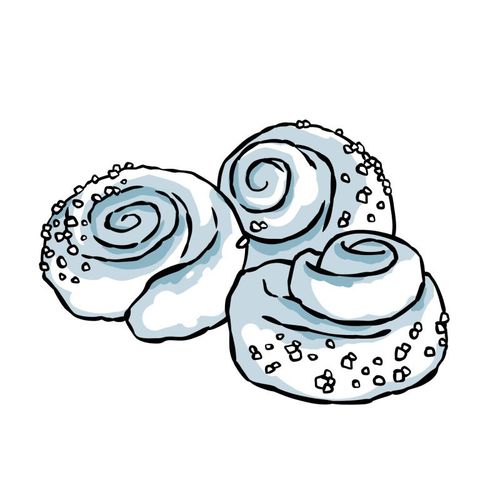
Helsinki's cuisine reflects Finnish traditions with a modern touch. Start by tasting salmon in all its forms: gravlax, smoked, or in a creamy soup. Wild berries such as blueberries and lingonberries accompany many dishes. Do not miss the korvapuusti, those typically Finnish cinnamon buns, perfect with a coffee. Dense and flavourful black rye bread is everywhere. For hot dishes, try reindeer stew or meatballs with mashed potatoes and lingonberries. The markets often offer fresh fish and forest mushrooms depending on the season. For an authentic experience, finish your meal with an Arctic berry liqueur.
Is Helsinki a safe city?
Helsinki is among the safest capitals in Europe. Crime is generally low, and tourists can wander with peace of mind, even in the evening. Finns are renowned for their honesty and respect for the rules. Pickpockets are rare, though it is always wise to keep an eye on your belongings in busy places like the central station or the markets. The tourist areas are well lit and regularly patrolled. The Finnish healthcare system is excellent and the emergency services very responsive. The only particular precaution concerns winter: the pavements can become slippery with snow and ice, so bring suitable footwear. Locals are generally helpful and many speak English, making communication easy when needed.
What language is spoken in Helsinki?
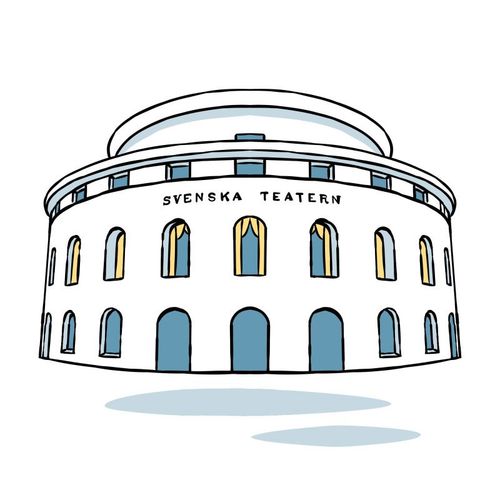
Helsinki is a bilingual city where Finnish and Swedish are the two official languages. The vast majority of the population speaks Finnish day to day, while around five percent use Swedish as their mother tongue. You will notice that signs and announcements are systematically in both languages. The good news for visitors: English is very widely mastered, particularly by the younger generations and in the tourism sector. You will generally have no difficulty communicating in English in hotels, restaurants, museums, and shops. Finns nonetheless appreciate visitors' efforts to try a few words in Finnish: kiitos for thank you, hei for hello, or moi for goodbye will always bring a smile to the faces of the people you meet.
How do you visit the Suomenlinna fortress?
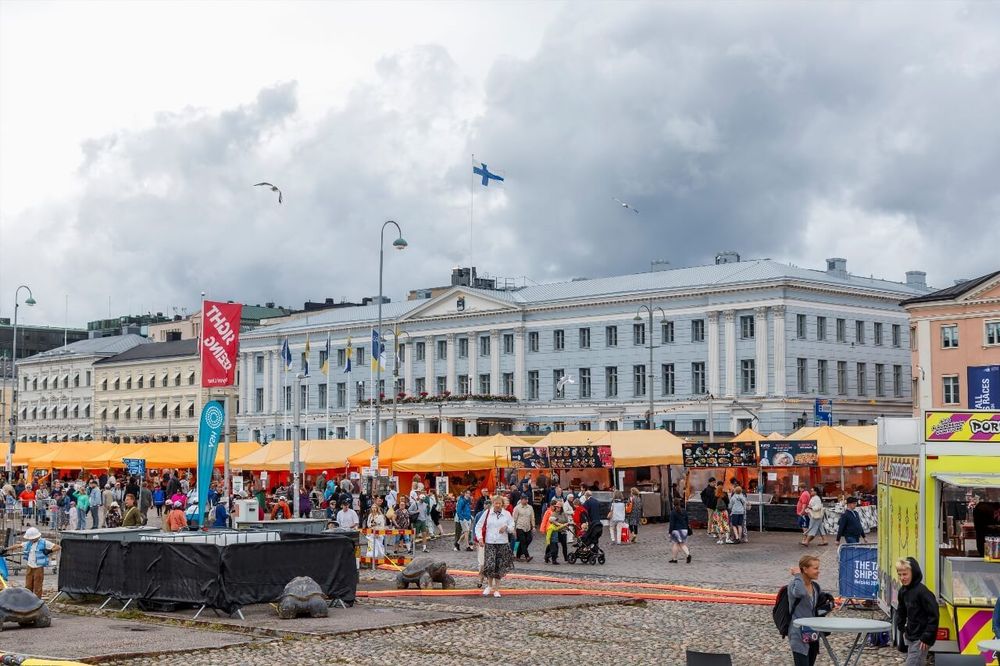
This sea fortress built on a string of islands is reached by boat from the Market Square; the crossing is part of the city's public network and runs all year, in any weather. Once ashore, everything is done on foot: ramparts and cannons pointing out to sea, tunnels, a dry dock still in use, the King's Gate that served as the ceremonial entrance, not to mention a submarine open to visitors and several small museums. The place is inhabited, which gives it the air of a village set on the sea, with its gardens, its cafés and lawns perfect for a picnic. Allow half a day to go round without rushing. The Ryo audio guide offers a dedicated Helsinki route.
What is the Design District in Helsinki?
The Design District is not a museum but a signposted quarter, south of the centre, gathering along a few streets a mix of studios, galleries, antique dealers, furniture showrooms and independent shops. It is a reminder that design has been part of Finnish identity for more than a century, from Alvar Aalto's furniture to the colourful prints made popular in the sixties, by way of glass and ceramics. The Design Museum and the Museum of Finnish Architecture, both within this perimeter, tell that story, while a festival devotes a week of exhibitions and open days to it every autumn. Even without buying anything, the walk is worth it for the shop windows and the architecture of the Punavuori streets.
What can you do in Helsinki with children?
The city lends itself well to family travel, with short distances and trams that children love to ride. The historic amusement park, perched on a hill north of the centre, opens in the warmer months and keeps an old-fashioned charm; the zoo, set on its own islet, is reached by boat or over a bridge, which turns the outing into a small expedition. The Oodi library, with its workshops, games and machines free to use, offers a refuge in cold weather, as do the aquariums and science museums of the wider city. Add the seaside beaches in summer, sledging in the parks in winter, and the Moomin characters you come across just about everywhere.
Vos commentaires, idées et suggestions
Aucun avis pour le moment