© Shutterstock
 Votre guide Ryo
Visiting Helsinki Solo: the Complete Guide for a Peaceful Trip in 2026
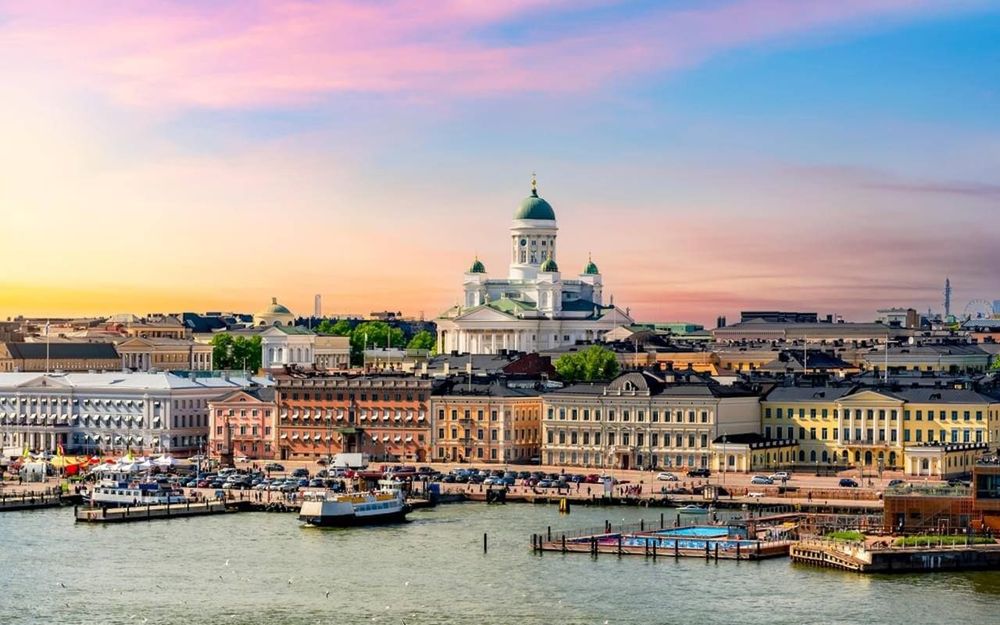
In Helsinki, no one bats an eye if you dine alone at a bistro table or spend an entire hour on a harbor bench, coffee in hand, with no agenda other than watching the ferries maneuver. This is one of the most underrated advantages when planning a solo trip to Helsinki: Finns themselves cultivate an almost national discretion, and nobody judges the person who travels without company. From the moment you arrive, the Ryo audio-guided tour of Helsinki helps you get your bearings between Senate Square and the harbor, without depending on a group or a fixed schedule.
This guide covers a maritime fortress reachable in fifteen minutes by ferry, a public sauna where strangers undress together without a second thought, a church carved entirely out of a granite outcrop in the middle of a residential neighborhood, and market halls where rhubarb sits alongside smoked fish on the same stalls. It also answers the questions that come up again and again before a solo departure: how many days to plan, how to get around without a car, where to sleep without a single-room surcharge, and how — if you want — to meet other travelers along the way.
Why Helsinki Is an Ideal Destination for Solo Travel
Year after year, Helsinki appears in European rankings of the safest cities for solo travel, both during the day and late at night. The historic center can be covered on foot in about thirty minutes, trams run past midnight, and street lighting remains dense even in the residential streets of Kallio or Punavuori. You can walk without feeling watched — which makes a significant difference for anyone wary of loud, crowded capitals.
Statistics back up this reputation: Helsinki's violent crime rate remains among the lowest in Northern Europe, and incidents reported by tourists are almost exclusively limited to pickpocketing in the busiest areas around the harbor. Nothing that singles out a solo traveler over someone traveling in a group.
There is also a more cultural dimension: Finns willingly practice what might be called the art of silence. No one is surprised to see a table for one occupied for two hours in a restaurant, or a traveler spending an afternoon alone in a park without anyone addressing them. This is not coldness — it is a shared comfort. You never have to justify your solitude, and this absence of social pressure is arguably what makes the city so restful for a first solo trip.
How Many Days to Plan for Visiting Helsinki Solo
Two days are enough to tick off the city-center highlights: Senate Square, Temppeliaukio, a round trip to Suomenlinna, and a first sauna. But most solo travelers questioned on the spot recommend three to four days instead — enough time to add a day trip to Porvoo or Espoo without rushing from one place to the next.
Pace matters twice as much when you're solo: without anyone to share decisions with, you often move more slowly, stop more readily for a coffee along the way, and change plans on a whim. Allow half a day's buffer for every two full days.
If your trip includes a ferry excursion to Tallinn or a northern lights hunt in winter, add another day: both activities take up a full day on their own and combine poorly with the rest of the itinerary. Conversely, a three-night weekend is perfectly sufficient if you only plan to visit the city center and Suomenlinna.
How to Get to and around Helsinki
Getting to Helsinki by Plane, Ferry, or Bus
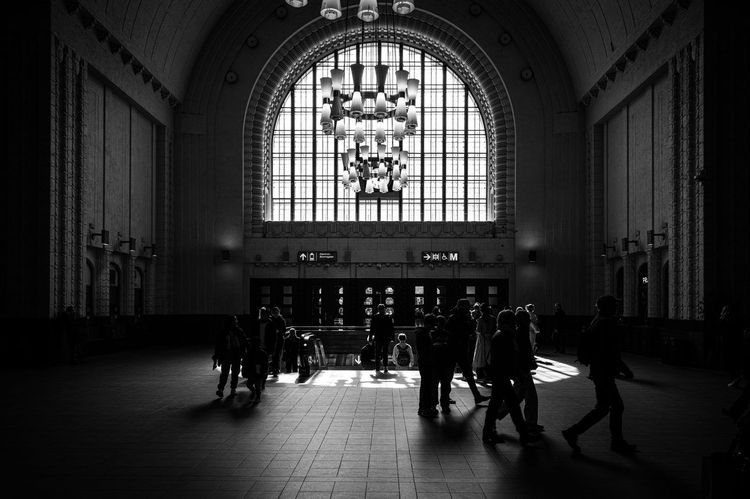
The vast majority of travelers arrive via Helsinki-Vantaa Airport, served from France by direct flights with Air France, Finnair, or Norwegian depending on the season, with a flight time of around three hours. From the airport, the I or P train reaches Helsinki Central Station (Kaivokatu 1, 00100 Helsinki, rated 4.3/5 on Google based on 3,126 reviews) in under thirty minutes for just over four euros — a simpler journey than a taxi when traveling solo with luggage.
The other option, more original, is to arrive by ferry from Tallinn or Stockholm. Viking Line and Tallink connect both cities to the Port of Helsinki in two to sixteen hours depending on the crossing, and single cabins let you sleep a night at sea without an excessive surcharge for a solo traveler. Finally, long-distance buses (Lux Express, Flixbus) connect Helsinki to other Finnish cities on a tight budget; since the Russian border is closed, services to Saint Petersburg no longer exist.
To reach the city center from Helsinki-Vantaa Airport without taking the train, bus 615 also serves the central station — slightly cheaper but twice as slow during rush hour. Late at night, an official taxi costs between 35 and 45 euros for the full journey, a reasonable option if your flight lands after midnight.
Getting around the City, the Helsinki Card, and Wi-Fi
The city center is very largely walkable: from the harbor to Temppeliaukio, allow just over twenty minutes at a leisurely pace. For outlying neighborhoods such as Arabia or access to the Suomenlinna ferry, the HSL network combines trams, metro, buses, and ferries under a single ticket, with a mobile app that sells individual tickets in seconds.
The Helsinki Card, available in 24-, 48-, or 72-hour versions, includes HSL transport and free entry to around twenty museums and attractions, among them the Ateneum, Kiasma, Amos Rex, HAM, and the Temppeliaukio Church. It becomes worthwhile as soon as you visit three or more paid museums during your stay: for a solo traveler who moves from one visit to the next without a companion to share a group ticket with, this is often the calculation that tips in its favor. Budget 62 euros for the 24-hour version in 2026 — a figure to compare against the combined cost of your planned admissions.
On the Wi-Fi front, almost all cafés, every museum, and even some city-center parks offer free networks without registration. A prepaid DNA or Elisa SIM card, available from the airport for around ten euros, is nevertheless more convenient for continuous connectivity — especially if you are following an audio-guided tour while walking through neighborhoods with less public Wi-Fi coverage.
Senate Square, Cathedrals, and the Katajanokka Neighborhood
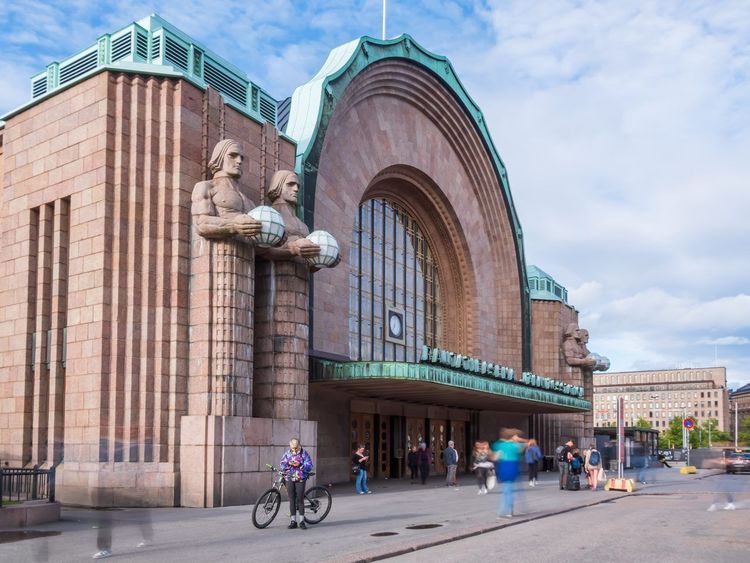
Senate Square and the Lutheran Cathedral Tuomiokirkko
Leaving the central station — recognizable by its two granite statues holding luminous globes, designed by Emil Wikström — a ten-minute walk is all it takes to reach the historic heart of the city.
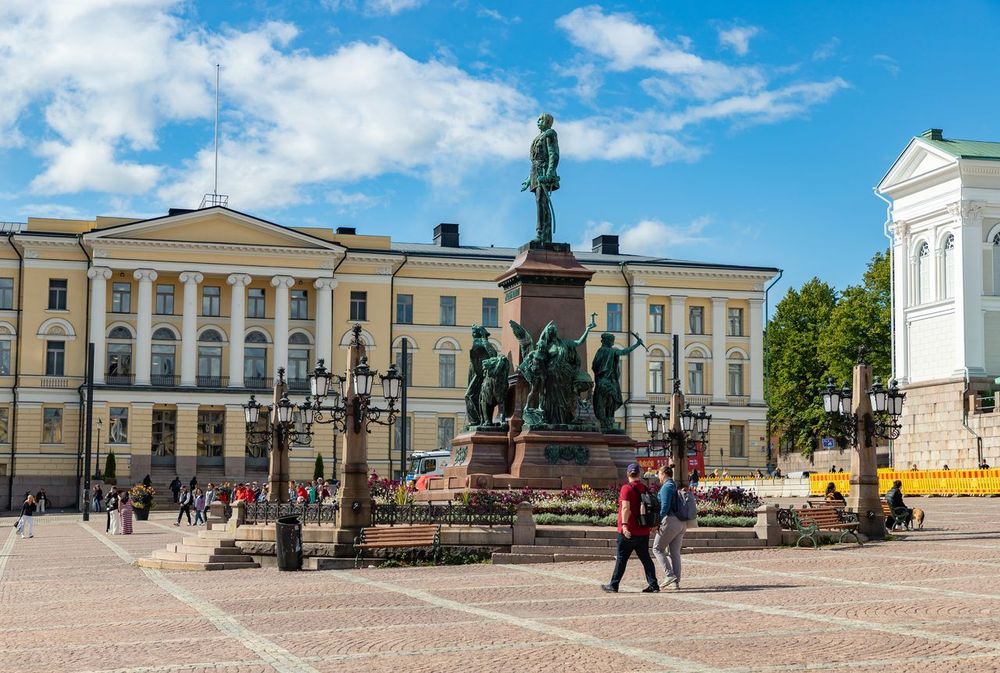
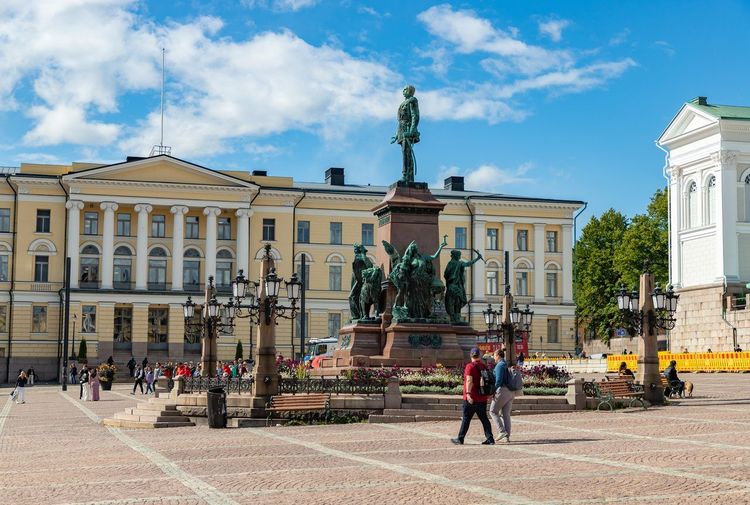
Senate Square (Senaatintori, 00170 Helsinki, rated 4.6/5 on Google based on 22,156 reviews) then opens up, paved and lined with pale-yellow neoclassical facades designed by German architect Carl Ludwig Engel in the early nineteenth century, in the years following the transfer of the capital from Turku to Helsinki.
It serves as the backdrop to the Lutheran Cathedral Tuomiokirkko, whose monumental thirty-step staircase has become an informal gathering point for travelers who simply sit there to watch the square — alone or in small groups.
The interior, almost Scandinavian in its restraint, deliberately contrasts with the facade: no gilding, little furniture, white light falling from tall windows. Entry is free off-season; from June to August it costs 10 euros during the day, but is free again on weekdays between 6 p.m. and 9 p.m. — an ideal window if you prefer to discover the nave nearly empty.
Uspenski Orthodox Cathedral and the Lanes of Katajanokka
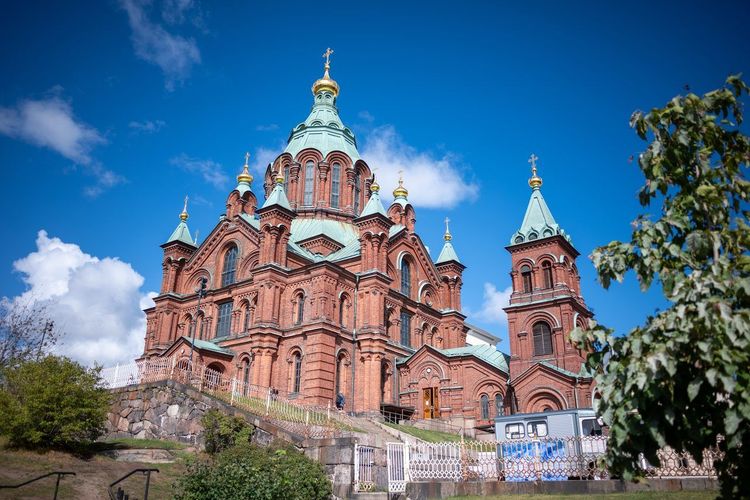
A fifteen-minute walk away, on the other side of the harbor, the Uspenski Orthodox Cathedral (sometimes spelled Ouspenski) dominates the neighborhood with its red-brick silhouette and thirteen gilded domes — the largest Orthodox church in Western Europe. Since May 2025, entry costs 5 euros outside of services, with proceeds going toward restoration of the iconostasis.
Just behind it, the Katajanokka neighborhood is worth lingering in: its nineteenth-century red-brick warehouses, once tied to maritime trade, have been converted into quiet cafés and residential buildings. Fewer tourists come here than to Senate Square, making it a good place to wander without a set route — notebook in hand or simply with hands in pockets.
Between these very different religious styles — stripped-back Lutheran, gilded Orthodox, and the more monolithic lines of Temppeliaukio that you will discover further on — Helsinki compresses within a few hundred meters a complex history shaped by Swedish and Russian influences. This is precisely the historic center that the Ryo Scandinavian Escape audio-guided tour moves through, cathedral by cathedral, weaving in anecdotes about the city's three religious traditions as you walk.
The Must-See Museums of Helsinki
National Museum of Finland and the Helsinki Art Museum (HAM)
The National Museum of Finland, housed in a neo-Romantic building completed in 1910 by architects Gesellius, Lindgren, and Saarinen, has been closed since October 2023 for renovation and expansion. Its reopening is scheduled for spring 2027, with revamped exhibitions spanning eight thousand years of the country's history. If you visit before then, content yourself with admiring its granite tower from Mannerheimintie.
In the meantime, the Ateneum, opposite the central station, steps in for nineteenth-century Finnish art. Allow a good two hours — an ideal duration when solo, since you move at your own pace without waiting for anyone in front of Akseli Gallen-Kallela's canvases.
A ten-minute tram ride away, the Helsinki Art Museum (HAM) occupies the former Tennispalatsi and alternates between Finnish contemporary art exhibitions and international retrospectives. Entry is included in the Helsinki Card — a useful detail if you are traveling on a tight budget.
Design Museum (Designmuseo)
The Design Museum (Designmuseo, Korkeavuorenkatu 23, 00130 Helsinki, rated 4.1/5 on Google based on 4,330 reviews), housed in a former red-brick school, explains why Finnish design gained a worldwide reputation from the 1950s onward: Iittala glassware, Marimekko textiles, Artek furniture, and Aarikka ceramics are all placed in their historical context.
The museum shop is worth a visit even without an entry ticket: it sells vintage pieces at gentler prices than the boutiques in the neighboring Design District.
To move between collections without buying multiple tickets, two options: the Helsinki Card for a short stay, or the Museokortti, an annual card that opens several hundred museums across the country — worthwhile if you are extending your trip elsewhere in Finland.
Temppeliaukio and Helsinki's Iconic Architecture
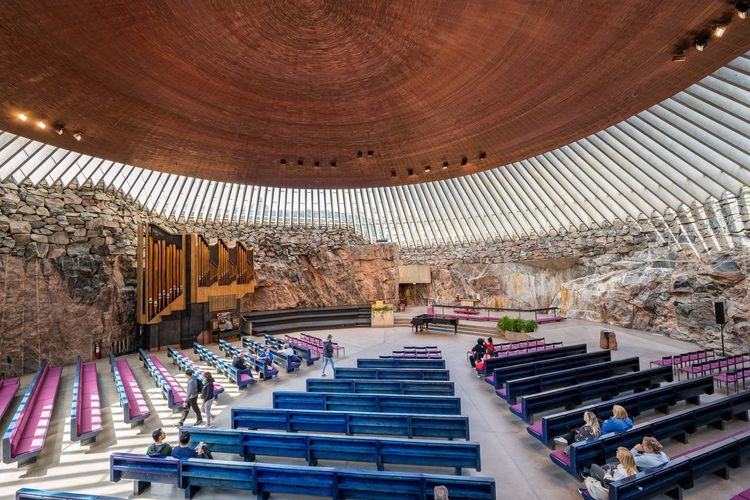
Temppeliaukio, the Church in the Rock
Built in 1969 by architect brothers Timo and Tuomo Suomalainen, Temppeliaukio Church (Temppeliaukion kirkko) is carved directly into a granite outcrop in the residential neighborhood of Töölö. It surprises first with its roof: a copper dome set straight onto the bare rock, barely visible from the street.
Inside, the uncut stone walls create such a distinctive acoustic that the church regularly hosts concerts, including outside of religious services. Entry costs around 8 euros (included in the Helsinki Card) and is free for those attending a service.
For a quiet, solitary moment, sitting on one of the wooden pews for twenty minutes is enough to understand why Helsinkians themselves come here to meditate between noon and two o'clock, despite the tourist crowds during peak hours of the day.
Art Nouveau and the Legacy of Alvar Aalto
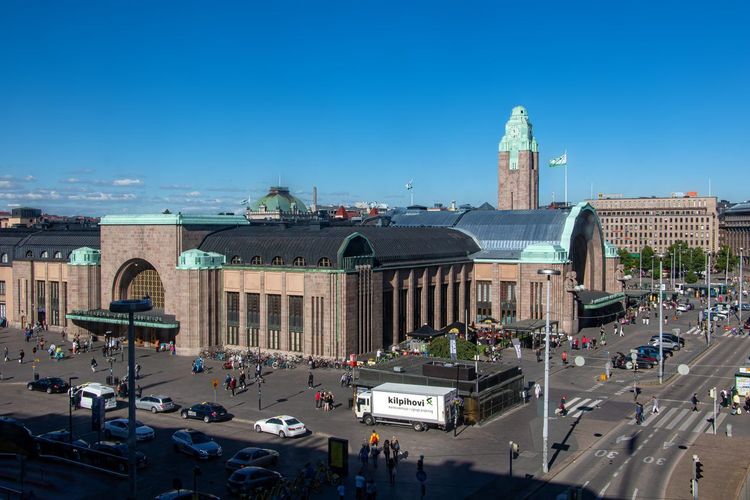
Few visitors connect Temppeliaukio to a broader movement, yet Helsinki was one of the European hubs of Art Nouveau architecture at the turn of the twentieth century: facades adorned with plant motifs and animal figures, visible particularly in the Katajanokka neighborhood and around the central station itself, designed in this style by Eliel Saarinen between 1904 and 1919.
Architect Alvar Aalto, a key figure of the Finnish modernist movement that followed, left an equally visible mark on the city: the Enso-Gutzeit headquarters near the harbor, the House of Culture (Kulttuuritalo) with its curved brickwork, and above all Finlandia Hall (Mannerheimintie 13 e, 00100 Helsinki, rated 4.3/5 on Google based on 2,856 reviews), a white Carrara marble concert hall set on the edge of Töölönlahti Bay.
Connecting these five or six addresses on foot — moving between raw granite and polished marble — gives a different reading of the city: less obvious than the standard list of monuments, but just as revealing of its architectural identity.
The Suomenlinna Fortress, a Must-See by Ferry
Ferry Access and History of the Fortress
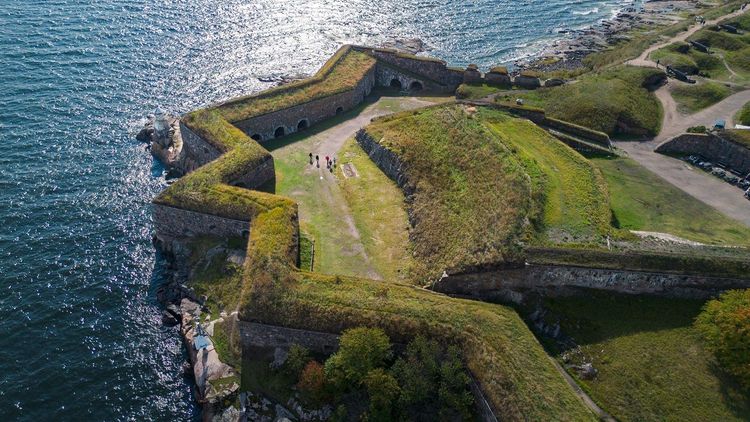
The HSL ferry, included in a standard transport ticket with no separate purchase required, departs every twenty minutes from the south harbor and reaches the island in about fifteen minutes — a short crossing, but long enough to feel the air change.
The Suomenlinna Fortress (Suomenlinna, 00190 Helsinki, rated 4.6/5 on Google based on 27,766 reviews), built from 1748 by Sweden to defend the maritime approach to Helsinki, spans six islands connected by bridges and coastal paths. Listed as a UNESCO World Heritage Site since 1991, it passed into Russian hands after the siege of 1808, then to Finland in 1918. Bombarded by the Franco-British fleet in 1855 during the Crimean War, it nevertheless retains ramparts and underground tunnels in surprisingly good condition.
Allow half a day for the return crossing and the visit — an easy pace to keep when solo, since the island is explored along marked paths with no mandatory guide or fixed schedule to follow.
What to See on the Island in Half a Day
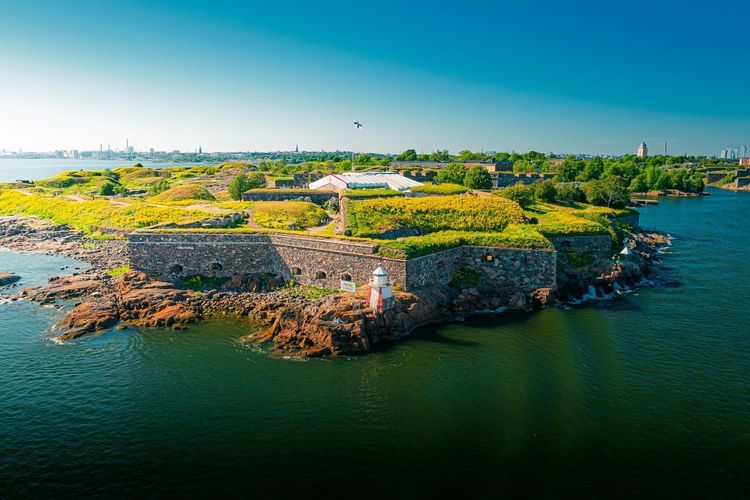
On the island, the Suomenlinna Museum summarizes the fortress's history in half an hour, but the main appeal remains the free walk among rusted bronze cannons and casemates open to the public — improvised picnic on the grass included in summer. The submarine Vesikko, open for visits in summer only, rounds out the picture for anyone interested in twentieth-century Finnish military history.
When traveling solo, this is one of the rare Helsinki outings where you naturally encounter other solo travelers: benches facing the sea, coastal paths that are quieter beyond the island's core, and the complete absence of traffic noise create a setting that invites you to slow down.
Before boarding, the Ryo audio-guided tour of Helsinki takes you past the harbor — the ferry's departure point — offering a good way to place Suomenlinna within the city's Swedish and then Russian history before setting foot on the island.
The Sauna Culture, a Solo Experience — You Have No Reason to Leave Helsinki Without Trying at Least One Session, Even Alone and Without a Word of Finnish.
Löyly and Allas Sea Pool
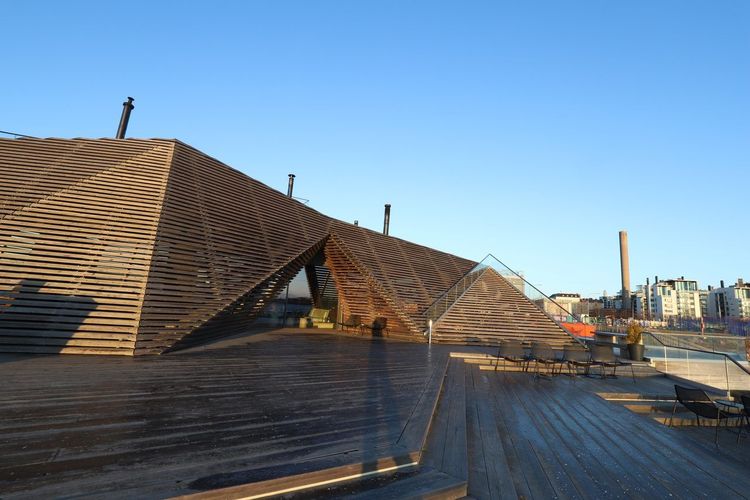
Löyly, on the Hernesaari waterfront, has become the flagship address for contemporary sauna: a building sculpted in dark wooden slats, several saunas including a traditional smoke sauna, and a ladder leading directly into the Baltic. Inside, pale wood and large picture windows look out over the sea.
Expect to pay around 27 euros for two hours of public sauna in 2026. A swimsuit is required, which is often reassuring for a first solo experience, and online booking is advised at weekends.
More centrally located, Allas Sea Pool (Katajanokanlaituri 2a, 00160 Helsinki, rated 4.2/5 on Google based on 3,957 reviews) combines a seawater pool, a heated freshwater pool, and a small children's pool, with three saunas (men's, women's, and mixed) facing the harbor. You can alternate swimming laps and sauna sessions year-round, even when the sea hovers near zero degrees in winter.
Public Sauna: Breaking the Ice Solo
The traditional public sauna remains a different experience: mixed or single-sex depending on the venue, nude or in a swimsuit depending on local custom, and above all communal. For a solo traveler, it is often the most natural opportunity in the city to strike up a conversation: no one goes to the sauna to stare at their phone, and the silence that prevails almost always ends with a comment about the heat or the weather.
Regulars recommend first observing the customs — how long people stay in, how they alternate with a cold plunge or a dip in the sea — rather than asking questions the moment you walk in, a reflex that helps avoid the awkwardness of a first solo sauna.
The Ryo audio-guided tour, short version of the Scandinavian Escape, takes you along the harbor where several public saunas are clustered — a good way to spot the one that appeals to you before returning at the end of the day.
Markets and Food Halls
Old Market Hall at Kauppatori
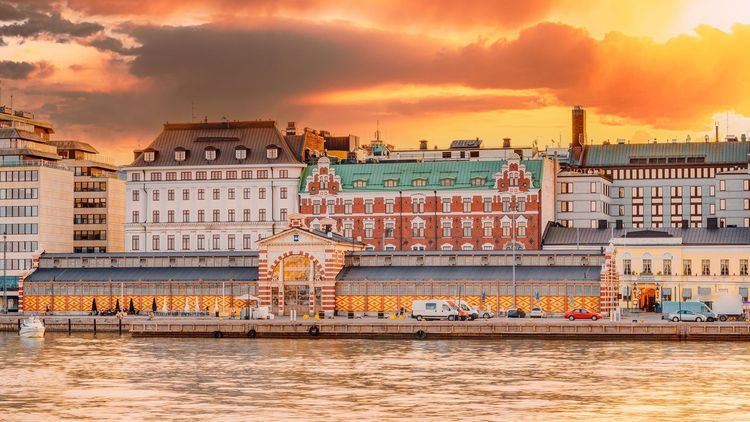
The Old Market Hall (Vanha Kauppahalli), on the Kauppatori harbor, occupies an 1889 red-brick building filled with stalls of smoked fish and reindeer charcuterie, supplemented depending on the season by blueberries, lingonberries, or mushrooms.
Right in front of it, the open-air Kauppatori market sells the same produce under the sky — a good spot to put together a nomadic lunch to eat sitting on the quayside, without having to book a table for one. Many vendors offer individual portions, making it easy to have a simple meal without needing to share a dish with anyone.
Hakaniemi Market and Teurastamo
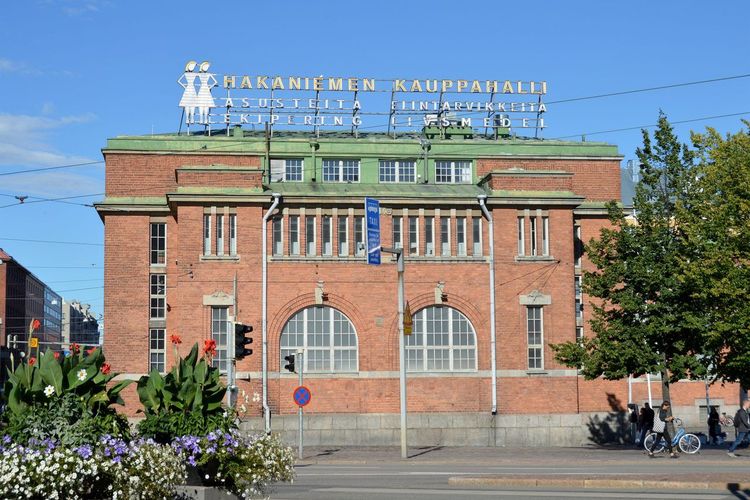
A twenty-minute walk from the center, Hakaniemi Market draws more locals than tourists: its covered hall, renovated in 2022, blends Finnish grocery stalls, street food, and small tables where you eat elbow-to-elbow with strangers — a setup that naturally makes conversation easier when traveling solo.
Further north, Teurastamo (Työpajankatu 2, 00580 Helsinki, rated 4.4/5 on Google based on 59 reviews), a converted former municipal slaughterhouse, brings together craft breweries, distilleries, restaurants, and pop-up shops in rehabilitated industrial warehouses. It draws visitors mainly at weekends for temporary markets and local spirits tastings — a good complement to the Old Market Hall if you are staying more than two days.
Where to Eat and Drink in Helsinki
Cafés, Brunches, and Foodie Stops
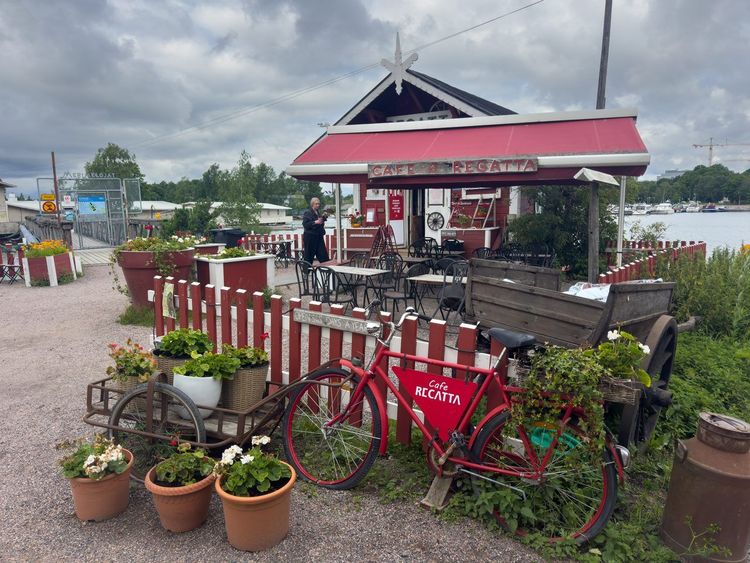
Café Regatta, a red wooden cabin perched on the seaside promenade, serves filter coffee for under three euros and lets visitors grill their own sausages over a wood fire provided for the purpose — an almost incongruous scene just minutes from the city center.
For a more classic brunch, cafés in the Kallio neighborhood all offer a midday set menu at around ten to fifteen euros, with free Wi-Fi and tables spaced far enough apart to work or read alone without feeling watched by neighboring diners.
Traditional and Fine-Dining Restaurants
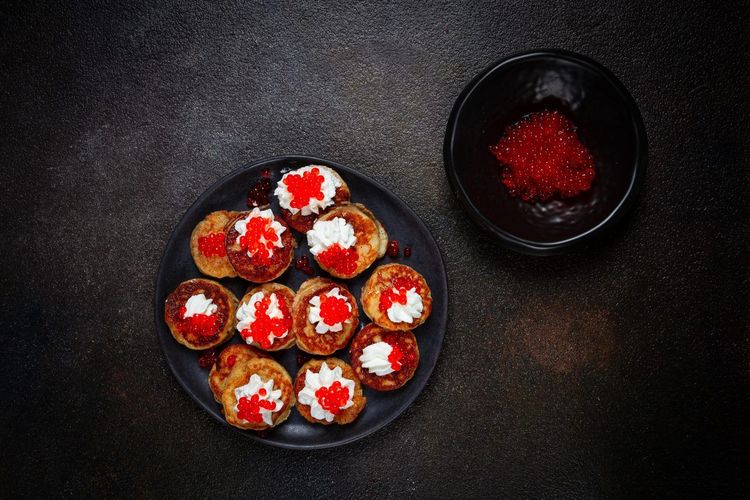
On the traditional cuisine front, expect buckwheat blinis topped with sour cream and lumpfish roe — especially in winter — or a slow-cooked reindeer stew served with mashed potatoes, a classic found in most city-center restaurants.
For a more gastronomic experience, several starred tables in the Design District neighborhood offer tasting menus at around 90 to 130 euros, often served at an open-kitchen counter — a format that suits solo travelers well, as it turns dinner into a culinary show rather than a silent tête-à-tête with your own plate. To put together your own selection of addresses, our article on Helsinki's culinary specialties details ten dishes to try on the spot, from smoked fish to rye bread.
Bars and Cocktails

Trillby & Chadwick (Katariinankatu 1, 00170 Helsinki, rated 4.7/5 on Google based on 596 reviews), a speakeasy styled as a Victorian detective agency where you ring a discreet doorbell to enter, serves cocktails made with Finnish spirits such as Koskenkorva or local berry liqueurs.
For a good beer, craft breweries in Teurastamo and the Punavuori neighborhood offer counter tastings — a format that lends itself well to a solo outing: you lean on the bar, sample three or four local beers in small glasses, and conversation with the brewer follows naturally.
Parks, Beaches, and Nature Breaks in the City
Esplanade Park and the Sibelius Monument
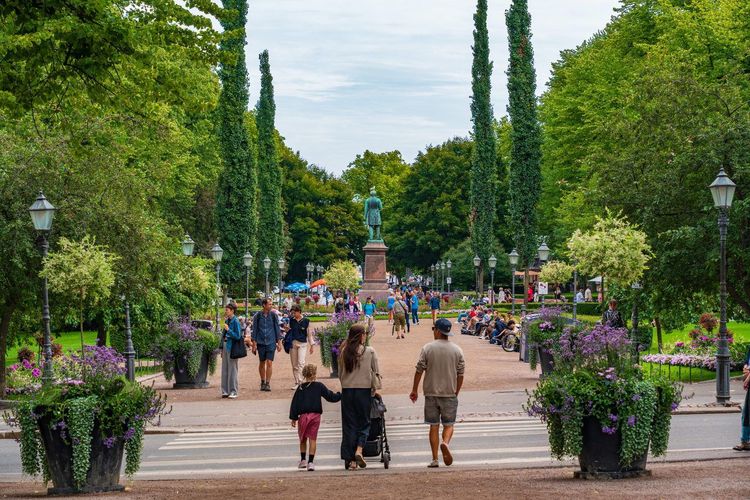
Esplanade Park, a long tree-lined avenue connecting the Market Square to the Design District, serves as an outdoor living room for Helsinkians from the first rays of sunshine onward: free bandstand concerts in the afternoon, café terraces on both sides of the walkway.
A twenty-minute tram ride away, the Sibelius Monument, a steel sculpture shaped like an organ and composed of more than 600 pipes, pays tribute to Finnish composer Jean Sibelius in a dedicated seaside park where locals come to run or picnic alike.
Hietaniemi Beach
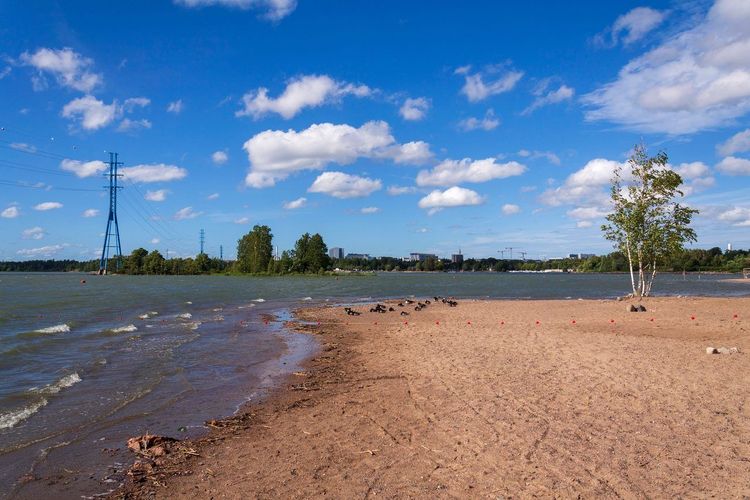
Hietaniemi Beach (Hiekkarannantie, 00100 Helsinki, rated 4.4/5 on Google based on 571 reviews), a fifteen-minute walk from the center, surprises visitors who do not naturally associate Finland with swimming: fine sand, clear water, and a family-friendly summer atmosphere that holds its own against any Mediterranean beach.
The true Finnish specificity emerges in winter: several pools and beaches in the city remain accessible year-round, with holes cut in the ice for swimmers alternating between sauna and icy immersion. Venturing in alone — towel under your arm among equally frozen strangers — remains one of the experiences most quickly recounted after returning from the trip.
Design District and Shopping Made in Finland
Design District Boutiques
The Design District brings together more than two hundred shops, workshops, and galleries across around twenty streets around Diana Park, ranging from vintage pieces by Finnish designers to young independent ceramics and textile brands.
You will find both established names in the sector and neighborhood workshops where the seller is often the maker — an easy opening for a conversation about the origin of an object without looking like a tourist in a hurry. Many shops close early on Sundays: plan for a weekday afternoon to browse without time pressure.
Ceramics Factory Arabia and Stockmann Department Store
A little further north, the former Ceramics Factory Arabia (Hämeentie 135, 00560 Helsinki, rated 4.3/5 on Google based on 241 reviews) retains its ceramics museum and factory shop, where Iittala and Arabia tableware pieces are available at reduced prices — seconds or end-of-line items.
Right in the city center, the Stockmann department store, a Finnish institution founded in 1862, brings together design, fashion, and a fine food hall across seven floors — useful for putting together a picnic or bringing back local specialties without having to make multiple stops around the city.
Activities and Outings Designed for Solo Travelers
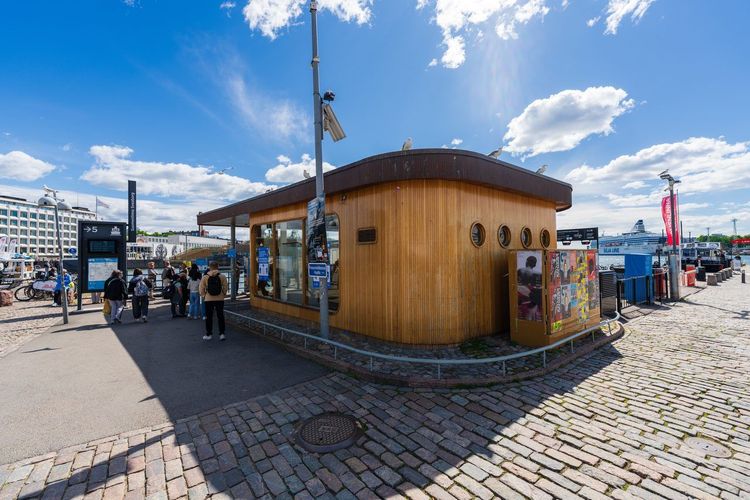
Free Tour and Guided Walking Tour
The free walking tour, offered by operators such as Civitatis or Green Cap Tours, remains the simplest entry point for a solo traveler: free with a voluntary tip at the end, in a small group, led by a guide who knows the city better than any printed guidebook.
Allow two to three hours to cover Senate Square, the harbor, and Katajanokka with the group — and nothing stops you from returning alone to the spots that stayed with you. It is often during these group visits that the first conversations of a solo trip take shape, over a shared coffee right after the tour.
Finnish Workshops, Kayaking, and the Heavy Metal Walking Tour
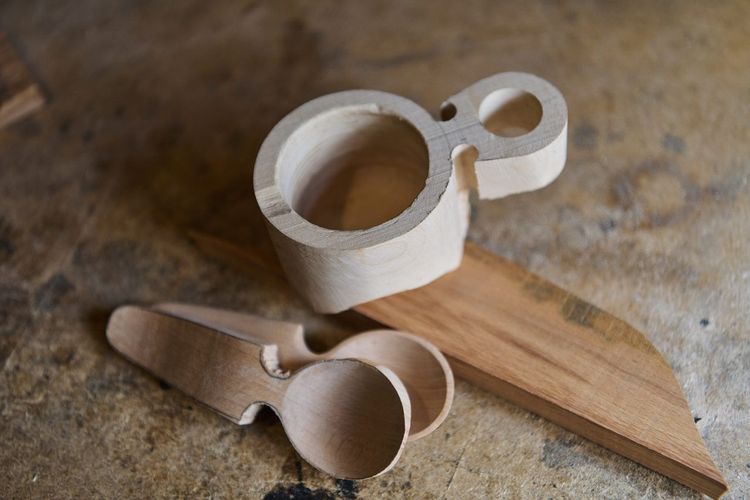
For something off the beaten track, several workshops offer a typically Finnish initiation — wood carving or wild berry cooking depending on the season, sometimes combined with a mini-sauna building session. These formats, limited to five or six participants, naturally encourage exchanges between solo travelers.
Canoeing and kayaking on the calm waters of the archipelago just off the city center can be booked as a half-day guided excursion, instruction included, with no prior experience required.
More unusually, the heavy metal walking tour traces the history of Finland's metal music scene — the country has more bands per capita than any other — through the bars and concert venues of the center. A themed visit that draws a curious and fairly talkative crowd, far from the austere image sometimes attributed to Finns.
Northern Lights Hunting in a Small Group

In winter, between September and March, several agencies organize nighttime minibus outings into the countryside around Helsinki — away from urban light pollution — in search of the northern lights. The likelihood is lower than in Lapland, but the small-group excursion, a maximum of eight to twelve people, creates a convivial atmosphere — hot chocolate included — that is conducive to encounters between solo travelers waiting together under the sky.
If the aurora doesn't appear, the guide usually recounts Finnish history and legends connected to the phenomenon, making the evening worthwhile even under a cloudy sky. This is precisely the spirit of the Ryo audio-guided tour in Helsinki: visiting at your own pace without depending on a group schedule, while still keeping useful reference points for collective activities like the free tour or the public sauna.
Day Trips from Helsinki
Espoo and Porvoo
Espoo, the country's second city, is reachable by metro in twenty minutes and offers a complete contrast with the historic center: forests, lakes, and the EMMA modern art museum housed in the former WeeGee printing works in Tapiola. Half a day is enough for a nature loop around Bodominjärvi lake, with well-marked trails that are well-frequented even when solo.
Porvoo, an hour by bus, remains the country's most photographed day trip: eighteenth-century red wooden houses lined along the river, a medieval cathedral, and craft shops in the cobbled lanes of the old town. Direct buses depart every hour from the Kamppi bus terminal — a straightforward trip to organize solo with no advance booking needed.
Turku and the Crossing to Tallinn
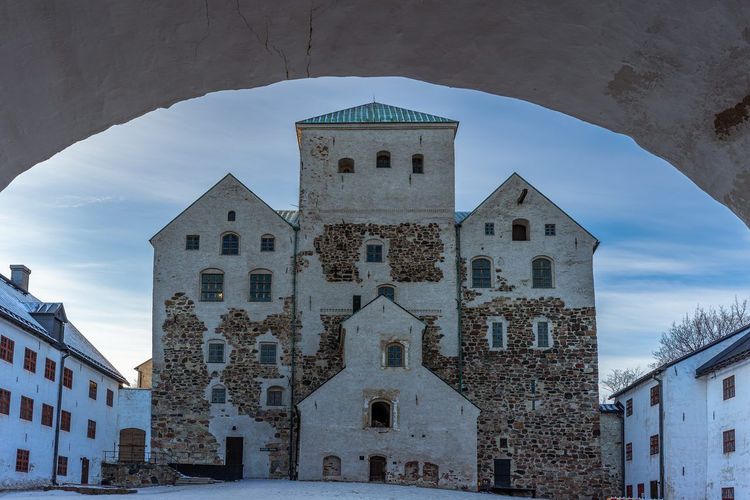
Turku, the country's former capital two hours away by train, deserves a full day for its thirteenth-century medieval castle and its Gothic cathedral set on the banks of the Aura River that runs through the city. Direct trains depart several times a day from Helsinki Central Station with no connection required.
Finally, taking the ferry to explore Tallinn in a day remains the simplest international excursion from Helsinki: a two-hour crossing, several daily departures with Tallink or Viking Line, and an entirely pedestrianized medieval old town on arrival. It is a particularly well-suited outing for solo travelers, since the ferry journey itself — with its decks and cafés — pleasantly fills the two hours without needing company to pass the time.
Where to Stay in Helsinki Solo
Social Hostels for Solo Travelers
The Yard Hostel, on Kalevankatu five minutes' walk from the central station and repeatedly voted Finland's best hostel, fosters a convivial atmosphere designed with solo travelers in mind: a shared kitchen and game nights organized by staff, with mixed or single-sex dorms from 25 to 35 euros per night depending on the season.
It is often in these common areas that a group dinner or a sauna outing gets spontaneously organized on the spot — with no prior planning. For a first solo trip to Finland, a hostel remains the safest bet for not spending every evening alone in a room.
Other hostels worth a look: Hostel Diana Park, in a period building in the Design District, or Eurohostel in Katajanokka — larger and more impersonal but well-placed for the Tallinn ferry. Book early for June and July, when dorms fill up with travelers heading to the Baltic states or Lapland.
Boutique Hotels: Katajanokka, Scandic, and Indigo
For a more comfortable stay, Hotel Katajanokka, housed in a converted nineteenth-century prison, retains its original stone walls and even rents out some former cells transformed into double rooms — a curiosity that appeals to travelers in search of an unusual night.
Scandic Grand Marina (Katajanokanlaituri 7, 00160 Helsinki, rated 4.1/5 on Google based on 4,683 reviews), right opposite on the harbor, and Hotel Indigo Helsinki, on Bulevardi in the heart of the Design District, round out the options with single rooms at reasonable rates, without the single supplement sometimes charged elsewhere in Northern Europe.
Once settled in, the Ryo audio-guided tour downloads directly from your room and lets you plan the next day's itinerary without depending on a group or a fixed schedule — one last practical reference point before heading out to explore the city from the very first morning.



FAQ
Is it dangerous to travel solo in Helsinki?
No: Helsinki consistently ranks among the safest European capitals, including late at night. The main risks involve pickpocketing in the busiest tourist areas around the harbor — nothing specific to solo travel. Women traveling alone generally report feeling just as comfortable in the evening as in the morning, which is rarely the case in other European capitals.
What budget should I plan for visiting Helsinki solo?
Budget between 90 and 140 euros per day for a solo traveler staying in a hostel, including transport, one museum, and two simple meals. This rises to around 200 euros per day with a boutique hotel and a fine dining dinner. Since public saunas, parks, and cathedrals are free or low-cost, most of the budget goes toward accommodation and day trips.
What is the best time of year to visit Helsinki solo?
Summer, from June to August, offers endless days — up to nineteen hours of daylight — ideal for long solo walks at a leisurely pace. Winter, from December to February, draws visitors for the snow, the possibility of northern lights on certain nights, and the experience of a sauna followed by a plunge in icy water. Spring and autumn are quieter and cheaper, though the weather is more unpredictable.
Do I need to speak English to visit Helsinki?
English is more than sufficient: virtually all Finns under sixty speak it fluently, including in shops, museums, and public transport. A few words of Finnish — kiitos for thank you or moi for hello — are appreciated but never essential for getting around the capital on your own.
Is the Helsinki Card worth it for a solo traveler?
It becomes worthwhile once you visit three or more paid museums during your stay, or if you plan to use public transport extensively. For a two-day trip focused on a few free landmarks such as the cathedrals, parks, or Temppeliaukio, it may be less necessary — do the math based on your itinerary before purchasing.
How can I meet other travelers in Helsinki?
Hostels like The Yard Hostel regularly organize social evenings; free walking tours naturally bring a small group together at the start of a trip; and the public sauna remains, by many travelers' accounts, the most effortless place in the city to strike up a conversation — the heat and the silence doing most of the work.
How many days do you need to visit Helsinki?
Two days cover the city-center highlights and Suomenlinna. Three to four days allow you to add a day trip to Porvoo, Espoo, or Tallinn and enjoy a proper, unhurried sauna session — the pace most often recommended for a first solo trip to the city.
All things considered, visiting Helsinki solo requires less planning than you might expect: the city is compact, distances are measured in tens of minutes on foot, and the local culture of quiet removes all social pressure from those who travel alone. All that remains is choosing your own pace — between the city-center cathedrals, a half-day at Suomenlinna, and a first public sauna that, more often than not, becomes the best memory of the trip.
To organize your days without relying on a paper map or a group, the Ryo audio-guided tour of Helsinki is the simplest way to connect these places on foot, at your own pace, from the first day to the last.