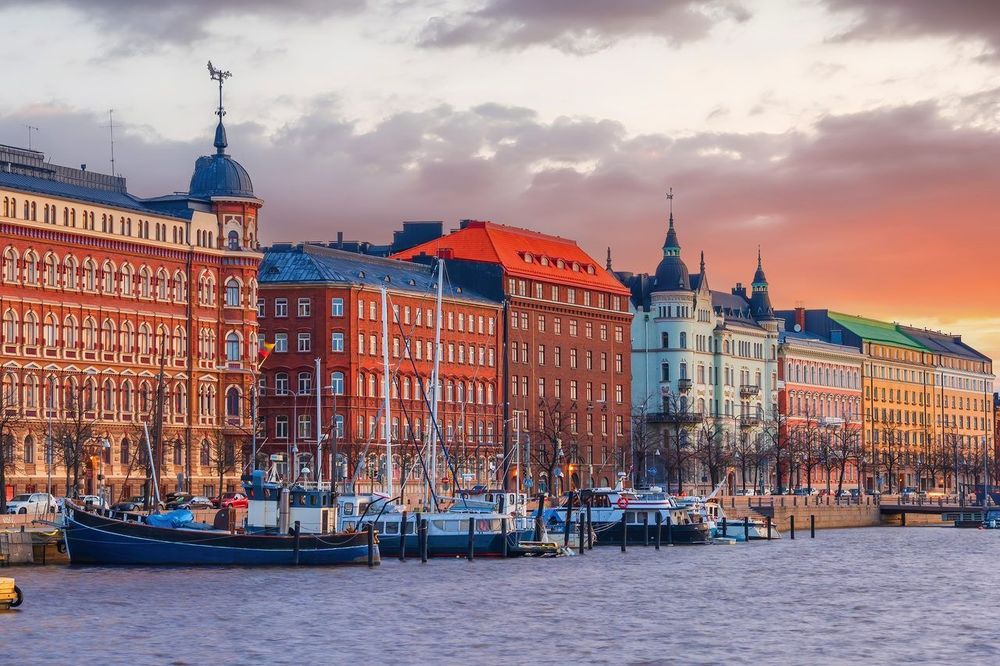
© Shutterstock
 Votre guide Ryo
Visiting Helsinki with Family: Itinerary, Must-Sees and Tips 2026
In Helsinki, the youngest travelers ride the tram across the city with their noses pressed to the window, as the tracks pass parks, urban beaches and the landing stage of a sea fortress. That is what makes visiting Helsinki with family as easy to organize as it is enjoyable: a compact, calm capital surrounded by water and forests. In just a few days, you go from a fortified 18th-century island and its tunnels to an open-air museum that has gathered dozens of old houses from across the country, then to an amusement park with free entry (only the rides are paid) and a floating pool right in the harbor. Add a church carved into the rock and a science center where everything can be touched, and the list of surprises quickly grows. To link these stops on foot without pulling out the map at every crossing, the Ryo audio-guided tour of Helsinki tells the story of each stop as you walk, at your own pace. This guide details how long to stay, how to get there and get around, the must-see places, a day-by-day itinerary, excursions as far as Lapland, where to sleep, where to eat, the best season, the budget and shopping.
Why Helsinki Is an Ideal Destination with Children
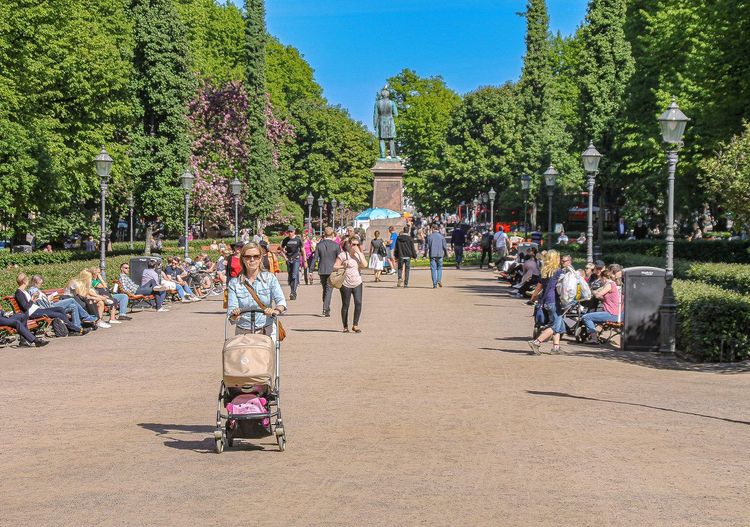
Few capitals offer such direct access to nature. Nearly 40% of Helsinki's surface is covered with green spaces, the city has more than 300 islands, and the sea borders the center along almost its entire perimeter: ten minutes' walk from the station is enough to reach a park, a beach or a landing stage.
The historic center is flat to walk around, with no major congested avenues to cross, which makes getting around with a stroller easier. Playgrounds are plentiful, often equipped with toilets and changing areas, and the general atmosphere remains peaceful, even in the evening.
On the cultural side, most of the major museums (Ateneum, Kiasma, National Museum) are free for under-18s, and queues are rare outside July. Between forest, sea and Scandinavian design, Helsinki feels less like a capital to tick off a list than an outdoor getaway that naturally extends to the neighboring islands and forests. You'll quickly see that little ones enjoy it as much as you do.
How Long to Stay in Helsinki?
The right length depends mostly on your young travelers' appetite for museums, the season and your wish to push on to Lapland. A weekend covers the essentials of the center and one island; three to four days add the fun activities without rushing; a week opens the door to an extension to the north.
1 Day: The Essentials Not to Miss
With just one day, focus on a single area. In the morning, the historic center can be visited on foot in two to three hours: Senate Square, the Lutheran cathedral, the central station and Esplanade Park follow one another over short distances. In the afternoon, head for Suomenlinna: the ferry leaves from the market square every twenty to forty minutes depending on the season, and the crossing is already as fun as the fortress. Head back in late afternoon, as in summer the queues for the return ferry grow longer.
2 to 3 Days: The Ideal Format
This is the most often recommended length, the one that best balances walking, museums and free time. You combine the historic center, a full half-day at Suomenlinna (bring a picnic, snacks on the island are expensive) and a morning at Linnanmäki or Korkeasaari Zoo depending on the age of the little ones. Seurasaari, further out, fits on the third day, combined with a calm afternoon by the sea. This pace suits ages 4 to 12 well.
4 Days or More: With a Trip to Lapland
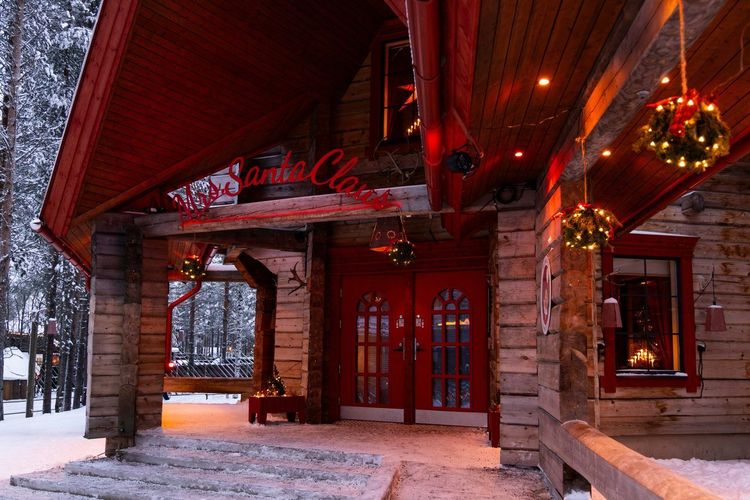
Beyond three days, the most requested option is to add Lapland. Rovaniemi is reachable in about 1h20 by domestic flight, which makes the trip feasible even with toddlers. Plan at least two days on site for Santa Claus Village, a dog sled ride or a night in a glass igloo if the budget allows. Longer stays can also slip in a day at Nuuksio and a round trip by ferry to Tallinn, two hours away by boat.
How to Get to Helsinki with Children?
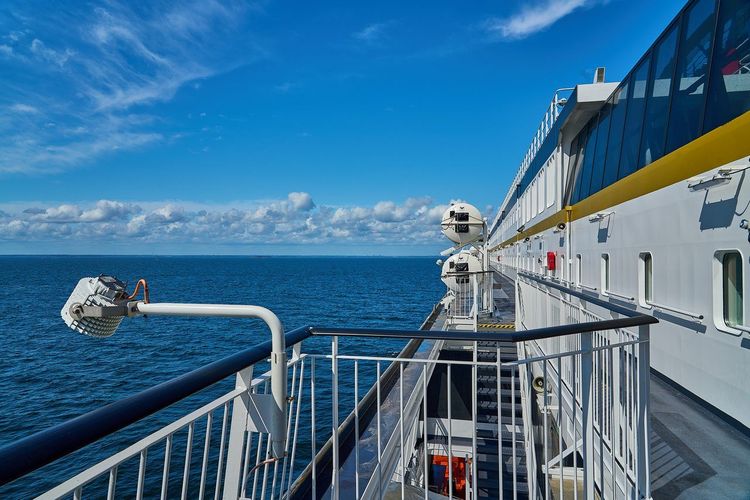
Three options are available: plane, train combined with ferry, or ferry from Tallinn or Stockholm. The choice depends on the time available and the patience of the youngest on long journeys.
By Plane, the Simplest Solution
From Paris, Brussels or Geneva, direct flights reach Helsinki-Vantaa airport in 3 hours to 3h30, and other French cities are served depending on the season. No stopover, no connection with luggage and a stroller: it is the most restful option. The airport is about thirty minutes from the center by train (lines I and P to the central station), a short trip that doesn't lengthen an already busy travel day. Book several months ahead for June-August and the Christmas period, when fares climb quickly. If you travel with a baby, ask for priority boarding: you'll avoid standing in line with an infant in your arms.
By Train and Ferry from Tallinn or Stockholm
If you combine several Baltic or Scandinavian capitals, the ferry becomes an attraction in its own right. From Tallinn, the crossing takes about 2 hours, with play areas aboard the largest ships. From Stockholm, expect a full night in a cabin, a format that appeals to fans of sleeper trains. Coming by train from continental Europe requires transiting through Sweden and then taking a ferry: two to three days of travel, best left to slow travel enthusiasts rather than short stays. In summer, book cabins early, as they go fast.
How to Get Around Helsinki?
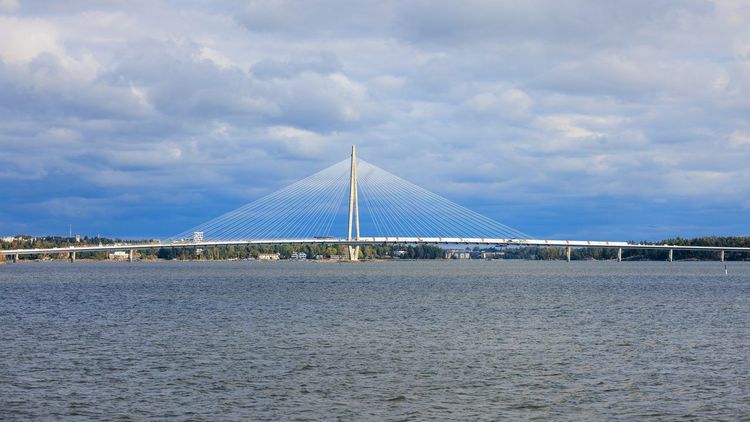
Helsinki is one of the easiest capitals to explore with a stroller: a dense network, quiet streets and a single HSL ticket valid on trams, metro, buses, commuter trains and the ferry to Suomenlinna.
Tram, Metro and Ferry: The Practical Combo
Trams cover most of the center and nearby neighborhoods, with low-floor cars you can board without folding the stroller (and an adult accompanying a stroller travels for free). The HSL day ticket, available from 1 to 13 days in the HSL app, saves you from buying a new ticket for every trip. The metro, with two lines M1 and M2 sharing a common trunk, heads east and toward Espoo in the west; it is less useful if your stay focuses on the historic center. The public ferry to Suomenlinna, included in the ticket, leaves from the market square: it is both transport and a mini-cruise that little ones often ask to repeat.
Bike, Scooter and Walks
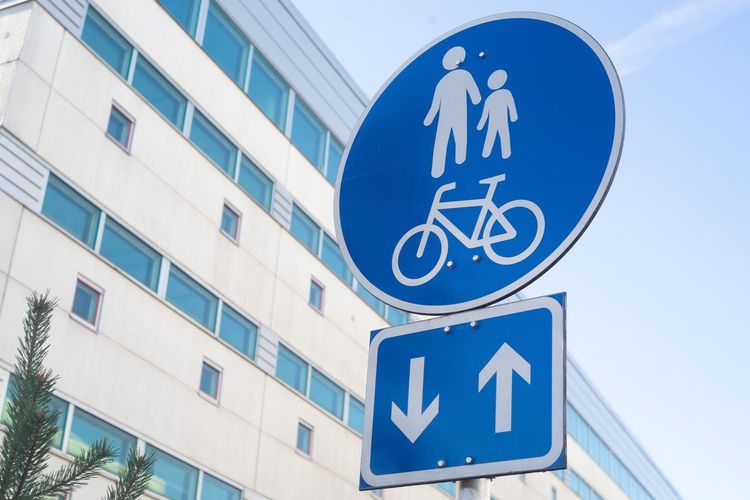
Helsinki has many bike lanes separated from traffic, reassuring for riding with budding cyclists. The yellow city bikes (April to October) and electric scooters can be rented throughout the center, but the latter are reserved for adults. For toddlers, some private rental companies offer child seats and trailers. On foot, the center is easy to cover without fatigue: between Senate Square, the Esplanade and the station, you never walk more than a quarter of an hour, leaving plenty of room for snack breaks.
What to See in Helsinki: Historic Heart and Islands
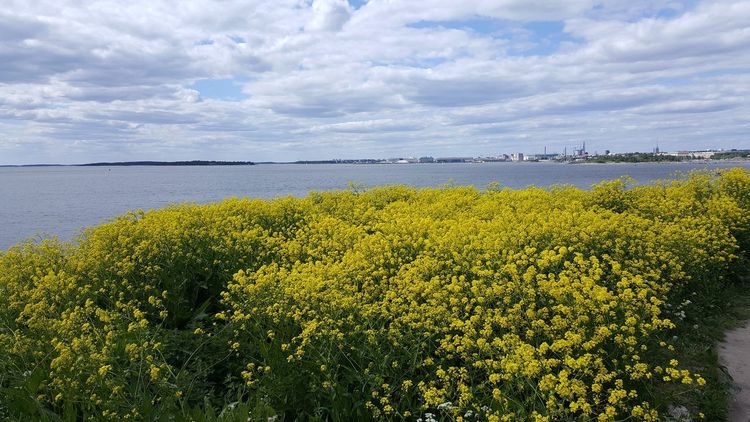
Between the islands of the bay and a compact center, the must-sees fit within a tight perimeter. Four areas structure the visit: the fortress island of Suomenlinna, the Seurasaari open-air museum, the historic heart around Senate Square, and the Temppeliaukio-Sibelius duo. Each takes half a day, to be spread over several days.
Suomenlinna, the Fortress Island to Explore as a Tribe
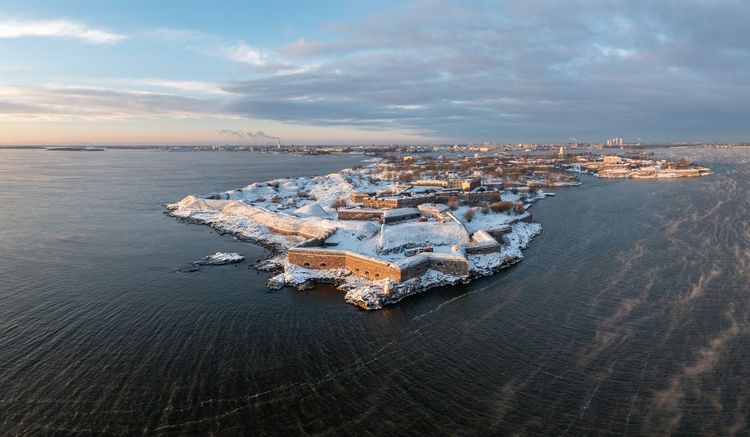
Suomenlinna is a sea fortress built from 1748 by Sweden to protect the port of Helsinki. A UNESCO World Heritage Site since 1991, it spreads over six islands linked by bridges, with ramparts and tunnels where young explorers in short trousers have a field day.
You get there in about twenty minutes by HSL ferry from the market square. On site, allow two to four hours for the bastions, a picnic on the grass and, in summer, a visit to the Vesikko submarine, a World War II submersible you can squeeze through between torpedoes and bunks; a small toy museum also opens in season. The paths are suitable for strollers on most of the route, except for the stairs leading to the viewpoints.
A tip: avoid the midday ferry in high summer, the busiest one. Leave early in the morning or in the mid-afternoon, and you'll have more room on board as well as on the island.
Seurasaari, the Open-Air Museum in the Middle of the Forest
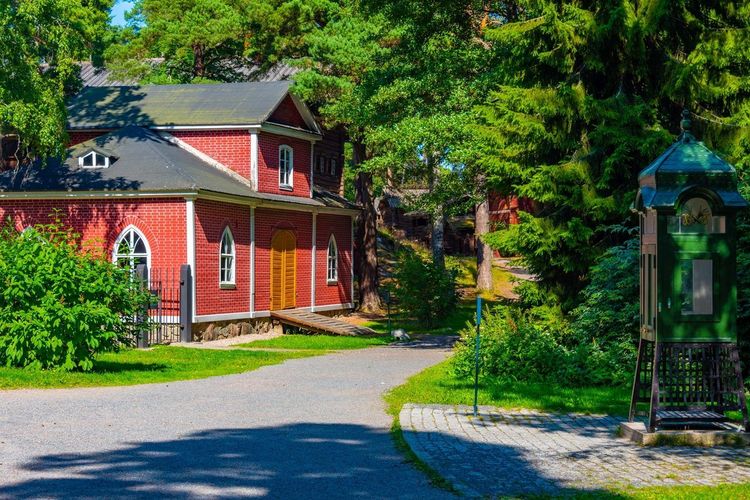
Seurasaari brings together more than 80 traditional Finnish buildings, farms, mills and a wooden church, moved from all over the country and set on a wooded island linked to the mainland by a pedestrian bridge. You wander freely among the houses, with no imposed route.
Bus 24 drops you at the foot of the bridge from the center in about twenty minutes. Squirrels and ducks approach without fear, a detail that delights the youngest. The inside of the houses can be visited from June to August, with guides in costume on weekends; the rest of the year, the island remains freely accessible and its trails, snow-covered in winter, are perfect for a quiet stroll.
The Historic Heart: Senate Square, Cathedral and Central Station
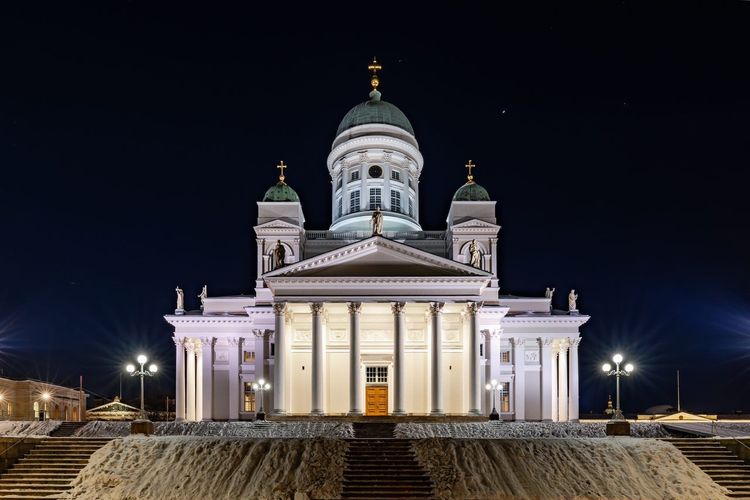
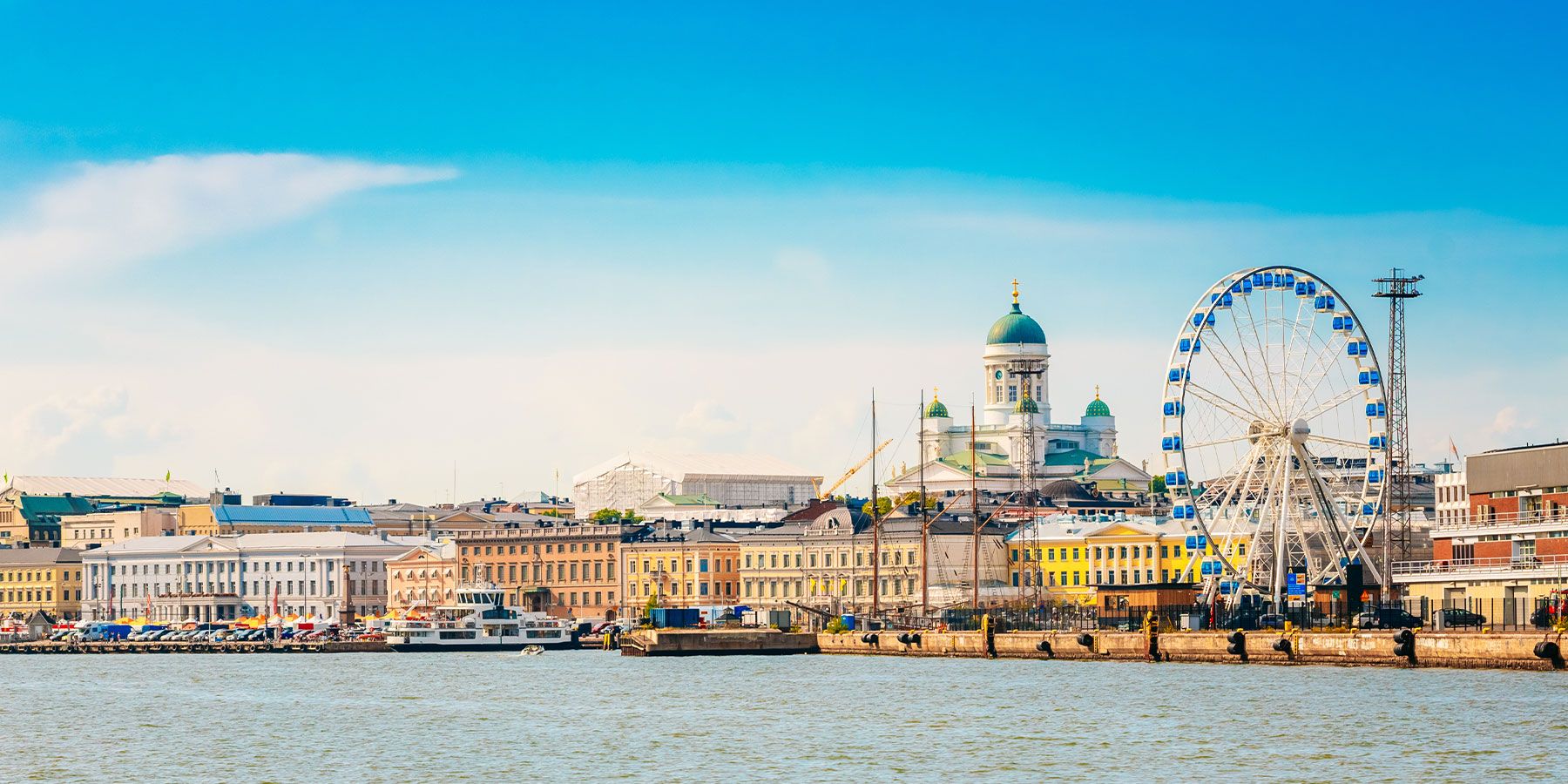
The historic center can be explored in one go. Senate Square forms the neoclassical heart of the city, dominated by the Helsinki Lutheran Cathedral, white with green domes, whose monumental staircase serves as much as a viewpoint as an improvised playground.
Ten minutes' walk away, the Helsinki Central Station, designed by Eliel Saarinen, impresses with its four giant statues holding illuminated globes. Right next to it, Lasipalatsinaukio square and its lively esplanade, above the Amos Rex museum and its climbable domes, offer a playful break.
Heading back down toward the harbor, the Esplanade Park unfolds its central lawn and its bandstand where the little ones run freely while you enjoy a café terrace. At the end, the market square lines up berries, grilled herring and crafts: a chance to taste lingonberries or smoked salmon on the go.
Close by, the National Archives of Finland and the House of the Estates lend themselves to an observation game: look for the smallest statue in the city, discreet and easy to miss. The Helsinki City Museum, free of charge, completes the visit with interactive spaces, models and a childhood room from bygone days.
Temppeliaukio and Sibelius Park, the Architectural Curiosities
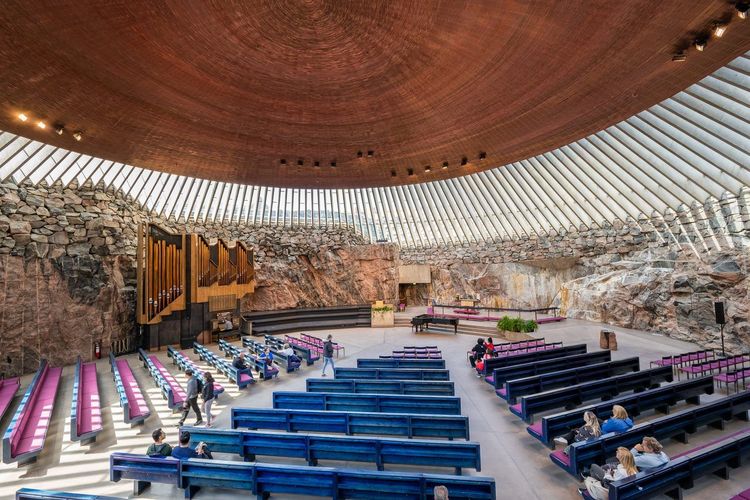
A quarter of an hour's walk from the center, the Temppeliaukio Church surprises with its construction: carved into a rock outcrop in the late 1960s, it is topped by a copper dome that lets daylight filter through. Let the little ones touch the raw rock of the walls, a texture found in no other church.
A little further on, Sibelius Park (Mechelininkatu 42, 00250 Helsinki, rated 4.4/5 on Google from 6,255 reviews) is home to Eila Hiltunen's monument (1967), more than 600 steel tubes evoking a giant organ, in the middle of a sloping lawn ideal for a picnic or a run after the visits.
The Ryo Scandinavian getaway audio-guided sub-tour has you walk from Senate Square to the Suomenlinna landing stage while telling the story of each stop in your ear, leaving your hands free to hold those of the youngest.
The Best Fun Activities for Kids in Helsinki
Beyond heritage, four outings easily fill half a day: an amusement park paired with an aquarium, a zoo on its own island, a science center where everything can be handled and a floating pool in the middle of the harbor. Most operate year-round.
Linnanmäki and SEA LIFE, Thrills and Sea Creatures
Linnanmäki, the city's historic amusement park, opened in 1950 and belongs to a foundation that donates its profits to child welfare. Entry is free: you pay for rides individually or via a day wristband, which lets you adjust spending according to everyone's age and daring.
The wooden roller coaster from 1951 remains a cult favorite, but the park also has many gentle rides and clearly displays the minimum height at the entrance of each attraction, handy for avoiding disappointment. Right next door, SEA LIFE Helsinki and its underwater tunnel offer a good fallback in case of rain.
Allow half a day for both, a quarter of an hour by tram from the center. Note that Linnanmäki only runs in full swing between late April and September, with a few winter evenings.
Korkeasaari, the Zoo on Its Island
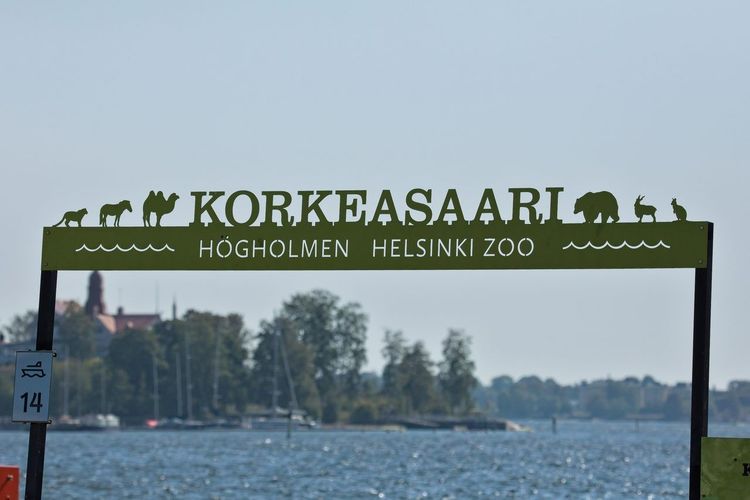
Korkeasaari, the largest zoo in Finland, occupies an island reached by ferry in summer from the market square, or year-round by bus to Mustikkamaa and then over a bridge. The hilly, wooded route gives the visit an expedition feel, with Amur tigers, brown bears, lynx and reindeer.
The ferry, more low-key than the one to Suomenlinna, reveals another view of the bay; combined transport-plus-entry tickets often cost less. Bring closed shoes: the paths climb in places.
Heureka, Science as a Playground

Heureka, the Finnish science center, is located in Vantaa, a quarter of an hour by commuter train from the central station (Tikkurila stop, included in the HSL ABC zone ticket). Here, every exhibit can be touched, tested or triggered, from giant optical illusions to electricity experiments.
A planetarium and a café complete the visit, ideal in rainy weather. Allow at least half a day: your budding scientists will want to try everything.
Allas Sea Pool, Nordic Wellness in the Middle of the Harbor
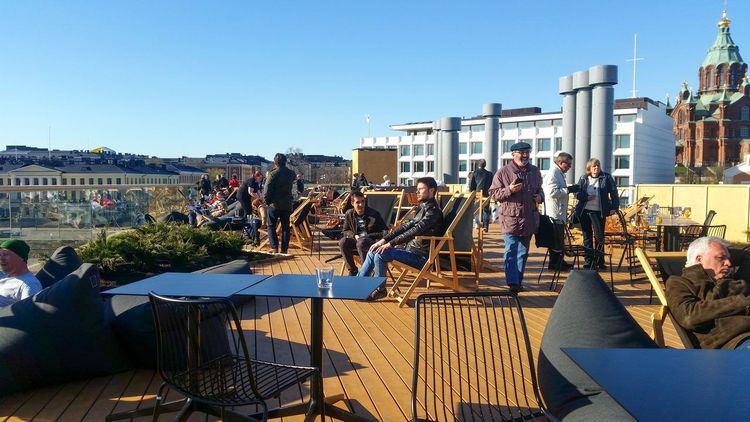
Allas Sea Pool (Katajanokanlaituri 2, 00160 Helsinki, rated 4.2/5 on Google from 3,967 reviews) has three floating pools a stone's throw from the market square: an unheated seawater pool, a heated pool and a small pool for the youngest. The complex is open year-round, and in winter, alternating between hot water and an icy plunge attracts locals and curious visitors alike.
Towels and swimsuits can be rented on site, and saunas complete the offer for adults. A good way to end a day of sightseeing on a calm note, facing the ferries.
Between two attractions, keep the Ryo audio guide in your pocket: tram rides become a chance to listen to an anecdote about the neighborhood you're crossing rather than hearing "are we there yet?"
Our Itinerary Ideas for Visiting Helsinki with Family
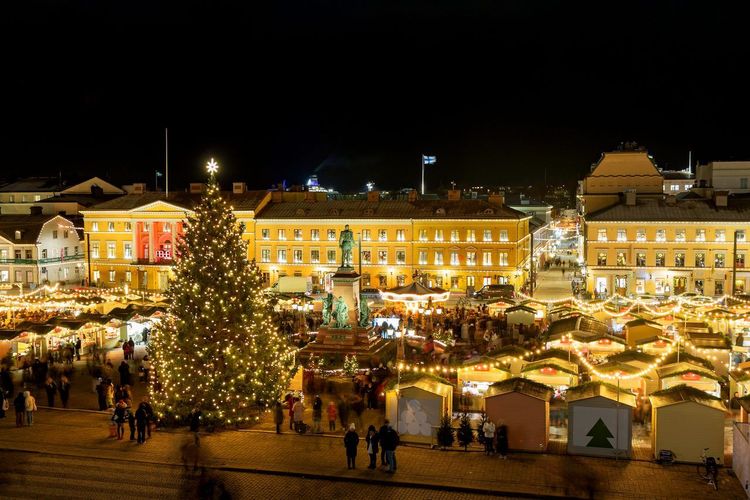
Prefer a ready-to-follow plan? Here is a three-day proposal that alternates heritage, nature and fun activities without exhausting anyone.
Day 1: Historic Center and Esplanade
Devote the morning to the historic center: Senate Square, the cathedral and the central station follow one another on foot in about two hours, with a pause on the cathedral steps to watch the bustle of the square. Then head to Esplanade Park for lunch on the grass or on a terrace, and on to the market square to taste lingonberries and smoked salmon.
In the afternoon, the city museum offers a calm, free activity to digest. Finish at Temppeliaukio and Sibelius Park, a quarter of an hour's walk or a few tram stops away, in the soft light of late day. The day totals 5 to 6 kilometers of walking, reasonable from age 6; with a stroller on the cobblestones, add a break midway.
Day 2: Suomenlinna and a Sea Outing
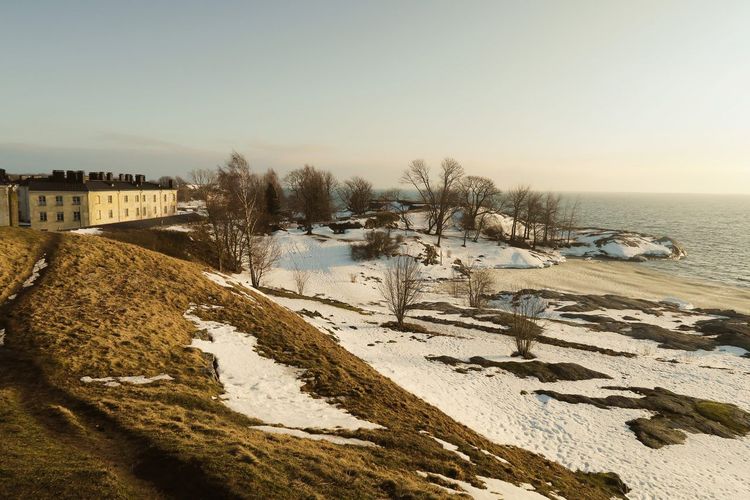
Take one of the first ferries to Suomenlinna and enjoy the island before the groups arrive in late morning. Allow three to four hours among ramparts, tunnels and the Vesikko submarine, with a picnic between the cannons.
On the way back, enjoy a light end to the day: an ice cream at the market or an hour at Allas Sea Pool. If there is energy left, the Katajanokka district, just behind, is perfect for a stroll among Art Nouveau buildings and small cafés. This deliberately gentler day lets everyone breathe before day three.
Day 3: Seurasaari and Fun Activities
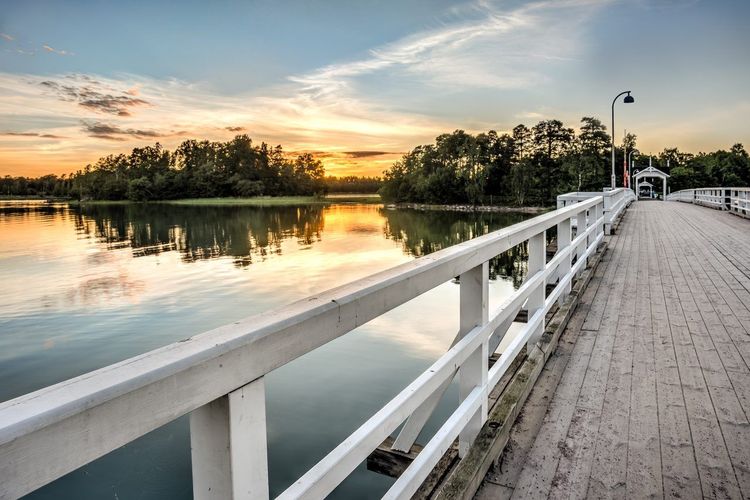
In the morning, take bus 24 to Seurasaari and its traditional houses, among tame squirrels and, in summer, guides in costume. Two hours on site is enough.
In the afternoon, two options depending on mood: Linnanmäki and SEA LIFE for thrills, or Korkeasaari for a nature approach. Both can be reached by tram or ferry in under twenty minutes from the center. This last day deserves a flexible pace: plan a coffee break or a nap on the tram if fatigue sets in.
To link these stops without thinking about the order of visits, the short version of the Ryo Scandinavian getaway audio-guided tour breaks the city into commented stops that match this itinerary, a good way to hold the attention of little walkers between sites.
Excursions and Getaways from Helsinki

If you stay four days or more, three types of excursions extend the trip: a nature outing less than an hour away, an extension to Lapland, and organized tours for those who prefer not to plan anything.
Nuuksio and the Haltia Nature Centre, the Forest Within Reach of a Bus
Nuuksio is a national park of boreal forest, lakes and rocks, less than an hour from the center: train to Espoo then bus 245. The marked trails, short and not very technical, suit children from age 5-6, with red squirrels along the way and, for the luckiest at dusk, a flying squirrel, the park's emblem.
At the park entrance, the Haltia nature centre presents Finnish fauna and flora in interactive exhibitions, useful to prepare for the walk or warm up afterwards. Its restaurant serves simple local cuisine before you catch the bus back.
Rovaniemi and Lapland, Santa Claus Village
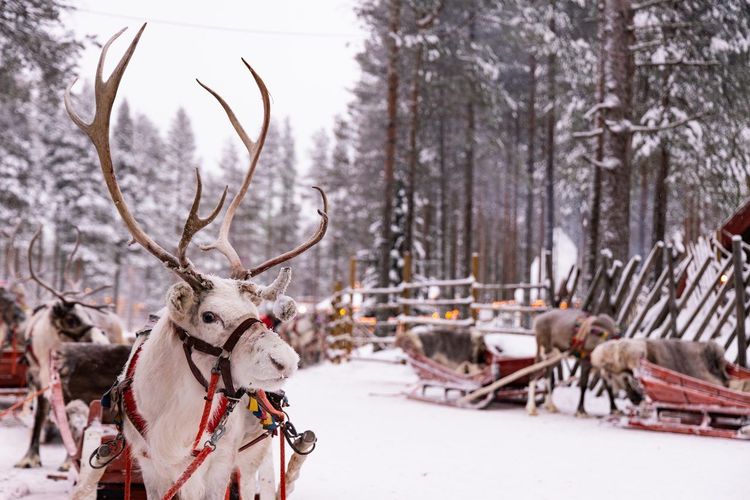
Rovaniemi, in Finnish Lapland, is reachable in about 1h20 by plane or a dozen hours by night train, an appreciated option as the little ones sleep during the trip. The town is home to Santa Claus Village (Tähtikuja 1, 96930 Rovaniemi, rated 4.2/5 on Google from 34,106 reviews), with its post office, meeting Santa Claus year-round and the symbolic crossing of the Arctic Circle.
In winter, activities multiply: dog or reindeer sledding, snowmobiling, a night in a glass igloo under the northern lights. How much does a trip to Lapland cost? For the holidays, plan a budget well above a city trip: domestic flight, high-season accommodation and guided activities charged per person, often over 100 euros for a sleigh ride.
Summer changes the atmosphere radically: midnight sun, gentle hikes and mosquitoes to anticipate. A less sought-after and more affordable season, for those who prefer nature to Christmas folklore.
Organized Excursions and Road Trips from Helsinki
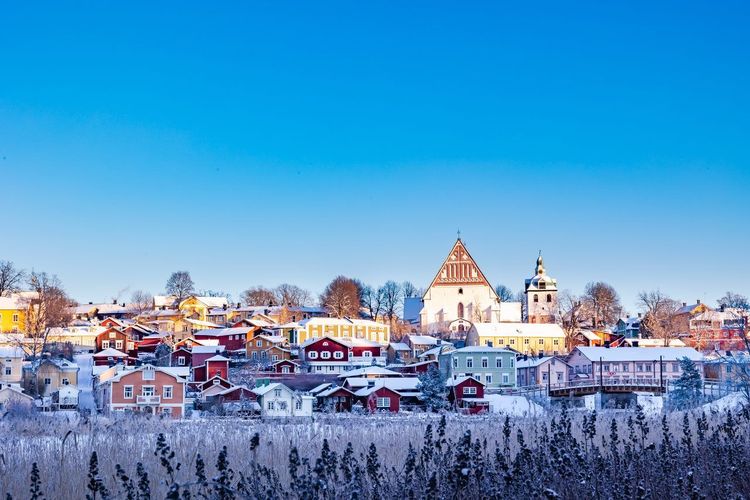
If you prefer to delegate logistics, day excursions leave from Helsinki to the neighboring national parks, to Porvoo and its colorful wooden houses (under an hour away), or to Tallinn on a day cruise. Transport and guide are generally included, a reassuring format for a first trip to Finland.
For a longer stay, a rental car lets you combine Helsinki and the Lakeland region. In winter, a road trip to the north requires studded tires and short stages, as night falls early. In summer, the east of the country (Kuusamo, Kuhmo) offers brown bear watching hides in the wild, between April and September, a more low-key experience than Lapland. Book car seats at the same time as the vehicle, as they are often unavailable at the last minute.
Where to Stay in Helsinki with Family?
The neighborhood matters as much as the hotel: aim for a central area, well served by tram, close to the station and the landing stage for Suomenlinna.
Which Neighborhood to Stay in with Children
The center, around the station and the Esplanade, is the most convenient: all the heritage is on foot and trams serve the rest. Katajanokka, just behind the market, offers a residential and calm atmosphere in the evening, ten minutes from the center.
For more space and gentler prices, Kallio, a little off-center but well connected by tram and metro, offers larger apartments and real neighborhood life. There is no need, however, to stay near the airport for a late flight: the train to the center takes only half an hour, and the airport surroundings offer nothing to fill the evening.
Suitable Hotels and Aparthotels
Scandinavian chains often offer rooms with bunk beds or sofa beds, cheaper than two separate rooms. Aparthotels in the center frequently include a kitchenette, handy for breakfast or a simple dinner when restaurant prices climb.
Check the baby cot and breakfast policy before booking: some establishments charge for them separately, which adds up over several nights. High-end hostels, very developed in Helsinki, also rent private quadruple rooms at lower rates than classic hotels.
Where to Eat in Helsinki with Children?
Finnish cuisine is affordable at the good addresses and expensive at the bad ones: here is where to eat without blowing the budget.
Local Spots and Practical Food Courts
The Old Market Hall (Vanha Kauppahalli), on the waterfront, gathers fishmongers, delis and pastry shops where you can put together an à la carte meal for even the fussiest palates. Shopping mall food courts follow the same logic: Asian stalls, pizzas, salads and burgers, practical when nobody agrees.
Supermarkets, well stocked and open late, remain an underrated option for a picnic on the Esplanade or at Suomenlinna, for a fraction of the price of a restaurant. Good to know: many restaurants serve a lunch buffet (lounas) between 11 a.m. and 2 p.m., the most economical way to have a hot meal.
Typical Restaurants and Cozy Cafés
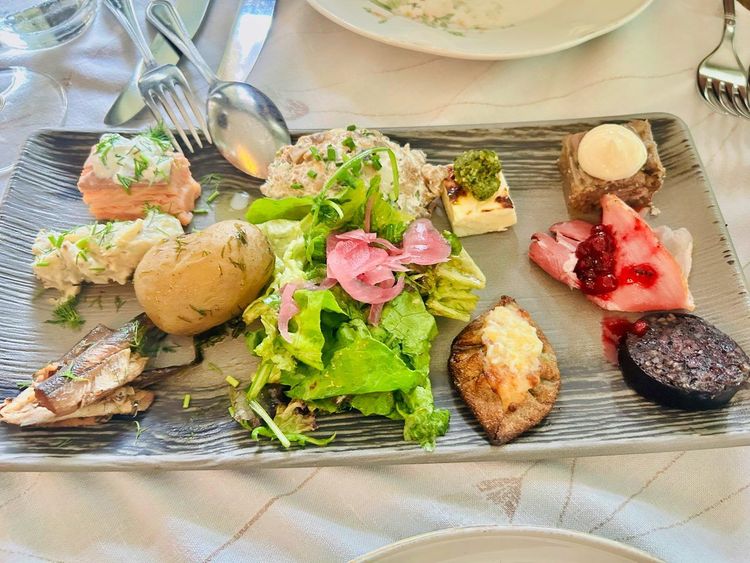
To taste local cuisine, restaurants serving salmon, fish soup or meatballs with mashed potatoes and lingonberries offer generous portions and gladly accept adapted requests. A junior menu is common there, and many places provide high chairs and a play corner.
Cafés bank on korvapuusti, cinnamon buns, and generous hot chocolates, perfect for a break between two visits in winter. Do book the renowned tables in high season, though: waiting with hungry stomachs quickly spoils the evening.
Practical Information: Season, Budget and Shopping
Before packing the bags, a few pointers on the best season, the budget and the souvenirs worth a place in your suitcase.
When to Go, Summer or Winter
Summer (June to August) offers endless days, with a sun that barely sets in late June. Parks, islands and terraces run at full capacity, the temperature stays mild, and all attractions are open: it is the simplest season for a first stay with toddlers.
Winter (December to February) changes everything: snow, days of barely six hours in December, and a city that lives to the rhythm of the sauna and indoor activities. It is the season to combine Helsinki and Lapland, skate on the giant rink by the station or admire the Christmas lights of Aleksanterinkatu street. The most cold-sensitive will suffer from the cold and early nightfall, so plan good gear.
Spring and autumn, less crowded, lower accommodation prices, at the cost of uncertain weather and reduced hours at some sites.
Budget, Bank Cards, Gear and Souvenirs
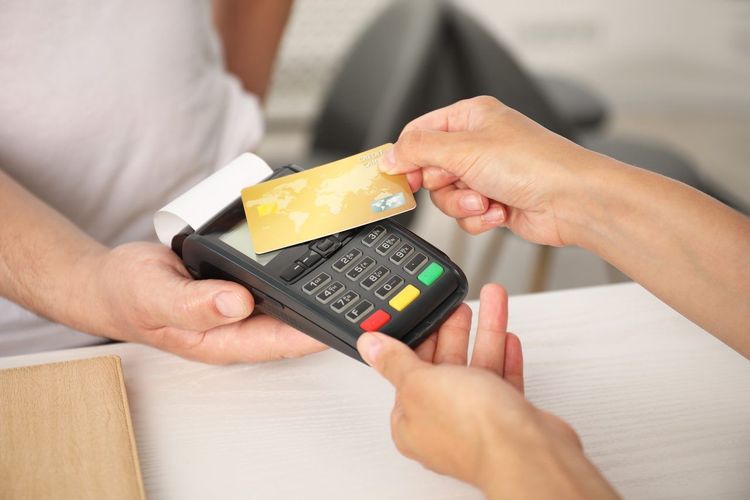
Finland uses the euro, and bank cards are accepted everywhere, even for a few euros at the market. To avoid foreign bank fees, choose a card with no exchange fees rather than withdrawing cash, which is rarely useful on site.
As for gear, summer only requires comfortable shoes and a light sweater for the evening. Winter demands the three-layer technique: thermal underwear, fleece, waterproof overalls or parka, insulated boots and mittens rather than gloves.
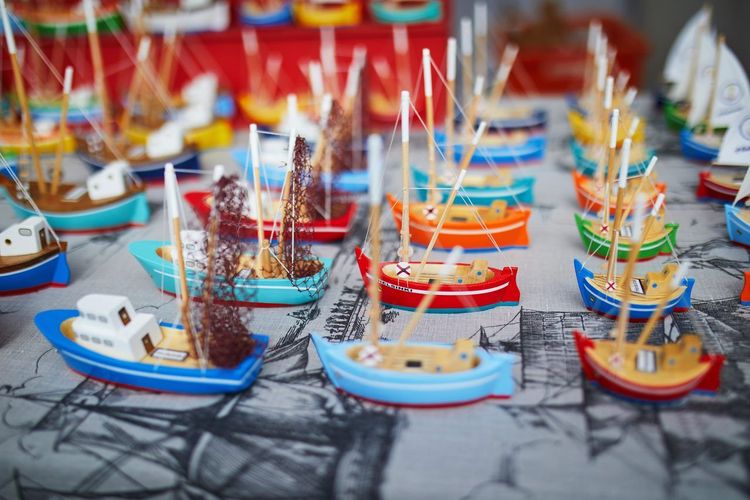
For shopping, Finnish design comes in Iittala and Arabia tableware, Marimekko textiles and wooden toys, in the shops of the center and the Design District. The most popular souvenirs remain lingonberry and blueberry jams, salty licorice for the boldest and Moomin figurines, created by Finnish author Tove Jansson. Expect a daily budget of about 150 to 200 euros for four people, meals and small activities included, excluding accommodation and flights, a level close to other Scandinavian capitals.
FAQ
How many days should you plan to visit Helsinki with family?
Two to three days cover the historic center, Suomenlinna and a fun activity like Linnanmäki or Korkeasaari. Add a day to enjoy Seurasaari without rushing, and two to three more days for an extension to Lapland.
How do you get to Helsinki with children: by plane, train or ferry?
Flying is the simplest option, with a direct flight of about 3 hours from Paris. The ferry from Tallinn (2 hours) or Stockholm (overnight in a cabin) works well if you combine several capitals in one trip.
Which neighborhood should you stay in in Helsinki?
The center, around the train station and the Esplanade, is the most convenient: everything is reachable on foot or by tram. Katajanokka, just behind the market, offers a quieter alternative without straying far from the historic heart.
Can you get to Santa Claus Village in Lapland from Helsinki?
Yes, Rovaniemi is reachable in about 1h20 by plane or overnight by sleeper train. It is a popular extension for trips of four days or more, especially around Christmas, with a significantly higher budget.
When should you go to Helsinki, in summer or winter?
Summer (June to August) offers very long days, mild weather and all attractions open. Winter is better if you want to combine the city with Lapland and snow activities.
How much does a family trip to Finland cost?
Expect about 150 to 200 euros per day for four people, meals and small activities included, excluding flights and accommodation. A winter extension to Lapland adds a significantly higher budget, between the domestic flight and guided activities.
Over the days, Helsinki reveals itself as a human-scale capital, where heritage can be discovered without too much walking and where nature takes over just a few tram stops away. Between the ramparts of Suomenlinna, the squirrels of Seurasaari and the rides of Linnanmäki, each day finds its own rhythm, without the urgency of denser capitals.
To keep this pace without juggling a map, the Ryo audio-guided tour of Helsinki accompanies you from one neighborhood to the next, with no imposed schedule. Logistics become a detail, and all that remains is what matters: the time spent together.
À lire également