
Créé par Romane, le 17 nov. 2026
Votre guide Ryo
Agen, France
City of Prunes and Heritage
Parcours audioguidé pour visiter Agen en 1 jour
This visit invites you to an immersion into the heart of a warm city, where pink bricks and golden stones unite under the midday sun. Let yourself be charmed by the elegance of a city that has successfully married its rich medieval heritage with the majesty of river vistas, offering an incomparable "douceur de vivre." Between the poetry of the bridges spanning the river and the charm of shaded squares, the city reveals a proud, friendly character, deeply rooted in its local soil. An exploration on foot, balancing riverside gardens and narrow streets steeped in history, to capture the full soul of a stopover where time flows with the serenity of the great river.
Quand partir à Agen ?
Jan.
9°
10
Feb.
11°
8
March
16°
9
April
18°
10
May
22°
10
June
26°
8
July
28°
6
Aug.
29°
6
Sept.
25°
7
Oct.
19°
9
Nov.
13°
10
Dec.
10°
10
Agen enjoys an Aquitaine oceanic climate, with hot, sunny summers nearing 28°C and mild winters fluctuating between 2°C and 10°C. The ideal period runs from May to September to enjoy the banks of the Garonne and the famous canal bridge (pont-canal). The month of September is particularly festive with the Fêtes d'Agen (Pruneau Show), while spring is perfect for exploring the historic center and tasting local specialties before the summer heat peaks.
Départ conseillé
No need to worry about where to begin! Our tours are designed as a loop, so you can jump in wherever you are. The navigation system and audio-guide will automatically adjust to your location. However, if you happen to be nearby, we do have a preferred starting point: Place Maréchal Foch, in front of Saint-Caprais cathedral.
Parking à proximité
Parking Indigo Agen Gare : Rue Brondeau de Senelles.
The train station parking lot is a good option for parking in Agen, but if you prefer, you can try the free Gravier parking, which offers more than 200 spaces just a stone’s throw from the city center. In addition, there are several multi-storey car parks around town, sometimes with one free hour offered by partner shops. Finally, street parking is free for the first half hour each day, as well as between 12 pm and 2 pm, from 7 pm to 9 am, and on Sundays and public holidays.
Découvrez 20 lieux d'intérêt pour visiter Agen








What to see in Agen on your 1h15 tour?
This 3.1 km loop takes about 1 hour 15 minutes and links 19 sights. It starts at Saint-Caprais Cathedral, crosses the historic centre between Rue des Cornières and the Fine Arts Museum, then drops down to the Garonne via the Gravier esplanade and the canal bridge. It climbs back up past the medieval remains of Saint-Hilaire and the Sénéchal house, before ending near the station. With the Ryo app in your ears, every stone tells of prunes and the wars of religion.
Information checked in November 2026 and subject to change.
1 - Saint-Caprais Cathedral
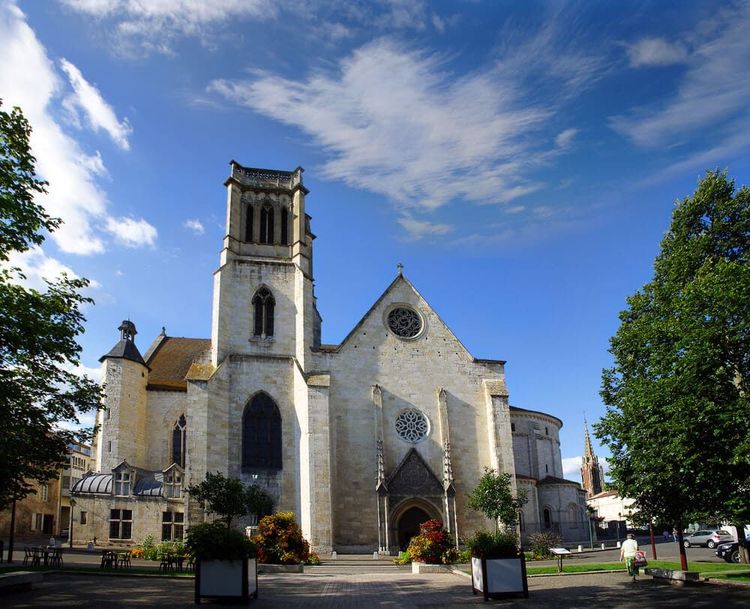
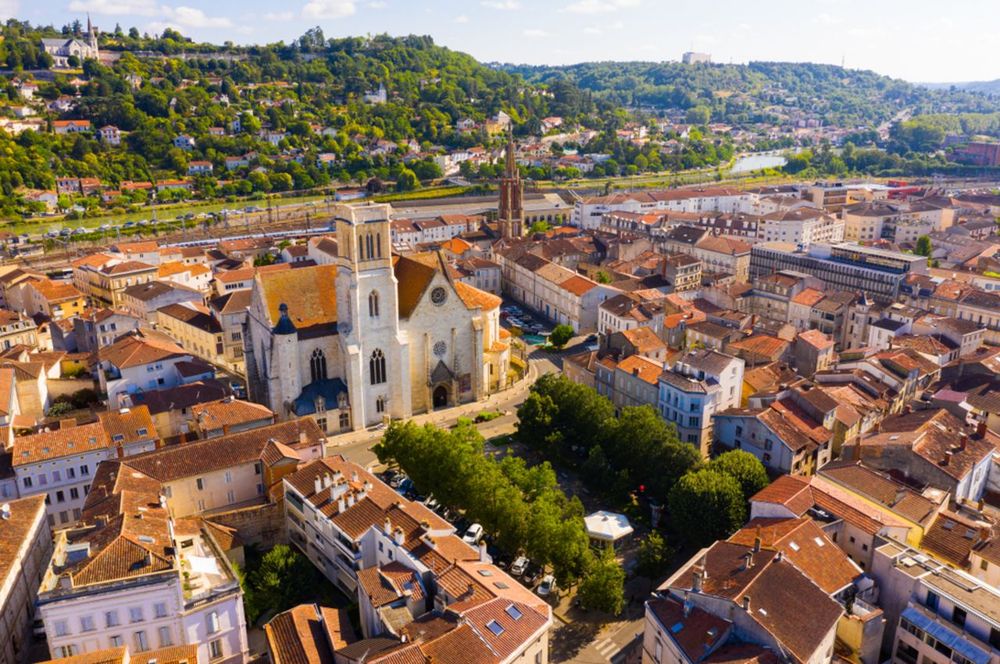
On this square, no need for sheer size to catch the eye: it is the mix of styles that stands out, from the solid Romanesque apse to the soaring Gothic nave and bell tower. Two older sanctuaries once stood here before it, one razed by Norman raiders, the other during religious unrest. The present building only truly dates from the early 19th century, but its painted interior, finished decades later by a pupil of Ingres, is reason enough to step inside.
Free entry
2 - Rue des Cornières
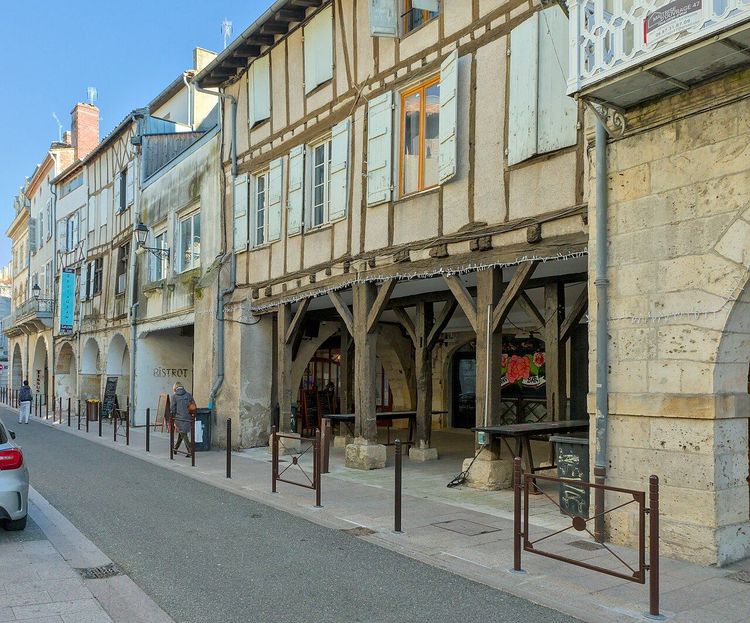
Picking a favourite street in Agen is hard, but this one has its fans: for nearly six centuries it was the trading heart of the city. Try dating the buildings that line it: some arcades rest on plain wooden posts, others on stone galleries shaped like pointed arches, proof of building work carried out generations apart. Today its shaded terraces make it a favourite lunchtime spot.
Free entry
3 - Place des Laitiers
Hard to picture, on this lively little square, that it was once the ancient centre of the Roman settlement, then the forecourt of a first cathedral long since gone. It even nearly vanished itself, swallowed by the huge works for a boulevard cut through the city last century, before being spared at the last moment. Its name recalls the women who once sold fresh milk here each morning. These days, people mostly come for a coffee on a terrace.
Free entry
4 - Covered Market
Locals have shopped on this square for centuries, first in the open air, then under a first wooden hall put up in the 19th century, later replaced by a striking metal structure inspired by Parisian market halls. Torn down to make way for a car park, this lost gem was missed for decades until a recent renovation gave the place back its soul, metal facade included. About twenty traders now sell the best of the local produce here.
Free entry · Best in the morning
5 - Notre-Dame du Bourg Chapel
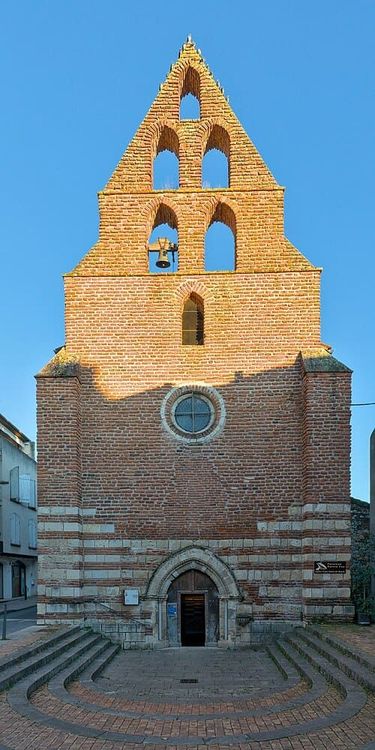
This small red-brick chapel once stood in open countryside, surrounded by a graveyard, long before the town grew to enclose it. Its architecture changed more than once over the centuries, and it was even burned down during religious unrest before being rebuilt. One curious detail gives away its age: several steps lead down to enter it, proof that the streets around have slowly risen while the chapel itself stayed at its original level.
Free entry
6 - Museum of Fine Arts
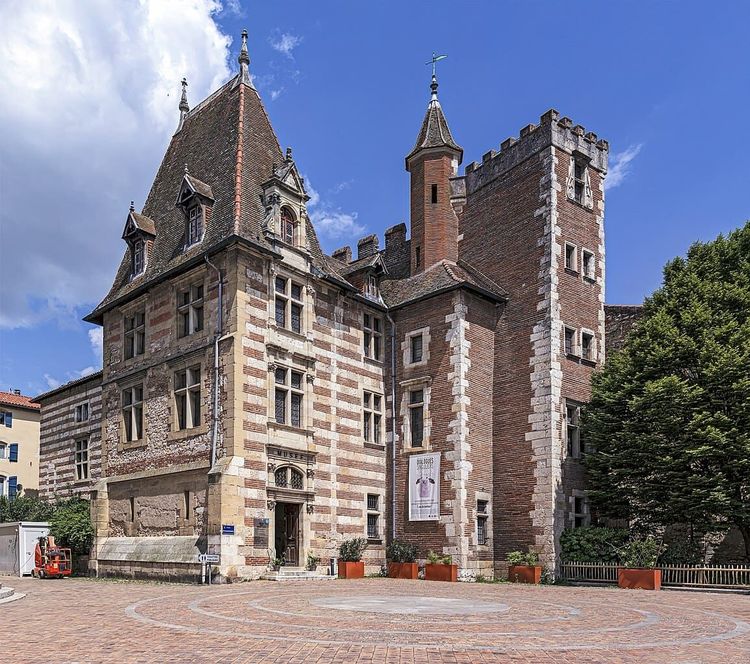
This museum, among the richest in the south-west, occupies a jumble of old mansions joined together over time, which explains its mismatched look. One belonged to a tutor of royal children, another to a local doctor, a third was given by a king to his mistress before passing to an exiled queen of Scots. Across five floors, the collections mix antiquities, prehistoric finds and famous names in painting.
Free to see from outside
7 - Ducourneau Theatre
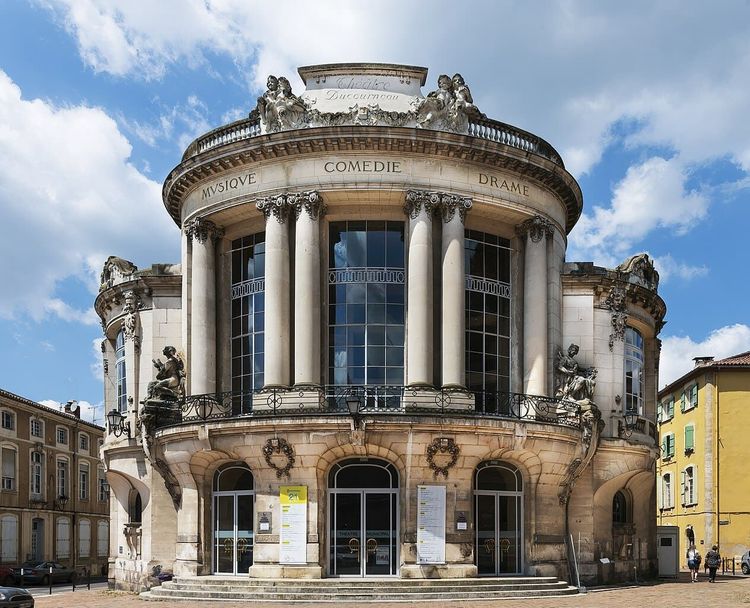
Easy to spot by its rounded facade, this theatre owes its existence to the generosity of a local boy who made his fortune elsewhere and wanted to give something back to his hometown. Its foundation stone was laid by a sitting president of the Republic, and its interior decoration entrusted to one of the fashionable artists of the day. Built in a material still fairly unusual for this kind of building, it still hosts contemporary performances.
8 - Rue Beauville
In just a few steps, this narrow lane carries the visitor back several centuries, to a time when the city was rebuilding after a very long conflict with England. Its timber-framed houses, slightly overhanging from one floor to the next, answered very practical needs: letting carts pass below while keeping taxes lower, since these were calculated on ground-floor space. Saved from demolition a few decades ago, it remains one of the most photographed streets in town.
Free entry
9 - Church of Notre-Dame des Jacobins
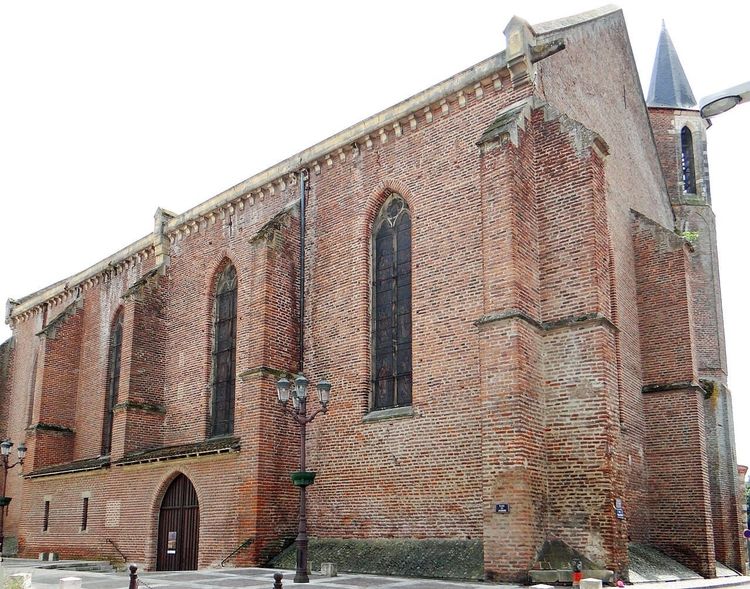
Of the huge convent founded here by an inquisitor in the Middle Ages, almost nothing survives but this church, oddly built as a plain rectangular hall rather than in the shape of a cross, a rare departure from the order's usual rules. Inside, fine old murals survive, rediscovered during a restoration and already admired by a famous 19th-century restoration architect. After serving as a stable and then a prison, the building now hosts exhibitions.
Paid entry (about €6)
10 - Esplanade du Gravier
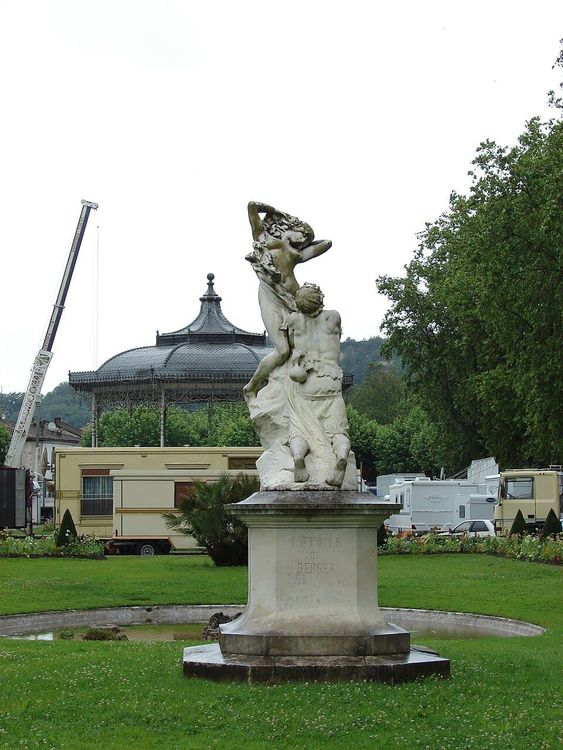
Hard to believe, looking at this pleasant tree-lined promenade by the river, that it was long just a marshy field prone to flooding. Turned into a military training ground during the Renaissance, it later became a place to relax, planted with trees and fitted with a bandstand bearing the names of great composers, alongside romantic statues. Three presidents of the Republic, and even an emperor, walked here before you.
Free entry
11 - Agen Suspension Footbridge
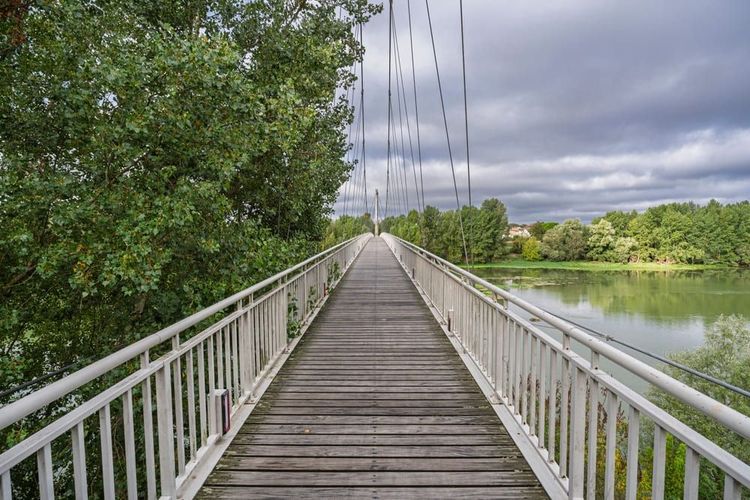
Less photogenic than its famous neighbour, this footbridge is still a pleasant way to cross the river on foot. Opened in the mid-19th century and later fully renovated, it stretches over two hundred metres above waters that long carried goods between the Mediterranean and the Atlantic. Repeated flooding forced the town to protect itself with embankments, before a real effort began to make peace with its river.
Free entry
12 - Statue of Jasmin
Hand resting on his chest, this bronze figure looks caught mid speech. Son of a tailor, he grew up poor, trained as a hairdresser, then discovered a passion for the stories he told his customers. Rather than write in French, he chose his native tongue, a choice that carried him to unexpected national fame. After thousands of public readings, part of his earnings even helped fund charitable works far beyond Agen.
Free entry
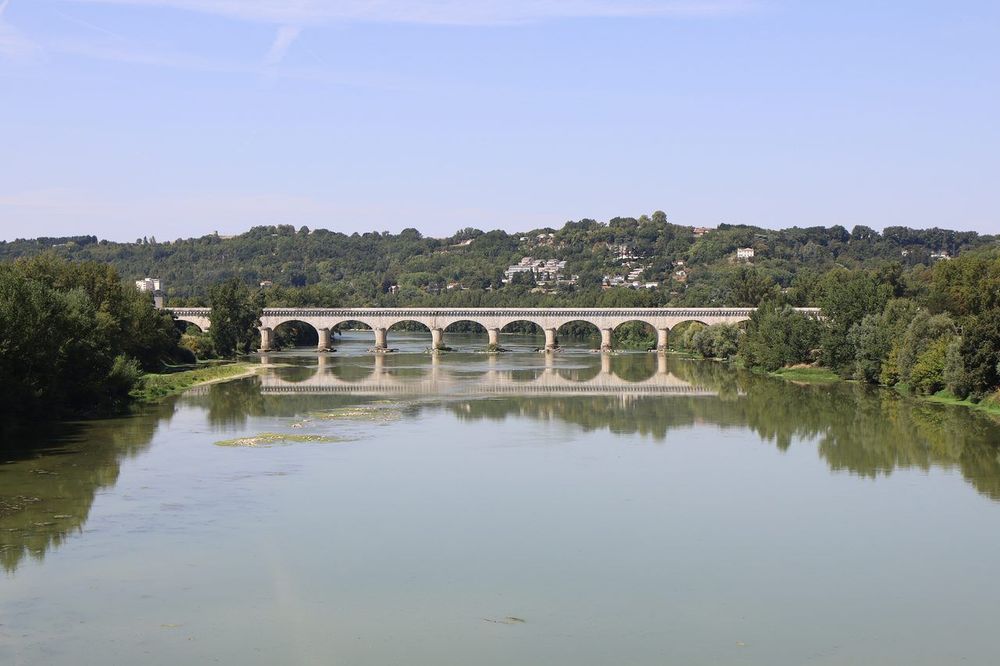
13 - Canal Bridge
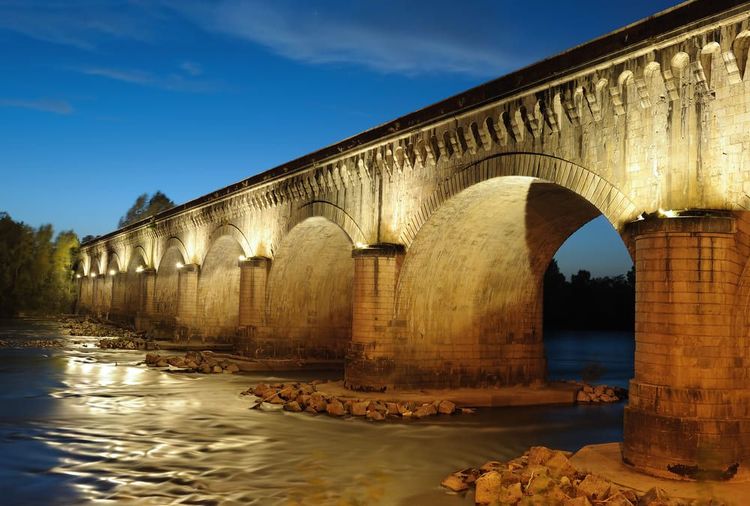
No visit to Agen is complete without seeing this extraordinary structure, which does more than link one bank to the other: it actually carries a canal clean over the river. The project dates back to the 1830s, meant to extend navigation towards Bordeaux, and was unexpectedly interrupted when the building of a railway line got in the way. Finished some years later, it remains the second-longest of its kind in France.
Free entry
14 - Church of Saint-Hilaire
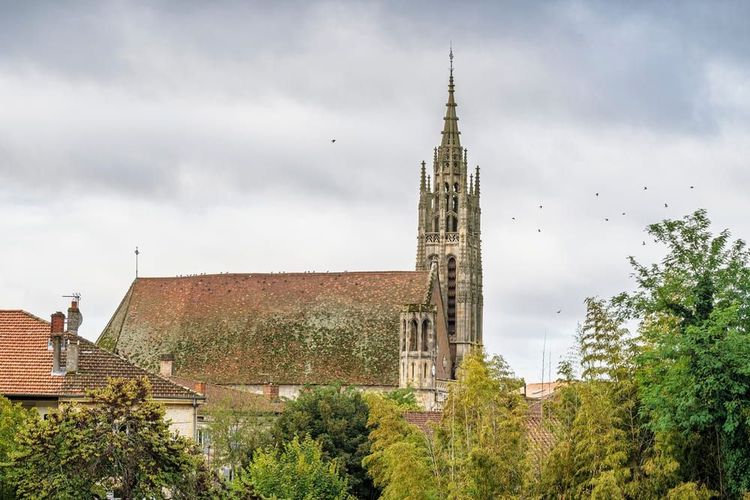
It is not the only church in the centre, but it is worth the detour: built on the site of a convent founded by followers of Saint Francis of Assisi, it shows the Gothic style typical of Languedoc. Its facade and bell tower were reworked later, and its bells have surprisingly far-flung origins, one of them having crossed the Mediterranean from Algeria. Inside, an upturned-hull roof frame and fine stained glass reward the visit.
Free entry
15 - Former Church of Saint-Hilaire
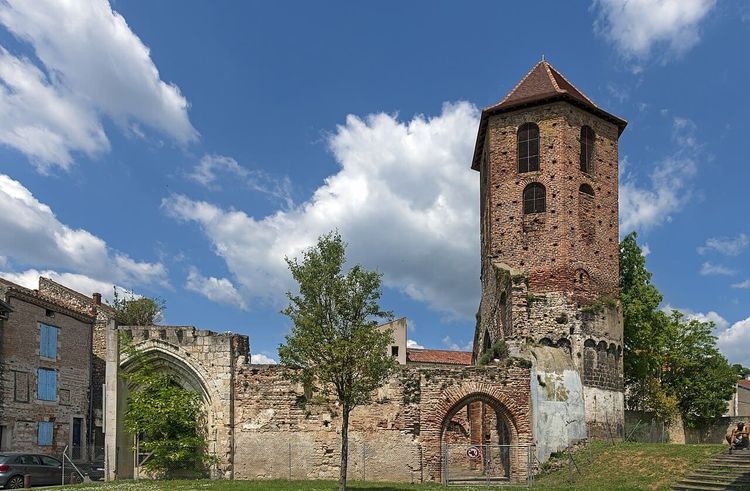
What remains of this sanctuary, founded well before the year one thousand, now amounts to little more than a few stretches of wall dominated by a sturdy tower that gave it a nickname better known than its real name. A brotherhood of lay worshippers once met here to pray, before the Revolution turned it into a plain store for cavalry fodder. A new street, then a fire, finished reducing it to the ruin seen today.
Free entry
16 - Agen Prunes
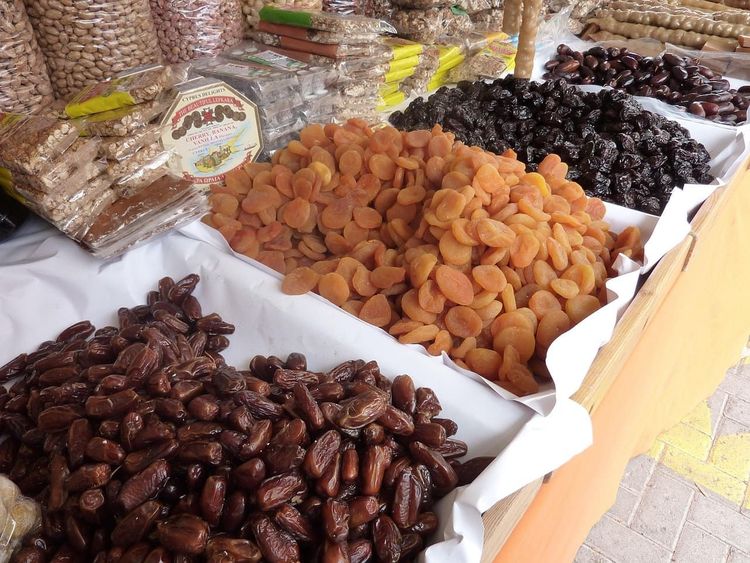
No visit to Agen is complete without meeting its most famous fruit, which travelled a long way to get here: carried from the Far East along ancient trade routes, it first flourished on Mediterranean shores before finding an ideal home in this region. Legend credits monks with grafting local varieties onto others brought from the East in the Middle Ages, giving rise to the plump, fragrant fruit that now bears the town's name. Every summer, a big festival celebrates it.
Free entry
17 - House of the Seneschal
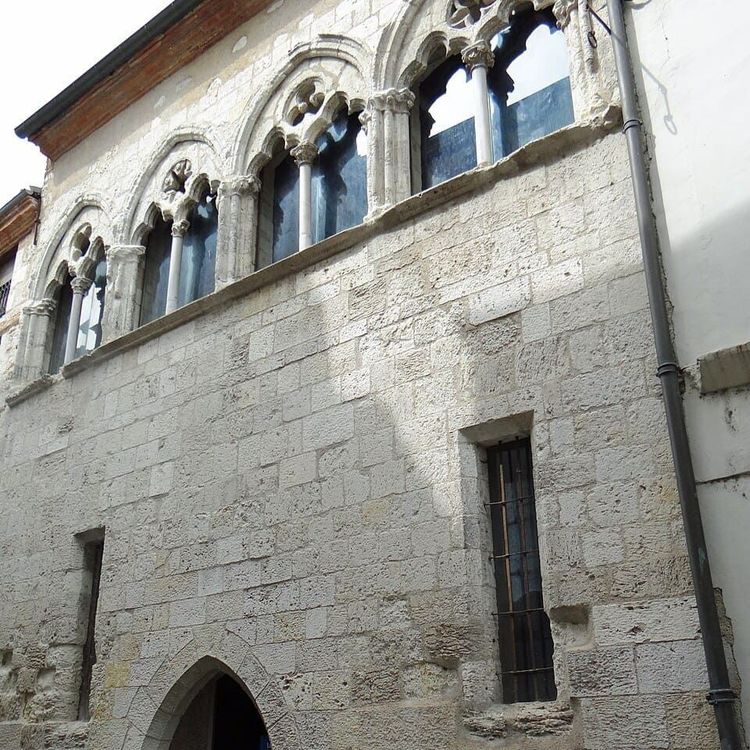
Tucked behind a facade decorated with flamboyant arches, this house might pass unnoticed were it not reputed to be the oldest civil dwelling in town. Its name has puzzled historians for a long time: nothing proves that any royal official ever lived there, and other theories suggest an old synagogue or a trading house, given its closeness to the medieval Jewish quarter. It now belongs to the town and extends the collections of the nearby museum.
Free to see from outside
18 - Chapelet Tower
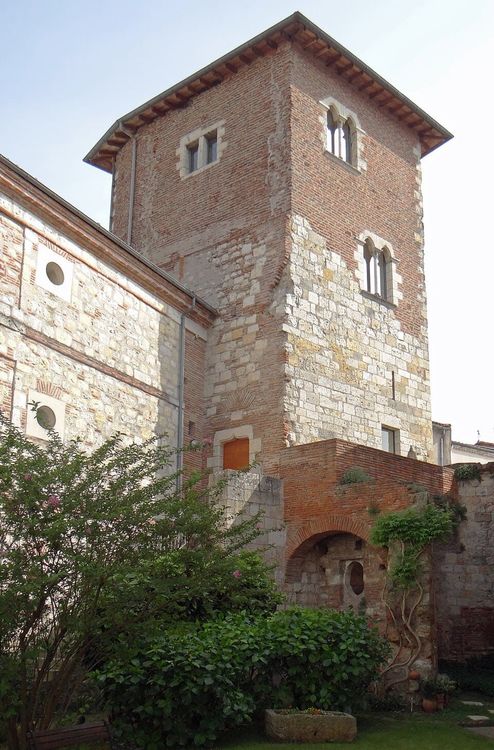
A bell tower is not the only way to mark a town's skyline: this sturdy tower, attached to a fragment of old wall, is enough on its own to recall that Agen was once entirely fortified. It survived thanks to the nearby convent it served as a bell tower, even though that convent itself vanished completely during the Revolution. Turned into a prison in the 19th century and then left derelict, it now houses, after restoration, the offices of an architecture firm.
Free to see from outside
19 - Church of Sainte-Foy
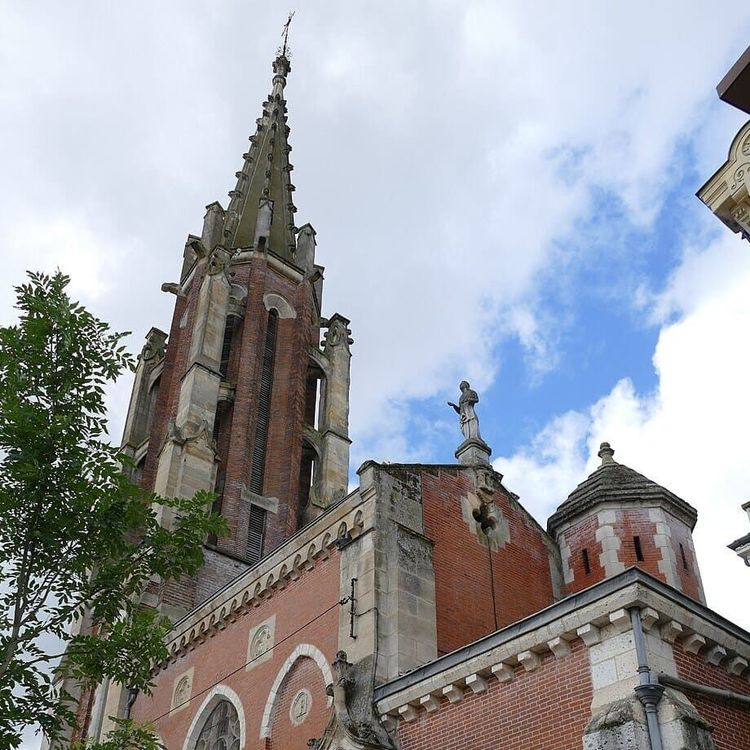
Near the station, this church sits so tightly wedged between streets that it almost seems to apologise for being there. It honours a young girl born in the city in Roman times, who chose martyrdom rather than deny her faith at just thirteen years old. Her relics, long fought over and moved from place to place, ended up far from here, but the memory they left behind still fills this sanctuary, reworked over the centuries.
Free entry
What to do in Agen in 2 or 3 days?
This 3.1 km route links 19 sights in about 1 hour 15 minutes, from Saint-Caprais Cathedral to the banks of the Garonne; that is enough to grasp the essentials of the old town. With 2 or 3 days, Agen is worth exploring more widely, between the hillside and the canal banks.
The next day, follow the towpath, which runs along the water without a single car in sight, as far as the Maison de Garonne, before climbing the Ermitage hillside, which overlooks the town, on one of its four loops. The whole route, on foot or by bike, is detailed in our walking guide to Agen.
On the third day, set off to discover two little-known gems also covered by that same guide: the Romanesque priory of Moirax and the medieval garden of Laplume.
Which neighbourhoods does the tour cross?
In a loop, the route crosses the districts that tell Agen's story, from the medieval town to the trading city turned toward its river.
It starts at Saint-Caprais Cathedral and its spiral bell tower, then works into the old town through Rue des Cornières and its covered galleries, Place des Laitiers and the covered market, as far as the Notre-Dame du Bourg chapel, the Ducourneau theatre, Rue Beauville, with its 15th-century timber-framed houses, and the Notre-Dame des Jacobins church (stops 1 to 9).
It then drops toward the Garonne by the Esplanade du Gravier and the suspension footbridge (stops 10 and 11), before climbing back past the statue of Jasmin toward Rue des Îles, from where the long row of arches of the canal bridge gradually comes into view (stops 12 and 13).
The last stretch heads back toward the centre past the church of Saint-Hilaire and the remains of the former church of the same name, the House of the Seneschal, close to Rue des Juifs, and the Chapelet tower, before reaching Sainte-Foy church, near the station (stops 14 to 19).
How much does it cost to visit Agen?
Of the 19 stops on the route, only one requires a ticket: the collections of the Museum of Fine Arts, currently closed for renovation, are temporarily on show at the Notre-Dame des Jacobins church, for €6 full price. Fourteen others are free to access, from Saint-Caprais Cathedral to Sainte-Foy church, and, among the rest, three are only seen from the street:
- the Museum of Fine Arts, closed for renovation and visible only from outside;
- the House of the Seneschal, its annex, closed for the same reason;
- the Chapelet tower, now an architecture firm, best admired from the street.
To fill a day without spending a cent, our list of free activities in Agen has more ideas, from the covered market to the banks of the Garonne.
Information checked in November 2026 and subject to change.
Where to stop for a bite along the tour?
The route stops right where lunch makes sense: under the arcades of Rue des Cornières (stop 2), lined with restaurants and tearooms that make the most of their shade at midday.
A little further on, the covered market (stop 4) brings together Agen prunes, foie gras from the nearby Périgord, duck confit and goat cheese among its stalls; closed on Mondays, it opens from 7 am to 1 pm and again in the afternoon, but the morning is the time to go for the bustle.
What to do in Agen with children?
The Esplanade du Gravier (stop 10) works well for a family outing, with its playgrounds, best enjoyed in summer in the late morning, before the heat. On Wednesday afternoons, local families like to gather there, a chance for younger children to join a game of football.
For a more active outing, head to Walygator, a theme park with 24 rides in Roquefort, about ten minutes from Agen; it features in our top 5 activities in Agen. Check its opening dates before you go.
What should you know before visiting Agen?
Building works currently affect some of the visits: the Museum of Fine Arts, in the heart of the old town, is closed for renovation.
Its facade (stop 6) is still visible, but the inside, like that of its annex the House of the Seneschal (stop 17), cannot be visited during the works; its collections have moved to the Notre-Dame des Jacobins church (stop 9), a little further along the route.
The Chapelet tower (stop 18), which houses an architecture firm, is also seen from the street. As for the covered market (stop 4), it is closed on Mondays: that day, the stop is limited to its facade.
What to see around Agen?
Several towns in the region, at the straight-line distances given below, also have their own audio-guided walking tour.
At 63 km, Montauban shows off its pink brick and arcaded squares, between bastide rigour and classical mansions. At 73 km, Bergerac stretches along the banks of the Dordogne, between pale stone and quays that once saw the gabarre barges glide past. A little further, at 90 km, the medieval centre of Sarlat-la-Canéda, in the Périgord Noir, has kept its cobbled lanes and gourmet specialities.
To the south-east, Toulouse, at 94 km, also wears brick along the Garonne, between Renaissance heritage and an Occitan way of life. At 96 km, Mont-de-Marsan grew up where the Douze and Midou rivers meet to form the Midouze, amid scented gardens and open-air sculptures. Lastly, at 118 km, the historic centre of Bordeaux lines up UNESCO-listed treasures, pale stone facades and lively quays on the Garonne.
Le plein d'inspirations
Explorez le monde en totale liberté, à pied au cœur des villes ou au fil des routes. Nos guides audios transforment chaque destination en une découverte culturelle immersive et unique.










FAQ for visiting Agen
When is the best time to visit Agen?
The ideal time to discover Agen runs from May to September, when the Aquitaine oceanic climate offers sunny, warm days, perfect for strolling along the Garonne. Summer temperatures pleasantly hover around 28°C, ideal for enjoying the terraces and riverside walks. September is particularly festive with the famous Fêtes d'Agen and the Pruneau Show, a unique chance to dive into the local atmosphere. Spring also remains very pleasant for exploring the historic centre without the sometimes intense heat of summer. Winters, mild with temperatures ranging between 2°C and 10°C, allow for a quieter visit of the monuments and museums.
How many days do you need to visit Agen?
Two days make an ideal length to fully appreciate the charms of Agen. This stopover lets you leisurely discover the historic centre with its medieval streets, stroll along the banks of the Garonne and admire the famous canal bridge. The first day can be devoted to exploring the heart of the city, its shady squares and its iconic monuments. The second day gives you time to deepen your discovery with a walk along the river, a visit to the local markets and a taste of the gastronomic specialities. If you have an extra day, you can explore the surroundings and the picturesque villages of the Lot-et-Garonne, which are also well worth the detour.
How do you get around Agen?
Agen is ideally explored on foot, its human scale making it easy to reach the main points of interest in the city centre. The pedestrian streets and the landscaped banks of the Garonne naturally invite you to wander. For longer distances or if you wish to explore the surroundings, the urban bus network efficiently serves the various districts and the outskirts. Bike-sharing is also available, perfect for following the canal or quickly reaching the canal bridge. If you arrive by car, several car parks in the city centre make it easy to park before starting your walking exploration. Taxis remain a practical option for reaching the station or the airport.
What are the absolute must-sees in Agen?
Agen's treasures deserve a methodical exploration so you don't miss any of them. The majestic canal bridge, a genuine architectural feat spanning the Garonne, is the city's flagship attraction. The historic centre will charm you with Saint-Caprais Cathedral, its medieval streets lined with half-timbered houses and the Place des Laitiers. The Fine Arts Museum, housed in elegant mansions, reveals remarkable collections. The banks of the Garonne offer soothing walks with splendid views of the bridges. The Ryo audioguide accompanies you on this discovery with a narrated tour that reveals the secrets and history of each monument, enriching your visit with fascinating details about Agen's heritage.
Where can you buy Agen prunes?
Agen prunes, the city's gourmet ambassadors, are easily found in many local shops. The specialist boutiques in the city centre offer the best selections, often accompanied by tastings and expert advice on the different varieties. The covered market and the open-air markets are excellent places to meet the local producers who sell their prunes directly, guaranteeing freshness and authenticity. Fine grocery shops also offer stuffed prunes, coated in chocolate or presented in pretty boxes, perfect for gifts. Don't hesitate to visit the farms in the surrounding area, which usually offer tours and direct sales, an enriching experience for understanding all the know-how behind this iconic fruit.
Is Agen a family-friendly destination?
Agen proves particularly welcoming for families with children. The landscaped banks of the Garonne offer vast, safe spaces for walks with a pushchair or by bike, with playgrounds spread out at regular intervals. The Parc du Gravier, a real green lung right in the centre, lets children burn off energy while enjoying suitable attractions. Cultural visits remain accessible to the youngest, particularly the canal bridge, which generally fascinates with its ingenuity. Many restaurants offer children's menus showcasing local products in suitable portions. The short distances between the sites of interest spare little legs from tiredness, and the relaxed atmosphere of the city lets you visit at your own family pace.
Is there a market in Agen and when does it take place?
Agen's markets are a genuine local institution, bringing the city to life several times a week. The main market is generally held on Saturday morning on the Esplanade du Gravier and on Sunday on the Boulevard de la République, transforming these spaces into truly colourful and fragrant places to be. There you'll discover the abundance of Lot-et-Garonne local produce: sun-drenched fruit and vegetables, farmhouse cheeses, fattened ducks and, of course, the famous prunes. The covered market, open several days a week, offers a more intimate atmosphere with its permanent stalls. The warm atmosphere and the exchanges with local producers offer an authentic immersion in Agen life, perfect for putting together a picnic with fresh produce.
How do you get to the Agen canal bridge?
The Agen canal bridge, a nineteenth-century engineering marvel, remains easily accessible from the city centre. On foot, allow about twenty minutes of pleasant walking by following the banks of the Garonne or taking the Avenue du Général de Gaulle. Directional signs mark out the route, making it easy to find your way. By bike, access becomes even quicker via the cycle paths laid out along the canal. If you're driving, a free car park is located right next to the site. Once there, you can take the towpath to cross this navigable bridge of more than 500 metres, admire the barges that go over it and enjoy the spectacular views of the Garonne valley.
What unusual places can you discover in Agen?
Beyond the canal bridge, Agen holds a few unexpected curiosities. The Ermitage hillside, nicknamed the Little Nice for its terraced gardens and southern vegetation, can be reached on foot from the centre and overlooks the Garonne valley. In town, the rue des Cornières with its medieval arcades, the half-timbered houses and the covered market recall the merchant town of the past, while the Notre-Dame-du-Bourg chapel hides behind a discreet façade. On the nature side, the Frayère d'Alose reserve, on the riverbank, offers an unexpected escape just steps from the quays. The Ryo audio guide offers a dedicated walking route through Agen linking these quieter spots to the better known monuments.
What can you visit around Agen?
The Lot-et-Garonne lends itself well to day trips from Agen. Heading west, Nérac and its Renaissance castle recall the youth of King Henri IV, while the bastide towns of Villeneuve-sur-Lot, Monflanquin and Vianne show the regular medieval town planning built around an arcaded square. To the north, the Lot valley strings together orchards, hilltop villages and farmers' markets. The canal running alongside the Garonne can be followed by bike, on a flat, shaded towpath crossing the countryside for long stretches. As Agen lies between Bordeaux and Toulouse, both cities are also within easy reach by train for the day.
Which leisure and food experiences can you try in Agen?
For thrills, the Walygator park, formerly Walibi, has 24 rides in Roquefort, ten minutes from the centre, and a treetop adventure park offers 13 courses, from easy to very hard, five minutes from town.
Food lovers can meet producers and artisans over cheeses, local wines and Agen prunes, or hunt for truffles with a dog before cooking them. Finally, soak up the atmosphere of a match played by SU Agen, eight-time French rugby champions.
Find the details in our top 5 activities in Agen.
Which walks can you take in Agen, from the old quarter to the Ermitage hillside?
In one morning, old Agen links Saint-Caprais Cathedral and its helical bell tower, the Hôtel Hutot de Latour, the covered market and the monumental Virgin statue of 1866. The Ermitage hillside then offers four waymarked loops: the Verte, about 3.5 km, the Gaillard, nearly 6 km, the Vérone, the most photogenic, and the Plateau, on the Le Puy route to Compostela.
For a flat outing, the canal towpath follows the water for eight car-free kilometres.
Every route is in our guide to walks in Agen.
What can you do for free on a day out in Agen?
Walk across the canal bridge, 539 metres long and carried by 23 arches over the Garonne, then follow the towpath of the lateral canal, dug between 1838 and 1856. Saint-Caprais Cathedral, a UNESCO-listed site on the routes to Compostela, is free to enter all year round.
Wander along Rue Beauville and its half-timbered houses, under the arcades of Place des Laitiers and past the Jacobins church, before resting in the shade of the plane trees on the Esplanade du Gravier, by the Garonne.
All 11 ideas are in our guide to free things to do in Agen.
What is there to do in Agen at Christmas: market, ice rink and festive events?
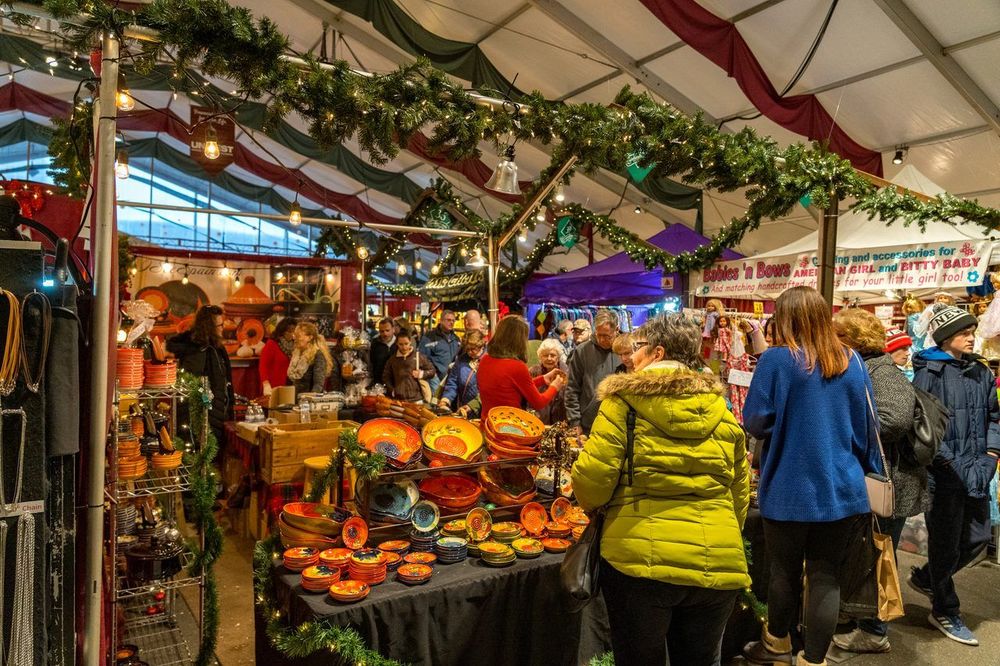
Opening hours, local treats and lesser-known spots: read our guide to visiting Agen at Christmas.
Vos commentaires, idées et suggestions
Aucun avis pour le moment