
Créé par Emilie, le 4 oct. 2026
Votre guide Ryo
Toulouse, France
The Pink City
Parcours audioguidé pour visiter Toulouse en 1 jour
This tour of Toulouse draws you into the golden light of southern France, past its warm-toned Roman brick façades, grand squares, and the peaceful banks of the Garonne River. Along the way, you’ll encounter the richness of its Renaissance heritage, the delicate beauty of its terracotta architecture, and the Occitan way of life that still shapes the spirit of the “Pink City” today. It’s a simple, immersive way to explore Toulouse at your own pace, where historic landmarks meet the forward-looking energy of its aeronautical industry.
Quand partir à Toulouse ?
Jan.
6°
9
Feb.
7°
8
March
10°
9
April
12°
10
May
16°
10
June
20°
7
July
22°
5
Aug.
22°
6
Sept.
19°
6
Oct.
15°
8
Nov.
10°
9
Dec.
7°
9
Toulouse enjoys a temperate climate with Mediterranean influences, offering warm, sunny summers with averages around 28°C and mild winters where the mercury rarely drops below 2°C. The ideal times to visit the "Pink City" are spring (May and June) and early autumn (September and October), as these seasons allow you to enjoy pleasant warmth and magnificent light on the brick facades without enduring the stifling heatwaves that can sometimes settle in during the height of August.
Départ conseillé
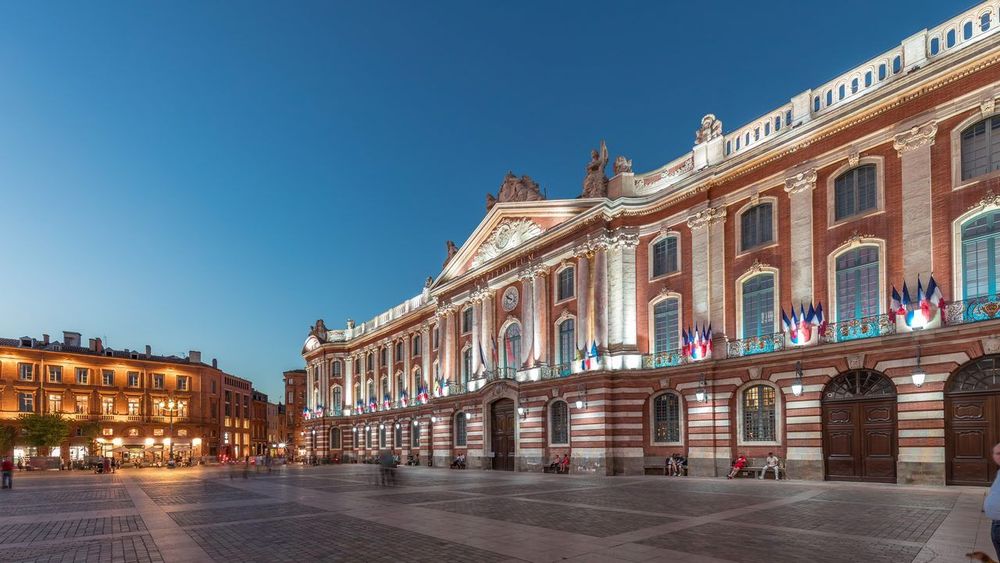
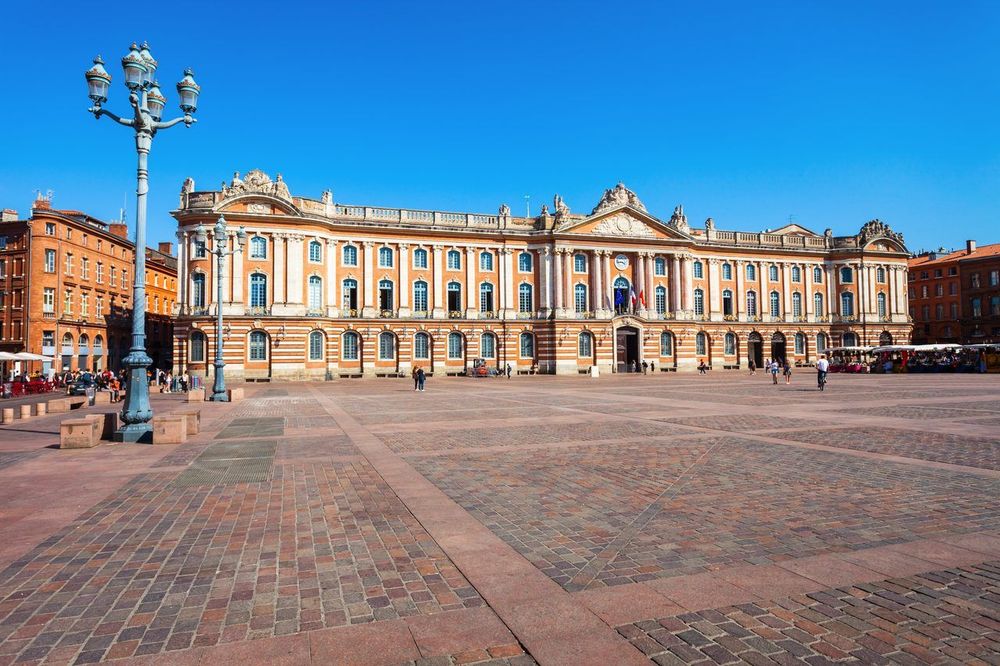
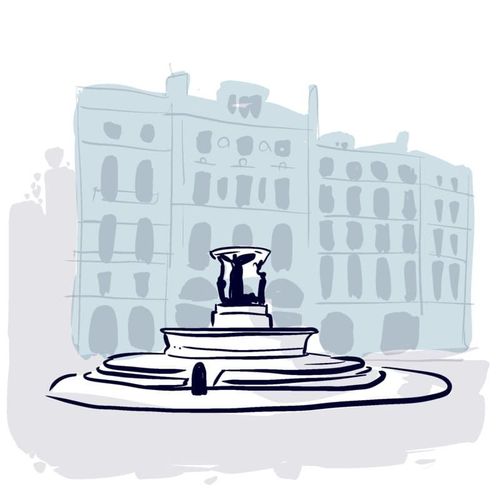
No need to worry about where to begin! Our tours are designed as a loop, so you can jump in wherever you are. The navigation system and audio-guide will automatically adjust to your location. However, if you happen to be nearby, we do have a preferred starting point: Place du Capitole
Parking à proximité
Parking Indigo Carmes : Pl. des Carmes, 31500 Toulouse
Parking Relais P+R Jolimont, Esp. Jean Cassou
If you choose to park on the street and pay at a parking meter, bear in mind that prices will depend on the zone you're in.
- Red zone or commercial district: paid parking from Monday to Saturday, 9am to 7pm. Maximum parking time: 3 hours.
- Orange zone or suburb: paid parking from Monday to Saturday, 9am to 8pm. Maximum parking time: 5 hours.
- Yellow zone or city center: paid parking from Monday to Saturday, 9am to 8pm. Maximum parking time: 2 hours 30 minutes.
- Blue zone: Disk parking with 1 hour 30 minutes free of charge.
- Green zone: Yippee, it's free!
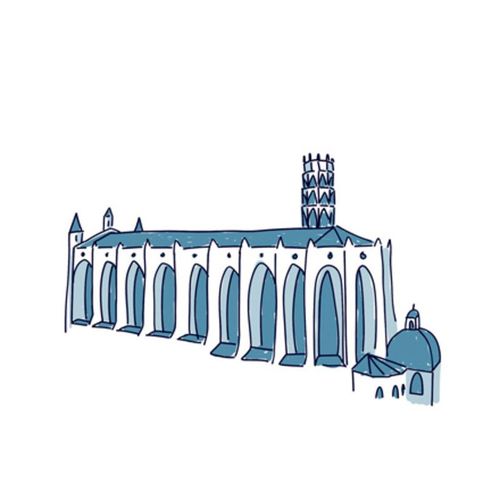
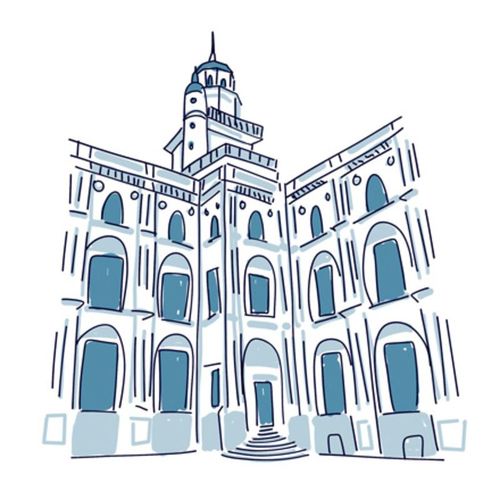
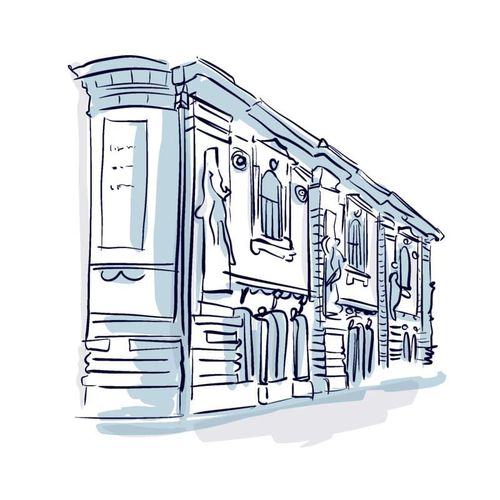
Découvrez 24 lieux d'intérêt pour visiter Toulouse




Le plein d'inspirations
Explorez le monde en totale liberté, à pied au cœur des villes ou au fil des routes. Nos guides audios transforment chaque destination en une découverte culturelle immersive et unique.
FAQ for visiting Toulouse
When is the best time to visit Toulouse?
The best time to discover Toulouse runs from spring to early autumn. May and June offer sunny days with pleasant temperatures, while September and October let you enjoy gentle warmth and golden light that enhances the pink-brick façades. Summer can be very hot, with temperatures often exceeding 30°C in July and August, which can make walking tours less comfortable. Winter remains mild, but the days are shorter and sometimes rainy. The shoulder seasons therefore guarantee the best conditions for strolling through the alleyways of the historic centre and fully enjoying the Toulouse art of living.
How many days do you need to visit Toulouse?
For a first discovery of Toulouse, ideally allow two to three days. A long weekend lets you comfortably explore the historic centre, stroll along the banks of the Garonne and soak up the city's unique atmosphere. In two days, you can cover the main monuments, visit one or two museums and savour the local cuisine in the markets and restaurants. If you have three days or more, you'll be able to delve deeper into your visit with the specialist museums, take a trip to the Cité de l'Espace or explore the charming outlying neighbourhoods. Lovers of art and history will appreciate taking their time to discover all the heritage riches of the Occitan capital.
What are the must-see monuments in Toulouse?
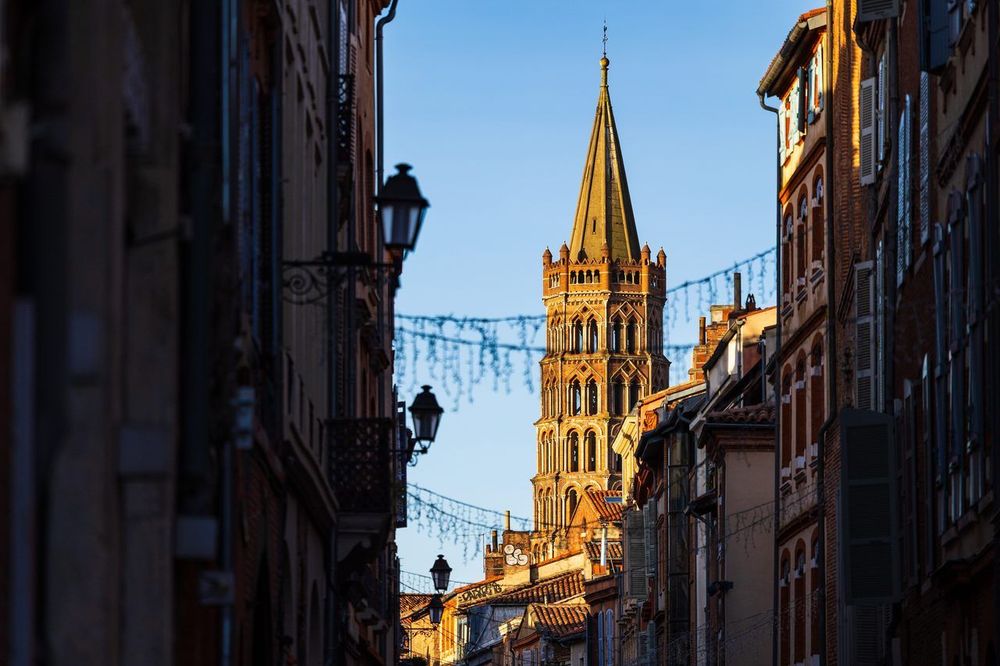
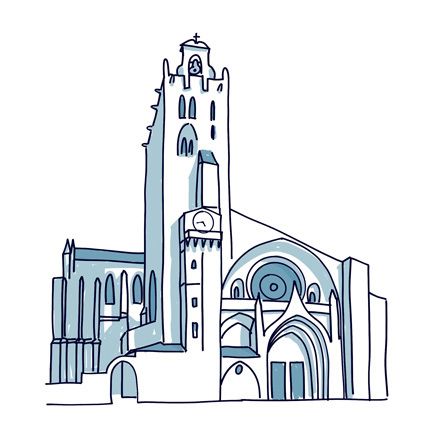
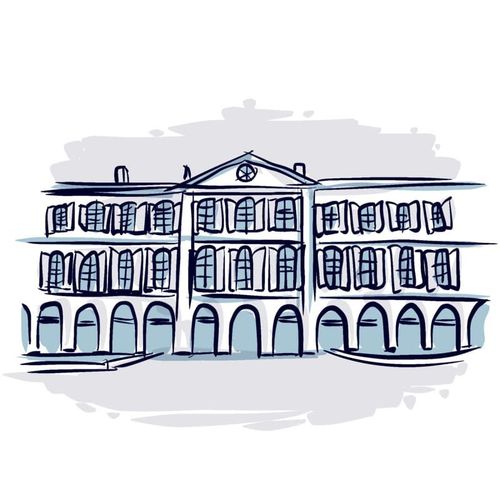
Toulouse is brimming with architectural treasures not to be missed. The Basilica of Saint-Sernin, a gem of Romanesque art and a stage on the Way of St James, impresses with its scale and its octagonal bell tower. The Capitole and its emblematic square form the beating heart of the city with its majestic neoclassical façade. The Convent of the Jacobins, a wonder of southern Gothic, houses the relics of Saint Thomas Aquinas beneath its spectacular palm-vaulted ceilings. The Renaissance private mansions such as the Hôtel d'Assézat testify to the past prosperity of the woad merchants. The Ryo audioguide accompanies you in discovering these emblematic monuments with enriching commentary that reveals the secrets of their history and their architecture.
How do you get around Toulouse?
Toulouse has an excellent public transport network run by Tisséo, comprising two metro lines, trams and numerous bus routes that efficiently serve the whole conurbation. The historic centre remains easily accessible on foot, and this is in fact the best way to discover its picturesque alleyways and hidden squares. For longer distances, the VélôToulouse self-service bike system offers a practical and eco-friendly alternative. Taxis and private hire vehicles are also available, particularly useful for reaching the airport. If you come by car, favour the park-and-ride facilities on the outskirts connected to the metro, as parking in the centre can be complicated and expensive. The city also encourages soft mobility with its numerous bike paths.
What is there to do in Toulouse with children?
Toulouse offers plenty of family-friendly activities. The Cité de l'Espace fascinates young and old with its interactive exhibitions on space exploration, its rocket replicas and its planetarium. The Natural History Museum captivates children with its collections of dinosaurs and animals. The banks of the Garonne, laid out as walkways, make for lovely rides by bike or scooter. The Jardin des Plantes and the Pierre Baudis Japanese garden offer green spaces where children can run and play. For a tasty break, the covered markets offer local specialities in a lively atmosphere. Cruises on the Garonne are also a fun way to discover the city from a different angle while resting tired little legs.
What are the culinary specialities of Toulouse?
Toulouse cuisine celebrates the flavours of the South-West with generosity. Cassoulet remains the city's emblematic dish, simmering white beans, duck confit and Toulouse sausage in a comforting harmony. This famous sausage, recognisable by its spiral shape, is eaten grilled or in many local preparations. The violet of Toulouse comes in the form of sweets, syrups and jams, adding a unique floral touch. Foie gras and duck confit testify to the region's characteristic tradition of rich fare. For dessert, try the fénétra, traditional biscuits with aniseed and lemon, or the gâteau à la broche. The Victor Hugo and Carmes markets will let you discover these authentic products directly from the local producers.
How can you visit Toulouse for free?
Toulouse lends itself wonderfully to free discoveries. Many remarkable churches such as Saint-Sernin or the Jacobins offer free access to their main nave. The emblematic squares - Capitole, Saint-Pierre, Wilson - are all grandiose settings to admire without spending a penny. The banks of the Garonne invite you to stroll, especially at sunset when the pink façades catch fire. On the first Sunday of the month, several museums open their doors for free. The traditional markets let you soak up the local atmosphere with no obligation to buy. To enrich your route, the Ryo audioguide offers an affordable commented tour that turns your walk into a real journey through the history of Toulouse, revealing the hidden anecdotes behind each monument.
Why is Toulouse nicknamed the pink city?
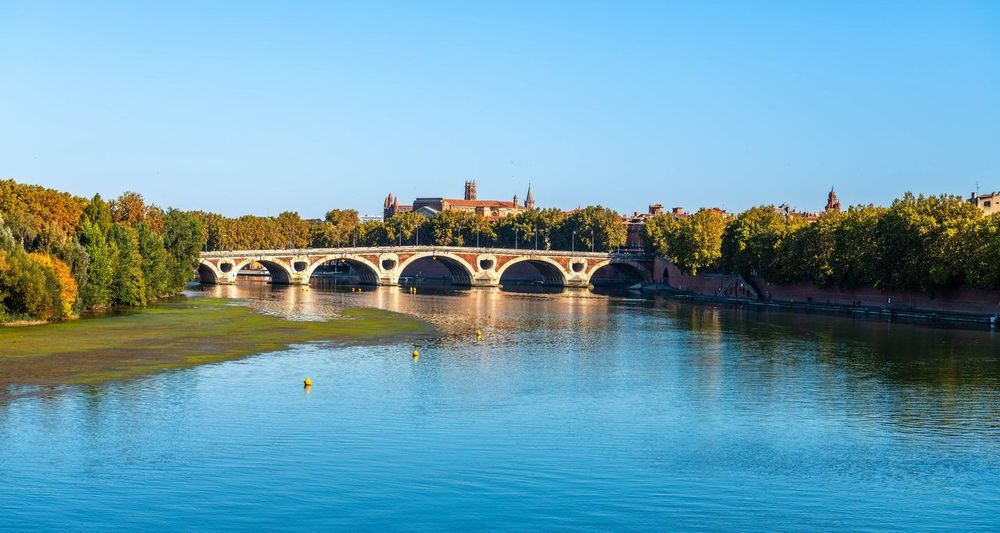
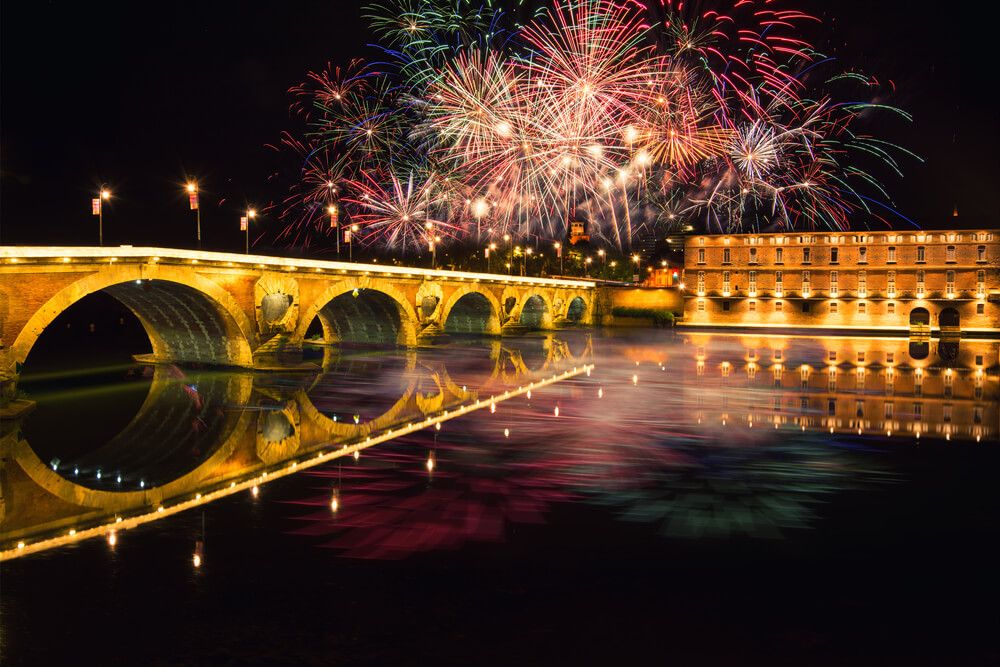
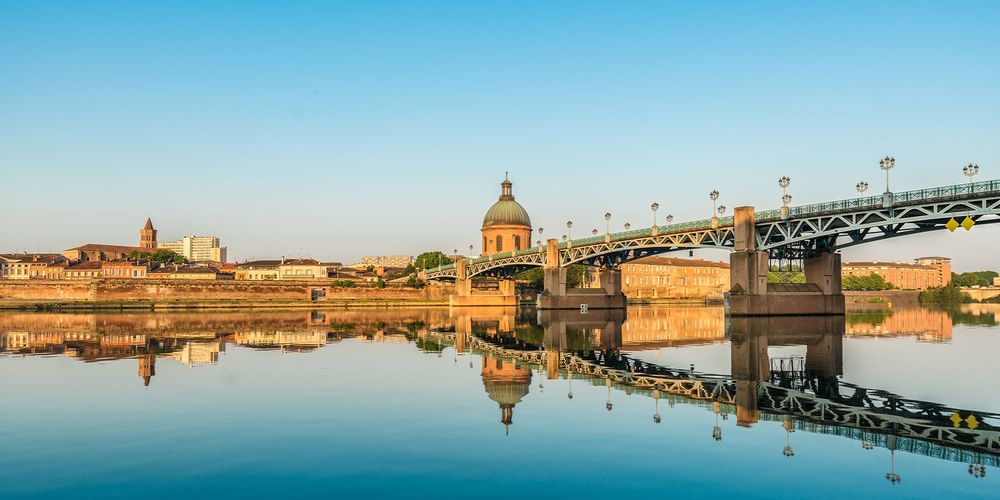
The nickname comes from the brique foraine, a flat brick fired from the clay of the Garonne riverbanks and used since antiquity, for want of stone quarries nearby. Its colour shifts from pale pink to orange depending on the firing and the time of day: the façades look almost red at sunset, an effect especially striking from the Pont Neuf and the quays.
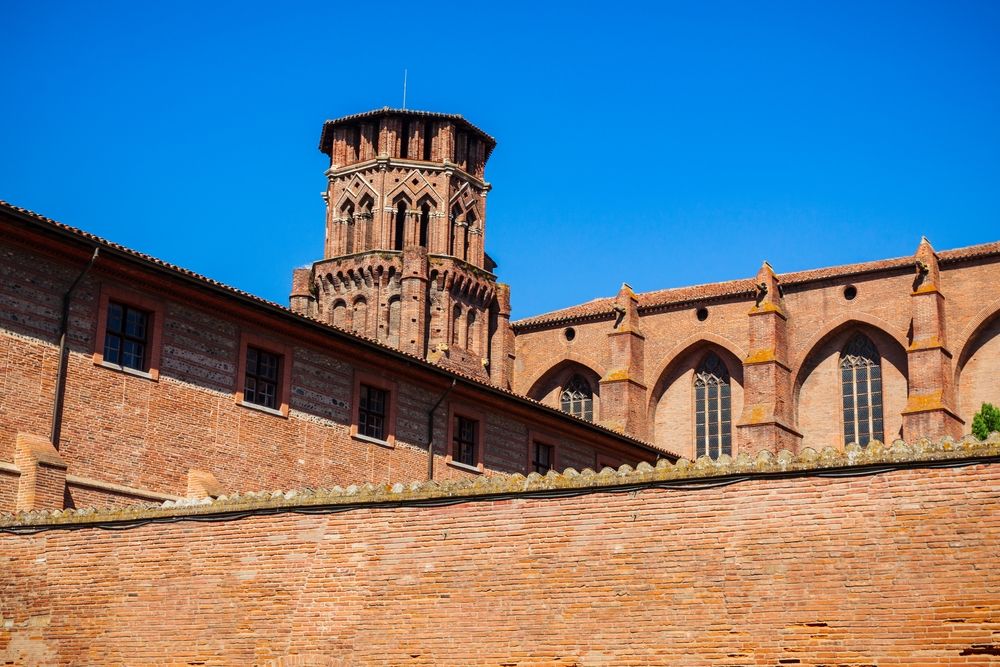
You find the material everywhere, from the Capitole to the mansions built by the woad merchants in the Renaissance, by way of the octagonal bell tower of the Jacobins and the basilica of Saint-Sernin, where brick alternates with stone. The best way to take in these shades is still to wander the centre at random, looking up at the cornices and pushing open the carriage doors. The Ryo audio guide offers a dedicated Toulouse route that follows this thread of brick across the city.
What is there to do along the Canal du Midi and the banks of the Garonne?
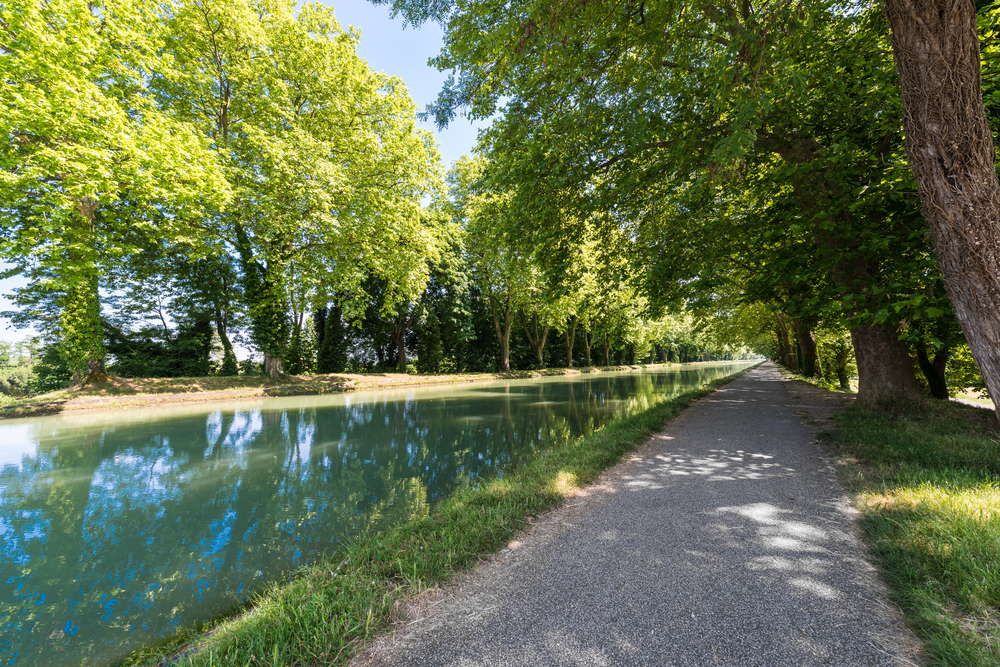
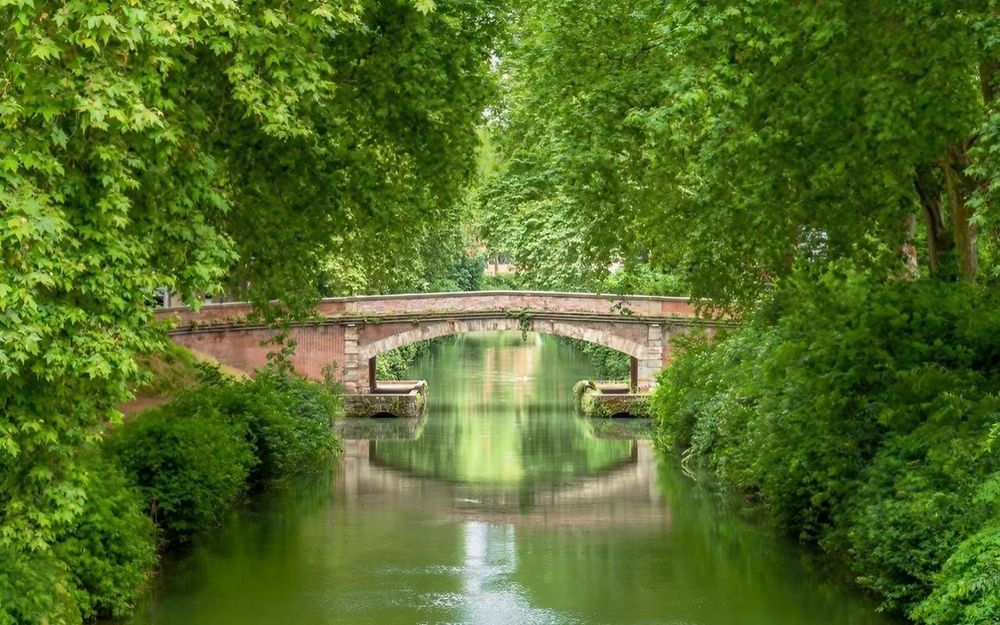
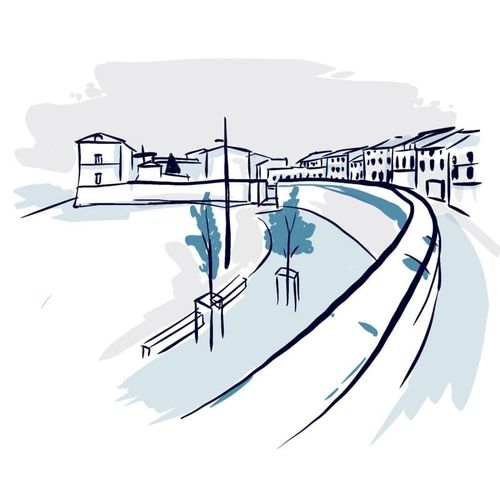
The Canal du Midi crosses Toulouse from the Port de l'Embouchure to the south of the city, under a vault of plane trees that keeps the walk shaded for much of the year. You can follow it on foot or by bike along the greenway that runs beside the water, and some of the urban basins, such as the Port Saint-Sauveur, are lined with terraces and pontoons where barges moor.
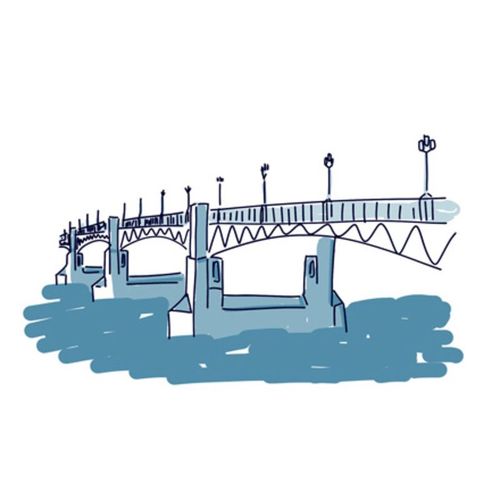
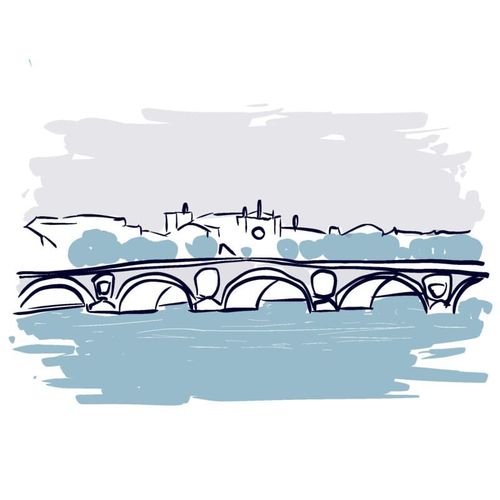
The banks of the Garonne offer a quite different setting: the Prairie des Filtres, a wide sloping lawn facing the dome of La Grave, fills up as soon as the fine weather arrives, while the quays of La Daurade remain one of the great evening meeting points. Crossing from one bank to the other over the Pont Neuf opens the finest view of the city, and the walk carries on easily as far as the locks.
Which museums are worth visiting in Toulouse?
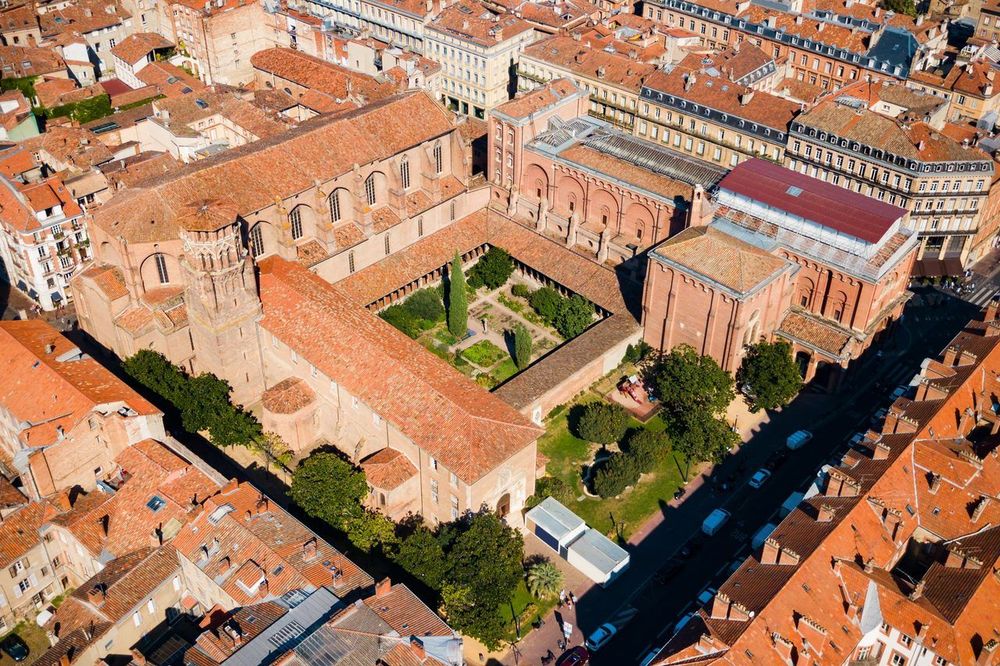
Toulouse has some twenty museums, several of them housed in buildings that justify the visit on their own. The Musée des Augustins, set inside a Gothic convent, brings together medieval painting and sculpture around a planted cloister; the Musée Saint-Raymond, beside the basilica of Saint-Sernin, displays the ancient collections unearthed in the region, starting with the sculptures from the Chiragan villa.
The Bemberg Foundation, in the Hôtel d'Assézat, shows old master and modern painting in the setting of a Renaissance mansion, while Les Abattoirs, a former municipal slaughterhouse converted on the left bank, is devoted to modern and contemporary art. The natural history museum and its botanical garden complete the picture, with a programme that speaks to adults and younger visitors alike. Most of these places can be reached on foot from the centre.
Vos commentaires, idées et suggestions
Aucun avis pour le moment