© Shutterstock
 Votre guide Ryo
Visit the Pyrenees: the 20 must-see things to do
Majestic mountain range stretching between France and Spain, the Pyrenees offer a concentration of natural and cultural wonders that leave no one indifferent. Between imposing peaks, crystal-clear lakes, authentic villages and renowned thermal resorts, this region conceals treasures that are absolutely worth the detour. Whether you are a lover of high mountain hiking, passionate about history or simply curious in search of breathtaking landscapes, visiting the Pyrenees will provide you with unforgettable experiences. From Lourdes to Pic du Midi, passing through glacial cirques and verdant valleys, discover the 20 must-sees that make this region one of the most beautiful in France.
1. The Cirque de Gavarnie
Listed as a UNESCO World Heritage site, the Cirque de Gavarnie is one of the absolute jewels of the Pyrenees. This geological wonder, formed by glacial erosion, impresses with its colossal dimensions: 800 meters high with a diameter of 3 kilometers. At the heart of this grandiose setting springs the Grande Cascade de Gavarnie, one of the highest waterfalls in Europe at 422 meters high. The cliffs surrounding the cirque offer a striking spectacle, particularly at sunset when golden light sets the limestone walls ablaze. An accessible hike for all leads to the foot of the waterfall, offering total immersion in this exceptional landscape that has inspired numerous artists and writers.
2. The Pic du Midi de Bigorre
Culminating at 2,877 meters altitude, the Pic du Midi de Bigorre offers one of the most spectacular panoramas of the Pyrenees. Accessible by cable car from La Mongie, this legendary summit houses an internationally renowned astronomical observatory and a 360-degree panoramic terrace. In clear weather, the view extends across the entire Pyrenean chain, from the Pyrénées-Atlantiques to the Pyrénées-Orientales, as well as over the Adour plain and the Landes to the north. At night, Pic du Midi transforms into one of the best stargazing spots in France, labeled 'International Dark Sky Reserve'. The unique experience of spending a night at the summit allows you to admire the celestial vault in exceptional conditions.
3. Lourdes and its sanctuary
A world-renowned pilgrimage destination, Lourdes attracts millions of visitors from around the world each year. The Sanctuary of Our Lady of Lourdes, built around the Grotte de Massabielle where Bernadette Soubirous had her apparitions in 1858, constitutes the spiritual heart of the city. Beyond its universal religious dimension, Lourdes seduces with its remarkable architectural heritage, notably the Basilica of the Rosary and the Basilica of the Immaculate Conception. The medieval fortress, perched on its rocky spur, houses a Pyrenean museum that traces the history and traditions of the region. The gardens and green spaces surrounding the sanctuaries offer moments of contemplation and serenity in a preserved natural setting.
4. Pau, the royal city
Download the audio-guided circuit to discover Pau on foot and independently
Historic capital of Béarn and birthplace of Henri IV, Pau absolutely deserves a thorough visit during your stay in the Pyrenees. The majestic Château de Pau, birthplace of the future king of France, stands proudly above the city and offers a fascinating journey through French history. The famous Boulevard des Pyrénées, a true natural balcony of 1.8 kilometers, offers exceptional panoramic views of the mountain chain, from Pic d'Anie to Pic du Midi. To discover all the secrets of this elegant city, let yourself be guided by the Ryo itinerary that takes you through its most beautiful neighborhoods in 18 audio-guided stages, from Place Royale to the castle gardens.
5. The Pont d'Espagne and lac de Gaube
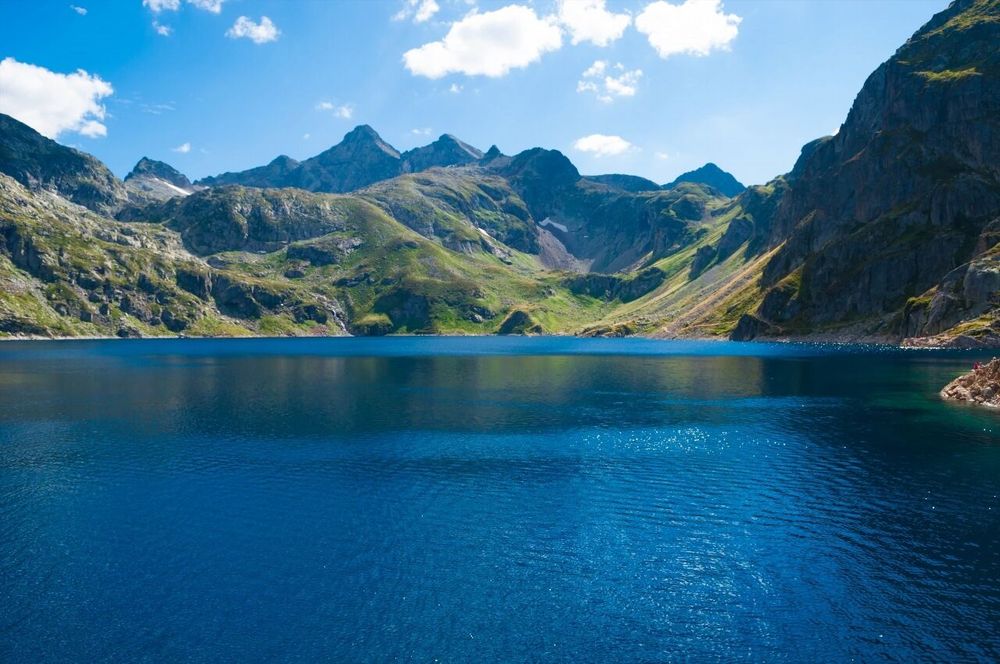
Classified as a Grand Site de France, the Pont d'Espagne site is one of the most spectacular gateways to the Pyrenees National Park. Located in the Cauterets valley, this enchanting site takes its name from an old stone bridge that spanned the Gave de Marcadau. The tumultuous waterfalls cascading down the slopes create a permanent spectacle, particularly impressive in spring during snowmelt. A cable car allows easy access to lac de Gaube, perched at 1,725 meters altitude. This glacial lake, of striking deep blue, majestically reflects the Vignemale, the highest peak of the French Pyrenees. The hike around the lake offers varied viewpoints and allows observation of remarkable alpine fauna and flora.
6. The Néouvielle Nature Reserve
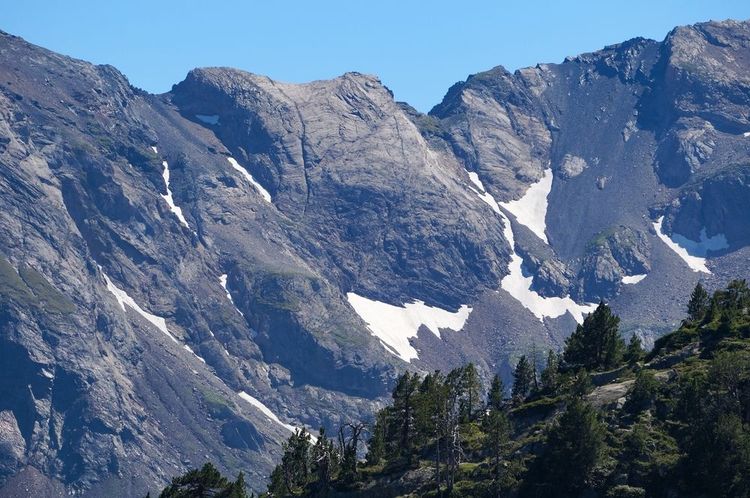
A true jewel of biodiversity, the Néouvielle Nature Reserve has protected an exceptional high mountain territory since 1935. With its 70 high-altitude lakes nestled in a setting of pink granite, this reserve offers breathtaking landscapes. Lac d'Orédon, easily accessible by car to the dam, is an excellent starting point for exploring the reserve. The lacs d'Aubert and d'Aumar, accessible by hiking trails, reveal even wilder panoramas. The mountain pine forest, unique in the Pyrenees, shelters multi-centenary specimens that testify to the site's ecological richness. Observing mountain fauna, particularly marmots, chamois and large raptors, is one of the great pleasures of discovering this exceptional reserve.
7. The Col du Tourmalet
Legendary Pyrenean pass culminating at 2,115 meters altitude, Tourmalet holds a legendary place in the history of the Tour de France cycling race. Since its first ascent in 1910, this giant of the Pyrenees has been crossed more than 80 times by the Grande Boucle, becoming the most used pass of the Tour. At the summit, the stele dedicated to Jacques Goddet and Henri Desgrange pays tribute to the founding fathers of the race. The panorama from the pass embraces a large part of the Pyrenean chain, offering on clear days a view to Pic d'Aneto in Spain. In summer, La Mongie resort offers numerous mountain activities, while in winter, it transforms into one of the largest ski areas in the French Pyrenees with Barèges-La Mongie.
8. Lac d'Oô
Nestled in a grandiose cirque of the Larboust valley, lac d'Oô is among the most beautiful lakes of the Pyrenees. This artificial lake, created in 1925 for hydroelectric needs, integrates perfectly into the mountain landscape and offers an idyllic setting for hiking. Access to the lake requires an approach walk of about 1h30 from the Granges d'Astau parking lot, via a well-marked trail that follows the gave d'Oô. Along the way, successive waterfalls, notably the spectacular Espingo waterfall 275 meters high, offer refreshing stops. Once at the lake, the spectacle is striking: the turquoise waters reflect the steep walls of the cirque, creating a natural tableau of exceptional beauty. For experienced hikers, the ascent to the higher Espingo lakes reserves even more spectacular panoramas.
9. Saint-Jean-Pied-de-Port
Last French stage on the Saint-Jacques-de-Compostelle pilgrimage route, Saint-Jean-Pied-de-Port seduces with its authenticity and preserved heritage. This medieval bastide, nestled at the foot of Pyrenean passes, has retained its ramparts, cobbled streets and typically Basque houses with colorful facades. Rue de la Citadelle, the old town's main artery, concentrates numerous traditional shops and restaurants offering local specialties. The citadel, erected in the 17th century, offers exceptional panoramic views over the Nive valley and the first Pyrenean foothills. The church of Notre-Dame-du-Bout-du-Pont, spiritual starting point for pilgrims, testifies to the town's historical importance on Jacobean routes. The surroundings offer numerous hiking possibilities, notably towards the cols d'Ibaneta and Roncevaux in Spain.
10. Mont Canigou
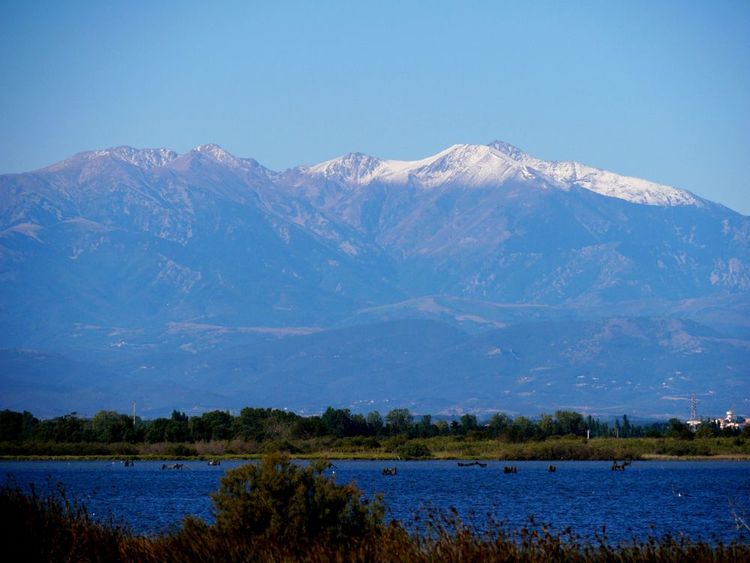
Sacred mountain of the Catalans, Mont Canigou raises its majestic silhouette to 2,784 meters altitude, dominating the Roussillon plain and the Mediterranean. This emblematic peak of the Pyrénées-Orientales offers one of the most beautiful panoramas of the region: in clear weather, the view extends to the Spanish coasts, the Corbières and even the Alps. The ascent of Canigou constitutes a sporting challenge accessible to experienced hikers, with several possible routes from Vernet-les-Bains or Castell. The Cortalets refuge, located at 2,150 meters, allows spending the night in the mountains and making the final ascent at sunrise. The descent can be made via the abbey of Saint-Martin-du-Canigou, a jewel of Romanesque art perched on a rocky spur at 1,055 meters altitude, offering an exceptional cultural dimension to this outstanding hike.
11. Cauterets and its thermal baths
Thermal resort renowned since Antiquity, Cauterets seduces with its exceptional mountain setting and unique thermal heritage. Nestled in a deep valley of the Pyrenees National Park, this elegant Belle Époque resort has welcomed numerous celebrities, from George Sand to Marguerite de Navarre. The thermal baths of Cauterets, fed by naturally hot springs rich in sulfur, offer traditional cures and modern wellness spaces. The 19th-century thermal architecture, with its ornate facades and covered galleries, testifies to the golden age of thermal tourism. Cauterets also serves as an excellent base camp for exploring the wonders of the national park: lac de Gaube, Pont d'Espagne, Marcadau valley. In winter, Cauterets ski resort offers a family domain appreciated for its varied slopes and generous snow cover. Back down in the plain, Ryo's audio-guided tour of Toulouse, the Pink City, runs from the Capitole to the banks of the Garonne.
12. The Grottes de Bétharram
Underground wonder of the Pyrenees, the Grottes de Bétharram offer an extraordinary journey into the mountain's depths. Discovered in 1819, these caves extend over five levels connected by natural galleries totaling several kilometers of development. The visit, lasting 1h30, successively uses walking, underground train and boat on the underground river, creating a unique and unforgettable experience. The successive rooms reveal exceptional geological formations: stalactites, stalagmites, limestone draperies and natural pools sculpted by water over millennia. The Chaos room impresses with its cathedral-like dimensions, while the underground lake offers a magical moment of contemplation. Located between Lourdes and Pau, the caves make an ideal refreshing stop during hot summer weather.
13. The Château de Montségur
Perched on its rocky pinnacle at 1,207 meters altitude, the Château de Montségur evokes one of the most tragic pages of French history. Last Cathar citadel, this 'château du vertige' resisted for nearly ten months the crusaders' siege before falling in March 1244. The ascent to the castle ruins, though steep (30 minutes of sustained climb), rewards the effort with exceptional panoramic views over the Ariège Pyrenees and the Tarascon plain. The fortress remains, carefully restored, allow imagination of the last Perfect Cathars' lives. The village of Montségur, at the castle's foot, houses an archaeological museum that traces Cathar history and presents objects discovered during excavations. This emotionally charged and historical visit constitutes a must-see for understanding the deep soul of the Ariège Pyrenees.
14. The Train jaune of the Pyrenees
True little gem of French railway heritage, the Train jaune connects Villefranche-de-Conflent to Latour-de-Carol over 63 kilometers of meter gauge track. Nicknamed the 'Canari' due to its yellow and red livery, this tourist train climbs the slopes of the Pyrénées-Orientales while crossing remarkable engineering works: vertiginous viaducts, helical tunnels and the famous Séjourné bridge suspended 65 meters above the valley. The journey, lasting about 3 hours, crosses stunning landscapes, from the wild gorges of the Têt to the high plateaus of Cerdagne. The open cars, available during the beautiful season, allow full enjoyment of panoramas and mountain fresh air. The typical stations, notably that of Font-Romeu-Odeillo-Via, the highest SNCF station in France at 1,593 meters, add to the outdated charm of this journey through time.
15. Font-Romeu and the solar furnace
Renowned winter and summer sports resort, Font-Romeu benefits from exceptional sunshine that earns it the nickname 'Little Sunny Siberia'. Perched at over 1,800 meters altitude on the Cerdagne plateau, this Pyrenean resort offers an ideal setting for outdoor activities and high-altitude training. The solar furnace of Odeillo, located nearby, constitutes a unique scientific attraction in the world. This experimental CNRS installation, recognizable by its parabolic mirror facade, concentrates sun rays to reach temperatures exceeding 3,000°C. The guided visit allows understanding solar energy challenges and admiring this technological prowess in a grandiose mountain setting. In winter, the Pyrénées 2000 ski area offers varied slopes with panoramic views over Cerdagne and Capcir.
16. The Ossau valley
Authentic Pyrenean valley of Béarn, the Ossau valley seduces with its preserved landscapes and ancestral traditions. Dominated by the legendary Pic du Midi d'Ossau (2,884 m), nicknamed 'Jean-Pierre' by locals, this valley offers a concentrate of mountain beauty. Typical villages like Laruns, Eaux-Bonnes or Bielle have preserved their traditional Béarnaise architecture with stone houses and slate roofs. The valley constitutes a paradise for hikers with legendary routes like the tour of Ayous lakes, which offers reflections of Pic du Midi d'Ossau in the crystal-clear waters of high-altitude lakes. Transhumant shepherds perpetuate millennial traditions, and it's not uncommon to encounter sheep flocks accompanied by their patous during summer hikes. In winter, Gourette and Artouste resorts offer alpine and cross-country skiing in a grandiose setting.
17. Collioure, pearl of the Côte Vermeille
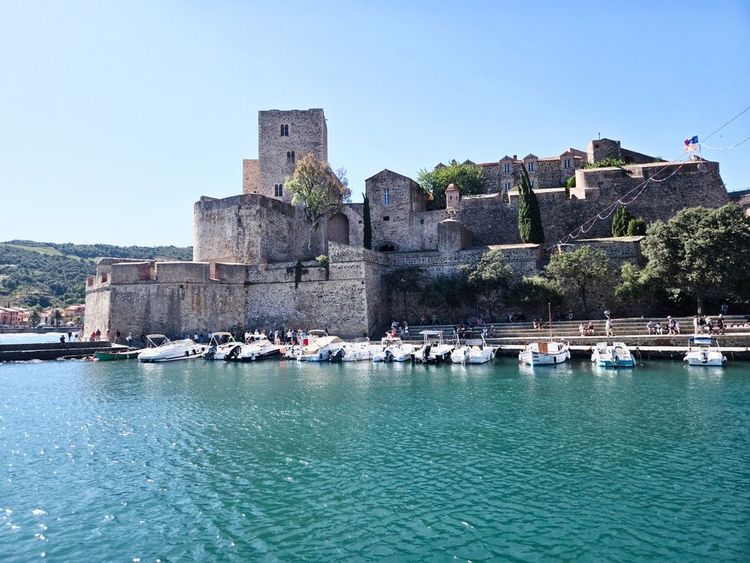
Jewel of the Pyrenean Mediterranean coast, Collioure enchants with its idyllic setting between sea and mountain. This former royal city, which was a strategic port of the French kingdom, has preserved its exceptional architectural heritage. The royal castle, erected in the 13th century and redesigned by Vauban, testifies to the town's military importance. The church of Notre-Dame-des-Anges, with its lighthouse-bell tower unique in the Mediterranean, is Collioure's emblem. The cobbled streets of the historic center, lined with colorful houses with blue shutters, have inspired numerous artists: Matisse, Derain, Dufy immortalized Collioure's special light. The pebble beaches, sheltered by rocky coves, offer an intimate setting for swimming. Local gastronomy, notably Collioure anchovies and Banyuls wines, delights the most demanding palates.
18. Bagnères-de-Luchon, queen of the Pyrenees
Nicknamed the 'Queen of the Pyrenees', Bagnères-de-Luchon embodies thermal elegance since Roman times. Nestled in a verdant valley at the foot of the highest Pyrenean summits, this thermal resort has retained all its Belle Époque refinement. The thermal baths, recently renovated, offer traditional treatments and modern wellness spaces fed by 80 natural springs. The 19th-century thermal architecture, with the majestic thermal establishment and its galleries, testifies to the golden age of thermal cure. The Allées d'Étigny, main artery lined with century-old plane trees, concentrates elegant shops and traditional cafes. Luchon is an excellent starting point for exploring high mountains: Superbagnères in winter for skiing, Lys valley and Port de Vénasque in summer for exceptional hikes to Spain. Lac d'Oô and surrounding waterfalls offer refreshing excursions in immediate proximity.
19. Pyrenean ski resorts
The Pyrenees count among France's most beautiful ski areas, offering an authentic alternative to the Alps. Grand Tourmalet, formed by the Barèges-La Mongie connection, constitutes the largest Pyrenean ski domain with its 100 kilometers of slopes and privileged access to Pic du Midi. Cauterets seduces with its preserved National Park setting and varied slopes suitable for families. Gourette, in the Ossau valley, offers excellent snow cover and exceptional panoramas over Béarnaise summits. Font-Romeu-Pyrénées 2000 benefits from unique sunshine and guaranteed snow cover at altitude. Les Angles, in Cerdagne, offers a family domain with views of Canigou. Saint-Lary-Soulan seduces with its authentic village and technical slopes. These resorts, less crowded than their Alpine counterparts, offer pleasure skiing in a convivial atmosphere typically Pyrenean.
20. Authentic villages of the Pyrenees
The Pyrenees shelter numerous character villages that have preserved their authenticity and secular traditions. Espelette, in Basque Country, famous for its peppers dried on white half-timbered facades with red timbers, offers a concentrate of Basque culture. Sare, labeled 'Plus Beaux Villages de France', seduces with its traditional Labourdine architecture and surrounding peaks. Saint-Lizier, medieval episcopal city in Ariège, impresses with its Romanesque cathedral and ramparts. Villefranche-de-Conflent, city fortified by Vauban, guards the entrance to the Têt valley with its pink ramparts. These villages perpetuate traditional know-how: farmhouse cheeses, local crafts, patron saint festivals. Their weekly markets allow discovery of Pyrenean terroir products in a convivial atmosphere. Each village tells a particular story and offers unique panoramas of surrounding mountains, inviting strolling and discovery of preserved local traditions.
In conclusion, visiting the Pyrenees is to offer yourself a journey to the heart of preserved nature where wild open spaces, historical heritage and living traditions blend harmoniously. This exceptional mountain chain reveals its treasures to those who take time to explore it, from legendary summits to authentic villages, passing through thermal resorts and unmissable cultural sites. Each valley, each lake, each village tells a particular story that contributes to the incomparable richness of this region. To discover the gateway cities of the Pyrenees like Pau in all its splendor, let yourself be guided by carefully designed itineraries that reveal all their secrets. The Pyrenees await you for unforgettable adventures between sky and mountain.



FAQ – Visit the Pyrenees
What is the best period to visit the Pyrenees?
The best period depends on your activities: June to September for hiking and discovering high-altitude lakes, December to March for winter sports, and May-October for visiting cultural sites and villages. Spring offers verdant landscapes and spectacular waterfalls.
How to get around in the Pyrenees?
The car remains the most practical means to freely explore the Pyrenees. Train serves main cities (Pau, Tarbes, Lourdes) and the Train jaune offers a unique experience in the Pyrénées-Orientales. Some valleys have seasonal shuttle services.
Do you need to be an experienced hiker to enjoy the Pyrenees?
Absolutely not! The Pyrenees offer activities for all levels: easy walks around lakes, discovery trails, cable cars to access panoramas, as well as technical hikes for the most experienced. Many sites are accessible by car.
What equipment to bring for a visit to the Pyrenees?
Bring clothing suitable for temperature variations (multiple layers), good walking shoes, sun protection and hydration supplies. At altitude, weather can change rapidly even in summer.
À lire également