© Shutterstock
 Votre guide Ryo
Canal du Midi: visits, walks and discoveries
The Canal du Midi is among the oldest constructions in Europe still in operation. This titanic work was dug by the strength of the arms of 17th century workers who had no other tools than shovels and pickaxes to dig the 242 km of the canal. An essential means of transport for passengers and goods until the 1980s, pleasure boating is now the only activity allowed on the Canal du Midi, much to the delight of tourists whether they are from France or elsewhere! History, gastronomy, hiking, navigation... Here's everything you need to know to spend a wonderful stay on the Canal du Midi.
What is the most beautiful part of the Canal du Midi?
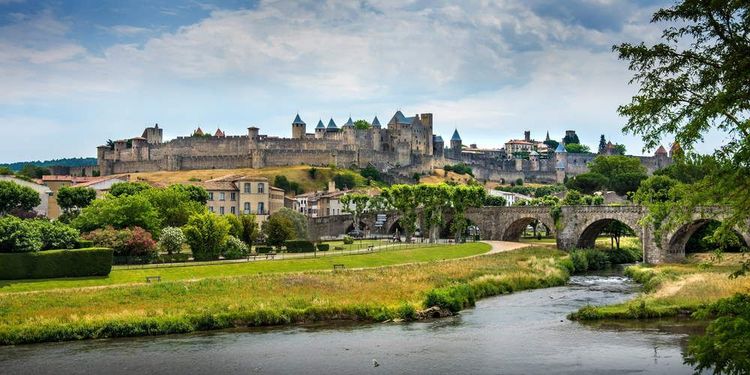
It would seem, from the general opinion of tourists, that Carcassonne is the name that comes first in most minds. It must be said that this world-famous medieval city has something to dream about with this truly impressive architectural ensemble that makes visiting this site absolutely magical, whether you are 7 or 77 years old! In perfect state of conservation, lovers of history, architecture, tales, or photography, will easily find something to do in Carcassonne. And let's not forget the gourmands who will appreciate the culinary specialties of this region which does not lack imagination when it comes to sitting at the table!
How to discover the Canal du Midi?
There are several ways to discover the Canal du Midi depending on the time you have available and your interests, here are some of them:
1 – Rental boat
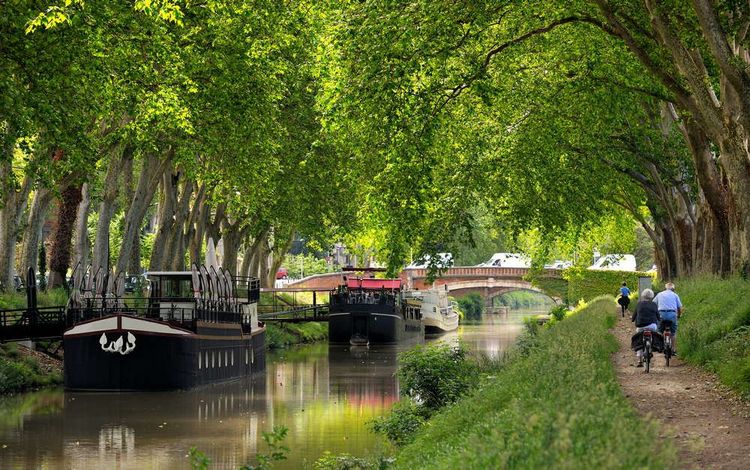
A peaceful way to discover the Canal du Midi, at the quiet pace of the boat: the landscapes, the locks, the buildings, the villages, the vineyards... You don't need a boat license to rent one, and it's really perfect for sharing good times with your family or friends. You moor your boat when you want to visit, take photos, go for a walk. Cycling enthusiasts can follow the barge in the shade of the plane trees... And if you don't feel like cooking, there's no shortage of restaurants along the canal! History, heritage and gastronomy are on the agenda.
2 – Barge cruise
Set off for the day on a meal cruise or a simple walk of a few hours to discover the Canal du Midi aboard a barge. In a group or with family, discover the history of the canal and its remarkable landscapes.
3 – By bike
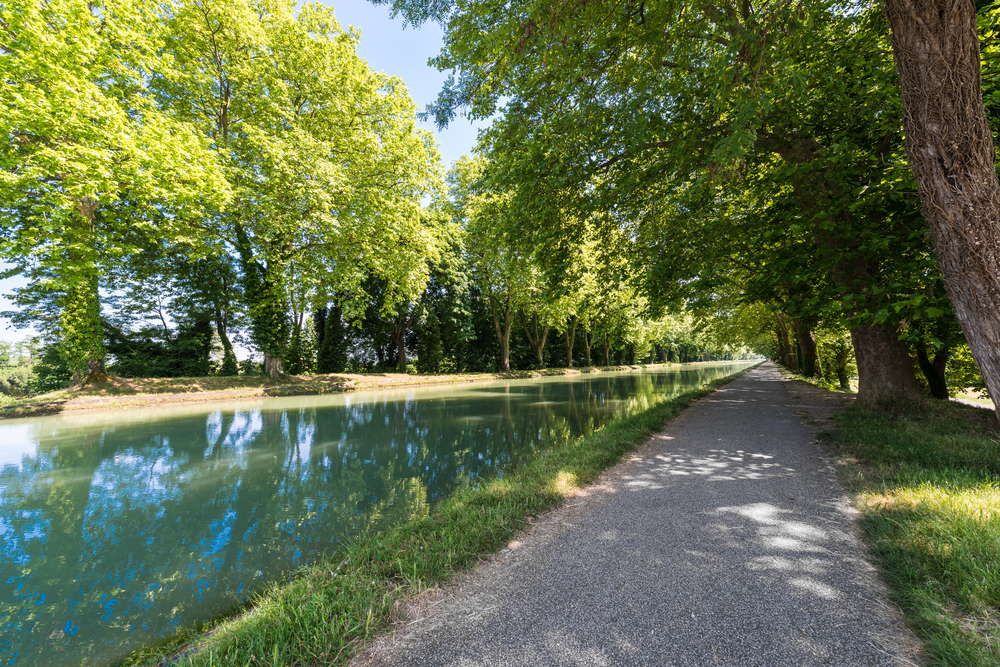
Even in the middle of summer, discovering the Canal du Midi by bike remains pleasant thanks to the plane trees that border it. You can cycle in the shade of these sometimes century-old trees on a good part of the section.
4 – The villages of the Midi
We love these small villages that are full of details so typical in each region of France. And those along the Canal du Midi do not deviate from this rule.
5 – The vineyards
It would be a shame to visit the Canal du Midi without tasting the 3 AOCs of the region: AOC Minervois, AOC Languedoc and AOC Saint-Chinian. The winemakers will be delighted to let you taste their vintages and talk about their craft.
6 – Natural heritage
It is rich and varied all along the Canal du Midi, here are some examples:
Its slipways have welcomed, since the 19th century, boats that need to be repaired, even barges thanks to its 30 m length.
One of the last washhouses still in place on the Canal du Midi.
Former stopover for travelers, they found something to eat, sleep, pray and refresh themselves, this lock has been a real point of interest since the 17th century.
See Castelnaudary and taste its famous cassoulet... A stop is necessary for a gourmet break, to taste the real cassoulet from the southwest! For digestion, a short tour towards the Grand Bassin and the 4 locks of Saint-Roch will also allow you to benefit from a beautiful viewpoint over the city.
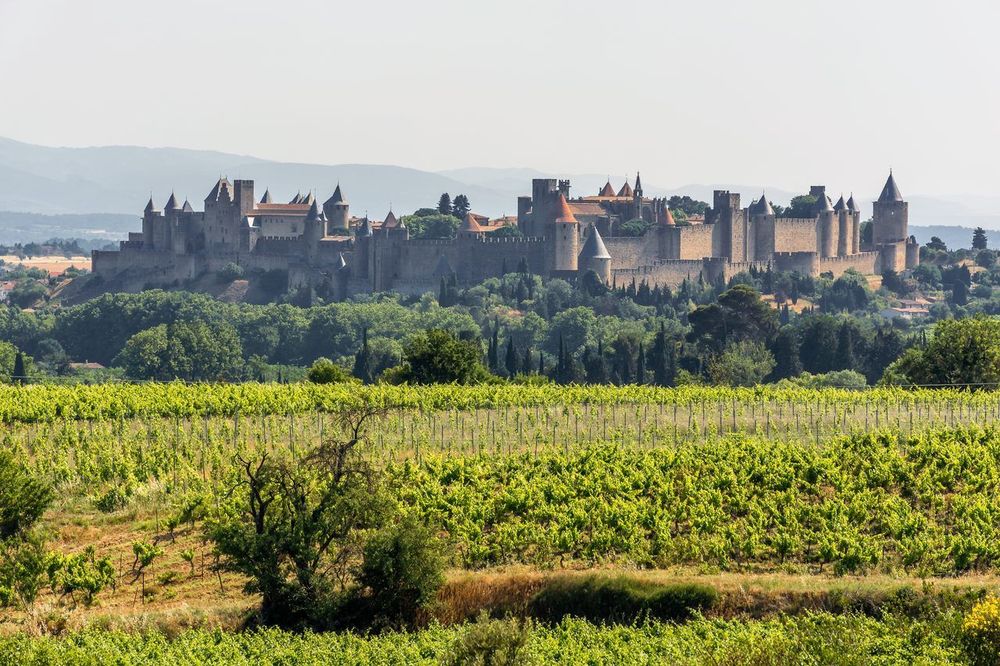
Oh so mythical medieval city that needs no introduction, with its 52 towers, its 2 concentric enclosures and its 3 kilometers of ramparts.
It is the second navigable canal bridge in the world and the 1st in France, moreover, it is the only one built by Riquet and not by Vauban.
This canal bridge made it possible to tame the vagaries of the river, low in summer and in flood in winter, its rectangular shape is unique along the Canal du Midi.
Where does the Canal du Midi begin in Toulouse?
The starting point of the Canal du Midi is located in Toulouse at the Ponts jumeaux. 241 km long, it will take you to Marseillan in Hérault, where, connected to the port of Sète, it ends its journey in the Mediterranean. Back in the centre, our Toulouse audio-guided tour loops from the Capitole down to the Garonne.
History of the Canal du Midi
This canal connects Toulouse to the Mediterranean, it took 14 years to build from 1667 to 1681 this work of art of civil engineering. In 1667, Pierre-Paul Riquet, then tax collector on salt in Languedoc, took up this project which had been in the minds of all sovereigns since antiquity. But it was not easy, helped by a geometer specialized in hydraulics, François Andreossy, they undertook to build the largest dam in the world in order to bring water to the sections. Up to 12,000 courageous workers, armed with shovels and pickaxes, dug for nearly 14 years these sections with all the risks that this entailed, notably, when using explosives. They were mainly peasants from the surrounding area. Women were not left out and evacuated the earth that was on the edges. Despite all these efforts, the canal has certain weaknesses and silts up, which quickly compromises navigation. It was the architect Vauban who took over the project from 1686 to 1694, in order to consolidate the building wherever necessary. He had aqueducts built, enlarged the Saint-Férréol reservoir basin and pierced the Cammazes tunnel, better known as the "Voûte Vauban". The train would end this beautiful maritime history that had made the region's wealth through the export of cereals.
Practical info: it takes 7 days to get from Toulouse to Sète by boat.
À lire également