
Créé par Emilie, le 4 oct. 2026
Votre guide Ryo
Bergerac, France
On the banks of Rivière Espérance
Parcours audioguidé pour visiter Bergerac en 1 jour
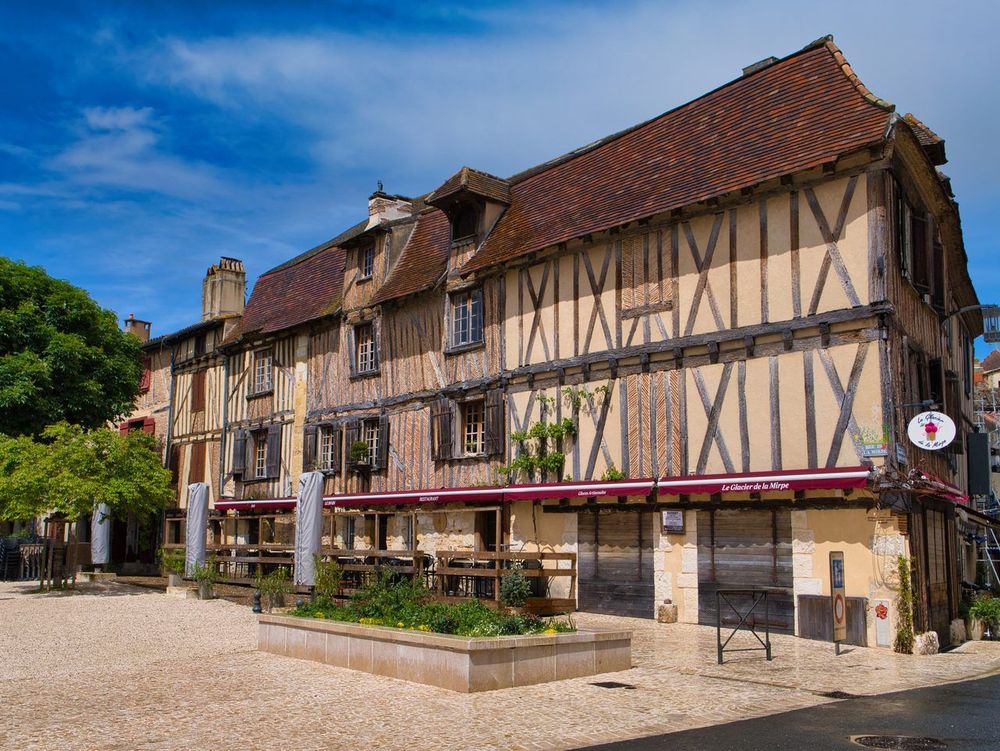
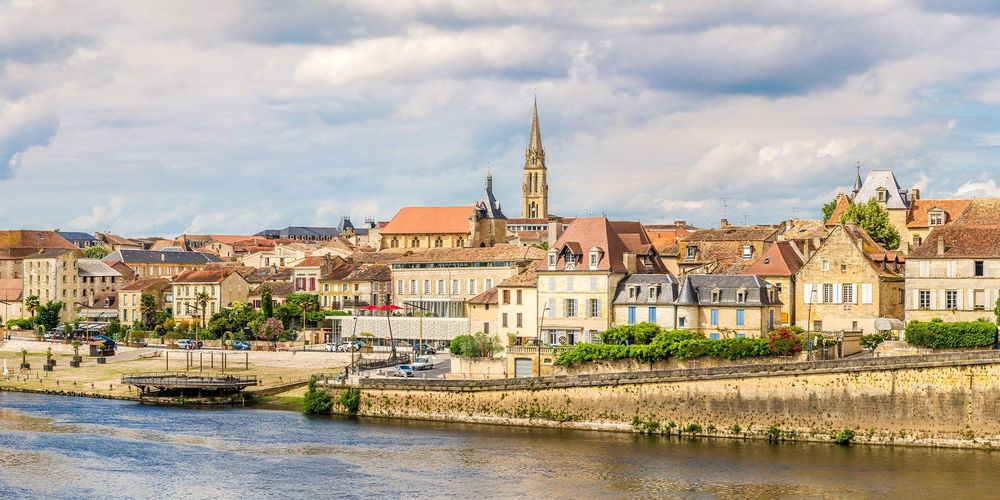
This tour of Bergerac invites you into the heart of a town full of character, nestled along the banks of the Dordogne River. Let yourself be drawn in by the harmony of golden stone and aged timber, telling stories of centuries of river trade and winemaking traditions. From the poetic quays where flat-bottomed barges once drifted by to the welcoming warmth of lively squares, the town reveals a spirit that is proud, generous, and touched with a hint of legend. It’s a walk shaped by shimmering reflections and the scents of the local terroir, offering a gentle, immersive taste of a place where history is something to be savored with every step.
Quand partir à Bergerac ?
Jan.
10°
10
Feb.
12°
8
March
16°
8
April
18°
10
May
22°
10
June
26°
8
July
28°
6
August
28°
7
Sept.
25°
7
Oct.
20°
9
Nov.
14°
10
Dec.
10°
11
Bergerac enjoys a temperate oceanic climate, offering warm, sunny summers around 27°C and mild winters fluctuating between 2°C and 10°C. The ideal period runs from May to September to explore the historic center and sail on a gabarre (traditional boat) along the Dordogne River. September is particularly favored for experiencing the excitement of the grape harvest in the vineyards, while spring offers perfect mildness for enjoying local food markets without the summer crowds.
Départ conseillé
No need to worry about where to begin! Our tours are designed as a loop, so you can jump in wherever you are. The navigation system and audio-guide will automatically adjust to your location. However, if you happen to be nearby, we do have a preferred starting point: : Place de Lattre de Tassigny
Parking à proximité
Free parking at Foirail – Rue Junien Rabier Free parking at Les Illustres – 20 Rue Dugesclin
À savoir
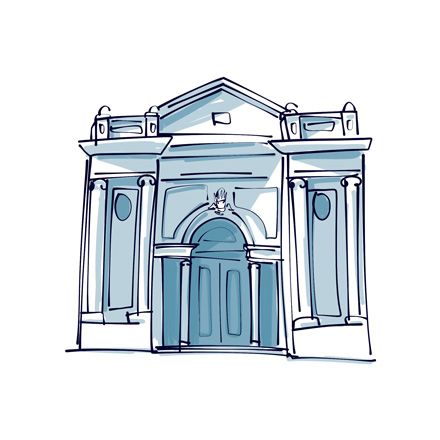
The tour takes you to the Récollets Cloister, which we highly recommend visiting. Today, the cloister is part of the Quai Cyrano complex. Please note that this space closes at 7:00 p.m. and is not open on Sundays.
Découvrez 18 lieux d'intérêt pour visiter Bergerac











Le plein d'inspirations
Explorez le monde en totale liberté, à pied au cœur des villes ou au fil des routes. Nos guides audios transforment chaque destination en une découverte culturelle immersive et unique.
FAQ for visiting Bergerac
When is the best time to visit Bergerac?
The ideal time to discover Bergerac runs from May to September, when the temperate oceanic climate offers sunny days of around 27°C. You'll make the most of walks along the Dordogne and the lively terraces of the historic centre. September is particularly magical with the buzz of the grape harvest in the surrounding vineyards, while spring lets you savour the atmosphere of the local produce markets in a more intimate setting, without the summer crowds. Winters remain mild, between 2°C and 10°C, perfect for a peaceful cultural getaway.
How many days do you need to visit Bergerac?
Two days is the ideal length of time to fully appreciate Bergerac. The first day will let you explore the historic heart, stroll along the banks of the Dordogne and soak up the atmosphere of the medieval squares. The second day will be perfect for a gabarre boat trip on the river, discovering the local museums and a tasting at one of the nearby wine estates. If you have three days, you can enrich your stay with excursions to the surrounding villages and châteaux, or deepen your knowledge of the region's wines.
How do you get around Bergerac without a car?
Bergerac's historic centre is easily explored on foot, its medieval alleys and landscaped quays naturally inviting you to stroll. For longer journeys, the town has a city bus network that serves the main districts and points of interest. Rental bikes will let you explore the banks of the Dordogne and the nearby vineyards in complete freedom. To reach the surrounding villages and châteaux, tourist shuttles are generally offered in season, and taxis remain a practical option for occasional excursions.
What are the absolute must-sees in Bergerac's historic centre?
Bergerac's historic centre reveals its treasures as you stroll between honey-coloured stone and half-timbering. Don't miss Place Pélissière with its half-timbered houses, the Récollets cloister that houses the Maison des Vins, and the medieval alleys that wind down to the banks of the Dordogne. The Saint-Jacques church and its stained-glass windows, the Tobacco Museum in the Peyrarède house, and the former gabarre warehouses bear witness to the city's rich merchant past. The Ryo audioguide accompanies you on this discovery with a narrated tour that reveals the secrets and anecdotes of each emblematic monument.
Where can you taste the wines of Bergerac and the surrounding area?
The Maison des Vins, housed in the magnificent Récollets cloister, is the ideal starting point for discovering the thirteen appellations of the Bergerac area. There you'll benefit from expert advice and be able to taste a fine selection. The cellars of old Bergerac also offer tastings in an authentic setting. For a more immersive experience, the wine estates of the surrounding area, notably towards Monbazillac or Pécharmant, generally welcome you for visits followed by tastings. Many restaurants in the town centre also showcase local wines, allowing you to appreciate the region's food and wine pairings.
What are the markets of Bergerac and their days?
Bergerac vibrates to the rhythm of its colourful markets that liven up the town all week long. The main market is generally held on Wednesday and Saturday morning on Place Gambetta and in the covered halls, offering a festival of local produce, cheeses, cured meats and seasonal vegetables. In summer, night markets often set up on the quays, creating a festive atmosphere where local producers and craftspeople offer their specialities. Flower markets and flea markets also punctuate the calendar, turning the historic squares into convivial meeting places where locals and visitors mingle.
Where can you see the statue of Cyrano de Bergerac?
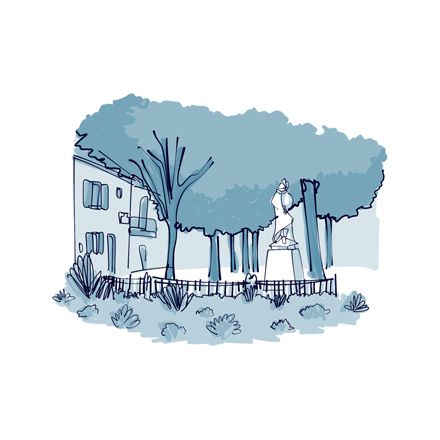
The famous statue of Cyrano de Bergerac stands proudly on Place Pélissière, in the heart of the historic centre. This sculpture pays tribute to Edmond Rostand's fictional hero, who has become the symbolic ambassador of the town despite the absence of any direct historical link. The statue, cloak in the wind and sword in hand, is a must-see for visitors and a popular meeting point for the people of Bergerac. All around, the café terraces invite you to contemplate this legendary character in the preserved setting of the half-timbered houses. Other nods to Cyrano are dotted around the town, notably in the shop windows and signs.
What is there to visit around Bergerac in half a day?
The surroundings of Bergerac are full of wonders accessible in just a few hours. The Château de Monbazillac, perched on its hillside a few kilometres away, offers a panoramic view over the vineyard and proposes a visit of its furnished rooms followed by a tasting of its famous sweet wine. Character villages such as Issigeac with its medieval hall or Eymet and its preserved bastide are worth the detour. For prehistory enthusiasts, the decorated caves of the Vézère valley are within reasonable distance. A gabarre cruise on the Dordogne is also a lovely getaway for admiring the landscapes from the river.
What can you discover on a gabarre cruise on the Dordogne?
Gabarres are the flat-bottomed boats that once went down the Dordogne loaded with wine barrels, stave wood and goods bound for Bordeaux. Replicas now set off from Quai Salvette, at the foot of old Bergerac, for a guided trip on the river. From the deck you follow wooded banks, spot herons and sometimes beavers late in the day, and above all gain some distance on the brown tiled roofs and the bell towers of the town, a perspective you never get from the quays. As the boat drifts along, the boatman recounts the life of the river men, the river trade and the decline of this navigation once the railway arrived. Departures are concentrated in the warmer months.
Which museums are worth visiting in Bergerac?
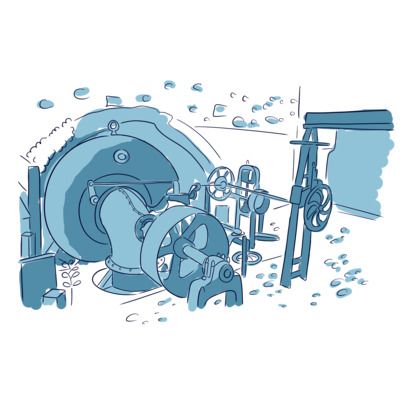
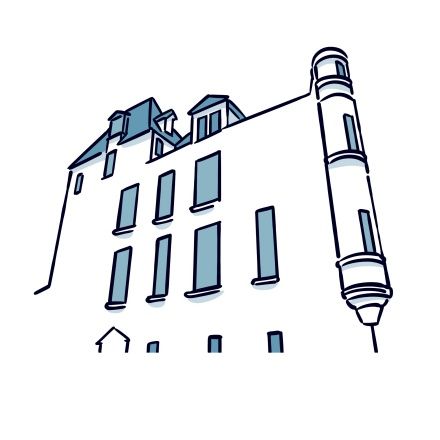
Bergerac brings together several small museums that are easy to string along on foot in the old centre. The Tobacco Museum, housed in the Maison Peyrarède, a historic mansion with a turret, retraces the story of the plant and of its cultivation in Périgord through pipes, graters, boxes and objects gathered from around the world: it is the best known in town. The Museum of Wine and River Trade, for its part, sheds light on the two activities that built local prosperity, the vineyard and river transport. The Récollets cloister, a former convent turned wine house, is worth entering for its architecture and its inner courtyard. The Ryo audio guide offers a dedicated Bergerac route linking these places to the lanes of the old centre.
Vos commentaires, idées et suggestions
Aucun avis pour le moment