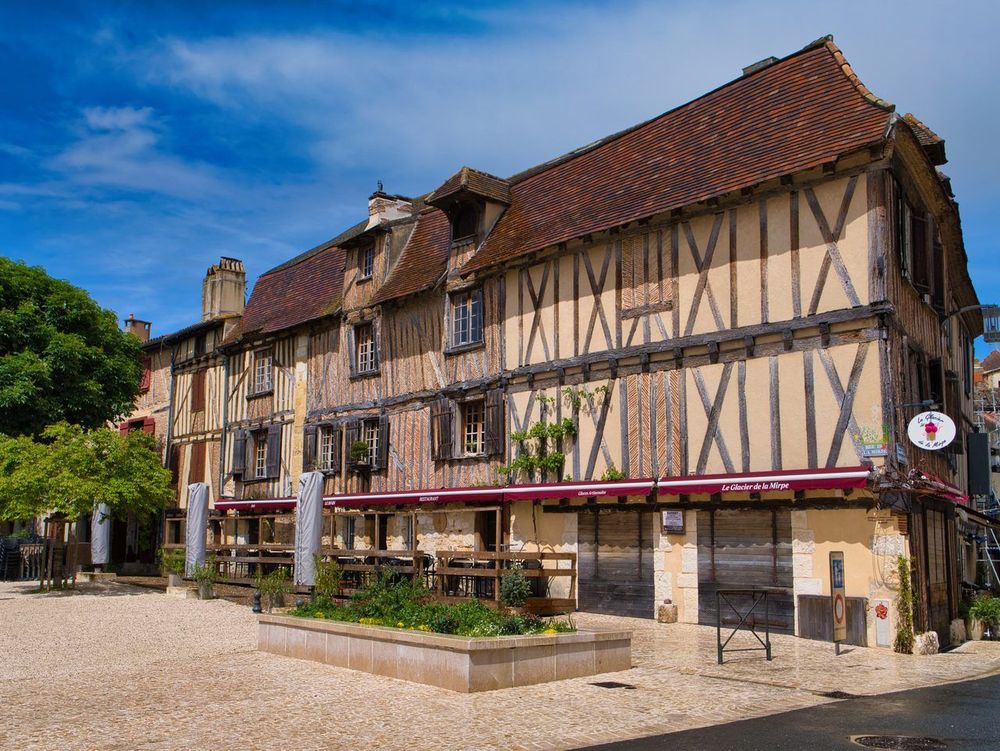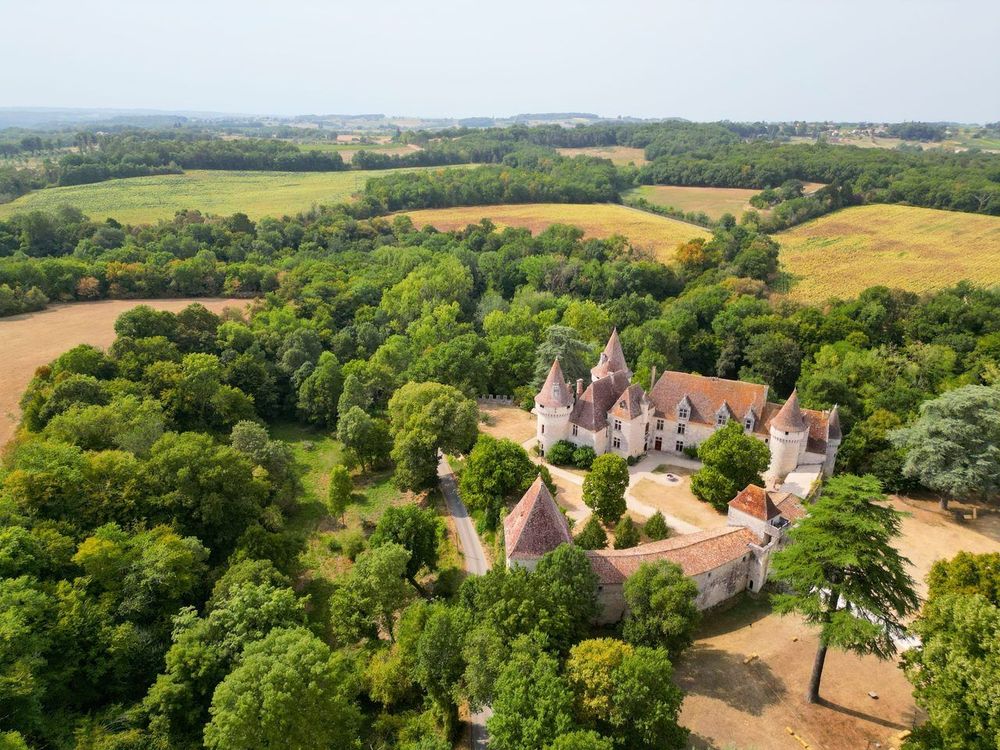
© Shutterstock
 Votre guide Ryo
Visiting Bergerac with Family: Complete Guide to the City, Châteaux, and Périgord Pourpre (2026)
Visiting Bergerac with family means first heading down to the banks of the Dordogne: gabarres glide past half-timbered facades, little ones search for the Cyrano statue on Place Pélissière, and the Périgord Pourpre begins quite literally around the corner. To help you navigate all the options, the Ryo audio tour of Bergerac traces a simple route through the historic centre's highlights: 17 audio stops over 2.7 km, around one hour of walking, at the pace of a pushchair or an inquisitive child.
Throughout this guide, you will discover a miniature port where children take the helm of small boats, a château with more than 80 giant games, a farm where you make your own goat's cheese, and bastides where the Sunday market turns a simple outing into an adventure. City on foot, fun châteaux, villages, cycling along the Dordogne, and indoor backup plans for rainy days: each option is detailed with durations, recommended ages, and 2026 prices, whether you have a day, a weekend, or a week.
Bergerac on Foot with Family: The Historic Centre and Its Highlights
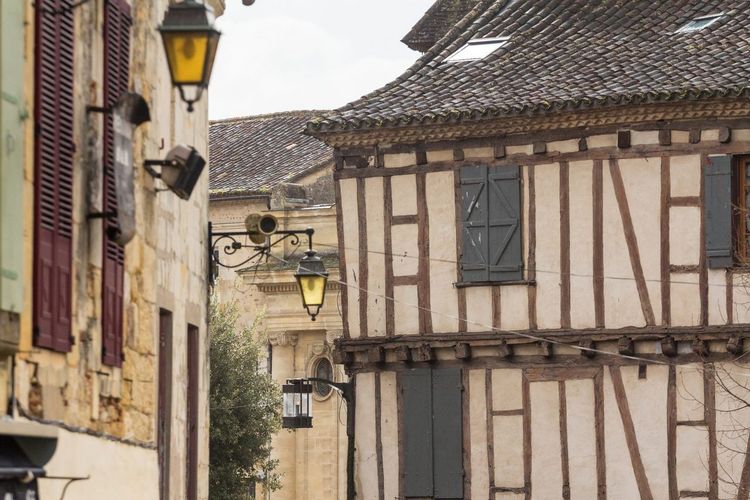
Bergerac's historic centre can be crossed from one end to the other in a twenty-minute walk, making it an ideal car-free playground. Allow half a day to wander at a leisurely pace between half-timbered houses, cobbled lanes, and the quays along the Dordogne, factoring in the snack breaks that younger visitors will inevitably call for.
Place Pélissière and Quai Cyrano, the Starting Point
The Place Pélissière is the natural meeting point to start your visit. Below the Saint-Jacques church, surrounded by old houses and café terraces, it is home to one of the city's two Cyrano statues, the one that fascinates children most with its oversized nose. Find a shaded bench, unfold a map, and the day's plan falls into place.
A few streets away, the Place de la Myrpe hosts the second statue, a Cyrano draped in his cape. A little fact to share with the children: the real Savinien de Cyrano de Bergerac, a 17th-century writer, never actually set foot here. The city simply adopted Edmond Rostand's hero by virtue of the shared name. The game then becomes finding both statues and striking a pose beside each one.
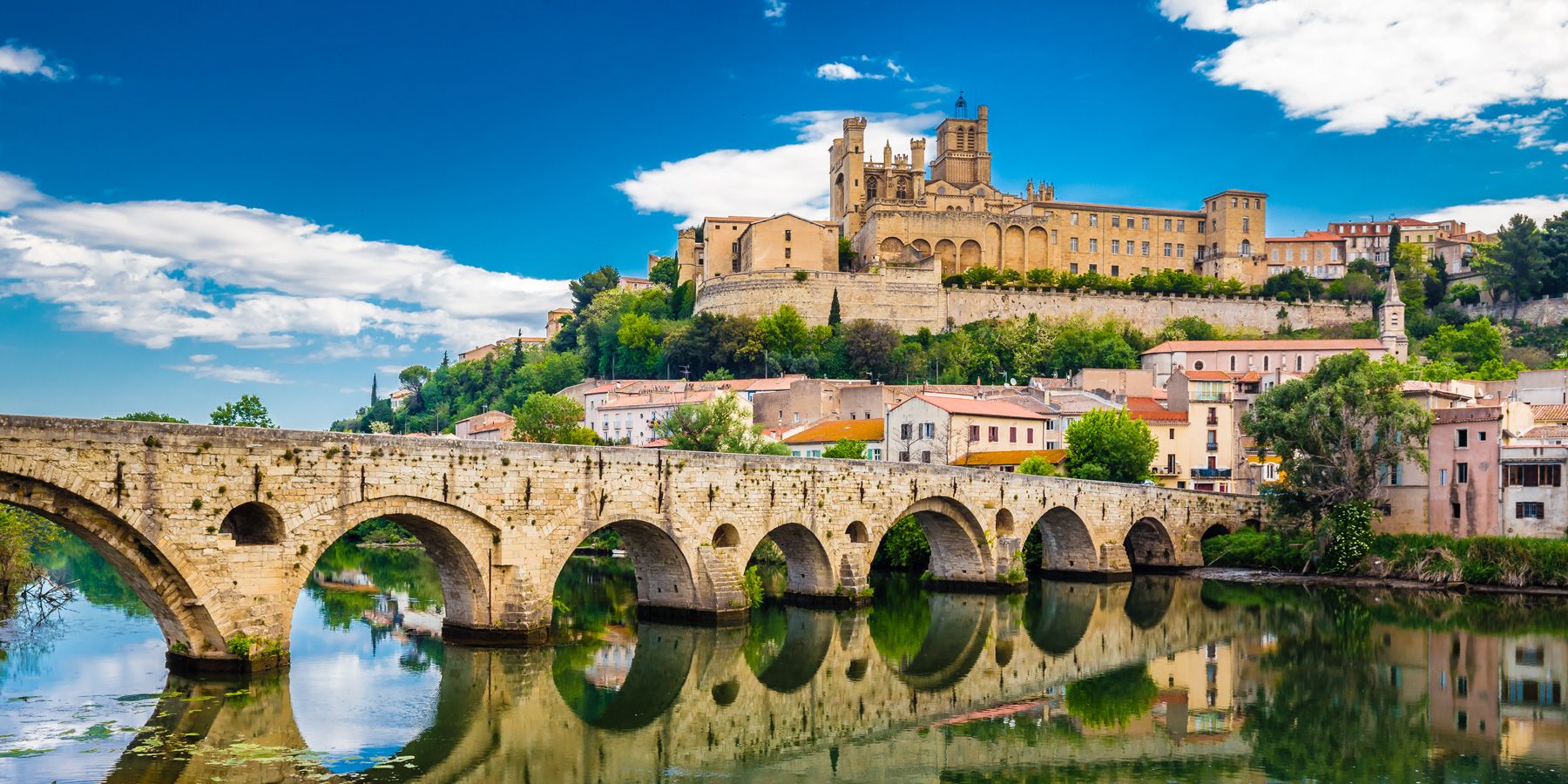
Head down to the Quai Cyrano, where the tourist office and the Maison des Vins occupy the Récollets cloister. The cobbled, shaded quay runs directly alongside the Dordogne and offers one of the finest views of the old bridge.
Continue to the Notre-Dame Church of Bergerac, a 19th-century neo-Gothic building whose tall bell tower serves as a landmark from almost every quay. Entry is free, making it a welcome cool retreat in the height of summer.
Bergerac's history revolves largely around river trade and Protestantism: the city was one of the Huguenot strongholds of the South-West before prospering through the wine trade, with barrels shipped by gabarre to Bordeaux. This past is still visible in the row of merchants' houses lining the quays.
The Tobacco Museum and the Costi Museum: a Cultural Break
The Tobacco Museum of Bergerac occupies the Maison Peyrarède, a 17th-century mansion on the cusp between the Renaissance and Classicism. Pipes, snuffboxes, and objects from around the world trace the history of the plant that sustained the valley for so long. Allow 45 minutes, a format that suits children aged 7 and up who enjoy curious objects. The museum is closed on Mondays; outside peak season, check opening times before you go.
For younger children, the Costi Museum (24100 Bergerac, rated 4.7/5 on Google from 103 reviews), part of the Dordonha heritage centre, is a better choice. Housed in the vaulted cellar of a former presbytery, it displays around fifty bronzes donated to the city in 1999 by sculptor Constantin Papachristopoulos, known as Costi, who had a deep affection for the Périgord. The white-stone setting lends itself perfectly to an impromptu treasure hunt: ask your children to find the sculpture that looks most like them.
The two museums are just a few minutes' walk apart. One is enough for a sunny morning; both can easily be combined on a rainy day.
A Gabarre Ride on the Dordogne
A gabarre tour remains the most popular activity for visitors passing through. These reproductions of the old flat-bottomed barges that once carried wine and timber to Bordeaux offer a guided ride of around 50 minutes, departing from the Quai Salvette, just below Quai Cyrano.
Seeing Bergerac from the Dordogne completely changes your perspective. The half-timbered facades, the Notre-Dame bell tower, and the gardens of the merchants' houses drift past as the boatman recounts the history of river trade and the floods that shaped the city. From the age of 2–3, even very young children manage the duration of the trip comfortably, seated at the front. In July and August, book the day before: late-afternoon departures, when the light turns the city golden, are the most sought-after.
The Ryo audio guide of Bergerac extends the experience on dry land: from Place Pélissière to Quai Cyrano and the Notre-Dame church, its 17 stops tell the story of the city and of Cyrano in the order you encounter each place. Handy for keeping the thread without depending on departure times, and for letting children press play themselves at each stop.
The Best Family Activities around Bergerac
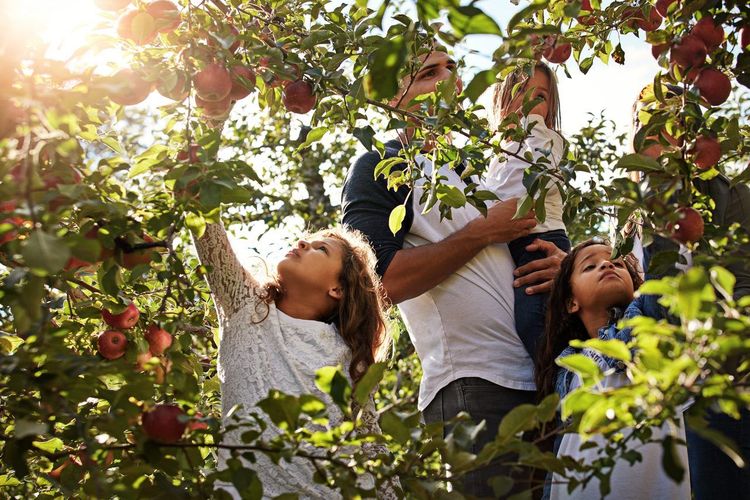
It is in the surrounding countryside that most of the activities designed for younger visitors are concentrated. Animal parks, educational farms, a lake, and indoor play spaces are spread across a radius of fifteen to fifty minutes by car, listed here by type of activity rather than distance.
Parks and Educational Farms: Jacquou Parc, La Ferme à Roulettes, and Parc du Touron
The Parc du Touron, in Campsegret, about twenty minutes north of Bergerac, is the closest of the three. Across fifteen or so hectares of meadows and woodland, it brings together more than 150 animals, from local goats to zebus and four-horned sheep. There are also pony rides, wooden games, a barefoot trail, pedal karts, giant table football, and inflatable structures in high season. Allow two to three hours; a snack bar and picnic tables mean you can have lunch there.
At La Ferme à Roulettes, in Saint-Vivien near Vélines, Marie-Camille raises organic Poitevin goats and turns their milk into farmhouse cheeses and dessert creams. The farm is only open through its workshops, which must be booked in advance: dairy visits, Petit Fromager, and Petit Ânier sessions. Children aged 4–10 leave with their own cheese and a very clear idea of where food comes from. During the season, direct sales take place on Friday afternoons.
Jacquou Parc requires a longer drive, around fifty minutes east to Mortemart near Le Bugue, on the edge of the Périgord Noir. It is, however, the area's true amusement park: 22 unlimited-access rides (pirate ship, flying chairs, big wheel, mini train) and a large water area with slides, pools ranging from 80 cm to 1.10 m deep, and a 30 cm paddling pool for baby swimmers, all set across more than ten shaded hectares. Plan for a full day and bring swimwear.
These three venues cannot be combined in a single day: pick one and save time for a picnic rather than stringing together long car journeys.
On the Water: Canoe, Paddleboard, and Pedalos at Lac de Lescourou
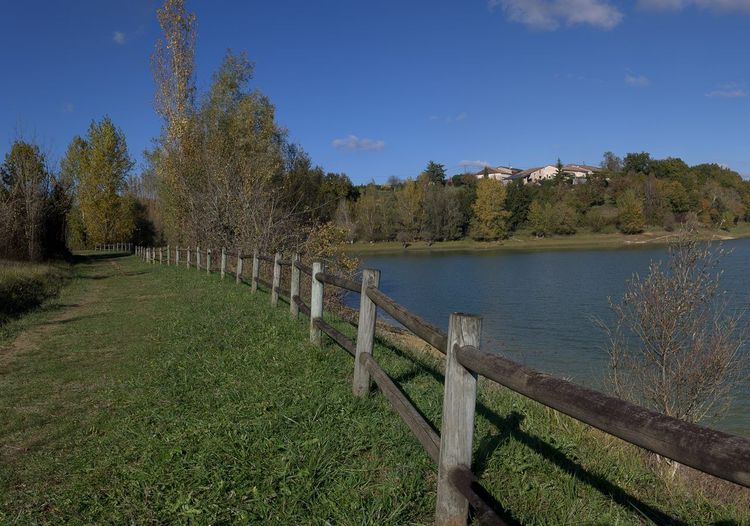
The Lac de Lescourou, 120 hectares of emerald-green water five minutes from Eymet, straddling the Dordogne and Lot-et-Garonne departments, offers a much calmer setting than the river for a first time on the water. Its watersports centre hires out canoes, paddleboards, and pedalos equipped with a slide, the last of these proving universally popular with children aged 5–10.
Budget-wise, expect around €9 to €13 for a two-hour canoe hire and €11 to €13 per hour for a paddleboard. The centre only opens in high summer, from early July to late August, 10am–1pm then 2pm–6pm: go in the morning, as afternoon slots go quickly. From a canoe, keep an eye on the banks, where herons, swans, and kingfishers are easily spotted.
Le Petit Imaginarium and Les Grands Castors

Le Petit Imaginarium, in Eymet, is an imaginative play space designed for children aged 0–10: themed sets to explore, role-play, and creative workshops, in two-hour free-play sessions. Ideal on a rainy day or during a heatwave, and easy to combine with the nearby Lac de Lescourou or a stroll around the bastide.
Les Grands Castors, in Saint-Laurent-des-Vignes on the outskirts of Bergerac, is a recently opened climbing centre: bouldering walls, routes, and most notably the Périgord's only Clip'n Climb, those colourful fun walls where children climb with automatic belaying. A dedicated area for younger children and a café with light snacks give parents a chance to relax while the older ones climb.
If your stay lasts more than two days, two wine estates south of Bergerac round out the programme: Domaine de l'Ancienne Cure, in Colombier, and Château Barouillet (24240 Pomport, rated 4.8/5 on Google from 42 reviews), in Pomport, where parents can taste while children enjoy the outdoor space. Call ahead, as reception varies with the season.
In summary: animals and a farm for the youngest, Jacquou Parc and climbing for older children, Le Petit Imaginarium when the skies cloud over.
The Miniature Port and Parc de Pombonne: a Relaxed Break
After a day on the road, nothing beats a break without leaving the city. At the Miniature Port, children take the helm of small reproductions of traditional boats and navigate a shallow basin. The experience is most popular with children aged 3–8, and a single turn is enough to make them proud for the rest of the day.
North of the city, Lac de Pombonne (24100 Bergerac, rated 4.3/5 on Google from 236 reviews) and its park form the green lung of Bergerac: shaded lawns, play areas, a path around the lake, and in summer, supervised swimming with lifeguards on duty. This is where locals come on Wednesday afternoons or after school, well away from traffic.
A cycle path connects the old port of Bergerac to the Parc de Pombonne, making it easy to get there without a car. A miniature boat ride followed by a picnic by the lake fills a late afternoon without overloading the schedule. If you followed the Ryo audio tour through the historic centre in the morning, the combination works perfectly: history in the morning, letting off steam in the afternoon.
Châteaux to Visit around Bergerac
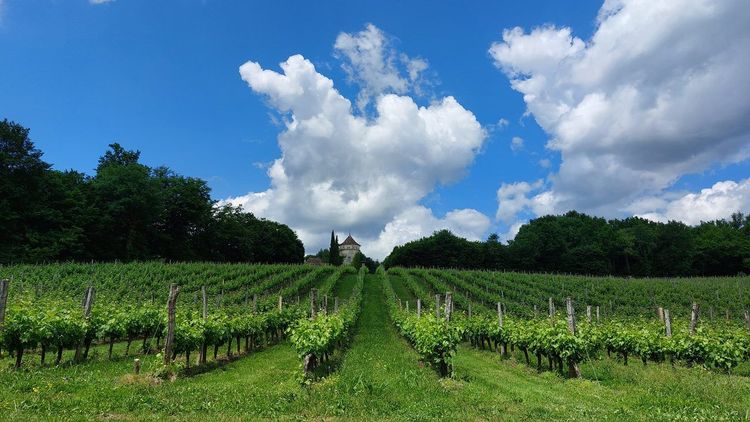
Four châteaux compete for visitors' attention around Bergerac, each with its own character. Choose according to the age and patience of your group.
Château de Monbazillac: Panorama and Vineyard
Perched above the vines, Château de Monbazillac, built around 1550, blends defensive round towers with Renaissance elegance and, on clear days, commands a view all the way to Bergerac. It is the emblematic stop of the Périgord Pourpre, owned by the cooperative cellar that produces the famous sweet wine of the same name.
The 2026 individual ticket costs €12 and includes a tasting glass at the cellar. For children, the highlight is in the vaulted cellars: a dedicated space helps them discover vine-growing through a story-based puzzle trail. The grounds then provide enough space to stretch everyone's legs.
Allow an hour and a half on site. In September, the château opens daily from 10am to 7pm, last entry at 6pm.
Château de Bridoire: the Most Family-Friendly
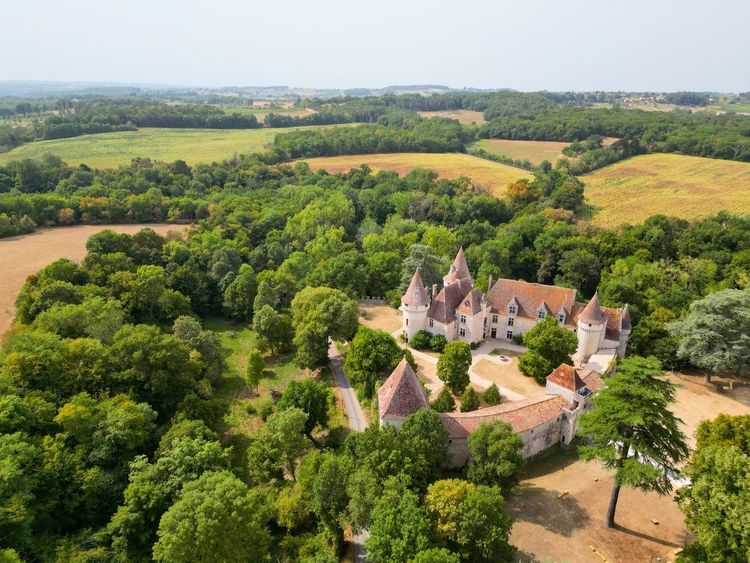
Nicknamed the games château, Bridoire, in Ribagnac, is without doubt the most playful in the region. More than 80 giant games are spread across the grounds and indoor rooms: archery and crossbow shooting, a zip line, sack races, a giant chess set, a life-size goose game through the woodland, grass skiing, a maze, and climbing frames.
Entry covers all the games: €9.50 for an adult, €6.50 for children aged 4–10. Plan for a full half-day, as between the outdoor games and the inside of the château, there is no need for constant supervision. Note the opening times: from February to All Saints' Day, Bridoire opens at weekends and during school holidays from 2pm to 6pm, and daily from 10am to 7pm in July and August.
Château de Biron and Château de Tiregand
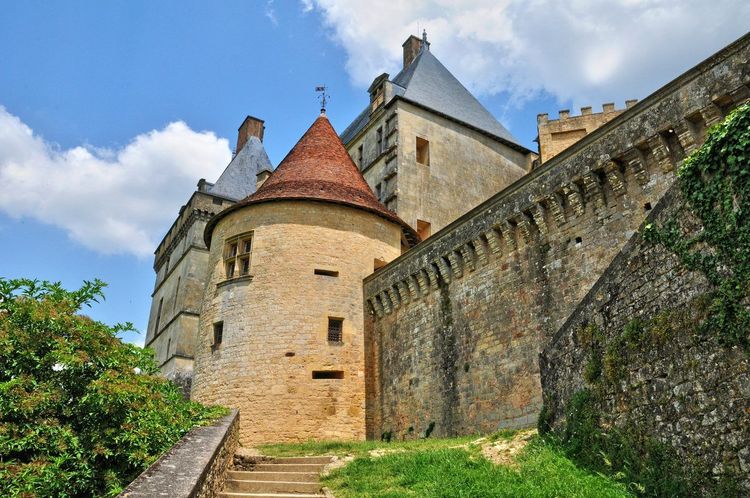
A sweeping chapter of Périgord history, Château de Biron stacks eight centuries of architecture onto a single building: a medieval keep, a Renaissance chapel, and Classical living quarters layered on top of one another on the rocky spur that dominates the village. The visit is more immersive than Bridoire and suits children aged 8–9 and up. Allow nearly an hour's drive from Bergerac and pair it with Monpazier, about ten minutes away.
In Creysse, Château de Tiregand (24100 Creysse, rated 4.9/5 on Google from 119 reviews) overlooks the Pécharmant vineyard from a wooded promontory above the Dordogne. Primarily a wine estate, it makes for a pleasant short stop at the end of the day, just long enough for a tasting and a walk through the grounds.
Château Hugon and Domaine du Grand Jaure round out the list if you extend your stay in the vineyard: less spectacular than Monbazillac or Biron, they are visited mainly for their small-group tastings, by appointment.
Which château to choose? Bridoire for children aged 4–10 who want to play, Monbazillac for a first introduction to the vineyards, Biron for older children with a curiosity for history. Before heading up into the hills, the Ryo audio tour of the city centre sets the scene: walking along the quays from which gabarres once departed laden with wine for Bordeaux adds depth to any tasting that follows.
Villages and Bastides of the Périgord Pourpre to Explore
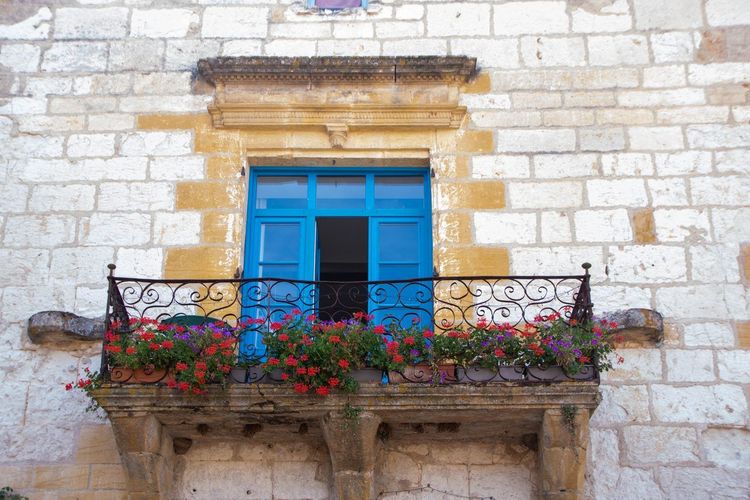
The Périgord Pourpre has around ten character villages and bastides within an hour's drive of Bergerac. Rather than ticking them all off, group them according to the days you have available.
Issigeac and Its Sunday Market
Issigeac (Place de la Capelle, 24560 Issigeac), with its Sunday market and medieval lanes, remains the easiest outing to improvise. Unlike the neighbouring grid-plan bastides, the village curls in a circle around its Gothic church of Saint-Félicien, rebuilt in the 16th century, and the Bishops' Palace. Look out with the children for the Maison des Têtes, whose facade is decorated with carved faces.
On Sunday mornings, the market turns the lanes into a lively jumble of local producers: foie gras, goat's cheeses, seasonal fruit. Arrive before 11am to beat the crowds and let the little ones sample at leisure.
Allow an hour and a half on Sundays, versus thirty to forty-five minutes on weekdays. Several shaded spots lend themselves to an impromptu picnic.
Eymet and Monpazier: Two Iconic Bastides
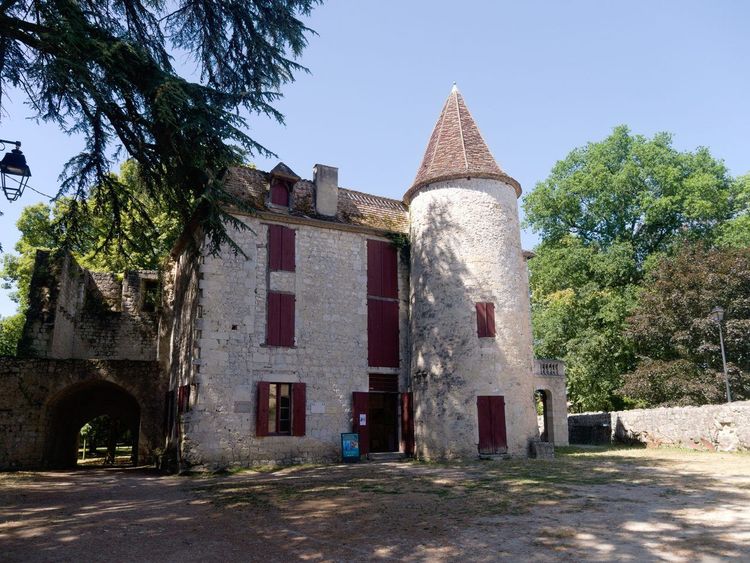
Eymet (Place Gambetta, 24500 Eymet), a welcoming bastide founded in 1270 south of Bergerac, arranges its arcaded square beside its château, of which a powerful square 13th-century keep nicknamed the Tour des Anglais survives. It is a more lively than touristy bastide, with a sizeable British community that keeps its cafés and shops buzzing all year round. Added bonus: Le Petit Imaginarium and Lac de Lescourou are right nearby.
Monpazier (Place des Cornières, 24540 Monpazier), the unmissable bastide, is listed among the Most Beautiful Villages in France, and rightly so: its central arcaded square, ancient market hall, and near-perfect grid plan make it a textbook example of medieval town planning. Children tend to remember it most for games of hide-and-seek under the arcades.
Both bastides can be combined in one day if you set off early: allow around forty-five minutes of driving between Eymet and Monpazier. Visit Monpazier in the morning when it is less busy, and Eymet in the late afternoon for a terrace break.
Beaumont-du-Périgord, Molières, and Hidden Stops
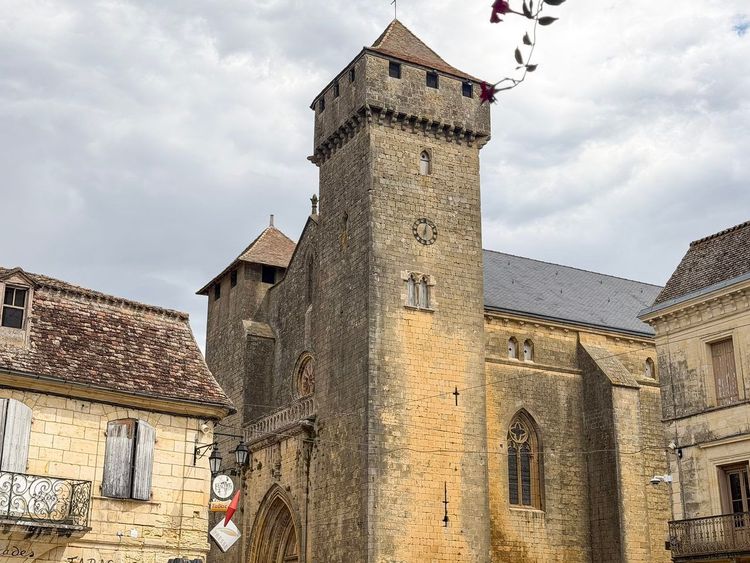
Beaumont-du-Périgord (Place Jean Moulin, 24440 Beaumont-du-Périgord) and Molières offer the same bastide architecture away from the most visited circuits, without the crowds. Beaumont retains an impressive fortified church flanked by four defensive towers, while Molières, a bastide that was never completed in the Middle Ages, can be visited in barely twenty minutes and is almost always deserted.
Lanquais, Cadouin, and Saint-Avit-Sénieur offer three more modest but characterful stops: a château at Lanquais, a Cistercian abbey at Cadouin, and a fortified church at Saint-Avit-Sénieur. None requires more than twenty to thirty minutes.
To group villages into a single day without exhausting anyone, one simple rule: two bastides maximum, never three, with a proper break between each stop. Issigeac and Monpazier for a first outing, the rest if your stay stretches to a week.
Nature and Fresh Air: Cycling, the River, and Walks
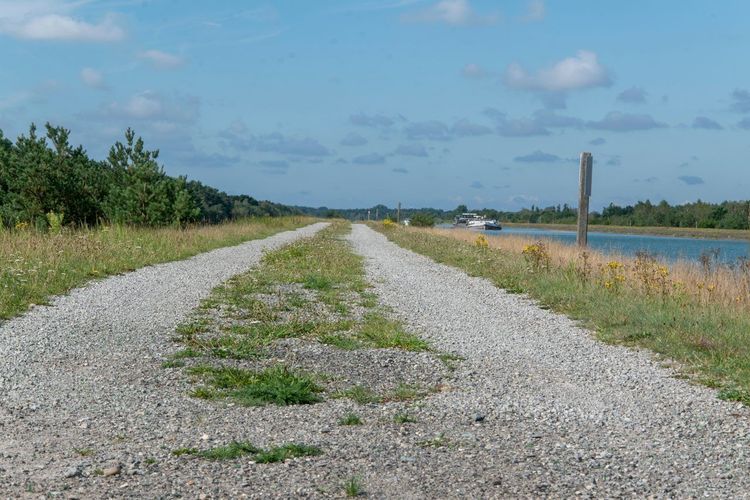
The Périgord Pourpre lends itself well to active outings, provided you choose routes with minimal elevation gain. Three options come up most often among families who spend a few days in the area.
The V91 Greenway by Bike
Bergerac's cycle path, more precisely the V91 greenway, is the safe bet for gentle exercise. It follows the Dordogne valley on a smooth surface, largely away from traffic, and in places runs alongside the Canal de Lalinde. It is the simplest option for a first outing with children who are not yet fully confident on two wheels.
Several hire shops in the city centre offer children's bikes, trailers, and baby seats by the day, at around €12 to €20 depending on the equipment. The cycle route can be tackled in sections: there is no need to attempt the full length, a 10 to 15 km loop is more than enough with young cyclists.
Regular distance markers and almost no road crossings give parents the peace of mind to keep an eye ahead rather than constantly looking back.
Canoeing and Waterside Stops on the Dordogne
Several watersports centres hire out canoes and paddleboards directly on the Dordogne, with one- to three-hour descents suitable for all abilities. From the age of 6–7, a child can paddle from the front of a two-person canoe, life jacket required.
On days when no one feels like exerting themselves, a leisurely stroll along the riverbanks is a simple alternative. Some nearby campsites also allow fishing and time in nature without leaving their grounds, for a quiet afternoon between more active visits.
The Canal de Lalinde and the Tuilières Dam
The Canal de Lalinde, with its locks and boatmen's heritage, was dug between 1838 and 1843 to allow gabarres to bypass the Dordogne rapids that bargemen feared. Its towpath can now be followed on foot or by bike along flat terrain. The most impressive sight is at Tuilières: a flight of six locks climbs 22 metres in less than 300 metres.
Right next to it, the Tuilières Dam (24150 Saint-Capraise-de-Lalinde) has housed a fish ladder with an observation window since 1989: visitors can watch salmon and shad pass through the structure as they make their way upstream. The visit is guided and must be booked in advance, during the spring school holidays, in July and August, and on Heritage Days.
Limeuil (Le Bourg, 24510 Limeuil, rated 4.5/5 on Google from 355 reviews), at the confluence of the Dordogne and the Vézère, thirty-five minutes away by road, is worth the detour if you have a spare day: the listed village commands the meeting of the two rivers from its rocky spur.
Following the Ryo audio tour along Bergerac's quays before a cycling outing helps you understand what the river meant to the city: locks, towpaths, and gabarres then make perfect sense as you ride along the canal.
Markets, Tastings, and Food Breaks
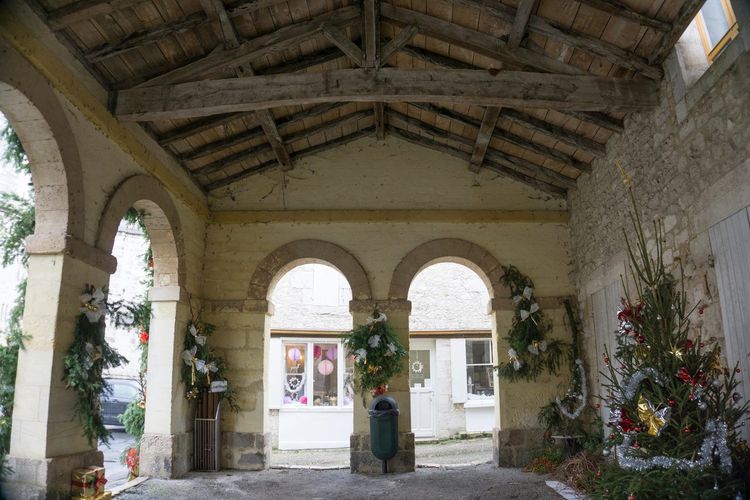
Building the market into your plans often reshapes a whole day in Bergerac. The covered market halls open several mornings a week, but it is on Wednesdays and above all Saturdays that the market reaches its full scale, with local producers spilling out onto the square.
In July and August, the gourmet evening markets held on certain nights along the quays turn an outing into an impromptu dinner: producers' stalls, live music, and long communal tables facing the Dordogne. This is often the moment when children, tired after a day of sightseeing, rediscover their energy in front of a concert.
Smaller and quieter, the Tuesday evening organic market suits a relaxed end-of-day outing. The monthly bric-a-brac and flea market tends to appeal more to parents on the hunt for finds, while the little ones peer at old toys spread out on trestle tables.
Wine tastings in the Bergerac vineyard do not exclude children: the Maison des Vins de Bergerac, housed in the Récollets cloister on Quai Cyrano, allows you to explore the cloister and cellars before a tasting of Bergerac and Duras wines reserved for adults. Allow around thirty minutes.
Each year in May, over the Ascension long weekend, the Vinata, Bergerac and Duras's major wine festival, opens the wine-tourism season with appellation stands, meetings with winegrowers, and street entertainment. On the restaurant side, La Table du Marché (Place Louis de la Bardonnie, 24100 Bergerac, rated 4.6/5 on Google from 757 reviews) offers polished cuisine that also caters well to children, while l'Authentik favours a simpler menu, perfect after a full day of sightseeing.
Rainy Days: What to Do in Bergerac When the Weather Turns
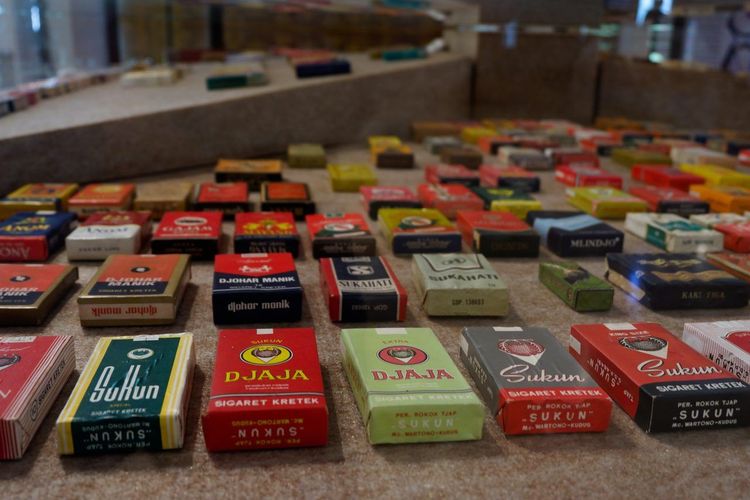
When it rains, Bergerac and its surroundings offer plenty of indoor options. In the city centre, the Tobacco Museum and the Costi Museum are the reliable choices, just a few minutes' walk apart.
At the edge of town, Les Grands Castors and its Clip'n Climb easily occupy young climbers for two hours. Further south, Le Petit Imaginarium in Eymet absorbs a rainy afternoon perfectly for children aged 0–10. For a longer outing, the vaulted cellars of Château de Monbazillac and its puzzle trail offer a good hour of indoor exploration.
A cinema and several cafés with a children's corner complete the options in the city centre if the rain settles in for the day.
How Long to Allow and How to Organise Your Family Stay
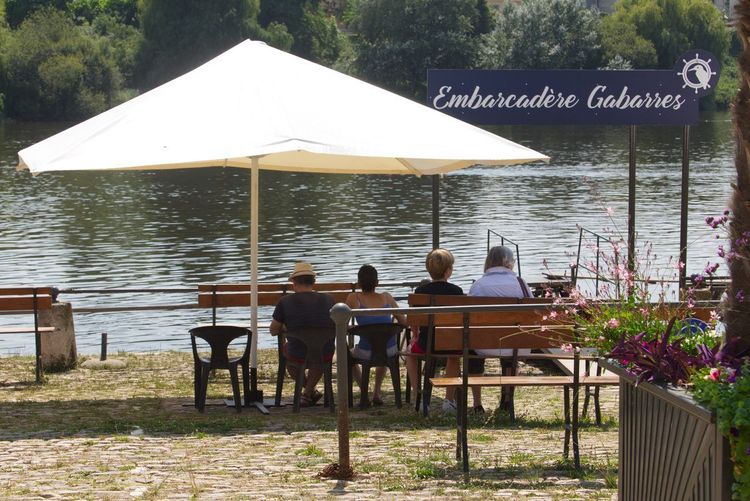
Planning an itinerary based on the length of your stay is the question that comes up most often before departure. Here are three scenarios depending on how much time you have.
Bergerac in One Day, on Foot or without a Car
One day on foot is enough to cover the historic centre, a museum, and a gabarre ride. For the city itself, a car is unnecessary: everything is within a twenty-minute walk, and the cycle path leads to Lac de Pombonne.
Start early at Place Pélissière, move on to Quai Cyrano and the Notre-Dame church, then book the gabarre for the late afternoon when the light on the water is at its finest. In between, slip in the Tobacco Museum or the Costi Museum depending on how much energy the children have left.
Our Ryo audio tour of Bergerac serves as the guiding thread for this first day: its 17 stops and one hour of walking cover the essentials of the historic centre without any need to improvise a route.
A Weekend between City and Villages
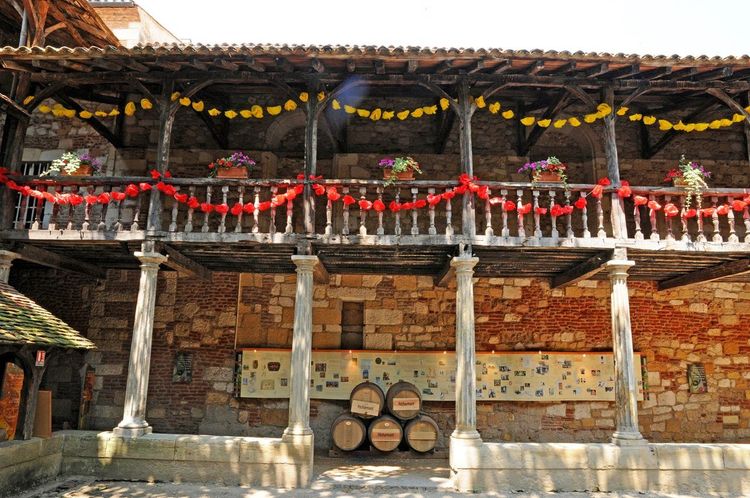
Two days allow you to combine the city centre, a family-friendly château, and a bastide. Keep Saturday for the city and Bridoire or Monbazillac, Sunday for Issigeac to make the most of the market.
This format also leaves room for a nature activity, canoeing or cycling on the greenway, on Sunday morning before heading home. Avoid scheduling more than two major activities per day with young children: car fatigue quickly adds to the tiredness from sightseeing.
With the exception of Jacquou Parc and Biron, rarely more than forty-five minutes of driving separates Bergerac from the stops in this guide, which leaves plenty of margin for picnics and the unexpected.
Several Days to Explore the Whole Périgord Pourpre
To cover the city, two châteaux, two bastides, and at least one outdoor activity without rushing, allow four to five days. A quieter day around Douville, away from the main tourist trails, offers a welcome breather between two busier days.
Over a week, base yourself in Bergerac rather than moving around: distances are short throughout the Périgord Pourpre, avoiding the need to change accommodation every two days with young children.
A sensible pace looks something like this: one day for the city, one day for châteaux, one day for villages, one day for nature (cycling or canoeing), and one free day to revisit the children's favourite activity or simply rest before the journey home.
Where to Stay in Bergerac and the Surrounding Area
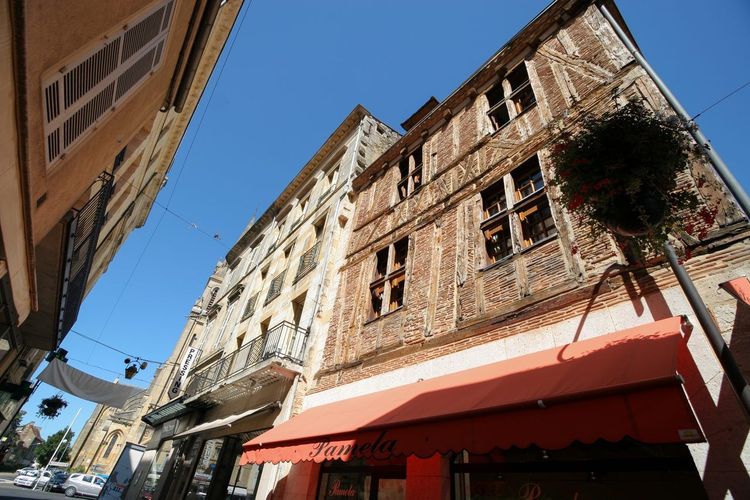
It all depends on the balance you are looking for between urban comfort and rural tranquillity. In the city centre, several bed and breakfasts in half-timbered houses give you walking access to all the first-day sights without needing a car.
For exploring the surrounding area, gîtes and campsites around Monbazillac or in the Couze valley, fifteen to twenty minutes from the city, generally offer a swimming pool and outdoor space, a real bonus when children need to burn off energy after a day of visits.
Expect to pay from €90 to €120 per night for a four-person gîte in high season, slightly less outside July and August. Many campsites in the area have play areas and heated swimming pools, which makes late afternoons considerably easier.
Book early for summer: the area remains popular with French and British holidaymakers who return year after year to the same places.
FAQ
How many days do you need to visit Bergerac and its surroundings as a family?
Allow one day for the city centre alone, a weekend to add a château and a village, and four to five days to cover the highlights of the Périgord Pourpre at a relaxed pace, including villages, châteaux, outdoor activities, and food stops.
Can you visit Bergerac and its surroundings without a car?
The historic centre is entirely walkable, including a gabarre ride, and a cycle path leads to Lac de Pombonne. The surrounding area (châteaux, villages, parks) does require a car, as public transport options are limited.
What can you do in Bergerac in one day with children?
Place Pélissière, Quai Cyrano, the Notre-Dame church, and a gabarre ride make for a wonderful day. Round it off with the Tobacco Museum, the Costi Museum, or a stop at Lac de Pombonne depending on everyone's energy levels.
What can you do around Bergerac when it rains?
The Tobacco Museum and the Costi Museum in the city centre, the climbing wall at Les Grands Castors in Saint-Laurent-des-Vignes, Le Petit Imaginarium in Eymet, and the vaulted cellars of Château de Monbazillac all offer great indoor options.
Which château near Bergerac is best for children?
Bridoire, with its 80-plus giant games, is the most suitable for children aged 4–10. Monbazillac works well as a first introduction to the vineyards thanks to its puzzle trail, while Biron suits older children with an interest in medieval history.
Where should you stay to explore the area around Bergerac as a family?
The city centre is ideal if you prefer exploring on foot. Gîtes and campsites around Monbazillac or in the Couze valley offer more outdoor space and swimming pools.
Which villages should you visit around Bergerac as a family?
Issigeac, especially on Sunday for its market, and Monpazier are the must-sees. Eymet, Beaumont-du-Périgord, and Molières round out a longer stay nicely, with a maximum of two bastides per day.
Visiting Bergerac as a family ultimately comes down to finding the right balance between exploring the city on foot, fun châteaux, human-scale villages, and nature breaks along the Dordogne. Nothing requires complex planning: distances are short, activities flow naturally into one another, and there is always a backup option in case of rain or general fatigue.
For your first morning, the easiest starting point is the Ryo audio tour of Bergerac: 17 audio stops, one hour of walking, and 2.7 kilometres from Place Pélissière to Quai Cyrano. A perfect way to kick off your stay without improvising, while the app does the work as you keep an eye on the children.