


Créé par Romane, le 4 oct. 2026
Votre guide Ryo
Sarlat-la-Caneda, France
Echoes of the Middle Ages
Parcours audioguidé pour visiter Sarlat-la-Canéda en 1 jour
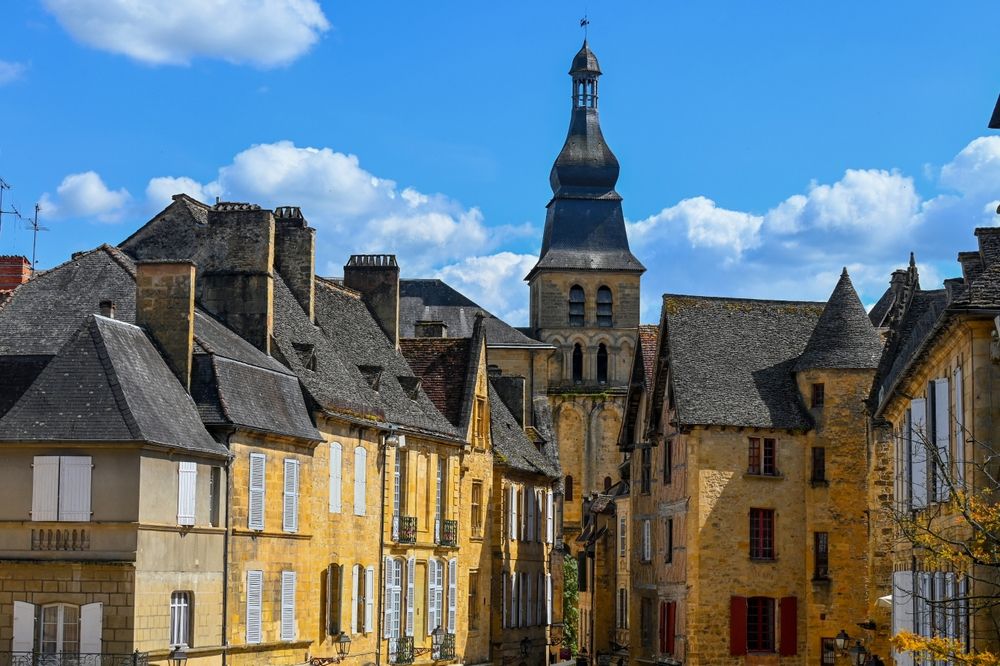
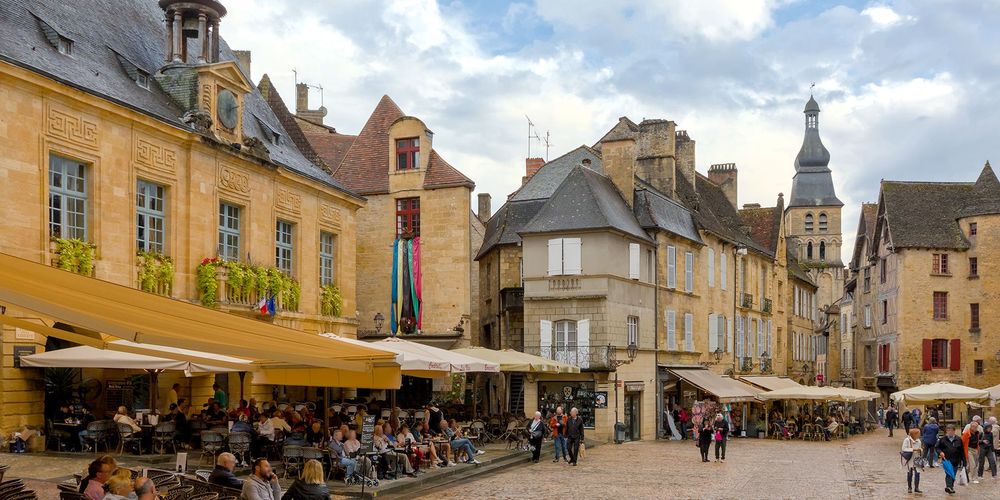
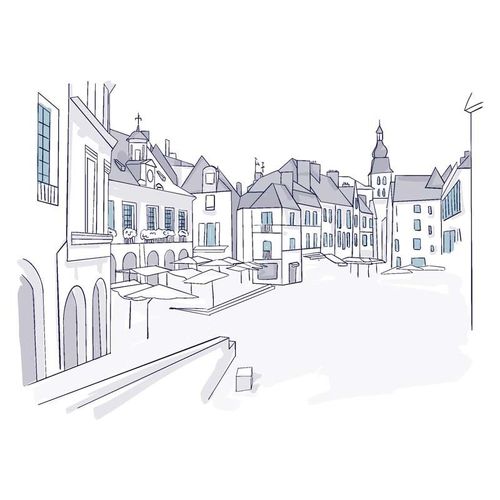
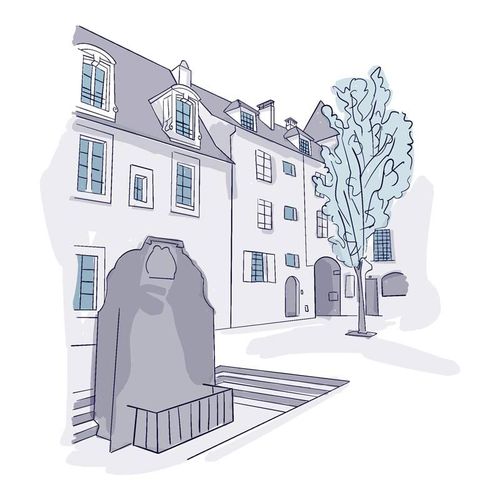
In the heart of the Périgord Noir, Sarlat-la-Canéda impresses with its remarkably well-preserved medieval center. With its cobbled streets, stone façades, and local specialties, the town blends exceptional heritage with a rich culinary lifestyle.
Quand partir à Sarlat-la-Canéda ?
Jan.
6°
11
Feb.
8°
10
March
11°
11
April
14°
12
May
18°
13
June
22°
11
July
25°
9
Aug.
25°
9
Sept.
22°
10
Oct.
17°
11
Nov.
11°
12
Dec.
7°
12
The climate in Sarlat-la-Canéda is oceanic with a southern tendency, featuring relatively mild winters, generally between 3 and 11°C, and hot summers, most often ranging from 26 to 32°C, with possible peaks during heatwaves; the best times to visit are typically from April to June and then from September to October, when temperatures are pleasant, the landscapes of the Périgord region are particularly beautiful, and conditions are ideal for enjoying the medieval center and surrounding scenery without the crowds of the peak summer season.
Départ conseillé
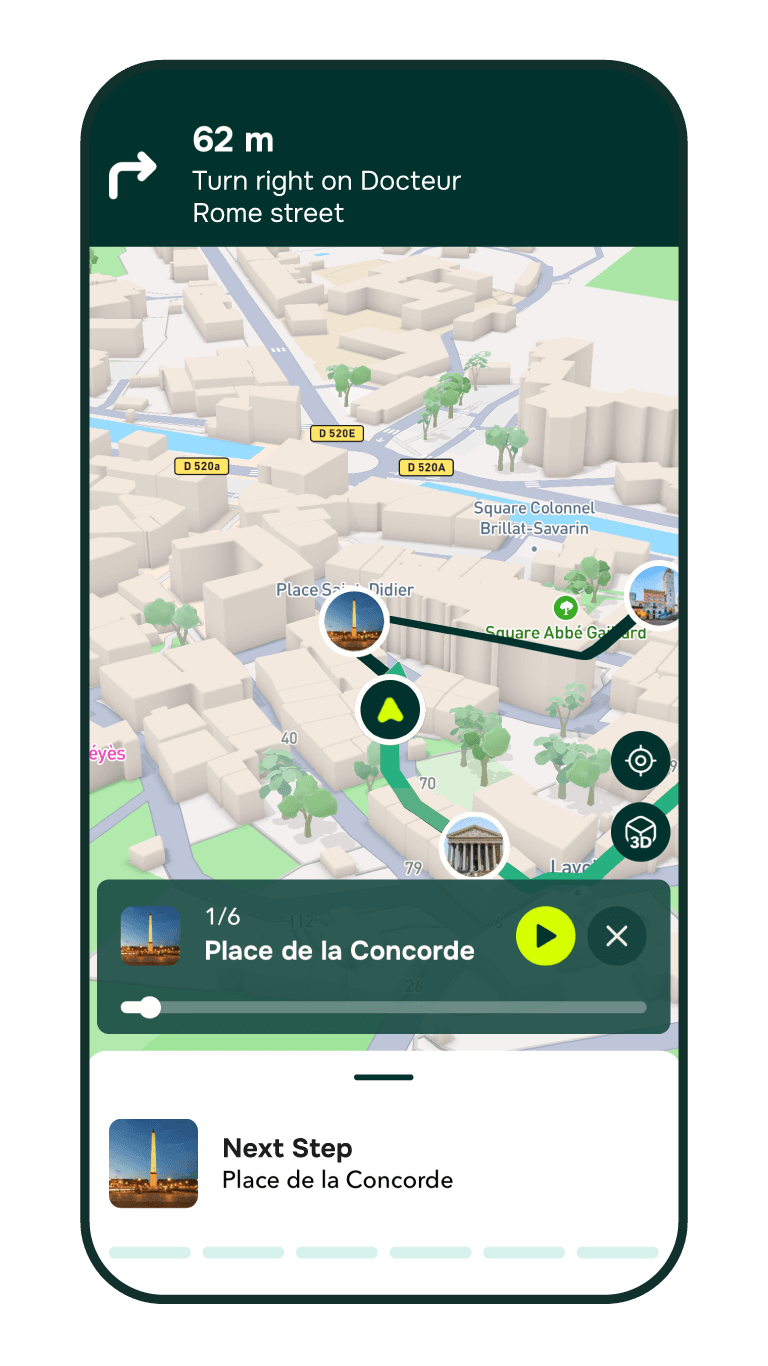
No need to worry about where to begin! Our tours are designed as a loop, so you can jump in wherever you are. The navigation system and audioguide will automatically adjust to your location. However, if you happen to be nearby, we do have a preferred starting point: place de la Petite Rigaudie
Parking à proximité
Free Parking des Cordeliers: Place des Cordeliers
In Sarlat, the Cordeliers car park is an excellent option for free parking near the historic center. Located just a few minutes’ walk from the old town, it allows easy access to the main tourist sites without having to pay for parking. In addition, Sarlat has several paid car parks located closer to the medieval heart of the city, such as those at Place Pasteur, Faubourg de Malevergne, or Parking Sainte-Marie, which offer greater convenience, especially during market days or the high season. For short-term visitors, limited-time parking areas (blue zones) are also available on certain streets and simply require a parking disc. Finally, for motorhomes, dedicated parking areas are located on the outskirts of the town, offering specific services while still providing quick access to the center.
Découvrez 16 lieux d'intérêt pour visiter Sarlat-la-Canéda






Le plein d'inspirations
Explorez le monde en totale liberté, à pied au cœur des villes ou au fil des routes. Nos guides audios transforment chaque destination en une découverte culturelle immersive et unique.

FAQ for visiting Sarlat-la-Canéda
When is the best time to visit Sarlat-la-Caneda?
The best times to discover Sarlat run from April to June and then from September to October. During these months, you will enjoy pleasant temperatures and a particularly beautiful Périgord landscape, with the spring or autumn colours enhancing the golden stone of the medieval town. The oceanic climate with a southern tendency offers relatively mild winters and hot summers that can reach 32°C. By avoiding July and August, you will escape the heavy tourist crowds while enjoying ideal conditions for wandering the cobbled lanes and exploring the surroundings. Spring is especially enchanting, with the gardens in bloom and the buzz of the first local producers' markets.
How long do you need to visit Sarlat-la-Caneda?
A full day will let you discover the essentials of Sarlat's medieval centre, its cobbled lanes and its main monuments. In a few hours, you can explore the historic heart, admire the Renaissance facades and enjoy the unique atmosphere of this well-preserved town. For a more in-depth experience including tasting the local specialities, visiting a market and perhaps a museum, allow two days instead. The Ryo audioguide accompanies you on a streamlined route that covers all the must-sees of the medieval town in about two hours of narrated walking. If you also wish to explore the surroundings such as the gardens of Marqueyssac or the châteaux of the Dordogne valley, allow three to four days on site.
Where can you park easily and for free in Sarlat?
Free parking in Sarlat is found mainly on the outskirts of the historic centre. The car parks furthest from the town centre generally remain free all year round, notably those located beyond the ring road. In tourist season, arriving early in the morning will more easily guarantee you a space. The paid parking zones are concentrated around the medieval centre, but some become free in the evening and on Sundays depending on the period. To reach the historic heart easily from the outlying car parks, allow around ten to fifteen minutes on foot. Remember to check the signs on site, as the rules can vary according to the seasons and local events. The locals will gladly advise you on the best spots depending on your arrival time.
What are Sarlat's markets and on which days are they held?
Sarlat pulses to the rhythm of its traditional markets that enliven the medieval town several times a week. The main market is generally held on Saturday morning on the Place de la Liberté and in the adjacent streets, turning the historic centre into a veritable gourmet Aladdin's cave. There you will discover the flagship products of the Périgord Noir: foie gras, truffles in season, walnuts, strawberries and other local delights offered directly by the producers. A more modest market often takes place during the week, allowing residents to stock up on fresh produce. During the high season, night markets may also be organised, creating a festive atmosphere under the stars. In winter, the truffle market draws connoisseurs from all over the region.
How can you discover Sarlat with children?
Sarlat lends itself wonderfully to family visits thanks to its safe pedestrian centre and its many activities suited to younger visitors. The medieval lanes become a life-sized playground where your children can imagine knights and princesses while discovering history. Treasure hunts and trail games are regularly organised to make the visit fun. The Ryo audioguide offers tailored commentary that will captivate young and old alike with amusing anecdotes about life in the Middle Ages. The many artisanal ice cream shops and crêperies allow for welcome treat-filled breaks. The little tourist train also offers a restful alternative for discovering the town without tiring out. The gardens of the nearby Manoir d'Eyrignac make an ideal nature getaway to let off steam after the town visit.
What are the culinary specialities of Sarlat not to be missed?
The Périgord Noir is a paradise for food lovers, and Sarlat is its undisputed gastronomic capital. Foie gras reigns supreme, served in every form in the restaurants and specialist shops. The black truffle, the diamond of local cuisine, perfumes the dishes during the winter season. Duck and goose confit, pommes de terre sarladaises browned in goose fat, and walnuts in all their forms are among the must-tries. Do not miss the tourin, a traditional garlic soup, nor the cabécous, small local goat cheeses. For dessert, give in to the walnut cake or the Périgord strawberry tart. The markets will let you taste these wonders directly from the passionate producers.
How do you go up the panoramic lift in Sarlat?
The panoramic lift of the Sainte-Marie church offers you a sweeping view over Sarlat's lauze-tiled rooftops and the surrounding valley. Installed in the former bell tower of this deconsecrated church turned covered market, it lifts you several dozen metres high. Access is generally from inside the covered market, so simply follow the signs on site. The ascent lasts only a few seconds and, at the top, a panoramic terrace lets you admire the landscape in 360 degrees. Opening hours and prices vary according to the season, so check with the tourist office or directly on site. This unique experience will help you better understand the medieval layout of the town and capture spectacular photos of the Périgord Noir.
Which monuments should you see in the medieval town of Sarlat?
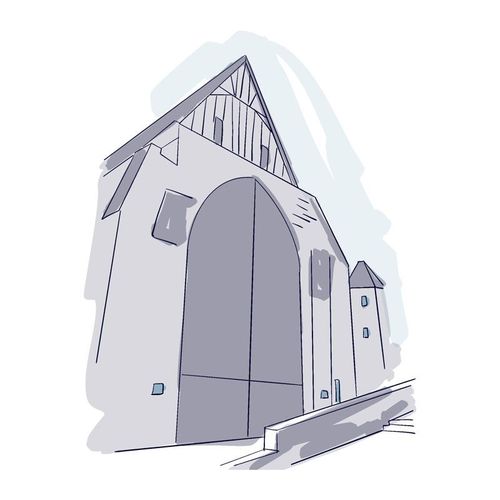
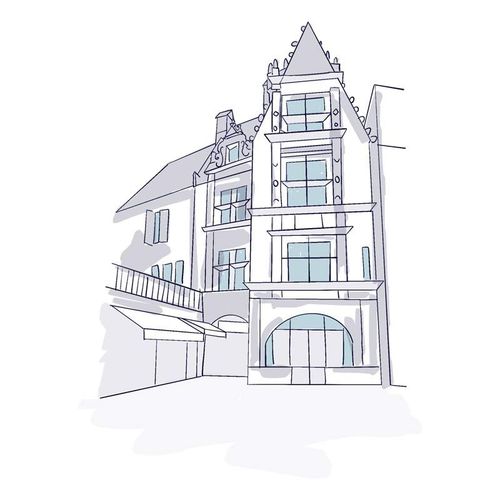
The cathedral of Saint-Sacerdos towers over old Sarlat with its golden stone, surrounded by a maze of lanes lined with mansions and turreted houses. Behind the building, the Lantern of the Dead, an odd conical tower inherited from the Middle Ages, still puzzles visitors. On the way back down, the Maison de La Boétie, with its Renaissance façade and richly worked gable, remains the most photographed building in town.
On Place de la Liberté, the Manoir de Gisson is open to visitors and gives a very tangible sense of the life of a noble Périgord family. Directly opposite, the former church of Sainte-Marie, converted into a covered market by Jean Nouvel, illustrates the dialogue between old stone and contemporary steel. The Ryo audio guide offers a dedicated walking route through Sarlat linking these highlights.
How has Sarlat kept its medieval centre intact?
The town owes its exceptional state of preservation to a long slumber: left aside by the main roads and by industrialisation, it escaped the demolitions that transformed so many other old centres. Its houses of pale golden stone, roofed with stone slabs, therefore survived almost untouched until the middle of the last century, though in a badly dilapidated state.
Sarlat was then chosen as a pilot project for the protection of safeguarded historic districts, which launched a methodical restoration of the old quarter, with cables buried underground and façades brought back to life. That operation explains the visual unity you see today, and why the town is so often used as a film set.
What can you visit around Sarlat in the Périgord Noir?
Sarlat makes an ideal base for exploring the Dordogne valley. Close by, the villages of La Roque-Gageac, Beynac and Domme cling to the cliffs or look down over the river, each with its castle or its viewpoint. The hanging gardens of Marqueyssac offer avenues of clipped box and a panorama that sums up the Périgord landscape on its own.
To the north, the Vézère valley concentrates the prehistoric sites, with Lascaux and its replica, the carved rock shelters and the museums devoted to the first humans. Paddling down the Dordogne by canoe in summer remains the finest way to watch the castles glide past from the water. Plan on having a car: public transport barely serves these villages.
Vos commentaires, idées et suggestions
Aucun avis pour le moment