
Créé par Romane, le 4 oct. 2026
Votre guide Ryo
Limoges, France
Capital of Porcelain
Parcours audioguidé pour visiter Limoges en 1 jour
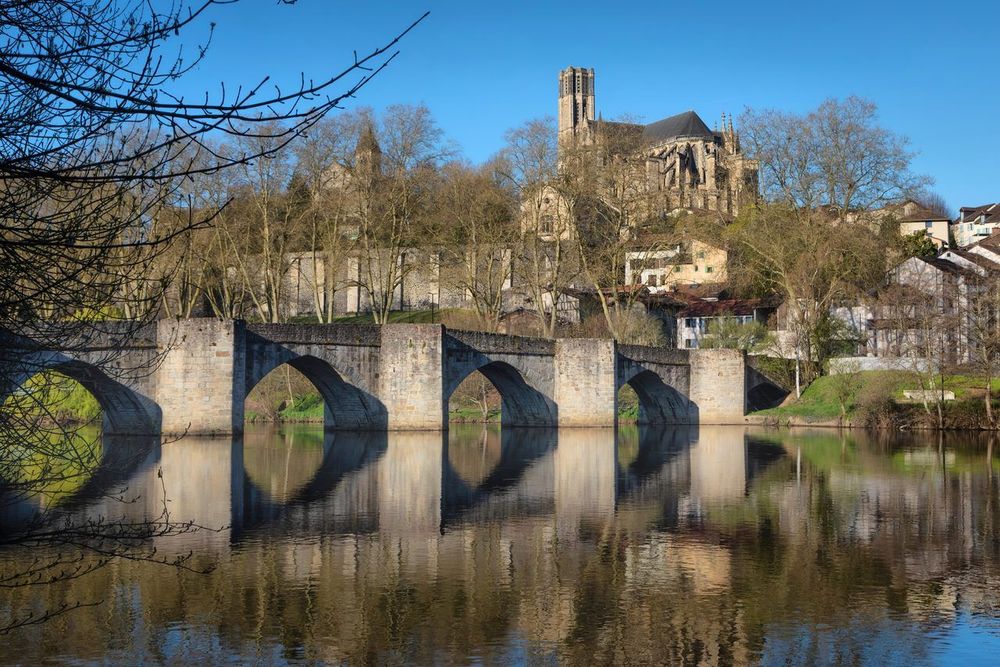
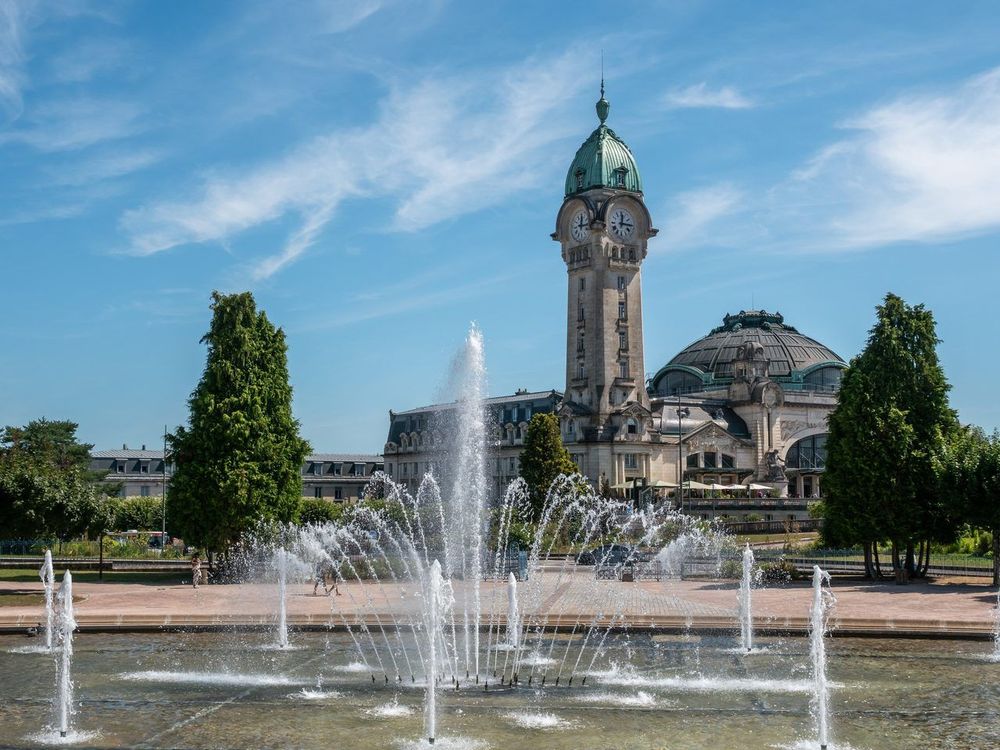
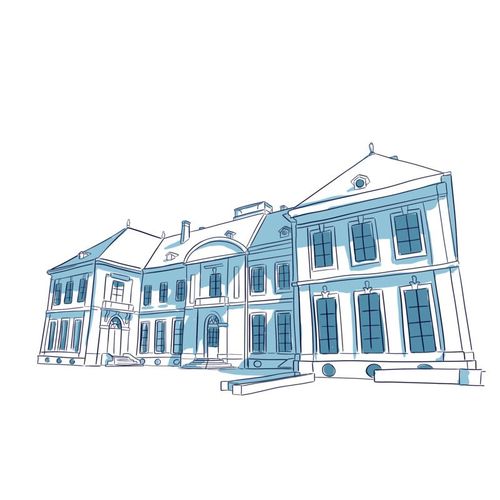
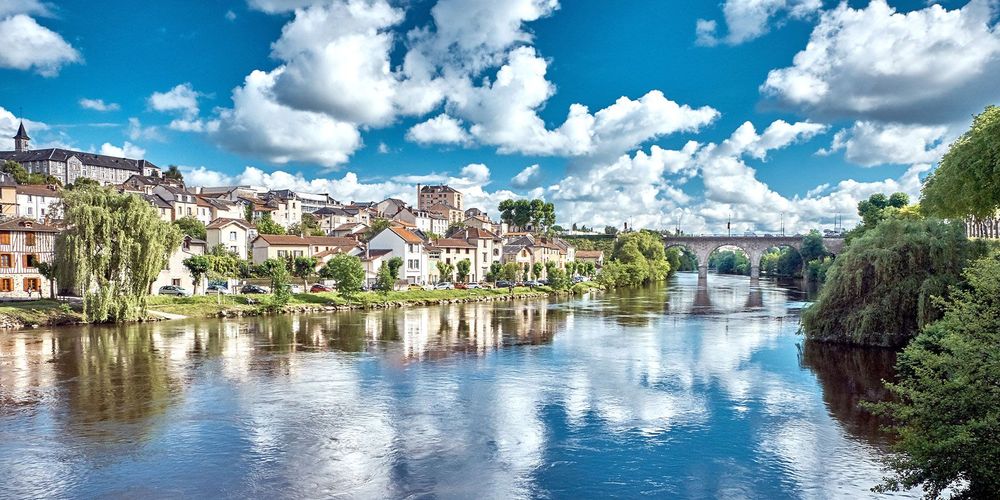
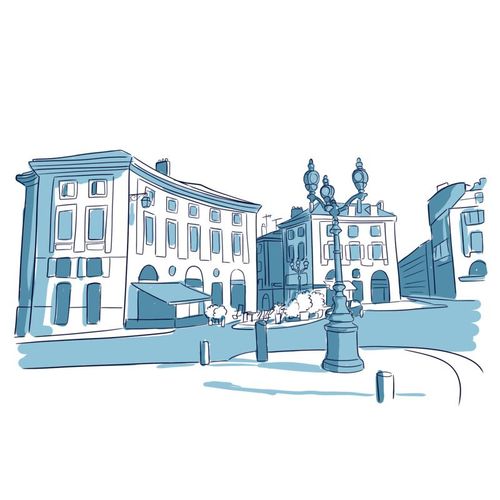
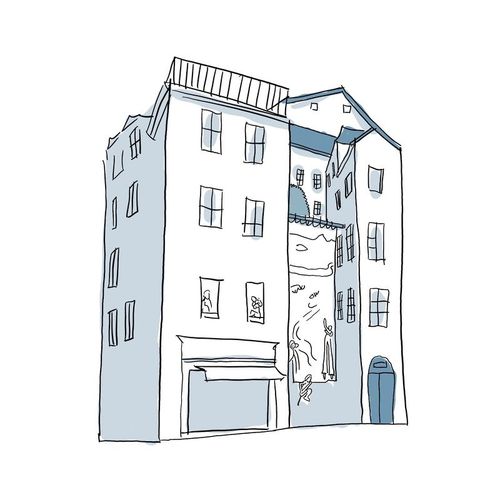
This tour of Limoges invites you into the heart of a city with two distinct faces, where the episcopal quarter rises above the Vienne River and the medieval Château district unfolds below. Take in the elegance of the monumental Limoges-Bénédictins Station and the delicate craftsmanship of its world-renowned porcelain, before stepping into the Butcher's Quarter, where half-timbered houses transport you back in time. Between the glow of stained glass and the brilliance of its enamelwork, the city reveals a warm and authentic character. It’s a walk through gardens and history-laden streets, offering a true sense of the refined craftsmanship that defines this remarkable city.
Quand partir à Limoges ?
Jan.
7°
12
Feb.
8°
11
March
12°
11
April
15°
11
May
19°
11
June
22°
9
July
25°
7
Aug.
25°
8
Sept.
21°
8
Oct.
16°
11
Nov.
11°
12
Dec.
8°
12
Limoges enjoys a temperate oceanic climate with a mountainous influence, offering mild and pleasant summers with averages around 24°C and cool winters, often marked by persistent humidity and temperatures fluctuating between 1°C and 7°C. The ideal period to discover the porcelain capital runs from June to September, months during which the weather is at its driest and sunniest, perfect for exploring the Bishop's Gardens (Jardins de l'Évêché) or the banks of the Vienne. October is also a choice period for food lovers wishing to attend the famous "Frairie des Petits Ventres," while spring offers the lush greenery of the Limousin region in moderate warmth.
Départ conseillé
No need to worry about where to begin! Our tours are designed as a loop, so you can jump in wherever you are. The navigation system and audioguide will automatically adjust to your location. However, if you happen to be nearby, we do have a preferred starting point: in front of the Museum of Fine Arts
Parking à proximité
Parking Jardin de l’Evêché : 12 quai Louis Goujaud
To park in the center of Limoges, you can choose between a paid parking lot or an on-street parking space. In the latter case, be aware that parking is divided into two zones: the "Rapido" zone in the very center, with a 2-hour limit, and the "Tempo" zone around it, where you can park for a longer period. If you're looking for free parking, you'll need to park on the outskirts of the city and take public transport to reach the city center.
Découvrez 28 lieux d'intérêt pour visiter Limoges








Le plein d'inspirations
Explorez le monde en totale liberté, à pied au cœur des villes ou au fil des routes. Nos guides audios transforment chaque destination en une découverte culturelle immersive et unique.
FAQ for visiting Limoges
How many days do you need to visit Limoges?
To discover Limoges in good conditions, ideally allow two to three days. A full day lets you explore the essentials: the Episcopal City, the Château district and the porcelain museum. With two days, you can leisurely stroll through the Boucherie district, visit the Saint-Étienne cathedral and its remarkable stained-glass windows, and linger in the craft shops. A third day gives you the chance to delve deeper into your visit with the Évêché gardens, the Museum of Fine Arts and a getaway along the banks of the Vienne. The Ryo audioguide accompanies you with an optimised itinerary that concentrates the must-sees into a day's walk at your own pace.
How do you get to Limoges from Paris?
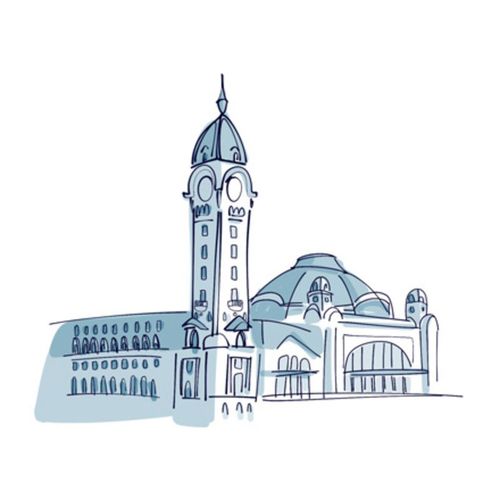
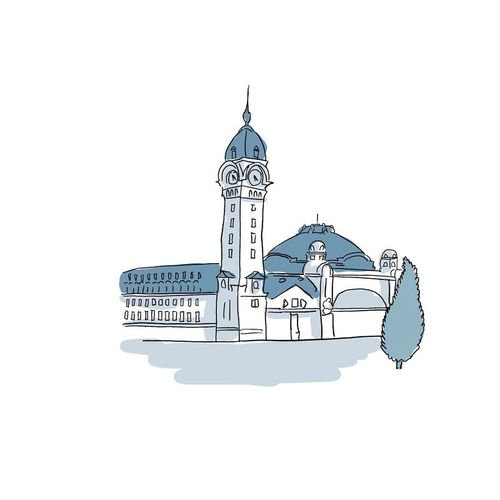
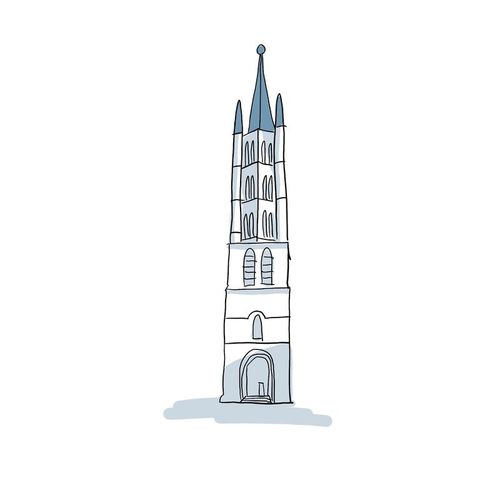
The train remains the most convenient way to reach Limoges from Paris. Direct Intercités trains connect Paris-Austerlitz to Limoges-Bénédictins in about three and a half hours, with several daily departures. Limoges-Bénédictins station, a historic monument in itself with its Art Deco bell tower, places you right in the heart of the city. By car, allow about four hours via the A20 motorway, which is toll-free over much of the journey. Flying is also possible, with regular flights between Paris-Orly and Limoges-Bellegarde airport, located about ten kilometres from the city centre. A shuttle or a taxi will then take you quickly into town.
What is Limoges famous for?
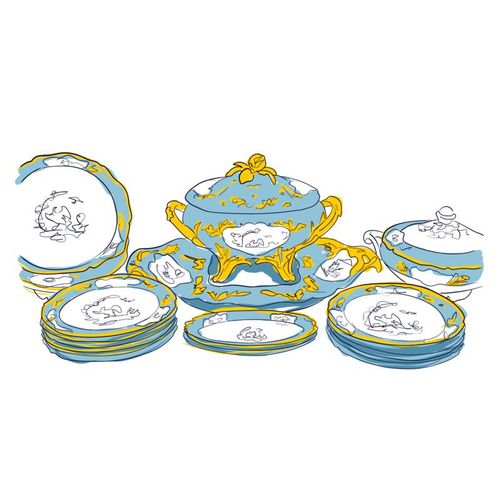
Limoges shines above all as the world capital of porcelain since the 18th century. This tradition of excellence, born from the discovery of kaolin in the region, gave rise to prestigious manufactories whose creations adorn the world's finest tables. The city is also renowned for its enamels, a thousand-year-old art that finds here one of its finest expressions, with works of incomparable delicacy. The preserved medieval architecture of the Boucherie district and the majesty of the Saint-Étienne cathedral add to this exceptional heritage. Limoges also cultivates a gastronomic reputation around Limousin beef and remains a stronghold of French basketball.
What are the must-see sights in Limoges?
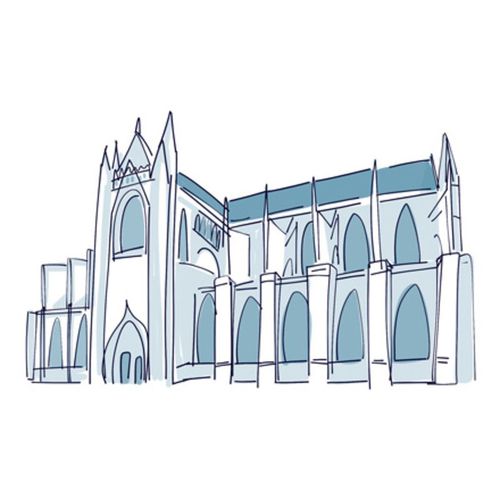
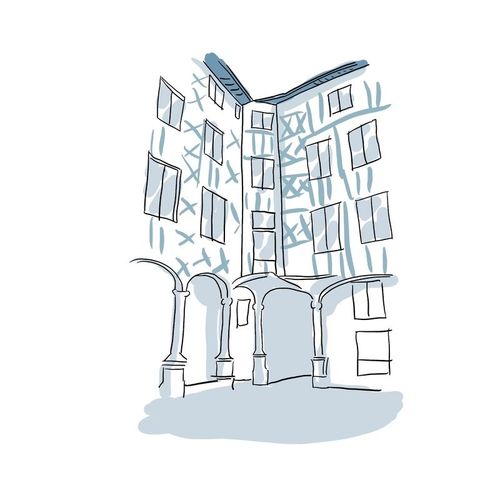
Your discovery of Limoges necessarily includes the Saint-Étienne cathedral, a Gothic gem that overlooks the Vienne from the Episcopal City. The Boucherie district transports you to medieval Limoges with its cobbled lanes and perfectly preserved half-timbered houses. Don't miss visiting a porcelain manufactory to understand this centuries-old craftsmanship, and the Adrien Dubouché National Museum, which houses one of the finest collections of ceramics in the world. The Évêché gardens offer a green interlude with a view over the river. The Ryo audioguide guides you through these wonders with enriching commentary that reveals the secrets of each iconic place.
Where can you taste the local specialities of Limoges?
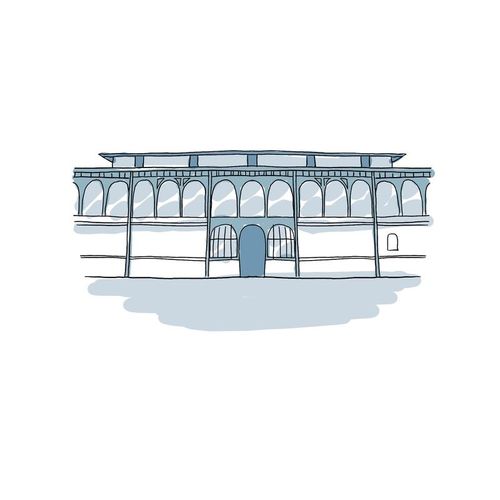
The central covered market is the ideal starting point for discovering Limousin flavours. There you'll find the best local produce and can taste the famous potato pâté or the tourtous, a typical buckwheat pancake. The restaurants in the Boucherie district offer traditional cuisine in a unique historic setting, where Limousin beef takes centre stage. For an authentic experience, look for establishments that serve cherry clafoutis, the region's iconic dessert. The bistros around the Place de la République also offer a convivial atmosphere for savouring the specialities accompanied by a glass of wine from nearby Corrèze.
How do you get around the centre of Limoges?
The historic centre of Limoges is easily explored on foot, with most of the major sites concentrated between the Cité and the Château district. The STCL bus network efficiently serves the whole city if you'd like to venture further afield or save your energy. Self-service bike stations are available for a more dynamic exploration. The pedestrian city centre greatly facilitates strolling, particularly around the Place de la République and in the shopping streets. To reach the outlying sites such as certain porcelain manufactories, the city buses or a short taxi ride remain the most convenient options.
Are there visits suitable for families with children in Limoges?
Limoges offers several captivating activities for families. The National Porcelain Museum often runs porcelain-decorating workshops that fascinate children. The Limousin Aquarium, with its freshwater and tropical species, is an outing appreciated by the youngest visitors. The Évêché gardens let children stretch their legs while enjoying a magnificent view. The little tourist train offers a fun way to discover the city without excessive tiredness. The Ryo audioguide adapts perfectly to families with accessible commentary and anecdotes that capture children's attention while informing parents during your route through the city.
When does the Frairie des Petits Ventres take place in Limoges?
The Frairie des Petits Ventres traditionally takes place on the third Friday of October in Limoges. This centuries-old food festival celebrates Limousin culinary traditions in a uniquely festive atmosphere. Throughout the day and much of the night, the Boucherie district comes alive around local specialities such as tripe, black pudding and other offal that gave the event its name. The gastronomic brotherhoods parade in costume, the stalls overflow with regional produce and the medieval atmosphere transports visitors into the city's gourmet past. It's the perfect occasion to discover the convivial soul and culinary traditions of Limoges.
When is the best time to visit Limoges?
Spring and early autumn generally offer the most pleasant conditions. Temperatures stay mild, the gardens of the Évêché and the banks of the Vienne invite you to stroll, and the city remains uncrowded compared with the major tourist destinations. Summer suits you well if you enjoy terraces and open-air events, while winter keeps all its appeal since most visits take place indoors, between museums, the covered market and religious buildings. The Limousin weather stays changeable in every season, with showers possible even on a fine day: pack a light raincoat and comfortable shoes, as the historic centre is mainly explored on foot.
What is there to see around Limoges?
The surrounding area holds some fine surprises. Oradour-sur-Glane, a martyred village left exactly as it was, is visited in silence and remains one of the most striking places of remembrance in France. Saint-Léonard-de-Noblat charms visitors with its Romanesque collegiate church and medieval lanes, while the abbey church of Solignac, to the south, shows off Limousin Romanesque art with its domes. Further east, Lake Vassivière unfolds its beaches, its forest trails and its island devoted to contemporary art, ideal for a day in the green. Lovers of characterful villages can push on to Mortemart or Saint-Junien. For the city itself, the Ryo audio guide offers a dedicated Limoges route linking the highlights of the historic centre.
Vos commentaires, idées et suggestions
Aucun avis pour le moment