




Walk
Capital of Porcelain
Limoges, France
Walk
Capital of Porcelain
Limoges, France
5.8 km
Distance
2h30
Durée
28
Audios
Loop
Parcours
Shutterstock
The porcelain of Limoges is the great pride of the town, a worldwide renown born from the discovery of kaolin near Saint-Yrieix in the eighteenth century. The Limoges audio-guided tour stops here to evoke this fire art that made the fortune and the name of the town, synonym everywhere in the world of whiteness, fineness and elegance.
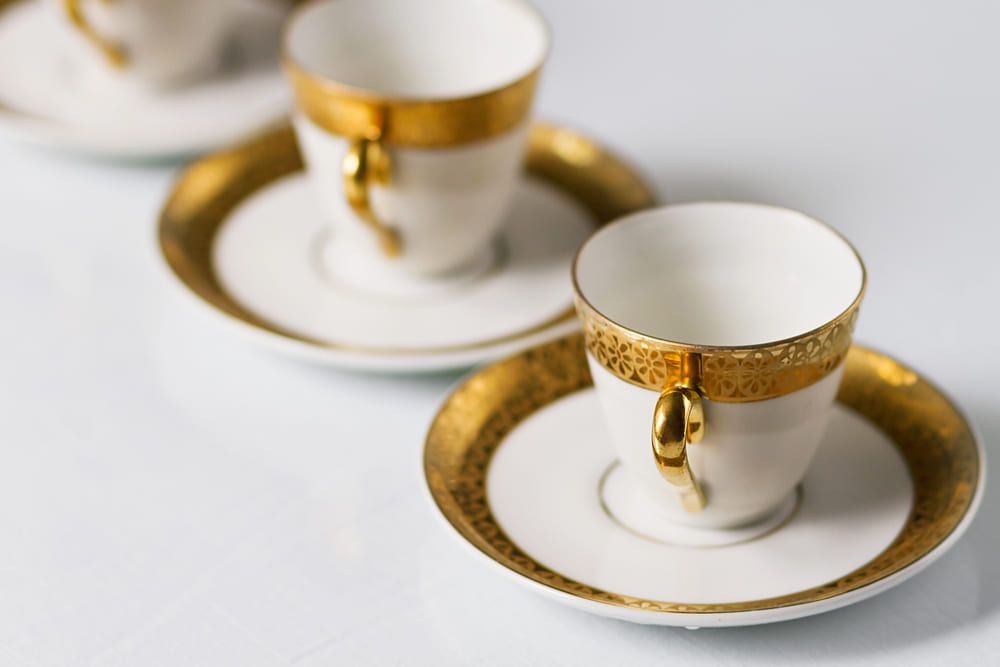
If there is one thing that made the renown of Limoges in the whole world, it is indeed its porcelain. This extraordinary adventure began in the second half of the eighteenth century, with the discovery of deposits of kaolin near Saint-Yrieix-la-Perche, to the south of Limoges. Kaolin is a very pure white clay, the indispensable and long unfindable in Europe ingredient of true hard porcelain, that which was imported until then at great cost from China. Thanks to this local resource, to the abundance of the forests that provided the wood for the kilns and to the presence of watercourses, Limoges gathered all the conditions to become a great capital of porcelain. From the end of the eighteenth century, then especially in the nineteenth, the manufactories multiplied and the town knew a remarkable industrial and artistic rise. The porcelain of Limoges imposed itself by the whiteness and the translucency of its paste, the fineness of its decors often enhanced with gold, and the excellence of its craftsmen. Exported in the whole world, adorning the tables of the courts and the great houses, it became a true label of excellence and luxury. Still today, this tradition perpetuates itself and is discovered in the manufactories and the museums of the town. A fire art and a pride of the town, the porcelain of Limoges is at the heart of the discovery of the town.
Here you discover the history of the porcelain that made the worldwide renown of Limoges, born from the discovery of kaolin, the very pure white clay, near Saint-Yrieix in the eighteenth century; carried by the forests and the watercourses, the town became a great capital of this fire art, whose paste of a translucent whiteness and decors enhanced with gold adorn the tables of the whole world. The porcelain of Limoges is discovered in the manufactories and the museums of the town.
The porcelain is discovered everywhere in Limoges, notably in the manufactories, the shops of the centre and at the Adrien-Dubouché national museum, rich with an exceptional collection. The museums and manufactories follow their own days and opening hours, which vary according to the season. It is best to check them before coming.
Thanks to the discovery, in the eighteenth century, of deposits of kaolin near Saint-Yrieix, this very pure white clay indispensable to true hard porcelain; with its forests and its watercourses, Limoges gathered all the conditions to become a great capital of porcelain, with a paste of a translucent whiteness and decors enhanced with gold, exported in the whole world.
In the manufactories, the shops of the centre and at the Adrien-Dubouché national museum, in Limoges, in France.
Aucun avis pour le moment
