© Shutterstock
 Votre guide Ryo
Walking in Limoges: Routes and Trails to Discover in 2026
In Limoges, you never walk long before stumbling upon something you weren't looking for: a staircase that plunges toward the Vienne without warning, a 5th-century crypt hidden beneath a square, a half-timbered alley that opens onto a cluster of medieval houses. Let's be clear from the outset: a successful walk in Limoges is done on foot, from the medieval heart to the hills that encircle it. This is a city that tells its story best when you walk through it. This walk starts from the historic centre, follows the banks of the Vienne, then climbs toward the granite trails of the Monts d'Ambazac and the Vaseix forest, before descending toward Solignac and the Lac de Saint-Pardoux.
Along the way, you will come across a 13th-century bridge still used by pedestrians, a forest loop where deer can sometimes be spotted early in the morning, and a train station listed as a historic monument for its zinc-and-copper dome. Between the city centre and the surrounding hills, some thirty kilometres of waymarked trails await walkers, from a two-hour family route to a full-day hike. The Ryo audio-guided tour of Limoges covers the first part of this walk well — the city centre — with seventeen audio commentaries spread over 5.6 km.
The Historic Centre of Limoges on Foot
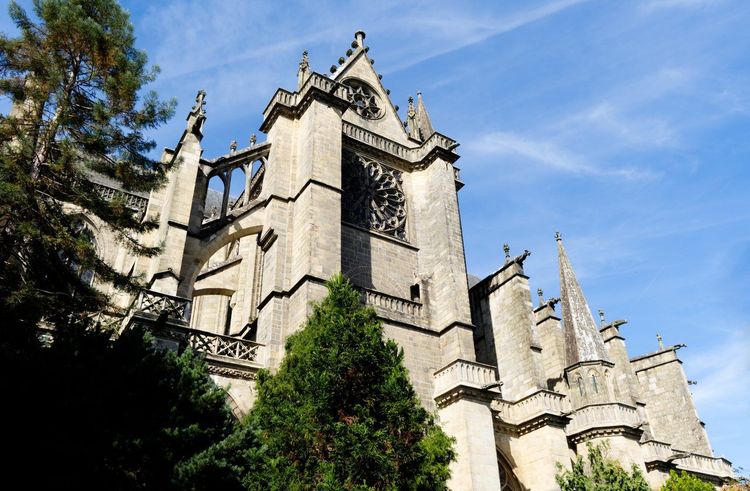
Every city-centre walk in Limoges logically begins at the Cathédrale Saint-Étienne, whose Romanesque bell-tower porch towers over the rest of the Gothic building, constructed over nearly six centuries. The interior is worth lingering in for five minutes longer than planned, for the Renaissance rood screen and the choir's stained-glass windows. Opening the Ryo app before you set off lets you follow this first route without worrying about the map, and understand along the way why the city took six hundred years to finish its cathedral.
Just behind it, the Jardins de l'Évêché descend in successive terraces toward the Vienne. The tiered layout, designed in the 18th century, offers one of the only unobstructed viewpoints over the river from the city centre, and also houses the Fine Arts Museum in the former episcopal palace. Take the time to walk down to the bottom of the terraces: the view of the cathedral and the Pont Saint-Étienne below sums up the geography of the upper and lower town in a single glance.
Heading back toward the commercial heart, the Halles centrales de Limoges signal the 19th century with their metal structure inspired by the Baltard spirit. The market hall opened to the public in 1889 and still serves as a covered market every morning. Allow a twenty-minute detour to observe the stalls of porcelain and Limousin charcuterie side by side, and don't miss the ceramic frieze running beneath the roof, a reminder that even the market's décor reflects the city's porcelain-making vocation.
Further south, the Cour du Temple conceals a cluster of 15th- and 16th-century timber-framed houses, accessible through a discreet archway from the Rue du Consulat. Few hurried visitors notice it, making it a peaceful pause between two busier monuments. Look up at the stacked wooden galleries: they bear witness to a way of building upward on narrow plots that was characteristic of old merchant Limoges.
Finish this first loop at the Gare de Limoges-Bénédictins (Place Maison Dieu, 87000 Limoges, rated 4.3/5 on Google from 701 reviews), often cited as one of the most beautiful railway stations in France for its domed cupola and sixty-metre campanile. Even without catching a train, the interior is worth the visit, as is the small garden bordering the building on the south side. Inaugurated in the late 1920s, it blends an Art Nouveau heritage with the more restrained lines of Art Deco, a contrast that is immediately striking as soon as you cross the hall. The Cour du Temple and the view of the cathedral, both further along Ryo's audio-guided tour, 'Capital of Porcelain', make a fitting sequel to this railway start.
The Cité and the Boucherie Quarter
Limoges was historically built around two distinct districts: the Château, centred on trade, and the Cité, centred on the bishopric. The Boucherie quarter, straddling both, retains the most intact medieval layout in the city, with its narrow streets still bearing the names of the guilds that once worked there. It is without doubt the most transporting section of any walk in Limoges, where you most easily lose track of the century you are in.
The Maison de la Boucherie, at number 36 of the street of the same name, traces eight centuries of activity by the butchers' guild, which for a long time formed a genuine city within the city, with its own rules and its own chapel. The half-timbered house that contains it dates from the 15th century, and the reconstructed stall on the ground floor gives a fairly vivid picture of the trade as it was practised here, generation after generation.
Nearby, the small Chapelle Saint-Aurélien remains the private sanctuary of the butchers' confraternity, closed most of the time but open during the Feast of Saint-Aurélien in October, with its costumed procession through the streets of the quarter. If you visit at that time, don't miss the ostensions and the display of relics, a moment that completely transforms the atmosphere of the usually silent alleyways.
Beneath the Place de la République, the Crypte Saint-Martial preserves the remains of an abbey that disappeared during the Revolution, founded as early as the 5th century on the tomb of the first bishop of Limoges. You descend directly via a purpose-built entrance on the square, which often surprises passers-by unaware of the site's existence. The visit is brief but striking: a few metres below the café terraces, you find yourself face to face with the sarcophagi that gave birth to the entire city.
Nearby, the Souterrains de la Règle (Rue de la Règle, 87000 Limoges, rated 4.5/5 on Google from 41 reviews) extend this underground experience with a network of medieval cellars and galleries, now open for guided visits by reservation. The tour combines urban history with anecdotes about the successive uses of these spaces, from wine cellar to air-raid shelter. Remember to book through the tourist office, as slots fill quickly in summer and group sizes are kept deliberately small. Ryo's audio-guided tour, 'Capital of Porcelain', links these very souterrains to the nearby Place de la République.
A Walk Along the Vienne
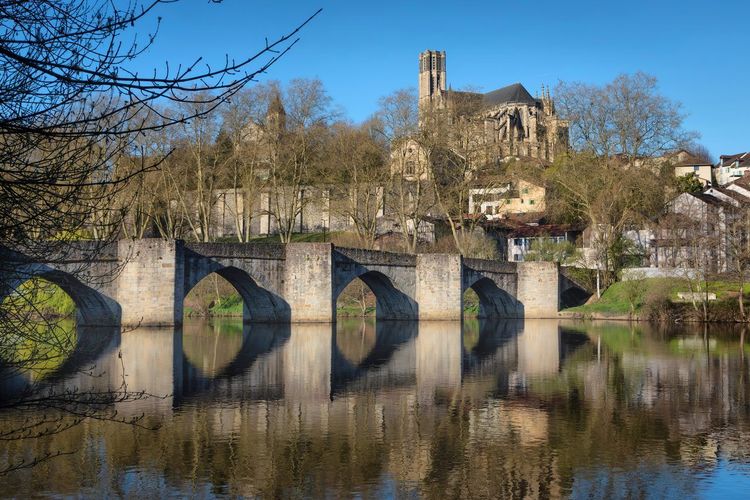
The Vienne flows through Limoges from east to west and shapes much of the walks most frequented by residents themselves, joggers and families included. A walk along the Vienne in Limoges fits easily at the end of the day, when the low-angled light sets the pale stone of the bridges and old mills ablaze.
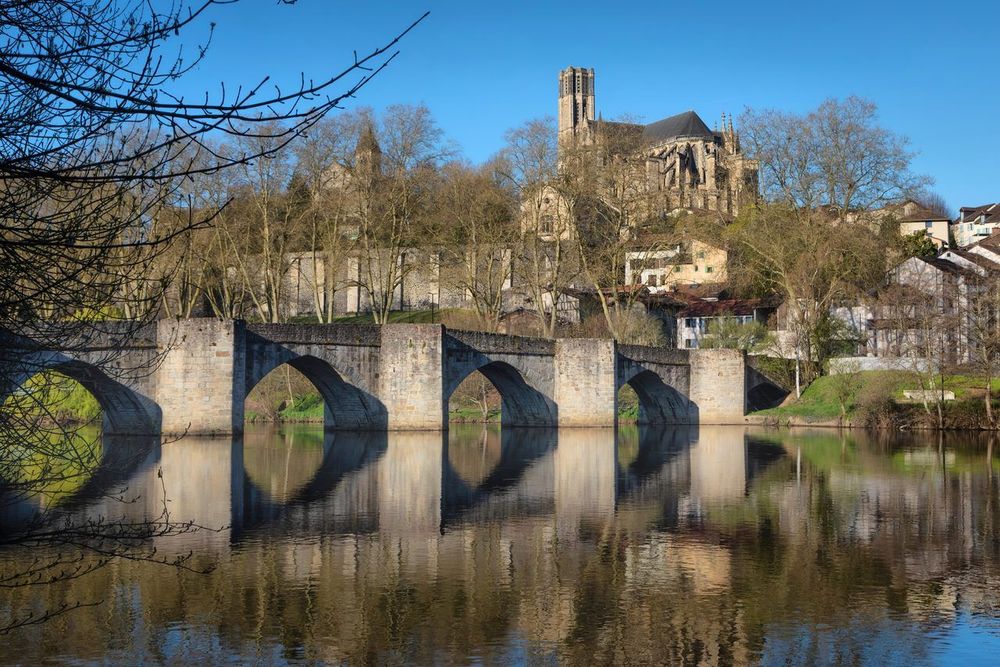
The Pont Saint-Étienne, built in the 13th century, remains the oldest crossing still used by pedestrians. Its humpback arches and narrow deck tell of an era when the city depended entirely on this passage for its trade. Cross it on foot at sunset: that is where the view of the cathedral and the terraces of the Jardins de l'Évêché is most spectacular.
Upstream, the Pont Neuf, despite its name, actually dates from the 1830s, the height of the 19th century, and connects the city centre to the right bank of the Vienne. Originally built under the name Pont Louis-Philippe, it was widened in the 20th century without losing its masonry arches. The promenade running along the bank from this bridge to the Pont Saint-Étienne winds between converted old mills and community gardens, over just over two kilometres there and back.
The mills dotting this stretch are reminders of the city's former tanning and papermaking activity, which later became closely linked to porcelain production. Several buildings have been converted into housing or artists' studios without losing their waterwheels. If you look carefully, you can still spot the sluice gates and millraces that once channelled water to the millstones — a discreet heritage that nothing really announces.
Along the water, the landscaped riverbanks invite you to slow down: benches, fishing jetties and a few picnic tables punctuate the route. This is also where the bulk of Limoges' sporting life concentrates in the evenings, with runners and cyclists making use of the continuous cycle path. Plan at least one stop to listen to the sound of water over the weirs: it is the best remedy after a day spent on cobbled streets.
The Botanical Garden and the Vienne Hillsides
Clinging to the slopes that overlook the river, the botanical garden of Limoges complements the Jardins de l'Évêché with a collection of more than a thousand plant species spread across several themed sections, from the rose garden to the medicinal plants. Admission is free, making it an ideal stop to catch your breath without opening your wallet.
The walk takes on a different rhythm here: less urban, more contemplative. In the late afternoon, the hillsides offer a particularly soft light on the cathedral, visible below through the foliage. Allow about forty-five minutes for the full garden loop, a little more if you stop at each signposted viewpoint. The medicinal plant beds, precisely labelled, are a reminder that Limoges long housed a reputable school of pharmacy and genuine botanical expertise. It is the greenest parenthesis in a walk through Limoges focused on stone and cobblestones.
The Sentier des Trois Ruisseaux
Among the routes accessible from the centre, the Sentier des Trois Ruisseaux in Limoges features on most local hiking maps without drawing crowds, making it a reliable choice for a peaceful weekday outing.
The waymarked loop of around six kilometres follows three small watercourses, tributaries of the Vienne, through a landscape of wet meadows and copses. The elevation gain remains moderate, making it walkable in just under two hours at a leisurely pace. It is the kind of route where you encounter more herons than walkers, especially early in the morning.
The starting point is generally a car park on the outskirts, indicated by signs on the metropolitan hiking map. Bring closed-toe shoes: some woodland sections remain damp even in summer, particularly after the rainy spells that are frequent in the Limousin. If you are hiking with children, these three streams offer just as many opportunities to observe dragonflies and tadpoles, enough to keep the youngest walkers engaged for the entire loop.
Hiking in the Monts d'Ambazac
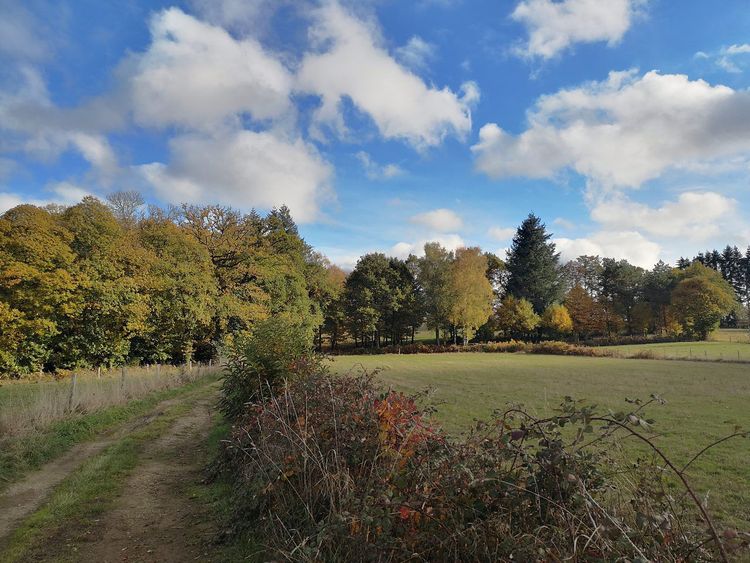
About twenty minutes north-east of Limoges, the Monts d'Ambazac form a granite massif far more rugged than the usual Limousin landscape might suggest. Hiking in Ambazac attracts walkers in search of panoramas, something rather rare in this department of gentle hills. This is where a walk from Limoges truly crosses into the realm of low mountain terrain.
The area's highest point, the Puy de Sauvagnac (Puy de Sauvagnac, 87240 Ambazac, rated 3.3/5 on Google from 3 reviews), rises to just over 700 metres and offers, on a clear day, a view that extends as far as the Monts de Blond to the west and sometimes to the first foothills of the Massif central to the east. The final steep section before the summit is earned, but the panorama more than rewards the effort.
The massif is also distinguished by its granite chaos — boulders stacked by erosion over millions of years — discovered along several waymarked loops of 5 to 12 km. Geology enthusiasts linger over these formations, while families prefer the shorter trails around the ponds. Some blocks, balanced in improbable positions, have even been given names that fuel local legends.
The peat bogs scattered across the massif shelter a particular flora adapted to acidic, waterlogged soils. They are protected and marked by educational panels along the main trails, a good excuse for an informative break with children. Stay on the boardwalks where they exist: these fragile environments take decades to regenerate.
Two to three hours are enough for a classic loop starting from the village of Ambazac, but more experienced hikers often string several trails together for a six-to-seven-hour outing, picnic included. The local tourist office hands out detailed maps in season, showing the main loop routes and the difficulty level of each.
The Vaseix Forest and the Tour du Grand Bois
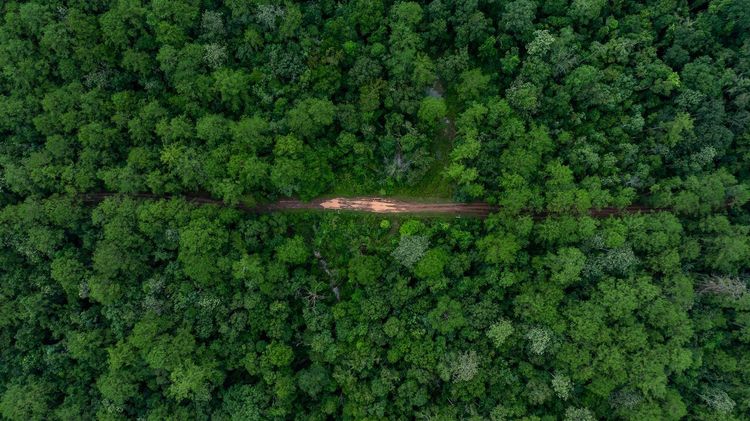
At Verneuil-sur-Vienne, a quarter of an hour's drive from Limoges, the Vaseix forest (Route de la Forêt, 87430 Verneuil-sur-Vienne, rated 4.4/5 on Google from 191 reviews) is one of the most popular woodland walks for residents of the urban area, particularly for its Tour du Grand Bois.
The loop, just over seven kilometres long, winds through a stand of oaks and chestnut trees where does and stags can sometimes be spotted early in the morning or at the end of the day. The trail remains broadly flat, making it a good choice for a first family outing or for running without worrying too much about elevation. The signs at the trailhead show the route and distances — it is hard to get lost.
Several furnished picnic areas are dotted along the route, with tables and benches in the shade of the tall trees. In autumn, the forest takes on particularly photogenic colours, a moment that many local photographers look forward to all year. If you come in September, listen carefully: it is the season of the deer rut, and the estate lends itself well to a guided listening outing.
A Walk in Solignac and Its Abbey Church
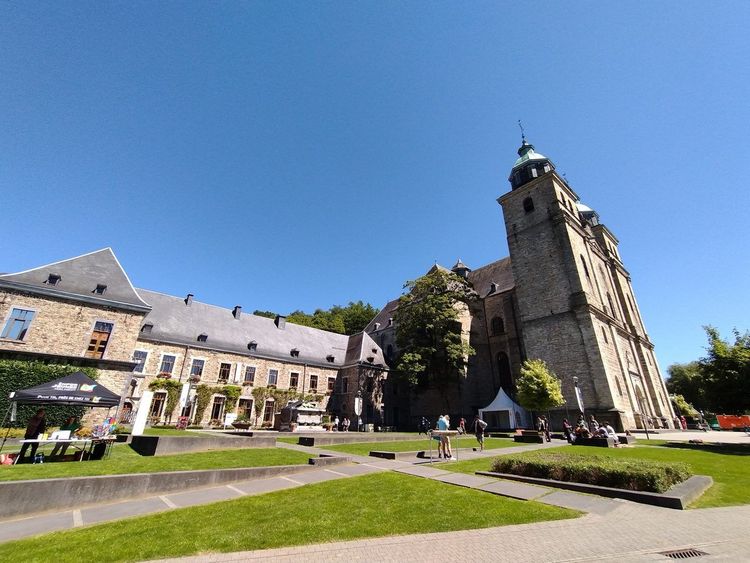
About ten kilometres south of Limoges, the village of Solignac is well worth a detour for its Abbatiale Saint-Pierre, a jewel of Limousin Romanesque art. Construction of the current church began around 1132, but it stands on the site of a far older Benedictine abbey, founded as early as the 7th century by Saint Éloi, the goldsmith who became adviser to King Dagobert.
The domed nave, typical of Limousin Romanesque architecture, impresses as much for its sobriety as for its dimensions. The fortified bell-tower porch is a reminder that the building also served as a refuge during the troubles of the Middle Ages. Push the door open even for five minutes: the acoustics of the nave beneath the domes alone are worth the trip.
From the village, a trail follows the Briance as far as the hamlet of Le Vigen, on a loop of around eight kilometres alternating meadows, wooden footbridges and cool woodland. The walk lends itself well to a half-day outing, with lunch on the village square before or after the walk. The path remains shaded for most of the route, a real comfort on warm days.
The Porcelain Loop at Le Palais-sur-Vienne
Just a few kilometres from the centre of Limoges, the commune of Le Palais-sur-Vienne has laid out a themed loop around its manufacturing past, when porcelain kept dozens of workshops along the Vienne busy.
The waymarked route of around five kilometres skirts former converted factories and a few preserved industrial chimneys kept as witnesses to that era. Explanatory panels line the path and tell the story of the workers who crafted porcelain in often difficult conditions. You quickly understand why the Vienne, with its motive power and pure water, made Limoges the French capital of porcelain. Few guides include this industrial loop in a walk through Limoges, which is a shame.
This walk particularly appeals to visitors curious about industrial history, an angle that few tourist guides develop even though it has largely shaped the identity of the entire Limoges urban area. Allow a good hour and a half at a leisurely pace, a little more if you stop to read every panel.
The Four des Casseaux and the Memory of the Porcelain Workers
On the right bank of the Vienne, the Casseaux quarter preserves one of the last surviving round porcelain kilns still standing in Limoges. This monumental kiln, now protected and open to visitors, gives a sense of the heat and labour that each firing demanded before the arrival of electric kilns.
A short walk around the site connects the Vienne, the former manufactories and the workers' housing built nearby. It is a concrete way to extend the Porcelain Loop on the city side, without leaving Limoges. Families appreciate the brevity of the circuit, which is easy to combine with a stop on the nearby riverbanks, where a few playgrounds await children.
Easy Short Hikes for Beginners around Limoges
For a short, low-commitment hike around Limoges, several brief loops lend themselves well to a first outing or a walk with young children.
The tour of the Étang de Plainartige, at Panazol, offers a flat three-kilometre loop around a stretch of water popular with anglers and families. The path remains shaded for almost the entire route, a considerable advantage on very hot days. You can walk the whole thing in under an hour, pushchair included.
At Feytiat, the Sentier de la Biche offers a slightly more undulating alternative, covering around four kilometres, with some woodland sections that provide welcome shade in summer. For more outing ideas in the urban area, our Ryo selection of the best things to do in Limoges complements this list well with cultural visits to combine.
These short routes also work well as warm-ups before tackling the longer loops of the Monts d'Ambazac or the Vaseix forest, especially if you don't hike regularly. There is no obligation to aim far on the first outing: a well-judged walk in Limoges is worth more than a hike abandoned halfway.
Family-Friendly Walks
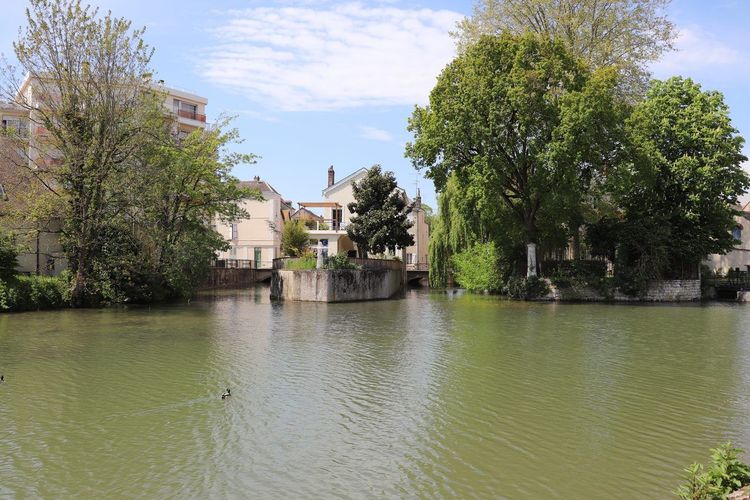
With children, it is better to favour flat, short routes, even if that means making several stops. The Tour du Grand Bois at Vaseix and the Étang de Plainartige loop remain the safest bets, both accessible by pushchair for a good part of the route.
The banks of the Vienne, between the Pont Neuf and the Pont Saint-Étienne, also work very well for an impromptu late-afternoon outing, with playgrounds nearby on the Casseaux quarter side. Always bring enough water, even for a walk of under an hour. Turning the walk into a game — a small hunt for leaves or animal tracks — is often enough to make the youngest walkers forget their tiredness.
Cycling around Limoges

Limoges is not France's most renowned city for cycling, but several cycle routes make it possible to double up these walks on two wheels. The greenway along the Vienne can easily be covered in an hour as far as Aixe-sur-Vienne, on a generally smooth surface.
For more sporty cyclists, the Monts d'Ambazac offer serious climbs appreciated by mountain bikers, with technical trails around the granite chaos. An electric-assist bike helps greatly to enjoy the scenery without exhausting yourself in the first few kilometres. Combining a Limoges walk with a bike ride also makes it possible to link in a single morning sites that walking would require spreading over two days. Remember to check trail conditions after rain: wet granite and tree roots make some descents slippery.
Hiking Clubs and Associations in Limoges
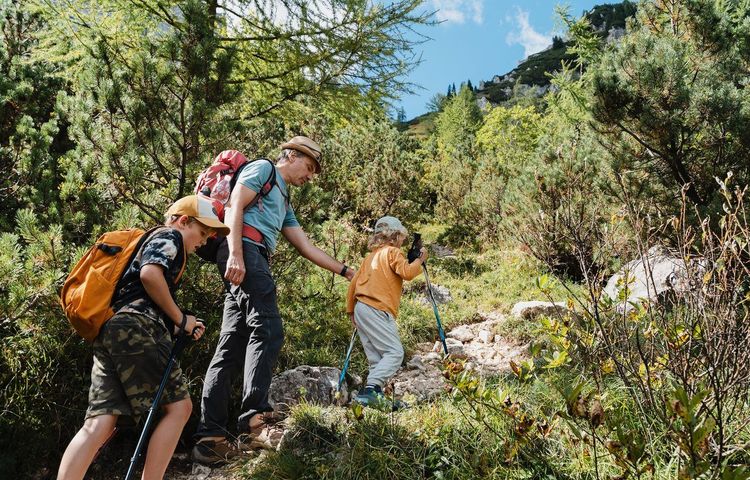
For those who prefer walking in company, a hiking club in Limoges is often the best way to get started, particularly for discovering trails that are less well waymarked than the classic routes.
Several associations affiliated with the French Hiking Federation organise weekly or monthly outings in the urban area and as far as the Monts d'Ambazac. The departmental committee of Haute-Vienne publishes a calendar of outings open to non-members on its website, a good way to try before signing up for the year. These guided outings are also an opportunity to learn to read a map and spot waymarking, useful skills for hiking independently afterwards. Many walkers develop a taste for it and turn a simple walk in Limoges into a weekly habit.
When to Go: The Best Season for Walking
Spring and early autumn remain the most pleasant periods for a walk in Limoges, combining moderate temperatures with low-angled light on the stone monuments.
In summer, the heat remains bearable in the woodland of Vaseix or Ambazac, but less so on the banks of the Vienne, exposed to full sun in the afternoon. The Limousin winter, more damp than cold, lends itself mainly to short urban walks between showers. One tip: check the weather the day before, as the local drizzle can turn a granite trail into an ice rink.
What to Prepare Before You Set Off

Closed-toe shoes are sufficient for most urban walks, but the trails of Ambazac and Solignac call for proper hiking boots, especially after rain when granite becomes slippery.
Always bring water, even for a two-hour outing, and a small first-aid kit if you are heading into the massifs. A paper map remains useful in areas without mobile coverage, which are common around Ambazac. A windproof layer weighs nothing in a pack and makes all the difference on exposed ridges, where the wind rarely drops.
Apps and Maps to Plan Your Route
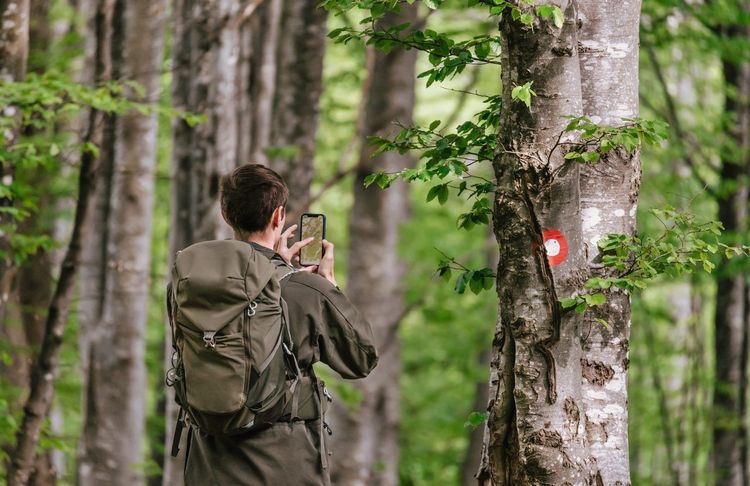
Popular hiking apps list most of the trails mentioned here, with downloadable GPX tracks and community reviews on the state of the waymarking.
The departmental hiking committee's website remains the most reliable source for checking temporary closures, particularly in forests during logging operations or after episodes of strong wind. For the city-centre section, the Ryo app takes over with its audio commentaries, which handily replace a paper guidebook while keeping your hands free. On an intra-muros walk in Limoges, it is the most practical companion for not missing a thing without having your nose glued to the screen.
The Lac de Saint-Pardoux and Its Trails
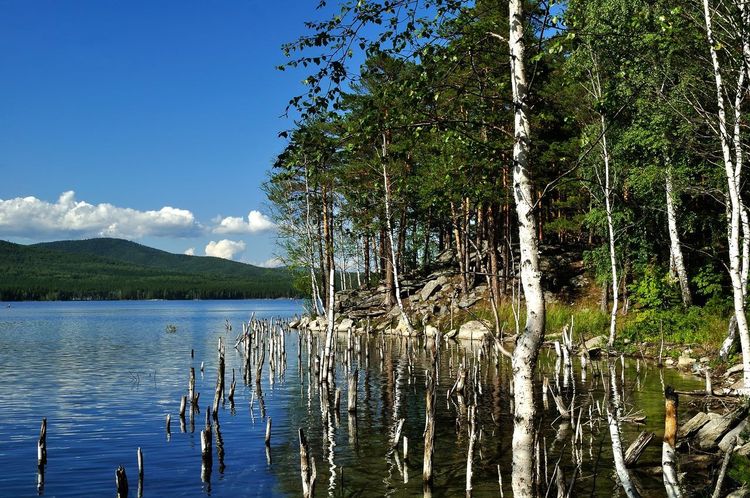
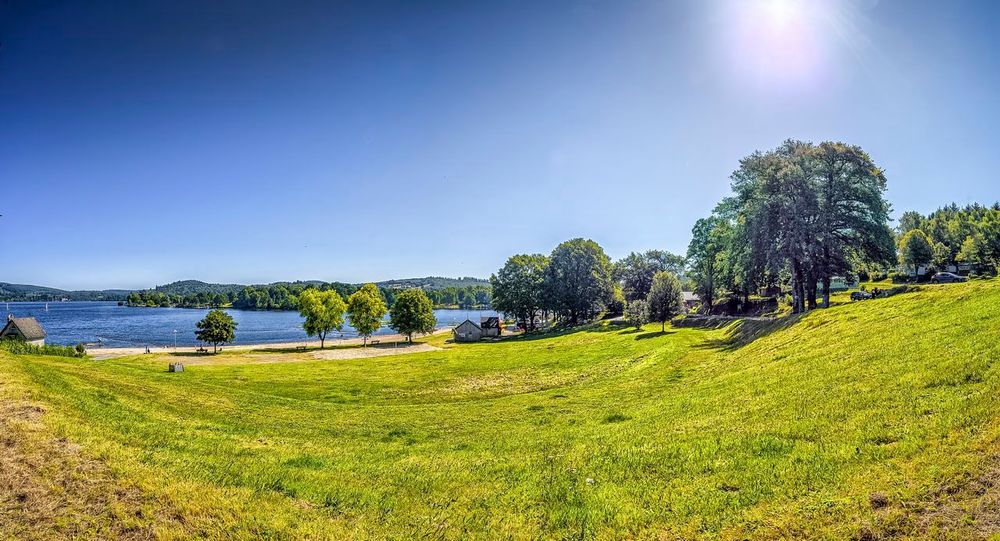
About thirty kilometres north-west of Limoges, the Lac de Saint-Pardoux (Base de loisirs, 87250 Saint-Pardoux, rated 4.5/5 on Google from 415 reviews) covers more than 300 hectares and attracts walkers and water sports enthusiasts alike.
A waymarked trail almost completely circles the lake over around twenty kilometres in total, but shorter loops make it possible to cover just a section. The north shore, less busy, suits those looking above all for peace and quiet. You can break the circuit into several stages according to your energy on the day, with each peninsula offering a different view over the lake.
In season, several leisure bases offer kayak and paddle-board hire, a good way to break up a long walk with an impromptu swim in generally clean water. Supervised swimming areas make a family outing easier, with a managed beach and playgrounds close by.
Toward Aixe-sur-Vienne and the Vienne Valley
Following the Vienne downstream, the commune of Aixe-sur-Vienne (Quai du Docteur Chammard, 87700 Aixe-sur-Vienne, rated 3.6/5 on Google from 10 reviews) marks a natural stopping point for extending the walk beyond the centre of Limoges.
The towpath, accessible on foot or by bike, follows meanders lined with poplars for nearly ten kilometres from the outskirts of Limoges. A few old paper mills, once powered by the force of the current, survive along the route. The almost entirely flat track suits a post-dinner stroll as well as a family bike ride.
The valley gradually widens as you move away from Limoges, giving way to wet meadows where Limousin cattle — the local breed — still graze, regularly spotted along this stretch. A walk from Limoges extended by this towpath gives a fine overview of the Haute-Vienne countryside, just minutes from the city.
Terra Aventura: Treasure Hunts on the Trails
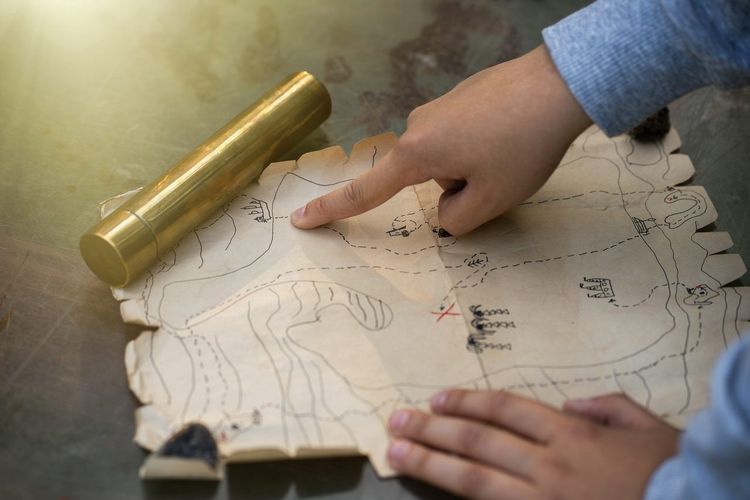
Several of the trails mentioned above, particularly around Solignac and the Monts d'Ambazac, host Terra Aventura routes, the geolocated treasure-hunt game that is hugely popular in Nouvelle-Aquitaine.
Each route combines walking, riddles and short local stories told by fictional characters, a fun way to turn a classic hike into a game for children and adults alike. The app is free to download and guides you step by step to the final cache, where you collect a badge to add to your collection. It is often the best argument for persuading reluctant children to walk more than two kilometres.
After the Walk: Food Stops in Limoges
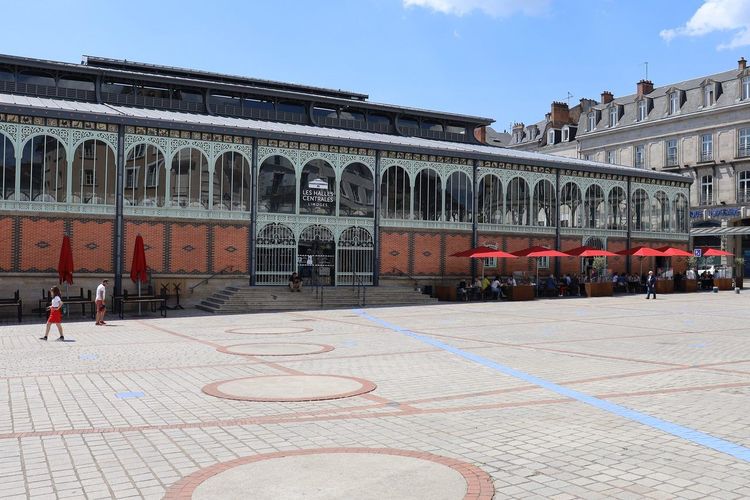
After several hours of walking, it is hard to resist a stop at one of the city-centre brasseries, around the Halles or the Place Denis-Dussoubs, where terraces remain lively well into the evening.
Local gastronomy lends itself particularly well to this moment of recovery, from clafoutis and Limousin beef to regional cheeses. Our Ryo selection of culinary specialities to try in Limoges provides some addresses to extend the walk around a table.
Porcelain enthusiasts will also make the most of this break to visit one of the factory shops in the city centre, often open late in the tourist season. It is the chance to leave with a piece signed by a local manufacturer, a souvenir considerably more lasting than a postcard.



FAQ
How much time should I allow for a walk in the center of Limoges?
Allow around two hours for a complete loop taking in the cathedral, the Jardins de l'Évêché, the Halles and the Boucherie quarter, a little more if you visit the Crypte Saint-Martial or the Souterrains de la Règle.
What is the easiest hike around Limoges?
The Tour du Grand Bois, in the Vaseix forest, is one of the simplest loops, with a flat seven-kilometre route and little elevation gain, suitable for families and beginner joggers alike.
Where can I go hiking in the Monts d'Ambazac?
The most practical starting point is the village of Ambazac, about twenty minutes from Limoges, from which several waymarked loops of 5 to 12 km depart around the Puy de Sauvagnac and the granite chaos.
Is there a hiking club in Limoges for beginners?
Yes, several associations affiliated with the French Hiking Federation organise regular outings open to non-members. The departmental committee of Haute-Vienne publishes a calendar available online.
Can you walk along the Vienne in Limoges without a car?
Yes, the riverbanks between the Pont Neuf and the Pont Saint-Étienne are accessible directly on foot from the city centre, on a route of around two kilometres there and back.
What time of year is best for hiking around Limoges?
Spring and early autumn offer the best conditions, with moderate temperatures. Summer is best suited to shaded trails such as those in the Vaseix forest.
Is the Sentier des Trois Ruisseaux suitable for children?
Yes, its six kilometres with moderate elevation gain and its loop route make it a family-friendly outing, provided you bring closed-toe shoes for the damp woodland sections.
One Last Walk Before You Leave
Between the medieval alleyways of the Boucherie, the granite chaos of Ambazac and the tranquil banks of the Vienne, Limoges reveals itself in successive layers, rarely all at once. Each trail tells a different facet of the city and its hinterland, from the industrial history of porcelain to the protected peat bogs of the Monts d'Ambazac.
If you had to keep just one loop to start with, the historic centre remains the most natural starting point for any walk in Limoges, before pushing on toward Solignac or the Vaseix forest depending on the time you have. The audio-guided tour of Limoges accompanies precisely this first stage, with twenty-eight audio commentaries so you don't miss the details that are rarely noticed when exploring alone.
À lire également