






Créé par Emilie, le 4 oct. 2026
Votre guide Ryo
Montauban, France
The Pinkest of the Pink Cities
Parcours audioguidé pour visiter Montauban en 1 jour
This visit invites you to an immersion in the heart of a radiant city, where pink brick creates an urban landscape of absolute harmony. Let yourself be charmed by the brilliance of a city that has successfully blended the rigor of a medieval bastide with the nobility of classical palaces, creating a setting worthy of the greatest painters. Between the majesty of its stone bridge defying the centuries and the perfect geometry of its arcaded squares, the city reveals a character that is proud, artistic, and deeply focused on its river.
Quand partir à Montauban ?
Jan.
9°
9
Feb.
11°
8
March
16°
8
April
19°
10
May
22°
10
June
27°
8
July
29°
6
Aug.
29°
6
Sept.
25°
8
Oct.
20°
9
Nov.
13°
10
Dec.
10°
10
Montauban enjoys a modified oceanic climate with a Mediterranean influence, featuring hot, sunny summers nearing 28°C and mild winters fluctuating between 2°C and 10°C. The ideal period runs from May to September to enjoy the warm atmosphere of the red brick architecture under the sun. The month of September is particularly pleasant for its lingering mildness, while spring offers perfect conditions for strolling along the banks of the Tarn River and exploring the historic center before the episodes of intense summer heat.
Départ conseillé
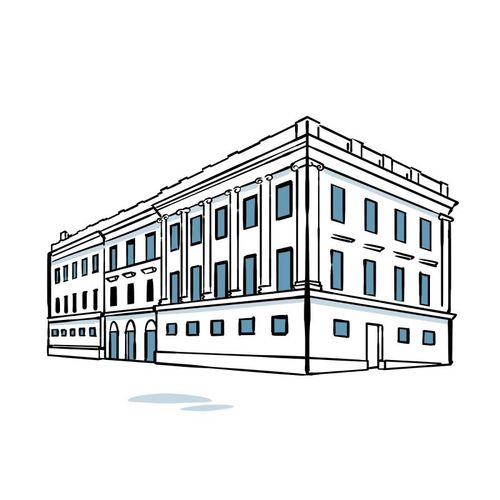
No need to worry about where to begin! Our tours are designed as a loop, so you can jump in wherever you are. The navigation system and audioguide will automatically adjust to your location. However, if you happen to be nearby, we do have a preferred starting point: in front of the Victor Brun Natural History Museum.
Parking à proximité
Parking under the Ingres Museum: 19 Rue de l'Hôtel de Ville.
Parking in Montauban? What an easy mission. With around a dozen paid and free car parks, plus all the blue zones in the city center—where the first 30 minutes are free—visitors have total freedom. And if you leave your vehicle in one of the lots near the riverbanks or close to the botanical garden, you might not even have to spend a single cent!
À savoir
During our tour, you’ll pass through the botanical garden. To avoid any last-minute surprises, please note that this site may have opening and closing hours. If the garden is already closed when you arrive, you’ll need to take the following alternative route to rejoin the tour itinerary: Allée du Consul Dupuy -> Grande Rue Sapiac -> Rue des Bains -> Rue Alphonse Jourdain
You’ll quickly notice that Montauban is sorely lacking in public restrooms. To avoid any uncomfortable urgent needs during the tour, we recommend taking advantage of stops at places where you plan to eat or have a drink.
Découvrez 19 lieux d'intérêt pour visiter Montauban
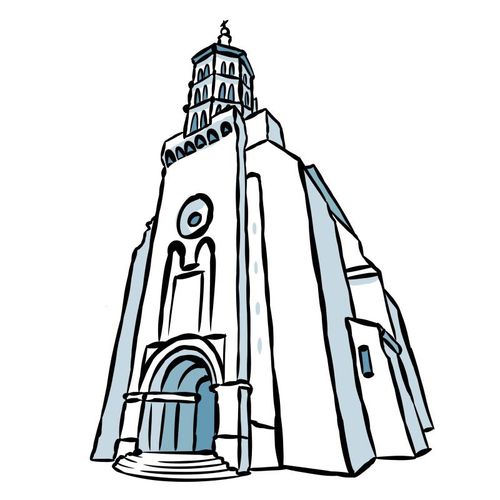
2. Saint-Jacques Church


Le plein d'inspirations
Explorez le monde en totale liberté, à pied au cœur des villes ou au fil des routes. Nos guides audios transforment chaque destination en une découverte culturelle immersive et unique.
FAQ for visiting Montauban
How many days do you need to visit Montauban?
To discover the essentials of Montauban, two full days will let you fully appreciate this pink city. In one day, you can explore the historic centre with its arcaded squares, the Pont Vieux and the main shopping streets. A second day will give you time to visit the museums, stroll along the Tarn and explore the less touristy districts. If you really want to take your time and soak up the local atmosphere, three days will offer a more relaxed experience with breaks in the cafés and an in-depth discovery of the architectural heritage. The Ryo audioguide even offers an optimised route that guides you through the city's must-sees at your own pace.
When is the best time to visit Montauban?
The ideal time to visit Montauban runs from May to September, when the Mediterranean climate reveals all the beauty of the pink brick under the sun. September is particularly recommended for its mild, pleasant temperatures, perfect for wandering the streets without suffering the summer heat, which can be intense in July and August. Spring, notably April and May, also offers excellent conditions for exploring the city, with lush greenery along the Tarn and mild temperatures. Autumn stays pleasant until October, while winter, though mild with temperatures generally hovering between 2°C and 10°C, can be damp and less suited to long outdoor walks.
How do you get around Montauban without a car?
Montauban is a human-scale city perfectly suited to gentle travel. The historic centre is compact and easily reached on foot, which remains the best way to discover its picturesque lanes and squares. For longer distances, the urban bus network serves the city's various districts efficiently with regular lines. Self-service bikes are an excellent alternative for exploring the banks of the Tarn or quickly reaching the more distant sites. Traditional and electric bike rental services are also available in town. For occasional trips or in the evening, taxis and private hire cars remain a practical option, particularly for reaching the station or the outlying areas.
What are the must-see museums in Montauban?
The Ingres Bourdelle Museum unquestionably dominates the Montauban cultural scene, housing an exceptional collection of works by the famous painter born in the city, as well as sculptures by Bourdelle. Set in the former bishop's palace, this museum also offers a magnificent view over the Tarn. The Victor Brun Natural History Museum is also worth the detour with its natural science collections in a remarkable architectural setting. The Heritage Centre offers fascinating temporary exhibitions on local history and the architecture of the bastide. For lovers of contemporary art, the Ancien Collège regularly hosts exhibitions by contemporary artists. The Ryo audioguide even includes detailed commentary on these major cultural sites during your tour of the city.
Where can you find the street art in Montauban?
In recent years Montauban has developed a lively street art scene that pleasantly brightens its pink brick walls. The Villebourbon district concentrates several monumental murals, notably around the media library and the former barracks. The banks of the Tarn also offer an artistic route with works that converse with the riverside setting. The Passage du Vieux Palais hides a few urban gems, while the Rue de la République features more discreet but equally interesting pieces. New creations regularly appear around the station. This contemporary dimension blends harmoniously with the historic heritage, creating a striking contrast between old and modern that is all the charm of the city.
What culinary specialities can you bring back from Montauban?
The boulets de Montauban are the emblematic speciality not to be missed; these delicious pralines coated in dark chocolate have delighted food lovers for generations. The montauriol, a local sausage flavoured with herbs, perfectly embodies the region's charcuterie tradition. Fronton wines, produced in the neighbouring vineyards, offer fruity reds that travel easily. Artisan jams made with fruit from the Tarn-et-Garonne, notably those with Moissac chasselas grapes, make excellent gourmet souvenirs. The local markets also offer regional honey, Quercy goat's cheeses and various artisan preserves. For those with a sweet tooth, the local pastry shops often propose creations made with hazelnuts and prunes, the department's emblematic fruits.
How do you get to the town centre from Montauban station?
Montauban Ville-Bourbon station is about a fifteen-minute walk from the historic centre, a pleasant journey that already lets you glimpse the characteristic brick architecture. As you leave the station, take Avenue Chamier then Rue de la République, which leads you straight to the heart of town. For those who prefer public transport, several bus lines serve the station and quickly reach the main squares of the centre. Taxis are usually available in front of the station, particularly when the main trains arrive. If you arrive laden with luggage, this option remains the most comfortable way to go directly to your accommodation. Pedestrian signposts also mark the route from the station.
Which landmarks should you see in Montauban?
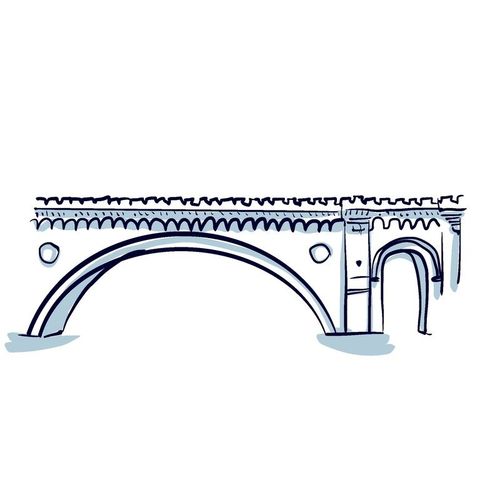
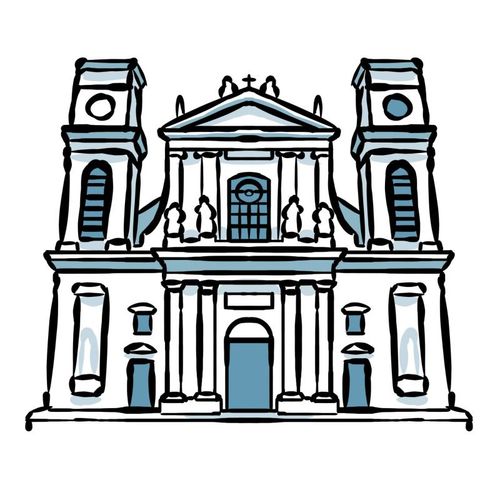
The heart of any visit is the Place Nationale, a vast square with a double row of arcades lined with brick houses, where the market is held several times a week. A few steps away, the Pont Vieux has crossed the Tarn since the Middle Ages and offers the finest view over the town and over the former bishop's palace, now home to the Ingres Bourdelle museum. The Notre-Dame-de-l'Assomption cathedral, white and firmly classical, contrasts with the brick around it, while the church of Saint-Jacques still bears the marks of the Wars of Religion on its octagonal bell tower.
Add the Cours Foucault with its avenues of plane trees, then the old lanes radiating out from the square. The whole of it can be covered on foot in a few hours; the Ryo audio guide offers a dedicated Montauban route that links these highlights and tells their story.
Why is Montauban nicknamed the pink town?
Like many towns in the south-west of France, Montauban was built with terracotta brick shaped from the clay of the Tarn valley, as there were no stone quarries nearby. Depending on the light and the time of day, these façades shift from pale ochre to a deep pink, and the effect is especially striking late in the day from the Pont Vieux or the riverbanks. Founded in the Middle Ages and laid out around its arcaded square, the town has kept this unity of material throughout its old centre, which earns it a reputation as one of the most consistent examples of the kind in the region.
Where can you go for a walk outdoors in Montauban?
The banks of the Tarn make for the most pleasant stroll: you follow the river facing the brick façades, with the Pont Vieux as a backdrop. The Cours Foucault, a long esplanade shaded by plane trees and laid out in the eighteenth century, extends that walk naturally and fills with walkers and runners at the end of the day.
A little further on, the botanical garden and the town's parks provide cool corners once the heat builds, while the canal harbour opens onto a flat, shaded towpath that is enjoyable on foot or by bike. Depending on the season, events and waterside terraces happily stretch the evening out.
Vos commentaires, idées et suggestions
Aucun avis pour le moment
