

Créé par Romane, le 4 oct. 2026
Votre guide Ryo
Albi, France
Retracing the history of the Red City
Parcours audioguidé pour visiter Albi en 1 jour
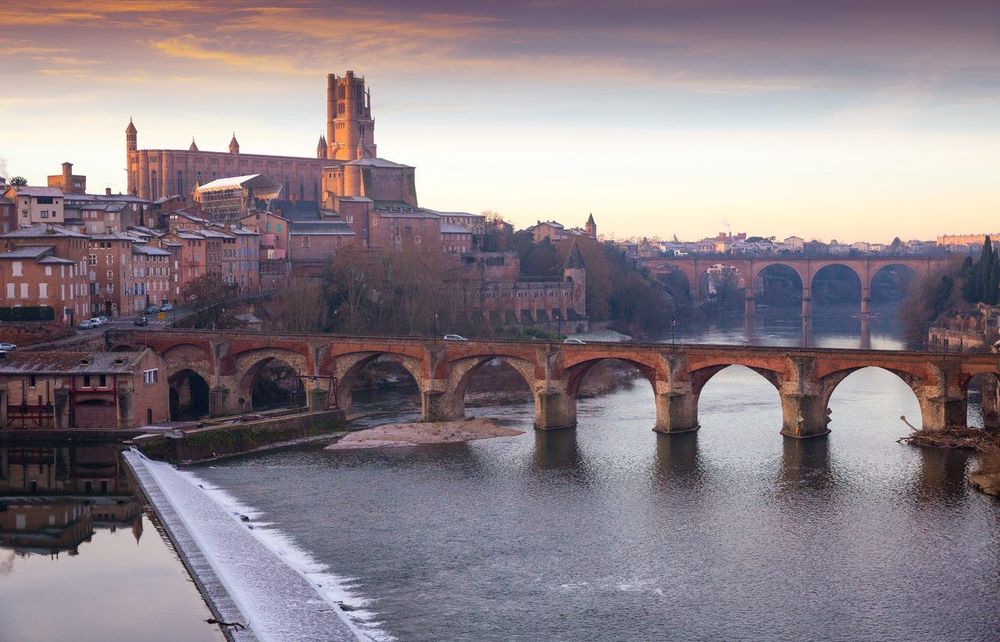
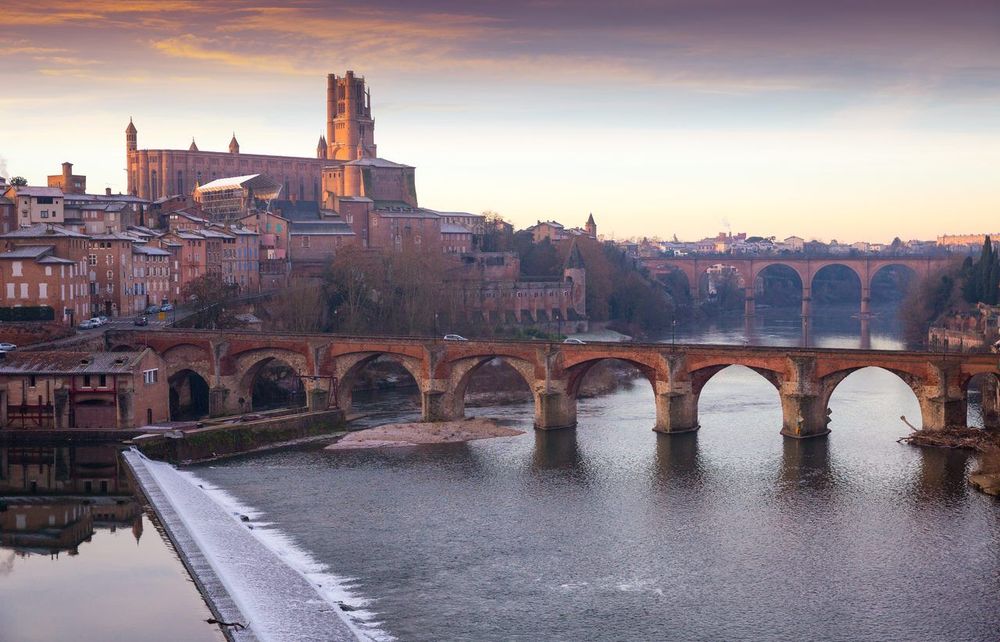
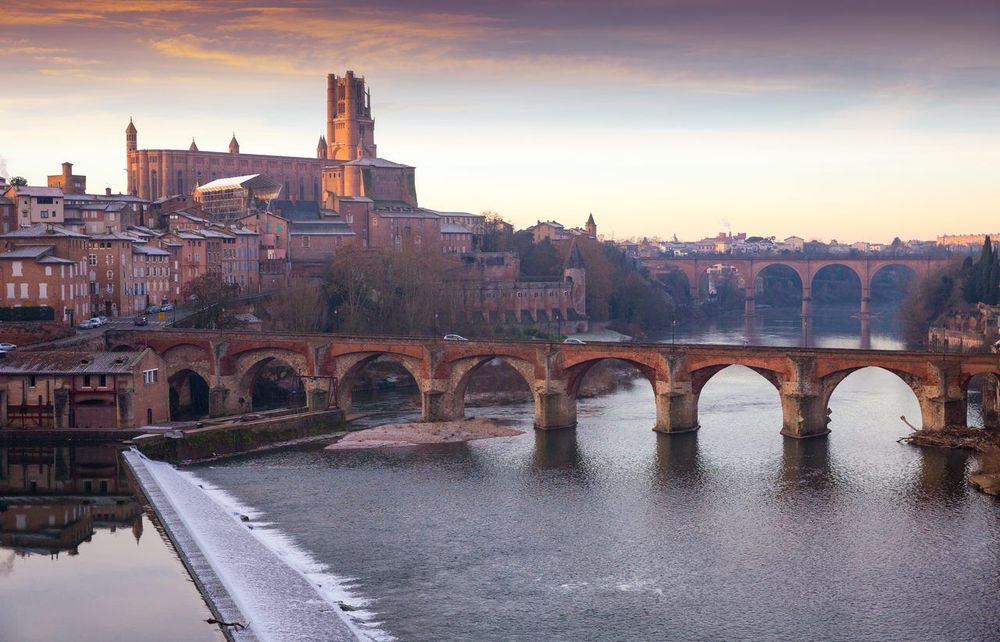
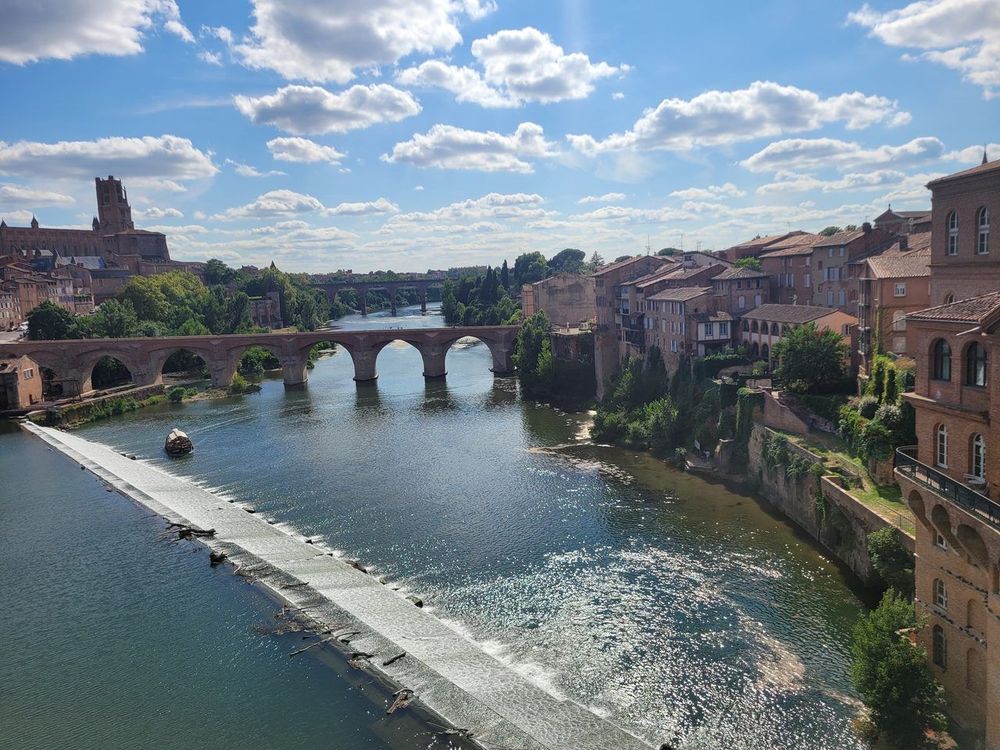
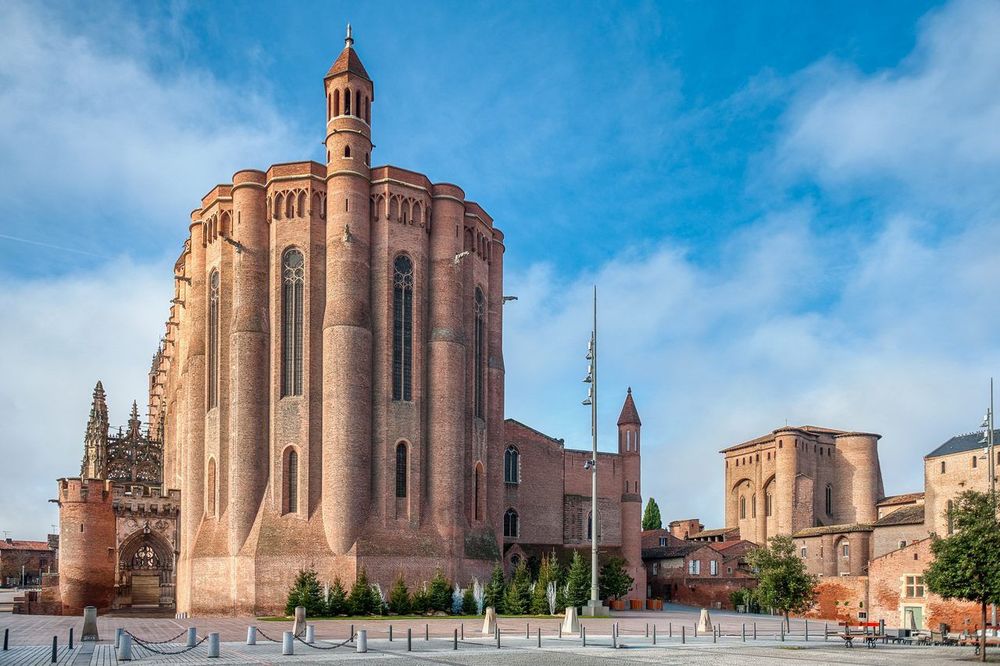
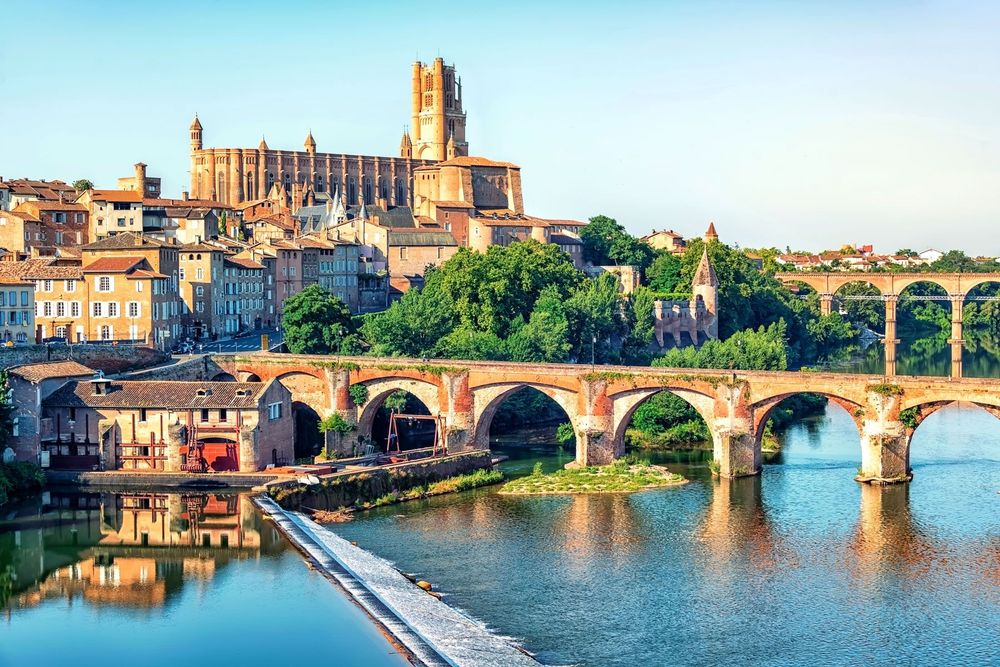
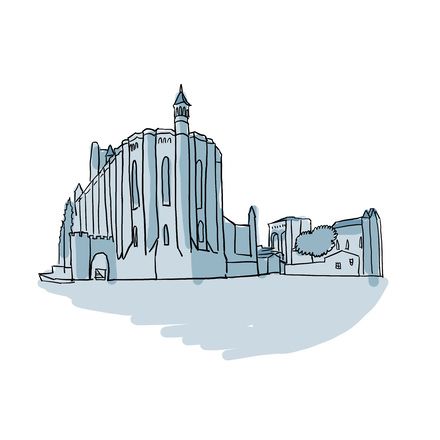
Forget grey stone—walking through Albi feels like stepping into a sea of red brick glowing in the sunlight. The winding lanes of Castelviel lead you straight to the foot of Albi Cathedral, a one-of-a-kind fortress cathedral unlike anything you’ve seen before. From the terraced gardens of the Berbie Palace to the shimmering reflections along the Tarn River, the city radiates a distinctly southern warmth. It’s a sunlit journey shaped by the legacy of the Cathars and the creative spirit of Henri de Toulouse-Lautrec—a vivid, immersive experience for anyone drawn to places with bold character and a fiery soul.
Quand partir à Albi ?
Jan.
6°
9
Feb.
7°
7
March
10°
8
April
13°
10
May
17°
10
June
21°
7
July
24°
5
Aug.
24°
6
Sept.
20°
6
Oct.
16°
8
Nov.
10°
9
Dec.
7°
10
Albi enjoys a transitional climate between Mediterranean and oceanic influences, offering warm, sunny summers with average highs around 28°C and mild winters where the thermometer generally reaches 10°C during the day. To admire the majestic Sainte-Cécile Cathedral and the red brick hues of the "Episcopal City" without the intense heat of August, the ideal periods are spring (May and June) and early autumn (September and October), months during which the light is particularly soft on the banks of the Tarn. July also remains very lively with the Pause Guitare festival, offering a festive atmosphere perfect for enjoying Tarn evenings under a starry sky.
Départ conseillé
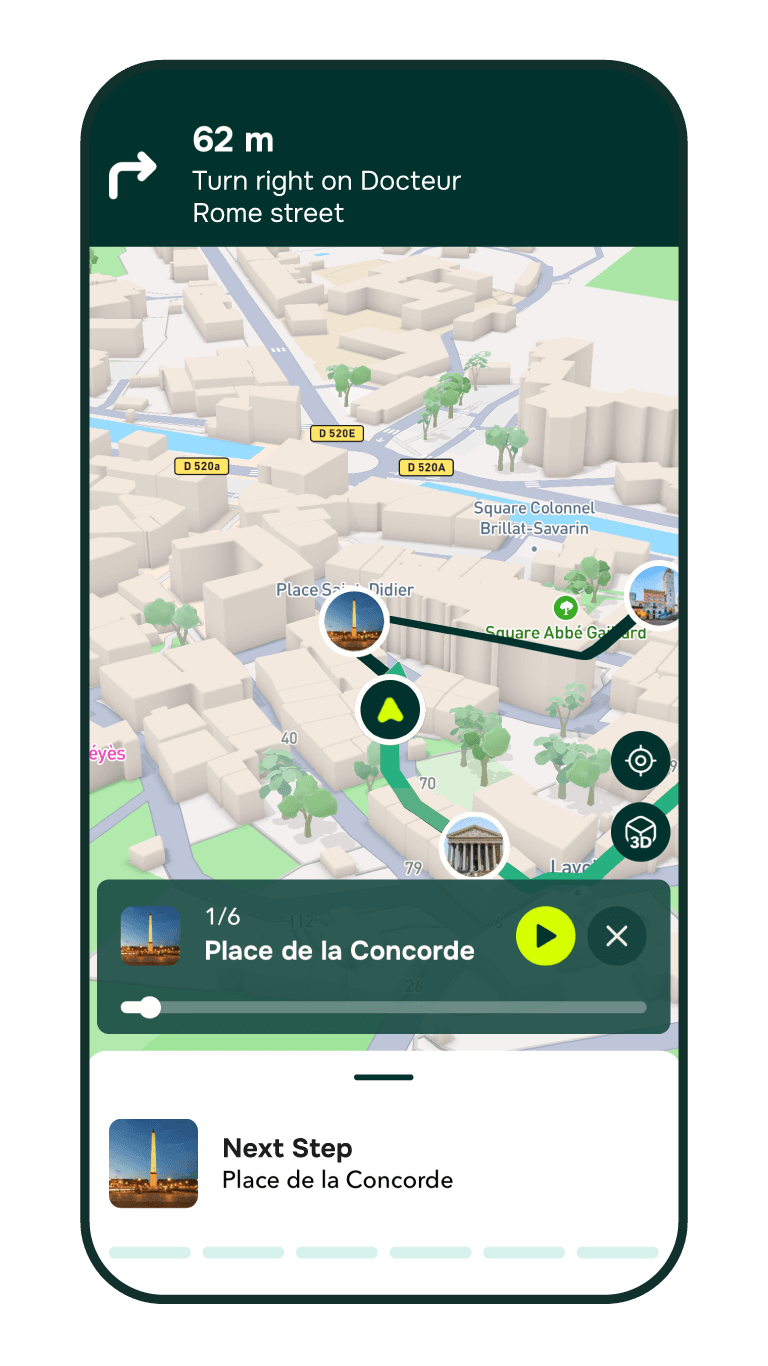
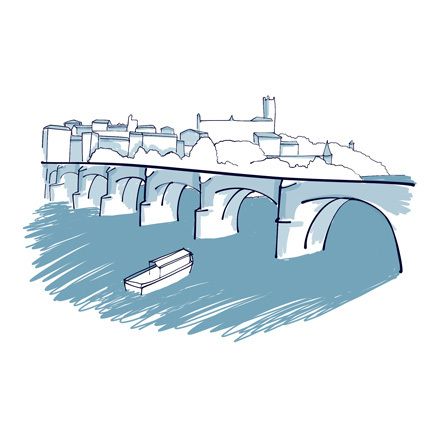
No need to worry about where to begin! Our tours are designed as a loop, so you can jump in wherever you are. The navigation system and audio-guide will automatically adjust to your location. However, if you happen to be nearby, we do have a preferred starting point: on the Pont Vieux (on the right river bank), heading towards the old town
Parking à proximité
Place Colonel Arnaud Beltrame Parking
In Albi, there's always the option of on-street parking, with some spaces being free of charge. Just keep in mind that there's a resident-only zone since 2014; it includes the area between Lices Pompidou Street, Soult Boulevard and Montebello Boulevard. You cannot park there without a resident parking permit.
À savoir
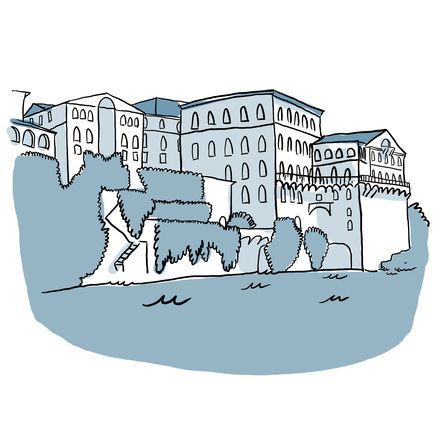
As part of our tour, we will be visiting the gardens of the Berbie Palace. To avoid any last-minute surprises, be sure to check the opening hours. If the gardens happen to be closed during your visit, you can simply continue down Temporalité Street towards our next point of interest. No need for detours!
Découvrez 27 lieux d'intérêt pour visiter Albi

Le plein d'inspirations
Explorez le monde en totale liberté, à pied au cœur des villes ou au fil des routes. Nos guides audios transforment chaque destination en une découverte culturelle immersive et unique.
FAQ for visiting Albi
When is the best time to visit Albi?
Spring and early autumn are the best times to discover Albi. In May, June, September and October, you'll enjoy soft light that enhances the red bricks of the episcopal city and pleasant temperatures for wandering through the narrow streets. Summer remains attractive despite the heat, particularly in July with the Pause Guitare festival that brings the Tarn evenings to life. Winters are mild and allow for a peaceful visit to the monuments. Avoid August if you're wary of intense heat, even though the shaded banks of the Tarn offer a welcome coolness.
How many days do you need to visit Albi?
Two days is the ideal length to fully appreciate Albi. On the first day, you can explore the historic heart with Sainte-Cécile Cathedral, the Palais de la Berbie and its gardens, then wander through the Castelviel district. The second day allows you to visit the Toulouse-Lautrec Museum, stroll along the banks of the Tarn and discover the less touristy neighbourhoods. If you only have one day, focus on the episcopal city and its major monuments. Three days will give you time to explore the surrounding area and enjoy more of the town's southern atmosphere.
What can you do in Albi when it rains?
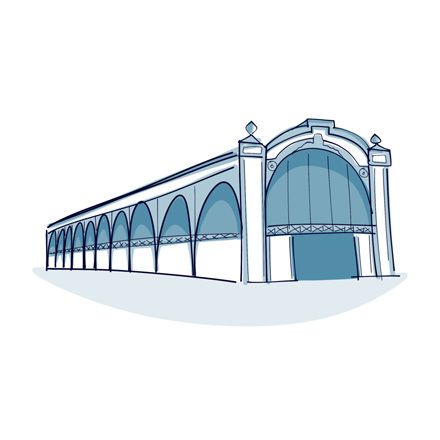
On rainy days, Albi offers plenty of fine cultural options under cover. The Toulouse-Lautrec Museum, housed in the Palais de la Berbie, deserves several hours with its exceptional collections. Sainte-Cécile Cathedral impresses with its interior frescoes and painted vault, a spectacle to contemplate at length. The Lapérouse Museum will delight lovers of maritime exploration, while the Fashion Museum offers a variety of temporary exhibitions. The covered market halls are also a great place to discover local produce in a friendly atmosphere. Finally, the cafés and restaurants of the historic centre offer warm refuges to savour the gastronomy of the Tarn.
How do you get to Albi?
Albi is easily accessible from Toulouse, about an hour away by road or train. Albi-Ville station welcomes regular trains from the regional capital. By car, the A68 motorway directly connects the two cities. From Paris, allow five to six hours by train with a connection in Toulouse. The nearest airport is Toulouse-Blagnac, from where shuttles and car rentals allow you to reach Albi. Regional bus lines also serve the town from the surrounding communes. Once there, the historic centre is easily explored on foot.
Where can you park in Albi?
Parking in Albi is well organised, with several options depending on your needs. The underground car parks in the town centre, notably those at the cathedral and the Vigan, offer ideal proximity to the tourist sites. Free surface car parks can be found on the outskirts of the centre, usually a ten- to fifteen-minute walk from the monuments. The Bondidou car park, near the Tarn, is a good compromise between being free and accessible. In high season, arrive early in the morning to easily find a space. The blue zones in the centre allow time-limited parking, handy for short visits.
What are the must-sees in Albi?
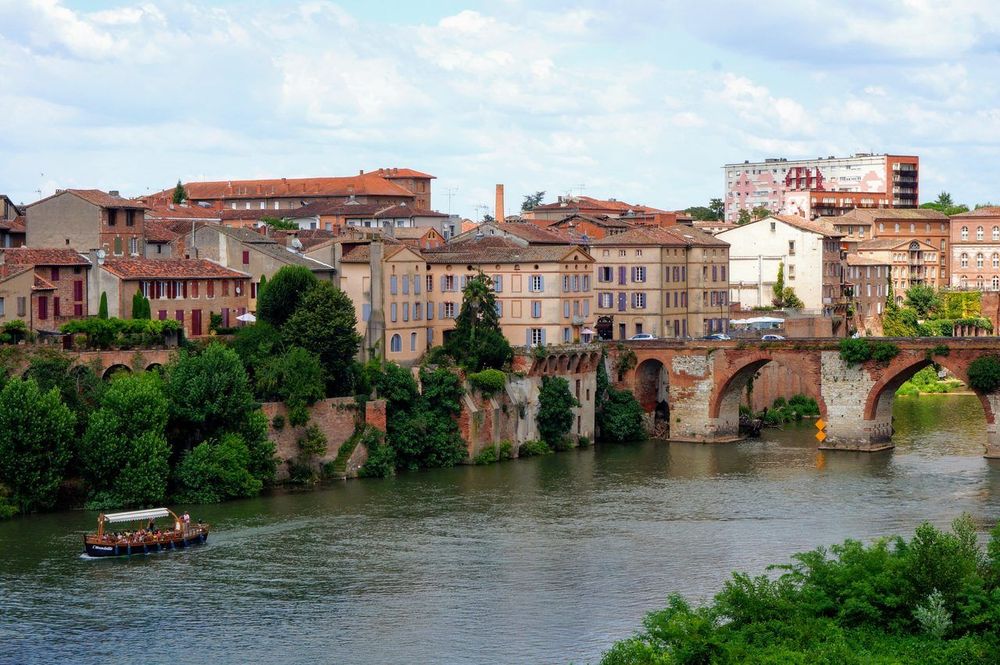
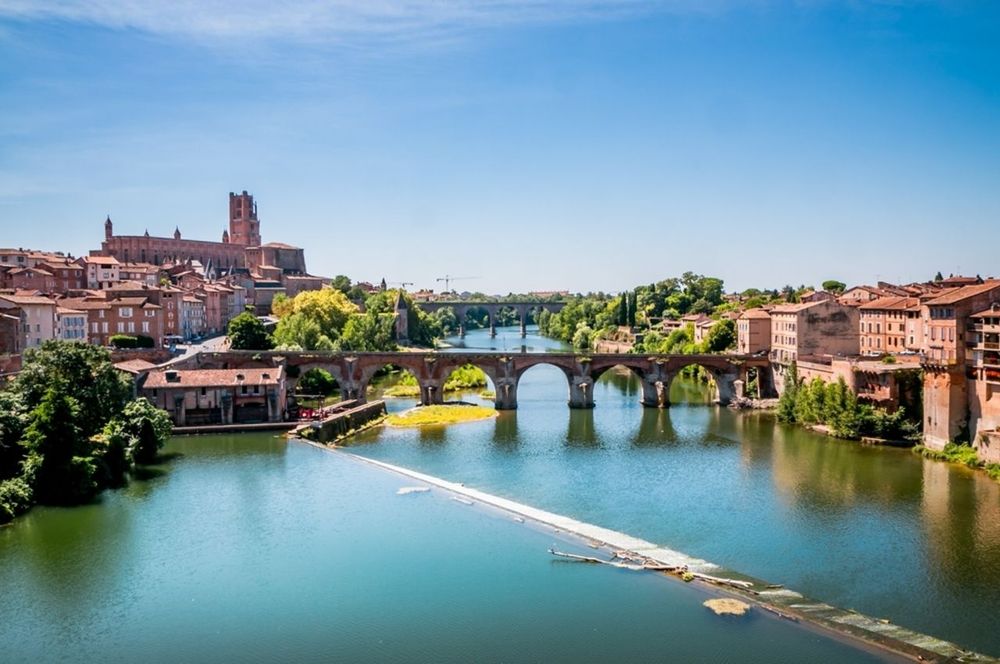
Sainte-Cécile Cathedral dominates your discovery of Albi with its fortress-like brick architecture and breathtaking interior frescoes. The Palais de la Berbie, a former episcopal palace housing the Toulouse-Lautrec Museum, deserves a thorough visit for its collections and its hanging gardens offering a magnificent view of the Tarn. The Castelviel district plunges you into medieval Albi with its picturesque narrow streets and half-timbered houses. The Pont Vieux lets you admire the town from its finest angle. The Ryo audioguide accompanies you through this exploration with enriching commentary on each major site, revealing the fascinating history of the red city.
What can you do in Albi with children?
Albi knows how to captivate young visitors with a range of activities. The gardens of the Palais de la Berbie offer an ideal space to relax during a break between visits. A gabarre boat trip on the Tarn generally delights children, as does discovering the Albi mill on the banks. Rochegude Park offers playgrounds and green spaces to let off steam. Creative workshops are often organised at the Toulouse-Lautrec Museum during school holidays. The little tourist train is a fun way to explore the town without tiring little legs. The Ryo audioguide offers family-friendly routes with captivating anecdotes to hold the attention of the youngest.
How much does it cost to enter the museums and monuments of Albi?
The prices of Albi's sites generally remain affordable for discovering this exceptional heritage. Sainte-Cécile Cathedral can be visited free of charge; only access to the choir and the treasury requires a ticket. The Toulouse-Lautrec Museum offers different options depending on the current temporary exhibitions. Combined tickets often allow you to visit several sites at a reduced rate. Students, seniors and families usually benefit from attractive discounts. Some museums offer free admission on the first Sunday of the month or during special events. Ask at the tourist office about the available tourist passes, which can represent substantial savings if you plan several visits.
Why is Albi nicknamed the red city?
With no stone quarries nearby, Albi was built from the clay of the Tarn: the flat, wide local brick gives its façades, bridges and bell towers a warm tone that shifts from orange to purple depending on the light. Sainte-Cécile cathedral is the most spectacular example, a huge brick vessel with the look of a fortress, while the Berbie Palace, the fortified former residence of the bishops, extends the same setting above the river.
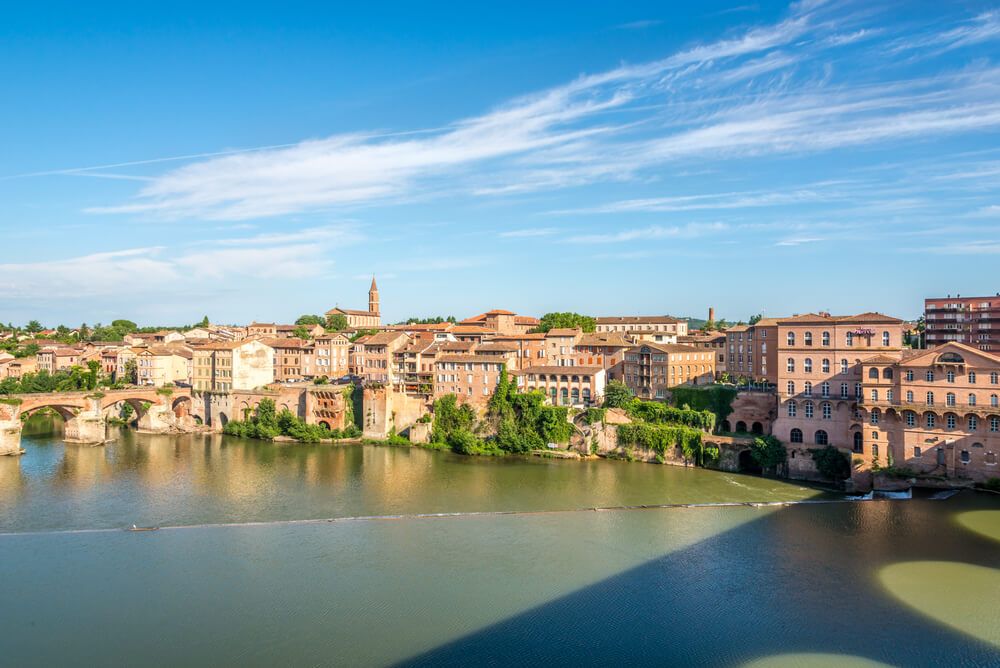
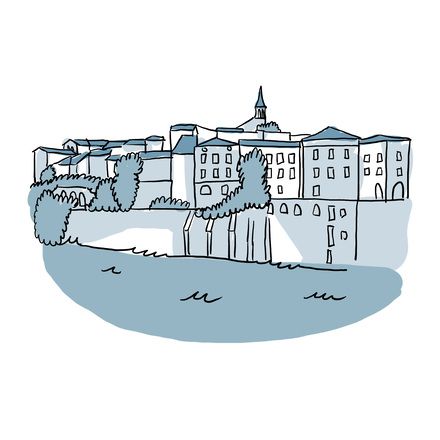
This ensemble, known as the episcopal city, is listed as a UNESCO World Heritage site and is best discovered on foot, from the lanes of Castelviel to the Pont-Vieux, where the town is mirrored in the Tarn. The Ryo audio guide offers a dedicated Albi route that follows this red thread from one monument to the next.
Which local specialities from the Tarn should you try in Albi?
Albi's cooking reflects a generous countryside: melsat, a white pudding flavoured with bread and eggs, the pink garlic grown not far from town, veal raised on the Ségala plateaux and the cured meats of the Montagne Noire often appear on menus. Slow-cooked dishes sit alongside grilled meats and farmhouse sheep or goat cheeses.
On the sweet side, the region's dry biscuits, such as gimblettes or almond croquants, go well with a coffee and slip easily into a travel bag. The covered market in the centre and the stalls set up on nearby squares on certain mornings give a good overview of all this, while the neighbouring vineyards produce red, white and sparkling wines that local restaurants are happy to recommend.
Vos commentaires, idées et suggestions
Aucun avis pour le moment