© Shutterstock
 Votre guide Ryo
Visit Albi in 2 Days: Complete 2026 Itinerary
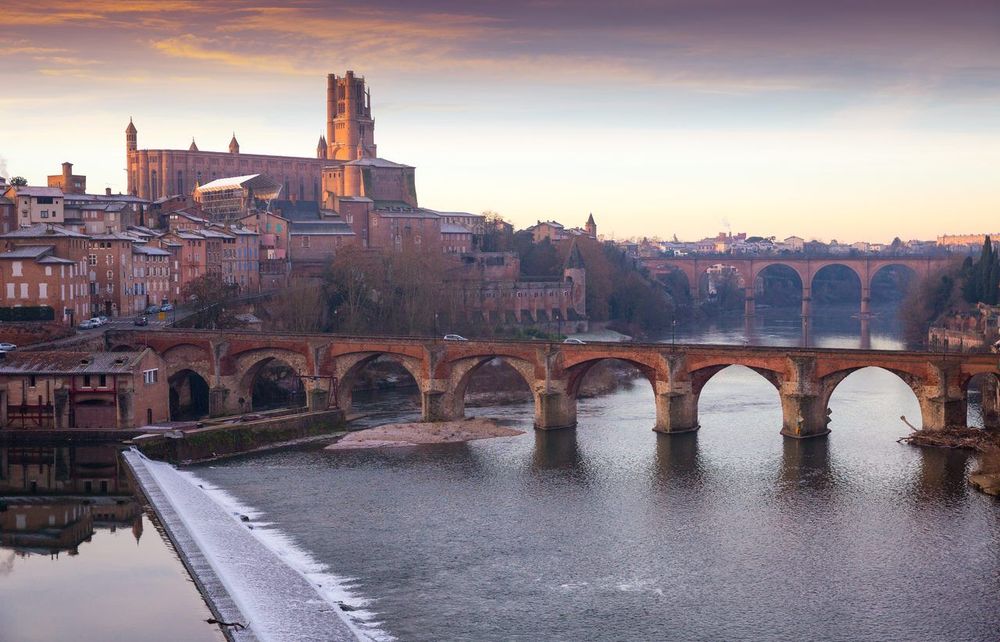
Visiting Albi in 2 days means treating yourself to a UNESCO-listed episcopal city, the world's most comprehensive Toulouse-Lautrec museum, and an escape into the Tarn countryside. The river runs rust-coloured beneath the Pont Vieux, and it is this fired-brick hue that earned the city its nickname of the "Red City". The question that always comes up is simple: where do you start without missing anything? The answer lies in a compact historic centre, where Sainte-Cécile Cathedral and the museum dedicated to the Albi-born painter are just a few minutes' walk from each other.
This guide lays out a day-by-day itinerary: the episcopal city and its museums on the first day, the banks of the Tarn and a trip to Cordes-sur-Ciel or Mazamet on the second, rounded out with our picks for places to sleep and eat. To extend your exploration at your own pace between stops, the Ryo audio tour of Albi covers 26 sites over 3.5 km and 1 hour 40 minutes of walking, a great complement to this programme. Keep three things in mind from the start: a brick cathedral that claims the title of the largest such building in the world, a museum holding the most complete Toulouse-Lautrec collection on the planet, and a covered market where you can pick up supplies for a picnic by the water the next day.
Day 1 Morning: Albi's Episcopal City, a Gem of World Heritage
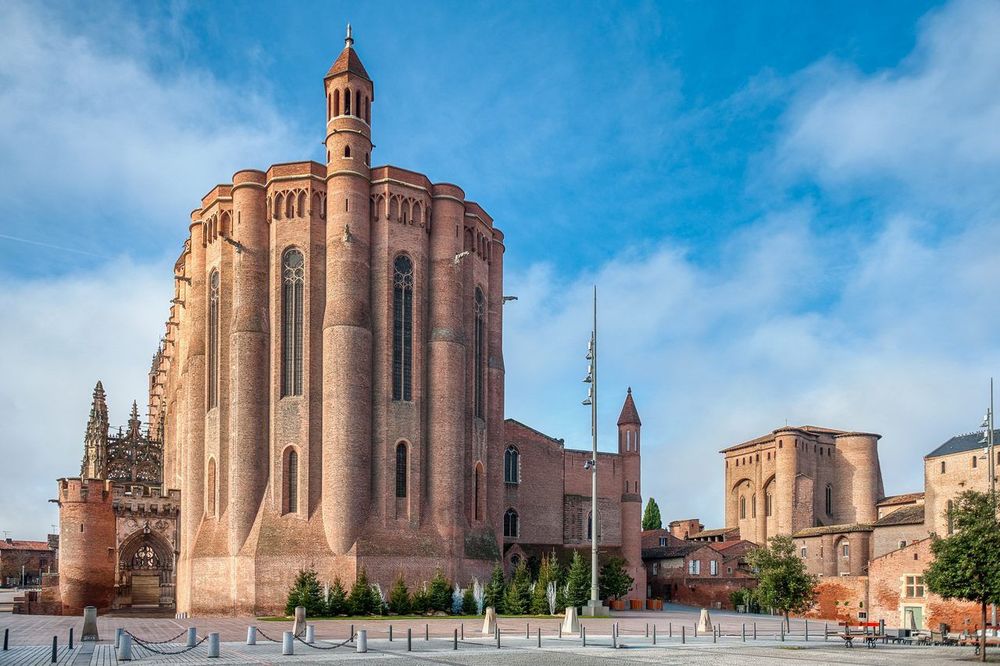
Start early. The episcopal city has a special quality of light before 10am, when tour groups have not yet filled the forecourt and the brick glows pink in the morning sun. Two monuments account for most of the morning: the cathedral and the episcopal palace, just a few dozen metres apart.
The ensemble has been inscribed on the UNESCO World Heritage List since July 2010, and the protected area is not limited to the two monuments: it encompasses the old quarters, the Pont Vieux, and the banks of the Tarn. In other words, you are already walking through a protected site the moment you leave your hotel. The tourist office, situated at the foot of the Palais de la Berbie, is a useful first stop for maps, tickets, and guided tours if you have not booked anything in advance.
Sainte-Cécile Cathedral, the World's Largest Brick Building
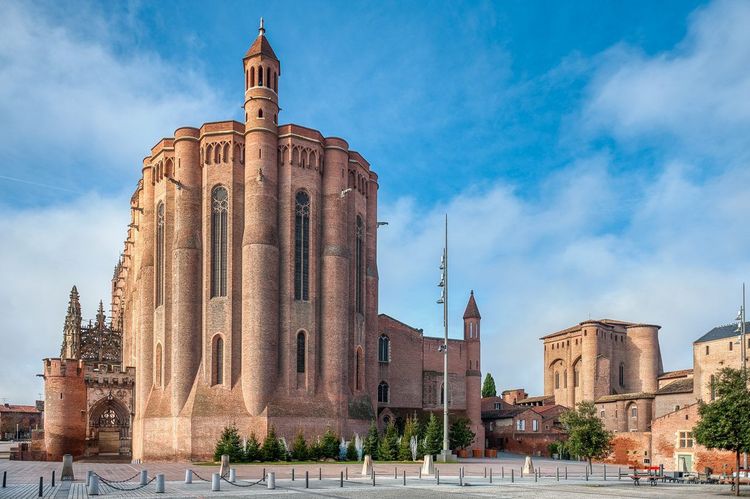
Sainte-Cécile Cathedral makes an impression before you even step inside. Built between 1282 and 1480 on the orders of Bishop Bernard de Castanet, it looks more like a fortress than a place of worship: blind walls over 30 metres high, massive semicylindrical buttresses, and a single bell tower rising to 78 metres and dominating the entire city. This defensive silhouette is no accident — it was a response to the trauma of the Albigensian Crusade that had just devastated the region, and a statement of the Catholic Church's restored power in the face of Cathar heresy.
The exterior can be admired for free from the forecourt, and it is worth walking all the way around: the southern face, overlooking place Sainte-Cécile, gives the best sense of the building's sheer bulk, while the northern flank is discovered through the narrow lanes of the Castelviel. It is when you push open the entrance porch — a flamboyant stone lacework grafted onto the brick at the start of the 16th century, in total contrast to the rest of the building's austerity — that the real surprise unfolds.
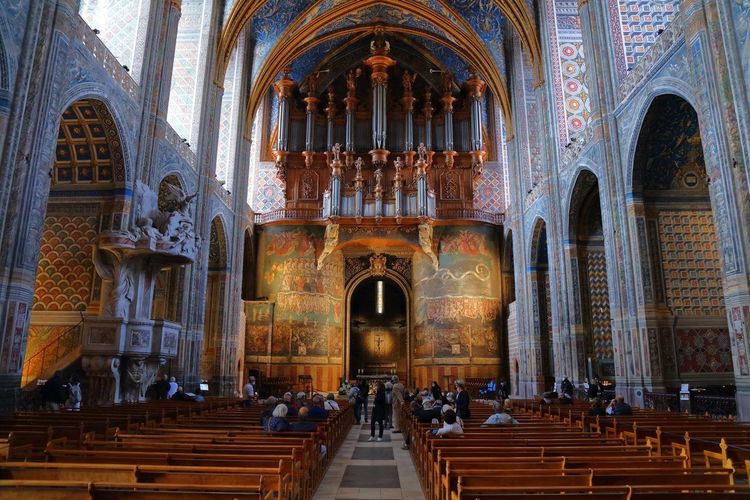
The cathedral nave unfolds one of Europe's most expansive painted cycles: a vault entirely covered in Italian Renaissance frescoes over nearly 100 metres in length, dominated by a monumental Last Judgement on the west wall, its centre carved out in the 17th century to make way for a chapel. The contrast between the austere exterior and this explosion of blue and gold inside remains the most photographed moment of the visit. Take time to look up at the vault before making your way towards the far end, and keep an eye on the grand classical organ from the 18th century — one of the most imposing in France — which fills the entire entrance wall.
The choir and treasury rooms require a separate ticket, around 5 to 6 euros on top of free access to the nave. The sculpted rood screen separating the choir from the rest of the church is a unique limestone lacework in France, adorned with polychrome statues of prophets and apostles that survived the Revolutionary destructions. The treasury rooms house liturgical silverware, illuminated manuscripts, and priestly vestments. Allow 45 minutes to 1 hour for the cathedral and treasury combined if you take time to read the information panels, somewhat less if you head straight for the frescoes.
A timing tip: the building remains an active place of worship, and services may restrict access to certain areas late on Sunday mornings. Check the day's schedule posted at the entrance before joining the queue, especially if your programme is tight.
The Palais de la Berbie and Its Gardens with Views over the Tarn
Two minutes on foot away, the Palais de la Berbie completes the episcopal loop. A former fortified residence of the bishops of Albi, built from the 13th century onwards, it is one of the oldest fortresses in France still standing and now houses the Toulouse-Lautrec Museum, which you will visit in the afternoon. Its name comes from the Occitan word "bisbia", meaning bishopric. In the morning, simply take in its architecture from the inner courtyard before moving on to the highlight of this stop.
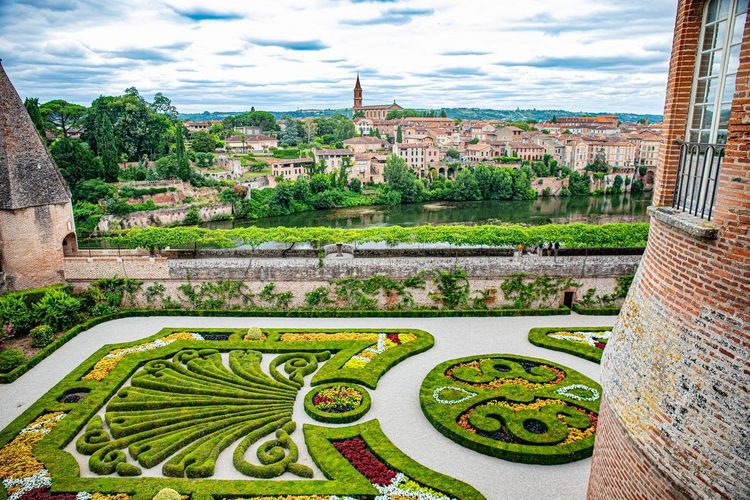
The gardens of the Palais de la Berbie, laid out in the French formal style with clipped box hedges and geometric flowerbeds, open onto a terrace directly overlooking the Tarn. The view takes in the Pont Vieux, the old Albi mills, and the right bank of the city — a panorama worth the detour in its own right. Taking a break on one of the benches facing the river in the gardens of the Palais de la Berbie is a welcome pause before tackling the museum in the afternoon.
If you are travelling with children, these gardens offer enough space to take a ten-minute breather without feeling like you are losing time on your itinerary. Admission is free, unlike the museum and the cathedral treasury, making it an ideal stop to break up the morning without straining the budget. Take note of the covered sentry walk running along the terrace: this is where the best shots of the Tarn's bend are taken, with brick in the foreground and the water twenty metres below.
Day 1 Afternoon: Toulouse-Lautrec Museum and Albi's Old Town
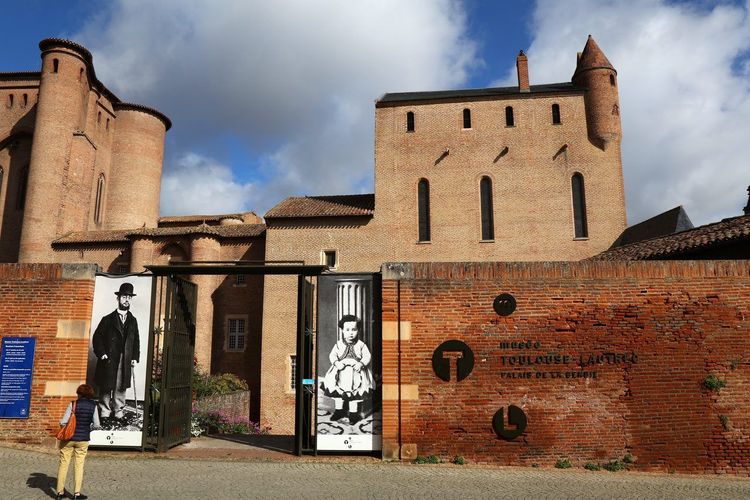
After a quick lunch at one of the brasseries in the centre, head to the museum that has made Albi's cultural reputation, then wander through the lanes of the Vieil Alby until late afternoon.
The Toulouse-Lautrec Museum, a One-of-a-Kind Collection
Housed in the Palais de la Berbie visited that morning, the Toulouse-Lautrec Museum holds the world's largest collection dedicated to the Albi-born painter: over 1,000 works, including the iconic Moulin Rouge canvases and the lithographic posters that revolutionised advertising art at the end of the 19th century. Henri de Toulouse-Lautrec was born in Albi in 1864, and it was his own family, supported by his friend and dealer Maurice Joyant, who donated the original collection to the city after his death in 1901, at a time when the Parisian national museums had no interest in it.
Allow 1.5 to 2 hours to walk through the rooms, arranged chronologically from the earliest academic sketches and horse scenes through to the most celebrated Parisian posters. The route ends in the medieval vaulted halls of the palace, redesigned during the major renovation in the 2000s, where contemporary museography dialogues with 13th-century stone. The permanent collection is complemented by temporary exhibitions renewed each year — worth checking before your visit if you have a particular interest in art.
The birthplace of Toulouse-Lautrec, set apart from the main circuit on a quiet street in the historic centre, can only be visited from the outside: the Hôtel du Bosc remains a private family property that does not open its doors to the public on a regular basis. Most visitors stop here for the facade and the context before continuing their stroll towards the old town.
Half-Timbered Lanes and Historic Houses of the Vieil Alby
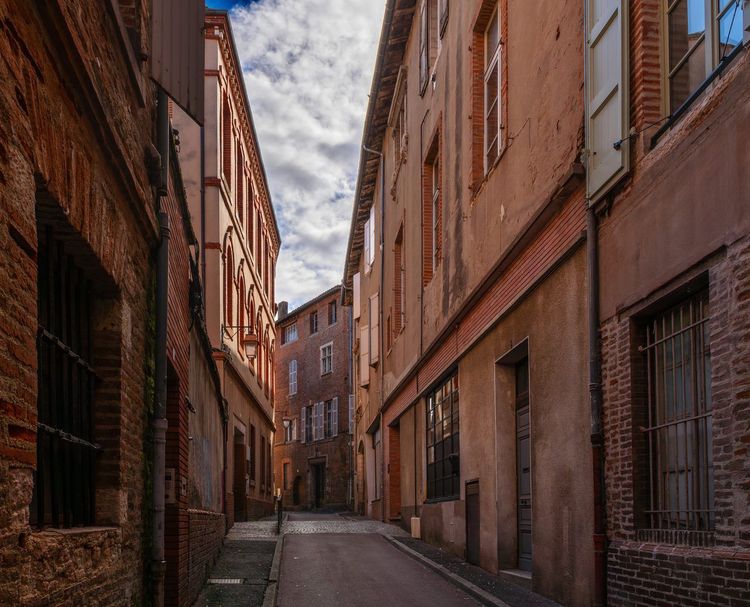
The Vieil Alby quarter is home to the finest half-timbered houses in the city. Its cobbled, hilly lanes — sometimes so narrow that two people can barely pass each other — have retained their medieval layout almost entirely intact. The Maison du Vieil Alby, a 15th-century half-timbered and brick building converted into a small interpretation centre, traces the history of the quarter, the woad trade, and traditional crafts through collections of everyday objects. Admission is free for much of the year, making it one of the best-value stops on the trip.
A short walk away, the birthplace of Jean-François de Galaup, Comte de Lapérouse, pays tribute to the navigator born near Albi in 1741, who disappeared along with his two frigates during his round-the-world expedition after 1788. The Lapérouse Museum, housed on the left bank in the former Albi mills, traces this major scientific expedition of the Age of Enlightenment through maps, navigation instruments, and ship models. It is one of the few French collections dedicated to an explorer, and the twenty-minute detour across the Pont Vieux to reach it is also rewarded with a fine view over the episcopal city.
Continuing through the lanes, the Hôtel Reynès displays a remarkable Renaissance facade, adorned with sculpted medallions depicting mythological figures and portraits — remnants of the decoration commissioned by a wealthy woad merchant in the 16th century. Albi owes part of its historic prosperity to woad, the dye plant that made the fortune of the Albi-Toulouse-Carcassonne triangle before indigo from the Indies devastated the market.
End this stroll at the collegiate church of Saint-Salvi (Place Sainte-Salvi, 81000 Albi, rated 4.6/5 on Google with 414 reviews), the oldest religious building in Albi, whose earliest sections date back to the 11th century and which was remodelled over several centuries — explaining its blend of Romanesque and Gothic styles. The Saint-Salvi Cloister, adjoining the church, offers a haven of calm with its vaulted galleries and rose-planted garden, largely spared from the tourist crowds that fill the rest of the episcopal city. Push open the gate in the late afternoon: the low-angled light sets the carved capitals ablaze, and you will most likely have the place to yourself.
To extend this immersion into the less-frequented lanes, our unusual walking tour of Albi details viewpoints and architectural details that most hurried visitors never notice, much like the audio-guided tour of Albi, which also stops at the Birthplace of Toulouse-Lautrec and the Lapérouse Museum.
Day 1 Evening: Covered Market, Place Savène, and a First Gourmet Night
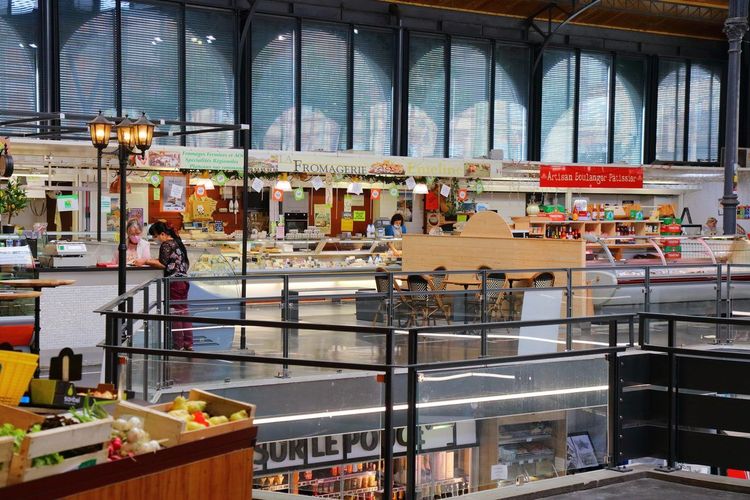
In the late afternoon, head to the Albi covered market, a late-19th-century iron hall where local producers sell sheep's cheese, charcuterie, and seasonal fruit. The stalls are mainly open in the morning, Tuesday to Sunday, with the biggest crowds on Saturdays: if your schedule lines up with those slots, this is the place to be. Even with the shutters down, the exterior of the building is worth a look for its iron framework and large glass panels, typical of provincial Baltard-style market halls.
Just steps away, place Savène (Place Savène, 81000 Albi) offers one of the best photo compositions in the city: a row of brick facades, café terraces, and an unobstructed view of the cathedral bell tower in the background. This is the moment to slow down, put the camera away, and settle on a terrace to watch local life resume its rhythm after the afternoon heat. The surrounding area, between rue Timbal and place du Vigan, is where most of the independent shops in the centre are concentrated.
Among the local specialities to bring home or taste on the spot, the gâteau à la broche stands out — a pastry cooked in successive layers on a spit turning before a wood fire, its conical shape resembling a ruffled fir tree. The fouace, a brioche flavoured with orange blossom, and the jeannot, a small dry Albi biscuit, complete the list of edible souvenirs. On the savoury side, Tarn country sausage and ham pair perfectly with a bottle of Gaillac, the neighbouring vineyard that is among the oldest in France.
A fine food shop carrying local products in Albi stocks Tarn saffron, artisan honeys, pink garlic from Lautrec, and bottled Gaillac wines — perfect for a gourmet hamper. Right next door, a tea shop in Albi blends house mixes to take away, a pleasant olfactory pause before choosing your table for dinner. These shops generally close around 7pm — plan ahead if you want to leave with a full bag.
Day 2 Morning: Along the Tarn and Parc Rochegude
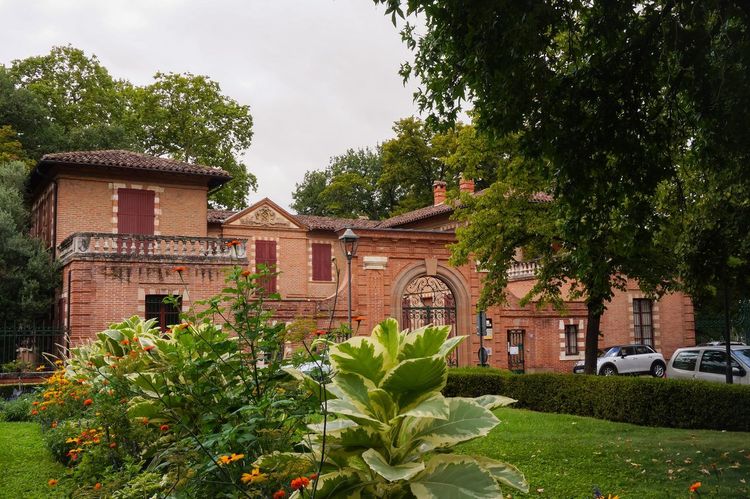
The second day starts gently, far from museum queues. The morning's aim: enjoy the Tarn and breathe in a little greenery before the afternoon excursion.
The Pont Vieux and a Gabarre Boat Ride on the Tarn
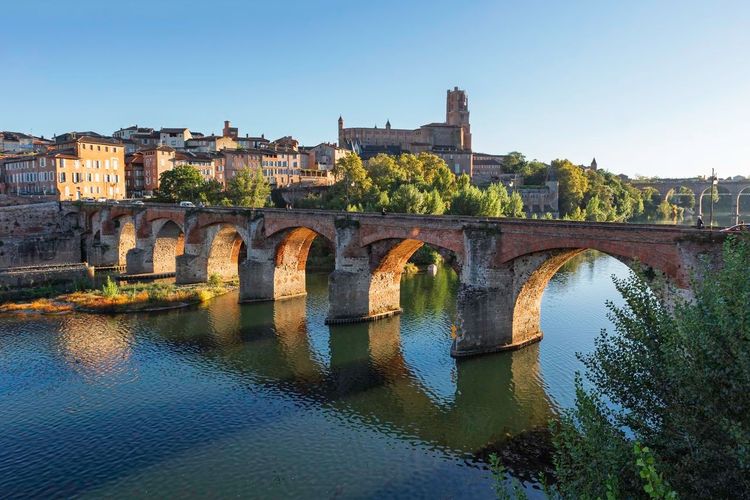
The Pont Vieux, whose foundations date back to 1035, remains one of the oldest bridges in France still open to traffic. It once carried overhanging houses, demolished in the 18th century to widen the crossing. Walk across it on foot for the best view of the cathedral and the Palais de la Berbie reflected in the water, especially early in the morning when the raking light picks out every brick. Coming back down on the right bank, the landscaped riverbanks allow you to follow the water as far as the fish ladder and the old mills — a flat twenty-minute walk that few visitors take.
A picnic on a gabarre on the Tarn is one of the most memorable experiences of the stay. The gabarre, a traditional flat-bottomed boat once used to transport woad, wheat, and wine, now offers guided commentary cruises of around thirty minutes departing from the riverbanks beneath the episcopal city. Some packages allow you to board with a picnic basket put together at the covered market the day before — an original way to have lunch while gliding under the Pont Vieux. The service operates mainly from late spring to early autumn and depends on the water level: book the day before in high season, as morning slots go quickly.
Parc Rochegude, a Green Break in the Heart of the City
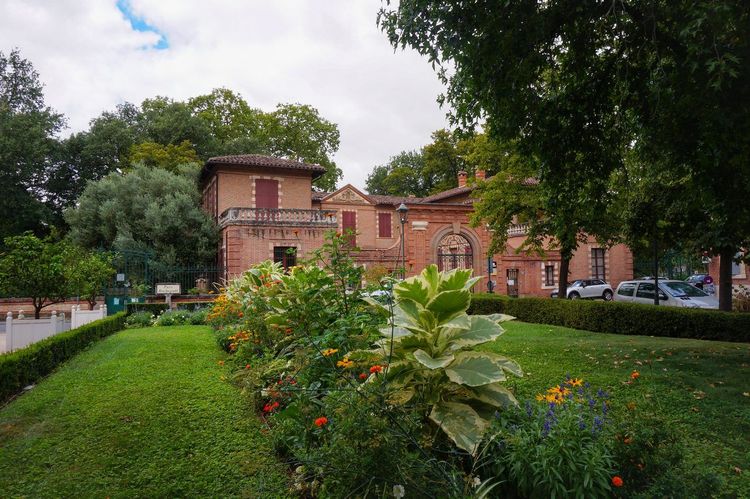
Fifteen minutes' walk from the historic centre, Parc Rochegude (Avenue du Parc Rochegude, 81000 Albi, rated 4.5/5 on Google with 2,243 reviews) spreads across nearly five hectares of century-old trees, a rose garden, and English-style paths laid out around an 18th-century pavilion. The park takes its name from Admiral Henri Pascal de Rochegude, a bibliophile and Albi-born sailor who bequeathed his estate to the city, and it provides a genuine breath of fresh air for anyone who has spent the morning on the cobblestones of the episcopal city.
Families will appreciate the playground and shaded paths ideal for a picnic break, while those seeking peace and quiet will find what they are looking for by lingering in the Saint-Salvi cloister garden glimpsed the day before, or simply strolling beneath the canopy. For a more unusual discovery, a tour of Albi in a convertible with the Tacot Cathare covers the main sights of the city centre in around forty minutes of commentary — a practical option if your legs are starting to tire after a day and a half of walking. The Ryo audio guide picks up wherever you set foot again, with commentary triggered as you approach each site.
Day 2 Afternoon: Day Trip to Cordes-sur-Ciel and the Surroundings of Albi
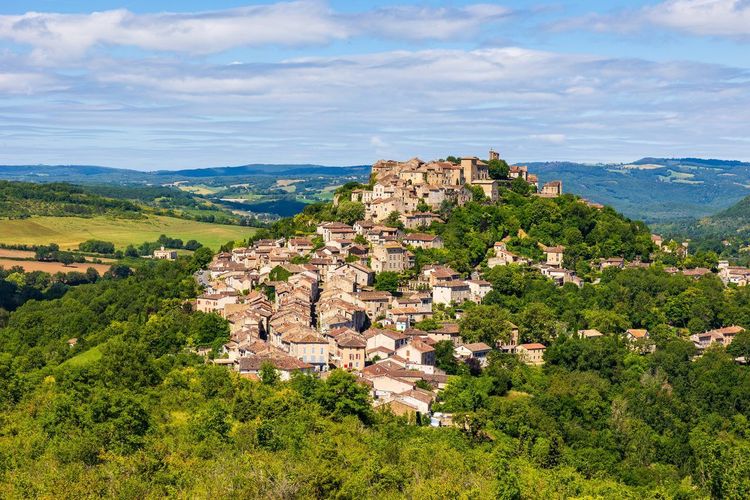
What should you visit around Albi when you have half a day left? Two directions are open to you, chosen according to your appetite for driving and the type of scenery you are after: north-west towards the medieval towns, or south towards the hills of the Montagne Noire.
Cordes-sur-Ciel and the Ambialet Peninsula
Cordes-sur-Ciel, around thirty minutes by road to the north-west of Albi, was voted France's favourite village in 2014 and is listed among the Grands Sites d'Occitanie. Perched on a rocky spur, this bastide founded in 1222 by the Count of Toulouse lives up to its name: on misty mornings, its ramparts seem to float literally above the Cérou valley. Allow 2 to 3 hours to climb its cobbled lanes to the summit, past craft workshops, Gothic houses adorned with carvings, and panoramic views over the Ségala countryside.
If you prefer to stay closer to Albi, the Ambialet peninsula, about twenty minutes to the east, offers an equally spectacular setting: a meander in the Tarn so pronounced that it forms almost an island, connected to the land by an isthmus just a few dozen metres wide and topped by the Prieuré Notre-Dame de l'Auder perched on its promontory. The climb to the Romanesque priory, around 20 minutes on foot, is rewarded with a bird's-eye view of the river's bend. The village also has a small watersports centre in summer, handy if you are travelling with teenagers to keep busy.
Mazamet, Its Waterfalls, and Nature Walks
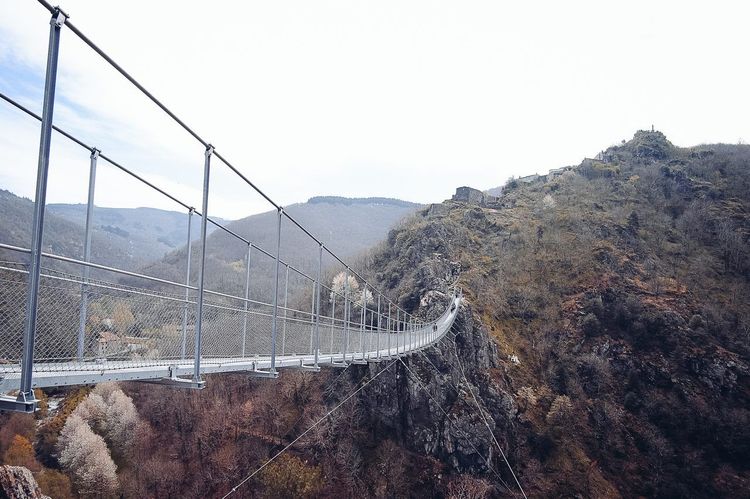
For nature lovers and thrill-seekers, Mazamet lies about an hour's drive south of Albi, on the doorstep of the Parc naturel régional du Haut-Languedoc. The Himalayan footbridge, 140 metres long and suspended 70 metres above the Arnette gorge, links the town to the perched medieval village of Hautpoul and offers a vertiginous panorama over the wooded valley — an experience strictly for visitors with no fear of heights. Entry is free and the crossing takes only a few minutes, but allow an hour for the round trip including the climb from the car park.
On the road between Albi and the Montagne Noire, hiking to the Arifat waterfalls (81190 Arifat, rated 4.6/5 on Google with 277 reviews) takes less than an hour there and back along a shaded path — ideal on a summer evening for cooling your feet. Further south-west, a stroll through the Jardin des Martels at Giroussens rounds off the excursion nicely for botany enthusiasts, with thousands of species spread around ponds and greenhouses. Families with children will enjoy the Ânes d'Autan farm, where you can get close to and feed the animals in a country setting before heading back to Albi.
Whatever you choose, our article on the surroundings of Albi details additional itineraries if you decide to add another half-day to your stay.
Getting to and Getting around Albi
By Train, by Car, or with the Occitanie Rail Tour
How you get to Albi depends mainly on your starting point. By train, Albi-Ville station is served directly from Toulouse-Matabiau in around one hour, with several return services daily, and from Paris via a connection at Toulouse. The station is a fifteen-minute walk from the cathedral, making the trip perfectly doable without a car. By car, allow 1 hour from Toulouse via the A68, 2 hours from Montpellier, and around 3.5 hours from Bordeaux; the closest airport is Toulouse-Blagnac, 1 hour 15 minutes away by road.
The Occitanie Rail Tour deal is worth mentioning: this regional scheme offers packages combining train journeys and visits to several towns in Occitanie at a reduced rate over several days — an interesting option if your stay extends beyond Albi alone. Check the seasonal terms with the region or SNCF before you leave, as the packages change regularly.
If you arrive by car, leave it as soon as you get there: the centre is largely pedestrianised or has restricted traffic, and several multi-storey and surface car parks ring the episcopal city, with moderate hourly rates and often free parking in the evening. Many hotels in the centre do not have private parking — worth checking when you book.
Getting around on Foot or by Tourist Train
Once you are there, getting around without a car is no problem at all: the historic centre is entirely walkable, with the episcopal city and the Vieil Alby just a few hundred metres from each other. Wear comfortable shoes — some cobbled lanes are steep — but no two major points of interest are more than 20 minutes apart on foot. That is exactly the format on which the audio-guided tour of Albi is built, designed as a 3.5 km loop starting from the cathedral.
For those who prefer a guided tour with less physical effort, the tourist train runs in the warmer months with a recorded commentary in several languages over a route of approximately 40 minutes, departing from the area around the cathedral. It is a practical option for families with young children or during periods of intense summer heat, though it does not replace walking for those who really want to feel the atmosphere of the lanes. The Albibus urban bus network rounds out the offer for reaching Parc Rochegude, the Albi mills, or the station from the centre without any effort.
Where to Stay in Albi: Our Picks by Budget
City-Centre Hotels: Charm and Comfort
For the closest possible stay to the episcopal city, the Hôtel Alchimy, set in a former townhouse just steps from the cathedral, combines contemporary décor, historic walls, and a well-regarded restaurant on the ground floor. It is the most central address in this selection, ideal if you want to do everything on foot without watching the clock.
Other mid-range establishments are spread across the Vieil Alby quarter and around place du Vigan, generally more affordable while remaining less than ten minutes' walk from the main monuments. Expect roughly 70 to 100 euros per night for a two- or three-star hotel in the city centre outside peak season, and considerably more in July and August. Book early during the summer season and for the Pause Guitare festival in early July, when central accommodation sells out several weeks in advance.
Bed-and-Breakfasts and Character Houses Nearby
If you are after peace and quiet after a full day, several addresses on the outskirts are worth the detour. The Domaine de la Monestarié, about fifteen minutes from the centre, offers rooms in an old Tarn farmhouse surrounded by gardens, with an outdoor swimming pool in season. The atmosphere is decidedly more rural than in the city centre, with personalised hospitality that chain hotels sometimes lack.
For an even quieter retreat, the Château de Fiac (81500 Fiac, rated 4.9/5 on Google with 395 reviews), around thirty minutes from Albi, offers the experience of staying in a private manor house with a tree-filled park — an option for those who want to turn their time in the Tarn into a timeless retreat rather than a simple urban stop. In the city itself, the guest house L'Autre Rives rounds out this charming selection with thoughtful décor and a home-made breakfast, often praised by travellers in search of authenticity.
Wherever you lay your head, Albi's audio-guided tour remains a good starting point for planning your movements between your accommodation and the historic centre, with an offline map of all 27 stops on the route.
Where to Eat in Albi: Our Favourite Restaurants
Traditional Cuisine and Convivial Terraces
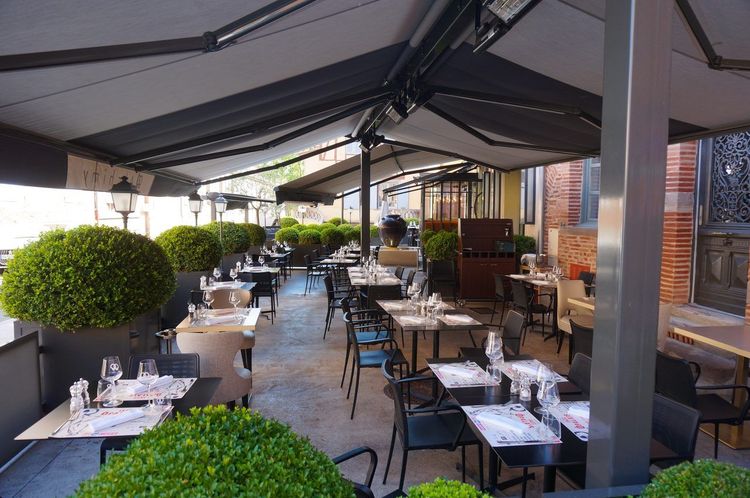
Dining on a terrace in Albi is never a problem, but Le Cascarbar, tucked away in a lane near the Palais de la Berbie, stands out for its generous local cuisine and relaxed atmosphere, particularly enjoyable on summer evenings. For a quick lunch between visits, the CAF'ART au Hibou restaurant (Place du Vigan, 81000 Albi, rated 4.8/5 on Google with 395 reviews), on place du Vigan, offers a fresh, quick set menu at a reasonable price, with a terrace that catches the lively footfall of the square.
Both addresses work perfectly for a bite between two stops without sacrificing quality — most of the produce comes from the Tarn region and the nearby covered market. On the Albi dining scene, keep an eye out for Ségala veal, Tarn lamb, or seasonal Lectoure melon, often accompanied by a glass of red Gaillac with dark fruit notes or a lighter sparkling white.
Gastronomic Tables and Historic Settings
For a gastronomic meal in Albi to mark the end of your stay, restaurant L'Épicurien offers creative cuisine built around seasonal produce, with a menu that changes regularly according to what comes in from the market. Expect a higher price point, justified by the quality on the plate and attentive service — book ahead at weekends.
For dinner in a historic setting, La Forge du Vieil Alby, set in a former forge in the medieval quarter, pairs exposed stonework with a revisited cuisine du terroir. It is probably the most photogenic address in this selection, especially worth booking for a romantic dinner at the end of the second day. For more suggestions by budget and preference, our selection of restaurants in Albi lists more tried-and-tested addresses.
Extending Your Stay: Albi in 1 Day or 3 Days
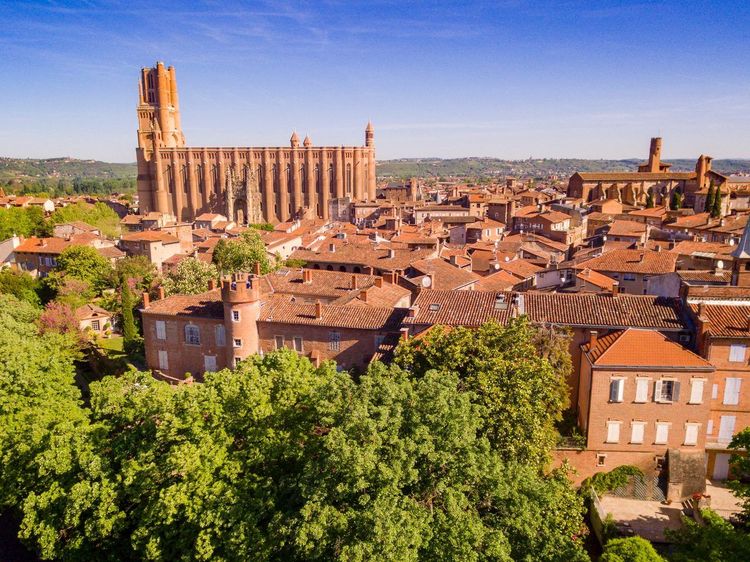
The ideal format depends above all on how much time you have and how much you want to explore the surrounding area. If you only have one day, focus on Sainte-Cécile Cathedral, the Toulouse-Lautrec Museum, and a quick wander through the Vieil Alby: this trio covers the essentials of what to do in Albi on a flying visit, sacrificing Parc Rochegude and the day trip to the surroundings. A well-managed day starts at 9am at the cathedral and ends with a drink on place Savène, with no dead time.
Three days, on the other hand, allow you to add a full day's excursion to Cordes-sur-Ciel, the Ambialet peninsula, or Mazamet without having to choose between them as the two-day programme requires. It is also a chance to slow the pace, linger longer in the gardens of the Palais de la Berbie, head out to the Gaillac vineyard for a tasting, or devote an entire morning to the Albi mills and the Lapérouse Museum.
To put together your own variation based on the time available, our top 5 things to do in Albi helps you prioritise the must-sees if your time on the ground turns out to be shorter than planned.
Practical Information: Best Time to Visit, Budget, and Visit Duration
The best time to visit Albi runs from April to October, with a peak in visitor numbers in July and August that partly coincides with the Pause Guitare festival, the city's main music event at the start of summer. Spring and early autumn offer soft light on the brick and more accessible accommodation rates, while avoiding the sometimes oppressive heat of the Tarn summer, which regularly exceeds 35 degrees in July.
What to do in Albi when it rains? The cathedral, the Toulouse-Lautrec Museum, the Lapérouse Museum, and the Maison du Vieil Alby between them offer several hours of fully sheltered visiting — more than enough to fill a grey morning without frustration. The covered market galleries and the cafés on place du Vigan provide additional shelter.
What to do in Albi with the family: make the most of Parc Rochegude, the tourist train, and a shorter visit to the cathedral, avoiding overloading the youngest visitors' schedule. What to do in Albi as a couple: a late-afternoon gabarre ride followed by dinner at La Forge du Vieil Alby makes a hard-to-beat combination for closing out the stay.
On the budget side, visiting Albi for free is very much possible: the cathedral exterior and nave, the gardens of the Palais de la Berbie, place Savène, the banks of the Tarn, and the lanes of the Vieil Alby cost nothing. Only the cathedral choir and treasury, the Toulouse-Lautrec Museum, and the Lapérouse Museum charge admission, for a total of around 15 to 20 euros per adult over the two days, excluding meals and accommodation. The visit to the cathedral including the treasury takes around one hour — a useful reference point for timing the rest of your morning. Add around thirty euros per person per day for food if you alternate a set lunch menu with an evening meal featuring local produce.
FAQ
How Many Days Do You Need to Visit Albi?
Two days are enough to cover the episcopal city, the museums, the old town, and a trip to the surrounding area. One day suffices for the essentials if your time is limited, while three days allow you to explore Cordes-sur-Ciel or the Montagne Noire at a more leisurely pace.
Can You Visit Albi on Foot?
Yes, entirely. The historic centre can be explored without a car, as no two major points of interest are more than 20 minutes apart on foot. Simply wear comfortable shoes suited to the cobbled, hilly lanes of the Vieil Alby.
How Long Does It Take to Visit Sainte-Cécile Cathedral?
Allow around 45 minutes for the nave alone, and up to 1 hour if you add the choir and treasury rooms, accessible with a supplementary ticket costing around 5 to 6 euros.
Is the Tourist Train in Albi Worth It?
It is best suited to families with young children or during periods of intense heat, with an audio commentary in several languages over approximately 40 minutes. To truly soak up the atmosphere of the lanes, walking remains preferable when conditions allow.
What Can You See for Free in Albi?
Much of the historic centre can be visited at no cost: the exterior and nave of the cathedral, the gardens of the Palais de la Berbie, place Savène, the banks of the Tarn, and the lanes of the Vieil Alby. Only the cathedral treasury and the museums charge admission.
What Can You See around Albi If You Have More Time?
Cordes-sur-Ciel and the Ambialet peninsula to the north and east, or Mazamet and its waterfalls to the south towards the Montagne Noire, depending on whether you prefer medieval heritage or nature hiking. The Gaillac vineyard, 25 minutes away, adds a gourmet option.
Forty-eight hours in the Red City will inevitably leave you wanting more, as the town and its surroundings are full of corners to explore. That is precisely what brings so many visitors back, whether to linger longer in the gardens of the Palais de la Berbie or to finally make it to Cordes-sur-Ciel, which they had only glimpsed on their first visit. To plan your trip or complement your route once on the ground, the Ryo audio guide for Albi is available on your phone at any time during your stay, with no booking required and no fixed schedule.
À lire également