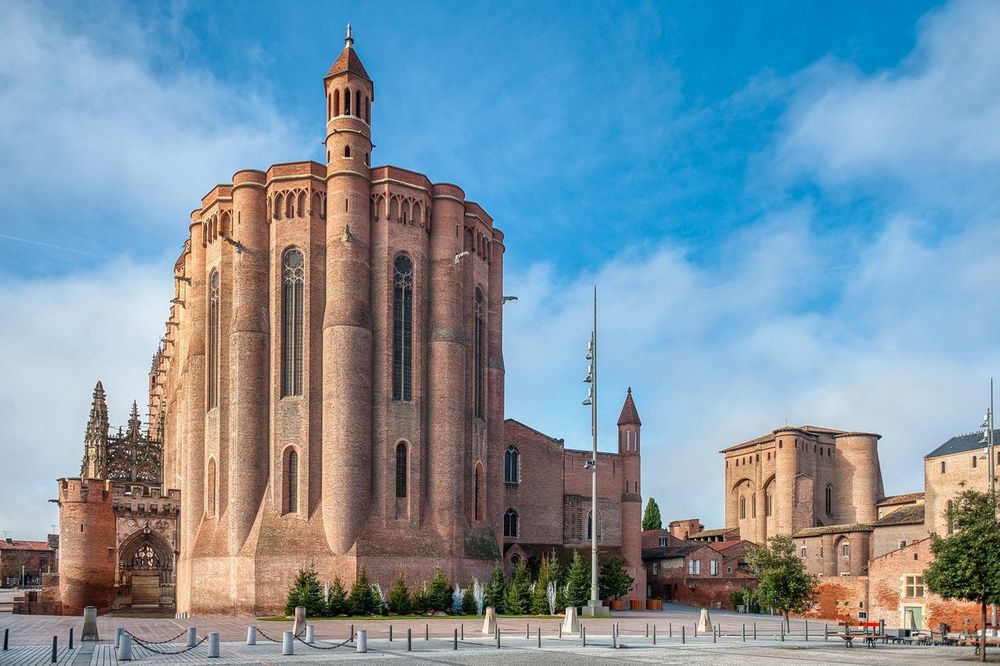
© Shutterstock
 Votre guide Ryo
Things to Do in Castres in 2026: 15 Experiences between a French Formal Garden and Granite Chaos
Castres has long suffered from a reputation as a mere sub-prefecture of the Tarn, overshadowed by Toulouse and Albi. Yet anyone wondering what to do in Castres quickly discovers a dense historic centre huddled around the Agout, where a town hall paradoxically houses the second-largest collection of Hispanic art in France after the Louvre. The half-timbered houses that sink their foundations into the river give the city the feel of a small Occitan Amsterdam, and no one expects to find a granite chaos of thousands of boulders barely 45 minutes away by road.
In the pages that follow: a garden designed by a pupil of Le Nôtre, a boat ride through the heart of the houses on stilts, a stadium where Castres Olympique has lifted five Boucliers de Brennus, a village listed among the most beautiful in France renowned for its pink garlic, and a granite plateau where a rock weighing several hundred tonnes has been balanced for millennia. Enough to fill an entire weekend, or longer if you venture as far as the Sidobre or the surrounding villages. Before you leave, take a look at the Ryo app, which lists audio-guided trails in many French cities and can give you ideas for commented walks for the rest of your trip through the Tarn.
1. The Évêché Garden: a French Formal Setting on the Banks of the Agout
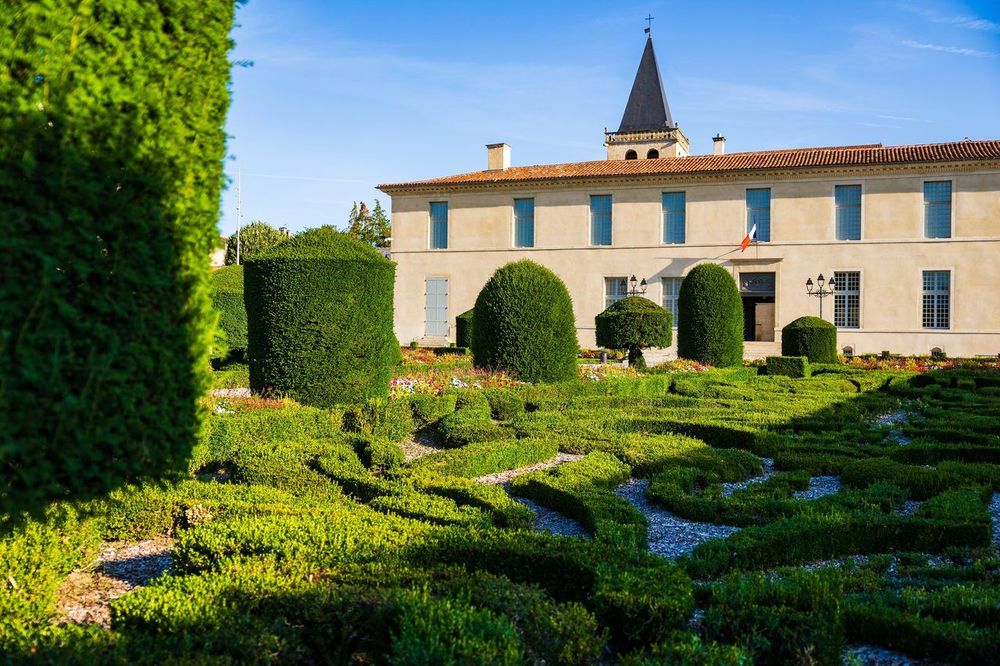
The Évêché garden (Place du 1er Mai, 81100 Castres, rated 4.6/5 on Google from 135 reviews) occupies the former garden of the episcopal palace, now attached to the town hall. Its design is traditionally attributed to a pupil of André Le Nôtre, which explains its precisely clipped parterres, box broderie hedges and straight perspective sweeping down to the Agout. Unlike many formal French gardens preserved out in the countryside, this one nestles right in the city centre, wedged between pink brick façades and the river, creating an immediate contrast between urban stonework and geometric greenery.
Built in the late seventeenth century at the behest of the bishops of Castres — then powerful lords of the city — this garden formed part of a vast episcopal complex that included a palace, a chapel and outbuildings. During the Revolution, the palace became the town hall, but the garden retained its original layout, now listed among the remarkable gardens of France. This continuity explains why the ensemble has preserved a rare architectural coherence, without hasty reconstruction or disparate additions.
People come here for a morning stroll when the low light still grazes the rose beds, but also for the concerts and events organised in summer on the upper terrace. The view from the balustrade overlooking the Agout remains one of the most photographed spots in Castres: you can make out both the rooftops of old Castres and the famous houses suspended over the water just a few metres away.
Allow half an hour for a leisurely visit, longer if you linger on the benches in the shade of the lime trees. Entry is free and the garden opens early, making it an easy stop to tack on before visiting the Goya Museum right next door.
2. The Goya Museum: France's Second-Largest Collection of Hispanic Art
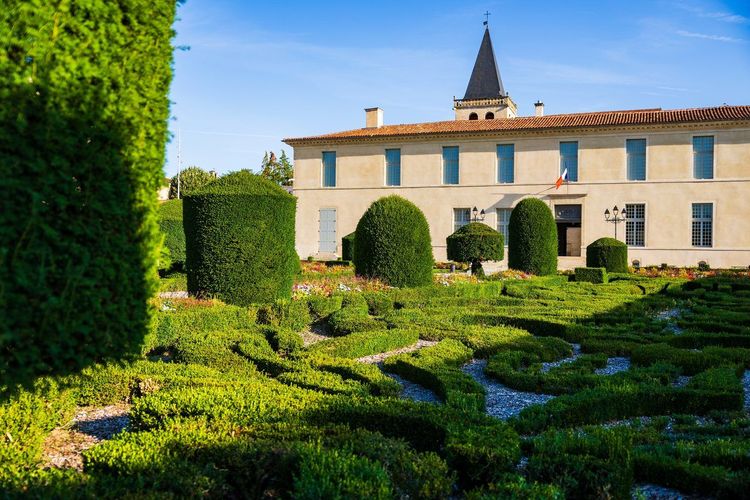
Few visitors expect to find, in a former episcopal palace turned town hall, one of the finest collections of Spanish art outside Spain. The Goya Museum (Place du 1er Mai, 81100 Castres, rated 4.5/5 on Google from 860 reviews) occupies a wing of the town hall and brings together several centuries of Hispanic painting, from the fourteenth to the twentieth century, with a core dedicated to Francisco de Goya himself: engravings from the Caprichos series, portraits and darker scenes that stand in sharp contrast to the gentleness of the neighbouring garden.
The collection owes its existence to a donation by the Castres-born painter Marcel Briguiboul in the late nineteenth century, supplemented over the decades by acquisitions and bequests that have elevated the museum to the rank of France's second-largest collection of Hispanic art, just behind the Louvre. The vaulted rooms of the former palace lend the tour a distinctive character, with French-style ceilings and overhead lighting designed for the canvases.
Allow one to one and a half hours for a full tour, longer if a temporary exhibition occupies the ground-floor rooms. A combined ticket with the Jean-Jaurès Museum, a few streets away, often reduces the cost if you plan to visit both in the same day. Remember to check opening times in the low season: some rooms close earlier between November and March.
For fans of audio formats, the approach is reminiscent of the trails on the Ryo app, where almost every room is commented on: here, an in-house audio guide plays that role and lets you visit at your own pace without depending on guided tour schedules.
3. The Townhouses of Old Castres: a Legacy of the Pastel Trade
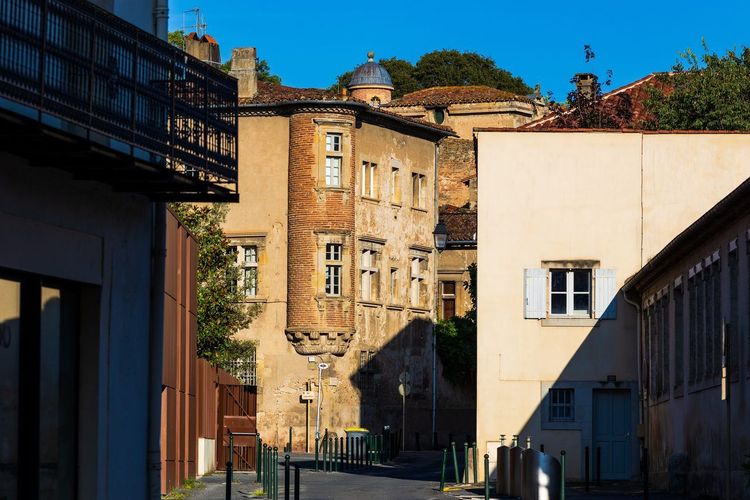
The historic centre of Castres preserves on its façades the trace of an ancient prosperity — the trade in pastel and then cloth — that allowed merchant families to build genuine townhouses between the sixteenth and eighteenth centuries. Rue Chambre-de-l'Édit and the lanes around the cathedral concentrate several of these half-timbered or carved-stone façades, often overlooked by visitors in a hurry who head straight for the Évêché garden.
A simple wander, with no fixed route, is enough to spot the details: double-leafed carriage gates, interior courtyards glimpsed through a half-open archway, mullioned windows. The historic centre of Castres lends itself well to discovery on foot, over about an hour, ideally in late morning when the light filters through the narrow streets without too much traffic.
A short walk away, the Cathédrale Saint-Benoît, in a classical rather than Gothic style — which one might expect in the South-West — rounds off the visit to the historic centre. Its imposing façade, completed in the eighteenth century, contrasts with the modesty of the surrounding lanes, and the interior, relatively understated, is worth a quick look between two townhouses.
4. The Houses on the Agout: Castres' Most Iconic Postcard
The houses on the Agout are impossible to miss: these colourful façades, suspended above the water on wooden stilts, form the most reproduced image of Castres, the one found on almost every postcard of the Tarn. Originally built to house tanners and weavers who needed direct access to the river to wash and dye their cloth, they have since been bought up and restored, often by private owners keen to preserve these ochre, pink and pastel-blue façades.
The comparison with Amsterdam comes up often — perhaps a little too readily — but it does give a sense of the effect: a dense row of narrow façades reflected in the calm waters of the Agout. The best vantage point remains the Pont Vieux, or better still, water level during a rowing boat trip, which completely changes the perspective and reveals details invisible from the quaysides.
In the evening, when the lights come on, the scene takes on a more intimate quality, with fewer people than during a summer's day.
5. Castres Olympique: the City's Rugby Soul
You can't really understand Castres without taking a detour through rugby. Castres Olympique, five-time French champions, holds a unique place in local identity, built on an industrial history rooted in leather goods and tanning that long funded the club. The Pierre-Antoine stadium, right in the city centre, fills with a fervour during Top 14 matches that often surprises passing visitors, unaccustomed to seeing a stadium so close to a city's historic heart.
Attending a match, even without knowing the rules in detail, is an experience in itself: chants, scarves, half-time atmosphere around the local food stalls. Out of season, the club's official shop in the city centre lets you leave with a jersey or a scarf — a souvenir rather more original than a fridge magnet.
For those curious about sporting history, a few panels and display cases in the clubhouse trace the club's five titles, from the first in 1949 to the most recent.
6. A River Coach Ride on the Agout
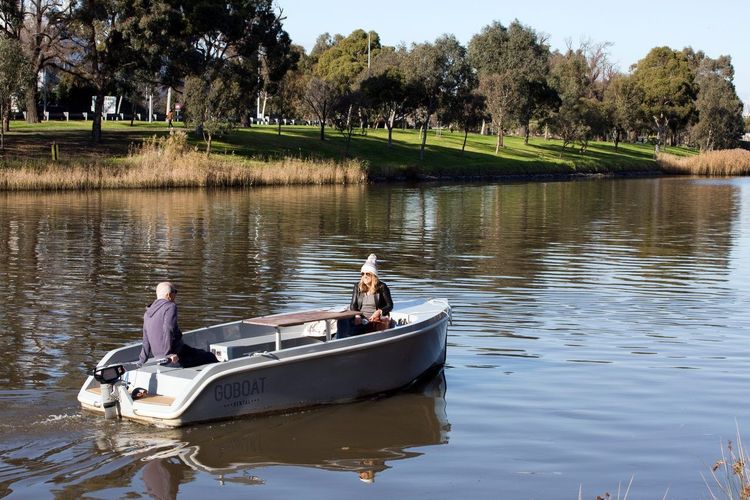
The river coach offers a commented electric boat ride along the Agout, departing from the city centre, to observe the houses on stilts from the water. The trip lasts around 45 minutes and runs mainly between April and September, with departures often subject to weather conditions and the river's water level.
It is a relaxed way to visit Castres, particularly suited to families with young children or visitors who prefer to sit rather than walk in the July sun. Book at the tourist office the day before in high season — seats fill up quickly at weekends.
7. The Castres Theatre: a Programme That Reaches beyond the City
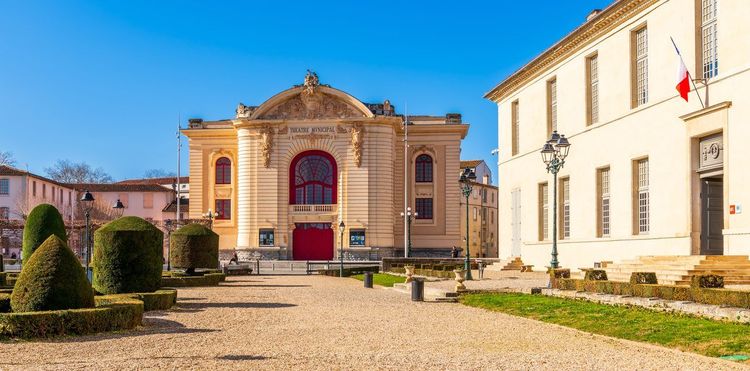
The Castres theatre (Place du 8 Mai 1945, 81100 Castres, rated 4.6/5 on Google from 320 reviews), the city's main municipal stage, offers a multidisciplinary programme — theatre, dance, contemporary music — that far exceeds the usual reach of a city this size. The renovated main auditorium welcomes both contemporary productions and touring headline acts.
Check the online box office before visiting in person: some evenings sell out several weeks in advance, particularly comedy shows.
8. The Jean-Jaurès National Centre and Museum
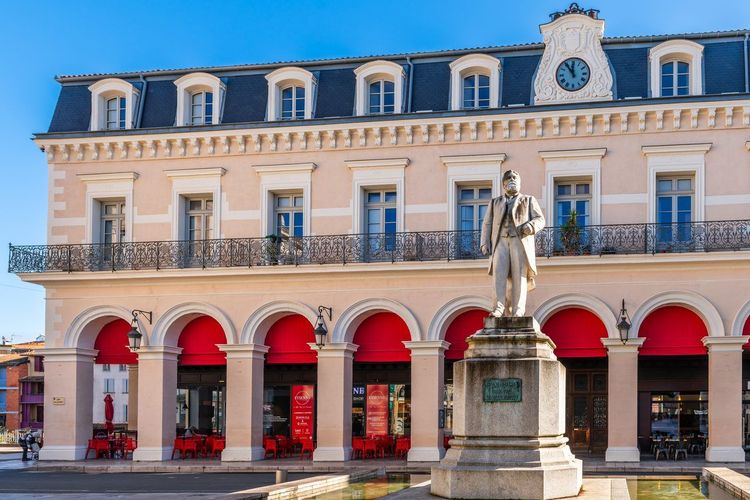
Castres is the birthplace of Jean Jaurès (Place Pélisson, 81100 Castres, rated 4.4/5 on Google from 213 reviews), a historic figure of French socialism who was assassinated in 1914. The museum dedicated to him traces his journey, from his early career as a teacher to his work as a member of parliament and journalist, with period documents and personal objects that humanise a figure too often reduced to a textbook entry.
The permanent exhibition is complemented by a documentation centre open to researchers — discreet but well-stocked. Allow 45 minutes to an hour for the visit, a little longer if you take the time to read the explanatory panels in detail. The museum is just a few steps from the Goya Museum, making it easy to combine both in the same morning without getting back in the car.
9. The Market Halls and Covered Market of Castres
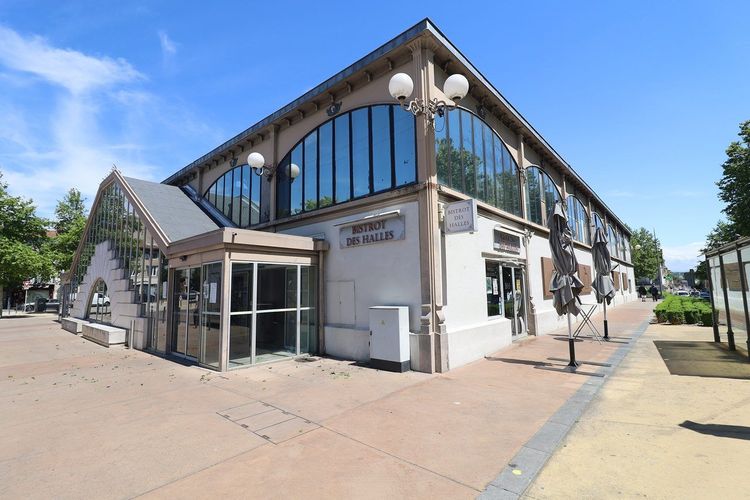
The covered market of Castres brings the city centre to life several mornings a week, with a peak on Saturdays when Tarn producers and food merchants share the stalls. You'll find ewe's milk cheeses from the Sidobre, farm-cured charcuterie and seasonal fruit, in an atmosphere that is more local than touristy.
Arrive early if you want to avoid the crowds and leave with the best produce: some cheese stalls often sell out before noon. On Friday evenings, a smaller market is also handy if you can't wait until the weekend. Once you're done shopping, Albi and its own audio-guided tour are less than an hour's drive away.
10. Local Specialities You Shouldn't Miss
The Tarn doesn't have the gastronomic reputation of its Toulouse neighbour, but Castres is full of addresses worth seeking out. Cassoulet, served here with local variations, remains a classic on Castres tables in autumn and winter, often served in individual cassoles at bistros in the centre. Millas, a preparation based on maize flour, is eaten as a sweet dessert or a savoury accompaniment depending on the household — a survival of the Tarn's peasant cooking that has passed down through the generations largely unchanged.
Wines from Gaillac, less than an hour's drive away, feature on almost every restaurant menu in Castres — sparkling whites or reds made from local grape varieties such as braucol. If your stay includes a stop at Lautrec, don't leave without a braid of pink garlic, the flagship product of the neighbouring village, protected by a PGI since 1996.
On the sweet side, fouace tarnaise, a brioche flavoured with orange blossom water, can be found in several bakeries in the city centre and pairs well with a coffee on a terrace — on Place Jean-Jaurès, as it happens, where locals settle in late morning.
To try these specialities without breaking the bank, head for the bistros around Place Jean-Jaurès rather than the touristy spots along the Agout, which are generally more expensive for comparable quality. The Saturday morning markets are also a great option for putting together a picnic before a walk in Gourjade park or a trip to the Sidobre.
11. A Stop on the Saint-Jacques-de-Compostelle Pilgrimage Routes
Some secondary routes of the Saint-Jacques-de-Compostelle pilgrimage cross the Tarn and stop at Castres, where several gîtes and accommodation options welcome walkers for a night's rest before they set off again towards the south-west. The cathedral, on the route, offers a dedicated welcome to pilgrims carrying their credential.
Even with no intention of walking all the way to Spain, following a stretch of this route on the outskirts of the city offers a different kind of walk — less urban, along rural paths and small hamlets you would never encounter by staying in the historic centre of Castres. Allow half a day for a comfortable return trip from the city centre, longer if you push on to the first ridges of the Sidobre.
12. Gourjade Park: Castres' Green Lung
A few minutes from the centre, Gourjade park (Avenue de Roquecourbe, 81100 Castres, rated 4.5/5 on Google from 1,395 reviews) stretches over more than 100 hectares along the Agout, a mix of woodland, meadows and sports facilities that makes it the city's main green space. An 18-hole golf course occupies part of the estate, but most of the park is open to all: cycle paths, shaded walking trails, play areas and a treetop adventure course popular with families in summer.
The former Gourjade château, whose silhouette can be seen from the main avenues, now hosts various events and occasionally houses temporary exhibitions. Birdwatching enthusiasts will also find plenty to enjoy: the riparian woodland along the Agout attracts herons and kingfishers, visible early in the morning for those who take the time to stand quietly near the water.
In summer, the park becomes the setting for festivals and open-air concerts, a chance to enjoy Tarn evenings without leaving the city. The rest of the year, it is mainly a place for jogging, Sunday picnics or cycling for the Castres locals themselves rather than passing tourists, which guarantees an authentic atmosphere far from the strictly heritage sites of the city centre.
Allow at least two hours if you plan to walk the full circuit on foot, or half a day if you add the treetop adventure course or a round of golf.
13. The Sidobre: a Granite Chaos Unique in Europe
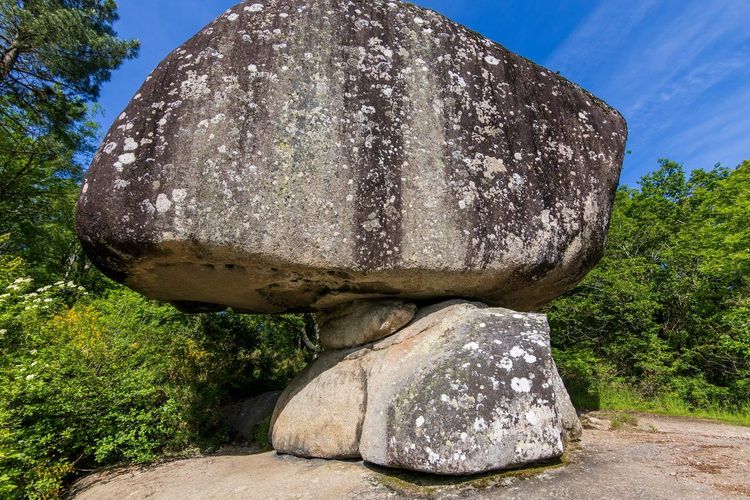
About thirty minutes' drive north-east of Castres, the Sidobre begins: a granite plateau scattered with boulders shaped by millions of years of erosion. The best-known site, the Peyro Clabado (Route du Sidobre, 81260 Le Bez, rated 4.8/5 on Google from 38 reviews) — a rock weighing several hundred tonnes balanced precariously on a tiny base — draws tens of thousands of visitors each year, all curious to understand how such a mass can stand without ever toppling over.
Local legend attributes a diabolical origin to the Peyro Clabado: the rock is said to have been hurled there by the devil himself, furious at being unable to prevent the construction of a nearby church. A more prosaic, purely geological explanation speaks of differential erosion that exposed a harder granite core, while the surrounding rock has long since disappeared. Both versions coexist on the information panels, with the tourist office declining to adjudicate between myth and science.
Yet the Sidobre is much more than this single rock. The chaos de la Rouquette, a jumble of boulders through which waymarked paths wind, makes for an hour-long walk through an almost lunar landscape dotted with mosses and ferns growing in every crack. A little further on, the Saut de la Truite, a waterfall tucked in the forest, offers a cool pause that is particularly welcome in the height of summer, when temperatures on the Castres plain can easily climb above 30 degrees.
Other rock formations, less visited than the Peyro Clabado, are worth the detour for visitors seeking peace and quiet: the Roc de l'Oie, with its more rounded shapes, or the chaos de Payrelevade, accessible via a two-hour circular walk. These sites, often overlooked by organised tours, allow for a quieter immersion in the Sidobre's granite landscape without the density of visitors at the most popular spots.
Granite quarrying remains a very real economic activity in the area: several quarries still in operation supply the whole of France with paving stones and gravestones, a craft dating back to the nineteenth century that explains the presence of numerous stone-cutting workshops scattered around the plateau.
For a complete visit, allow a full half-day, starting early in the morning to avoid the heat and the crowds on the busiest paths, particularly around the Peyro Clabado in July and August. The waymarking is generally clear, but a trail map — available from the Castres tourist office — avoids unnecessary back-and-forth between the different rock formations, which can be several kilometres apart.
14. The Most Beautiful Villages around Castres
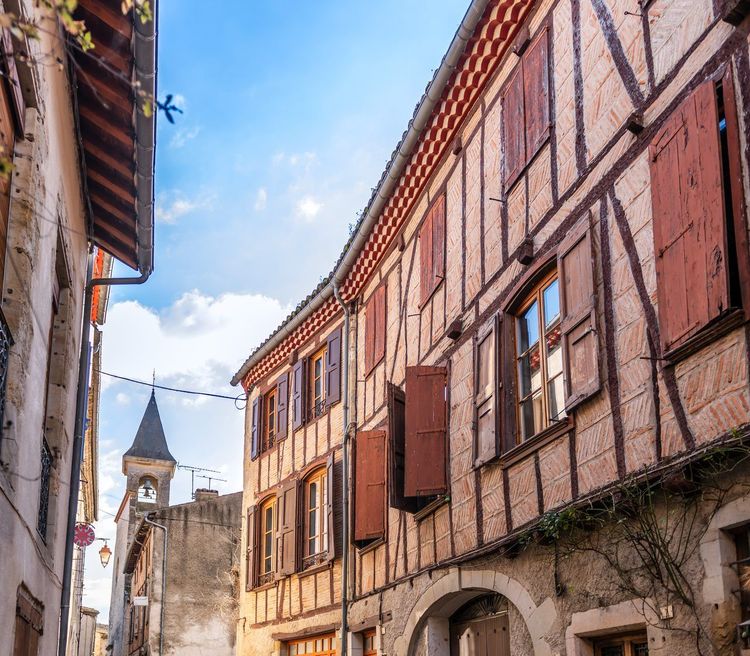
Anyone wondering what to do in Castres this weekend would do well to venture towards the surrounding villages, often just as interesting as the city itself. Lautrec, about twenty minutes to the north, is among the most beautiful villages around Castres and indeed in all of France, officially listed in that national network. The village still lives to the rhythm of its speciality, pink garlic, celebrated every year in early August at a dedicated festival that draws producers and food lovers from across the region. The restored windmill at the top of the village offers a panoramic view over the Tarn plain and, on a clear day, as far as the Montagne Noire.
Hautpoul (Le Village, 81200 Hautpoul), a former fortified village perched above the Arnette gorge near Mazamet, offers a very different atmosphere: steep cobbled lanes, the remains of medieval ramparts and a vertiginous view over the wooded gorge below. The village, largely depopulated in the twentieth century, has retained a charm that feels slightly frozen in time, far from the bustle sometimes found at more visited listed sites. An interesting alternative for extending a stay beyond the experiences already offered by a Ryo audio guide or a classic sightseeing trail: here, there is no audio guide, just explanatory panels dotted along the waymarked route.
Brassac (Pont de Brassac, 81260 Brassac, rated 5/5 on Google from 4 reviews), on the banks of the Agout slightly further south, also deserves a visit for its fourteenth-century fortified bridge and its weavers' houses that recall, on a smaller scale, those of Castres. The Tuesday morning market, renowned throughout the area, rounds off the stop for anyone wishing to leave with farm produce bought directly from local producers.
For fans of bastide towns, Réalmont, to the east of Castres, retains a central arcaded square typical of towns founded in the thirteenth century, with its timber market hall and covered walkways now sheltering cafés and small shops. The whole thing can be explored in under an hour — the ideal format for adding to a day circuit between several villages without feeling rushed.
Allow around 25 minutes by road between Castres and Hautpoul, 20 minutes to Lautrec and about fifteen to Brassac: most of the villages can be linked without returning through the city centre, making it possible to plan a coherent loop for the day rather than repeated back-and-forth trips. If your stay in the Tarn extends over several days, these four stops combine easily into one or two days of road-tripping.
15. What to Do in Castres When It Rains
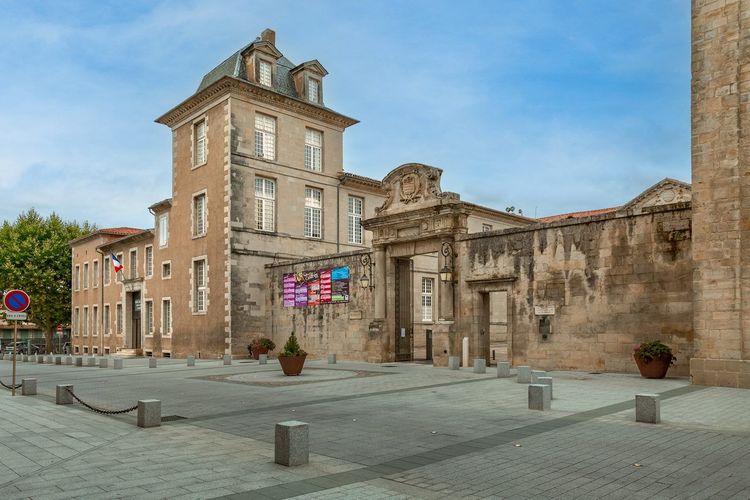
A rainy day is not necessarily bad news in Castres: the city concentrates several indoor options within a compact area. The Goya Museum and the Jean-Jaurès Museum allow you to string together two cultural visits without really leaving the historic centre, with the cathedral as an additional dry refuge between showers.
The covered market halls remain open whatever the weather and offer a straightforward option for a quick lunch, surrounded by colourful stalls. In the evening, the Castres theatre or the city-centre cinemas can easily round off a wet day, especially if you had originally planned a trip to Gourjade park or an excursion to the Sidobre — tricky to enjoy on the granite paths under a heavy sky.
For those who enjoy shopping, Rue Villegoudou and the shops around Place Jean-Jaurès let you carry on exploring Castres under cover, between independent boutiques and more mainstream stores.
FAQ
What can you do in Castres in one day?
To visit Castres in one day, focus on the historic centre: the Évêché garden, the Goya Museum and the houses on the Agout can all be seen on foot in half a day. In the afternoon, add either a river coach ride or a stroll through Gourjade park, depending on the weather and your pace.
What can you do in Castres with children?
Gourjade park, with its treetop adventure course and play areas, is the easiest option for keeping a family entertained. The Sidobre is also a big hit with children, who are fascinated by how a rock weighing several hundred tonnes can balance without ever toppling over.
What are the most beautiful villages around Castres?
Lautrec, listed among the most beautiful villages in France and renowned for its pink garlic, comes first, followed by Hautpoul, a fortified hilltop village above the Arnette gorge, and Brassac, with its medieval bridge over the Agout.
What can you do in Castres on a rainy weekend?
Go for indoor visits: the Goya Museum, the Jean-Jaurès Museum, the cathedral and the covered market halls can easily fill an entire day regardless of the weather, followed by an evening at the Castres theatre if the rain persists.
How long does it take to visit the historic centre of Castres?
Allow around two to three hours to explore the historic centre of Castres on foot, taking in the Évêché garden, the townhouses and the banks of the Agout — longer if you add a visit to the Goya Museum.
Is the Sidobre easy to visit from Castres?
Yes, the Sidobre is about thirty minutes' drive from Castres. Half a day is enough to explore the Peyro Clabado and one or two other granite formations, provided you set off early in high season to avoid the crowds.
Where can you park to visit the centre of Castres?
Several paid car parks surround the historic centre, particularly around the market halls and along the Agout, just a few minutes' walk from the Évêché garden. Outside market days and match evenings at the Pierre-Antoine stadium, finding a parking spot is generally straightforward, even in peak tourist season.
Castres: a City to Discover at Your Own Pace
Castres is by no means a secondary stop in the Tarn. Between the Évêché garden, the Goya Museum and the colourful houses suspended above the Agout, the city packs into just a few streets a heritage that many French prefectures might envy — not forgetting the Sidobre and the neighbouring villages for those who wish to explore beyond the city centre.
Whether you come for a weekend, a simple stopover on the road to Spain or a longer stay in the Tarn, this list more than covers enough to fill your days, rain or shine. And if you feel like continuing to explore other French cities in the same way — with a Ryo audio guide in your pocket rather than a paper map — head to the app to discover the audio-guided tours already available elsewhere in the country.
À lire également