
Créé par Romane, le 4 oct. 2026
Votre guide Ryo
Carcassonne, France
A Citadel among the Clouds
Parcours audioguidé pour visiter Carcassonne en 1 jour
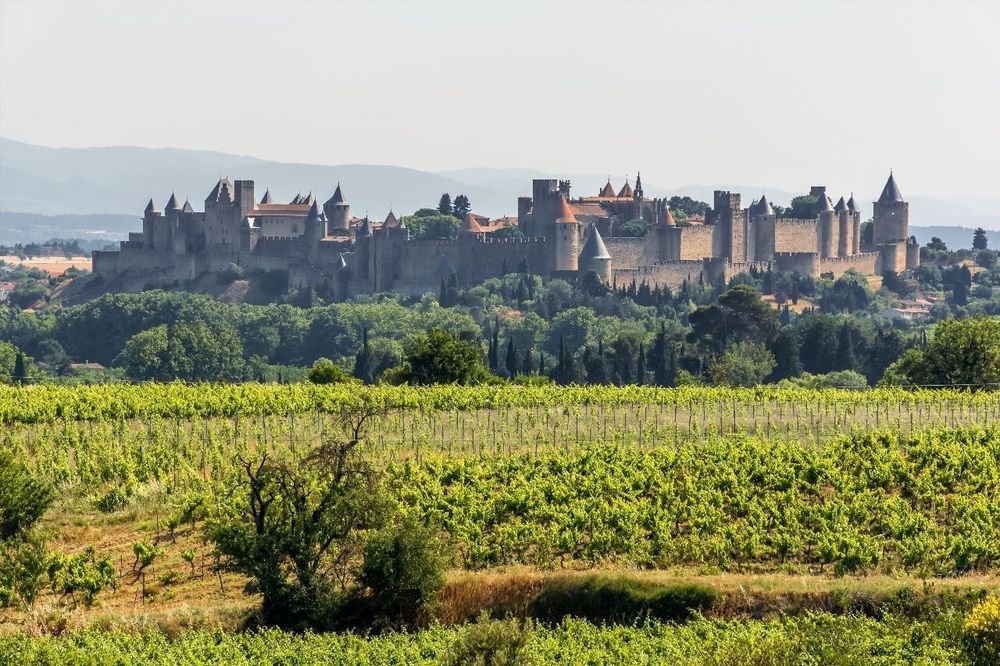
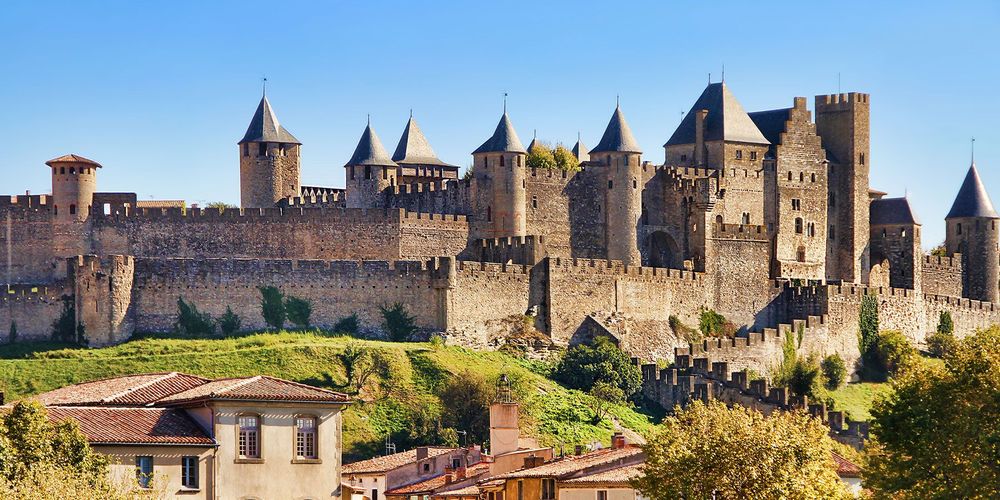
Exploring Carcassonne on foot feels like stepping into a world suspended in time. As you wander through the cobbled lanes of the medieval citadel, follow the line of its ramparts, and cross small, shaded squares, every step reveals another chapter of history. The city lends itself effortlessly to strolling, with its remarkable heritage, sweeping views toward the Pyrenees, and inviting café terraces for a leisurely pause, creating a visit that is both immersive and full of life, all at your own pace.
Quand partir à Carcassonne ?
Jan.
7°
8
Feb.
8°
8
March
11°
9
April
13°
9
May
17°
10
June
21°
8
July
24°
5
Aug.
24°
5
Sept.
21°
7
Oct.
15°
8
Nov.
10°
9
Dec.
7°
8
The climate is Mediterranean, with mild winters of around 5 to 15°C and hot summers, often between 28 and 35°C, or even more during heat waves; the best times to visit are generally from April to June and then from September to October, when temperatures are still very pleasant without reaching the summer peaks, allowing you to fully enjoy the towns, villages and coastline in more comfortable conditions than in the middle of summer.
Départ conseillé
No need to worry about where to begin! Our tours are designed as a loop, so you can jump in wherever you are. The navigation system and audio-guide will automatically adjust to your location. However, if you happen to be nearby, we do have a preferred starting point: On Pont Neuf (New Bridge), as you head for the medieval city
Parking à proximité
Free parking slots along the banks of the Aude river, Bezons alley
Best place to park is along the river banks, next to the Pont Neuf (New Bridge): parking is free and you'll be within walking distance of the medieval city. If there are no free spots here, head for the paid parking lots near the medieval city, or in the Bastide neighborhood, which is a more budget-friendly option. As for on-street parking, be mindful of colored parking zones: in the light green and orange zones, parking is limited to 2 hours maximum, while in the green zones it is limited to 5 hours.
À savoir
Our tour will take you past the Château Comtal (Count's Castle): remember to grab your tickets beforehand if you want to visit!
Découvrez 28 lieux d'intérêt pour visiter Carcassonne




Le plein d'inspirations
Explorez le monde en totale liberté, à pied au cœur des villes ou au fil des routes. Nos guides audios transforment chaque destination en une découverte culturelle immersive et unique.


FAQ for visiting Carcassonne
When is the best time to visit Carcassonne?
The months from April to June and from September to October offer ideal conditions for exploring Carcassonne. Temperatures are mild and pleasant, perfect for wandering along the cobbled lanes without suffering from the summer heat, which can be intense between July and August. Spring lets you admire the surrounding countryside in bloom, while autumn cloaks the region in golden hues. These periods are also less crowded, allowing you to enjoy the medieval city more peacefully. Winter stays mild, with temperatures generally ranging between 5 and 15°C, though some days can be windy or rainy.
How many days do you need to visit Carcassonne?
Two days is an ideal length of time to discover Carcassonne without rushing. A full day lets you explore the medieval city, its ramparts, the Château Comtal and stroll through the historic lanes. On the second day, you can visit the Bastide Saint-Louis, the lower town that is often overlooked yet rich in heritage, then enjoy the banks of the Canal du Midi. If you only have a single day, focus on the fortified city, which remains the main attraction. With three days or more, you will have time to explore the surroundings and truly soak up the town's unique medieval atmosphere.
How do you get to Carcassonne and get around?
Carcassonne is easily reached by train from France's major cities, with an SNCF station located in the lower town. Carcassonne airport welcomes direct flights from several European cities. By car, the A61 motorway links the town to Toulouse and Narbonne. Once there, the medieval city can only be visited on foot, as its narrow lanes are closed to cars. To reach the city from the lower town, you can take the regular shuttles, hail a taxi or walk for about twenty minutes. The lower town is easily explored on foot or by bike, with rentals available to also discover the banks of the Canal du Midi.
Where can you park to visit the medieval city?
Several paid car parks surround the medieval city, accessible from the ring road. The closest ones are near the Porte Narbonnaise and the Porte d'Aude, but they fill up quickly in high season. More distant but generally cheaper car parks are available below, with free shuttles that take you up to the gates of the city. Parking in the lower town offers an appealing alternative, particularly near Square Gambetta, from where you can reach the city on foot or by shuttle. Arrive early in the morning or in the late afternoon to find a space more easily, especially during the summer months.
Is visiting the medieval city free?
Access to the streets and lanes of the medieval city is entirely free, letting you wander freely between the ramparts, admire the architecture and enjoy the medieval atmosphere of this medieval city, listed as a UNESCO World Heritage Site since 1997. You can walk the lices, those spaces between the two fortified walls, without spending a single cent. On the other hand, visiting the 12th-century Château Comtal, which has 52 towers and inner ramparts, is subject to a fee, just as access to the Basilica of Saint-Nazaire, built from the 9th to the 14th century, remains free but donations are welcome. Numerous shops, restaurants and private museums line the city, each with its own prices. The free walk remains very rewarding nonetheless and already offers you a magnificent glimpse of this architectural gem.
What can you do in Carcassonne as a family with children?
Carcassonne naturally fascinates children with its fairy-tale castle appearance. Visiting the medieval city becomes a real adventure where they can picture knights and princesses. The rampart walk and the Château Comtal often offer activities suited to younger visitors, and treasure hunts allow you to explore the city. The knightly shows in summer captivate the whole family, while the School Museum lets children discover the schools of the past, from 1880 to 1960. A stroll along the Canal du Midi offers a moment of relaxation, with the option to rent suitable bikes. The Australian park runs workshops for children in July, and during the same period the Carcassonne festival is in full swing with no fewer than 120 shows. Lake Cavayère, a few kilometres away, offers swimming and water activities. The Ryo audioguide provides adapted commentary that makes discovering the city more fun and accessible for children.
Some historical attractions
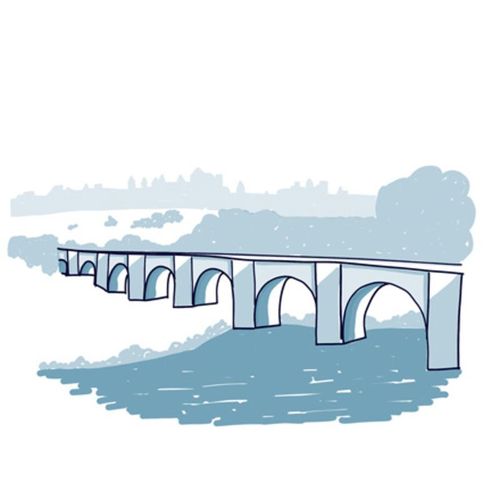
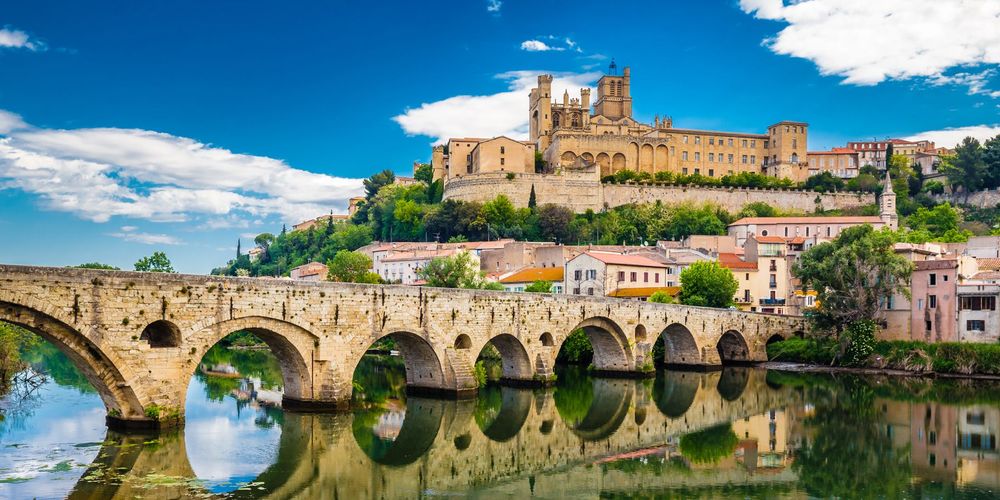
The Pont Vieux, 200 metres long, was built in the 14th century.
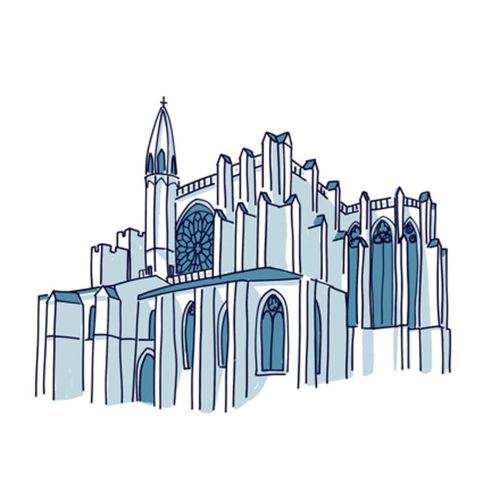
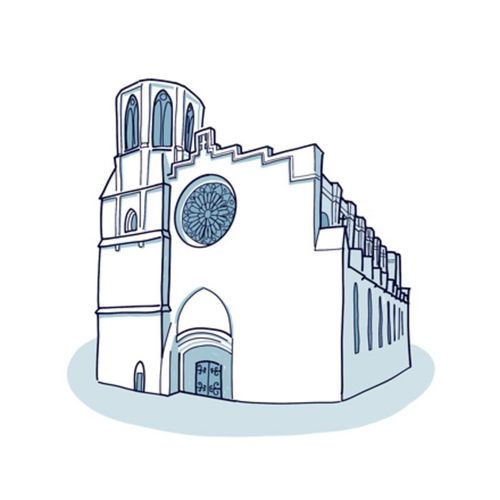
The Cathedral of Saint-Michel, built at the beginning of the 13th century.
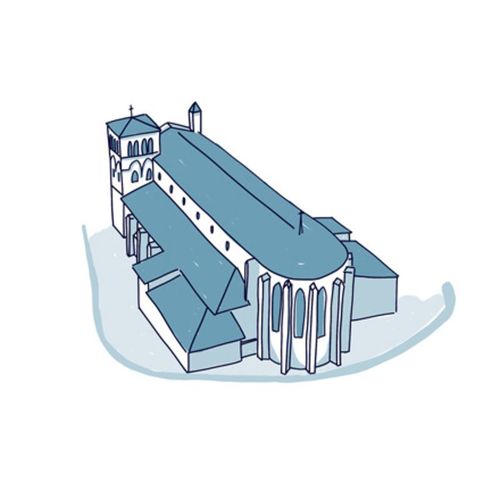
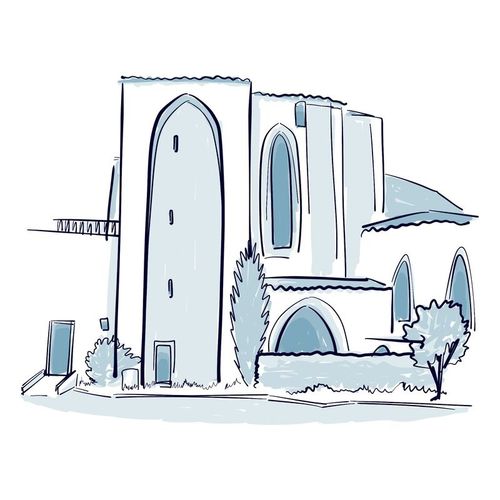
The Basilica of Saint-Nazaire is known for its exceptional stained-glass windows.
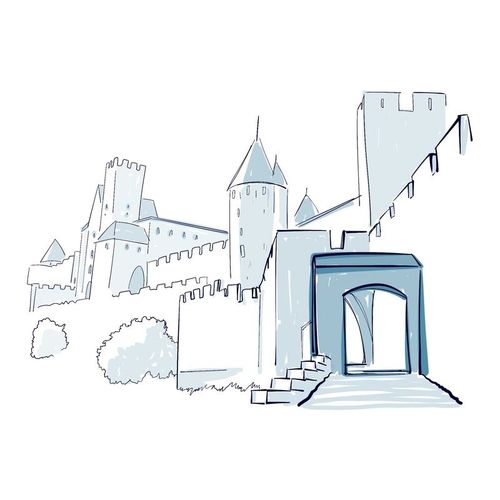
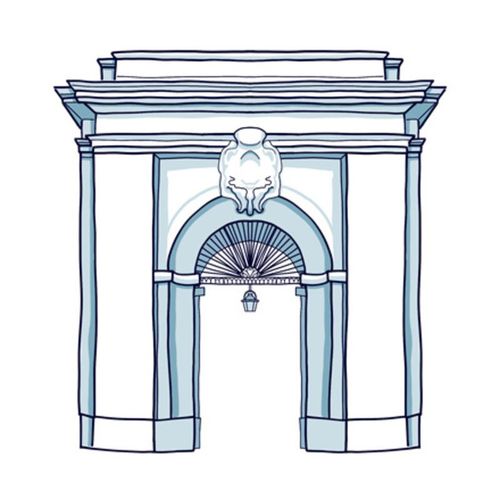
The Porte Narbonnaise is the main entrance to the medieval city.
Which local culinary specialities should you try?
Cassoulet remains the undisputed star of Carcassonne's gastronomy; this slow-cooked dish of white beans, duck confit and Toulouse sausage is served in many restaurants of the city. The region's wines, notably the Corbières and the Minervois, pair perfectly with your meals. Do not miss the chance to taste fritons, those local rillettes served as an appetiser, or the sweet fougasse flavoured with orange blossom. The goat's cheeses of the surrounding area and the garrigue honey also enrich the palette of local flavours. For dessert, the almond croquants or the gimblettes, small ring-shaped biscuits, carry on the medieval pastry tradition.
What is there to see around Carcassonne?
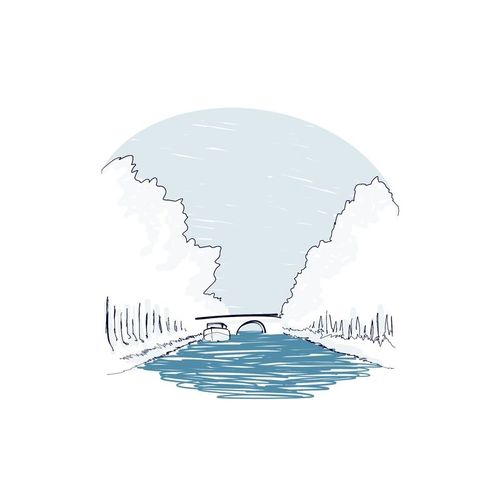
The surroundings of Carcassonne are brimming with wonders to discover. The Canal du Midi, a World Heritage Site, winds along peacefully and invites you to walk or cycle along its shaded banks. The Cathar castles perched on their rocky outcrops, such as Lastours or Saissac, offer spectacular panoramas over the region. The medieval village of Minerve, nestled in its gorges, is worth the detour for its preserved character. The abbeys of Fontfroide and Saint-Hilaire bear witness to the region's rich religious past. Further south, Limoux awaits you with its sparkling blanquette and its centuries-old carnival. These excursions perfectly round off your stay by immersing you in the history and varied landscapes of Cathar country.
What is there to discover in the Bastide Saint-Louis, the lower town of Carcassonne?
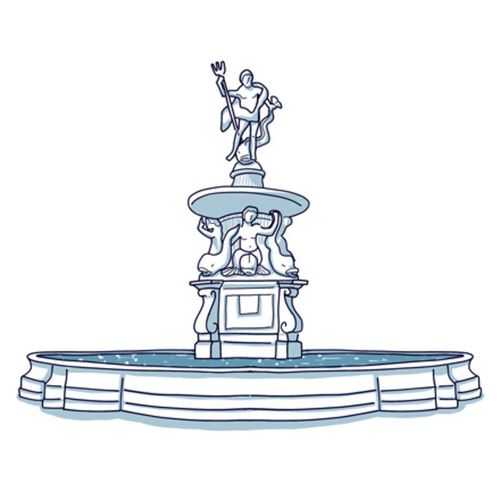
Too often crossed in a hurry on the way to the ramparts, the lower town is in fact a complete medieval bastide, laid out on a strict grid on the other bank of the Aude after the crusade against the Cathars. Its heart is Place Carnot, a broad esplanade lined with terraces where the Neptune fountain stands among the market stalls, surrounded by straight streets punctuated by the houses of merchants enriched first by cloth and then by wine.
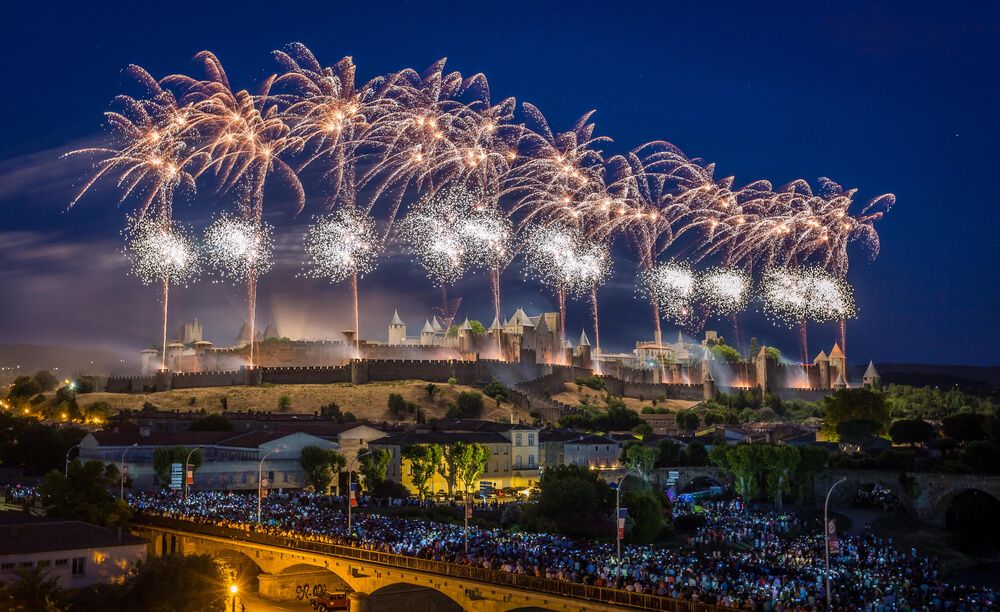
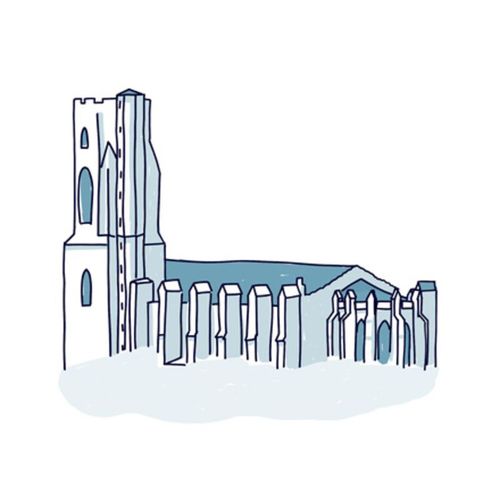
A few steps away rise Saint-Michel cathedral and the church of Saint-Vincent, whose bell tower overlooks the plain, while the fine arts museum and the old private mansions reveal themselves along the lanes. Going back down towards the river, the Pont Vieux offers the most striking view of the floodlit medieval city. The Ryo audio guide offers a dedicated Carcassonne route that links the two towns.
Vos commentaires, idées et suggestions
Aucun avis pour le moment