
Créé par Romane, le 4 oct. 2026
Votre guide Ryo
Collioure, France
The City of Painters
Parcours audioguidé pour visiter Collioure en 1 jour
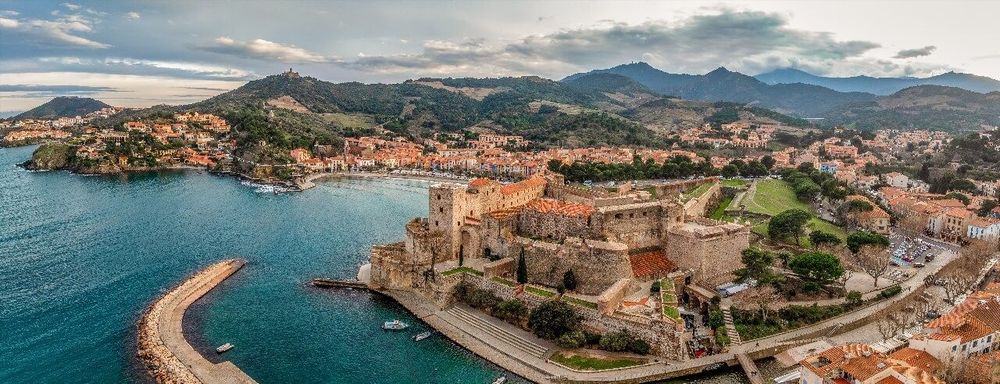
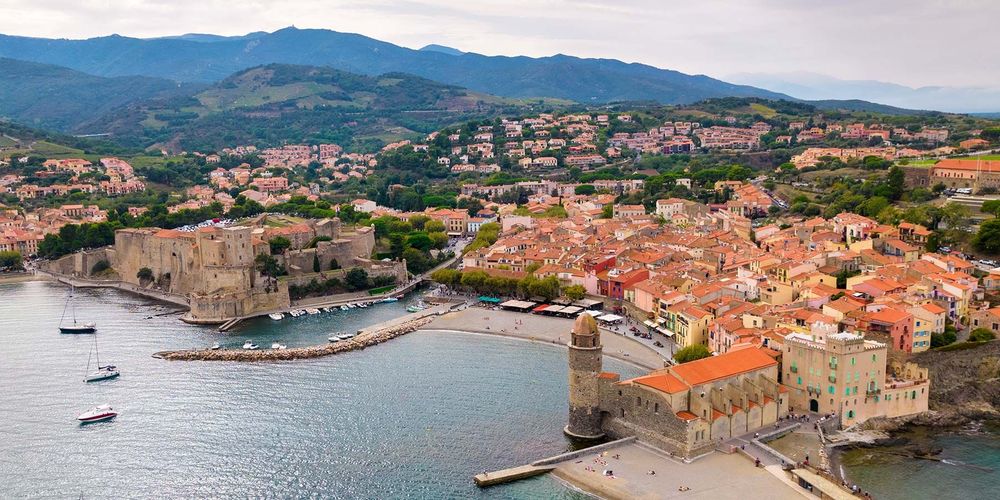
Nestled between the sea and the mountains, Collioure charms with its vibrant colors and Mediterranean atmosphere. This small Catalan port, which inspired Henri Matisse and André Derain, blends heritage, picturesque streets, and radiant landscapes.
Quand partir à Collioure ?
Jan.
10°
6
Feb.
11°
5
March
13°
5
April
15°
6
May
19°
5
June
23°
3
July
26°
2
Aug.
26°
3
Sept.
23°
4
Oct.
19°
6
Nov.
14°
7
Dec.
11°
6
The climate is Mediterranean, with mild winters ranging from around 5 to 15°C and hot summers, often between 28 and 35°C, or even higher during heatwaves; the best times to visit generally run from April to June and then from September to October, when temperatures remain very pleasant without reaching summer peaks, allowing you to fully enjoy the towns, villages, and coastline in more comfortable conditions than at the height of summer.
Départ conseillé
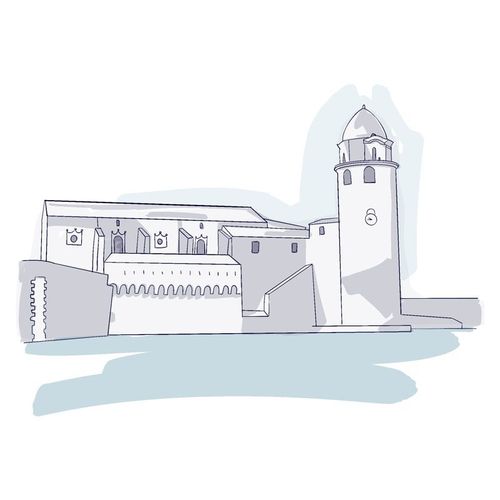
No need to worry about where to begin! Our tours are designed as a loop, so you can jump in wherever you are. The navigation system and audio-guide will automatically adjust to your location. However, if you happen to be nearby, we do have a preferred starting point: in front of the entrance to the Royal Castle
Parking à proximité
Paid Glacis car park: Place du 8 Mai 1945
The Glacis car park is the closest to the town center and the most convenient, as it’s open 24 hours a day, but it’s not the most economical option. If you’d like to spend a little less, you can choose a parking area farther from the center—such as the Château d’Eau car park, about a 20-minute walk from the castle, or the Cap Dourats car park, which offers a free shuttle to the center during the summer season. Some car parks, like Michelet, Lavoir, Arènes, or Douy, allow parking for a maximum of six hours. You’ll need to pay at the ticket machine or through the Flowbird app and make sure to leave before your time expires to avoid a fine. There are also blue zone car parks where parking is free but limited to one hour.
Découvrez 22 lieux d'intérêt pour visiter Collioure

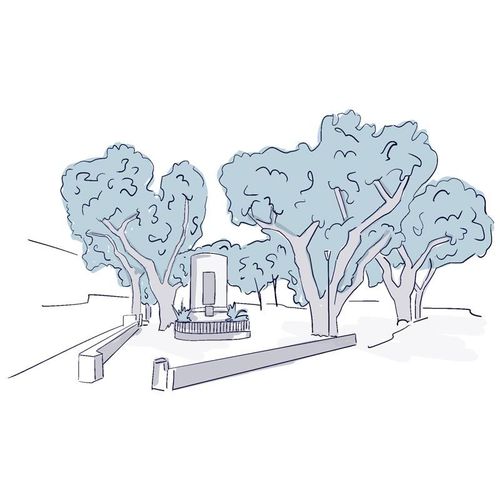
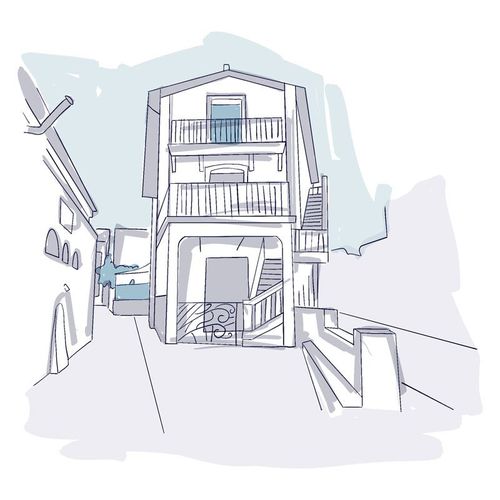

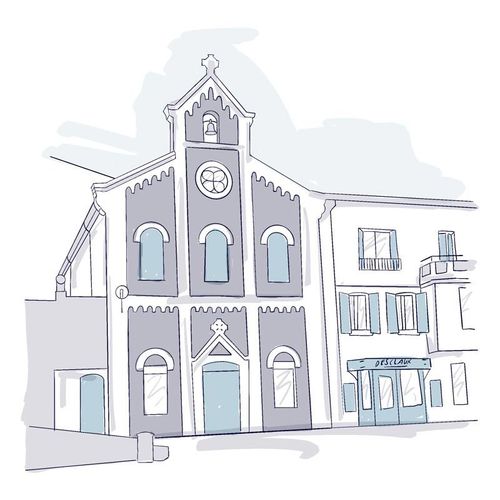
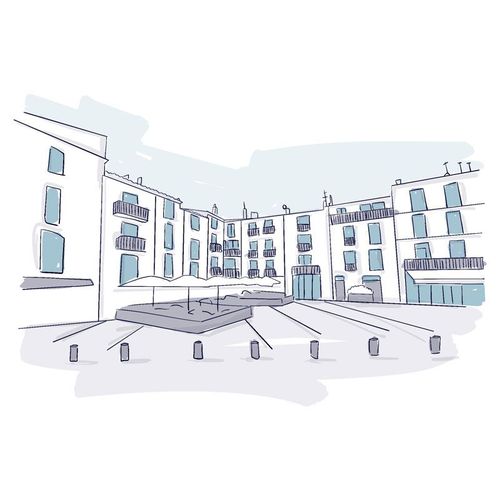
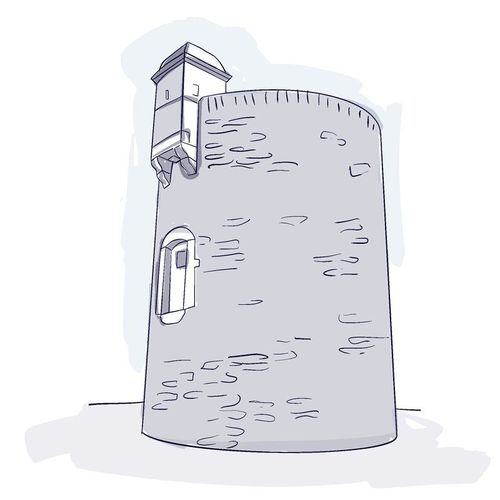
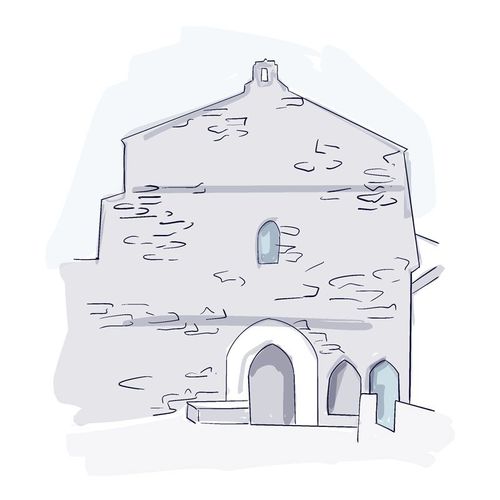
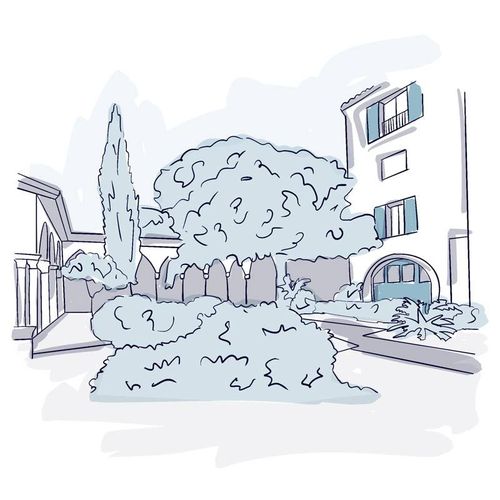
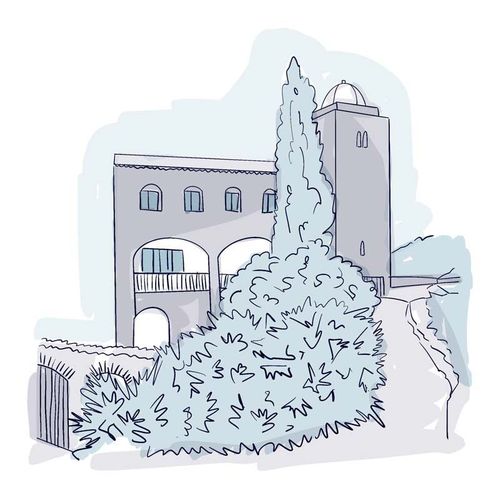
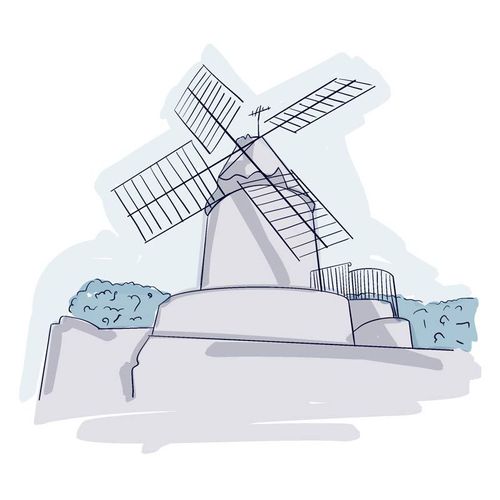
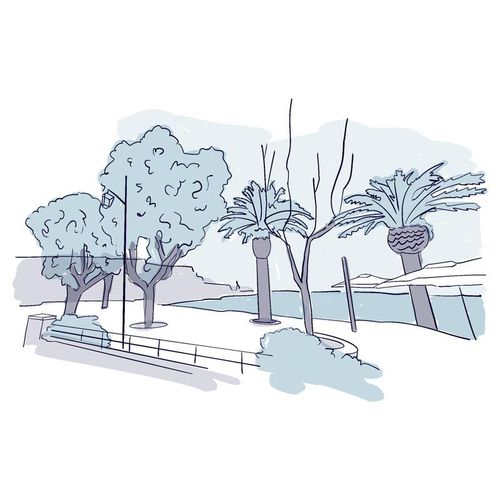

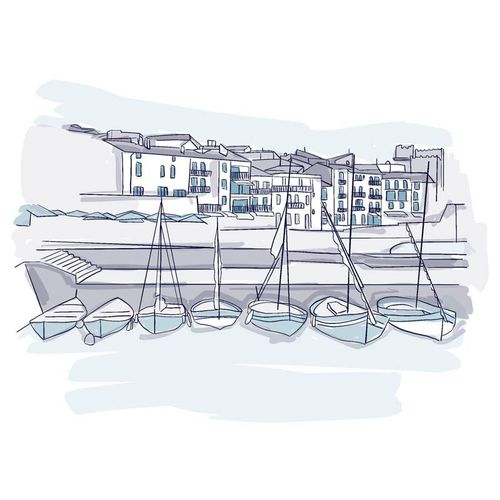
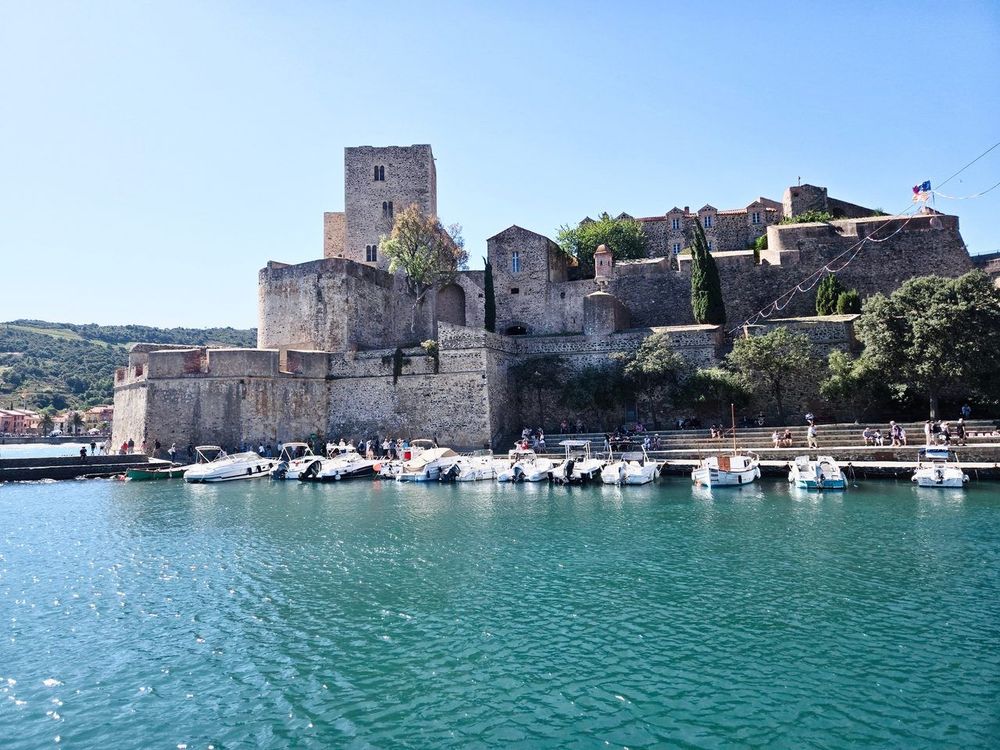
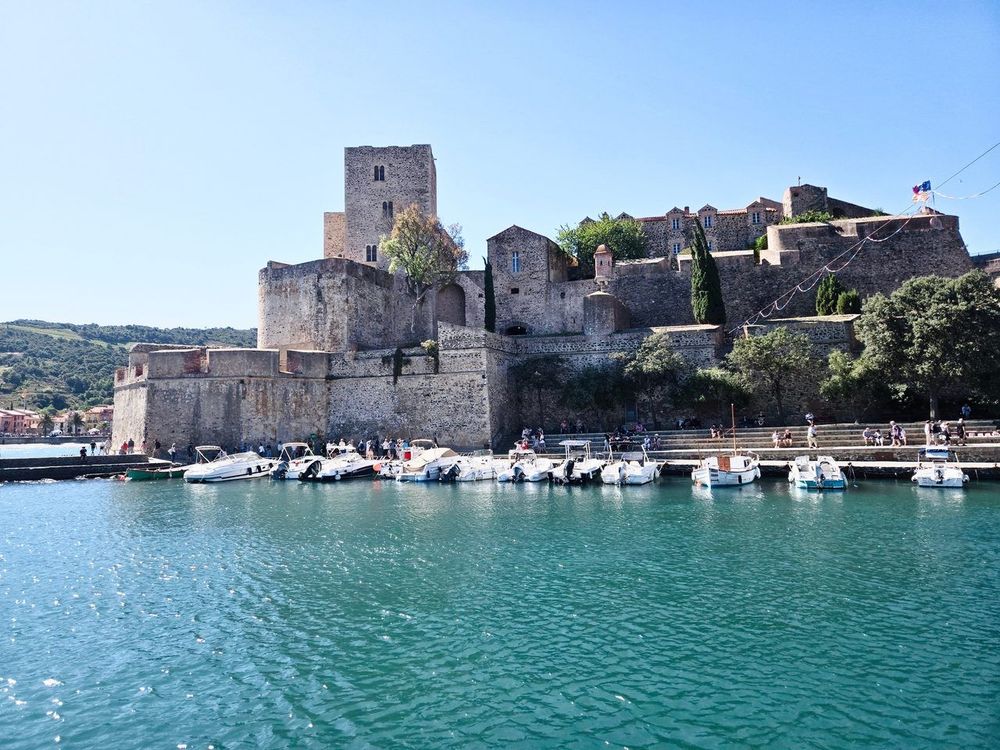
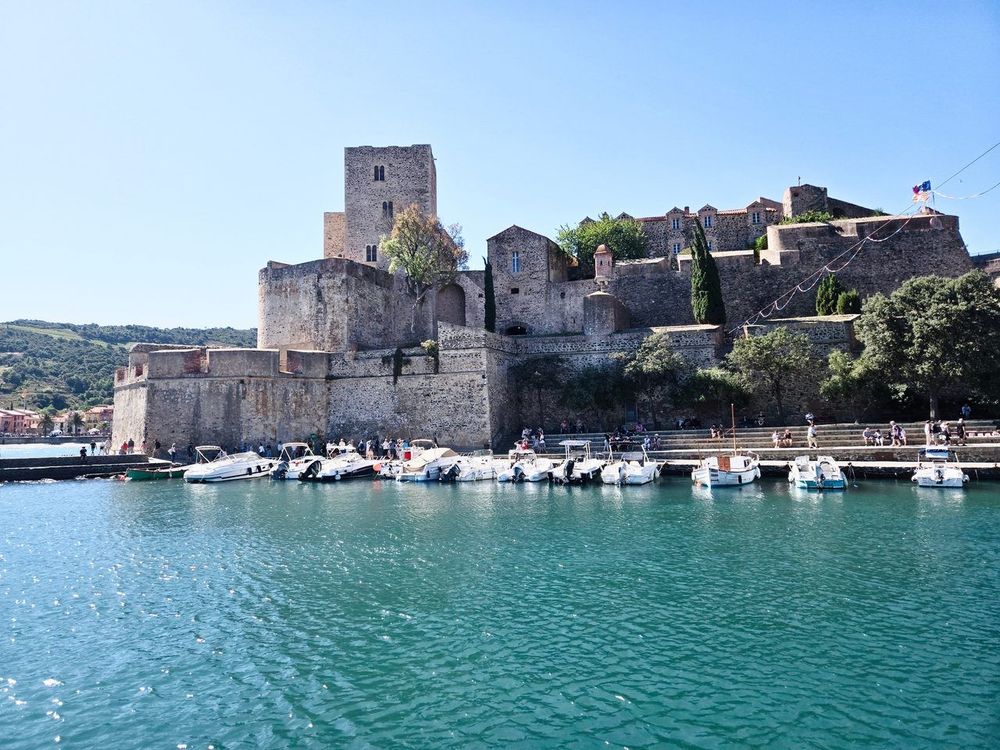
22. Port of Collioure
Le plein d'inspirations
Explorez le monde en totale liberté, à pied au cœur des villes ou au fil des routes. Nos guides audios transforment chaque destination en une découverte culturelle immersive et unique.

FAQ for visiting Collioure
When is the best time to visit Collioure?
The best time to discover Collioure runs from April to June, then from September to October. During these months, you'll enjoy an ideal Mediterranean climate with pleasant temperatures, generally between 18 and 25°C. Spring lets you admire the blossoming flowers and the vivid colours that so inspired the painters. Autumn offers a magnificent golden light, and the sea stays warm enough for swimming. Summer can be very hot, often above 30°C, with heavy tourist crowds. Winter remains mild, but some establishments may be closed. The shoulder seasons thus guarantee you the best compromise between pleasant weather and tranquillity for strolling through the narrow streets.
How much time do you need to visit Collioure?
A full day will let you discover the essentials of Collioure: the royal castle, the church of Notre-Dame-des-Anges, the picturesque streets and the beaches. You'll have time to stroll around the harbour, visit a few art galleries and enjoy a meal on a terrace. For a more thorough visit including the Fauvism trail, the old fortifications and perhaps a swim, plan on two days instead. A weekend will also give you the chance to explore the surroundings, such as Fort Saint-Elme or the nearby vineyards. If you truly want to soak up the Mediterranean atmosphere and make the most of the beaches, three days is an ideal length of stay.
How do you get to Collioure?
Collioure is easily accessible by various means of transport. By train, Collioure station lies on the line linking Perpignan to Cerbère, with frequent regional trains from Perpignan (about a 20-minute journey). By car, you'll take the A9 motorway to Perpignan, then the D914 departmental road that hugs the coast. From Perpignan-Rivesaltes airport, allow about 30 minutes by car or taxi. Regular buses also connect Collioure to the neighbouring towns. For travellers coming from Barcelona, the journey takes about two hours by car. Its proximity to the Spanish border makes Collioure an ideal stopover for exploring the Catalan coast on both sides of the Pyrenees.
Where can you park in Collioure?
Parking in Collioure can be a challenge, especially in high season. The historic centre has limited paid parking zones, often full by morning. The Glacis car park, located at the entrance to the town, remains the most practical option with several hundred spaces available. Other car parks, such as the Faubourg or the Gare car parks, offer worthwhile alternatives, generally a few minutes' walk from the centre. Rates vary according to the season and the length of stay. In summer, it's advisable to arrive early in the morning or to use the outlying car parks. Some accommodations offer private spaces, so ask when booking. Off-season, parking becomes noticeably easier and sometimes free in certain areas.
What are the absolute must-sees in Collioure?
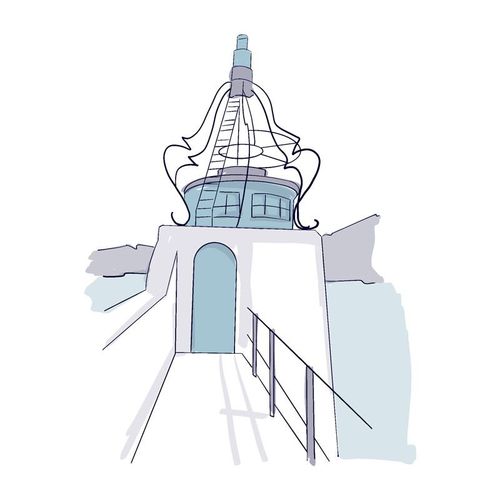
Collioure is brimming with wonders to discover during your visit. The royal castle, a medieval fortress overlooking the bay, offers a dive into Catalan history and spectacular views. The church of Notre-Dame-des-Anges, with its emblematic lighthouse-bell tower, is the symbol of the town. The colourful streets of the Mouré quarter will charm you with their painted façades and art galleries. The harbour and its traditional Catalan boats embody the Mediterranean soul of the village. Don't miss the pebble beaches and secret coves for a swimming break. The Ryo audioguide accompanies you on this discovery with a narrated route that reveals the secrets of the city of painters and guides you to all these must-sees.
Where can you swim in Collioure?
Collioure offers several swimming spots in an exceptional setting. Boramar beach, right in the town centre facing the castle, remains the most accessible with its pebbles and crystal-clear waters. Saint-Vincent beach, on the other side of the church, offers a larger space ideal for families. For more peace and quiet, head towards Ouille beach, nestled in a preserved cove north of the town. Snorkelling enthusiasts will appreciate the rocky seabed near the Fauvism trail. All these beaches are supervised during the summer season. The water stays pleasant from June to October, with temperatures generally between 20 and 25°C. Bring water shoes for comfort on the pebbles.
What is the Fauvism trail?
The Fauvism trail is an artistic walking route that celebrates the pictorial movement born in Collioure in 1905. Henri Matisse and André Derain revolutionised modern painting by capturing the vibrant colours and unique light of this Catalan port. This waymarked path takes you to the exact spots where these artists set up their easels, with reproductions of their works installed facing the landscapes that inspired them. You'll thus discover some twenty remarkable viewpoints, from the harbour to the surrounding hills. This cultural walk of about two hours lets you understand how Collioure became the birthplace of Fauvism and why so many artists remain fascinated by this very particular Mediterranean light.
What is there to discover in the lanes of the Mouré quarter in Collioure?
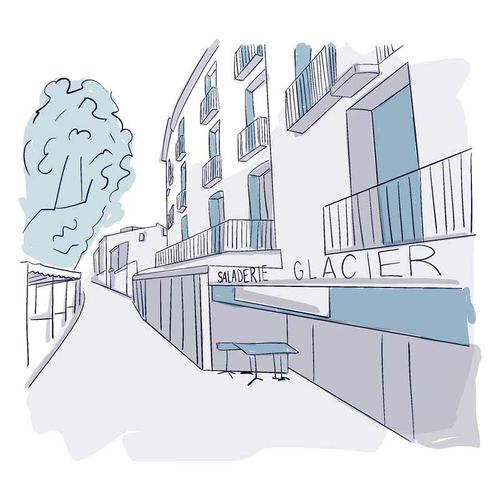
Behind the seafront, the old Mouré quarter unwinds a maze of narrow, often steep lanes where the façades show off pink, ochre, blue or bright green, a legacy of the colours fishermen once used on their boats. Washing hung at the windows, staircases, covered passages and small squares make up a setting that painters fixed on canvas at the beginning of the last century. You will find artists' studios, craft shops and shaded terraces there, a few steps from the bell tower of Notre-Dame-des-Anges, a former lighthouse that has become the village's most recognisable silhouette. The Ryo audio guide offers a dedicated Collioure route that links these lanes to the harbour and the castle.
Which local specialities should you try in Collioure?
Collioure is inseparable from the anchovy, fished and salted here for centuries; the last curing houses keep the craft alive and serve them as fillets in oil, in salt, or as tapas on a slice of bread rubbed with tomato. Catalan cooking does the rest, between grilled fish, cuttlefish with rouille, escalivada of roasted vegetables and boles de picolat, meatballs in sauce. The terraced vines climbing the hills produce the wines of Collioure and Banyuls, the latter often served as an aperitif or with a chocolate dessert. The market, which brings the centre to life on certain mornings, remains the best place to taste all of this before settling down on a terrace.
What is there to visit around Collioure on the Côte Vermeille?
The Côte Vermeille runs from cove to cove all the way to the Spanish border. Port-Vendres, still a working fishing port, is best seen along its quays and around its fish auction; Banyuls-sur-Mer gives its name to the sweet wine and holds a marine reserve as well as the house of the sculptor Maillol; Cerbère marks the end of the French coastline. Inland, terraced vineyards climb towards the signal towers and forts that once watched over the shore. A little further on, Céret and its modern art museum are a reminder that the light of Roussillon drew a good many painters, while Perpignan and the abbey of Saint-Martin-du-Canigou show other faces of French Catalonia.
Vos commentaires, idées et suggestions
Aucun avis pour le moment