
Créé par Romane, le 4 oct. 2026
Votre guide Ryo
Narbonne, France
City of Wind and Sun
Parcours audioguidé pour visiter Narbonne en 1 jour
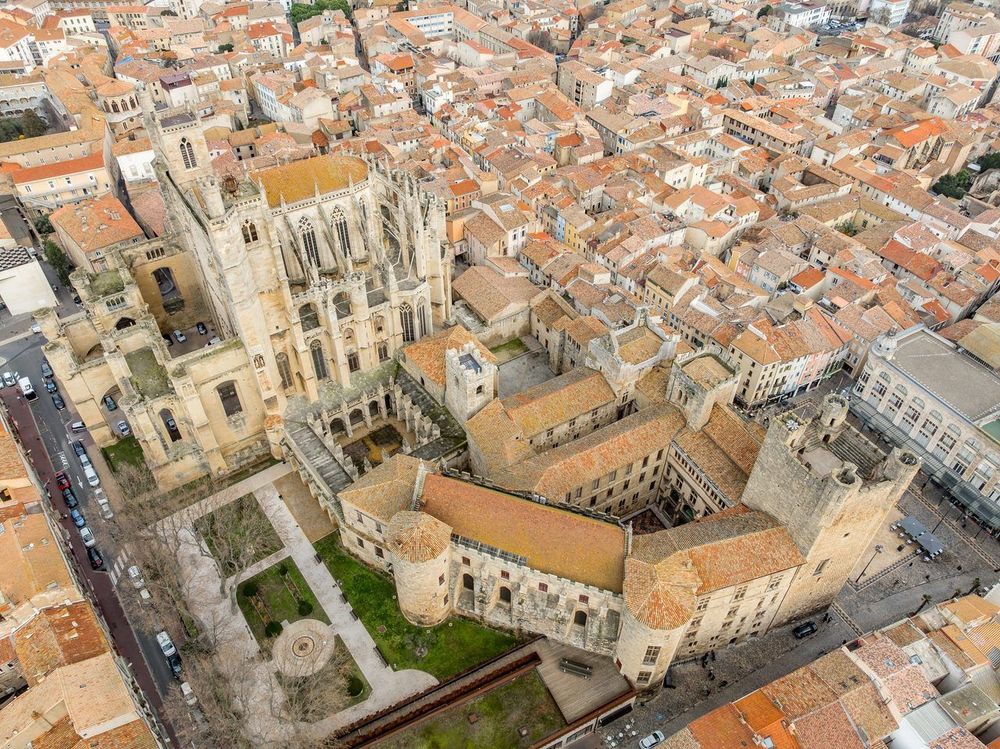
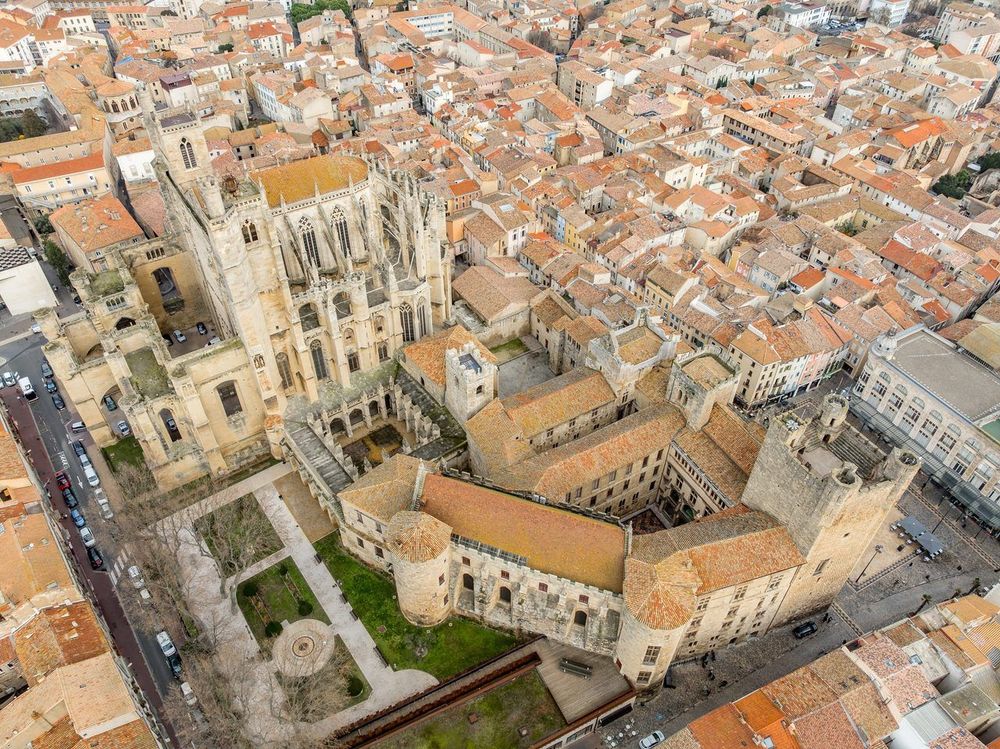
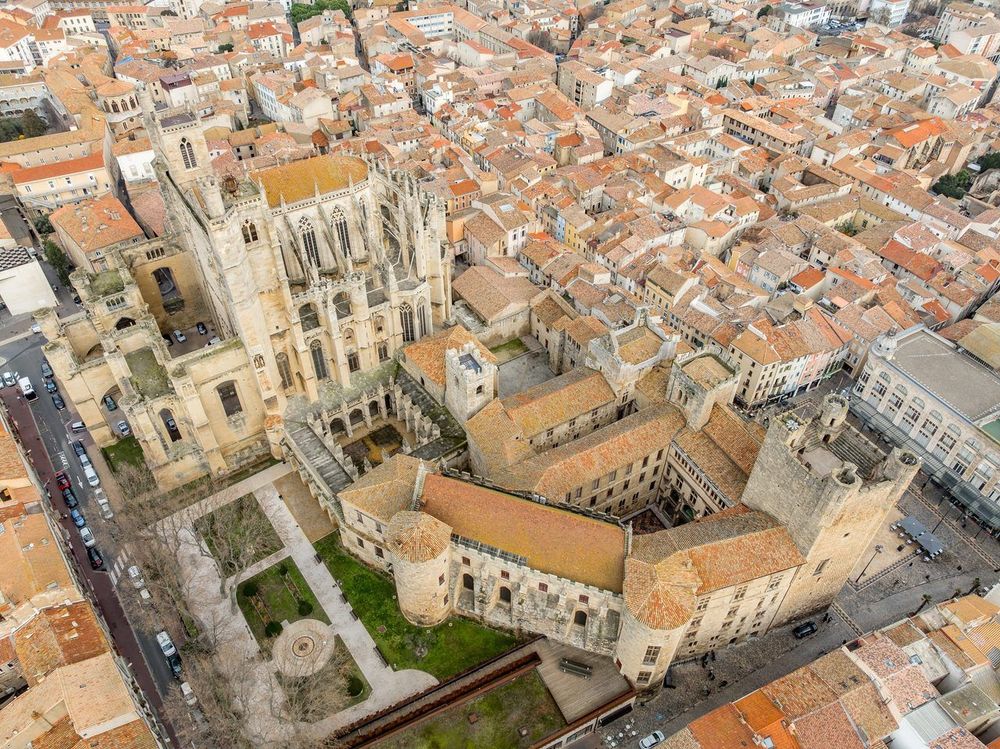
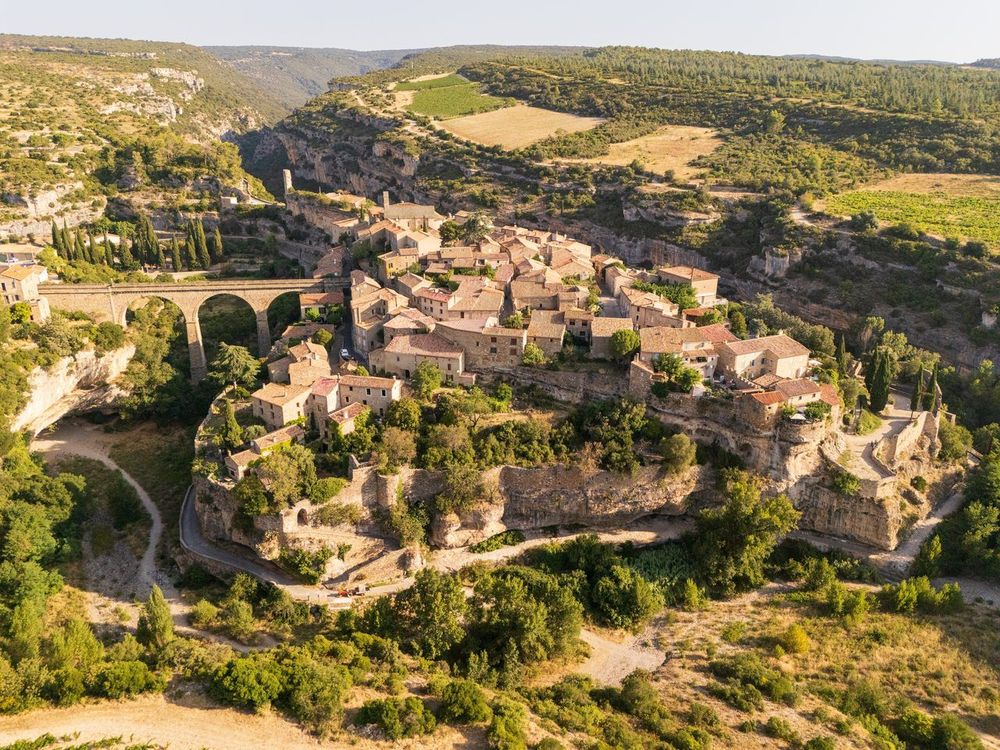
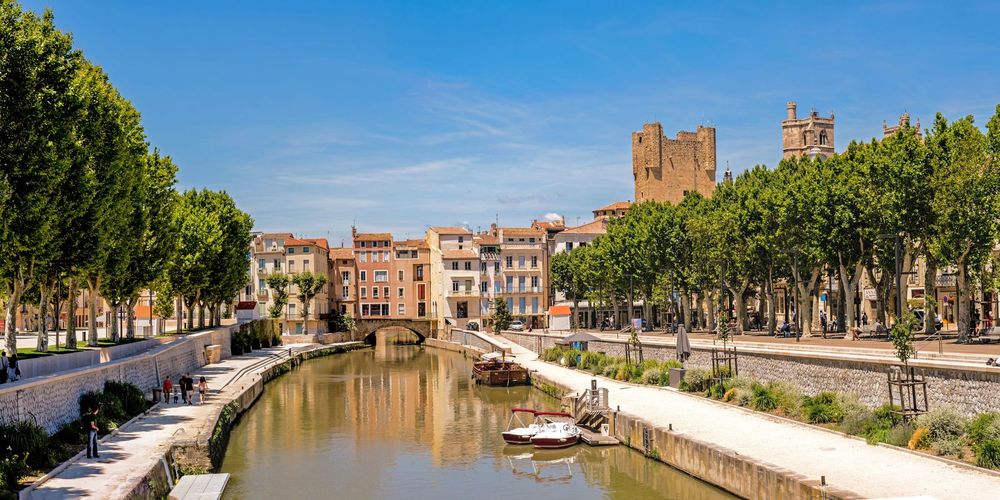
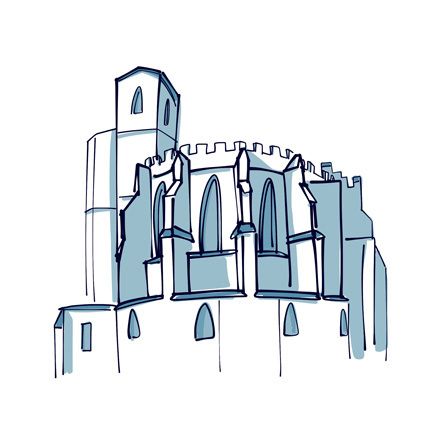
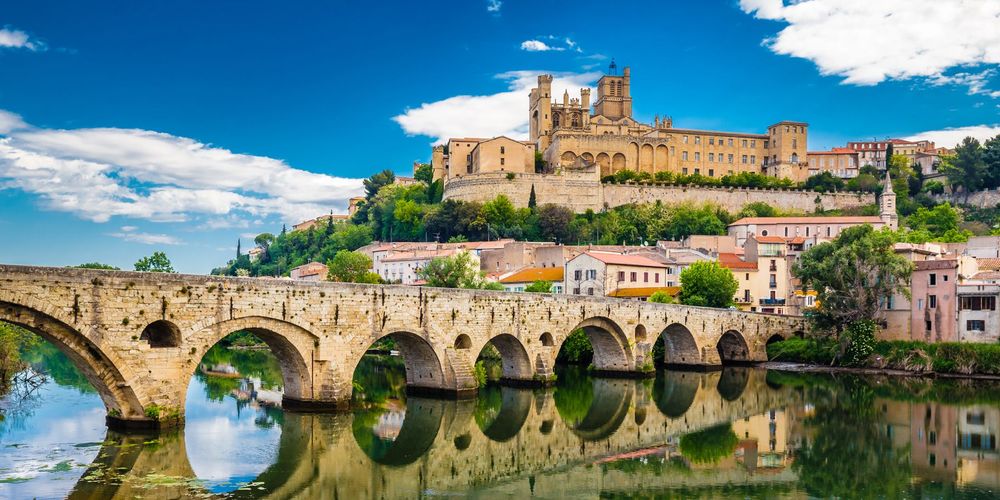
This tour of Narbonne invites you into the heart of a two-thousand-year-old city bathed in southern light. Take in the imposing silhouette of Narbonne Cathedral, whose soaring Gothic choir seems to defy gravity, before pausing for a delicious break beneath the historic Les Halles de Narbonne. Along the way, the calm reflections of the Canal de la Robine meet the ancient traces of the Via Domitia, revealing a city with a proud and welcoming spirit. It’s a walk that weaves through archbishop’s gardens and sunlit terraces, offering a vivid sense of a place that once stood as a capital of Roman Gaul.
Quand partir à Narbonne ?
Jan.
12°
6
Feb.
13°
5
March
16°
5
April
18°
7
May
22°
7
June
26°
4
July
29°
2
Aug.
29°
3
Sept.
25°
5
Oct.
20°
8
Nov.
15°
8
Dec.
12°
6
Narbonne enjoys a pure Mediterranean climate, characterized by generous sunshine with hot, dry summers easily climbing to 29°C and mild winters with daytime averages around 12°C. To discover Fontfroide Abbey or the Canal de la Robine without suffering from the intense heat, the best periods are spring (May and June) and early autumn (September and October), offering ideal temperatures for walking and magnificent light over the lagoons.
Départ conseillé
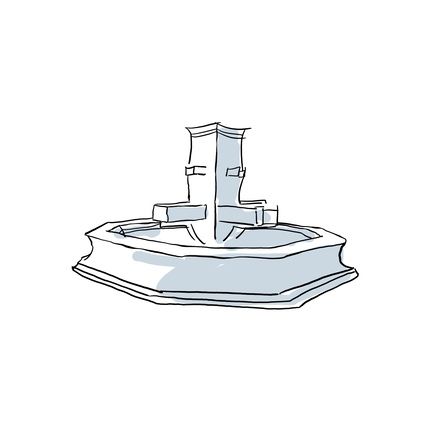
No need to worry about where to begin! Our tours are designed as a loop, so you can jump in wherever you are. The navigation system and audio-guide will automatically adjust to your location. However, if you happen to be nearby, we do have a preferred starting point: Place des Quatre Fontaines
Parking à proximité
Parking de Bourg : rue de la Parerie
In Narbonne, you can park for free at the Théâtre parking lot and take a free shuttle, called the Citadine, to reach the city center. Don’t forget to check the shuttle schedule to make sure you can get to the center without any issues.
À savoir
This tour includes several gardens around the city: entry is free but subject to opening hours. Make sure to check the schedule before your visit.
Découvrez 21 lieux d'intérêt pour visiter Narbonne



Le plein d'inspirations
Explorez le monde en totale liberté, à pied au cœur des villes ou au fil des routes. Nos guides audios transforment chaque destination en une découverte culturelle immersive et unique.

FAQ for visiting Narbonne
When is the best time to visit Narbonne?
Narbonne enjoys a particularly pleasant Mediterranean climate, but some times of year are better suited to sightseeing than others. Spring, especially May and June, offers ideal temperatures for wandering through the city's streets and gardens. Autumn, in September and October, is also an excellent choice, with beautiful golden light and mild temperatures. Summer can be very hot, with temperatures easily exceeding 30°C, which can make walking tours less comfortable, especially in the middle of the day. Winter remains mild, but some days can be windy, true to Narbonne's reputation as the city of wind.
How many days do you need to visit Narbonne?
Two full days will let you comfortably discover the essentials of Narbonne. One day is enough to explore the historic centre, with the majestic Saint-Just-et-Saint-Pasteur Cathedral, the lively covered market and a stroll along the Canal de la Robine. A second day gives you the chance to visit sites further afield, such as Fontfroide Abbey, or to enjoy the beaches of Narbonne-Plage. If you really want to take your time and explore the surroundings, particularly the lagoons and the Massif de la Clape, three days is the ideal length for a full immersion in the Mediterranean atmosphere of this former Roman capital.
How do you get to Narbonne by train or by car?
Narbonne is easily reached by train from France's major cities. The station lies on the railway line linking Toulouse to Montpellier, with direct TGV connections from Paris usually taking a little over four hours. From Lyon or Marseille, allow around three hours. By car, Narbonne sits at the junction of the A9 motorway (Narbonne Est or Narbonne Sud exit) and the A61 coming from Toulouse. From Paris, the route runs via Lyon and takes about seven hours. The city has several car parks, notably near the historic centre, which makes it easy to explore on foot once you arrive.
What are the must-see monuments in Narbonne?
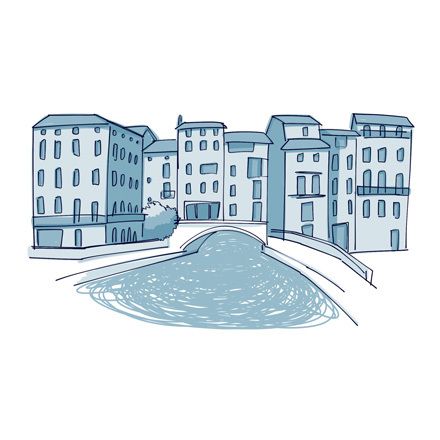
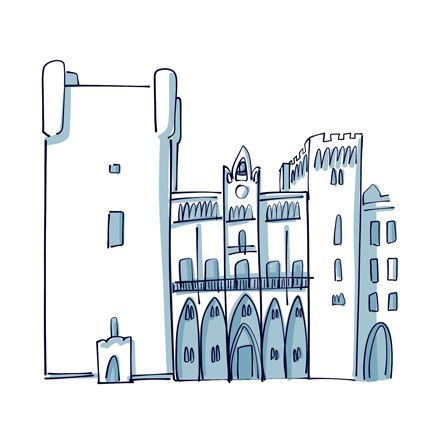
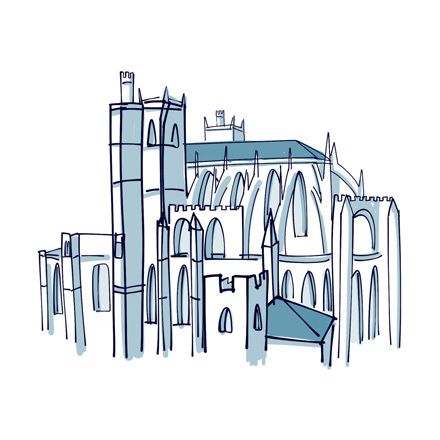
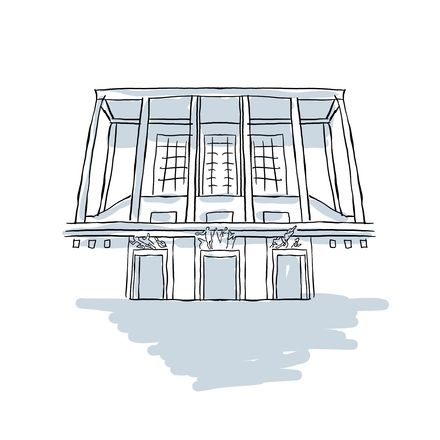
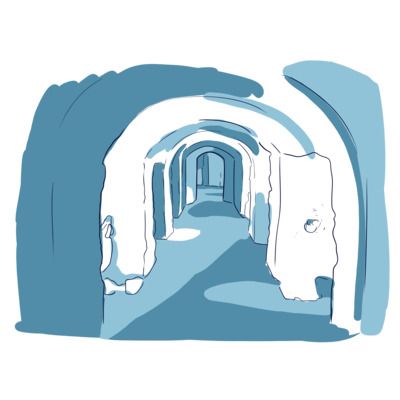
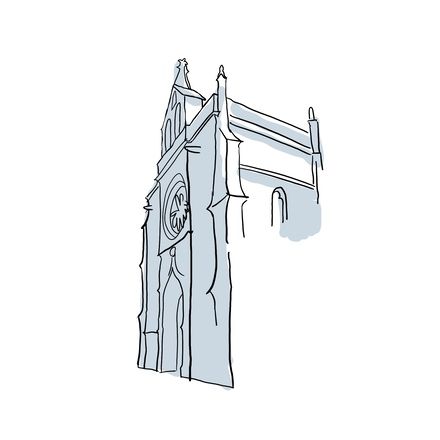
The Saint-Just-et-Saint-Pasteur Cathedral impresses with its dizzying Gothic choir, one of the tallest in France. The Archbishops' Palace, a monumental complex made up of the Old Palace and the New Palace, today houses museums and the town hall. The century-old covered market is the city's beating heart, with its Art Nouveau architecture. The Pont des Marchands picturesquely spans the Canal de la Robine, a UNESCO World Heritage Site. Don't miss the Roman Horreum, exceptionally well-preserved underground galleries. To discover these treasures in their historical context, the Ryo audioguide offers a narrated tour that reveals the secrets of this former capital of Roman Gaul.
Where is the covered market in Narbonne and what can you do there?
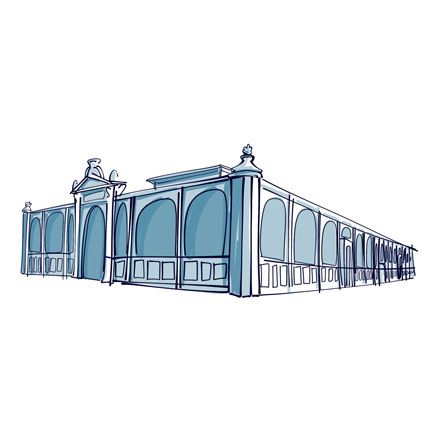
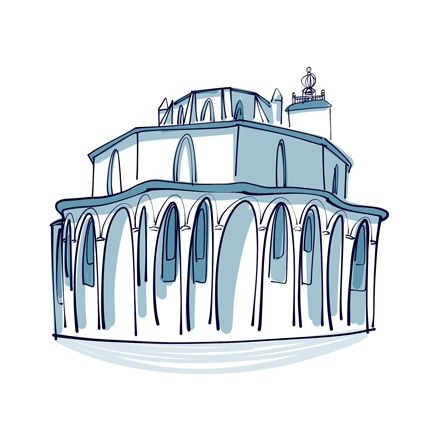
The Halles de Narbonne occupy a central location, just steps from the Canal de la Robine and the Archbishops' Palace. This Art Nouveau covered market, built in the early 20th century, is the city's gourmet belly. Here you'll find an authentically Mediterranean atmosphere, with colourful stalls offering local produce, fresh fish, olives, regional cheeses and Languedoc wines. The traders, often established for several generations, are happy to share tips and recipes. Several tapas bars let you sample oysters and other specialities on the spot in a convivial setting. The market is generally open every morning, making it an essential daily gathering point for locals and visitors alike.
How do you get to Narbonne-Plage from the city centre?
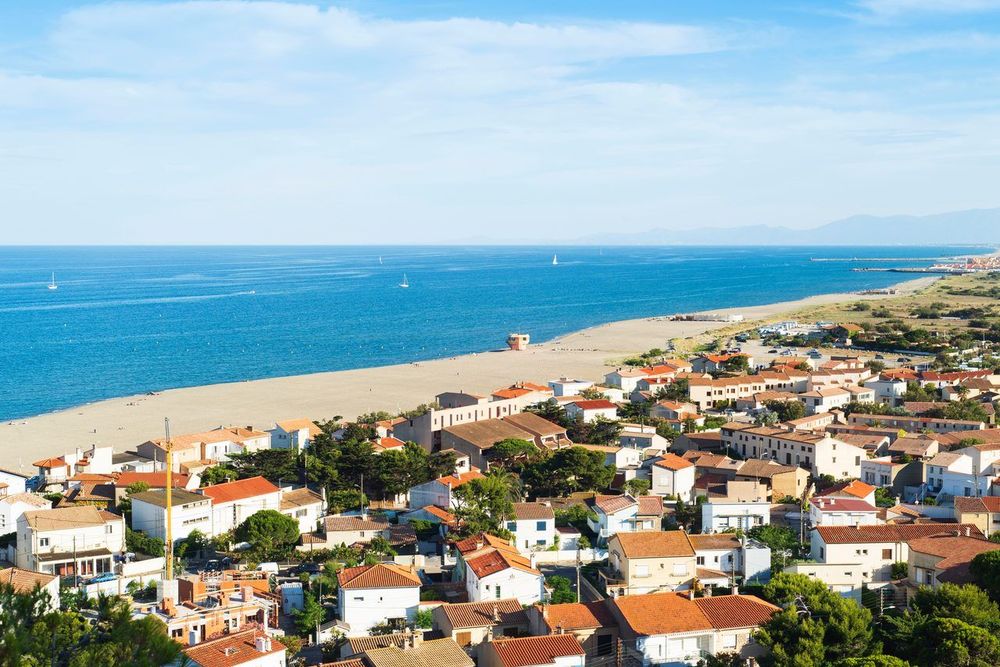
Narbonne-Plage lies about fifteen kilometres from the city centre, easily reached by car via the departmental road in around twenty minutes. Regular buses also link the city centre to the seaside resort, and are especially frequent in summer. The journey offers lovely glimpses of the lagoons and the Massif de la Clape. Once there, you'll discover a long beach of fine sand lined with restaurants and shops. Renting a bike is a pleasant way to reach the beach along the canal, letting you enjoy the scenery and stop in the small villages along the way. Allow at least half a day to make the most of this seaside getaway.
Where can you stroll along the Canal de la Robine?
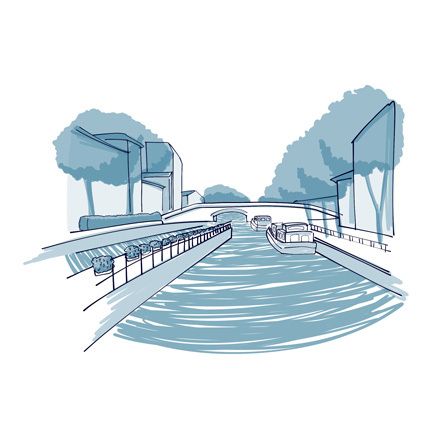
The Canal de la Robine runs through the heart of Narbonne, offering wonderful shaded walks. The most popular route follows the quays from the Pont des Marchands to the Pont de la Liberté, with its century-old plane trees and colourful façades reflected in the water. You can continue south towards the Parc du Quatourze, where barges and pleasure boats create a peaceful atmosphere. The landscaped banks let you walk or cycle for several kilometres. In summer, the café terraces lining the canal invite you to pause for a refreshing break. In the evening, the lighting highlights the bridges and historic façades, creating a romantic setting perfect for a leisurely stroll.
What can you visit around Narbonne on a day trip?
The area around Narbonne is full of remarkable sites within reach on a day trip. The Cistercian Fontfroide Abbey, tucked away in a valley about fifteen kilometres from the city, is a haven of peace with its terraced gardens and well-preserved architecture. The Massif de la Clape, a former islet turned peninsula, charms visitors with its wild landscapes and renowned wine estates. History lovers will appreciate the Amphoralis archaeological site or the medieval town of Lagrasse. The Sigean African reserve offers an exotic interlude about thirty minutes away. The Bages and Peyriac lagoons offer unique landscapes where vineyards, salt marshes and pink flamingos come together, perfect for a nature getaway between land and sea.
What remains of Narbonne's Roman past?
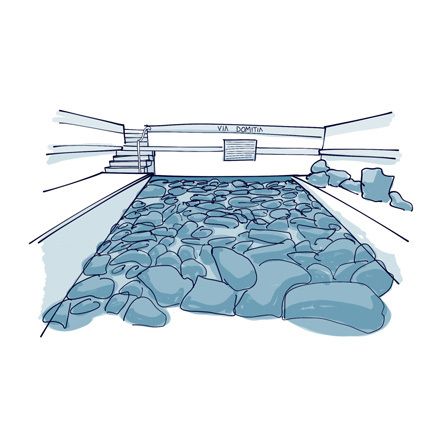
Narbo Martius was the first Roman colony founded outside Italy and the capital of Narbonensis, a busy port linked to Rome by the via Domitia. What survives includes a stretch of ancient paving uncovered in the very centre, in front of the town hall, and the horreum, a set of underground galleries once used as storerooms that you can walk through beneath today's streets. The Narbo Via museum, beside the canal, brings together a remarkable collection of carved blocks, mosaics and everyday objects, displayed in a striking piece of contemporary architecture. The rest can be guessed at in the ancient stones reused across façades and ramparts. The Ryo audio guide offers a dedicated Narbonne route linking these ancient traces to the medieval centre.
Is Narbonne easy to visit with children?
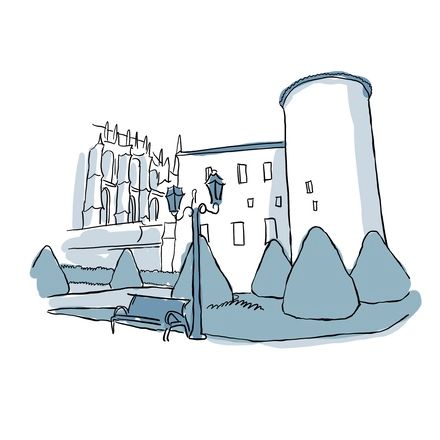
Yes, the town is compact and flat, which makes moving around with young children or a pushchair straightforward, and most of the sights fit into a small area. The Narbo Via museum has features designed for families, the Gilles Aycelin keep can be climbed for the view over the rooftops and the cathedral, and the covered market makes a tasty break enjoyed by young and old alike. The banks of the Robine are well suited to a bike ride, and a boat trip on the canal changes the rhythm of the day. A little further out, the beaches, the lagoons and the Sigean wildlife reserve easily round out a stay. In summer, bring hats and water bottles, as the sun beats down on the stone squares.
Vos commentaires, idées et suggestions
Aucun avis pour le moment