© Shutterstock
 Votre guide Ryo
Free Things to Do in Helsinki in 2026: Cathedrals, Museums, Islands and an Itinerary Without Spending a Cent
Looking for free things to do in Helsinki without sacrificing the quality of your visit? Good news: in the Finnish capital, public access is no marketing gimmick but a deliberate urban policy that lets everyone into an amusement park, a maritime fortress listed by UNESCO, spectacular libraries and several art museums at specific times. The problem is that the lists you find online often string together dozens of places with no hierarchy, impossible to turn into a real day of sightseeing. The Ryo audio-guided tour of Helsinki takes the opposite approach: telling the story of the city as you walk, at your own pace, from one square to the next.
In the pages that follow, you will find two cathedrals that could not be more different yet face each other across the harbor, a church carved straight out of a block of granite, a wood-fired community sauna open day and night, and a timed itinerary to fill an entire day without paying a single admission fee. Some major museums open their doors on fixed dates, while more modest ones never ask for a ticket, and some twenty parks, beaches and promenades never close. You will also leave with the real costs to plan for (transport, meals) and the ideal season depending on what you are looking for.
1. How Much Does a "Free" Visit to Helsinki Really Cost?
Let's be honest before we start: a city where everything is free does not exist, and Helsinki is no exception. What truly costs nothing are public spaces (parks, squares, beaches, downtown streets), access to several churches and public buildings, and museums during their open-to-all time slots. What still costs money, even on a trip designed to save: transport, the interiors of most museums outside those slots, private saunas and of course food, which is famously expensive in Finland.
So plan for an unavoidable daily budget: a day transport ticket (zone AB, which covers tram, bus, metro and the Suomenlinna ferry) and something to eat, from a supermarket or from the market halls where a hot meal remains affordable. You can cut this item further by picnicking in one of the parks mentioned below and by filling your water bottle from the tap: the city's water is of excellent quality. The real good news is that the "sightseeing and culture" part of a stay in Helsinki can drop to almost zero, which is rare among Nordic capitals.
One last point that changes everything: light. In December, the sun sets around 3:15 pm, compared with nearly 11 pm at the end of June. For a program made of parks, walks and viewpoints, the calendar matters as much as the budget, and indoor places (libraries, museums, market halls) become essential in winter.
2. Cathedrals and Churches with Free Access Around Senate Square
Senate Square and Its Two Cathedrals (Lutheran and Uspenski)
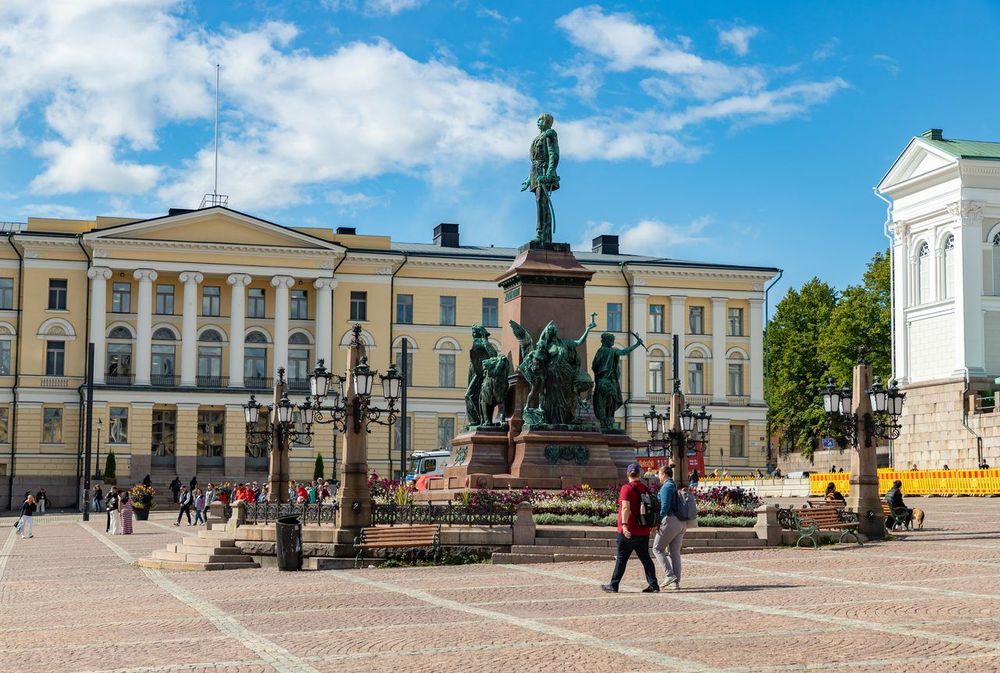
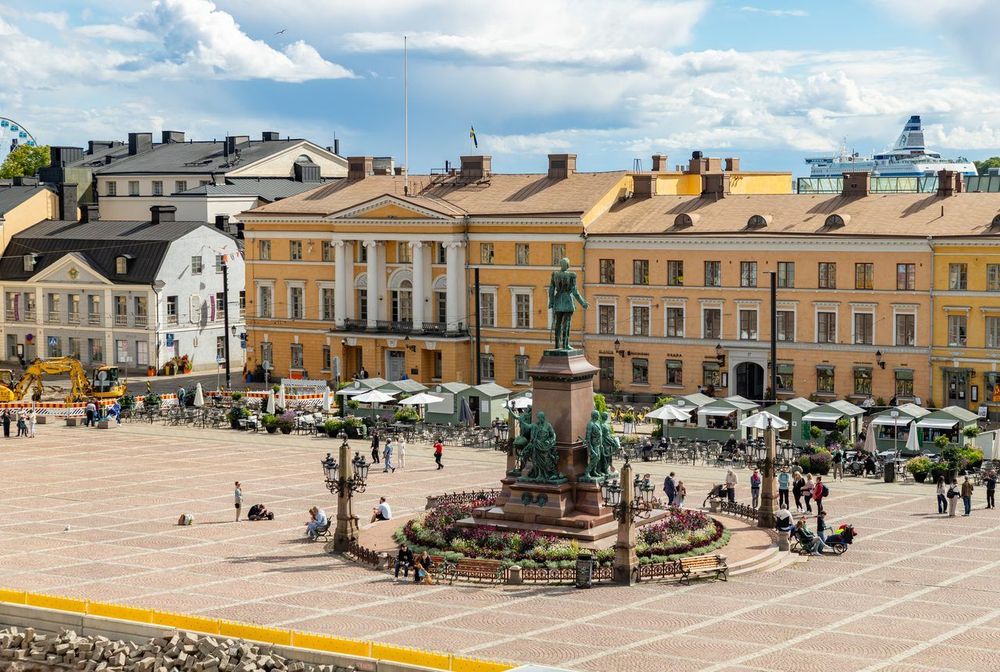
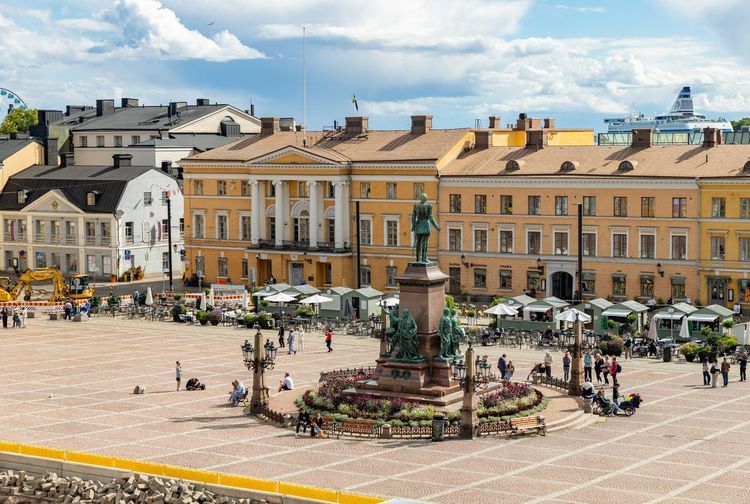
The Senate Square is the neoclassical heart of the city, designed in the 19th century by the German architect Carl Ludvig Engel to assert the new status of Helsinki, which had become the capital of the Grand Duchy of Finland under Russian rule. It is open to everyone, day and night, and serves as the backdrop for most of the city's postcards. At its center, the statue of Tsar Alexander II recalls this period, which always surprises visitors who imagine a Finland turned only toward Sweden.
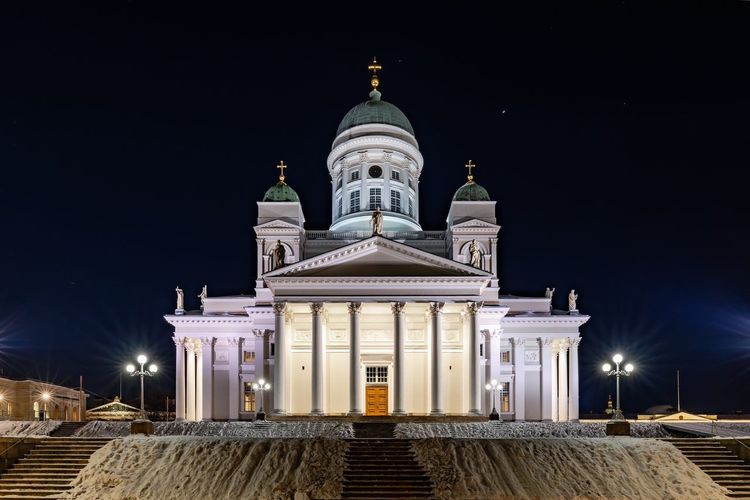
Overlooking this square stands the Helsinki Lutheran Cathedral (Tuomiokirkko), white and topped with a green dome, open during the day so you can admire its pared-down interior, typical of Scandinavian Lutheranism: little gilding, plenty of light. You can climb the wide steps of the forecourt, even without going in, to enjoy the view over the square and the harbor. At the end of the day, students and locals sit there to watch the light fade over the yellow façades of the Senate.
Ten minutes away on foot, on the Katajanokka peninsula, stands the Uspenski Cathedral, the largest Orthodox church in Western Europe. Built of red brick and crowned with thirteen golden domes (one for Christ, twelve for the apostles), it contrasts sharply with Lutheran sobriety. You can enter outside service times, and the face-off between the two buildings sums up on its own the Russian and Swedish influences that shaped the city.
Unusual Churches: Temppeliaukio and the Kamppi Chapel of Silence
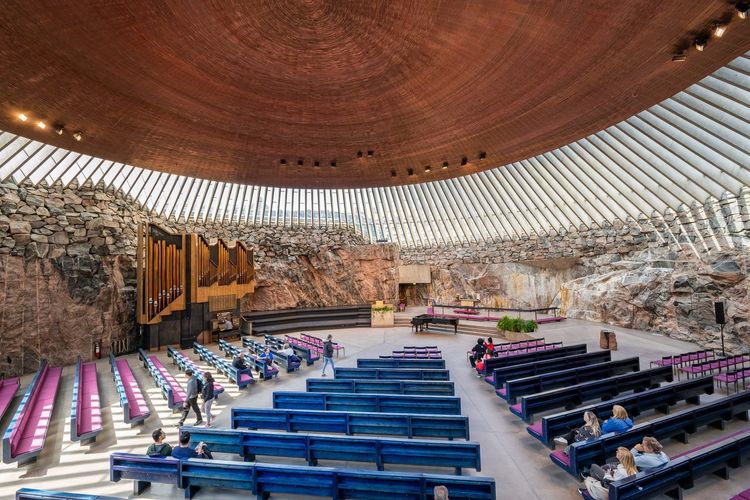
The Temppeliaukio Church, nicknamed "the church in the rock", is literally carved into a granite outcrop in the middle of a residential district of Töölö. Its copper dome, resting on a ring of glazing, produces such a distinctive acoustic that it regularly hosts concerts. The interior usually requires a modest ticket, but the exterior, cut straight into the rock, can be explored without constraint: climb up onto the rock that serves as its roof to understand how the building sinks into the ground.
A few tram stops away, the Kamppi Chapel of Silence (Simonkatu 7, 00100 Helsinki, rated 4.4/5 on Google from 3,991 reviews) offers the opposite: a curved wooden volume, with no cross or visible religious symbol, designed as an airlock of calm in the middle of the noisiest square in the city center. You can enter at any opening hour, with no service required, making it a meditative pause available throughout the day. The Kallio district, described further on, also has its own gray granite church, perched on a hill and less known to visitors, but very representative of Finnish National Romantic Art Nouveau of the early 20th century.
You can also discover these three religious faces of the city with the Ryo audio-guided tour of Helsinki, which stops in front of each one and explains in audio why a single capital could host, a few hundred meters apart, a bare Lutheran cathedral, golden Orthodox domes and a church cut into the rock.
3. Modern Architecture and Landmark Buildings Open to All
The Central Station and Oodi Library
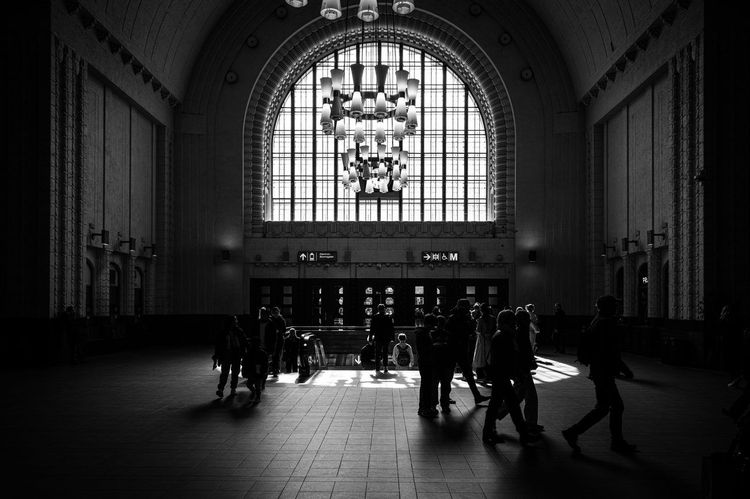
The central station of Helsinki, with its granite façade flanked by four giant statues holding illuminated globes, is a masterpiece of Finnish Art Nouveau by Eliel Saarinen. The hall and platforms can be explored freely, and simply crossing the building is worth it for the chance to look up at the clock tower.
A few minutes' walk away, the Oodi Library embodies the other side of local architecture: an undulating wave of wood, inaugurated at the end of 2018 to celebrate the centenary of Finnish independence. You can walk in without a card or proof of anything to use the 3D printers, sewing machines, video game spaces and hundreds of comfortable seats. The third floor, nicknamed "book heaven", opens onto a large balcony that also serves as a viewpoint. On rainy or very cold days, it is the best refuge in the center, with toilets and wifi included.
The National Library and Finlandia Hall
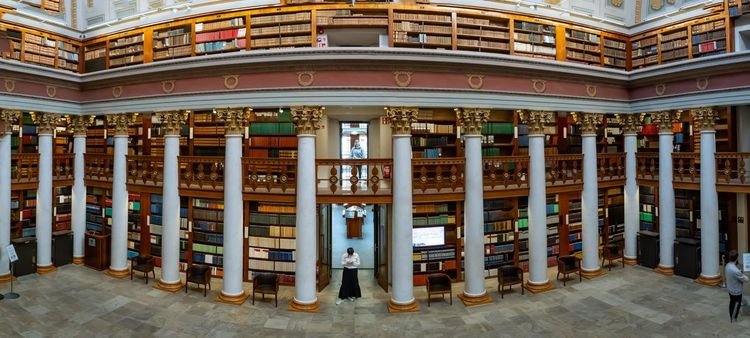
The National Library of Finland, attached to the university, occupies a neoclassical building by Engel whose painted domed rooms are open to the public during opening hours. Few visitors think of going in, which makes it one of the most underrated interiors in the center. Speak quietly: it is a working library, used by researchers.
The Finlandia Hall (Mannerheimintie 13e, 00100 Helsinki, rated 4.3/5 on Google from 2,866 reviews), designed by Alvar Aalto and clad in white Carrara marble, has overlooked the Töölönlahti bay since the early 1970s. Reopened after a long renovation, it leaves its hall accessible during public opening hours, and its silhouette, visible from all around the park, remains one of the most recognizable images of 20th-century Finnish architecture. Right next to it, the Parliament and its monumental staircase can be photographed from the sidewalk of Mannerheimintie.
Between these two poles, take the time to cross Kansalaistori square, the pedestrian esplanade linking Oodi, the Musiikkitalo concert hall and the Kiasma museum. This triangle concentrates a century of Finnish architecture within a few hundred meters, from the national granite of the station to the glass and wood of recent buildings.
4. Free Museums: Must-Sees on Set Days and Lesser-Known Gems
Major Art Museums with Open-to-All Time Slots
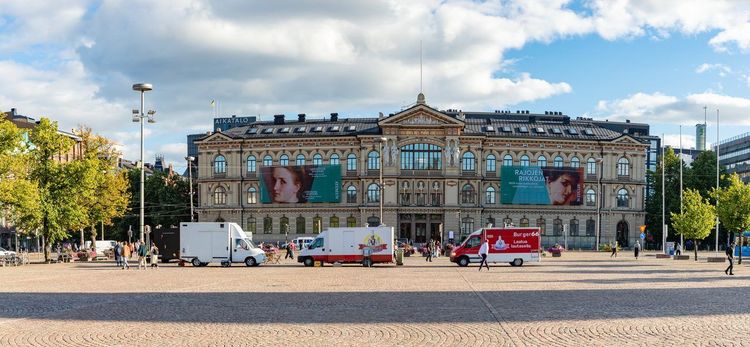
The major museums let everyone in at specific times, and it is one of the best cultural deals in the city for anyone who plans their stay accordingly. The Ateneum Art Museum, the largest collection of Finnish art in the country (Gallen-Kallela, Schjerfbeck, Edelfelt), traditionally opens its doors without a ticket on certain monthly evenings. The Kiasma Museum of Contemporary Art, with its curved architecture by Steven Holl, also offers selected open-door days during the year. These schedules change: check the museum's website the week of your visit rather than relying on an outdated blog.
Amos Rex is a special case: located beneath Lasipalatsi square, it signals its presence with glass domes that rise out of the pavement. The galleries charge admission (except for under-18s), but climbing these concrete hills, as the neighborhood children do, offers one of the most astonishing urban scenes in the city. The Sinebrychoff Art Museum, devoted to the old masters in the former home of a brewing family, and the Helsinki Art Museum (HAM), housed in the Tennispalatsi, complete the list with their own days or evenings open to all. Keep in mind the difference with the following museums: here, ticket-free access is only occasional.
HAM also manages several hundred public artworks scattered across the streets, parks and metro stations. Their online map lets you put together your own open-air museum, from the Sibelius Monument to the contemporary sculptures of the waterfront.
Small Thematic Museums, Open All Year
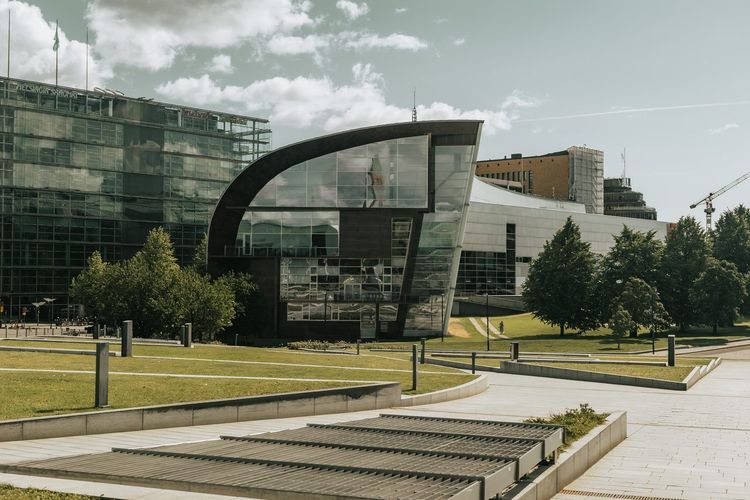
Conversely, several more modest museums never ask for a ticket, making them safe bets if your schedule does not match the slots above. The Helsinki City Museum, at the corner of Senate Square, traces the urban history of the capital with models and a reconstructed workers' apartment; its "Time Machine" room appeals as much to children as to adults. The Helsinki Tram Museum, housed in the city's oldest tram depot, displays historic trams that transport enthusiasts will particularly enjoy.
The Bank of Finland Museum tells the monetary history of the country through an interactive exhibition design that is quite polished for an apparently dry subject; check that it is open before you go, as the institution has already closed for renovation work. Beware, however, of the Museum of Finnish Architecture (Kasarmikatu 24, 00130 Helsinki, rated 4.1/5 on Google from 4,337 reviews), often wrongly presented as open to all: it is now part of the Museum of Architecture and Design, whose admission is paid for adults (free for under-18s). It usefully complements a visit to Finlandia Hall if you are an Aalto fan, but plan for the ticket.
By combining the slots of the major museums with the always-open addresses, you have more than enough to fill two cultural days without opening your wallet, provided you time your stay around the right calendar.
5. Suomenlinna and Seurasaari: The Islands off Helsinki
The Suomenlinna Fortress (Free Visit, Paid Ferry)
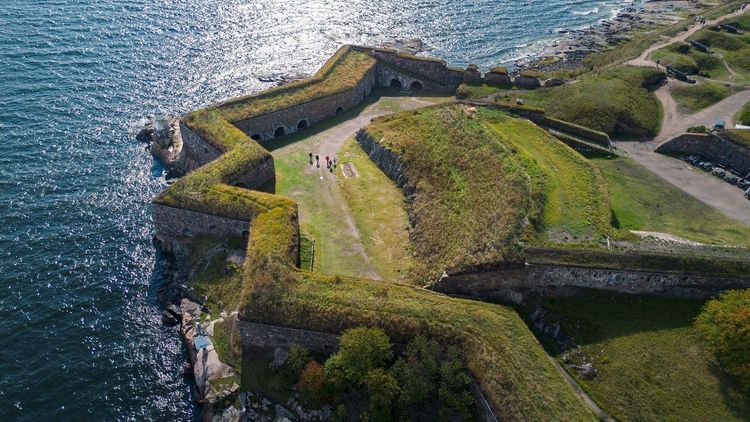
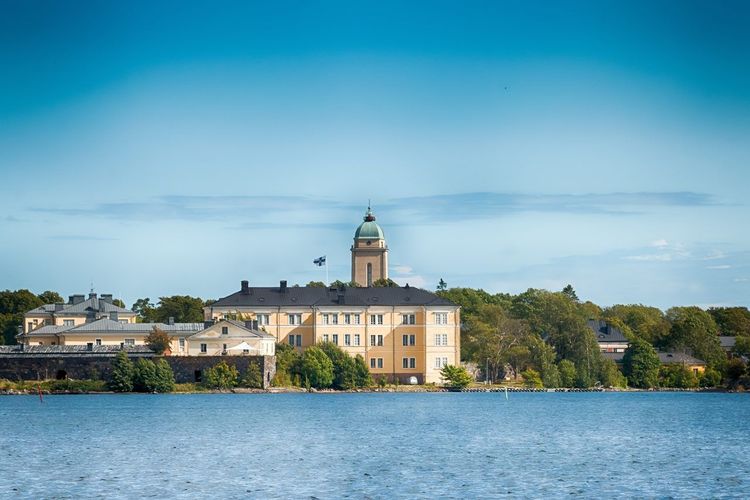
Suomenlinna is a maritime fortress whose construction began in the mid-18th century, under Swedish rule, on several islands linked by bridges at the entrance to the harbor. It has been a UNESCO World Heritage Site since 1991. Once there, wandering among the ramparts, cannons and lanes happens without any checks: no ticket is required to walk within the walls, picnic on the lawns or view from outside the Vesikko submarine, whose interior visit is paid in season.
The only mandatory expense remains the ferry linking the market square to the island, part of the HSL public transport network. If you already have a day ticket for zone AB for your other trips, the fifteen-to-twenty-minute crossing costs you nothing more. Allow a good half day to explore all the bastions without rushing, and bring a windbreaker: even in summer, the wind off the sea can surprise you on the ramparts.
The Open-Air Museum Island of Seurasaari (Free Park, Paid Buildings)
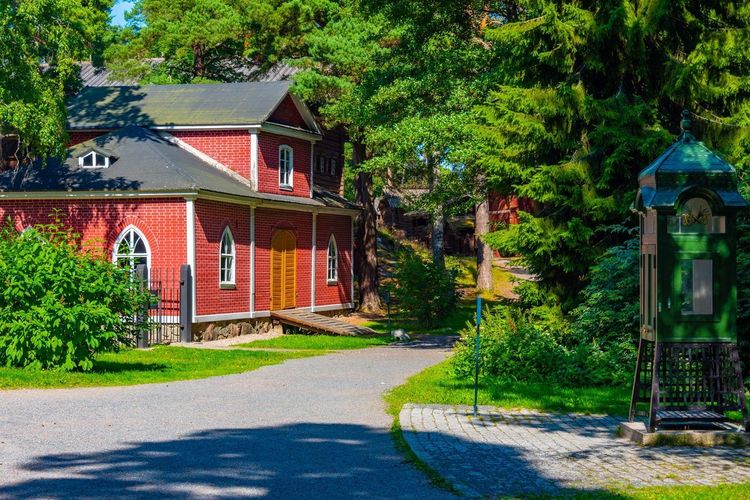
At the opposite end of the spectrum, Seurasaari (Seurasaari, 00250 Helsinki, rated 4.7/5 on Google from 873 reviews) is a wooded island park linked to the mainland by a pedestrian bridge, accessible all year round and popular with Helsinki residents for jogging or summer swimming. The island hosts an open-air museum with more than 80 traditional Finnish buildings (farms, mills, manor houses, a wooden church) moved from across the country. The squirrels, very unafraid, sometimes come to take hazelnuts straight from walkers' hands.
The nuance to remember: the park, its paths and its rocks by the water are open permanently, while entry to the historic buildings is paid and limited to the summer season. You can therefore enjoy Seurasaari all year by sticking to the outdoor walk, and save the ticket for the summer months if the inside of the farmhouses really interests you. On Midsummer's Eve, the big Juhannus bonfires lit on the island also attract a large crowd.
6. Parks, Gardens and Seaside Walks
The Waterfront: From Senate Square to Löyly
Helsinki is best discovered on foot along its coast, and the stretch that leaves Senate Square to reach the public sauna Löyly to the southwest is probably the most beautiful urban walk in the city. You pass in turn the harbor and the market square, skirt the Kaivopuisto park, then follow the Art Nouveau villas of Eira before reaching the redeveloping Hernesaari district.
This walk requires no planning: allow about an hour without stopping, or half a day if you multiply photo stops and detours to the small rocky beaches. Even without going into Löyly (the sauna itself is paid), its silhouette of dark wooden slats resting on the water is worth the trip, and its tiered terrace can be climbed without formality to watch the sunset.
Kaivopuisto, Töölönlahti Bay and Sheltered Gardens
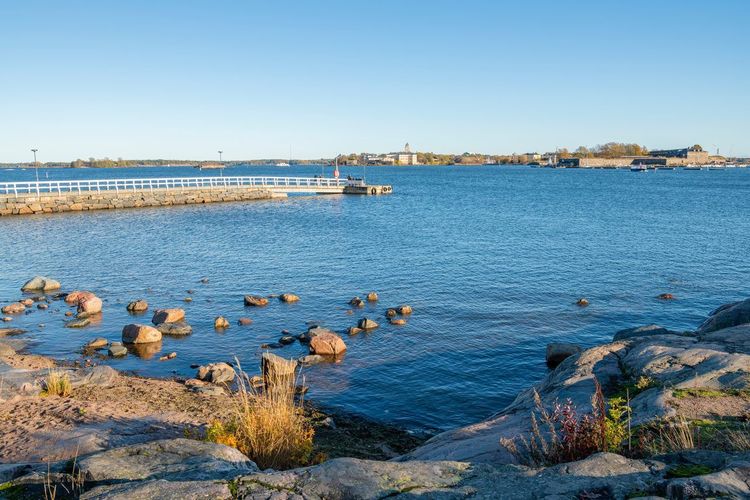
The Kaivopuisto Park, in the south of the city, is a vast 19th-century landscaped garden overlooking the sea from a gentle hill. This is where Helsinki residents gather to picnic as soon as the fine weather arrives, and where the gigantic May 1 picnic (Vappu) takes place, when tens of thousands of students in white caps take over the lawns.
At the other end of the center, Töölönlahti Bay, bordered by Finlandia Park, forms a wide stretch of water in the middle of the city where ducks and migratory birds nest. The path around it, entirely flat, can be completed in under an hour and offers a stunning view of Finlandia Hall and the Musiikkitalo concert hall. North of the bay, the Winter Garden (Talvipuutarha), an early 20th-century greenhouse filled with cacti and camellias, opens its doors to all at certain hours: a precious pocket of warmth in February. Near the station, the Kaisaniemi Botanic Garden also leaves its outdoor paths open, with only the large greenhouses being paid.
Sibelius Park, Its Monument and the Esplanadi
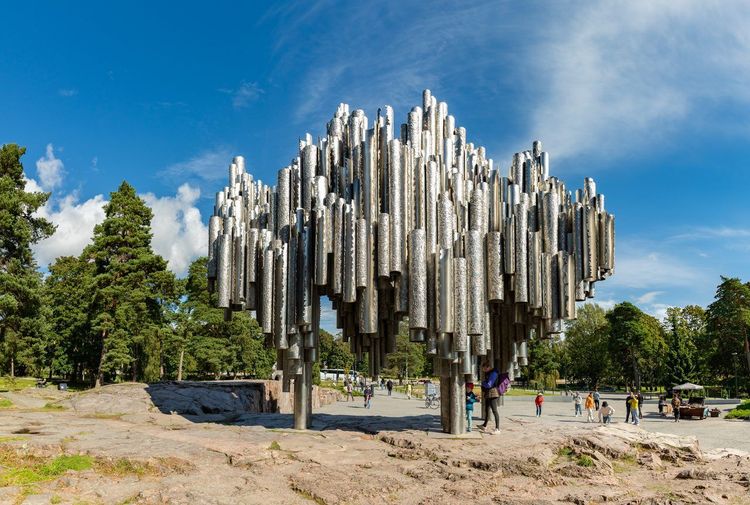
The Sibelius Park (Sibeliuksenpuisto, 00260 Helsinki, rated 4.4/5 on Google from 6,257 reviews), in the residential district of Töölö, is home to the monument dedicated to the composer Jean Sibelius, a work by the sculptor Eila Hiltunen: more than six hundred welded steel tubes that evoke, depending on the angle, an organ or a metallic forest. The whole can be visited at any hour and remains one of the most photographed public artworks in Finland. Bring your ear close to the pipes on a windy day: some emit a gentle whistle.
Heading back toward the center, the Esplanadi is the tree-lined boulevard linking the market square to the shopping district. Sit on a bench to listen to street musicians or the summer concerts at the bandstand, or simply enjoy the shade of the linden trees. At its end, the Havis Amanda fountain, a bronze mermaid sculpted by Ville Vallgren, receives a student cap every April 30 in the evening during a widely attended ceremony. To link these parks without getting lost, the short version of the Ryo audio-guided tour, designed for a Scandinavian getaway follows this same coastal thread, with audio commentary at each stop so you miss neither the Sibelius Monument nor Töölönlahti Bay.
7. Viewpoints and Panoramas over the City
Helsinki has no must-see panoramic tower, and that is almost an advantage: most of the best viewpoints are natural hills or public terraces. The hill of Tähtitorninvuori, the Observatory Park just above the market square, is probably the most beautiful: from there you overlook the harbor, the Baltic ferries and the Uspenski Cathedral below. Go at sunset, with a thermos.
The hill in Kaivopuisto park, mentioned above, opens in turn onto the sea and the archipelago. The large balcony on the top floor of the Oodi library offers a head-on panorama of the Parliament and Finlandia Hall, accessible without reservation during opening hours. More discreet, the Katajanokka quay, right below the Uspenski Cathedral, lets you photograph the golden domes with boats in the foreground.
Finally, the forecourt of the Kallio church, perched on its hill, opens a straight perspective to the Lutheran cathedral along the Unioninkatu axis: an alignment intended by the urban planners that few visitors notice. The rocks of Seurasaari and Lauttasaari complete the list for summer sunsets, when the sky stays clear until nearly midnight.
8. Beaches, Swimming and Saunas with Free Access
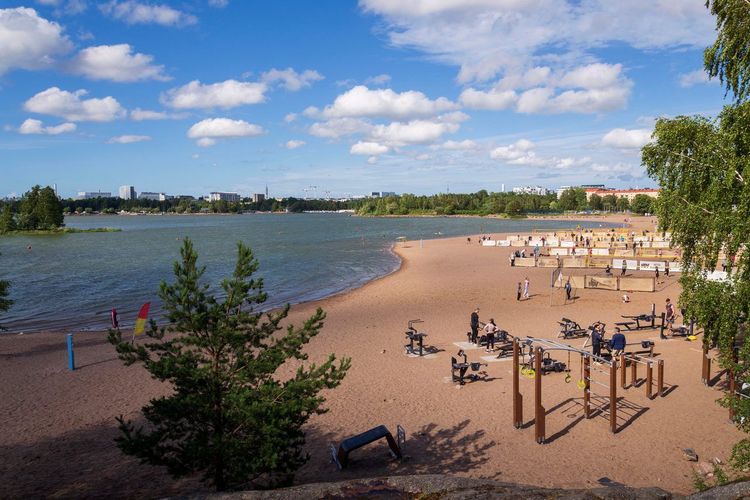
Few visitors associate Helsinki with swimming, and yet the city has several dozen public beaches, supervised in summer and open to all. The most accessible is Hietaranta, a few minutes' walk from Töölö: fine sand, beach volleyball courts, cool water even in July and a very local atmosphere. Farther east, the beach at Mustikkamaa, on an island linked by a bridge near the zoo, is more secluded, and the one at Aurinkolahti, at the end of the metro line in Vuosaari, offers a large sandy bay ideal with children.
The most unusual address remains Sompasauna (Mustikkamaa, 00570 Helsinki, rated 4.8/5 on Google from 1,407 reviews), a wood-fired community sauna, built and maintained by volunteers, now located on the island of Mustikkamaa after several moves. No fee, no staff and no reservation: it stays open day and night all year round. Bring your towel, a little firewood if you can, and alternate between the scorching sauna and a plunge into the icy sea right next to it. There is no lifeguard or supervised changing room: you swim at your own risk, and you follow the rules posted by the regulars. Check the location before leaving, in case the sauna has moved again.
By way of comparison, Allas Sea Pool, on the harbor, and Löyly are paid: very beautiful experiences, but to book only if you accept a departure from your budget.
9. Markets and Festivals to Experience Like a Local
Open-Air Markets: Kauppatori and Hakaniemi
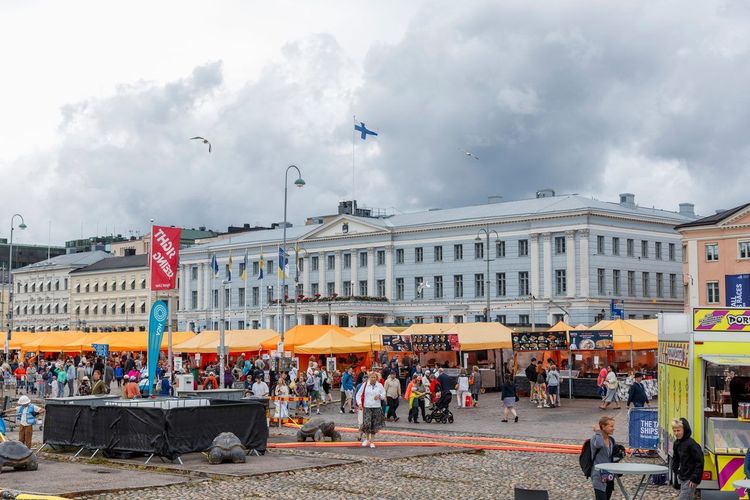
The Kauppatori Market (Eteläsatama, 00130 Helsinki, rated 4.4/5 on Google from 31,917 reviews), set up facing the south harbor, brings together every day in summer stalls of berries, smoked fish and handicrafts. Strolling between the stands commits you to nothing, even if the temptation of a plate of fried herring is often the strongest. Right next door, the Old Market Hall (Vanha kauppahalli), in red brick, houses counters of salmon and rye bread that you can browse at will. Beware of the seagulls: they unscrupulously steal the contents of plates left unattended.
A few tram stops away, the Hakaniemi Market Hall offers a more local version of the same concept, with its stalls of traditional Finnish products, its handicraft shops upstairs and its small cafés frequented by residents of the neighborhood. On Saturdays, the Hietalahti flea market, southwest of the center, is another good tip for browsing or simply watching neighborhood life.
Seasonal Festivals and Tip-Based Walking Tours
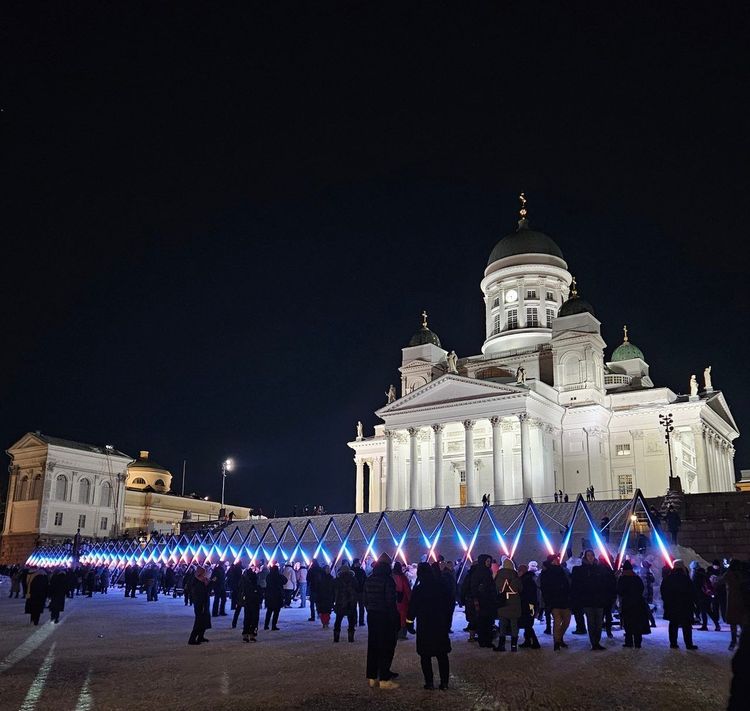
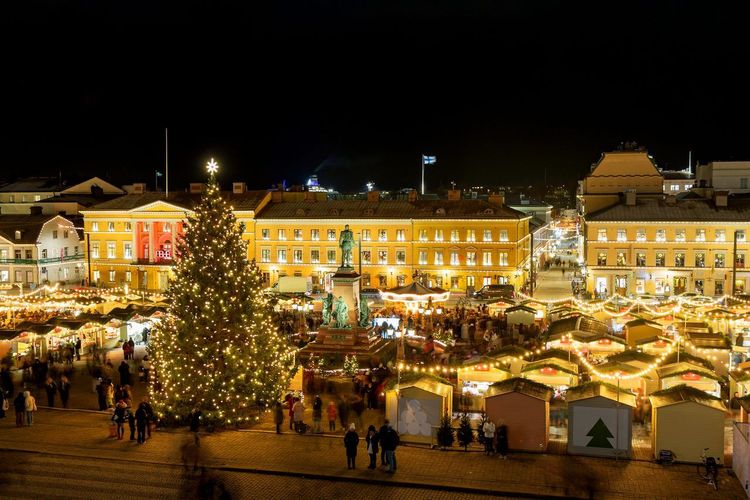
Every January, the Lux Helsinki festival transforms downtown façades into light installations over several consecutive evenings, with no ticket. It is one of the best reasons to visit the capital in the dead of winter, when the days are shortest. On June 12, Helsinki Day (the city's birthday) brings together concerts, tours and activities open to all, and the Helsinki Festival, at the end of August, offers part of its program outdoors without reservation. In December, the Christmas market on Senate Square can also be browsed freely.
Meanwhile, several operators offer a tip-based walking tour of the historic center: you pay what you think is fair at the end of the route. Want to avoid the fixed schedule and the group? The Ryo audio-guided tour covers similar stops in complete autonomy: you start the audio whenever you want and linger as long as you like in front of each façade.
10. Unusual and Local Addresses
Linnanmäki and Cafe Regatta: Two Institutions with Open Entry
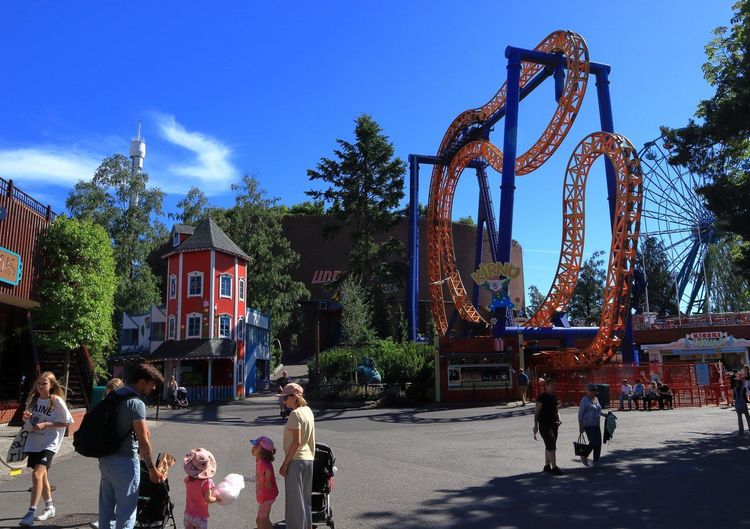
Linnanmäki, Helsinki's historic amusement park, has a rare policy: entry to the grounds is free, and only the rides are paid, individually or with a wristband. You can therefore stroll between the 1951 wooden roller coaster and the fairground stands, enjoy the atmosphere and the open-air shows, without going on a single ride. The park belongs to a charitable foundation that donates its profits to child protection.
At the other end of the city, near Sibelius Park, Cafe Regatta (Merikannontie 8, 00260 Helsinki, rated 4.6/5 on Google from 6,726 reviews) occupies a tiny red wooden cabin by the water, which has become a local institution. The coffee and its famous korvapuusti (cinnamon buns) are paid, but nothing stops you from settling on the neighboring rocks, where locals grill sausages over the public campfire while bringing their own picnic.
More off the beaten track, the Hietaniemi Cemetery, by the sea near the beach of the same name, is visited like a park: you will find the graves of Marshal Mannerheim and Alvar Aalto, as well as avenues of birches of absolute calm. On the evening of December 24, thousands of candles are lit there, a striking sight. To the east, the former industrial zone of Suvilahti, near Kalasatama, lines up walls where graffiti is permitted: the murals change every week and the place can be visited at any hour.
The Alternative Kallio District
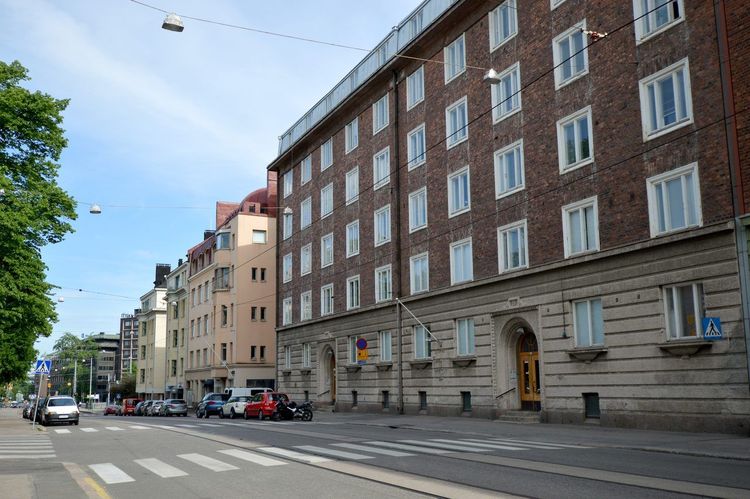
Kallio is the working-class district north of the center, long neglected by guidebooks and now a haunt of Helsinki residents rather than visitors. Wandering its sloping streets, looking at the façades of early 20th-century buildings, crossing Karhupuisto park or browsing the secondhand shops on Fleminginkatu gives an image of the city very different from the neoclassical center. On Sundays, its neighborhood public saunas, such as Kotiharju, remain affordable even though they are paid.
If Kallio remains a stop of its own, it is thanks to this shift from a working-class neighborhood to a trendy haunt that has stayed affordable. The Ryo audio-guided tour designed for a Scandinavian getaway passes through and tells this transformation in audio, with anecdotes that the neighborhood's signs do not give.
11. The Itinerary: A Full Day in Helsinki on a Small Budget
Morning: Cathedrals, Senate Square and Kauppatori Market
Start early on Senate Square, before the cruise ship groups arrive, to enjoy the steps of the Lutheran cathedral on your own or almost. Pop into the Helsinki City Museum at the corner of the square, then head down toward the harbor to reach the Uspenski Cathedral on Katajanokka. Then return to Kauppatori Market and the Old Market Hall to look at the stalls, ideally having had breakfast before going out. End the morning at the top of Tähtitorninvuori for the view over the harbor.
Afternoon: Waterfront, Kaivopuisto and Seurasaari
Continue with the waterfront walk southward, to Kaivopuisto park, where a picnic on the grass advantageously replaces a restaurant lunch. If the weather allows, take the bus (included in your day ticket) to Seurasaari for an hour's walk in the island park, sticking to the outdoor stroll. On the way back, stop in front of the Sibelius Monument, then at Temppeliaukio to admire its exterior. In bad weather, replace Seurasaari with the Oodi library and the Kamppi Chapel, both indoors.
Evening: Kallio, Sompasauna or a Sunset
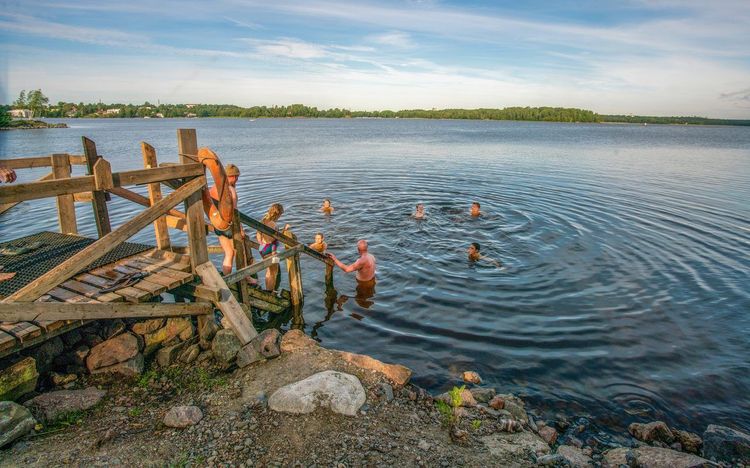
At the end of the day, head up to Kallio for the atmosphere of its streets, before choosing according to the season: Sompasauna if you are ready for the community sauna experience, or simply a sunset from the rocks of Kaivopuisto or the terrace of Löyly. This program follows almost exactly the order of the stops on the Ryo audio guide devoted to Helsinki: if you want the story behind each façade, just start the audio at each stop.
12. Budget Tips: Transport, Meals and the Pitfalls of "Free"
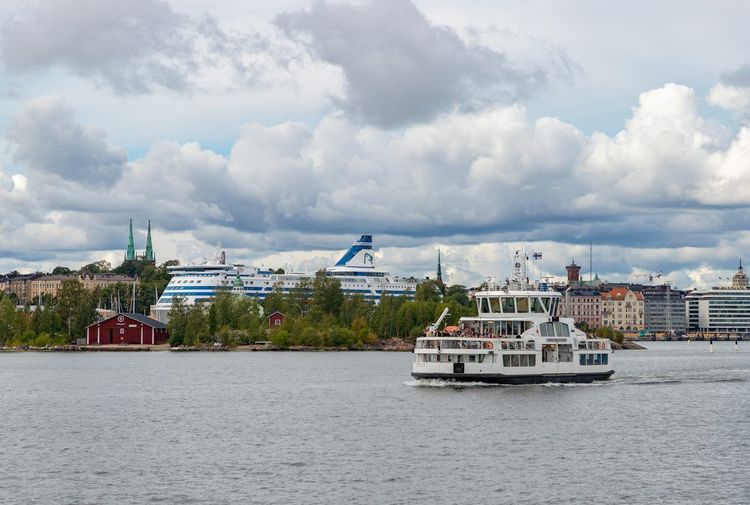
Transport remains the first item to anticipate. A day ticket for zone AB covers buses, trams, the metro and the Suomenlinna ferry: make the most of it by linking several places from this list on the same day rather than buying single tickets again and again. Buy it in the HSL app, which is more convenient than the ticket machines. Tram lines 2 and 3, which form a loop in the center, act as a panoramic tour at the price of an ordinary ticket. If you plan to enter several paid museums, work out whether a tourist card (such as the Helsinki Card) actually works out cheaper than individual tickets: for a program focused on places open to all, that is generally not the case.
As for meals, the market halls (Hakaniemi in particular) offer hot dishes at prices clearly lower than downtown restaurants, and weekday lunch deals (lounas) give access to a full buffet for much less than dinner. A supermarket lets you put together a picnic for a fraction of the price of a sit-down meal, and the excellent tap water saves you from buying bottles. The city's public wifi network (Helsinki City Open WLAN) covers many public spaces, sparing you an expensive data plan.
Keep in mind the most frequent hidden costs: the ferry to Suomenlinna without a day ticket, museum interiors outside the open slots, the Temppeliaukio Church, towel rental in paid saunas and entry to the historic buildings of Seurasaari in summer. None of these fees is concealed, but they are often missing from lists that present a place as accessible without this nuance.
13. What Is the Best Season to Visit Helsinki on a Budget?
Summer radically transforms what the city has to offer: almost white nights in June, swimming possible at Hietaranta or Seurasaari, open-air markets at Kauppatori, concerts in parks and lawns packed with people as soon as the sun appears. It is also the period when the Seurasaari buildings open, when Helsinki Day enlivens the streets and when improvised terraces bloom along the waterfront. In return, accommodation reaches its highest prices.
Winter changes register completely, without reducing the options: the Lux Helsinki festival lights up the center in January, libraries and museums become refuges from the cold and early darkness, the frozen sea can be contemplated from Kaivopuisto and sauna culture takes on its full meaning, Sompasauna first among them. The shoulder season (May and September) offers a compromise: more affordable hotels, parks still green and less crowded museums. This seasonal shift changes almost entirely the itinerary to favor, so think about it before booking.


FAQ
How much does a day in Helsinki really cost if you pay for no activities?
If you pay for no cultural admissions, your budget is limited to transport (a day ticket for zone AB) and meals. A supermarket picnic, a water bottle filled from the tap and a transport ticket are enough to cover a full day built around the places in this article.
Which museums are free in Helsinki and how often?
The Helsinki City Museum and the Tram Museum require no ticket all year round, as does the Bank of Finland Museum when it is open. Ateneum, Kiasma, Sinebrychoff and HAM offer occasional open-door days or evenings, which you should check on their websites before visiting. Amos Rex and the Museum of Architecture and Design charge admission for adults.
Is visiting the Suomenlinna fortress free?
Wandering around the fortress is completely free once you are there. Only the ferry from the market square costs money, unless you already have an HSL transport ticket valid that day in zone AB.
Do you need to book the tip-based guided tour in advance?
Most tip-based tours accept participants without a reservation in the low season, but online registration is recommended in summer, when groups fill up quickly. With the Ryo app, however, there is no booking and no fixed schedule: the tour starts when you are ready.
What is the best time of year to enjoy free activities in Helsinki?
Summer favors parks, beaches and open-air markets thanks to the bright nights. Winter highlights the Lux Helsinki festival, libraries and museums as warm refuges, and sauna culture, Sompasauna in particular.
Is public transport included in a low-budget stay?
No, public transport still costs money, but a day ticket for zone AB includes the Suomenlinna ferry and all the buses you need to reach Seurasaari or Linnanmäki, which limits this item to a single daily expense.
Is the Sompasauna public sauna really free?
Yes: Sompasauna is run by volunteers, with no fee or reservation, and is open 24 hours a day. Bring your own towel, perhaps a little firewood, and follow the safety rules: there is no staff on site.
Helsinki on a Budget: What to Remember
Helsinki does not need a big budget to be discovered in depth. Between cathedrals that answer each other from one end of the harbor to the other, islands accessible for the price of a transport ticket, libraries that serve as a public living room and a wood-fired sauna open to all, most of the city's memorable experiences require no admission. The secret lies mostly in organization: timing the museums to their slots, grouping places by neighborhood and making the most of a single transport ticket.
Rather than putting this itinerary together alone, let yourself be guided: the Ryo audio-guided tour of Helsinki links Senate Square, the harbor and the big parks at your own pace, with an anecdote at each stop. All that remains is to choose the season: summer for bright nights and beaches, winter for the lights of Lux Helsinki and the warmth of the sauna. Either way, this capital reputed to be expensive proves surprisingly generous to those who take the time to explore it on foot.
À lire également