





Créé par Romane, le 4 oct. 2026
Votre guide Ryo
Liège, Belgium
The Fiery City
Parcours audioguidé pour visiter Liège en 1 jour
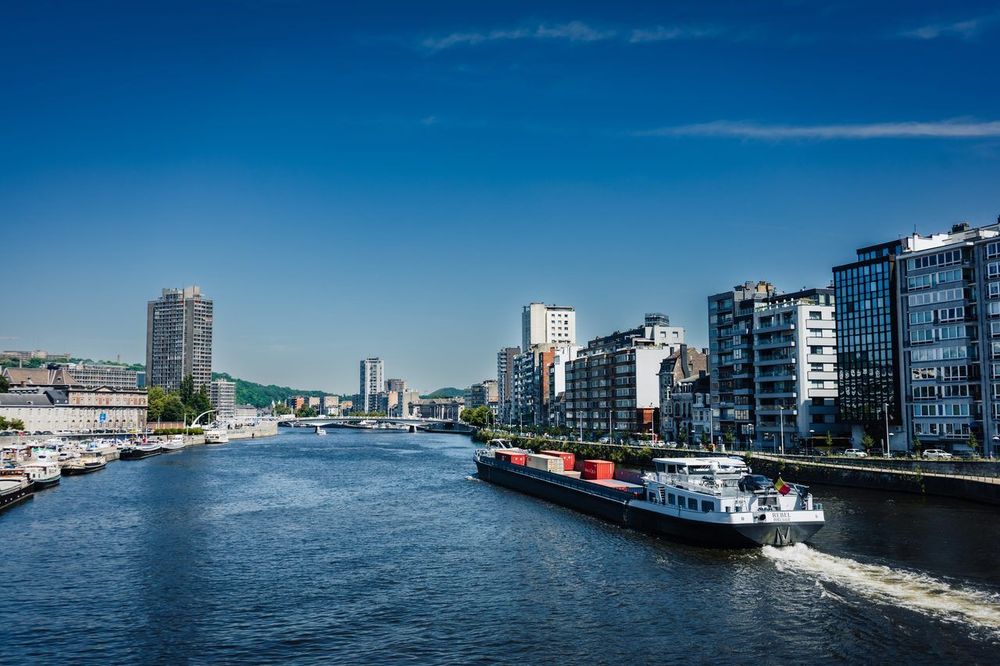
On the banks of the Meuse, Liège reveals a dynamic city with a strong character. With its diverse heritage, cultural energy, and local culinary specialties, it offers a warm and lively atmosphere.
Quand partir à Liège ?
Jan.
4°
12
Feb.
5°
10
March
8°
11
April
11°
10
May
15°
11
June
18°
10
July
21°
9
Aug.
21°
9
Sept.
18°
10
Oct.
13°
11
Nov.
8°
12
Dec.
5°
12
Throughout the year, temperatures in Liège vary quite a bit, averaging around 12°C. The most pleasant months to visit are June, August, and September, when the weather is nicer and walking around becomes easier. It’s best to avoid October, which can be quite harsh due to climatic reasons.
Départ conseillé
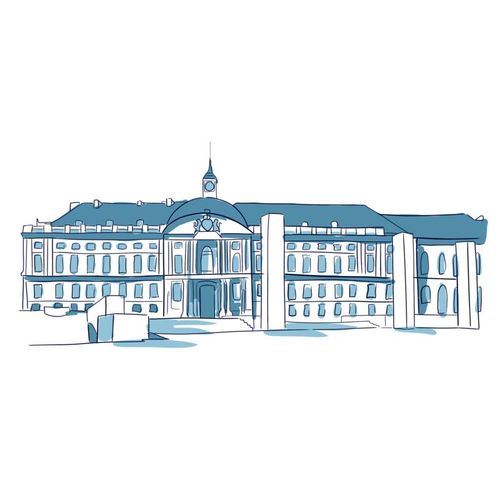
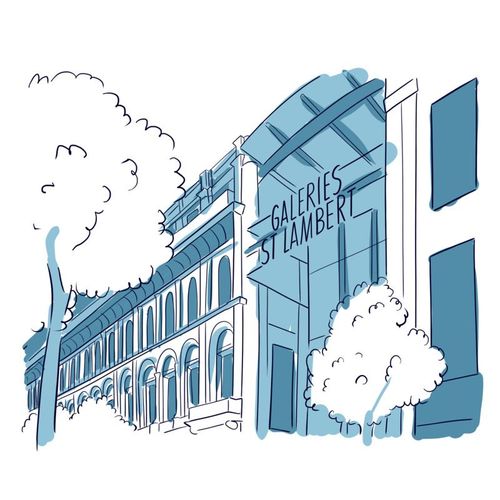
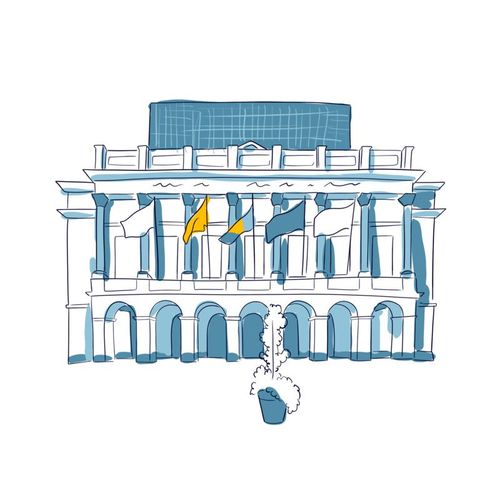
No need to worry about where to begin! Our tours are designed as a loop, so you can jump in wherever you are. The navigation system and audioguide will automatically adjust to your location. However, if you happen to be nearby, we do have a preferred starting point: on Place Saint-Lambert, next to the Prince-Bishops' Palace.
Parking à proximité
Parking Central Park : 37 boulevard de la Sauvenière
A large part of Liège’s city center is pedestrian-only, and parking in the streets is limited to 1h30. You’ll find free spaces on Place Saint-Paul, Place Verte, and Rue Haute Sauvenière, while the Saint-Laurent district also offers a free car park. The city has also introduced an interesting concept for quick stops: “Shop & Drive” provides 220 free parking spots, where you can park for up to 30 minutes to run a short errand.
For paid covered parking, Central Park is an excellent choice, conveniently located in the heart of the city with easy access to the main attractions. It’s not the only option, though: several underground car parks can be found near shops and train stations, as well as park-and-ride facilities (P+R) on the outskirts of Liège, ideal for leaving your car and reaching the center by public transport.
À savoir
There is a tourist pass that allows you to discover Liège at a reduced price, combining several of the city’s must-see visits and activities.
Public restrooms can sometimes be hard to find in Liège. To avoid any uncomfortable situations during your visit, try to plan your stops around places where you can eat and take a break.
Découvrez 31 lieux d'intérêt pour visiter Liège



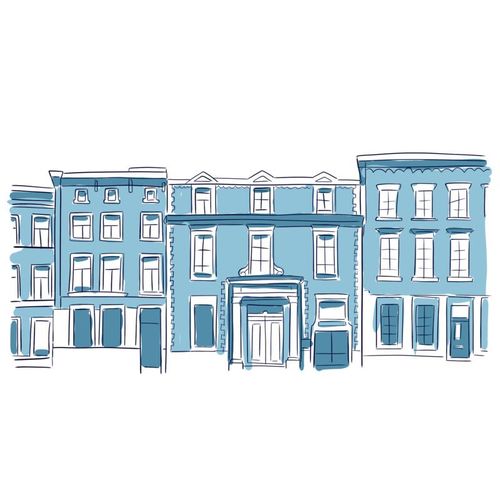
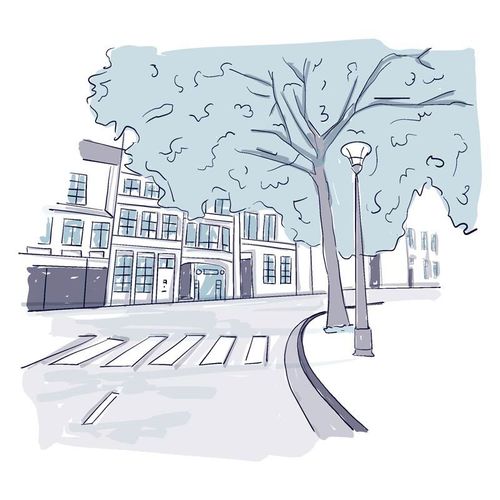
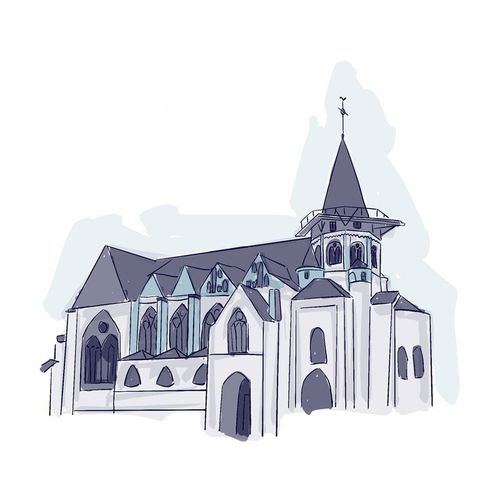
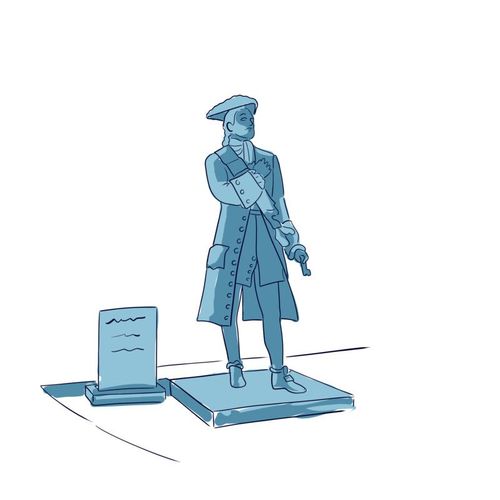
Le plein d'inspirations
Explorez le monde en totale liberté, à pied au cœur des villes ou au fil des routes. Nos guides audios transforment chaque destination en une découverte culturelle immersive et unique.


FAQ for visiting Liège
When is the best time to visit Liège?
The ideal time to discover Liège runs from June to September, when the temperatures are most pleasant for exploring the city on foot. Summer lets you make the most of the terraces along the Meuse and the buzz of the historic districts. Spring also offers lovely days, while autumn can be more fickle, particularly in October when the weather often turns harsh. Winter remains an appealing option for experiencing the warm atmosphere of the Christmas markets and taking refuge in the many typical cafés of the Cité Ardente.
How many days do you need to visit Liège?
Two to three days is an ideal length to appreciate the essentials of Liège. A first day lets you discover the historic centre, with its cathedral, the Palace of the Prince-Bishops and the picturesque lanes. On the second day, you can explore the more outlying districts, climb the Montagne de Bueren and stroll along the Meuse. If you have a third day, make the most of it to visit the museums that interest you and immerse yourself further in the local atmosphere by taking the time to savour the gourmet specialities in the traditional establishments.
How do you get around Liège?
Liège's city centre is easily explored on foot, which remains the best way to discover its charm and its many lanes. For longer distances, the bus network is well developed and serves the various districts effectively. Self-service bikes are a practical alternative for riding along the Meuse or quickly reaching certain points of interest. Liège-Guillemins station, an architectural work by Calatrava, is a central hub from which most transport departs. Motorised visitors should be aware that parking in the city centre can prove complicated, so opt for the park-and-ride car parks on the outskirts.
What should you see and do first in Liège?
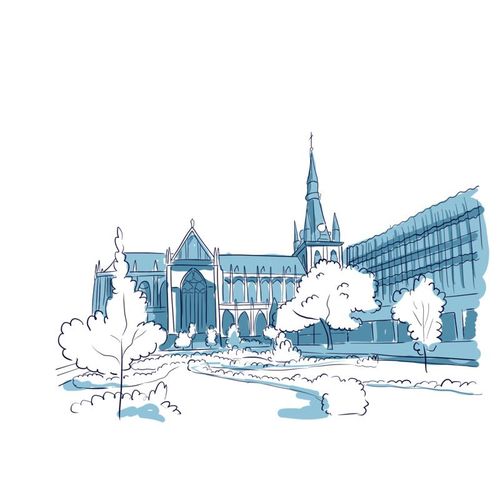
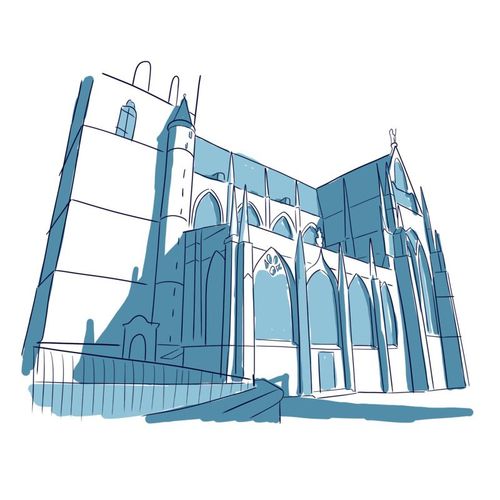
The must-sees of Liège include the majestic Saint-Paul cathedral and its treasures, the Palace of the Prince-Bishops on Place Saint-Lambert, and the charming lanes of the Hors-Château quarter. The Montagne de Bueren with its famous stairway offers a sweeping view over the city. Do not miss the Sunday La Batte market, one of the largest in Europe, which enlivens the banks of the Meuse. The Ryo audioguide even offers a narrated route that guides you through these iconic sites while revealing the history and anecdotes of the Cité Ardente. Art lovers will appreciate the Grand Curtius museum and La Boverie.
Where can you eat an authentic Liège waffle?
To taste a real Liège waffle, nothing beats the traditional establishments in the city centre, particularly around the Place du Marché and in the pedestrian streets. Unlike its Brussels cousin, the Liège waffle is recognisable by its brioche dough studded with pearl sugar that caramelises during cooking. Local artisans generally prepare them to order, guaranteeing a warm and crispy treat. Avoid the tourist chains and favour the small stalls where the sweet aroma naturally draws you in. On Sunday morning, you will also find excellent mobile waffle makers at the La Batte market.
How do you get to the Montagne de Bueren?
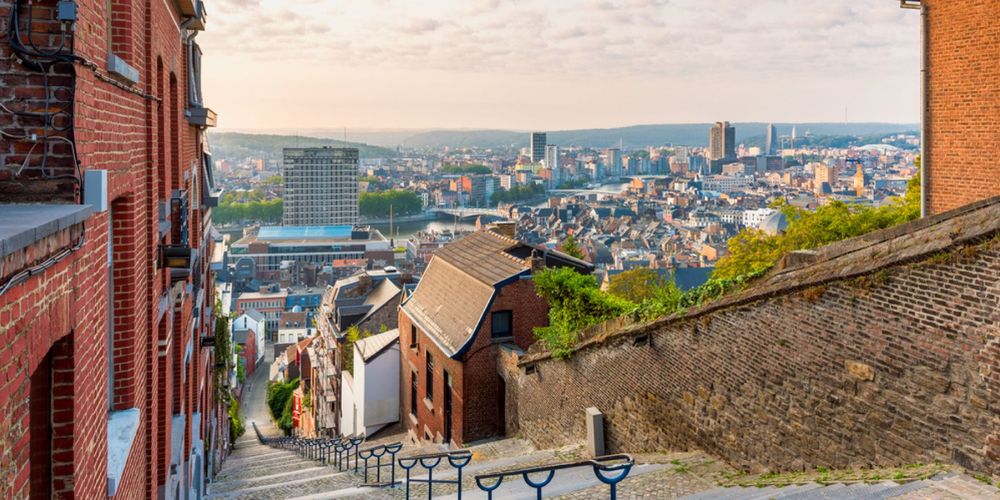
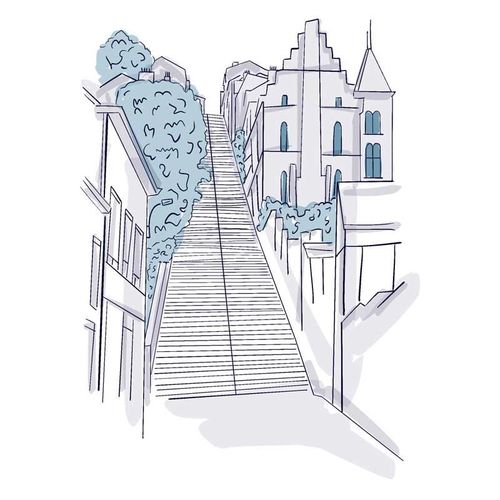
The Montagne de Bueren is located in the historic Hors-Château quarter, easily accessible from the city centre. To reach it, head towards Rue Hors-Château from Place Saint-Lambert, then follow the signs. The 374-step stairway begins on Rue Montagne de Bueren and climbs to the top of the citadel. If the direct ascent seems too steep, you can take alternative, less abrupt paths that wind along the sides. Once at the top, the panoramic terrace rewards you with a spectacular view over the Meuse valley and the city's rooftops. Bring good shoes and take your time for this iconic climb.
Is Liège a safe city for tourists?
Liège is generally a safe city for visitors, with a level of safety comparable to other major Belgian cities. The tourist areas of the city centre are well monitored and lively, particularly during the day. As everywhere, stay alert with your personal belongings in busy places such as the station or the La Batte market. In the evening, some outlying districts call for greater caution, but the historic centre remains lively and reassuring thanks to its many restaurants and bars. The people of Liège are known for their warm character and do not hesitate to help lost tourists. The emergency services are efficient and easily reachable if needed.
Which neighbourhoods of Liège are worth exploring on foot?
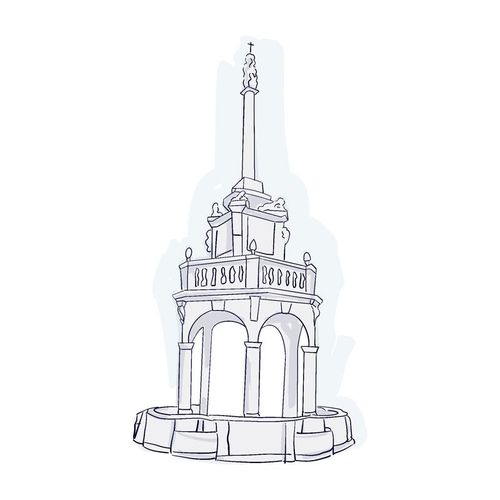
The historic core is easy to cover on foot: from Place Saint-Lambert and the Palace of the Prince-Bishops you reach Place du Marché with its Perron, then Rue Hors-Château and its flower-filled alleyways, one of the most charming corners of the city. Right next door, the Carré district is a grid of lively pedestrian streets, while Outremeuse, on the far bank, keeps the working-class village spirit the people of Liège are so fond of.
Further south, the Guillemins district is built around its station of glass and steel and leads to the Boverie park via the footbridge across the Meuse. The Ryo audio guide offers a dedicated walking route through Liège that links the highlights of the centre.
Which museums should you visit in Liège?
La Boverie, housed in a former fine arts palace in the middle of a park, brings together the city's painting collections and hosts major temporary exhibitions. The Grand Curtius gathers archaeology, weapons, glass and decorative arts inside an elegant red-brick Renaissance house, enough to grasp the history of the Meuse valley in one visit.
For something more intimate, the Musée de la Vie wallonne tells the story of everyday regional life, while the Cité Miroir, a former swimming pool turned into a place of remembrance and debate, stages committed exhibitions in a spectacular setting. Opening times vary with the season and several sites close one day a week, so check before you set out.
What is the Batte market in Liège?
Stretching along the Quai de la Batte on the banks of the Meuse, this market is a Liège institution and one of the largest in the country. You will find fruit and vegetables, cheese and charcuterie alongside clothes, plants and even birds, in a noisy, good-natured atmosphere where the stallholders call out to passers-by.
It is traditionally held on Sunday mornings and winds down in the early afternoon: come early if you want to avoid the crowds, later if you prefer the bustle. It is also a good chance to taste local specialities on the go, between two stalls, before heading back up to the historic centre nearby.
Vos commentaires, idées et suggestions
Aucun avis pour le moment