





Walk
The Fiery City
Liège, Belgium
Walk
The Fiery City
Liège, Belgium
5.5 km
Distance
2h30
Durée
31
Audios
Loop
Parcours
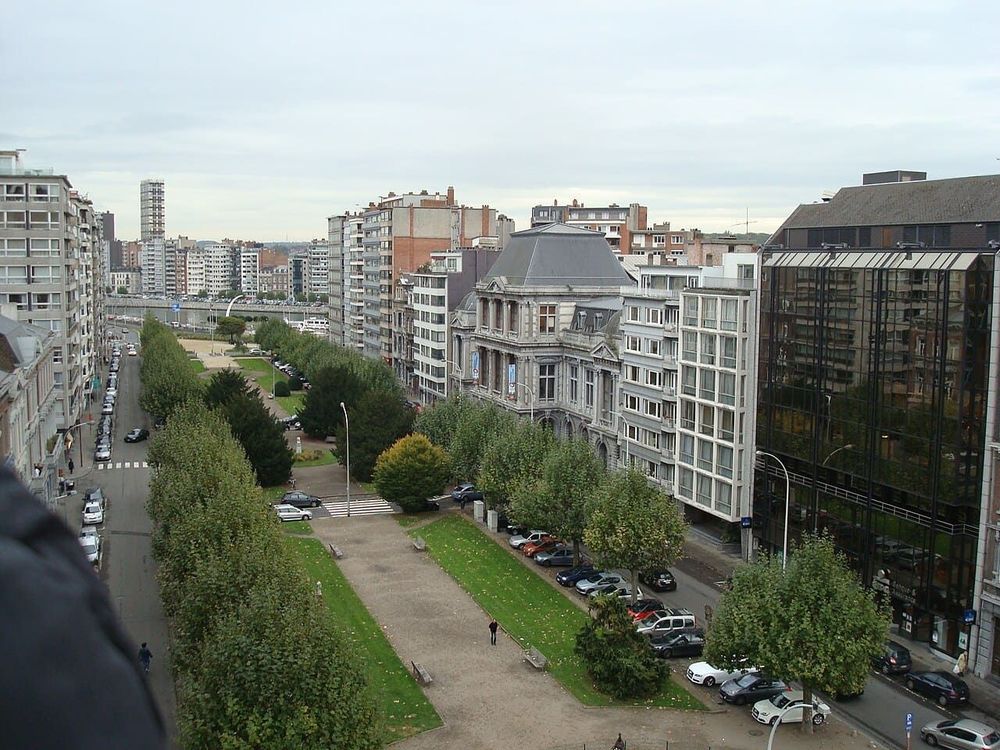
©Régine Fabri CC BY-SA 3.0. <https://creativecommons.org/licenses/by-sa/3.0/deed.fr>via Wikipedia Commons
The Liège audio-guided tour leads you onto Boulevard Piercot, one of the most elegant avenues in the city. Wide, tree-lined and edged with fine residences, it was laid out in 1863 after the filling-in of an arm of the Meuse.
The boulevard honours Ferdinand Piercot, burgomaster of Liège on several occasions in the nineteenth century and an important figure in Belgian political life. Its cutting was part of the great town-planning works that transformed Liège in that period, when the city laid out new avenues over former filled-in watercourses.
Walking along the boulevard, you notice the variety of styles: a few nineteenth-century mansions, listed as heritage, stand alongside more modern buildings. The shaded walk leads towards the nearby Place de l'Opéra and Parc d'Avroy. It is a testimony to the bourgeois, ambitious Liège of the second half of the nineteenth century.
Boulevard Piercot is in central Liège, near Place de l'Opéra and Parc d'Avroy. It is a public thoroughfare freely accessible at all hours and on the level, pleasant to walk along.
Ferdinand Piercot was burgomaster of Liège on several occasions in the nineteenth century and a leading figure in Belgian political life. The boulevard bears his name in tribute to his work.
It was laid out in 1863 on the site of a former filled-in arm of the Meuse, which made it possible to create a wide, tree-lined avenue edged with fine residences.
Aucun avis pour le moment
