Walk
The Sparkle of Flanders
Antwerp, Belgium
Walk
The Sparkle of Flanders
Antwerp, Belgium
6 km
Distance
2h25
Durée
22
Audios
Loop
Parcours
Belgium reveals itself as a kaleidoscope of cultures, flavours and architecture, where every cobblestone street tells centuries of history. Between canals reflecting Flemish façades, Ardennes forests stretching beneath the morning mist, and lively squares where Walloon and Dutch-speaking accents mingle, visiting Belgium means accepting to be surprised at every turn. Ryo accompanies you throughout this journey, with audio-guided tours that give voice and soul to the country's most iconic cities, at your own pace.
Here are the Belgian destinations that Ryo invites you to explore in depth, through audio-guided tours designed for curious travellers.
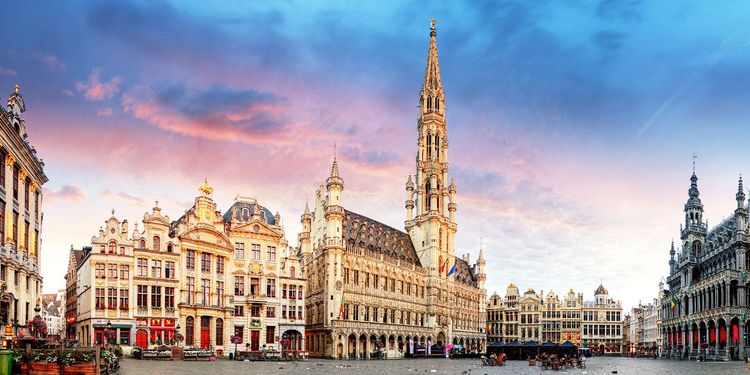
Capital of a country, a region and a continent all at once, Brussels impresses with the richness of its Art Nouveau architecture, the warmth of its working-class neighbourhoods and the generosity of its gastronomy. Along Ryo's audio-guided tour, the city reveals its fascinating contrasts, between majestic palaces and narrow lanes concealing comic-strip murals.
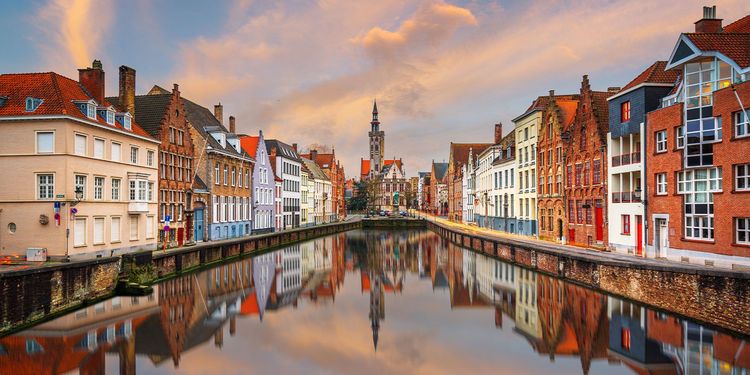
Nicknamed the Venice of the North, Bruges preserves intact the grace of its historic city centre, listed as a UNESCO World Heritage Site. Ryo's audio-guided tour leads you along its canals, past belfries and medieval markets, for an immersion into one of the best-preserved cities in Europe.
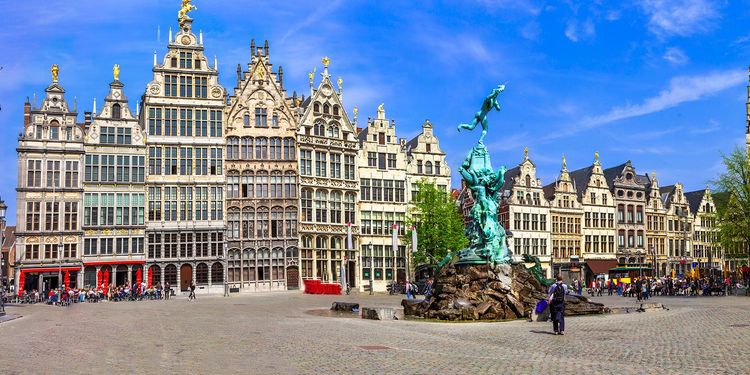
Antwerp pulses with the energy of a major world port and the elegance of its fashionistas. Europe's second-largest port, the city is home to an exceptional artistic heritage and welcomes dozens of nationalities across its cosmopolitan neighbourhoods. Ryo invites you to discover the deep soul of a city that never stops reinventing itself.
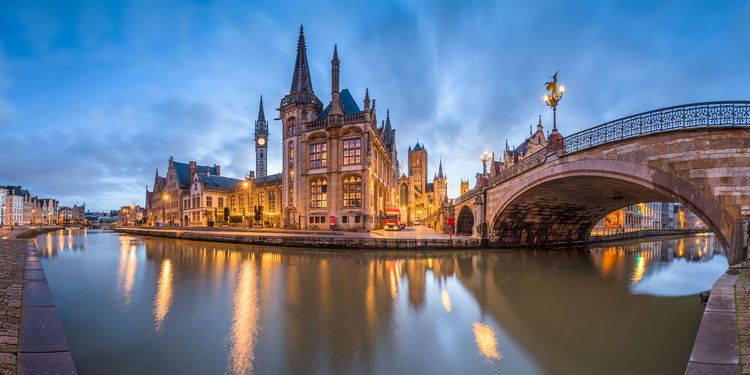
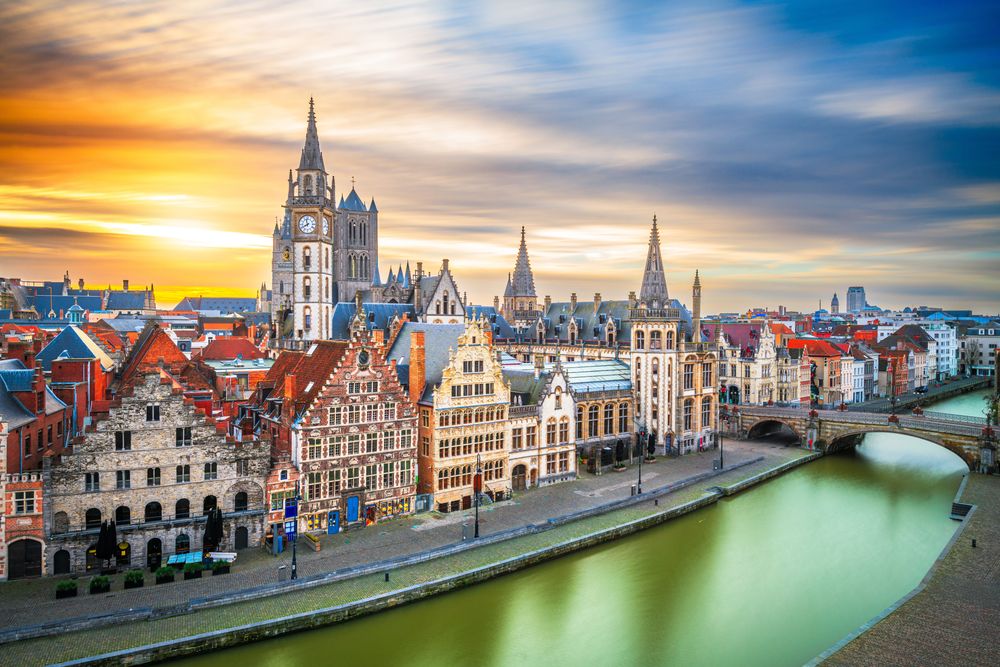
Less well-known than its neighbours, Ghent is all the more endearing for it. A vibrant university city, remarkable medieval heritage including the famous Ghent Altarpiece by the Van Eyck brothers, and a buzzing arts scene: Ryo's audio-guided tour lifts the veil on one of the flat country's most beautiful surprises.
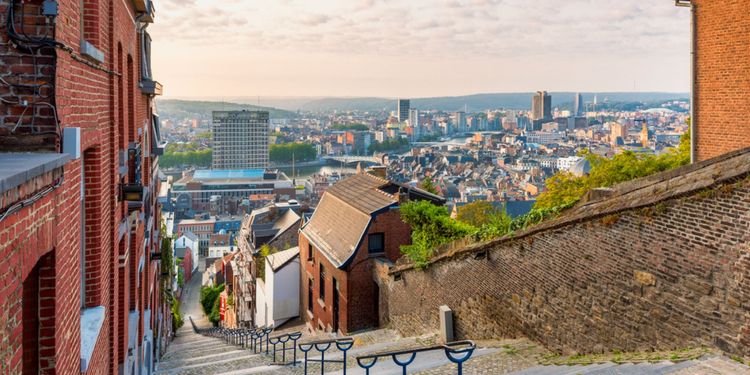
At the crossroads of Wallonia, Liège burns with a warm, popular energy. Its lively markets, generous gastronomy and architecture blending Gothic and industrial styles make it a destination in its own right for any traveller curious about French-speaking Belgium.
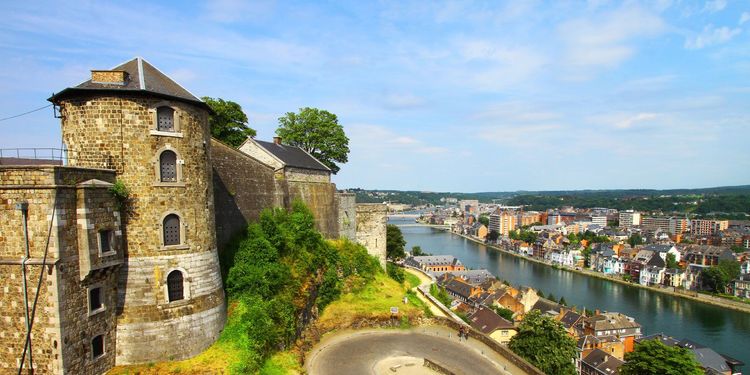
Perched at the confluence of the Meuse and the Sambre, Namur unfolds its imposing citadel across the city's heights. With Ryo, set out to discover a regional capital that stands the test of time, between its fortified heritage and the gentle Walloon art of living.
Beyond the cities, Belgium offers a diversity of landscapes well worth exploring freely. The Ardennes spread their dense forests and deep valleys, ideal for a nature escape far from the urban hustle. The North Sea coast stretches its long sandy beaches, dotted with seaside resorts with a Belle Époque charm such as Ostend. The flat, verdant interior of Flanders lends itself beautifully to cycle tourism, with its polders, windmills and quiet villages connected by well-developed cycle paths. In Wallonia, the bocage countryside and grey-stone villages invite you to slow down and take in a scenic route.
Belgium can be visited year-round, with each season bringing its own atmosphere. Spring and autumn generally offer pleasant temperatures and soft light, ideal for strolling through cities or hiking in the Ardennes. Summer draws travellers to the coast and open-air festivals. Winter, for its part, transforms historic city centres into enchanting Christmas markets, particularly magical in Bruges and Liège.
Belgium is one of Europe's most accessible countries for independent travellers. The dense rail network connects major cities quickly and comfortably, while urban public transport makes it easy to explore each city centre without a car. The bicycle is an ideal alternative in Flanders, where cycling infrastructure is particularly well developed. To reach the rural areas of the Ardennes or the Hautes Fagnes, a car remains the most flexible option.
Spring, from March to May, and autumn, from September to November, are generally the most popular periods for visiting Belgium. Temperatures are mild, tourist crowds are moderate, and the light is particularly suited to exploring Flemish and Walloon cities. Winter appeals to lovers of Christmas markets, while summer remains ideal for enjoying the coast.
A week-long stay allows you to discover Belgium's main cities as well as one or two natural regions. A long weekend is enough to explore a city like Brussels or Bruges in depth. To travel the entire country, from the Ardennes to the coast and through the major Flemish cities, plan for around two weeks to travel at a leisurely pace.
The most iconic cities not to be missed are Brussels, Bruges, Antwerp and Ghent on the Flemish side, as well as Liège and Namur on the Walloon side. Each has a strong identity, distinctive architecture and a vibrant cultural scene. Ryo offers audio-guided tours in each of these destinations so you can explore them at your own pace.
The train is the most practical mode of transport for travelling between Belgium's major cities. Services are frequent and journey times relatively short, making it easy to combine several destinations in a short space of time. Within cities, trams, buses and bicycles effectively complement your travel. For rural areas, a car offers greater freedom.
Belgian cuisine is one of the most flavourful in Europe. Moules-frites, crispy waffles, artisan chocolate and abbey beers are among the must-tries. Every region has its own specialities: Liège black pudding, Flemish speculoos biscuits, or the pâté gaumais from Wallonia. Local markets and craft breweries are the best places to discover them.
Absolutely. Belgium is a country particularly well suited to travellers who love to explore independently. Transport infrastructure is reliable, cities are compact and easily navigable on foot or by bike, and cultural sites are accessible without a guide. Ryo's audio-guided tours are designed precisely with this in mind: giving you the depth of a cultural discovery, at your own tempo, with no group constraints or fixed schedules.