



Créé par Romane, le 4 oct. 2026
Votre guide Ryo
Ghent, Belgium
Flanders' best-kept secret
Parcours audioguidé pour visiter Ghent en 1 jour
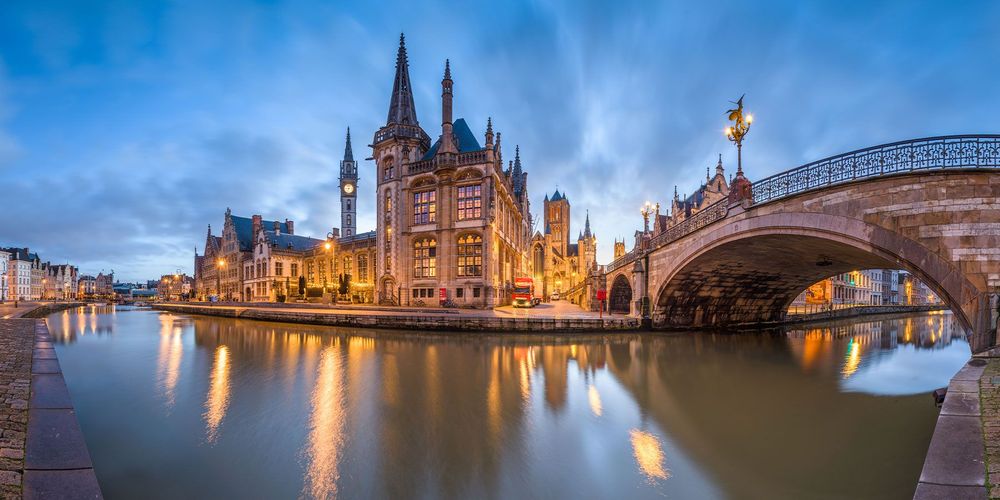
This tour of Ghent’s historic center invites you to wander through a fairytale setting, featuring majestic guild houses, imposing fortresses, and cobblestone streets along romantic canals. Throughout the route, discover the heritage of the Flemish cloth merchants, the richness of mystical art, and the vibrant landmarks where medieval history meets bold modernity. A simple and immersive way to explore the authentic heart of Ghent at your own pace.
Quand partir à Ghent ?
Jan.
3°
12
Feb.
4°
10
March
7°
11
April
10°
9
May
14°
10
June
17°
10
July
19°
10
Aug.
19°
10
Sept.
16°
10
Oct.
12°
11
Nov.
7°
13
Dec.
4°
13
Ghent has a warm temperate climate, with an average annual temperature of around 11°C. January and February are the coldest months, with lows around 3°C. The warmest temperatures are in July and August, when highs typically reach around 23°C. Rain is most common from May to August and again in December. To make the most of your visit, the best time to plan your stay is between May and September—but there may also be a few showers!
Départ conseillé
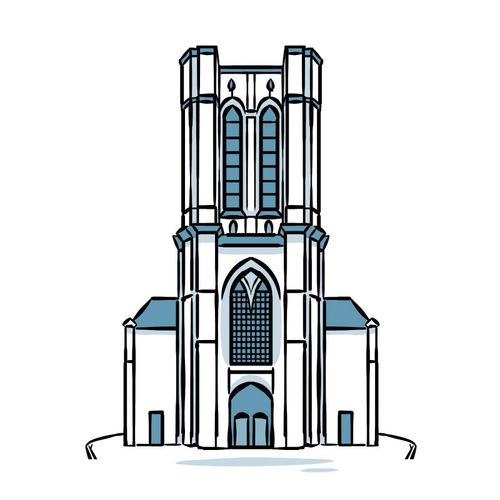
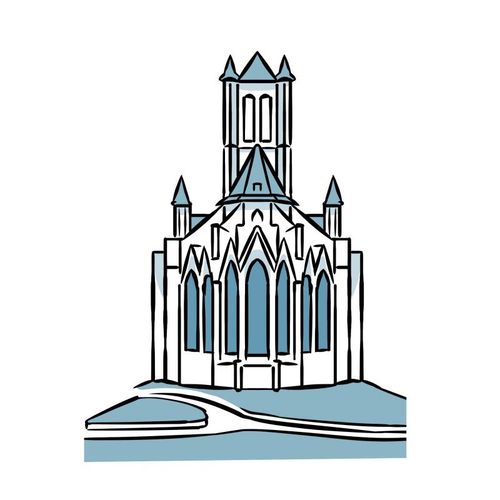
No need to worry about where to begin! Our tours are designed as a loop, so you can jump in wherever you are. The navigation system and audioguide will automatically adjust to your location. However, if you happen to be nearby, we do have a preferred starting point: : Opposite Saint Michael’s Church
Parking à proximité
Parking Sint-Michiels : Sint-Michielsplein 8
With the largest pedestrian zone in all of Flanders, Ghent rolls out the red carpet for cyclists and pedestrians. For drivers, things get a little more complicated. In its effort to promote a healthy and eco-friendly urban environment, the city has implemented a Low Emission Zone (LEZ). This zone covers the area within the city’s urban ring road—that is, the central core of Ghent, and in some places slightly beyond it. Access and traffic conditions are strict, so your vehicle needs to meet two criteria: it must use an eligible type of fuel and comply with the Euro emissions standard. The most polluting petrol and diesel vehicles are simply not allowed. If your car is permitted but doesn’t have a Belgian or Dutch number plate, you’ll need to register it online via the city’s official website. Finding a parking spot in Ghent is already a challenge, so you definitely won't find one that’s free and near all the main attractions. Between on-street spaces and public car parks, the latter will be cheaper and simpler when it comes to local regulations. If you’re really determined to avoid paying, you’ll find nine P+R (Park and Ride) options on the outskirts of Ghent. These car parks let you leave your vehicle for free and then reach the city centre easily by tram, bus, or shared transport.
À savoir
Ghent offers a range of benefits and discounts on transport and attractions through the Ghent City Card. It’s a great way to explore the city at your own pace while taking advantage of the many deals included.
Découvrez 20 lieux d'intérêt pour visiter Ghent

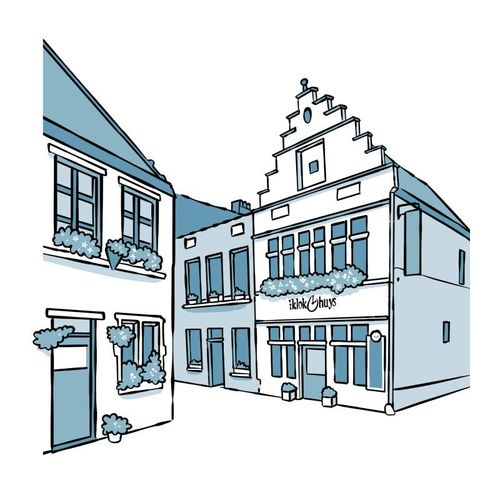
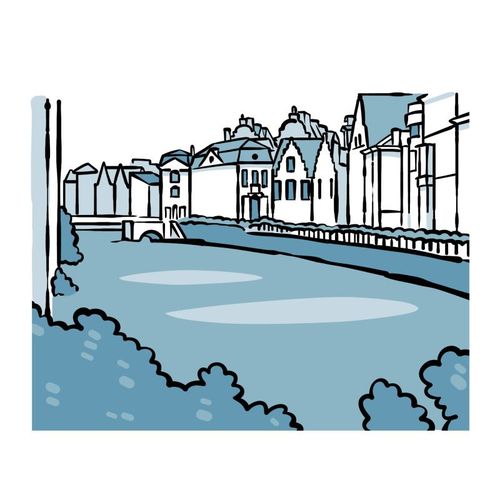
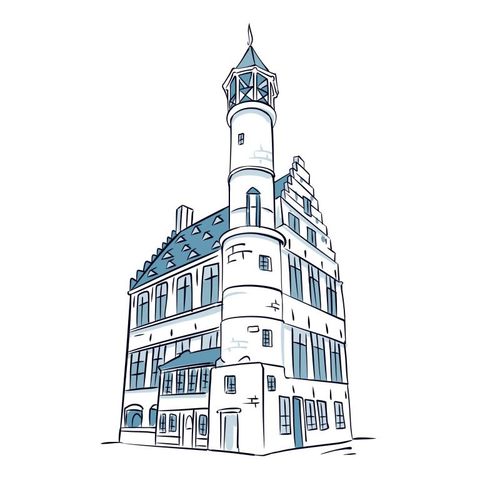
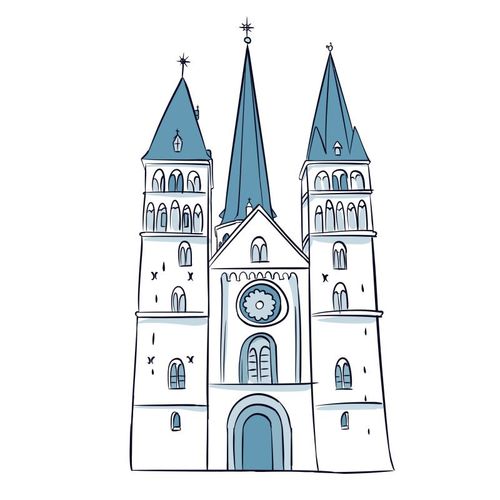

Le plein d'inspirations
Explorez le monde en totale liberté, à pied au cœur des villes ou au fil des routes. Nos guides audios transforment chaque destination en une découverte culturelle immersive et unique.
FAQ for visiting Ghent
When is the best time to visit Ghent?
The ideal time to discover Ghent runs from May to September, when temperatures hover pleasantly between 15 and 23°C. Spring and summer offer longer days to explore the city and enjoy the terraces along the canals. Bear in mind, however, that these months can see a few showers, so it's wise to pack an umbrella. Autumn is also a lovely season, with its golden colours that enhance the medieval architecture. Winter, cooler with temperatures around 3°C, has its own special charm, particularly during the Christmas markets that light up the city.
How many days do you need to visit Ghent?
Two to three days is the ideal length of stay to fully appreciate Ghent. A full day lets you cover the historic centre and admire the main monuments such as the Castle of the Counts and Saint Bavo's Cathedral. With an extra day, you can explore the more outlying neighbourhoods, visit a few museums and take the time to savour the city's unique atmosphere. If you have three days, you'll have the chance to discover Ghent in greater depth, take a boat trip along the canals and soak up the local pace of life in the traditional cafés and restaurants.
How do you get to Ghent from France?
Ghent is easily accessible from France thanks to its strategic position in Belgium. By train, allow about an hour from Lille with frequent direct connections, and three hours from Paris, generally with a change in Brussels. By car, the A22/E17 motorway links Lille directly to Ghent in under an hour. From Paris, take the A1 then the A22; the journey takes about three hours. International buses also offer economical trips from several French cities. Once you arrive, Ghent-Sint-Pieters station is just a few minutes by tram from the historic centre, making your arrival very convenient.
How do you get around Ghent's centre?
Ghent's historic centre is best explored on foot thanks to its human scale and its many pedestrian zones. Most of the major attractions lie within a twenty-minute walk of one another. The tram and bus network is very efficient for reaching the more distant neighbourhoods or the station. Many Ghent residents get around by bicycle, and you'll easily find rentals to adopt this local mode of transport. Cars are not recommended in the city centre due to traffic restrictions and limited parking. For an authentic experience, favour walking, which will let you discover the city's hidden charms.
What are the must-sees in Ghent?
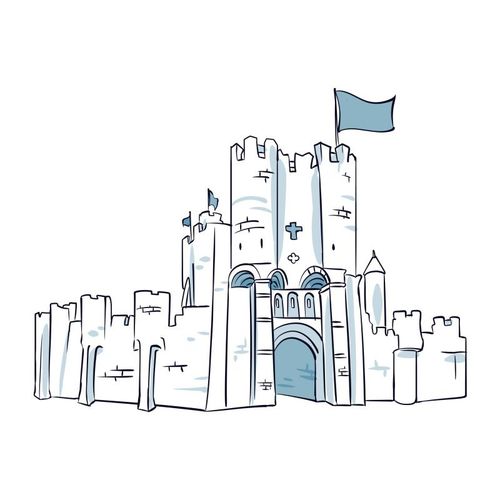
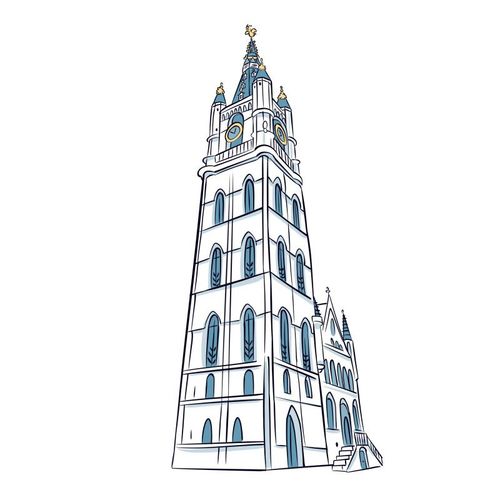
Ghent is brimming with architectural and historical treasures not to be missed. The Castle of the Counts, an imposing medieval fortress, offers a dive into the city's turbulent history. Saint Bavo's Cathedral houses the famous Ghent Altarpiece, a masterpiece of Flemish art. The belfry and its dragon have watched over the city for centuries. The quays of the Lys, Graslei and Korenlei, line up their perfectly preserved guild façades. The Ryo audioguide accompanies you in discovering these marvels with captivating commentary that reveals the secrets and anecdotes of each iconic site in Ghent.
Can you explore Ghent by bike?
Absolutely, Ghent is a city particularly well suited to cycling with its many safe bike lanes and its flat terrain. The people of Ghent themselves favour this mode of transport in their daily lives. You'll find several rental points in the city centre offering classic or electric bikes by the day. Cycling lets you easily explore the neighbourhoods further from the historic centre and pleasantly follow the canals. Watch out, though, for the pedestrian zones of the historic heart, where you'll need to dismount. Free and secure bike parking is available throughout the city for your sightseeing stops.
What are the typical dishes to eat in Ghent?
Ghent's cuisine reflects the richness of the Flemish culinary tradition. Waterzooi, the city's emblematic dish, is a creamy stew of chicken or fish served with vegetables. Cuberdons, conical purple sweets with a syrupy centre, are an essential local treat sold in the markets. Don't miss the Ghent waffles, softer than their Brussels cousins. Beer lovers will be delighted by the local breweries offering craft varieties. For something sweet, try the mastel, traditional pretzel-shaped brioches. The restaurants of the historic centre serve these specialities in a warm, typically Flemish atmosphere.
What language do people speak in Ghent?
In Ghent, Dutch is the official language, more precisely Flemish, which is a regional variant. However, you won't have any difficulty communicating in French or English, as most people in Ghent have a perfect command of both languages, particularly in the tourist areas, restaurants and hotels. Younger generations often speak English fluently thanks to the significant university presence. In museums and tourist attractions, information is generally available in several languages. The people of Ghent always appreciate visitors who make the effort to try a few words in Dutch; a simple 'dank u wel' (thank you) will be greeted with a smile.
Why is Ghent worth a weekend trip?
Ghent combines a remarkably compact medieval centre with a student life that keeps it from feeling like an open-air museum. In two days you can take in the Castle of the Counts, the Graslei and Korenlei quays lined with guild houses, Saint Bavo's Cathedral and the belfry, while still leaving time for terraces, chip shops and a food scene strongly geared towards plant-based cooking. The centre is almost entirely pedestrian and can be crossed on foot in about twenty minutes, which makes for a restful stay. The city is also less crowded than other Flemish gems. The Ryo audio guide offers a dedicated walking route through Ghent that links these stops in a logical order.
Where can you see the Van Eyck brothers' Ghent Altarpiece?
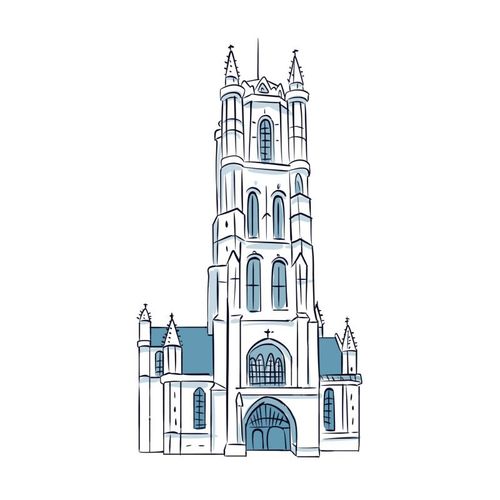
The Adoration of the Mystic Lamb, completed by Hubert and Jan van Eyck in the fifteenth century, is kept in Saint Bavo's Cathedral, in the heart of the historic centre. It is displayed in a dedicated, protected and climate-controlled space, where you can see the panels painted on both sides after an introduction to its turbulent history: thefts, dismantling and long restoration campaigns that revealed unsuspected colours beneath later overpainting. The work is regarded as a milestone of Flemish painting and deserves a proper visit rather than a quick look. As it gets busy in high season, an early start gives you more time in front of the panels.
Vos commentaires, idées et suggestions
Aucun avis pour le moment