
Créé par Emilie, le 4 oct. 2026
Votre guide Ryo
Brussels, Belgium
The Beating Heart of Europe
Parcours audioguidé pour visiter Brussels en 1 jour
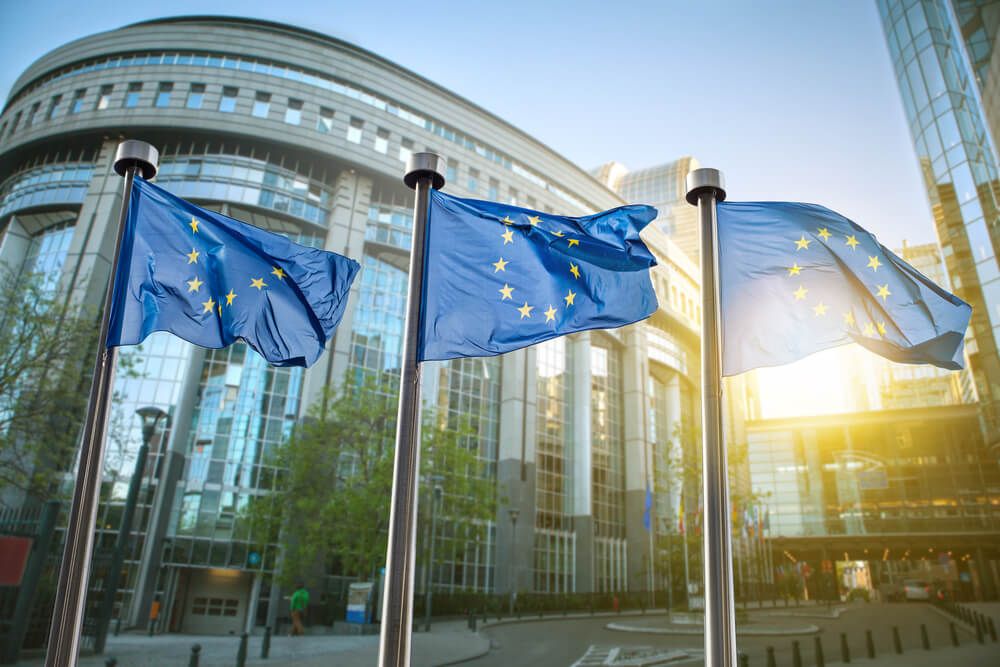
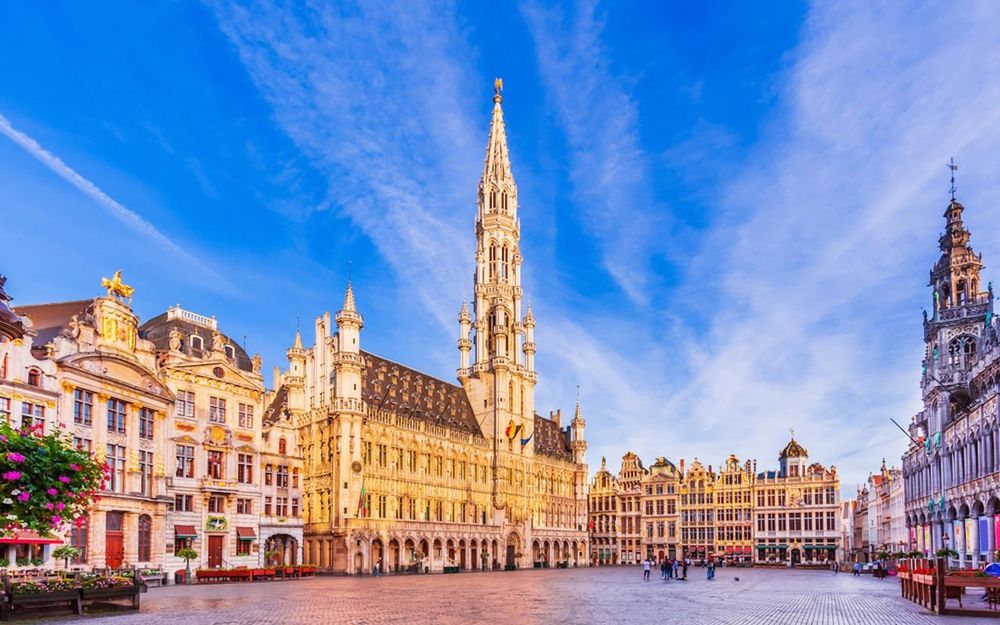
Discovering Brussels means stepping into a capital on a human scale, where historic elegance meets a confident streak of contemporary creativity. From the UNESCO-listed Grand Place to the refined arcades of the Royal Saint-Hubert Galleries, with detours through arty neighborhoods and the European institutions, the city is easy to explore on foot. Along the way, you move effortlessly between world-class museums, Art Nouveau façades, indulgent chocolate stops, and tastings of craft beers, all wrapped in a warm, cosmopolitan atmosphere. Brussels wins you over with its authenticity, its easygoing spirit, and a way of life that feels both understated and elegantly refined.
Quand partir à Brussels ?
Jan.
5°
14
Feb.
6°
13
March
9°
12
April
12°
12
May
16°
13
June
18°
14
July
20°
14
Aug.
20°
13
Sept.
18°
12
Oct.
14°
14
Nov.
9°
14
Dec.
6°
14
The climate in Brussels is oceanic, with cool winters, generally between 2 and 8°C, often marked by regular humidity, and mild to moderately warm summers, most often ranging from 20 to 26°C, with a few possible hotter spells; the best times to visit are typically from April to June and then from September to October, when temperatures are pleasant, the parks are lush and green, and conditions are ideal for enjoying the city and its neighborhoods without the crowds of the peak summer season.
Départ conseillé
No need to worry about where to begin! Our tours are designed as a loop, so you can jump in wherever you are. The navigation system and audioguide will automatically adjust to your location. However, if you happen to be nearby, we do have a preferred starting point: Grand Place
Parking à proximité
Parking Grand Place, 104 rue du marché aux herbes
Like any other big city, you'll have to pay for parking, which isn't great. In Brussels, you'll find different colour zones depending on streets.
The red zone, in the city centre, is made to limit traffic flow. Therefore, you can only park there for two hours and prices are more expensive. As for orange and blue zones, you can park for two hours. Grey zones allow parking for 4h30. And finally, the green zone is free and has no time limits.
À savoir
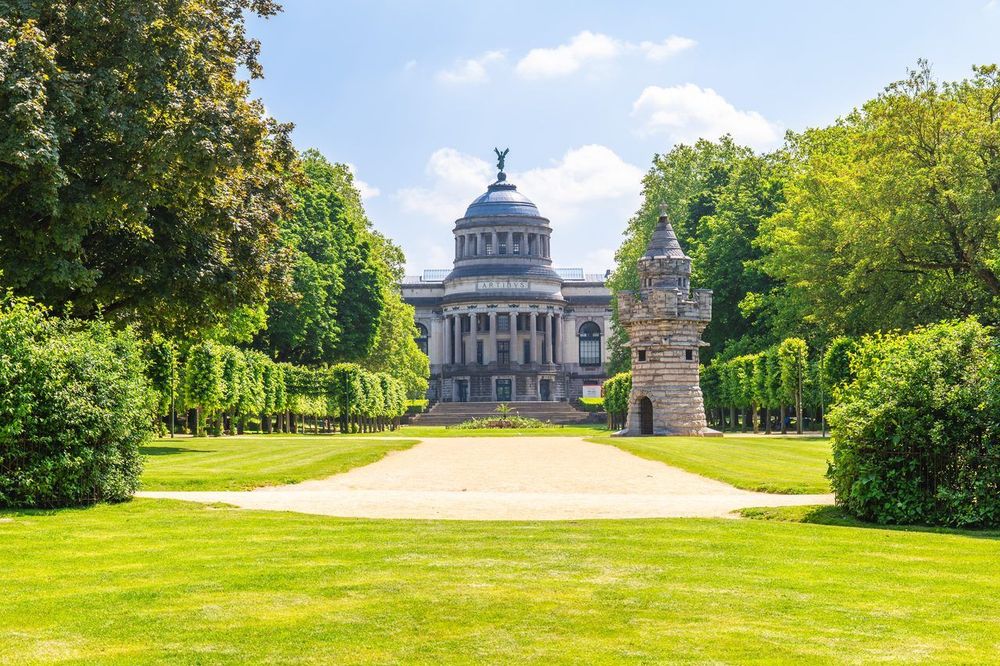
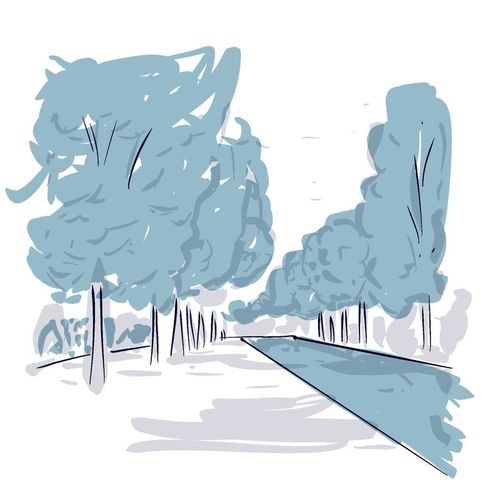
Beware, this tour takes you through Brussels Park. It closes at 9pm, so make sure to come at the right time. Otherwise, you can still skirt around the park all while staying on Rue Royale.
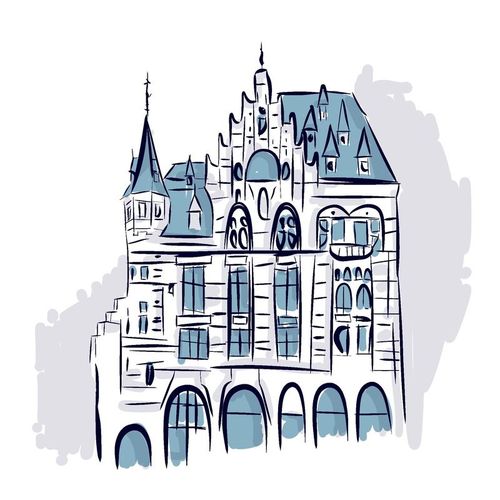
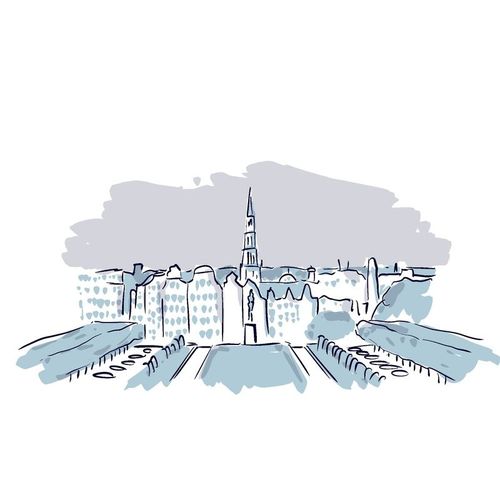
Découvrez 26 lieux d'intérêt pour visiter Brussels


Le plein d'inspirations
Explorez le monde en totale liberté, à pied au cœur des villes ou au fil des routes. Nos guides audios transforment chaque destination en une découverte culturelle immersive et unique.
FAQ for visiting Brussels
How many days do you need to visit Brussels?
Two to three days are generally enough to discover the essentials of Brussels. Over a long weekend, you'll have time to explore the Grand-Place and its surroundings, wander through the royal galleries, visit one or two major museums and soak up the atmosphere of the different neighbourhoods. If you want to deepen your discovery with the royal museums, the European quarter and the Art Nouveau areas, four days will allow a more relaxed pace. The advantage of Brussels is its human scale: the main sights are within walking distance, which makes it easy to organise your days without wasting time on transport.
When is the best time to visit Brussels?
The months from April to June and then September to October are the ideal times to discover Brussels. During these months, temperatures are pleasant for walking around the city, the parks show off their finest colours and you avoid the summer crowds. Spring offers a city in bloom with lengthening days, while autumn charms with its golden hues and mild atmosphere. Summer remains pleasant, with temperatures generally between twenty and twenty-six degrees, even if July and August can be busier. Winter, cooler and wetter, keeps its charm with the Christmas markets and the warm atmosphere of the cafes, but pack suitable clothing.
How do you get to the city centre from Brussels airport?
The train remains the most convenient and economical way to reach the centre of Brussels from the airport. Direct trains leave roughly every fifteen to twenty minutes and drop you in about twenty minutes at the main stations such as Brussels-Central, ideally located near the Grand-Place. The De Lijn buses offer an alternative to various points in the city, notably the Gare du Nord. Taxis and ride-hailing services are available but generally more expensive; allow about thirty to forty-five minutes depending on traffic. If you arrive at Charleroi airport, which is further away, regular shuttles provide the link to Brussels-Midi in about an hour.
What are the absolute must-sees in Brussels?
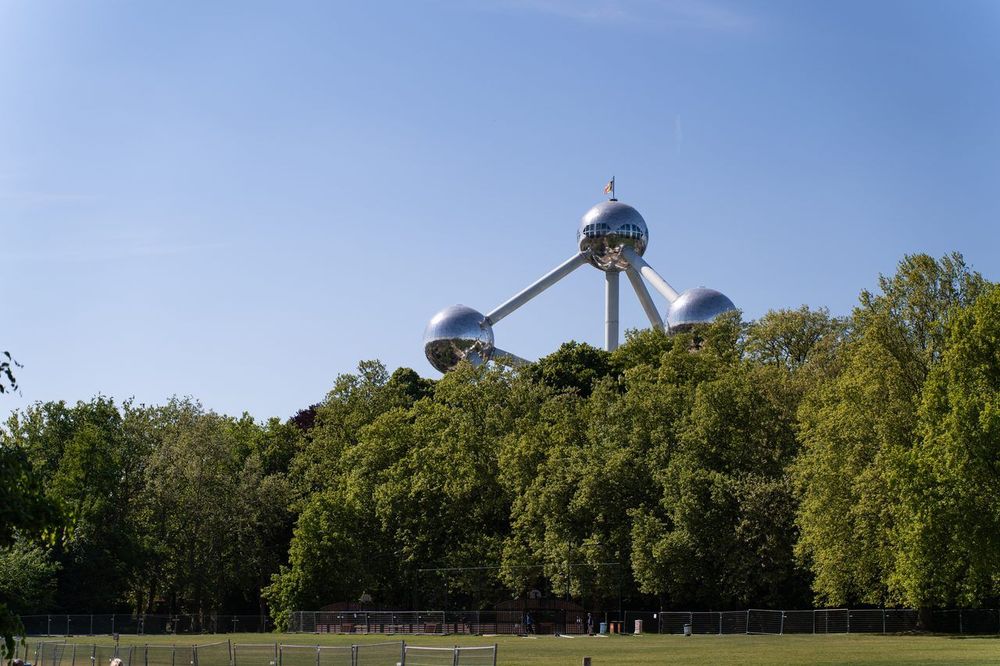
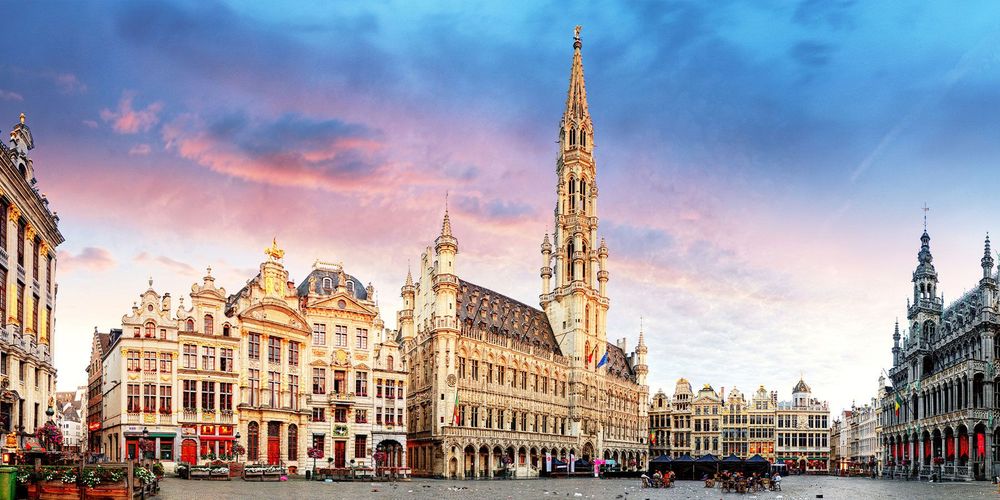
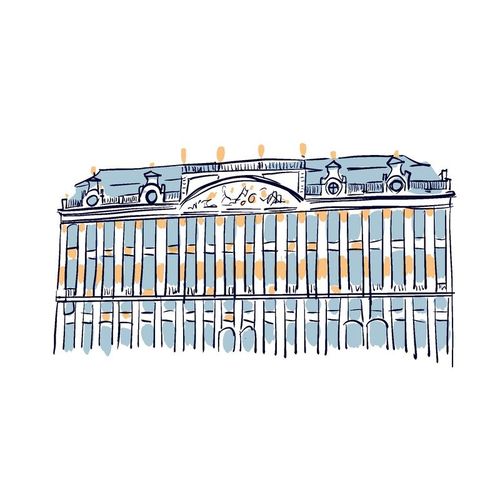
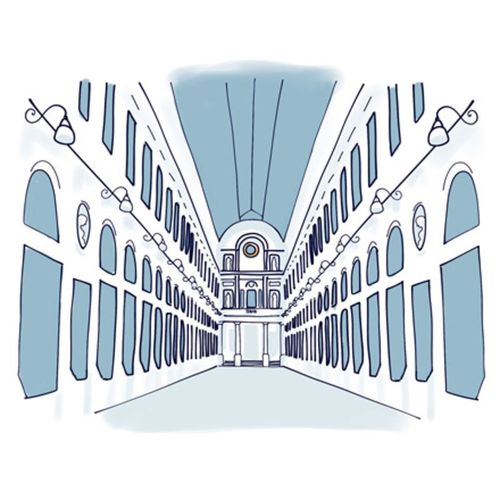
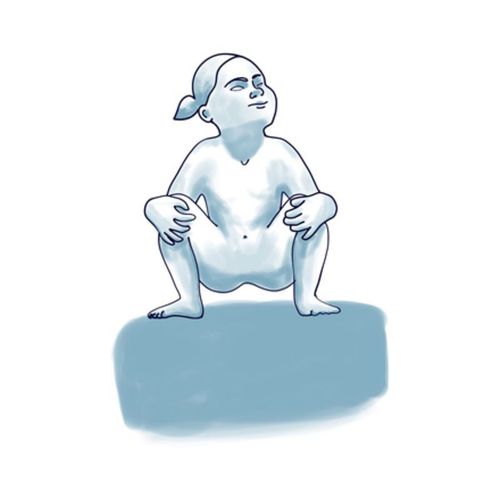
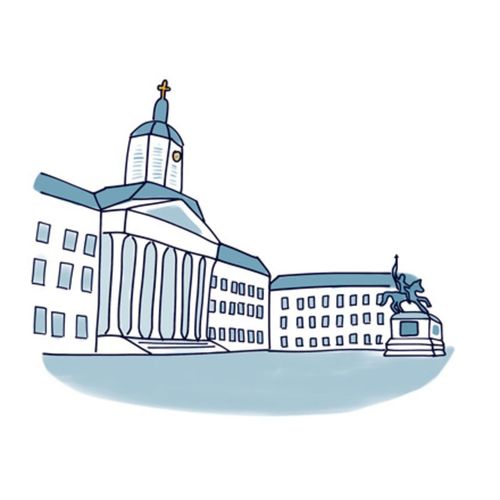
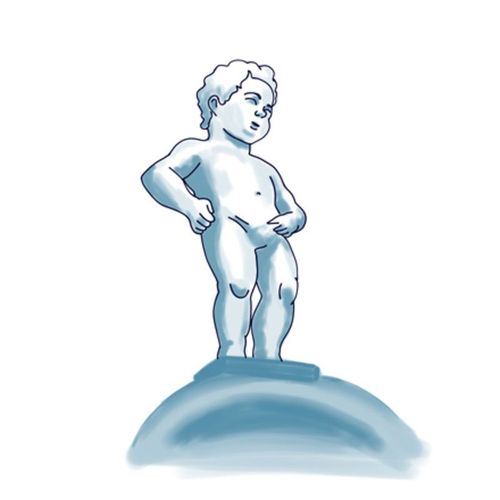
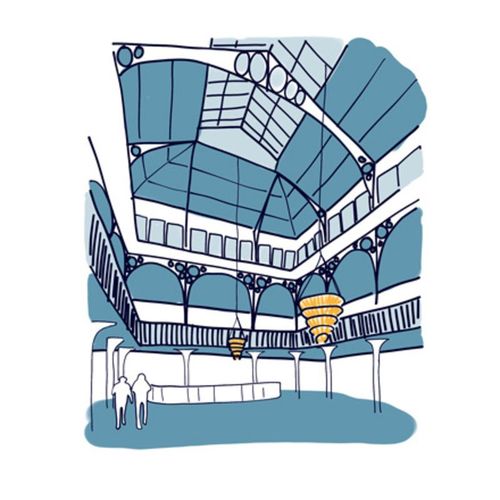
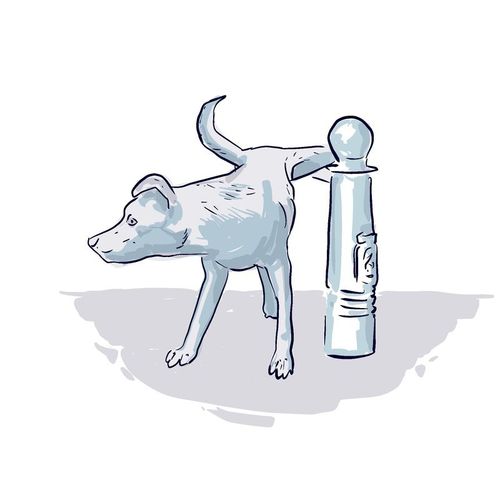
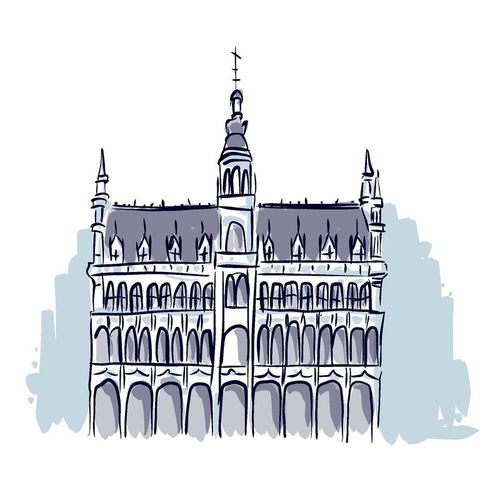
The Grand-Place is the essential historic heart with its gilded facades and the Gothic Town Hall. The Saint-Hubert royal galleries will charm you with their nineteenth-century elegance, while the Manneken-Pis remains an emblematic curiosity. Don't miss the Royal Museums of Fine Arts for Flemish art, the Sablon district with its antique dealers and chocolatiers, and the Atomium, the city's modernist symbol. Art Nouveau enthusiasts will appreciate the facades by Victor Horta. For a guided, commented discovery of these wonders, the Ryo audioguide offers themed routes that reveal the history and secrets of each place while helping you find your way easily around the city.
How do you get around Brussels (public transport, bike)?
Brussels has an efficient transport network combining metro, tram and bus operated by STIB. A single ticket lets you combine these modes for about an hour. The metro quickly serves the main districts, while the trams offer picturesque above-ground journeys. For more flexibility, the Villo! self-service bikes are handy for short distances, with stations well spread across the city. However, the historic centre is best explored on foot: most of the major attractions are concentrated within a walkable area. On weekends, some areas become pedestrian, making the walk even more pleasant. Consider day or multi-day transport passes depending on the length of your stay.
What do you eat in Brussels and what are the local specialities?
Brussels cuisine will delight you with its moules-frites served in countless ways, from the classic white wine version to more creative preparations. Waffles come in the Liège style, denser and sweeter, or the Brussels style, lighter and rectangular. Don't miss the Belgian pralines and artisanal chocolate, true local institutions. Carbonade flamande, simmered in beer, and waterzooi, a creamy chicken or fish stew, represent comforting traditional cuisine. As for drinks, craft beers reign supreme with hundreds of varieties to discover in the typical estaminets. Fries, sold in neighbourhood friteries, are enjoyed with a multitude of sauces to choose from.
Which neighbourhood should you stay in Brussels?
The historic centre around the Grand-Place remains the preferred choice for a first stay, placing you in the heart of the main attractions. The Sainte-Catherine district, a converted former port, appeals with its bohemian atmosphere, its fish restaurants and its lively nightlife. For more peace and elegance, the Sablon offers refined accommodation near the antique dealers and chocolatiers. Ixelles attracts a younger crowd with its trendy bars and multicultural atmosphere around Place Flagey. Saint-Gilles suits travellers looking for an authentic and affordable neighbourhood. Each area has its own character, but the efficient transport makes it easy to get around. Just avoid the immediate surroundings of the Gare du Midi in the evening.
What languages are spoken in Brussels?
Brussels is officially bilingual French-Dutch, but in practice you'll mostly hear French in the streets and shops of the centre. Most Brussels residents speak both official languages fluently, and English is very widespread, particularly in the tourist areas and the European quarter. This linguistic diversity reflects the cosmopolitan character of the Belgian capital, which is home to many expatriates. Signs and official information systematically appear in both languages. For your everyday interactions, French will let you communicate easily, but don't hesitate to ask in English if needed. This linguistic openness greatly eases the lives of visitors and contributes to the city's welcoming atmosphere.
Where can you discover comics and street art in Brussels?
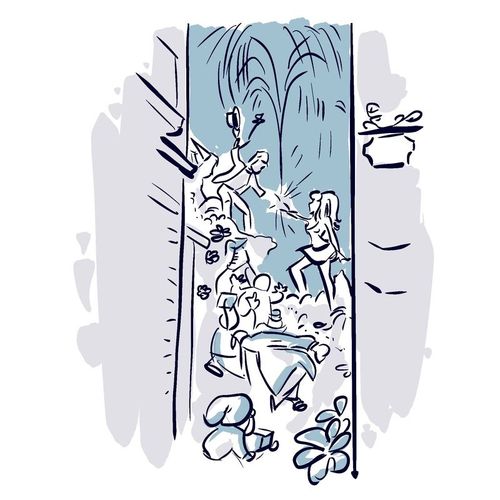
Brussels is the capital of the comic strip, and you can see it in its streets. A trail of giant painted walls, scattered from the centre down to the Marolles, stages Tintin, Le Chat, Blake and Mortimer or Broussaille on the side of a blind gable; it is easy to follow on foot and punctuates a day of sightseeing very pleasantly.
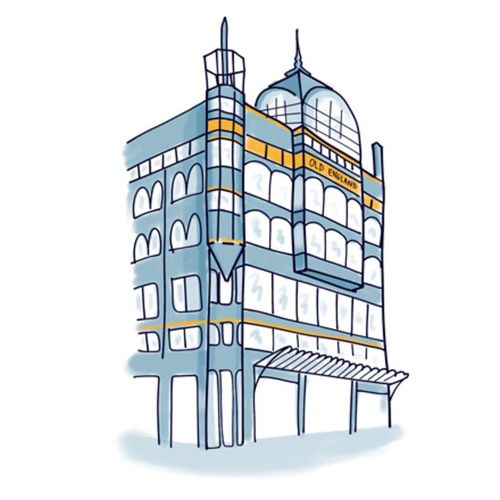
The Belgian Comic Strip Centre, housed in a former Art Nouveau department store designed by Victor Horta, retraces the history of the ninth art and shows original plates and temporary exhibitions. The Marolles add a more contemporary layer of street art, around the Place du Jeu de Balle and the surrounding streets. The Ryo audio guide offers a dedicated Brussels route that takes in these façades.
Where can you admire Art Nouveau in Brussels?
Brussels saw the birth of Art Nouveau at the end of the nineteenth century, driven by Victor Horta, and the city still holds an exceptional heritage from it. The Horta Museum, set in the architect's house and studio in Saint-Gilles, is the best introduction: a stairwell bathed in light, plant-like ironwork, stained glass and furniture designed down to the smallest detail. Around it, the districts of Saint-Gilles and Ixelles, especially near the ponds, line up sinuous façades, sgraffito panels and bow windows that you discover simply by looking up as you walk. Several private houses open to visitors occasionally, while the Fin-de-Siècle Museum extends the visit into decorative arts and symbolist painting.
Vos commentaires, idées et suggestions
Aucun avis pour le moment