
Créé par Emilie, le 4 oct. 2026
Votre guide Ryo
Bruges, Belgium
A Gentle Journey into Flanders
Parcours audioguidé pour visiter Bruges en 1 jour
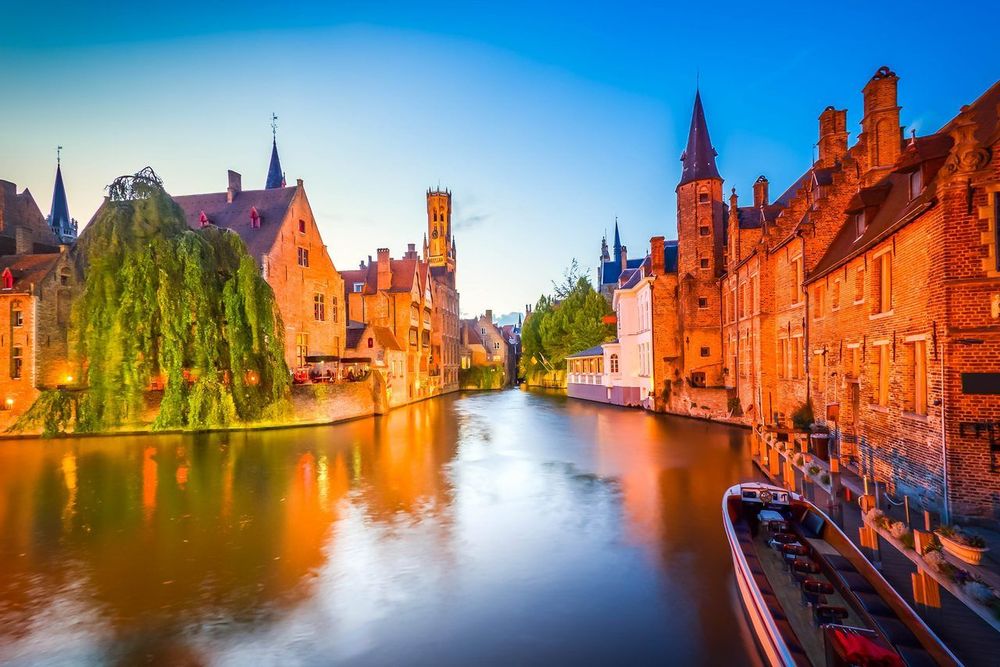
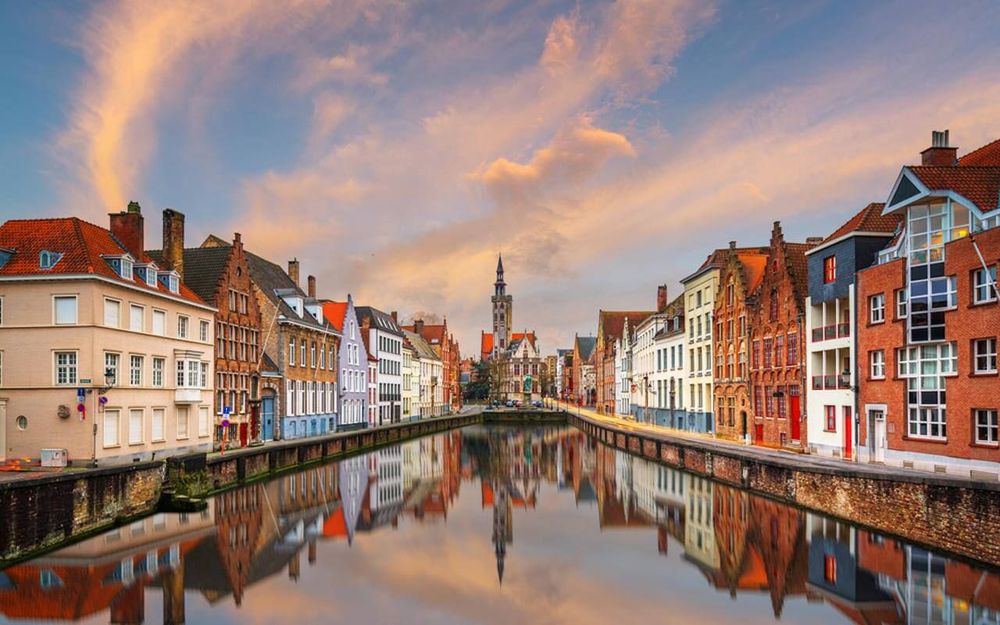
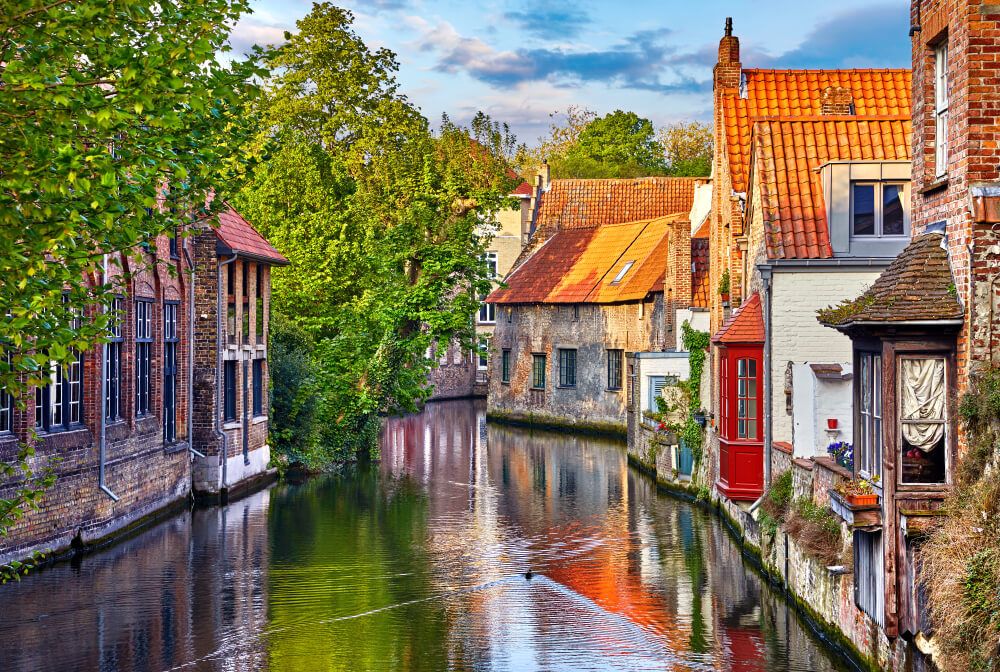
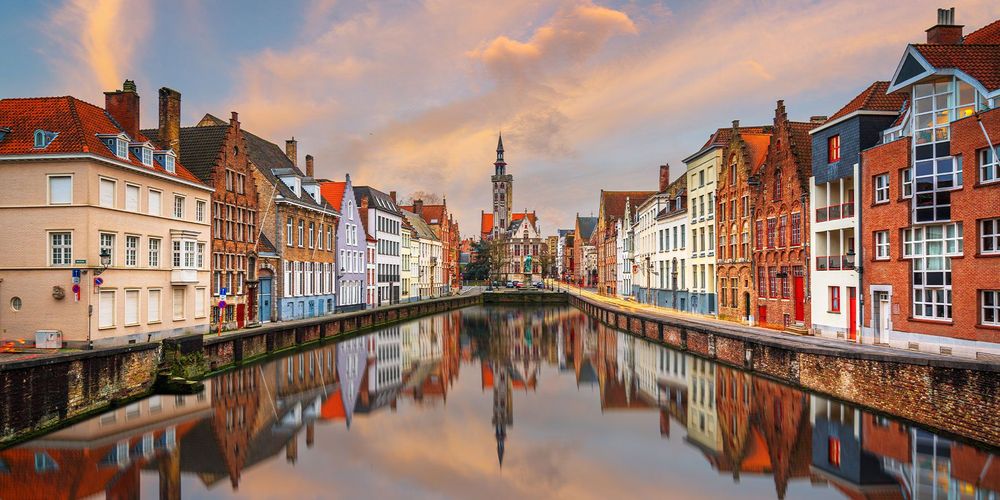
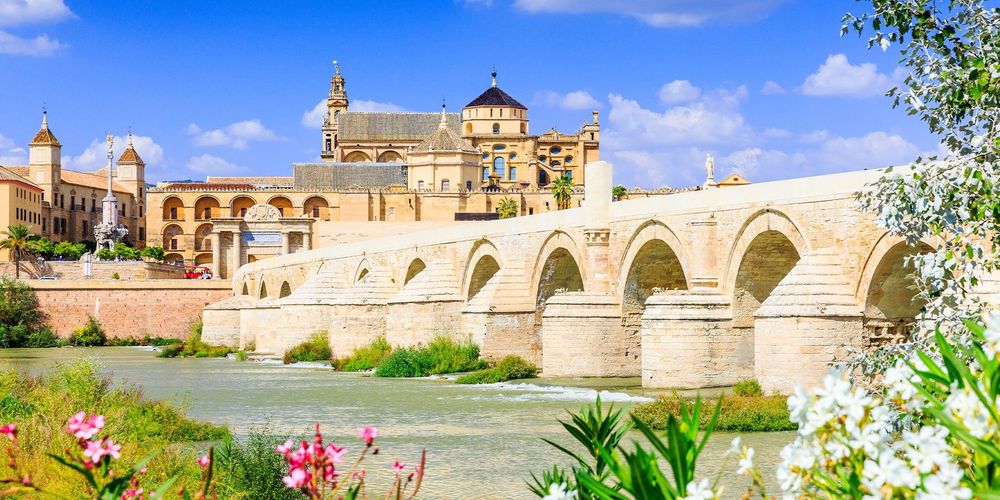
Strolling through Bruges is like stepping into a medieval postcard. The cobbled streets, gabled houses, and tranquil canals create a romantic setting where every corner seems frozen in time. On foot, you can easily discover historic squares, ancient churches, and small artisan shops before enjoying a delicious break with Belgian chocolate or a local beer in a warm and inviting atmosphere.
Quand partir à Bruges ?
Jan.
6°
14
Feb.
7°
12
March
10°
12
April
13°
11
May
17°
12
June
20°
12
July
22°
12
Aug.
22°
12
Sept.
19°
11
Oct.
15°
13
Nov.
10°
14
Dec.
7°
15
Throughout the year, the average temperature in Bruges is around 11°C, due to its continental climate with cold winters and warm summers. January and February are the coldest months, with lows around 4°C. July and August are the warmest, with highs reaching 22°C or more. The rainiest months tend to be January, July, and the period from October to December. So it’s always wise to pack an umbrella and a waterproof jacket—just in case. If you’re hoping for better weather, the best time to plan your trip is between April and October, even if the occasional shower might still surprise you.
Départ conseillé
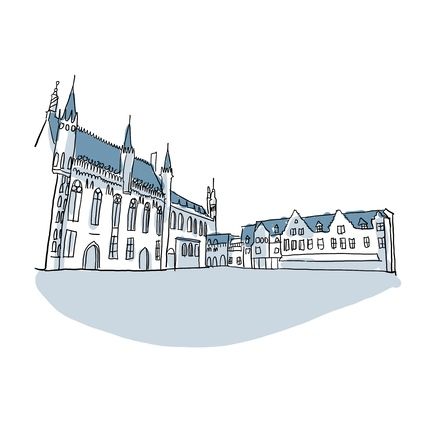
No need to worry about where to begin! Our tours are designed as a loop, so you can jump in wherever you are. The navigation system and audioguide will automatically adjust to your location. However, if you happen to be nearby, we do have a preferred starting point: Burg Square
Parking à proximité
10 Gevangenisstraat
In Bruges, street parking is limited and significantly more expensive than underground options. We recommend heading first to the following car parks near the city centre: Pandreitje and Biekorf. If you don’t mind using public transport or walking about 15 minutes, the car park next to the train station—Oesterparking—is the most affordable option.
À savoir
During our tour, you’ll pass through the Bruges Beguinage. To avoid any last-minute surprises, please note that the site has specific opening and closing hours. If it happens to be closed when you arrive, you’ll need to follow the alternative route below to rejoin the tour: Professor Dokter Joseph Sebrechtsstraat → Oostmeers Street → Zonnekemeers Street.
Like any top tourist destination, Bruges offers a range of benefits and discounts on transport and attractions through the Brugge City Card. It’s a great option if you want to explore the city at your own pace while making the most of the available deals.
Découvrez 23 lieux d'intérêt pour visiter Bruges


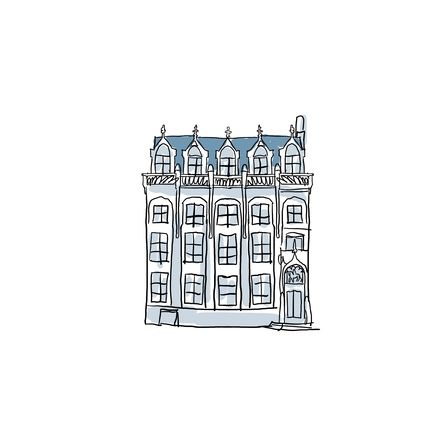
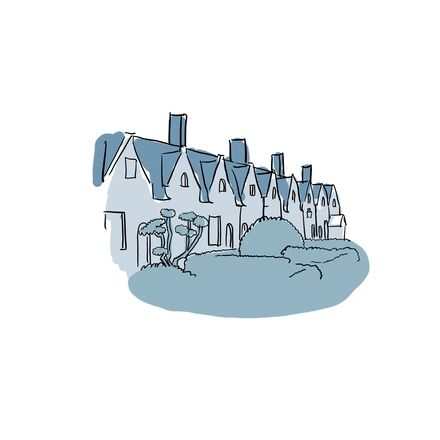
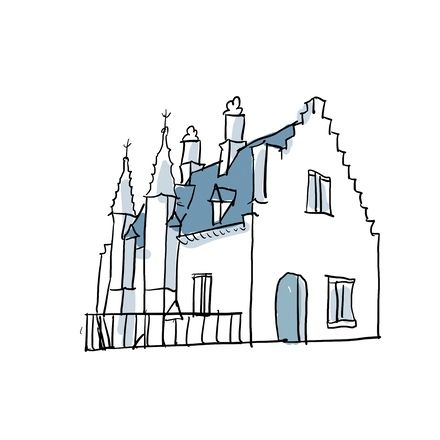

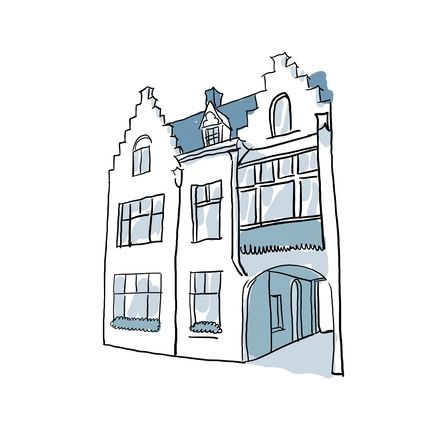
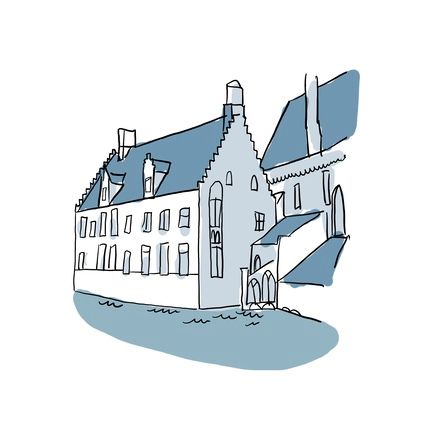
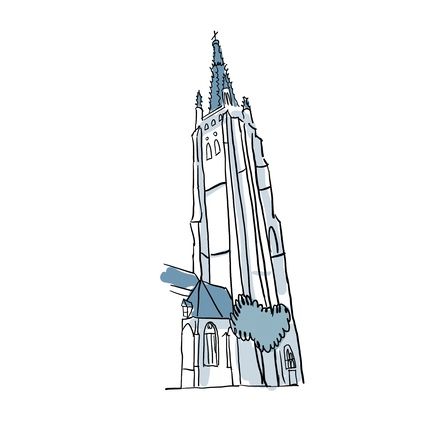
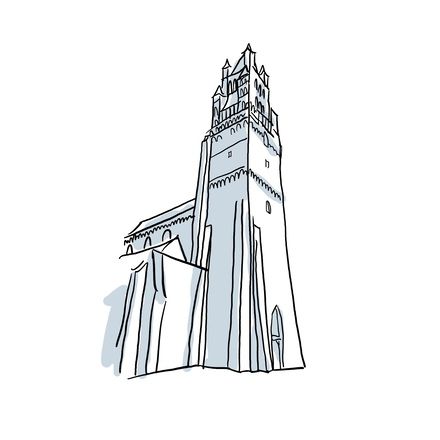
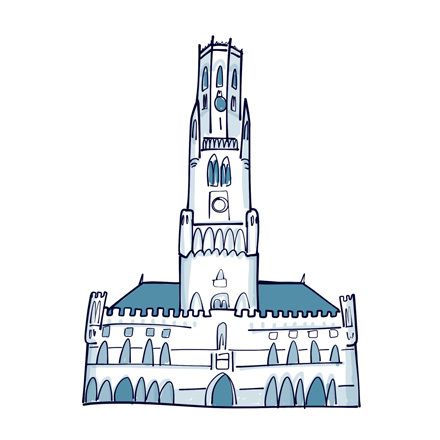


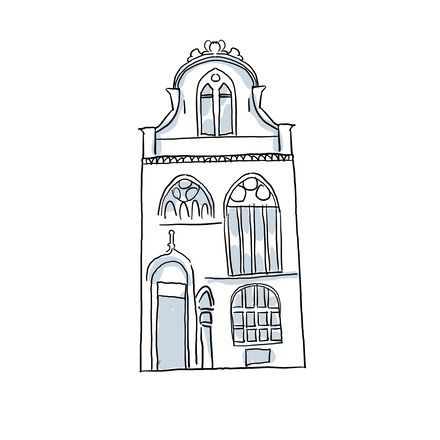
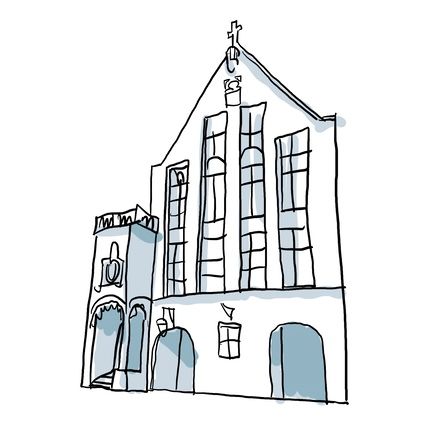
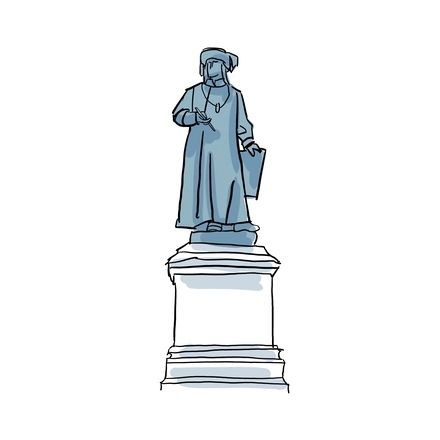

Le plein d'inspirations
Explorez le monde en totale liberté, à pied au cœur des villes ou au fil des routes. Nos guides audios transforment chaque destination en une découverte culturelle immersive et unique.





FAQ for visiting Bruges
When is the best time to visit Bruges?
The ideal time to discover Bruges runs from April to October, when temperatures are milder and allow you to fully enjoy strolls through the cobbled streets. The months of July and August offer the warmest days, with temperatures around 22°C, perfect for wandering along the canals. However, these summer months can also see a few showers, as can October and December. Spring and early autumn remain particularly pleasant, with fewer tourists and generally mild weather. Winter also has its charm with the city's cosy atmosphere and the Christmas markets, but pack warm clothing as temperatures drop to around 4°C.
How many days do you need to visit Bruges?
Two to three days is the ideal length of time to fully appreciate the unique atmosphere of Bruges. This gives you time to discover the main monuments, lose yourself in the charming medieval streets and enjoy a few gourmet breaks. In two days, you can visit the must-sees such as the Belfry, the Markt square and take a trip along the canals. A third day gives you the chance to explore the less touristy neighbourhoods, visit more museums or take an excursion to the surrounding area. Audio tours such as those offered by the Ryo app help you optimise your time by following well-designed itineraries that reveal the city's secrets.
How do you get around the historic centre of Bruges?
The historic centre of Bruges is compact and ideally explored on foot. The cobbled streets and the many pedestrian bridges make walking particularly pleasant and let you discover all the city's hidden charms. Cycling is an excellent alternative, very popular with locals, with many rental points available. Cars are strongly discouraged or even banned in certain areas of the city centre. For people with reduced mobility, horse-drawn carriages and a few electric shuttles operate on the main streets. Most tourist attractions are less than fifteen minutes' walk from one another, which makes getting around very easy.
Can you visit Bruges in a day?
A day in Bruges is still feasible for getting a first glimpse of this fairytale city, even if it means making some choices. You'll be able to discover the iconic sites such as the Grand-Place, the Belfry, the Basilica of the Holy Blood and take a short walk along the canals. A well-organised route will let you optimise your time and not miss any of the essentials. The Ryo audioguide offers precisely the kind of tours suited to one-day visitors, with commentary that enriches your discovery while respecting your pace. Nevertheless, plan to come back to fully savour the atmosphere of Bruges, visit the museums and soak up the local art of living without rushing.
Where can you park in Bruges?
Bruges has several public car parks located on the outskirts of the historic centre, which allows you to leave your car safely before exploring the city on foot. The most convenient car parks are near the station, at the Zand or at the Katelijne. Rates generally vary depending on proximity to the centre and length of stay. It's advisable to arrive early, especially in high season, as the spaces fill up quickly. Some hotels also offer their own parking, but check carefully when booking. Once parked, allow about ten to fifteen minutes' walk to reach the main attractions. Parking in the streets of the centre is very limited and often reserved for residents.
How much does a boat trip on the canals cost?
Boat trips on the canals of Bruges are a popular tourist activity whose prices generally remain affordable. Rates vary depending on the season, the length of the trip and the operator chosen, but stay within a reasonable range for an experience of around thirty minutes. The landing stages are found at several strategic points in the city centre, notably near the Belfry and the Church of Our Lady. The boats generally operate from March to October, with more extended hours in high season. This trip offers a unique perspective on the medieval façades and romantic bridges, even if some prefer to discover the city at their own pace by walking along the quays.
What are the absolute must-sees in Bruges?
Bruges is full of wonders that bear witness to its rich medieval past. The Belfry and its panoramic view, the majestic Grand-Place with its colourful façades, and the Basilica of the Holy Blood are among the iconic sites. Don't miss the Church of Our Lady, which houses a sculpture by Michelangelo, the peaceful beguinage with its little white houses, and the romantic canals lined with weeping willows. The Groeninge museum will delight lovers of Flemish art, while a tasting in an artisan chocolate shop remains a must. To discover these treasures in an enriching way, the Ryo audioguide accompanies you with fascinating commentary that reveals the history and hidden anecdotes behind each monument.
Do you need to book in advance to climb the Belfry?
Booking to climb the Belfry is strongly recommended, particularly during the high tourist season and at weekends. This iconic tower attracts many visitors eager to admire the spectacular view over Bruges from its eighty-three metres of height. Access is by limited groups for reasons of safety and comfort on the narrow staircase of three hundred and sixty-six steps. Without a reservation, you risk facing long queues, or even not being able to go up at all on certain very busy days. Booking online guarantees your time slot and lets you better organise your day of visiting. Be prepared with good physical fitness for the ascent, which remains demanding but is amply rewarded by the panorama.
Which museums should you visit in Bruges?
Bruges packs in an impressive artistic heritage for a town of its size. The Groeningemuseum holds the finest collection of Flemish Primitives, with works by Jan van Eyck and Hans Memling that would justify the trip on their own. The former Saint John's Hospital, housed in medieval buildings facing the Church of Our Lady, combines an old apothecary with painted altarpieces, while the church next door preserves a Madonna and Child carved by Michelangelo. The Gruuthusemuseum, in a patrician mansion beside a canal, tells six centuries of Bruges history, and lighter-hearted museums cover chocolate, chips or everyday medieval life. Two or three institutions are generally enough to fill a day without overload. The Ryo audio guide offers a dedicated Bruges route that links these places along the lanes.
Where can you taste chocolate and beer in Bruges?
Chocolate is part of Bruges' identity: praline windows follow one another through the centre, several craftsmen work in full view of visitors, and a museum retraces the story of cocoa all the way back to the civilisations of Central America. It pays to step away from the busiest streets and seek out the workshops in the side lanes, where quality is often at its best. As for beer, Belgium counts hundreds of breweries and the cafés of the old town offer impressive lists, from abbey blondes to spontaneously fermented ales, usually served in the glass belonging to each brewery. One family brewery is still in operation in the heart of the historic centre and can be visited. To go with all this, think of mussels, waterzooi and chips.
Vos commentaires, idées et suggestions
Aucun avis pour le moment