





Créé par Romane, le 4 oct. 2026
Votre guide Ryo
Antwerp, Belgium
The Sparkle of Flanders
Parcours audioguidé pour visiter Antwerp en 1 jour
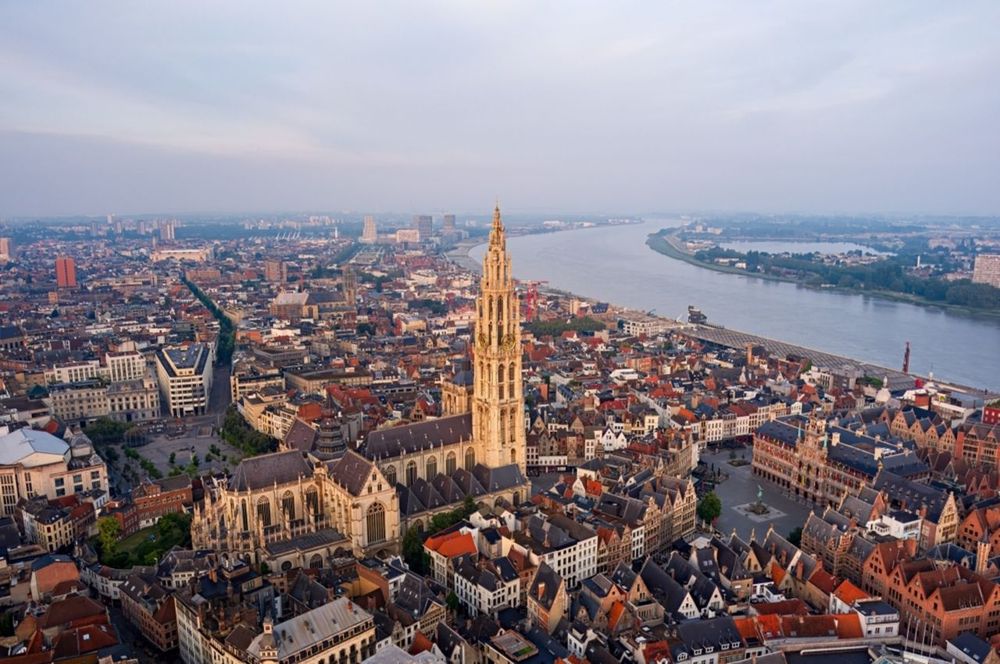
This tour of Antwerp’s historic center invites you to discover a bold city, featuring Renaissance palaces, soaring cathedrals, and the global brilliance of the Diamond District. Throughout the route, discover the legacy of the master Rubens, the grandeur of one of the world’s most beautiful railway stations, and the vibrant spots where medieval heritage meets the creative avant-garde of Belgian fashion. A simple and immersive way to explore the cosmopolitan heart of Antwerp at your own pace.
Quand partir à Antwerp ?
Jan.
3°
13
Feb.
4°
10
March
7°
11
April
10°
9
May
14°
10
June
17°
10
July
19°
10
Aug.
19°
10
Sept.
16°
10
Oct.
12°
11
Nov.
7°
13
Dec.
4°
13
Antwerp enjoys a mild oceanic climate, with average temperatures hovering around 11°C over the course of the year. January and February tend to be the coldest months, with lows around 3°C, while July and August are usually the warmest, with highs reaching about 24°C. Rain is most frequent in November, December, and January. To make the most of your visit, it’s best to plan your trip between May and October—despite the chance of occasional showers, this period generally offers the most pleasant weather.
Départ conseillé
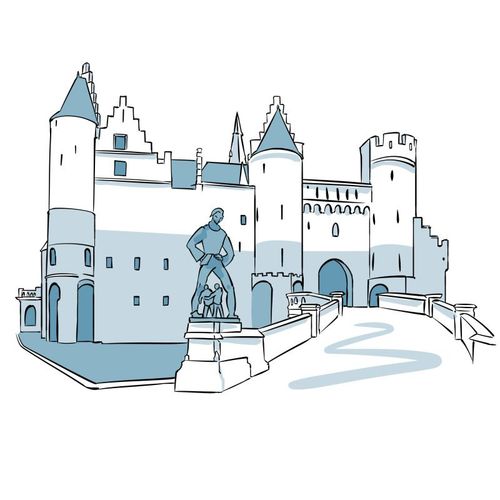
No need to worry about where to begin! Our tours are designed as a loop, so you can jump in wherever you are. The navigation system and audio-guide will automatically adjust to your location. However, if you happen to be nearby, we do have a preferred starting point: The Het Steen.
Parking à proximité
Parking zuiderterras RAS Restaurant aan de Stroom : Ernest Van Dijckkaai 34
The city center of Antwerp, along with part of the Linkeroever district on the Left Bank, is classified as a Low Emission Zone, or LEZ. That means strict access rules are in place, and your vehicle needs to meet two key requirements: an eligible fuel type and an engine that complies with Euro emission standards. The most polluting diesel and petrol vehicles simply aren’t allowed in. If your car is permitted but doesn't have Belgian or Dutch plates, you'll need to register it online through the city’s official website—there’s no way around it. Parking in Antwerp is another story. Finding a spot is already tricky, but finding one that’s free and close to the main sights? That’s almost wishful thinking. You can choose between paid street parking or public car parks, but in most cases, the latter ends up being simpler and more affordable, especially when you factor in the city’s parking regulations. That said, if you're determined to avoid parking fees altogether, there are at least nine Park and Ride (P+R) lots around the outskirts of the city. You can leave your car there for free and hop on a tram, bus, or shared ride into the center—a smart and stress-free option that’s well worth considering.
À savoir
During the tour, you'll be heading into the Stadsfeestzaal. To avoid any last-minute surprises, just keep in mind that the building has set opening and closing times. It’s worth taking a quick look at the schedule before you dive into your visit.
Just like any top travel destination, Antwerp offers a great way to explore the city with the Antwerp City Card. It gives you access to a range of discounts and perks on transport and attractions—a smart option if you want to discover the city at your own pace while making the most of what it has to offer.
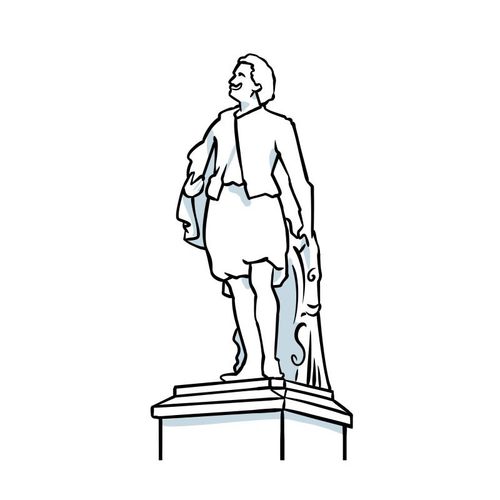
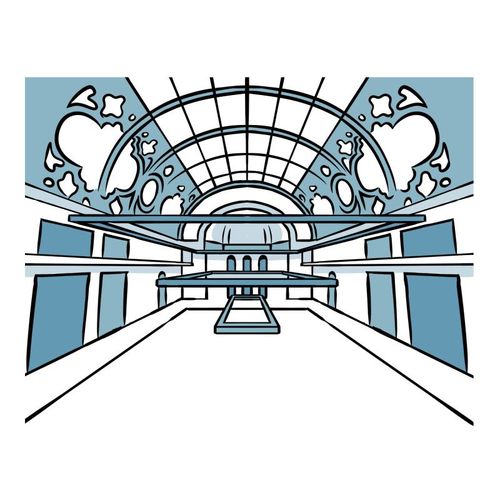
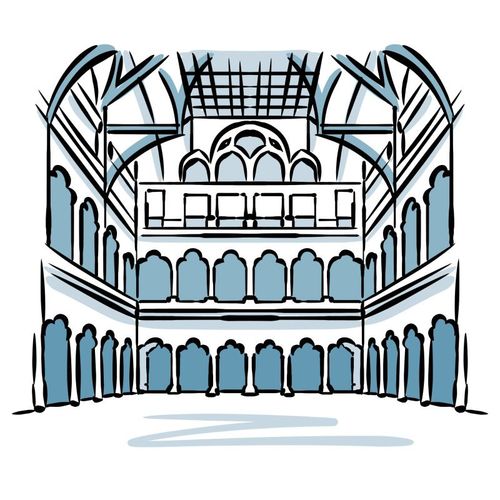
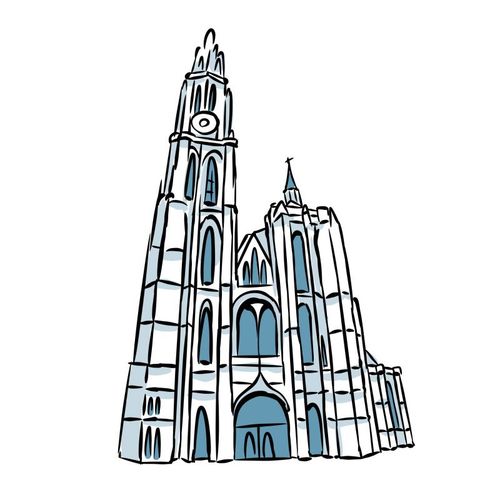
Découvrez 22 lieux d'intérêt pour visiter Antwerp

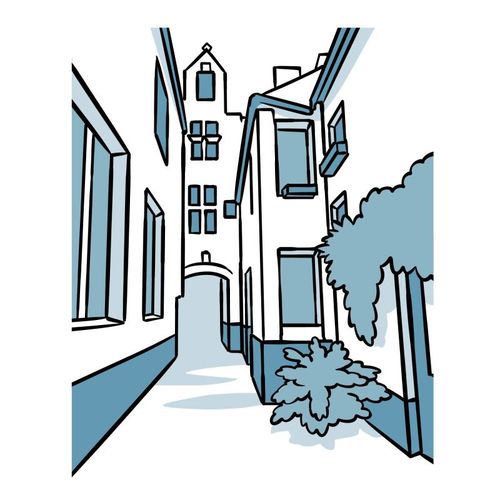
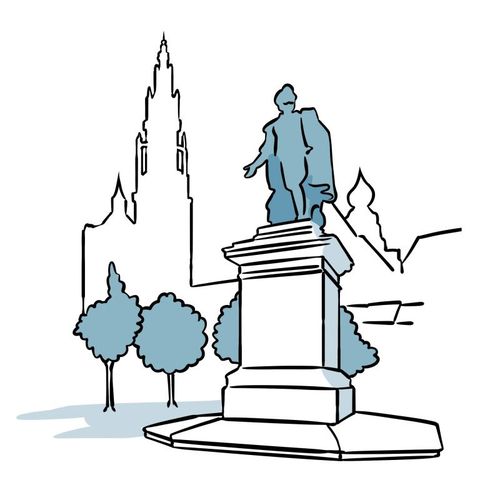
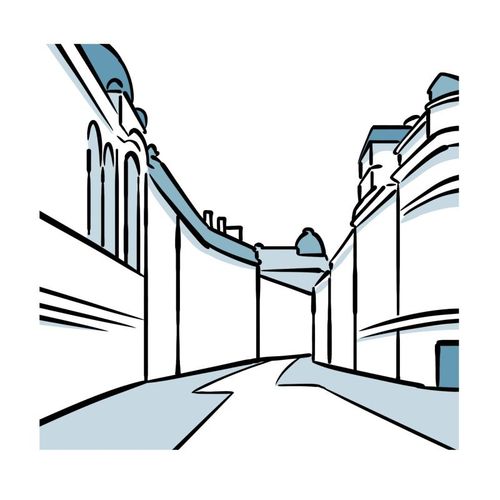



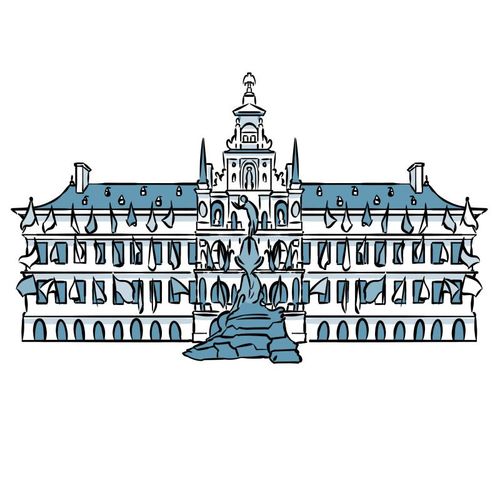

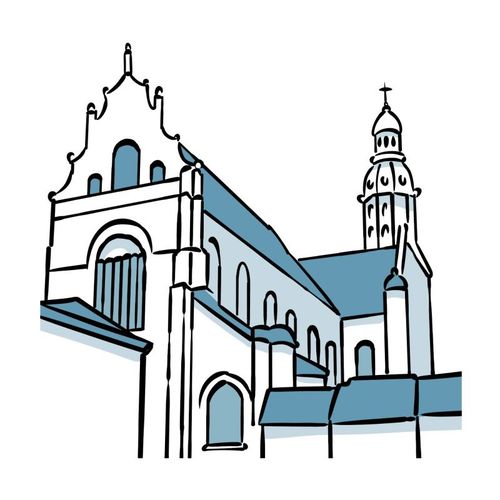
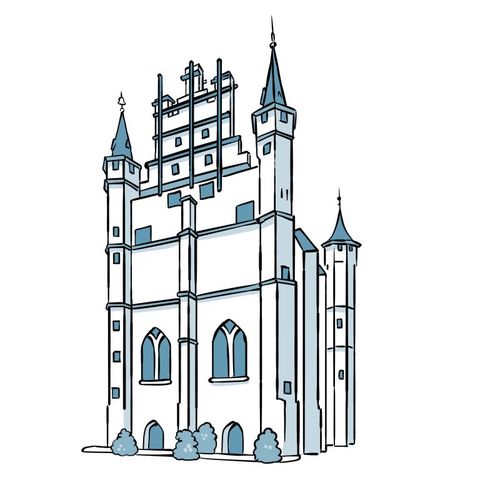

Le plein d'inspirations
Explorez le monde en totale liberté, à pied au cœur des villes ou au fil des routes. Nos guides audios transforment chaque destination en une découverte culturelle immersive et unique.
FAQ for visiting Antwerp
When is the best time to visit Antwerp?
The ideal time to visit Antwerp runs from May to October, when temperatures are at their most pleasant and the city reveals all its charms. During these months, you'll enjoy a mild climate with temperatures that can reach around 24°C in July and August. Spring offers a particularly pleasant atmosphere for strolling through the historic streets. If possible, avoid the months of November to January, which are damper and colder, with lows around 3°C. Even in summer, bring an umbrella as showers remain possible. The golden light of September beautifully highlights the city's Renaissance architecture.
How many days do you need to visit Antwerp?
Two to three days make an ideal length to discover Antwerp without rushing. In two days, you can explore the historic centre, admire the cathedral, visit Rubens's house and soak up the atmosphere of the diamond district. If you have a third day, you can deepen your discovery with the art museums, explore the creative districts and enjoy more of Antwerp's cultural scene. For a first visit, focus on the historic heart, which brings together most of the major attractions. Art and fashion lovers will enjoy extending their stay to explore the avant-garde galleries and boutiques.
How do you get around Antwerp?
Antwerp has an excellent public transport network with trams, buses and a pre-metro that efficiently serves the whole city. The historic centre nonetheless remains very compact and is easily covered on foot. For longer journeys, the trams are particularly convenient and frequent. Cycling is also an excellent option, as Antwerp is a very bike-friendly city with many dedicated lanes and rental systems available. The central station, an architectural masterpiece, is a major hub for your travels. Taxis remain available but less necessary given the efficiency of public transport. A day travel pass will let you get around freely.
Can you visit Antwerp on foot?
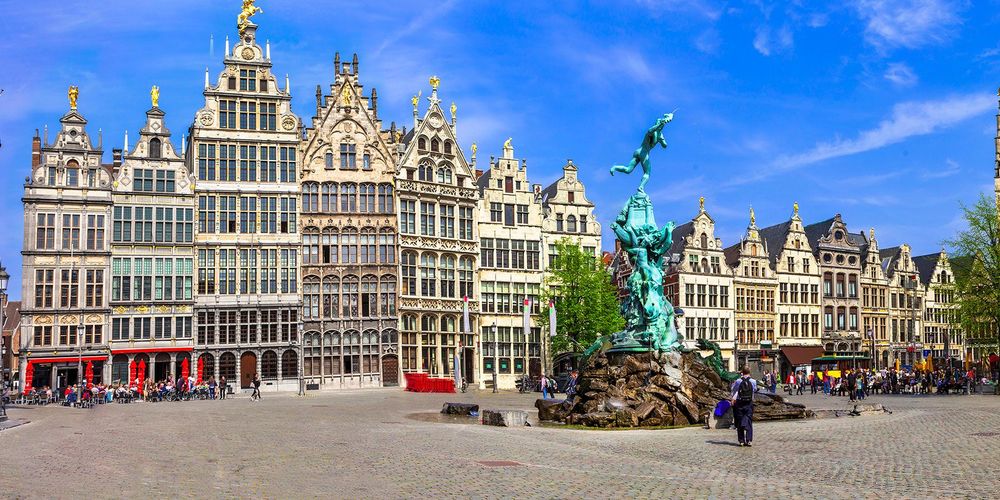
Absolutely, Antwerp lends itself wonderfully well to exploring on foot! The historic centre forms a compact whole where the main attractions are just a few minutes' walk from one another. From the majestic Cathedral of Our Lady to the Grand-Place, by way of the diamond district and Rubens's house, everything is accessible on foot. This approach lets you fully appreciate the Renaissance architecture, discover picturesque lanes and stop spontaneously at typical cafés. The Ryo audioguide offers precisely a narrated route that guides you through these wonders at your own pace, enriching your walk with historical and cultural anecdotes.
What language is spoken in Antwerp?
In Antwerp, the official language is Dutch (Flemish), which is the mother tongue of the vast majority of inhabitants. However, don't worry about the language barrier: the people of Antwerp generally have a very good command of English, and many also speak French, especially in the tourist and commercial sectors. In restaurants, hotels and the main attractions, you'll easily be able to communicate in French or English. The younger generations are particularly multilingual. A few words of Dutch such as « dank je wel » (thank you) or « alstublieft » (please) will always be appreciated and will create a friendly connection with the locals.
Which districts are must-visits?
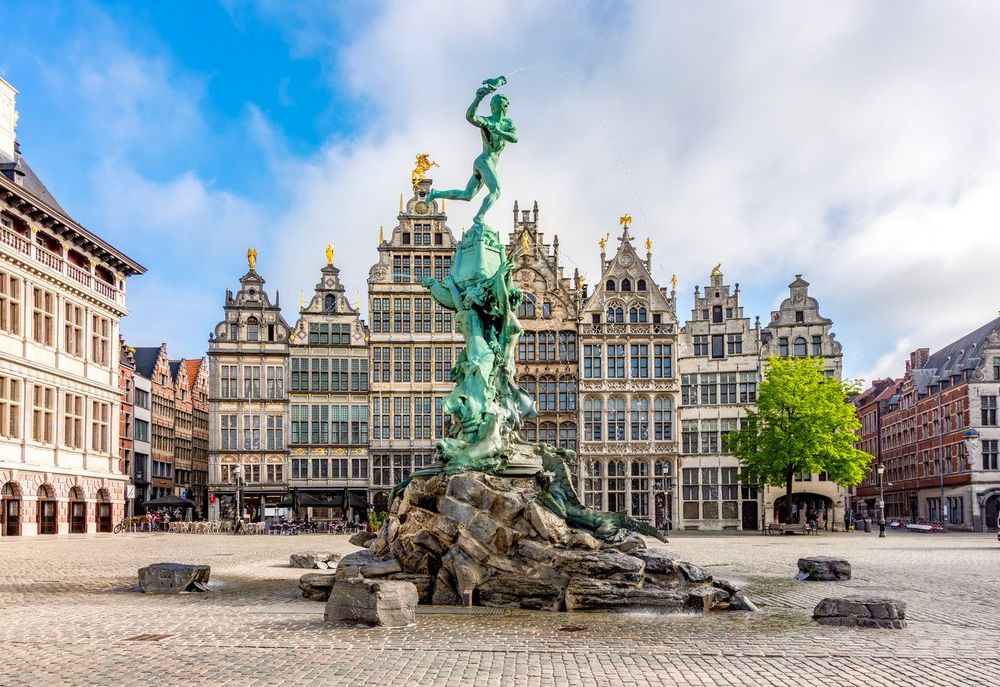
The historic centre around the Grand-Place is the beating heart of Antwerp, with its Renaissance architectural gems and the Cathedral of Our Lady. The Jewish and diamond district near the central station fascinates with its activity, unique in the world, and its centuries-old history. Het Zuid, a former port district now repurposed, bubbles with creativity with its contemporary art museums, galleries and trendy restaurants. The Fashion District around the Nationalestraat reveals the Belgian creative avant-garde in innovative boutiques. The Ryo audioguide takes you precisely through these different emblematic districts, allowing you to grasp Antwerp's cosmopolitan essence while discovering the anecdotes that shaped each area.
How do you get to Antwerp from France?
Several options are available to reach Antwerp from France. The train is often the most convenient means: direct Thalys links connect Paris to Antwerp in about two hours, arriving in the spectacular central station. From Lille, allow just an hour and a half. By car, Antwerp is about three hours from Paris and an hour and a half from Lille via well-maintained motorways. Brussels airport, only 45 kilometres away, offers many connections with French cities, and then a direct train brings you to Antwerp in under an hour. International buses offer an economical alternative with regular trips from several major French cities.
Why is Antwerp the world capital of diamonds?
The diamond trade settled in Antwerp as early as the late Middle Ages, carried by the port and by communities of cutters who came to establish themselves there. A large share of the rough stones traded worldwide still passes through the diamond district, a small perimeter of streets right behind Central Station and kept under close watch.
The area can be crossed freely, between window displays, exchanges and workshops, even though transactions take place out of sight. To understand this history, the DIVA museum presents cutting, trading and Antwerp silverwork through jewellery and silver objects. Be wary of improvised purchases and turn to established houses if you are considering buying.
Which museums are worth visiting in Antwerp?
The Plantin-Moretus museum, on the World Heritage list, occupies the house and printing works of a Renaissance dynasty of publishers, with its old presses preserved in place. The Royal Museum of Fine Arts, reopened after a long renovation, unfolds seven centuries of painting, from the Flemish primitives to the moderns, in a spectacular building.
On the banks of the Scheldt, the MAS tells the story of the city, its port and its exchanges with the world across several floors, and its spiral walkway can be climbed to the roof free of charge. More intimate, the Mayer van den Bergh museum and the Rockox house offer collector's cabinets, less crowded and particularly welcome on a rainy day.
Why is Antwerp known for fashion?
Antwerp's reputation in fashion goes back to the nineteen-eighties, when a group of young designers trained at the Royal Academy of Fine Arts made their name abroad as the Antwerp Six. Since then the school has kept attracting students from all over the world and the city sustains a dense creative scene, between established brands and young labels.
This is most visible in the Sint-Andries district, around Nationalestraat, where designer boutiques, sharp vintage shops and concept stores follow one another. MoMu, the fashion museum set in the same area, puts on temporary exhibitions that change regularly. The main shopping streets of the centre, more conventional, complete the picture for anyone looking for familiar chains.
Vos commentaires, idées et suggestions
Aucun avis pour le moment