© Shutterstock
 Votre guide Ryo
Antwerp for the First Time: The Complete 1 or 2-Day Itinerary (2026)
In Antwerp, the first thing that strikes you isn't a church or a museum: it's a train station. Under the glass roof of the central station, trains run on three superimposed levels of tracks and nobody seems to pay attention, as if living inside a railway cathedral were the most normal thing in the world. It's this kind of quiet contrast that makes visiting Antwerp for the first time so disorienting: a port city, Europe's second-largest port by tonnage, which is also home to the world's largest concentration of diamond dealers and one of the finest Flemish Renaissance ensembles on the continent. The Ryo audio-guided tour of Antwerp follows precisely this wide span, from rail to lace in stone.
In two days, you'll come across a tower left unfinished for five centuries, a century-old zoo set in the middle of the city center, the baroque garden where Rubens received his patrons, and a shopping avenue that saw the birth of Belgian fashion in the 1980s. You eat moules-frites near a 16th-century alley, drink a local beer in the shadow of a Gothic cathedral, and often leave wondering why the city isn't better known. This guide details the itinerary day by day, family and bad-weather options, accommodation, transport and the best excursions nearby.
Why Visit Antwerp for the First Time?
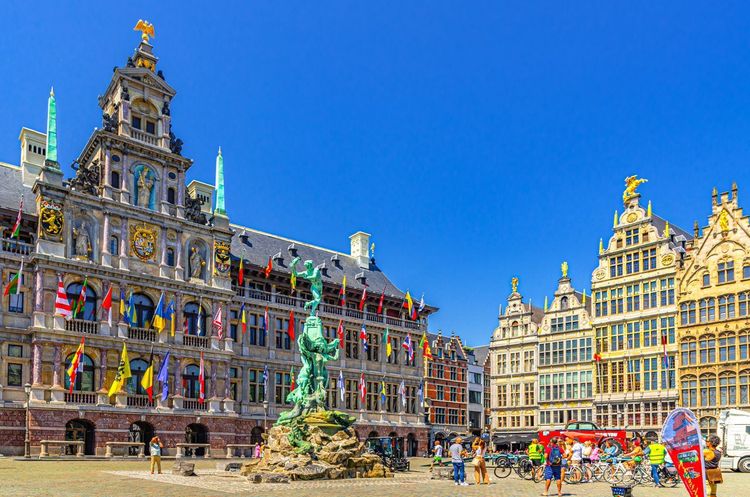
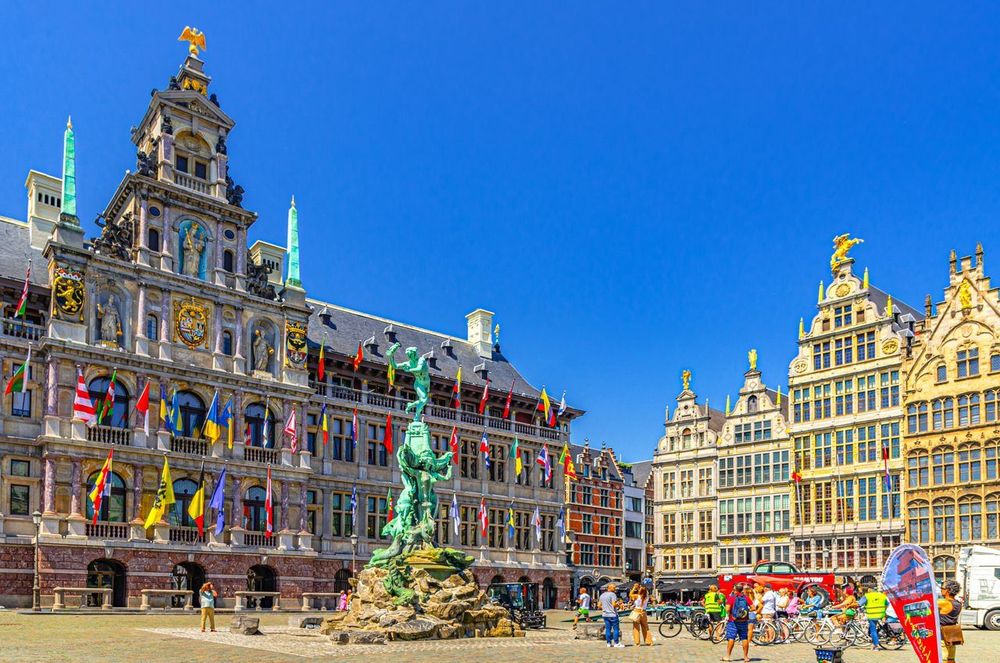
Legend has it that a giant, Druon Antigoon, extorted money from boatmen sailing up the Scheldt until a young Roman soldier, Brabo, killed him and threw his severed hand into the river. "Hand werpen", to throw the hand: the name Antwerpen is said to have been born from that gesture. True or false, the story is still told at the foot of the city hall, and it sums up the city's identity rather well: a port that has always had to defend itself, and a local pride that loves heroic tales as much as facts.
The dates, on the other hand, are documented. In the 16th century, Antwerp became the richest city in Northern Europe, driven by maritime trade and printing: this is where Christophe Plantin set up one of the largest typographic workshops on the continent. The following century belongs to Peter Paul Rubens, who made the city the capital of Flemish baroque painting. Today, the economy rests mostly on two less romantic pillars: the port and diamonds, since about 80% of the world's rough diamonds still pass through Antwerp. Add to that a fashion scene driven by designers from the Royal Academy of Fine Arts, from Dries Van Noten to their current heirs.
For a first visit, the appeal lies mainly in the scale of the city. Unlike Bruges, overrun with tour buses, or Ghent, more student-oriented, Antwerp remains a true Flemish metropolis, where the historic center can be explored entirely on foot in a day while retaining the activity of a working port. You go from a medieval square to the foot of the Boerentoren, one of Europe's first skyscrapers (1932), in ten minutes of walking, without ever leaving the center.
How to Get to Antwerp?
Antwerp is 45 minutes from Brussels and about 2 hours from Paris by direct train, making it an easy destination to combine with a wider Belgian city trip.
Arriving by Train, the Most Practical Option
The train remains by far the most comfortable way to reach Antwerp. From Paris, the Eurostar (formerly Thalys) on the Paris-Amsterdam line drops travelers in about 2 hours at the central station, with no connection or transfer to the city center. From Brussels, IC trains leave several times an hour from Brussels-Midi, Brussels-Central or Brussels-Nord, for a journey of 35 to 50 minutes depending on the stops.
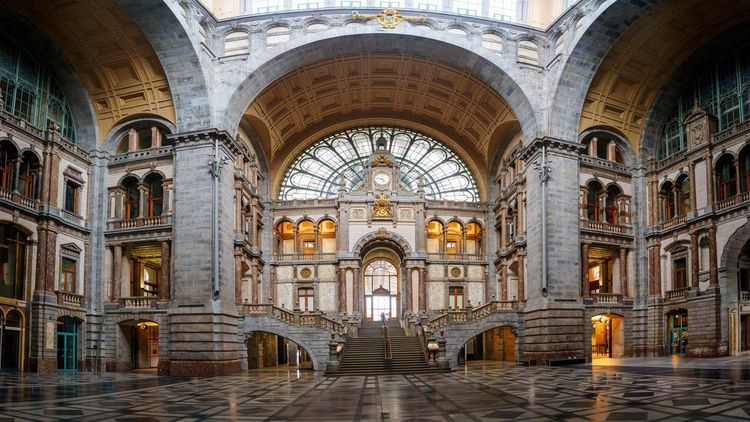
The arrival itself is part of the experience: stepping off the platforms, you emerge directly under the station's monumental dome, the first visual shock of the trip before you've even set foot in the street. If possible, book several weeks ahead: flexible fares climb quickly as departure approaches, while advance tickets often stay under 40 euros one way.
Arriving by Car: Beware of the LEZ Zone
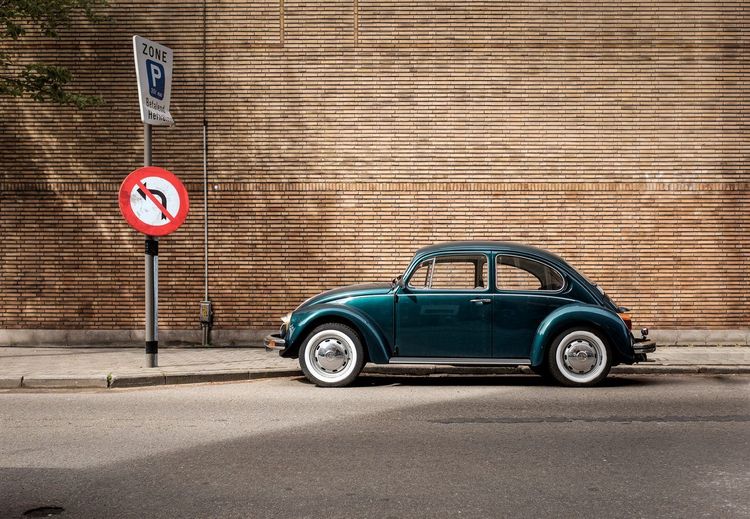
Antwerp enforces a low emission zone (LEZ) that covers the entire city center and part of the residential neighborhoods. Vehicles that are too polluting are not allowed in, and French-registered cars must be registered online before entering the perimeter, on pain of a fine. Registration is free and done on the official Antwerp LEZ website, ideally before hitting the road.
Once that's sorted, the real constraint remains parking: the historic center is largely pedestrianized or has very restricted traffic, and street spaces are scarce and expensive. It's better to head straight for an underground car park just outside the center, or a park-and-ride (P+R) connected to the tram, and finish on foot.
Arriving by Coach or Low-Cost Flight
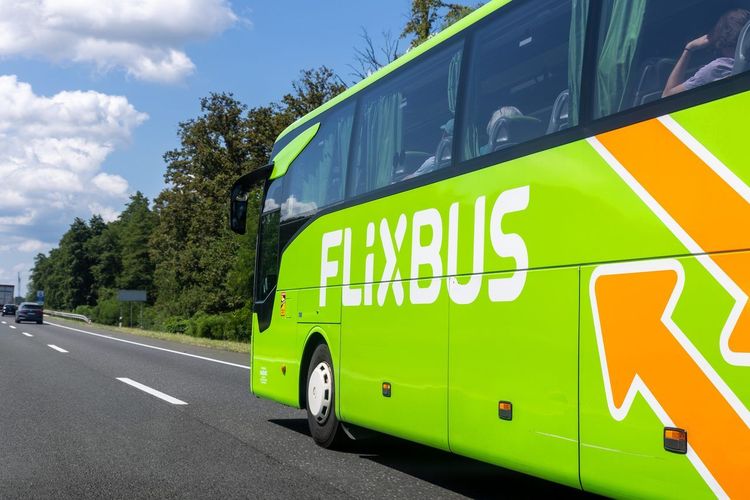
Coach lines (Flixbus, BlaBlaCar Bus) connect Antwerp to several major French cities for fares often under 25 euros, with a longer travel time, generally between 5 and 7 hours from Paris. Antwerp airport (Deurne) mostly handles holiday and regional flights; for a low-cost flight, most travelers land at Brussels-Zaventem or Charleroi, then reach Antwerp by train or shuttle, which adds between 45 minutes and 1.5 hours of travel.
How Much Time Should You Allow to Visit Antwerp?
One day is enough for a solid overview of the historic center: the station, the Grand-Place, the cathedral and the Scheldt quays can be covered in one well-filled day, even if it means sacrificing the densest museums. This is the most common format for a stopover from Brussels.
Two days remain the most comfortable format for a first visit, and it's the one this guide follows: the first day for the historic center, the second for the MAS, the Eilandje and the museums of the Zuid. You'll also have time to linger in a café or browse the shops of the Meir without racing against the clock.
With a third day, add the more secondary museums (Red Star Line, Mayer van den Bergh, Vleeshuis) or head out for a day trip to Ghent, Brussels or Mechelen, three excursions detailed below.
Day 1: The Monumental Station, the Grand-Place and the Old Historic Center
This first day follows a compact, almost entirely pedestrian loop that starts at the station and heads back down toward the river. The historic center is laid out like a star around the Grand-Place, and the Scheldt serves as a permanent landmark to the west: even without a map of Antwerp in hand, you quickly find your way. It's also the most architecturally dense itinerary of the trip.
Antwerp Central Station, a Cathedral of Rail
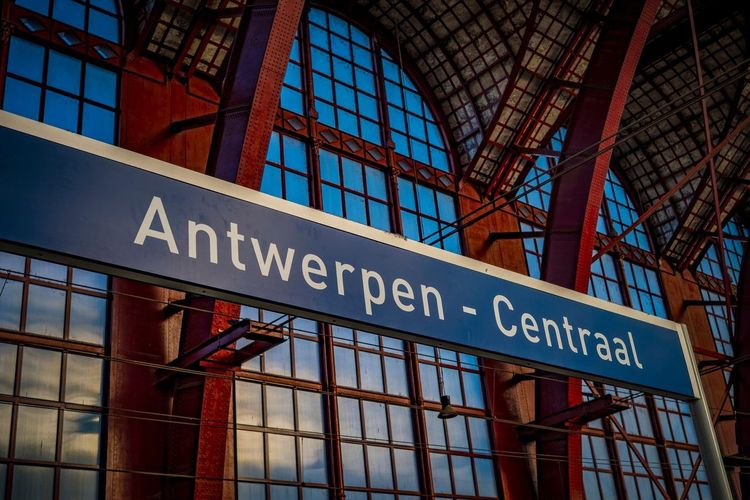
The Antwerp central station (Antwerpen-Centraal) deserves twenty minutes of your time before you even step out into the street. Built between 1895 and 1905 by architect Louis Delacenserie in an eclectic style, it is topped by a dome about 75 meters high. In the early 2000s, the terminus station was pierced by a tunnel: trains now run on three superimposed levels, a feat that took nothing away from the original hall.
As you leave, take the time to turn around: the main facade, with its monumental clock and turrets, gives a fairly accurate idea of the rest of the day. Right next to it stretches Koningin Astridplein, where the zoo is located (see below), and this is also where the walk toward the historic center naturally begins, about 15 minutes on foot via the Meir.
The Grand-Place, the City Hall and Our Lady's Cathedral
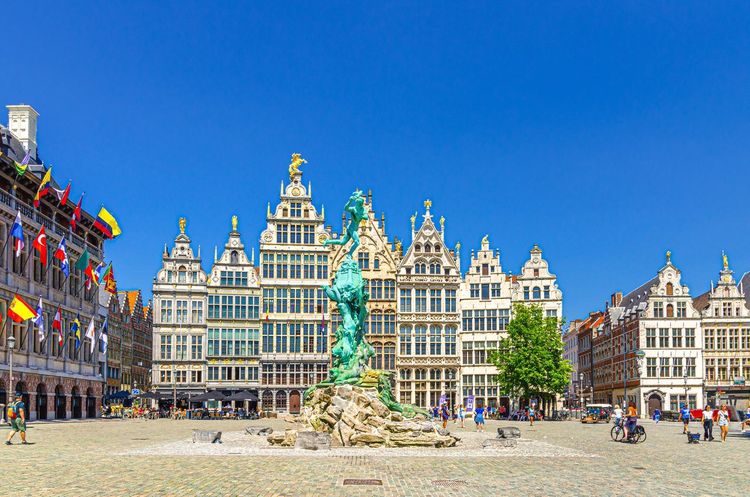
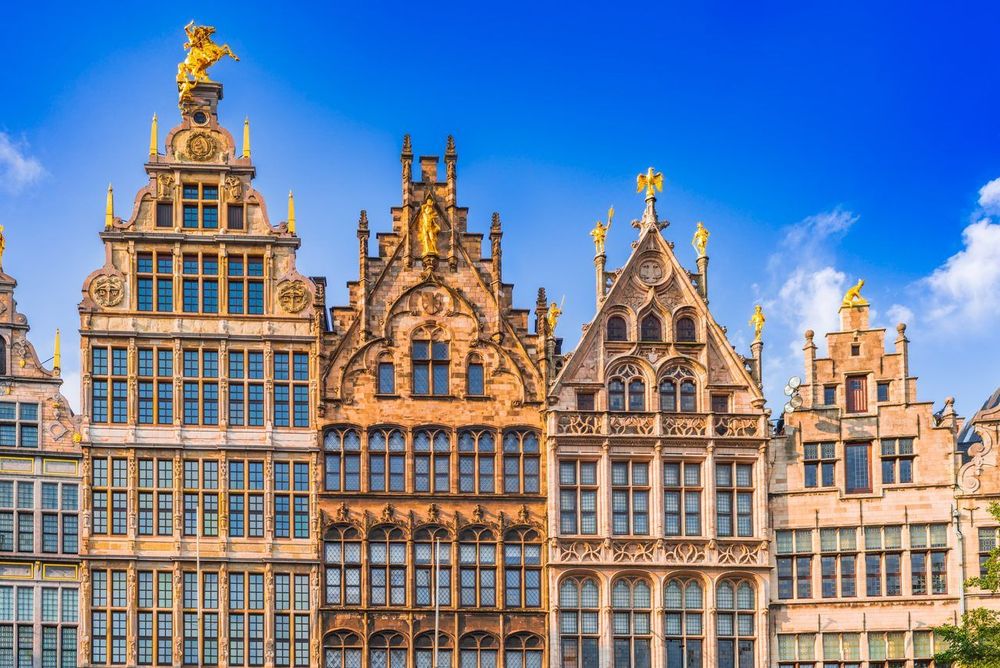
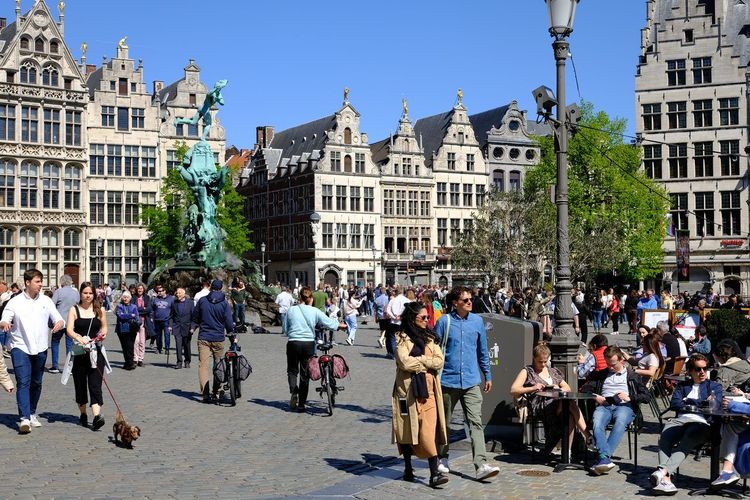
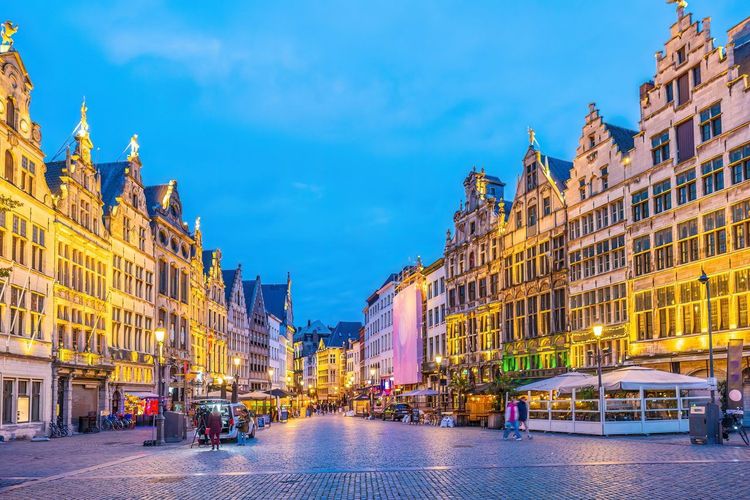
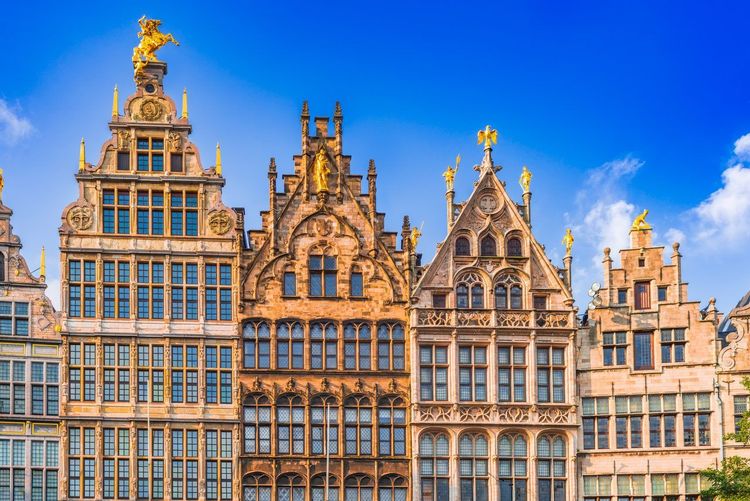
Continuing west, you reach the Grand-Place (Grote Markt), lined with guildhouses with golden gables and enlivened by a fountain depicting Brabo throwing the giant's hand, a direct reference to the founding legend. The city hall, a masterpiece of Flemish Renaissance completed in 1565, occupies an entire side of the square and still houses municipal offices.
In the evening, the facades light up and the square completely changes mood. A few steps away, Our Lady's Cathedral imposes its Gothic silhouette, the tallest in the southern Netherlands with its 123-meter north tower, while the south tower has remained unfinished since the 16th century for lack of funding. The interior preserves several major works by Rubens, including the Descent from the Cross and the Elevation of the Cross.
Just south of the cathedral, Groenplaats square, lined with terraces, makes a welcome break. Before setting off again, look for the small door of the Vlaeykensgang, a 16th-century alley hidden between the facades, where you forget the noise of the city in three steps.
Het Steen and the Scheldt Quays
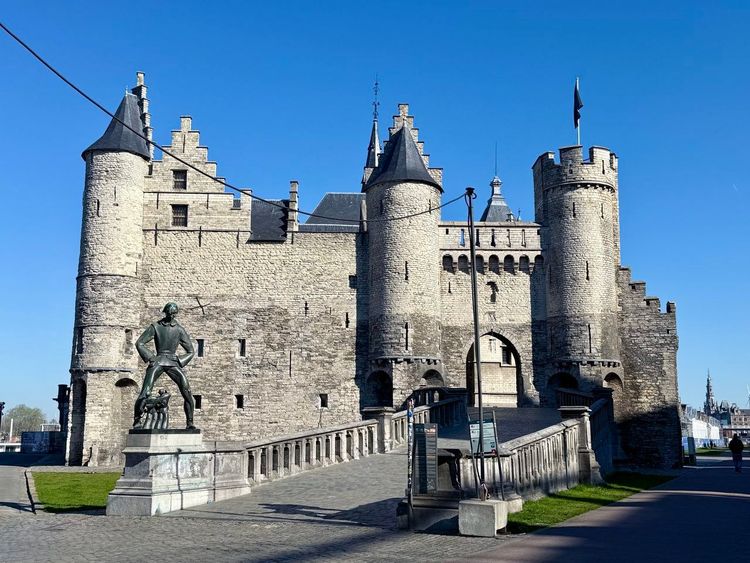
Heading down toward the river, you arrive at Het Steen (Steenplein 1, 2000 Antwerpen, rated 4.4/5 on Google from 10,035 reviews), often presented as the oldest building in Antwerp, a medieval castle that guarded the entrance to the port on the Scheldt and now houses the visitor center. In front of the entrance stands the statue of Lange Wapper, a mischievous giant from local folklore, another nod to this city that loves telling stories.
The quays, redeveloped as a pedestrian promenade, offer one of the best views of the Scheldt and the river traffic, impressive even if ports leave you indifferent. At the end of the day, it's also the best spot to watch the sun set over the river before heading back up to dine in the center.
This loop is the one followed by the Ryo audio tour of Antwerp: 22 stops over 6 km and about 2h25 of guided walking, from the Steen to the station via the Grand-Place, the Vlaeykensgang and the cathedral, without ever having to look down at a map.
Day 2: The MAS, the Eilandje and the Museum District (Zuid)
The second day changes register completely: head north toward the old docks, then south to the museum district. It is the richest day of the trip in art and contemporary architecture.
The MAS and the Eilandje District
The MAS (Museum aan de Stroom), opened in 2011, dominates the Eilandje district, the former dock area converted into one of the city's most dynamic sectors. The building itself, a tower of red sandstone and undulating glass, is worth the detour even without entering the collections: its panoramic roof, accessible for free via the escalators of the inner boulevard, offers one of the best views of the port and the city.
Inside, the collections trace the history of the port and Antwerp's maritime trade through objects from around the world. Allow a good hour and a half for a full visit, more if you stop on every floor for the view. Around the museum, the Eilandje mixes renovated warehouses, marinas and designer restaurants.
The Rubens House and the Plantin-Moretus Museum
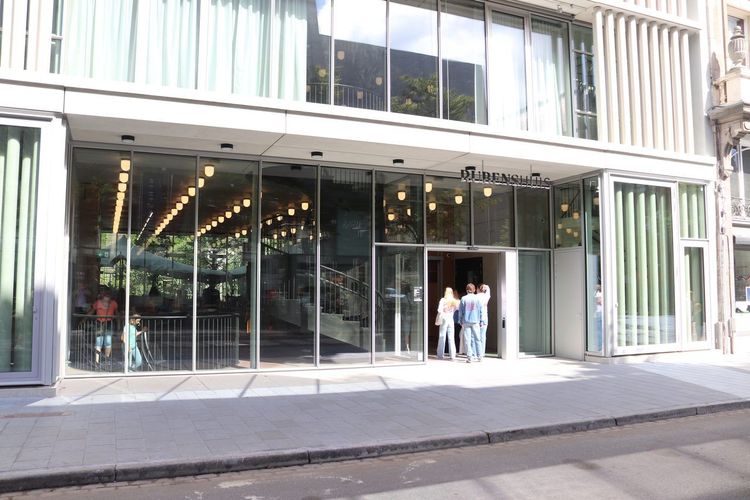
Heading toward the center, the Rubens House (Rubenshuis) occupies the painter's former home and studio. An important point for 2026: the living quarters are closed for a renovation carried out in phases. The baroque garden, the portico and the new Rubens Experience welcome area remain open, however, enough to understand how a court painter lived and worked in the 17th century. Check the progress of the works before booking.
A little further on, the Plantin-Moretus Museum (Vrijdagmarkt 22, 2000 Antwerpen, rated 4.6/5 on Google from 4,654 reviews), housed in Christophe Plantin's former printing house, is the only museum listed as such as a UNESCO World Heritage site (2005). There you'll see the two oldest printing presses in the world, a library of tens of thousands of volumes and the famous Biblia Polyglotta published by Plantin. Allow about an hour, less if early typography doesn't speak to you.
The Zuid: KMSKA and MoMu
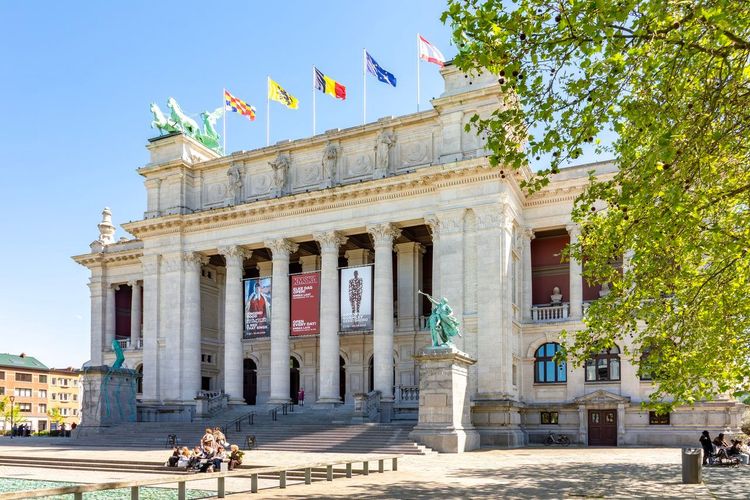
The Zuid district, south of the historic center, concentrates the city's most contemporary art scene, between galleries and wine bars. The KMSKA (Royal Museum of Fine Arts), reopened in 2022 after eleven years of renovation, houses one of the finest collections of Flemish primitives, Rubens and James Ensor in the world, in a neoclassical building expanded with a spectacular contemporary extension.
A stone's throw from the center, the MoMu, the fashion museum, traces the history of the Antwerp designers who put the city on the world fashion map in the 1980s and 1990s, from Dries Van Noten to Ann Demeulemeester. Exhibitions rotate regularly, making it a stop that is always a little different from one visit to the next.
A tip for organizing your day: the Rubens House is among the stops of the previous day's Ryo audio-guided tour. If you've already seen it on Day 1, keep your morning for the MAS and your entire afternoon for the KMSKA.
Other Must-Sees Not to Miss
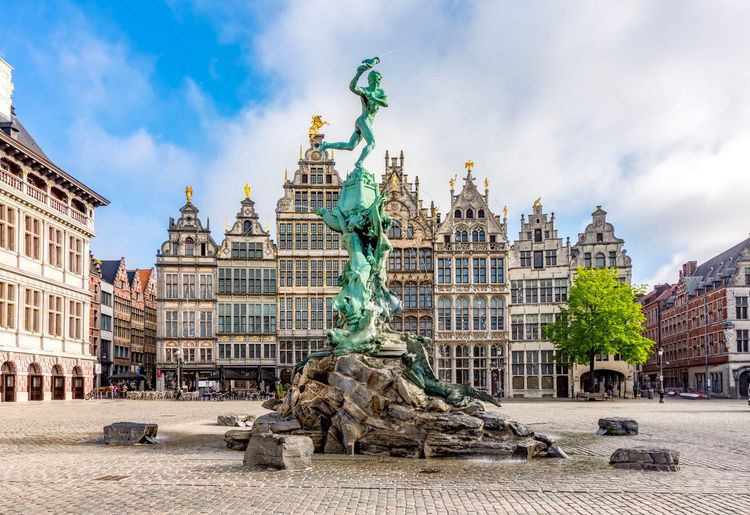
With a third day or simply a more curious appetite, several other sites deserve a place in the itinerary, less visited than the MAS or the cathedral but just as revealing of the city's history.
The Red Star Line Museum and the Historic Port District
Housed in the former warehouses of the Red Star Line company, with its observation tower offering a beautiful view over the Scheldt, this museum traces the story of the roughly two million European emigrants who left Antwerp for America between 1873 and 1934, including entire families fleeing poverty or persecution. The visit follows the passengers' journey, from health checks to boarding, and makes the emigration experience surprisingly tangible.
The surrounding district, between the old docks and the basins, retains an industrial atmosphere that contrasts with the rest of the more polished center. A good option if you want to see a less postcard-perfect Antwerp.
The Mayer van den Bergh Museum and St. Charles Borromeo Church
The Mayer van den Bergh Museum, housed in a neo-Gothic house built in the early 20th century to hold the collection of a wealthy art lover, notably houses the famous Dulle Griet (Mad Meg) by Pieter Bruegel the Elder. The museum deliberately remains intimate, far from the crowds of the KMSKA.
About ten minutes on foot away, on the charming Hendrik Conscienceplein, St. Charles Borromeo Church (Hendrik Conscienceplein 12, 2000 Antwerpen, rated 4.6/5 on Google from 3,384 reviews) displays an exuberant baroque facade, designed with Rubens's involvement. The 39 ceiling paintings made from his sketches were lost in a fire in 1718, but the interior, marble chapel included, remains one of the finest baroque ensembles in Flanders. Few visitors go in, which often leaves the church silent.
The church is also among the 22 stops of the Ryo audio guide: you'll hear why this square is one of the most photogenic in the city.
The Vleeshuis and St. Paul's Church, Two Gems Near the River
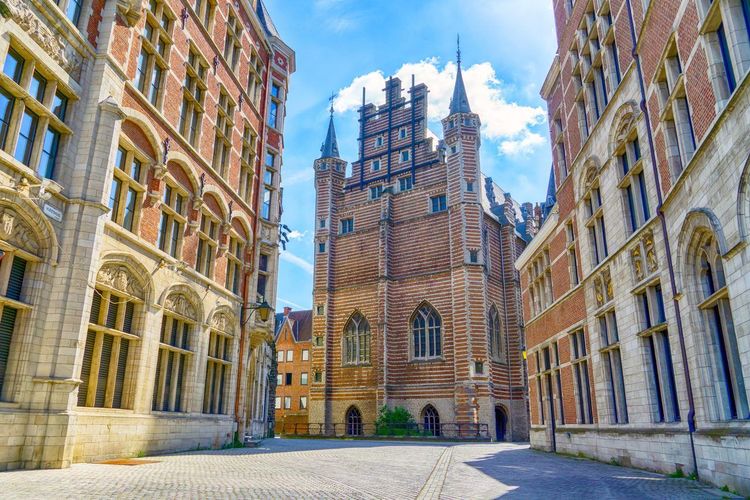
A few minutes from the Steen, the Vleeshuis, the former butchers' hall built in the early 16th century in red brick and white stone, now houses a museum devoted to music and Antwerp instruments. Close by, St. Paul's Church surprises with the richness of its baroque interior, with paintings by Rubens, Van Dyck and Jordaens, and with its strange outdoor calvary populated by dozens of statues. Two short stops, ideal if you have an hour to spare at the end of Day 1.
Shopping on the Meir and in the Fashion District
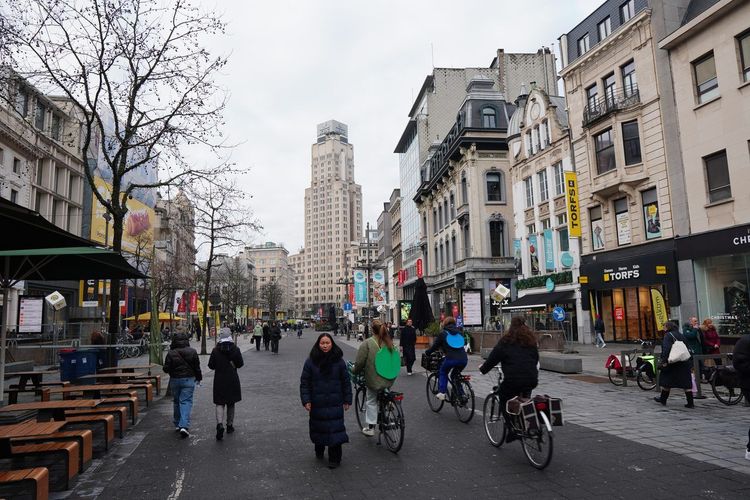
Between two museums, shopping in Antwerp deserves a real place in the itinerary, not just a parenthesis.
The Meir and the Meir Palace
The Meir, the main shopping artery linking the station to the historic center, lines up international brands and impressive Belle Époque facades, including the Meir Palace (Meir, 2000 Antwerpen, rated 4.3/5 on Google from 667 reviews), an 18th-century residence that became an imperial palace under Napoleon and is now a cultural venue. Many visitors rush through the Meir without looking up; slow down, the facades are worth as much as the shop windows.
The Fashion District and the Diamond Square Mile
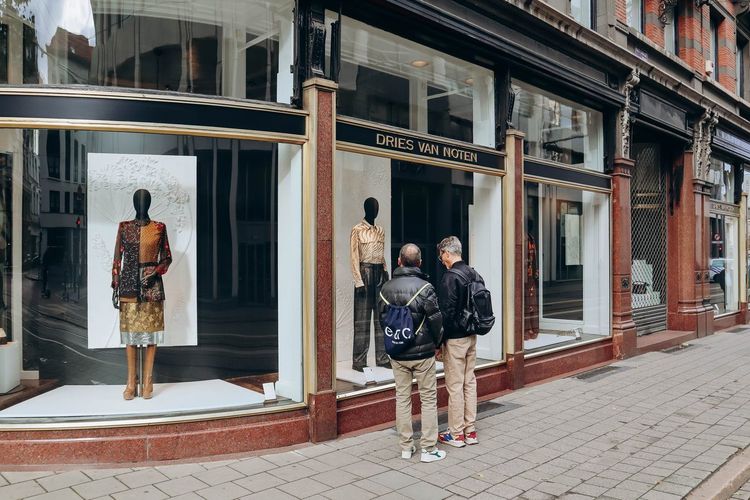
Southwest of the Meir, the fashion district brings together the boutiques of Antwerp designers, from big names to a newer generation less known outside Belgium. Allow a good hour to stroll along Nationalestraat and Kammenstraat if fashion interests you.
On the other side, the Diamond Square Mile, right next to the central station, concentrates most of the trade in rough and cut diamonds, with its jewelers' windows and a particular atmosphere, a mix of discretion and the presence of the Orthodox Jewish community, historically settled in the district. You don't negotiate a diamond as a tourist, but walking these streets gives an idea of the scale of this industry for the city.
On this stretch, the Ryo audio-guided tour stops in front of the Meir Palace and then in the diamond district, to link shopping to the city's economic history.
Antwerp with Family: The Zoo and Activities for Children
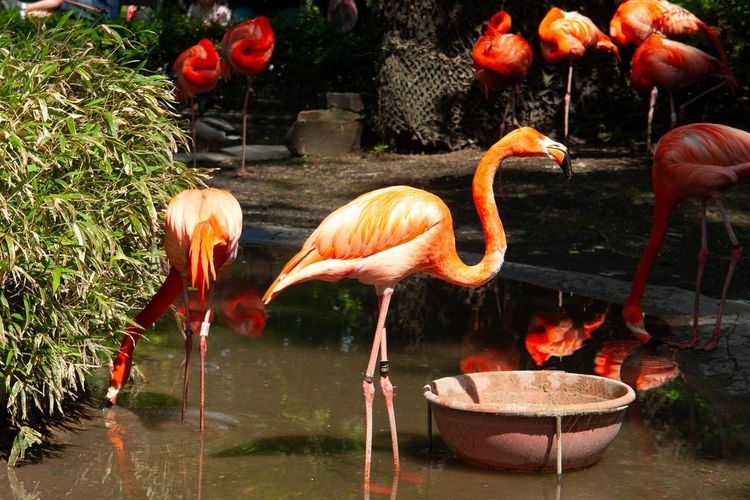
The Antwerp Zoo (Koningin Astridplein 20-26, 2018 Antwerpen, rated 4.4/5 on Google from 25,741 reviews), located right next to the central station on Koningin Astridplein, is one of the oldest zoos in the world still in operation, open since 1843, with its historic listed buildings. Its location in the middle of the city center, two minutes on foot from the quays, makes it a particularly practical option for families, with no extra travel.
Beyond the zoo, the MAS regularly organizes family activities around its maritime collections, and the garden of the Rubens House offers a quiet break. If your children tire quickly of walking, note that the city's trams are an attraction in themselves for the youngest, a good argument for alternating walks and tram rides without drama.
Savoring Belgian Cuisine and Beers

Antwerp cuisine remains fundamentally Flemish: moules-frites served in big pots, stoofvlees (beef stew braised in dark beer) and North Sea grey shrimp croquettes appear on almost every menu in the historic center.
For eating in the historic center, the streets around the Grand-Place and the Vlaeykensgang hold most of the tourist restaurants, with highly variable quality. A little further from the historic heart, the streets of the Zuid generally offer more contemporary cuisine and slightly more reasonable prices.
As for beer, Antwerp has its own amber ale, De Koninck, traditionally served in a round glass called a bolleke. Abbey beer lovers will find plenty to enjoy in the bars of the center, where menus often exceed a hundred labels. For a more unusual break, the bar Het Elfde Gebod (Torfbrug 10, 2000 Antwerpen, rated 4.2/5 on Google from 5,439 reviews), at the foot of the cathedral, whose decor is made up of religious statues, is worth a photo as much as a drink.
To eat well without breaking the bank, go for lunch menus, often significantly cheaper than the evening menu for equivalent quality.
Where to Stay in Antwerp for a First Visit?
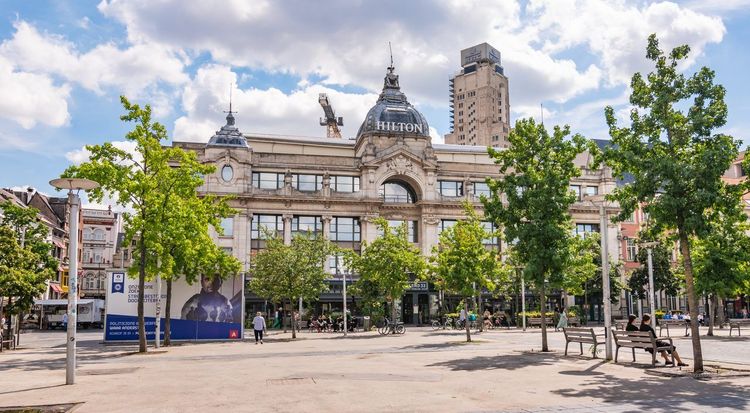
Three neighborhoods share most of the accommodation on offer for a first visit, each with a different trade-off between atmosphere and calm.
The Historic Center, Practical for a First Visit
Staying in the historic center, around the Grand-Place or the cathedral, puts everything within walking distance from day one. It's the simplest option for a short stay, at the price of a bit more noise in the evening, especially on weekends.
The Zuid, Between Museums and Fashion
Prefer not to sleep in the old town? The Zuid offers a calmer compromise, fifteen minutes on foot from the historic center, with a more residential atmosphere and a nice concentration of restaurants. It's a good choice for two full days, especially if the KMSKA and the MoMu are at the top of your list.
The Eilandje, by the River
The Eilandje, around the MAS, appeals with its contemporary architecture and proximity to the water, but is a bit off-center compared with the Grand-Place, ten to fifteen minutes on foot. It's the district to favor if you want to start the second day of the itinerary without crossing the city in the morning. The station area, finally, remains practical for an early train departure.
Wherever you stay, keep in mind that Antwerp's center is compact: none of these neighborhoods requires more than twenty minutes of walking to reach the Grand-Place.
How to Get Around Antwerp?
Antwerp is mostly visited on foot, but two other options usefully complete the itinerary depending on distance and weather.
The Tram and Bus (De Lijn)
The De Lijn network covers the whole urban area with frequent trams and buses. A single ticket can be bought via the De Lijn app, by SMS or at ticket machines, and a day pass pays off from three trips. The underground trams of the center (the premetro) let you quickly reach the Zuid or the Eilandje from the station.
Cycling, Dutch-Style
Like many Flemish cities, Antwerp has a vast network of bike lanes and a bike-sharing service (Velo Antwerpen) with stations throughout the center. Cycling along the Scheldt quays or through the Eilandje offers another perspective, faster than walking to reach the Red Star Line or the renovated docks.
Walking in a Compact Center
In practice, most visitors cover the bulk of the historic center on foot without ever taking the tram: between the station, the Grand-Place and the river, rarely allow more than 25 minutes of walking. With the Ryo audio guide in your pocket, each commentary starts as you arrive on site, leaving you free to alternate tram and stroll without losing the thread.
What to Do in Antwerp in the Evening or When It Rains?
Antwerp doesn't switch off at nightfall, and it remains pleasant even in the rain, as long as you know where to go.
Evening Outings: Bars, Panoramas and Festivals
In the evening, the illuminated Grand-Place changes mood, terraces fill up and several bars in the center stay open late. For a night view, the MAS roof remains accessible in the evening for much of the year (check seasonal hours), a free alternative to paid rooftops. As for events, Antwerp hosts several music festivals and Antwerp Pride in August, with parades crossing the city center.
Indoor Activities for Rainy Days
In bad weather, museums remain the safe bet: the MAS, the KMSKA and the Plantin-Moretus Museum can be visited entirely under cover. The FoMu, the photography museum in the Zuid, offers temporary exhibitions that are often cutting-edge, a good option for a rainy afternoon away from the busier major museums.
What Is the Best Time to Visit Antwerp?
Spring (April to June) and early autumn (September, early October) offer the best compromise between pleasant weather and reasonable crowds. Terraces reopen, days get longer, and museum queues remain manageable.
Summer remains pleasant despite larger crowds, with pop-up bars on the Scheldt quays and several open-air festivals. Winter, colder and rainier, has its own charm around the Grand-Place Christmas market, as long as you pack warm clothes and plan an itinerary with more museums than outdoor walks.
What to Visit Around Antwerp?
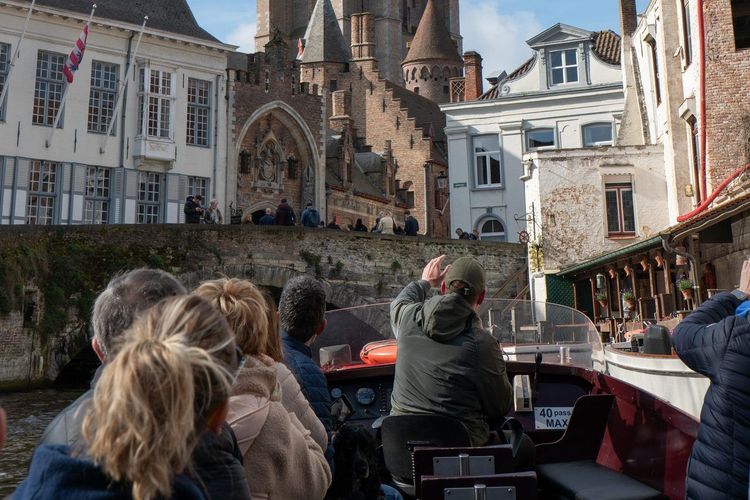
If your stay exceeds two days, three excursions let you extend your exploration of Flanders without going too far.
Ghent, the Flemish Secret
Ghent, less than an hour away by train, is often overshadowed by Bruges even though it has all its charm with fewer crowds, with its quiet canals and its Castle of the Counts of Flanders set in the heart of a remarkably well-preserved medieval center. One day is enough for a solid overview, ideally on a weekday to avoid the weekend rush.
Mechelen and Lier, the Little-Known Gems
Mechelen, 20 minutes by train, hides St. Rumbold's Cathedral and a quiet historic center, still largely spared from mass tourism. Between Antwerp and Brussels, the Fort Breendonk, a former Nazi camp turned memorial, offers a powerful visit for anyone interested in the Second World War in Belgium. Lier, smaller still, charms with its UNESCO-listed beguinage and its resolutely provincial atmosphere.
Brussels, Less Than an Hour Away
Brussels, 45 minutes by train, remains the most obvious excursion: Grand-Place, European quarter, museums and a distinctly more international food scene. It's also a logical option for organizing your return flight from Zaventem.
Practical Tips Before You Go
A few practical points help avoid unpleasant surprises once you're there.
Language and Safety
The official language in Antwerp is Dutch, in its Flemish variant. English is widely understood in shops and restaurants, and French remains useful but is less systematically spoken than in Brussels. As for safety, Antwerp remains a generally safe city for tourists, with the usual precautions of a large European city, notably around the station in the evening and on crowded public transport.
Budget, Parking and Good Tips
On budget, the main museums generally cost between 12 and 20 euros to enter, and several municipal museums offer occasional free days: check their website before finalizing your itinerary. As for parking, avoid bringing your car into the historic center: underground car parks and P+R lots on the outskirts are simpler and often cheaper than the street. Finally, if you plan to visit three or more museums, compare the price of individual tickets with that of the combined passes offered by the city.



FAQ
Is Antwerp a safe city for tourists?
Yes, Antwerp is a safe destination for visitors, with a crime level comparable to that of other Western European cities. The usual precautions still apply in the evening around the train station and in very busy places.
Can you visit Antwerp entirely on foot?
Largely, yes. The historic center, the station, the Grand-Place and the river can all be covered on foot with no difficulty, rarely more than a 25-minute walk between two points. For the Eilandje or the Zuid, a tram or a bike-share bike saves time, especially with children.
Is it easy to park in Antwerp?
Not really in the historic center, which is largely pedestrianized or has restricted traffic, with scarce and expensive street parking. Underground car parks just outside the center or park-and-ride lots connected to the tram remain the simplest solution, without forgetting the LEZ registration.
What language is spoken in Antwerp?
Dutch, in its Flemish variant, is the official language. English is widely understood in shops and restaurants, while French remains useful without being systematically spoken, unlike in Brussels.
What is the best time to visit Antwerp?
Spring and early autumn offer the best balance between weather and crowds. Summer adds the atmosphere of the quays and festivals, while winter relies mostly on the atmosphere of the Christmas market.
Is Antwerp worth the detour compared with Brussels or Ghent?
Yes, and for different reasons: Antwerp offers a more eclectic architecture, a historic center less crowded than Bruges, a fashion scene unique in Belgium and a port that still shapes its whole identity. Prettier than Brussels? More homogeneous, certainly. It complements Brussels and Ghent very well rather than replacing them, as the three cities are connected in under an hour by train.
At the end of these two days, Antwerp leaves the impression of a city that doesn't particularly try to please, and that is precisely what makes it endearing: a port that keeps working, and diamond dealers who never show off. To relive the historic center at your own pace, the Ryo audio-guided tour of Antwerp unfolds its 22 audio stories between the Steen, the cathedral and the station, neighborhood by neighborhood.