© Shutterstock
 Votre guide Ryo
Visiting Ghent for the First Time: Complete Guide to the Historic Center in 2026
Visiting Ghent for the first time brings a surprise within the first few minutes. The Belfry towers over the city from 91 meters, but it's not the golden dragon perched at its summit that surprises you most. It's rather discovering, once you stand before the neighboring cathedral, that one of the panels of the Mystic Lamb is a copy: the original of the Just Judges was stolen in 1934 and has never been recovered. Ghent takes a little effort to appreciate. Less immediately postcard-perfect than Bruges twenty-five minutes away by train, the city takes an hour or two to reveal its gabled facades along the Leie, neighborhood by neighborhood rather than all at once. To make the most of this gradual reveal from the moment you arrive, the Ryo audio guide tour of Ghent narrates the history of the Belfry, the Castle of the Counts, and the quays in your ear as you walk, without ever having to look away from the street to read a sign.
If this is your first time here, expect a mix that pleasantly disorients: an entire alley covered in legal street art three minutes from the Belfry, a canal you can explore by electric boat or by kayak rented by the hour, a mustard shop founded in 1790 still serving at the counter, and a Friday market that has borne that name since the Middle Ages. Add to that a city that proudly claims the title of Belgium's veggie capital since its famous meat-free Thursday, and a twelfth-century moated castle that closes off the historic center like a miniature citadel. This guide covers the must-sees, ways to go off the beaten path, where to eat and sleep, an itinerary for one day or a weekend, and everything you need to know before you leave.
The Must-Sees in the Historic Heart of Ghent
Ghent's historic center can be explored entirely on foot, never straying more than twenty minutes' walk from one point to another. Four zones concentrate most of the heritage: the square in front of the Belfry and the cathedral, the old port quays, the castle and its neighboring district, then the market squares. Here is how to link them logically, in the order most visitors discover them in a single morning.
The Belfry, Saint Bavo's Cathedral, and Saint Nicholas' Church
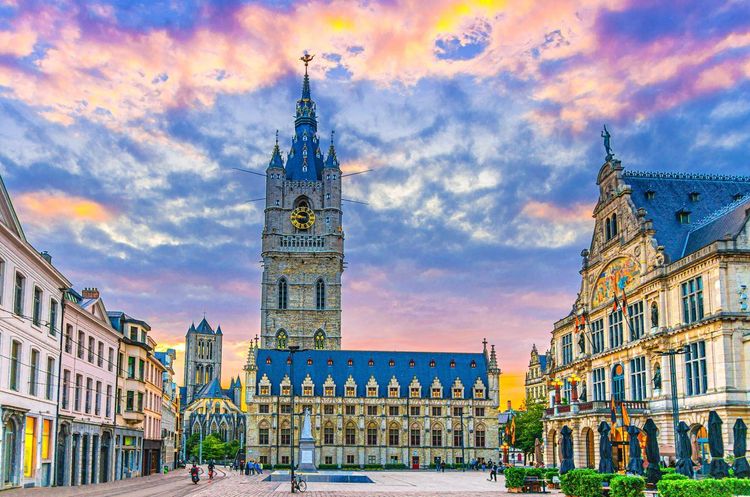
Start with the Belfry (Belfort), listed as a UNESCO World Heritage Site along with the belfries of Belgium and France. Its fourteenth-century tower rises 91 meters and can be visited by elevator then on foot up to the bell room, with a 360° panorama over the red rooftops of the center. Go up early in the morning: the queue grows noticeably after 11am in high season, and the morning light gives the rooftops a sharper tone from the top.
Directly opposite stands Saint Bavo's Cathedral, whose main attraction comes down to a single altarpiece: the Mystic Lamb by the Van Eyck brothers, completed in 1432 and considered one of the founding masterpieces of Flemish painting. Cathedral entry is free, but the altarpiece is seen with a separate ticket (around €12.50), which includes an augmented reality tour in the crypt. Worth knowing before you visit: the third phase of restoration, launched in 2023, is due to be completed in spring 2027, and some panels are temporarily replaced by high-definition reproductions. Allow 45 minutes to an hour if you really want to sit with the work: the altarpiece is packed with symbolic details invisible to the untrained eye, from the gemstones on the garments to the almost photographic faces of the donors.
Nearby, Saint Nicholas' Church (Sint-Niklaaskerk) completes this triangle with its Scaldian Gothic architecture, recognizable by its blue Tournai stone. Less visited than the cathedral, it nevertheless deserves a ten-minute stop just for the sobriety of its nave, often bathed in softer light late in the morning. It was historically the church of merchants and guilds, which explains its position on the commercial axis of the Korenmarkt.
The Graslei and Korenlei Quays up to Saint Michael's Bridge
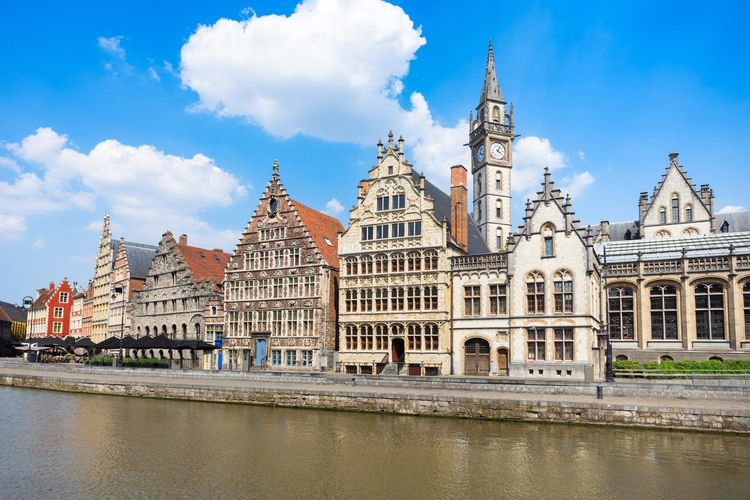
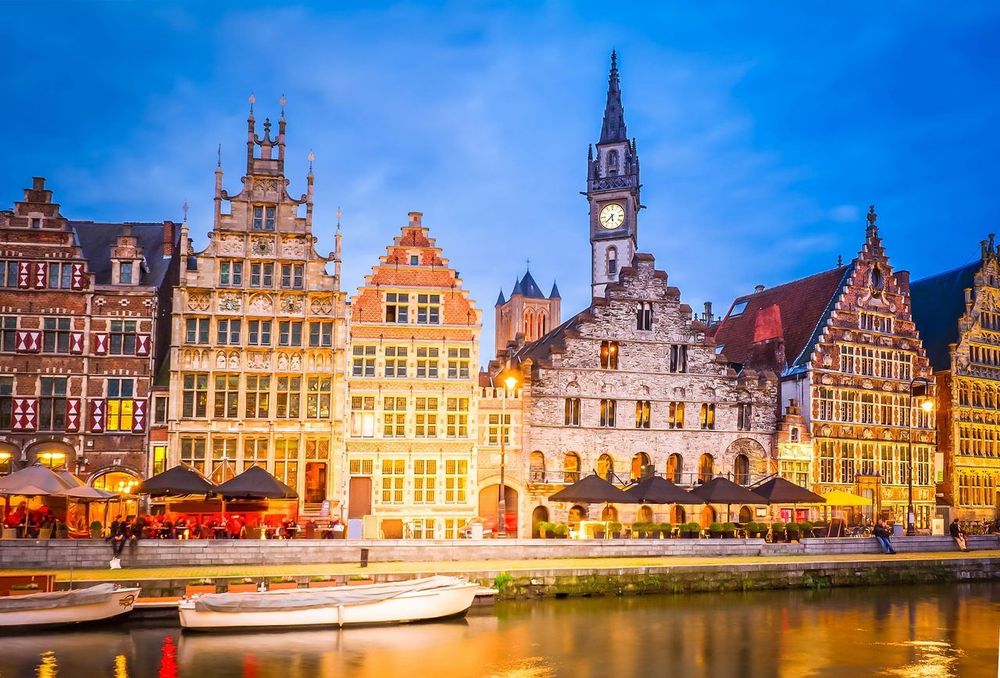
Heading down toward the Leie, the Graslei (Herb Quay) and Korenlei (Grain Quay) face each other on either side of the water. This is where Ghent most resembles the postcard image you expect of it: a continuous row of guild houses and grain warehouses, from the thirteenth to the seventeenth century, gabled facades reflecting in the canal at sunset. Terraces take over both quays in fine weather, and this is also the most convenient starting point for a boat ride along the Leie.
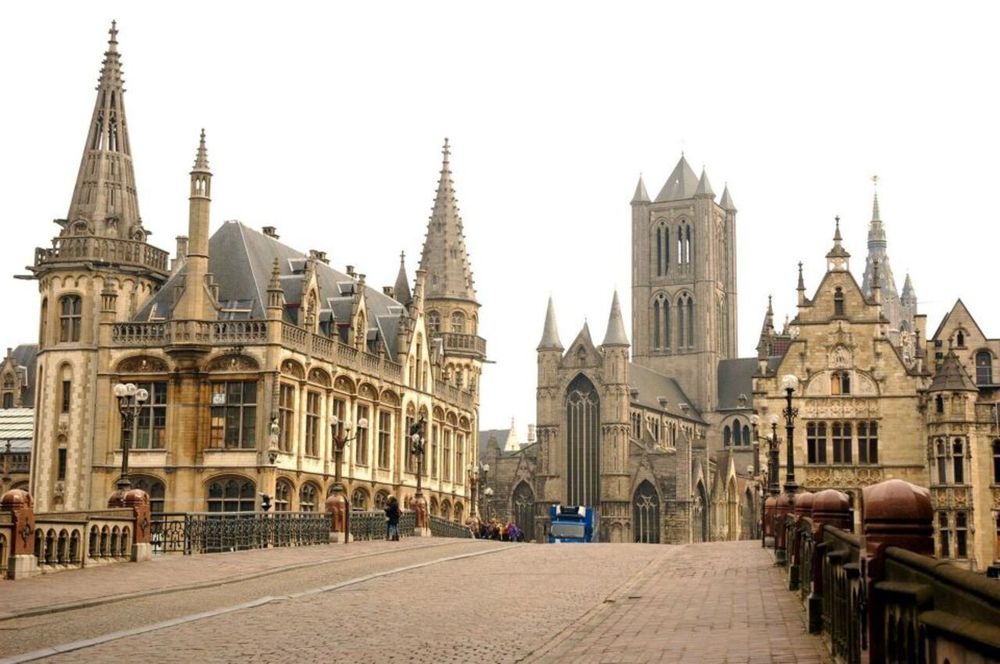
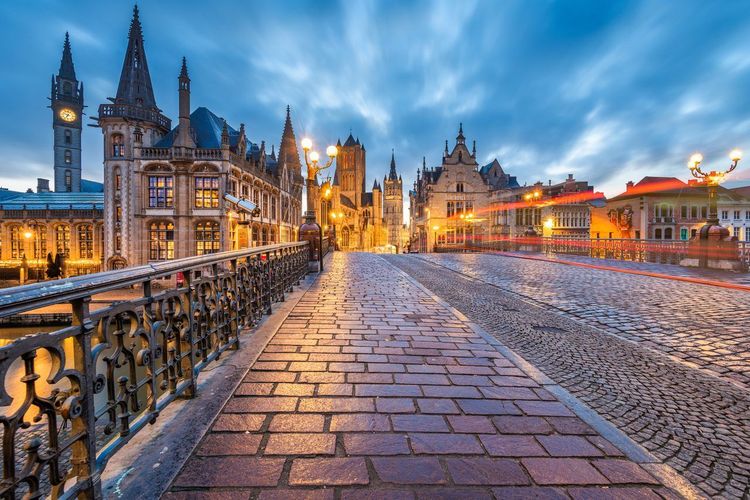
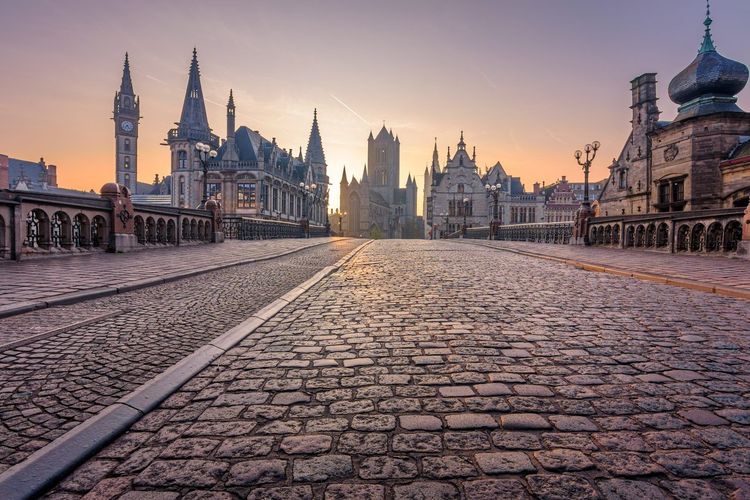
A few meters further, Saint Michael's Bridge (Sint-Michielsbrug) offers one of the city's most photographed viewpoints: on one side the towers of Saint Nicholas', the Belfry, and the cathedral lined up, on the other the quays and Saint Michael's Church. Come at dusk, when the night lighting gradually illuminates the three towers, a moment many visitors miss by heading back to their hotel too early.
The Castle of the Counts (Gravensteen) and the Patershol District
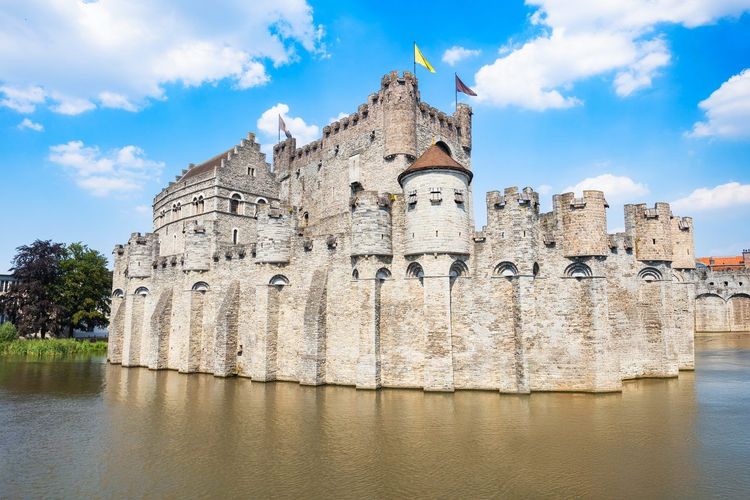
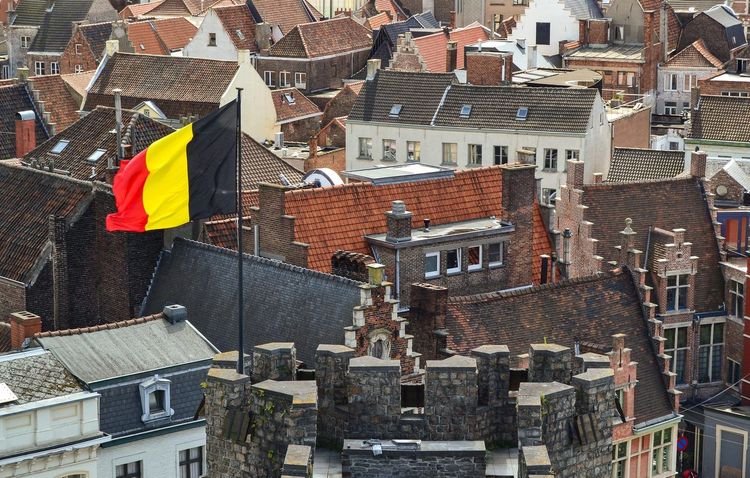
Ten minutes' walk from the quays, the Castle of the Counts closes off the historic center on its northern side. Built in 1180 by Count Philip of Alsace upon his return from the Crusades, it is one of the rare medieval moated castles so well preserved in Flanders. You can walk the ramparts, explore a collection of weapons and torture instruments that never fails to impress, and follow a wall walk with close-up views over the rooftops. Open every day from 10am to 6pm (last entry around 4:40pm), it has been undergoing an extensive renovation project since 2022: book your time slot online, with an adult ticket running around €13 to €15 including audio guide.
Just behind the castle begins the Patershol district, a maze of cobbled lanes long inhabited by leather craftsmen and now reinvented as a small neighborhood of restaurants and bars. It is particularly pleasant on a Friday or Saturday evening, when the terraces spill onto the cobblestones and the signs light up one by one. During the day, the district lends itself more to a peaceful stroll, far from the tourist density of the Belfry.
The City Hall, the Groot Vleeshuis, and the Friday Market
Heading back toward the center, the City Hall (Stadhuis) surprises with its mix of styles: a sixteenth-century Flamboyant Gothic wing attached to a more restrained Renaissance facade, the works having been interrupted then resumed decades later due to lack of funds and religious unrest. Nearby, on the Groentenmarkt, the Groot Vleeshuis (Great Butchers' Hall), a long fifteenth-century medieval hall where meat was once sold, has been closed to the public since 2021: its timber frame was too fragile. The city is restoring it to create a bicycle parking area, and the East Flanders regional products shop it housed has temporarily relocated under the Stadshal, next to the Belfry. You can still taste local hams, cheeses, and beers, but a few streets away.
End this first tour at the Vrijdagmarkt (Vrijdagmarkt, 9000 Gent, rated 4.5/5 on Google with 2K reviews) (Friday Market), one of Ghent's largest squares and a hub of public life since the Middle Ages. A market is still held there every Friday morning, under the gaze of the statue of Jacob van Artevelde, a popular fourteenth-century leader who rallied Ghent's weavers. In the evening, the cafés on the square liven up considerably, with the university never far away.
If you prefer to let these monuments tell their own story, the Ryo audio guide tour of Ghent takes you past the Belfry, Saint Bavo's Cathedral and the Castle of the Counts, with the history of each site triggered automatically as you approach.
Ghent off the Beaten Path: Street Art, Canals, and Green Walks
Once the major monuments are ticked off, Ghent reveals a second layer, more local in character, made up of tucked-away lanes and waterside strolls. This is often the part of the stay that visitors remember longest.
Going off the Beaten Path: Ghent's Street Art
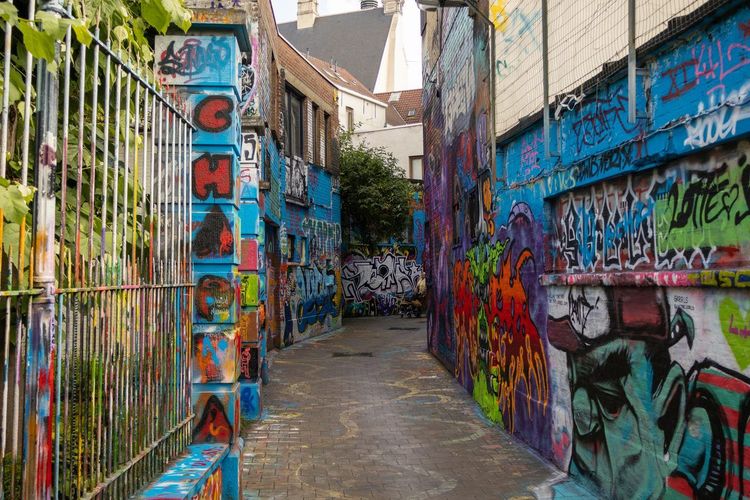
Ghent has authorized graffiti in certain areas of the center since the 1990s, making it a genuine playground for urban artists rather than a rule to work around. The Werregarenstraat, nicknamed Graffiti Street, changes its face constantly: what was painted yesterday may be covered the next day by another artist, meaning no two visits to this alley are ever the same.
Murals also spread across blank walls throughout the city, often monumental portraits or politically engaged scenes. A simple wander away from the Belfry-Castle axis is enough to stumble upon several by chance, a good excuse to leave the triangle of the three towers behind.
Discovering Ghent by Boat or Kayak
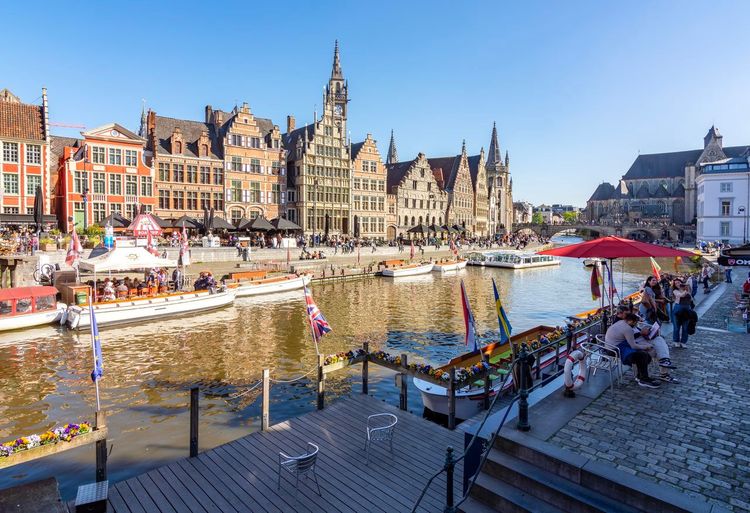
The Leie runs through the city center and lends itself to two very different ways of exploring it. A guided boat tour along the Leie canals remains the most relaxing option: departures from the Graslei and Korenlei, commentary in several languages, around 40 minutes to an hour drifting past facades from the water, which completely transforms your perspective on the Castle of the Counts and the guild houses.
For a more active approach, exploring Ghent by kayak lets you venture at your own pace, with hourly rentals near Portus Ganda, the city's former river port. Choose late afternoon, when the raking light gives the brickwork a warmer hue and river traffic dies down. Pack clothes you don't mind getting a little wet.
CitadelPark and Green Walks
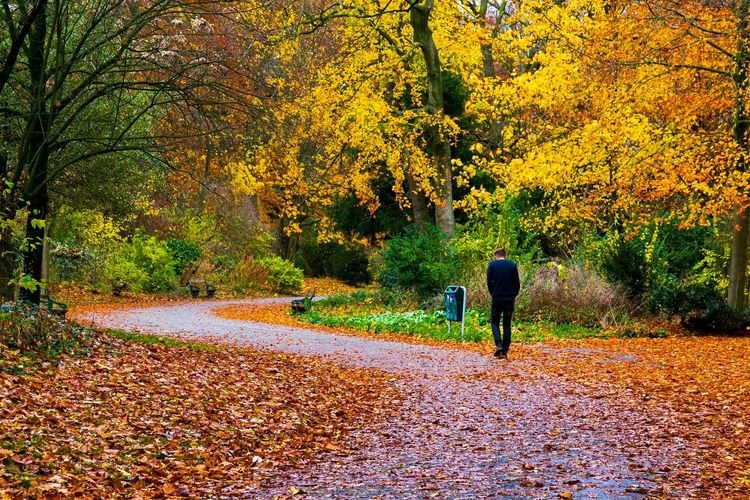
Fifteen minutes' walk from the historic center, CitadelPark (Citadellaan, 9000 Gent, rated 4.2/5 on Google with 6,431 reviews) offers a true green escape, with its lawns, artificial cascades, and bandstand, laid out in the nineteenth century on the site of a former military citadel. This is also where the MSK and SMAK are located, making it easy to combine a museum visit with a nature break in a single outing.
Ghent is also wonderfully suited to exploring by bike: the city has a dense cycling network, supported by a traffic plan that removed cars from the center in 2017, and several rental shops offering classic bikes or cargo bikes for getting around with children. Cycling along the quays early in the morning, before the tour groups arrive, remains one of the most revealing ways to see the city as its residents do.
For this kind of off-the-beaten-path itinerary, there is a Ryo audio guide tour entirely dedicated to it, Flanders' best-kept secret: 19 audio stops over 2.7 km, around 1h10 of walking, taking you far from the most photographed quays into corners that most hurried visitors never notice.
Museums and Culture in Ghent
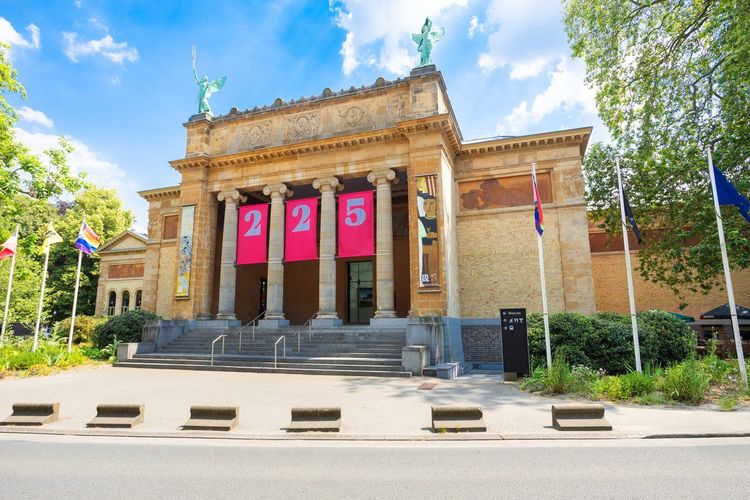
Ghent boasts a dense museum scene for its size, ranging from classical to contemporary. Easily enough to fill half a day on a rainy afternoon.
The MSK and SMAK: from Classical to Contemporary Art
The MSK (Museum voor Schone Kunsten), Ghent's fine arts museum, covers Flemish and European painting from the Middle Ages to the twentieth century, from Hieronymus Bosch to James Ensor by way of the Flemish Primitives. It is a good introduction if you want to understand the context of the Mystic Lamb: it is in fact in its workshops that the altarpiece's restoration is taking place.
Opposite, in the same park, the SMAK (Municipal Museum of Contemporary Art) takes over with often bold temporary exhibitions and a collection focused on contemporary art since the post-war period. Families with teenagers generally find more to engage with here, thanks to immersive installations, while art history enthusiasts will spend more time at the MSK. Both are included in the Ghent CityCard, which simplifies a combined visit on the same day.
The Small Beguinage of Our Lady and the Industry Museum
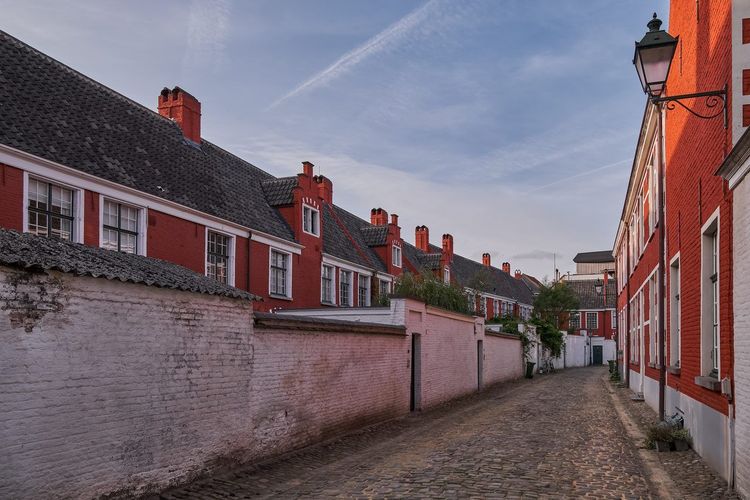
Less well known, the Small Beguinage of Our Lady (Lange Violettestraat, 9000 Gent, rated 4.5/5 on Google with 399 reviews) (Klein Begijnhof Onze-Lieve-Vrouw) offers a quiet haven ten minutes from the center: white cottages grouped around a garden, founded in the thirteenth century for beguines, communities of lay women living without taking permanent vows. Entry is free and the site remains inhabited today, which means visitors must keep quiet and refrain from photographing the interiors of the dwellings.
For a more industrial angle, the Industriemuseum (formerly MIAT) traces the history of the textile industry that made Ghent's fortune in the nineteenth century, housed in a former cotton spinning mill with its machines and looms still in working order. It is particularly appealing for families thanks to its demonstrations, and its top floor offers an unexpected view over the city center's rooftops.
Where and What to Eat in Ghent: Specialties and Good Addresses
Ghent's gastronomy blends Flemish tradition with a very active vegetarian restaurant scene, the city having claimed the title of Belgium's veggie capital for years.
Local Specialties to Try: Cuberdons, Fries, and Ghent Beers
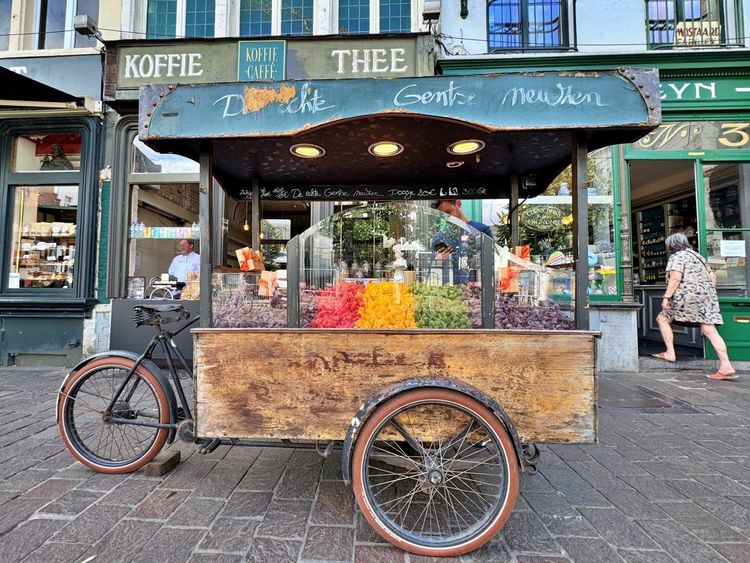
It's impossible to leave Ghent without having come across a cone of cuberdons, those purple cone-shaped raspberry sweets that Ghent locals call neuzekes ("little noses"), sold at street stalls, notably on the Groentenmarkt, and now almost as much a symbol of the city as the Belfry. Ghent fries are eaten standing up, sauce on the side, at the many frituurs in the center: a Belgian classic that isn't reinvented here, just done very well, with a double fry that remains the norm.
On the beer side, the city has its own breweries and distinctive Ghent beers: local tripels, and above all herb beers (gruit) brewed according to recipes predating the widespread use of hops. These recipes, long fallen into disuse, have been revived by local brewers keen to bring back a taste heritage unique to the region.
For local specialties to take home, the mustard shop Tierenteyn-Verlent (Groentenmarkt 3, 9000 Gent, rated 4.7/5 on Google with 363 reviews), founded in 1790, is a must for its mustard served at the counter in stoneware jars, prepared to a recipe virtually unchanged for two centuries. For chocolates, several artisan shops in the center offer fresh pralines to assemble yourself, an alternative to the big chains if you're looking for a gift that stands out.
Our Recommended Restaurants, Bars, and Coffee Shops
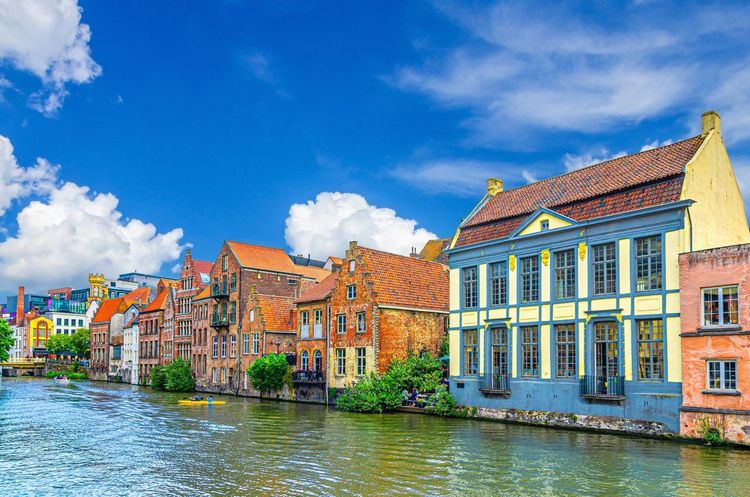
On the dining front, Ghent fully owns its reputation as Belgium's most veggie-friendly city: you'll find a casual vegan burger just as easily as a traditional Flemish carbonnade a few streets apart, often in the same Patershol neighborhood. Vegan and vegetarian addresses are plentiful and affordable here, a phenomenon born from the "veggie Thursday" (Donderdag Veggiedag) launched in 2009, a world first for a city.
For bars, the Vrijdagmarkt and Patershol concentrate most of the evening action, with specialist beer bars where staff will help you choose from menus that sometimes exceed a hundred references. Coffee lovers will find several independent roasters in the center, a specialty coffee scene that has noticeably leveled up in recent years.
A good habit for a first stay: book your table on Friday and Saturday evenings, especially in the Patershol, where the best spots fill up early in the evening during high season. You'll find the full rundown of specialties to try in our dedicated article on Ghent's culinary specialties.
Where to Stay in Ghent for a First Visit
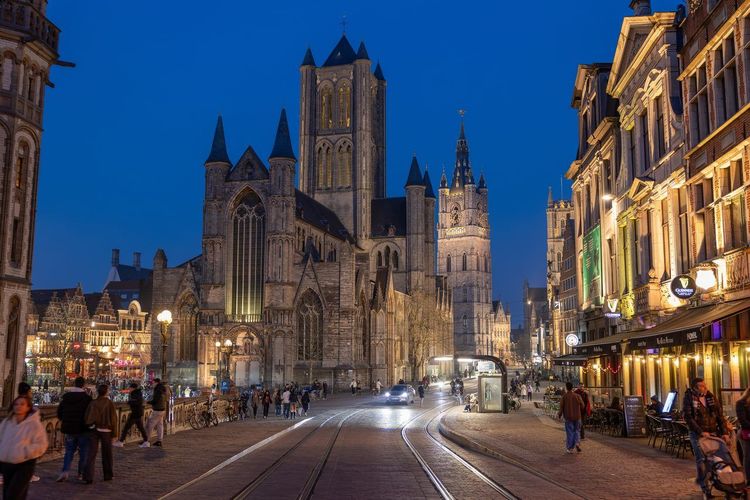
For a first stay, it's best to prioritize accommodation within fifteen minutes' walk of the Belfry: that's where everything is concentrated, and Ghent evenings have a way of turning into long impromptu walks along the quays.
Center and station: the Hôtel Carlton, close to Ghent-Sint-Pieters station, works well if you're arriving by train and want to minimize journeys with luggage, at the cost of about ten minutes by tram to the historic heart. It's also a practical option for an early morning departure to Bruges or Antwerp.
Historic charm: steps from the castle, the Hôtel Gravensteen occupies a nineteenth-century mansion and plays the classic décor card, with moldings and fireplaces included, while 1898 The Post, housed in the former central post office on the Korenmarkt, bets on impressive volumes and carefully converted heritage architecture.
Boutique and design: on the more contemporary side, the Yalo Urban Boutique Hotel and the Pillows Grand Boutique Hotel Reylof (Hoogstraat 36, 9000 Gent, rated 4.7/5 on Google with 2,165 reviews) offer carefully designed interiors and an upscale positioning, the latter occupying a former private mansion remodeled around an interior garden, a real asset in summer. Book several weeks in advance in high season, as the number of rooms remains limited.
Whatever your budget, prices rise sharply during the Gentse Feesten in July: booking three to four months ahead is the only way to have a decent choice without paying last-minute peak rates.
Itinerary: Visiting Ghent in 1, 2, or 3 Days
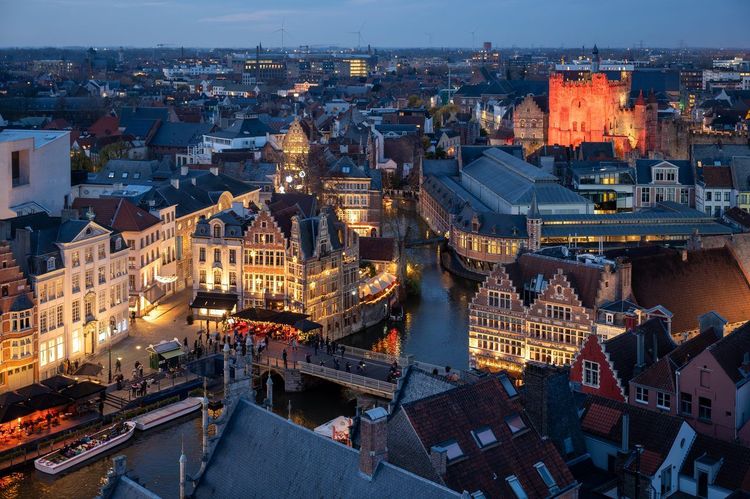
The good news about visiting Ghent for the first time is that the historic center can be covered entirely on foot. The question is therefore not how long it takes to tick off the monuments, but how much time you want to spend wandering between them.
Ghent in One Day: the Express Itinerary
One day is enough to see the essentials if you start early: Belfry and cathedral first thing in the morning before the crowds, then the Graslei and Korenlei, a stop at Saint Michael's Bridge, heading to the Castle of the Counts late morning, lunch in the Patershol, then the Vrijdagmarkt and Groentenmarkt in the early afternoon. That leaves an end of day for a boat ride along the Leie or a pass by the street art of the Werregarenstraat before catching the train back.
To frame this short format, a free tour of Ghent with Civitatis is a tip-based option that covers the same highlights in about two hours with a local guide, best combined with a solo afternoon stroll to revisit at your own pace the places that stood out most.
Ghent over a Weekend: Taking Time to Wander
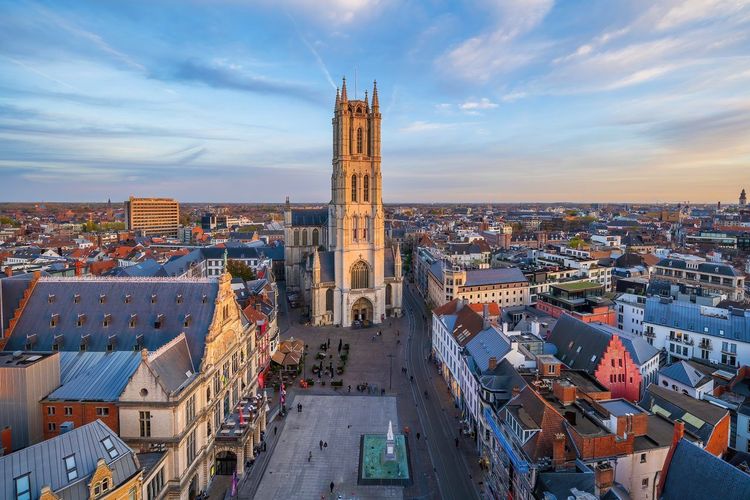
Over a weekend, the first day stays devoted to the historic center, but without rushing: add the street art, a boat or kayak ride, a museum (MSK or SMAK depending on your taste), and a real evening in the Patershol without watching the clock. The second day lends itself to a half-day trip to Bruges or Antwerp, keeping Ghent for a final nighttime stroll along the illuminated quays, often the most memorable moment of the trip.
Over three days, the pace becomes very comfortable: two days for the city, incorporating CitadelPark, the small beguinage, the Industriemuseum, and a morning market, and a full day for the surroundings, whether Bruges, Antwerp, or a cycling loop through the Flemish Ardennes.
Whether you've planned a morning or a full weekend, the Ryo audio guide adapts to the format you choose, with narration triggered as you approach each stop, without having to watch a map or recalculate your route for an unexpected detour.
How to Get to Ghent and Get Around
From Paris, Ghent is reached by train via Brussels-Midi: Eurostar (formerly Thalys) in around 1h20, then a Belgian IC train of just under half an hour to Ghent-Sint-Pieters, the main station. Allow 2h30 to 3h total depending on the connection, with trains to Ghent running frequently during the day.
By car, the route goes via the A1 to Lille then the E17 via Kortrijk, for a journey of around 3h from Paris outside of traffic. There is no commercial airport in Ghent: Brussels Airport remains the most practical, about one hour by train from Ghent-Sint-Pieters.
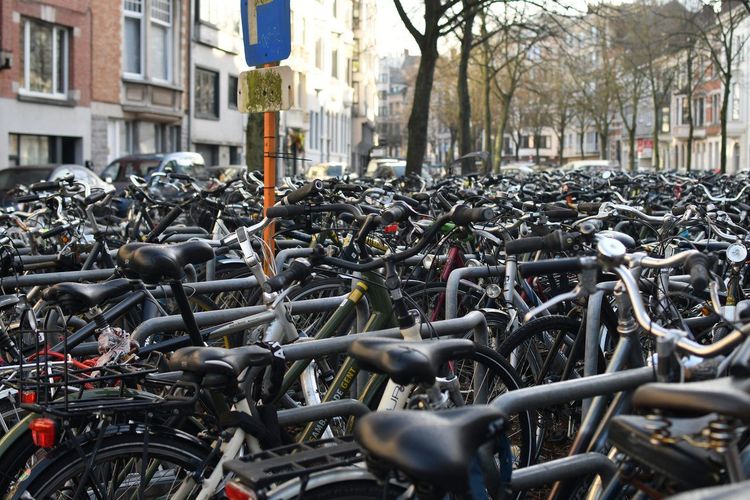
Once there, getting around Ghent requires almost no logistics. The historic center can be crossed on foot from end to end in about twenty minutes, and the De Lijn tram network efficiently covers the route to the station or CitadelPark. Cycling remains the preferred option for residents, with bike lanes everywhere and several rental shops offering hourly or daily hire.
If you're coming by car, two things to plan for. First, the entire center is a low-emission zone (LEZ): vehicles registered abroad (outside the Netherlands) must be registered for free online, ideally before departure as processing can take up to 14 days, or face a fine. Second, the historic core is pedestrian or with restricted traffic: aim for an underground car park on the edge of the center or, more economically, the P+R The Loop, located outside the LEZ and connected to the center by tram.
Practical Information for Planning Your Stay
- When to visit Ghent: spring (April–June) and early autumn (September) offer the best weather-to-crowds trade-off, with reasonable queues at the Belfry. July is livelier thanks to the Gentse Feesten, ten days of street celebrations, but also busier and pricier for accommodation.
- The Ghent CityCard: this pass gives access to the main museums and monuments (Belfry, castle, MSK, SMAK, Industriemuseum), as well as trams, buses, bikes, and a boat ride. Around €49 for 48h and €55 for 72h: it pays for itself from three or four paid admissions.
- Entry requirements: Belgium is part of the Schengen Area; a valid ID card is sufficient for travelers coming from France or the EU.
- Time zone: no difference; Belgium is on the same time zone as France year-round.
- Flying: unnecessary from Paris, where the train is faster door to door; from a more distant city, aim for Brussels, about 1h flight from most French airports.
- Digital city map: Ghent's tourist office offers an interactive map online, useful for identifying walking routes and up-to-date opening hours before you leave, to complement an audio guide for on-the-ground discovery.
Ghent and Its Surroundings: Bruges, Antwerp, and Beyond
An advantage few guides truly detail: Ghent lends itself very well to half-day excursions, its central position in Flanders placing it less than an hour from several of the region's flagship cities.
Bruges, just 25 minutes by train, charms with its even narrower canals and its almost entirely pedestrian center. If you're torn between the two cities, know that they complement each other more than they compete: one plays the postcard card, the other offers a more present day-to-day local life.
Antwerp, about 50 minutes away, plays a different hand: a livelier port city, a fashion district recognized across Europe, a Gothic cathedral, and the Royal Museum of Fine Arts (KMSKA), reopened in 2022 after eleven years of renovation. It's a good option for adding an urban, contemporary dimension to a very heritage-focused trip.
For something beyond the classics, Termonde (Dendermonde), half an hour by train, offers an authentic Flemish center without the crowds, with its UNESCO-listed belfry and a human-scale main square. The Flemish Ardennes, around Oudenaarde south of Ghent, unfold hills and cobbled climbs tackled every spring by the Tour of Flanders, a region to prioritize if you've rented a bike or a car.
Local Tips and Hidden Gems to Discover Ghent Like a Local
Beyond the monuments, Ghent is best savored by wandering without a fixed itinerary, deliberately getting lost in a lane that wasn't on the map.
At the weekend, the flea market and antiques market at Bij Sint-Jacobs and the Beverhoutplein is worth a visit even without any intention to buy: bric-a-brac dealers, old Flemish objects, mismatched crockery, in an atmosphere far less touristy than the center. It runs Friday and Saturday from 8am to 1pm, and Sunday until 2pm; come early for the best finds, late to negotiate.
In December, the Ghent Christmas market (Gentse Winterfeesten) spreads more than 150 wooden chalets from Sint-Baafsplein to the Korenmarkt, with an ice rink set up under the Stadshal, in the shadow of the Belfry. On the cultural calendar, two events punctuate the year: the Festival van Vlaanderen Gent, dedicated to classical music in the city's heritage venues, and the Film Fest Gent, an international film festival founded in 1974 and held every autumn.
For this kind of mood-driven discovery, the Ryo audio guide shares an anecdote at every stop, a bit like a Ghent friend walking alongside you, with no time slot to book and no group to follow.
Find more local favorites in our article on the best things to do in Ghent.



FAQ
Is it possible to visit Ghent on foot?
Yes, and it's actually the best way to do it. The historic center is compact, largely pedestrian or with very restricted traffic, with all the major monuments within less than twenty minutes' walk of each other. Only CitadelPark and the neighborhoods around the station require a bit more walking or a tram ticket.
How many days do you need to visit Ghent?
One day is enough for the must-sees of the historic center, but a weekend allows you to truly take your time, add a boat or kayak ride, and enjoy the city's great food spots. Three days open the door to a day trip to Bruges or Antwerp without sacrificing a single Ghent visit.
What is the best time to visit Ghent?
Spring and early autumn offer the best balance between pleasant weather and moderate crowds. July, the period of the Gentse Feesten, is more festive but busier, and December draws visitors for the Winterfeesten.
How do you get to Ghent from Paris?
The train remains the simplest option: Eurostar to Brussels-Midi then an IC train to Ghent-Sint-Pieters, for a total of around 2h30 to 3h. By car, allow about 3h via the A1 and E17, remembering to register your vehicle for the low-emission zone.
Where can you park in Ghent?
Since the historic center is largely pedestrian, it's better to aim for an underground car park on the edge of the center or the P+R The Loop, outside the low-emission zone and connected by tram, rather than looking for a surface spot, which are rare and regulated.
Ghent or Bruges: which one to visit first?
The two complement each other more than they compete: Bruges for a very compact postcard-perfect center, Ghent for a livelier and less touristy city with a real student life. Just 25 minutes apart by train, the ideal is to combine both on the same trip.
Do you need to book to see the Mystic Lamb at Saint Bavo's Cathedral?
Online booking on the cathedral's website is strongly recommended, especially in high season and on weekends. Cathedral entry remains free; only the Mystic Lamb visitor center, with its augmented reality tour, requires a ticket (around €12.50). Until the end of the restoration scheduled for spring 2027, some panels are displayed as reproductions.
Conclusion: Making the Most of Your First Visit to Ghent
Ghent doesn't need a long stay to leave a lasting impression: one well-organized day is enough to understand why the city long rivaled Bruges for the title of Flanders' most beautiful city, before settling into a quieter pace that now works in its favor. For a first visit, keep three reflexes in mind: go up the Belfry early, book the Mystic Lamb and the Gravensteen online, and save an evening for the illuminated quays.
Whether you stay for a day or a full weekend, the Ryo audio guide tour of Ghent remains the simplest way to connect all these places without thinking about it, a story triggered at every street corner, from the Belfry all the way to the lanes of the Patershol.