© Shutterstock
 Votre guide Ryo
Visit Ghent in 3 Days: The Complete Itinerary for 2026
Ghent has never really tried to be the star of Flanders. Bruges has the canals and the tour buses, Brussels has the institutions, and Ghent has kept its medieval centre, its cobbled quays and its cycling students for itself. Visiting Ghent in 3 days lets you step into exactly that rhythm: that of a city where the belfry still rings the hours, where the boatmen of the Graslei know every façade by heart, and where you can get lost in Patershol without ever running into the same group twice. The Ryo audio-guided tour of Ghent traces this path step by step, from the monumental heart to the most discreet lanes.
Beyond the itinerary, this guide gives you everything else: where to sleep depending on your budget, how to get here from Paris, Brussels or Lille without a car, what the CityCard really includes, which excursions to add, and how to adapt the programme for children, a romantic stay or three rainy days. If you are still unsure about the format, our article on visiting Ghent for the first time details a more gradual version of this itinerary, useful if you arrive with no bearings at all.
Why Visit Ghent in 3 Days
Three days is the format that comes up most often among the city's regulars, and it is not chosen at random. A first day for the monumental heart, between Saint Bavo's Cathedral and its Mystic Lamb, the belfry and the canals. A second for the Middle Ages in fortress form, with the Castle of the Counts and the labyrinth of Patershol. A last one for art, from the paintings of the Museum of Fine Arts to the installations of SMAK, before catching your breath in the greenery of CitadelPark. Between visits, you will taste violet cuberdons and a beer brewed without hops, and you will find your way easily on the map of Ghent, compact enough to cover on foot and dense enough never to go in circles.
What sets Ghent apart is, first of all, its balance. With more than 60,000 students for about 270,000 inhabitants, the city lives beyond museum opening hours: terraces are full on a Tuesday evening, the quays fill up at the first rays of sunshine and concerts follow one another all year round. Its heritage has nothing to envy that of Bruges, but it coexists with trams and bicycles parked by the hundreds in front of the university buildings.
You will also find better value for money than in its neighbour, for both the hotel and dinner, and crowds that remain bearable even in midsummer. Finally, the city is compact: most of the sites in this programme fit within a rectangle of two kilometres by three, which leaves you time to sit down, step into a café unplanned, or return to a quay at dusk. That is exactly what three days allow, and what a simple day trip from Brussels does not.
Day 1: Cathedral, Belfry and Canals of the Historic Centre
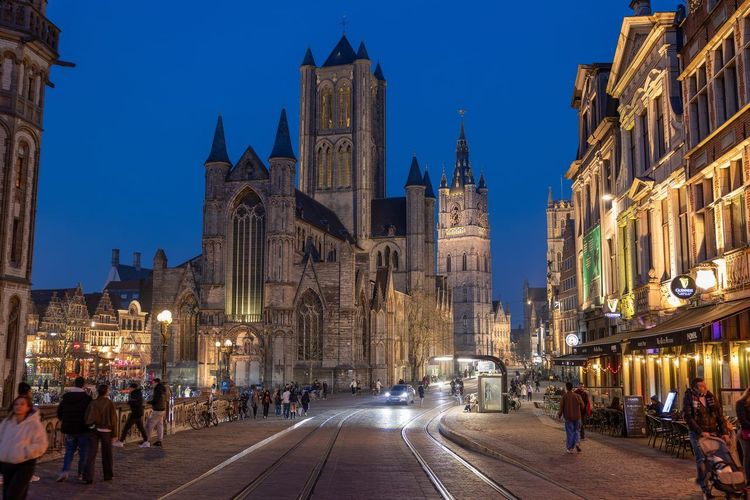
The first day plays out entirely within a radius of 800 metres. Start early: the three towers that dominate the city (belfry, cathedral, Saint Nicholas' Church) line up along the same axis, and are better visited before the groups arrive, around 9:30-10 a.m.
Belfry, Cloth Hall and Town Hall: The Monumental Heart
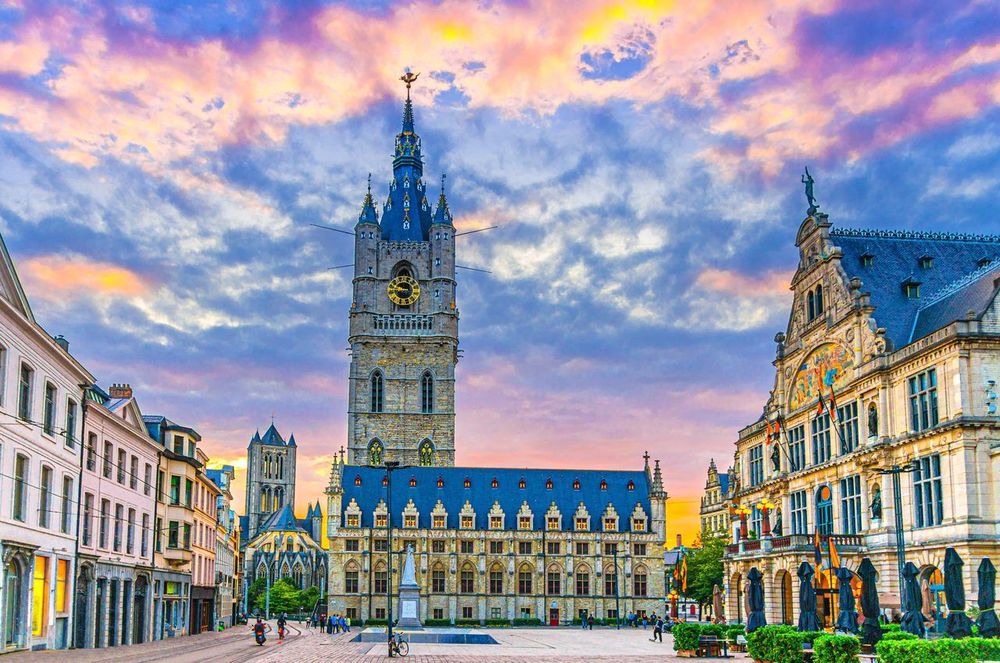
The Belfry of Ghent rises to 91 metres and remains, along with those of Bruges and Tournai, one of the symbols of Flemish communal liberties, listed as a UNESCO World Heritage Site together with the belfries of Belgium and France. At the top stands the golden dragon, a weathervane turned emblem of the city. A lift climbs to the upper floors, where the panorama takes in the red roofs, the three bell towers and the line of the quays all at once. On the way, you will pass the carillon mechanisms: if you are there on the hour, the sound effect is guaranteed.
Attached to the belfry, the Cloth Hall (Lakenhalle), begun in 1425, was used to control the cloth trade, the economic engine of the medieval city. It is now the entrance for going up the belfry: look up at its vaults as you pass, as it is one of the few civil Gothic interiors in the city accessible without a reservation.
Crossing towards the Botermarkt, the Ghent Town Hall) strikes with its double face: a flamboyant Gothic façade on one side, a Renaissance wing on the other, a building project stretched over several centuries by finances and religious troubles. Interior tours (wedding hall, Pacification Hall) can be booked through the tourist office if you want to see beyond the façade.
Saint Bavo's Cathedral, the Mystic Lamb and Saint Nicholas' Church
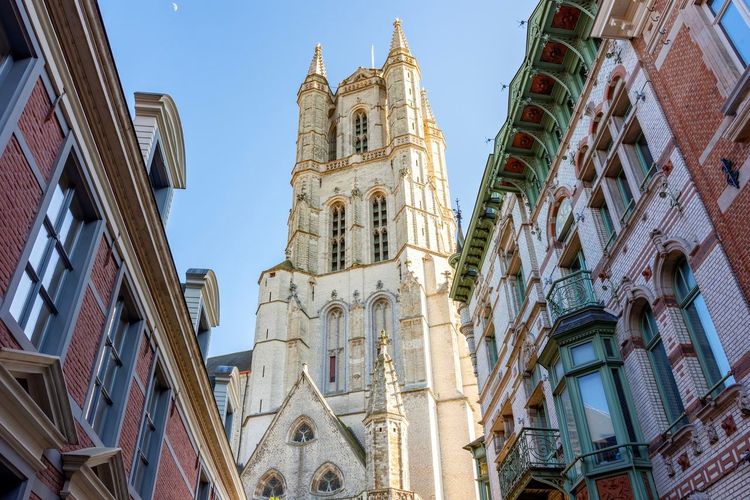
Two minutes away on foot, Saint Bavo's Cathedral (Sint-Baafskathedraal) houses what many visitors come for: the Mystic Lamb, the polyptych by the Van Eyck brothers completed in 1432, restored in stages for more than ten years and displayed in a dedicated space with a separate ticket and an augmented reality tour. Take the time to use the audioguide: the symbolic details (the lamb, the precious stones, the faces) easily escape the untrained eye. The work has been stolen, dismantled, hidden, claimed by Napoleon and then by the Nazis; one of its panels, the Just Judges, has never been recovered since 1934.
Just in front, Saint Bavo's Square provides a breather between monuments, lined with terraces handy for a coffee before moving on. You will see the monument to the Van Eyck brothers, a logical nod to the work you have just contemplated.
Heading up towards the Korenmarkt, Saint Nicholas' Church (Sint-Niklaaskerk) asserts its Scheldt Gothic style in blue Tournai stone, a style specific to the Scheldt basin that is rarely found elsewhere. The interior, long closed for restoration, now showcases its bright vaults. Entry is free: ten minutes are enough, but they count.
Korenmarkt, Graffiti Street and a Boat Ride on the Canals
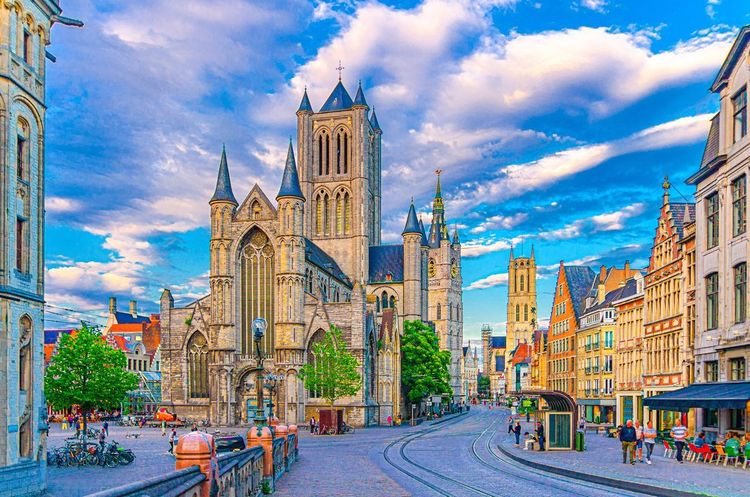
The Korenmarkt, the former grain market, is the natural crossroads of the centre: cafés, gabled façades and the starting point of most guided tours, including the Civitatis free tours if you prefer a first live-guided approach before returning alone to certain sites.
It is also a good time for lunch. Avoid the terraces that look directly onto the Korenmarkt, convenient but rarely memorable, and head a few streets up towards the Groentenmarkt or Hoogpoort street: you will find sandwich shops, neighbourhood fries stands and brasseries where Ghent locals eat lunch themselves. A portion of fries in a paper cone, eaten on the steps of the Graslei, remains one of the simplest and most appreciated rituals of the centre.
Just steps away, the Werregarenstraatje, nicknamed Graffiti Street, is an alley where street art is authorised and continuously renewed since the 1990s. The works change from one week to the next: what you photograph today may have disappeared by the time another artist passes through.
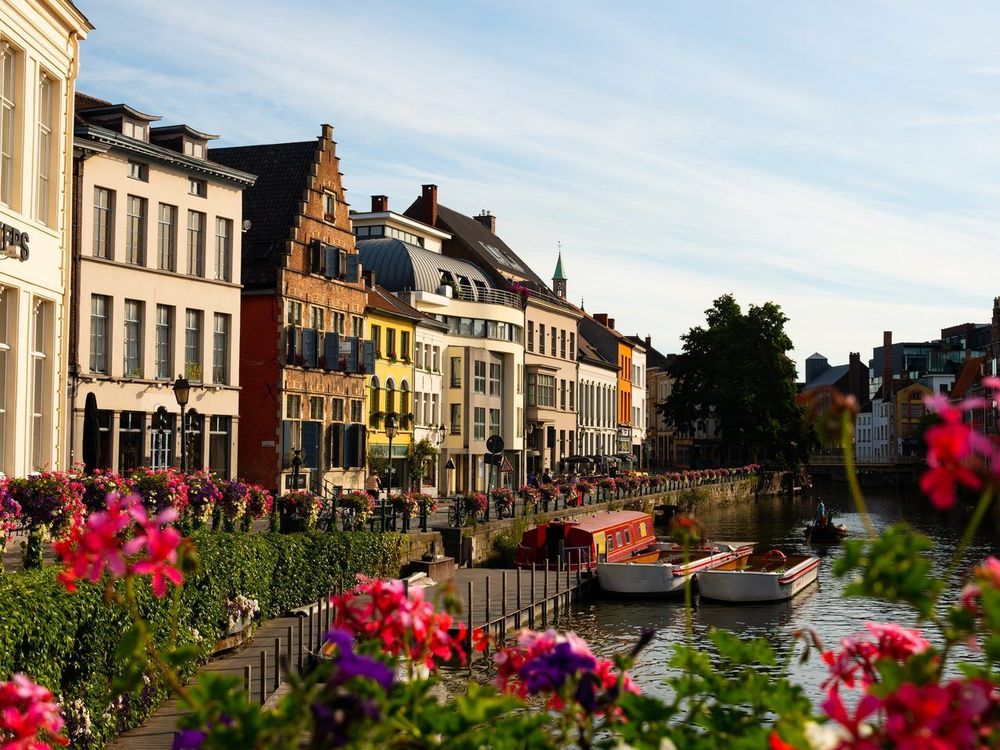
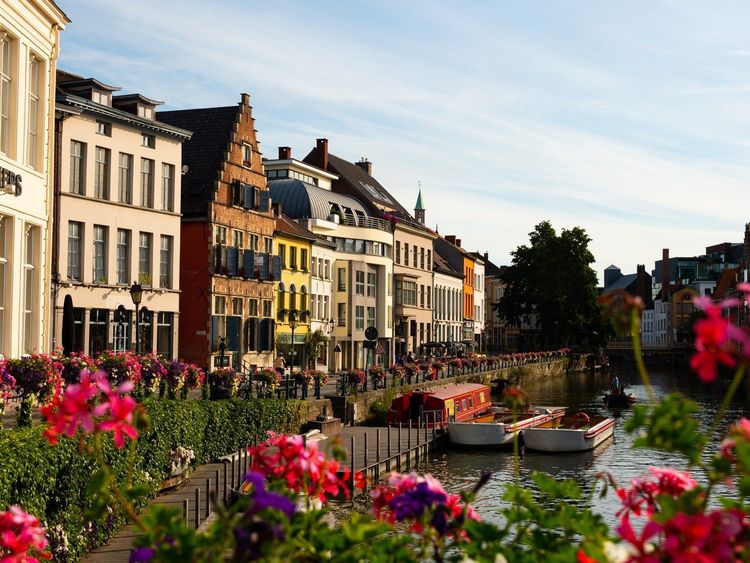
Heading back down to the water, the Graslei and Korenlei quays face each other with their guild house façades, the most photographed scene in the city and the boarding point for boat rides on the canals of Ghent. Allow 40 to 50 minutes for a guided tour that passes under the bridges of the centre and runs alongside the Castle of the Counts from the water, an angle impossible from the street. The best viewpoint over both quays? Saint Michael's Bridge, especially at the end of the day. If the weather allows, keep your camera at hand throughout the ride: the reflections of the gables in the calm water of the canals make for the best shots of the day, far better than from dry land. Nearby, the small square of Poeljemarkt (9000 Ghent, Belgium), a former poultry market, deserves a quiet detour before ending the day.
If you like combining heritage and anecdotes, the Ryo audio-guided tour devotes a loop to this belfry-cathedral-quays triangle: 19 audio stops over 2.7 km, about 1h10 of walking, with the eventful story of the Mystic Lamb told in your ear between stops. Enough to anchor this first day without hunting for information panels.
Day 2: Castle of the Counts and the Patershol District
The second day changes era and bank: head to the north of the historic centre, more intimate and less crossed by organised groups. Plan for comfortable shoes, as cobblestones are the rule.
Castle of the Counts (Gravensteen) and the Lanes of Patershol
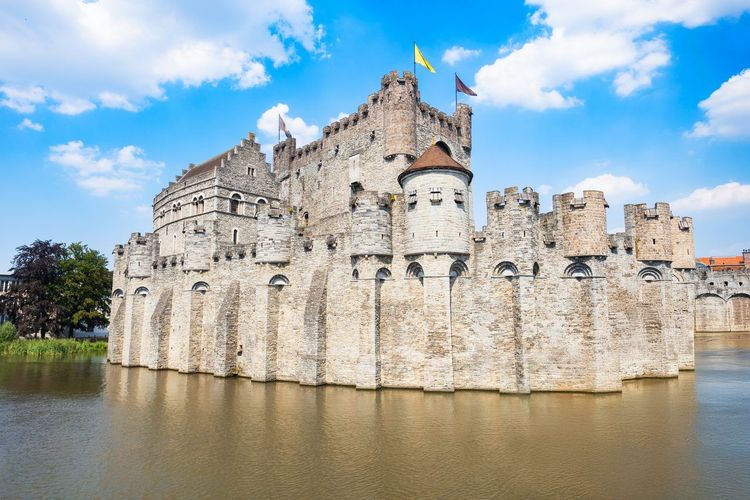
The Castle of the Counts (Gravensteen) was built in 1180 by Philip of Alsace, Count of Flanders, on his return from the Crusades, and recalls the fortresses he had seen in the Holy Land. The guided route leads to the top of the ramparts, passing through a collection of torture instruments that generally fascinates children more than adults. Allow 1h30 for a full visit, longer if you linger on the wall walk facing the rooftops of the centre. One anecdote Ghent locals love to tell: in 1949, a handful of students occupied the castle to protest against a rise in the price of beer, holding off the police for a few hours with tomatoes and peas. The episode, celebrated on each anniversary, says a lot about the city's rebellious mood, the same one that rose up against Charles V in the 16th century and earned the notables a rope around the neck, hence the nickname "rope bearers" (Stroppendragers) that the inhabitants still claim.
On leaving, cross over to Patershol, a district of cobbled lanes so narrow that cars hardly pass through. The name is said to come from the Carmelite fathers who had their convent there; a dilapidated working-class district in the 20th century, it has become the district of restaurants and restored façades, calm by day, much livelier in the evening. Wander without a precise route: this is a district best discovered by getting lost. Spot your table for the evening as you pass, and you will save time.
Groot Vleeshuis and the Antique Dealers of Saint James
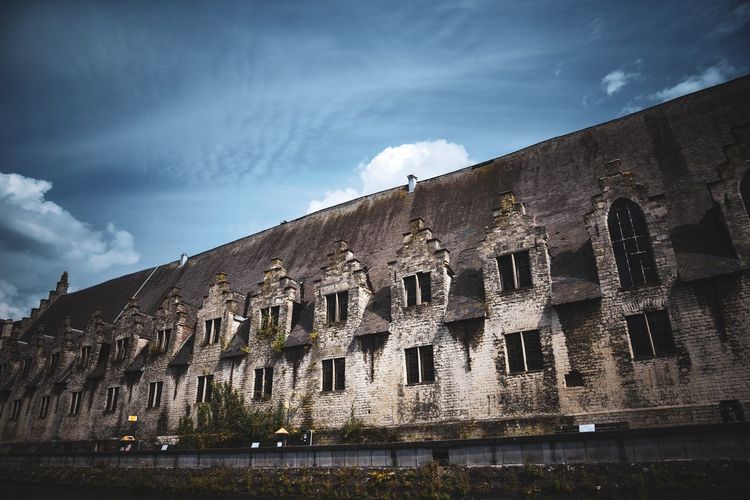
Walking along the Lys from the castle, the Groot Vleeshuis, a meat hall built from 1407, has preserved its original timber roof frame along its entire length. Beneath the hanging hams, a counter showcases products from East Flanders, handy for a mid-morning break.
Ten minutes away on foot, the vast Vrijdagmarkt, the square of the great medieval assemblies, leads to the Saint James (Sint-Jacobs) district. Around the church, on the Beverhoutplein, takes place the city's best-known flea market, from Friday to Sunday morning: tableware, prints, vinyl records and collectibles. Even on other days, the district's antique shops are worth a look if you enjoy browsing for finds.
Museum of Industry and Nightlife at the Vooruit
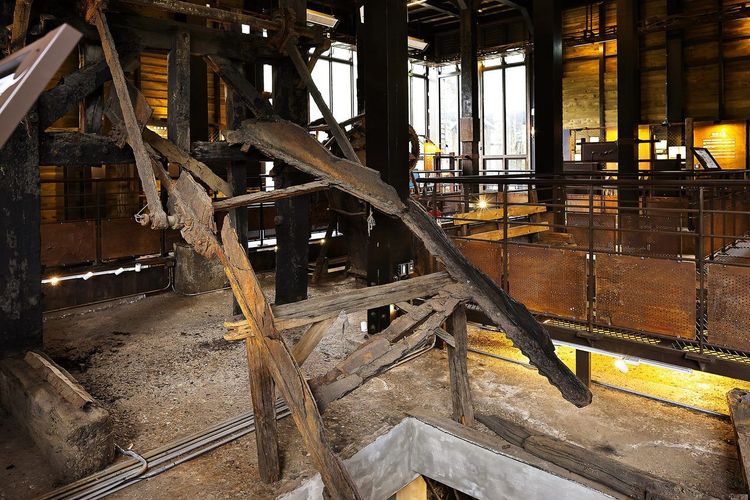
A little east of Patershol, the Museum of Industry (Industriemuseum, formerly MIAT), housed in a former cotton mill, traces the history of Ghent, a textile city nicknamed in its day the "Manchester of the continent". The machines still run during demonstrations, and the top floor offers a panoramic view of the city, less well known than the one from the belfry.
In the evening, head to the Vooruit, a former socialist people's house built between 1912 and 1914, now programmed by the cultural organisation VIERNULVIER and among the most sought-after concert venues in Belgium. Its café-brasserie, open without a show ticket, sums up the spirit of Ghent fairly well: heritage, but alive, not under glass. The student cafés around Sint-Pietersnieuwstraat and Overpoortstraat extend the evening for those wanting a more festive setting; the beer bars of the centre suit better if you prefer conversation.
On the audio side, the stop devoted to the Gravensteen runs along the moat before plunging into the lanes of Patershol with the Ryo guide: you move at your own pace, phone in pocket, with the legend of the castle narrated step by step.
Day 3: Museums, Contemporary Art and CitadelPark
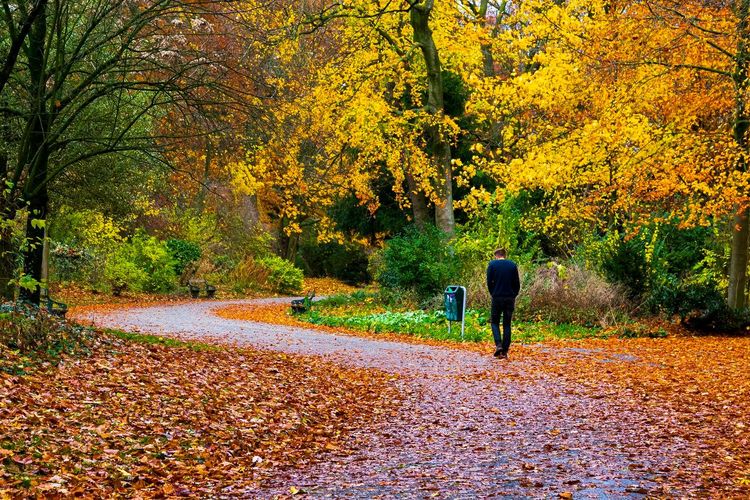
The last day slows the pace: fewer monuments to tick off, more time in each place. Start in the centre, then head south to the great green lung of CitadelPark, twenty minutes away on foot or a few tram stops.
Museum of Fine Arts (MSK), SMAK and Design Museum: The Art of Ghent
First stop, still in the centre, near the Graslei: the Design Museum Gent (Jan Breydelstraat 5, 9000 Ghent, Belgium, rated 4.1/5 on Google from 1,656 reviews), which reopened on 3 October 2026 after several years of works and the addition of a new building. You move from the 18th-century mansion to Art Nouveau furniture and contemporary design, a transition that works better than you would imagine. Check the opening hours for this first season before coming.
Then head south. The Museum of Fine Arts (MSK) holds paintings by Hieronymus Bosch, Rubens and the Flemish Primitives in a neoclassical building on the edge of CitadelPark, renovated in the mid-2000s. Allow a good two hours for the full route, half that for a targeted visit.
Just opposite, the SMAK, the municipal museum of contemporary art, focuses on temporary exhibitions that are often bolder than its permanent collection; check the programme before coming, as some installations completely transform the rooms from one season to the next.
CitadelPark and the Botanical Garden
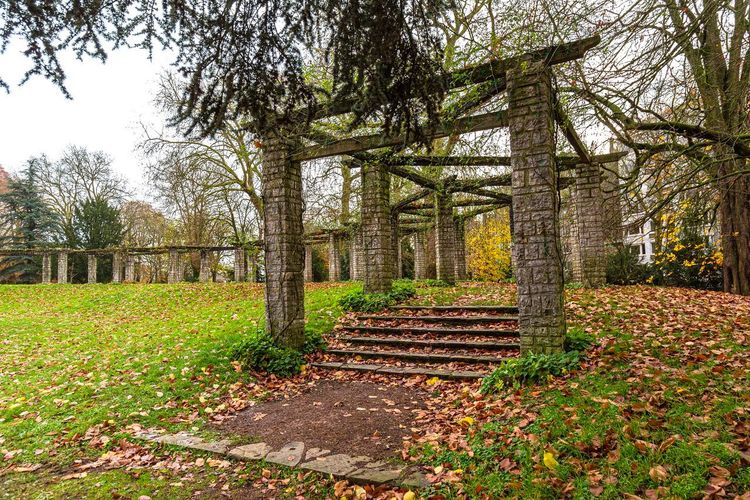
Around the MSK and SMAK stretches CitadelPark, laid out on the site of a Dutch citadel dismantled at the end of the 19th century. Lawns, a pond, an artificial waterfall and a bandstand make it the favourite park of Ghent locals for a picnic or a nap between two museums.
On the edge of the park, the Botanical Garden of Ghent University (Plantentuin) cultivates tropical greenhouses and collections of rare plants in a more private setting, often calm even on a Saturday afternoon. Gent-Sint-Pieters station is only about ten minutes away on foot: handy if this is your last stop before the return train.
To link the centre and the museum district on foot without hesitating at intersections, a dedicated audio stop on the Ryo tour does exactly that.
What to Eat in Ghent: Specialities and Good Addresses
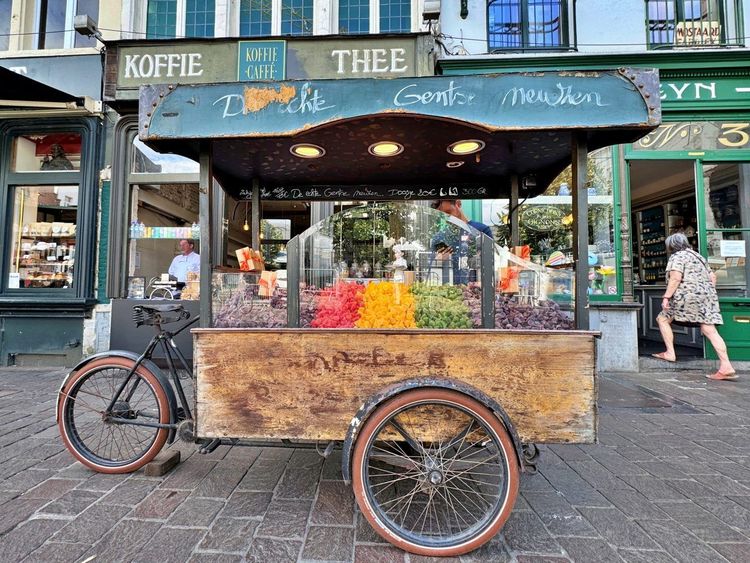
Ghent's gastronomy blends Flemish tradition with a vegetarian scene that is surprisingly developed for a city of this size.
Cuberdons, Mastellen and Sweet Specialities
The cuberdon, a small violet cone with a firm texture and a syrupy heart, nicknamed "Ghent nose" (Gentse neus), is sold at markets and in dedicated stalls, notably on the Groentenmarkt where two vendors have been competing for customers for years. Less well known, mastellen, small cinnamon brioche rolls, are traditionally enjoyed at breakfast. Those with a sweet tooth will also find happiness at the chocolatiers of the centre, concentrated around the Korenmarkt and Veldstraat.
Savoury Specialities, Restaurants and Ghent Beers
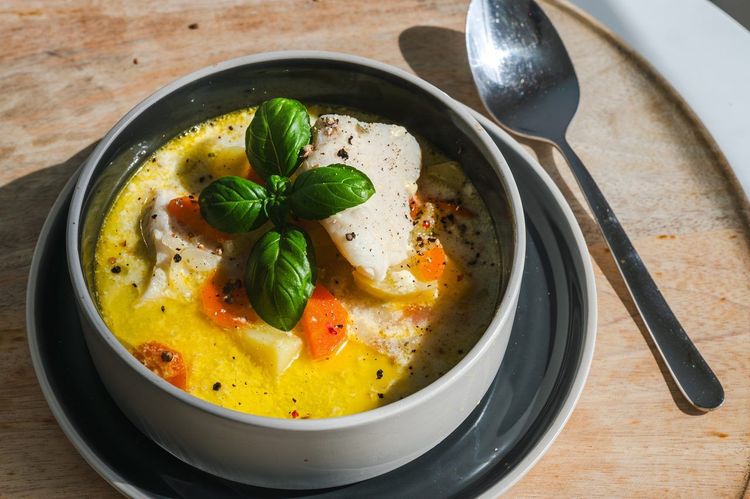
On the savoury side, waterzooi, a creamy chicken or fish stew with vegetables, remains the city's signature dish, ideally ordered in a Patershol restaurant. Tierenteyn-Verlent mustard, sold since 1790 in its historic shop on the Groentenmarkt, accompanies stoverij, a beef stew braised in dark beer. For dinner, allow about 20 to 30 euros for a main dish in a brasserie in the centre; tables in Patershol and along the quays cost more, and it is best to book on Fridays and Saturdays.
As for beer, Ghent claims a distinct identity with Gruut, brewed without hops according to a medieval-inspired recipe based on herbs, best discovered directly at the brewery that bears its name. At Dulle Griet, on the Vrijdagmarkt, you will be asked for a shoe as a deposit to order the "Max", served in a giant one-litre glass: the shoe goes into a basket hoisted to the ceiling until you return the glass.
Coffee Shops, Vegan Spots and Bars
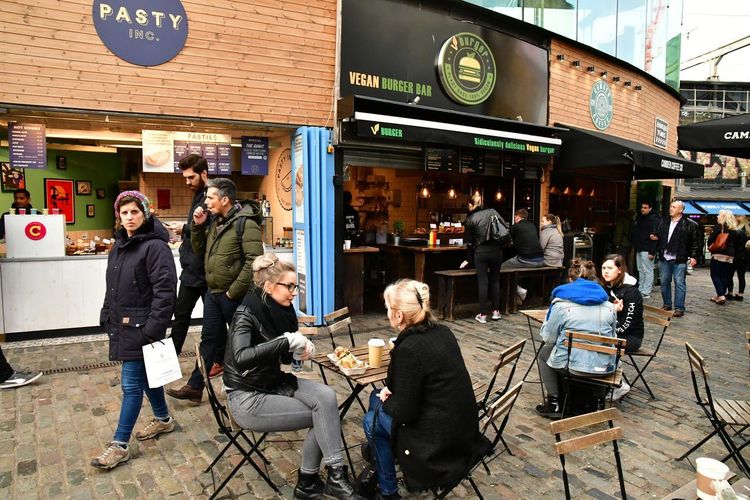
The café scene has grown noticeably denser in recent years around Sint-Pietersnieuwstraat and Vlaanderenstraat, driven by a large student clientele. For vegan and vegetarian spots, Ghent is a pioneer: the city launched a vegetarian Thursday (Donderdag Veggiedag) as early as 2009, and several fully plant-based restaurants in the centre are fully booked at weekends. Bars are concentrated around the Vlasmarkt and the Oude Beestenmarkt, lively until late. Our article on the top culinary specialities of Ghent details nine must-tries if you want to compose your own food trail.
Where to Stay in Ghent: Neighbourhoods and Best Addresses
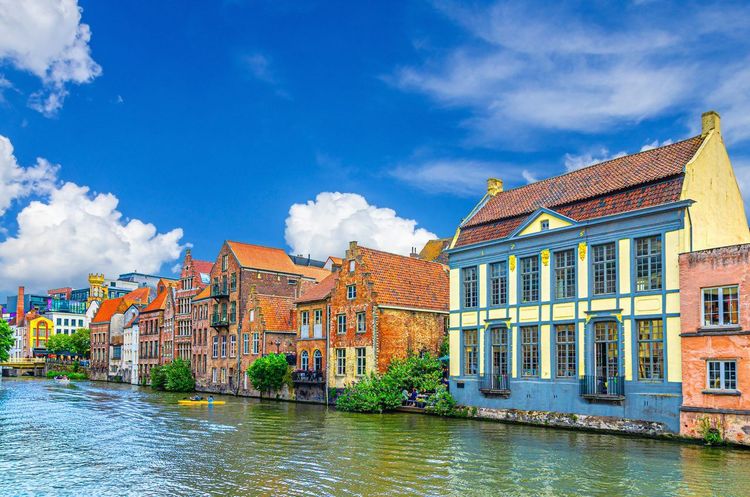
The choice of neighbourhood depends mostly on the balance you are looking for between historic charm, nighttime calm and budget.
Staying in the Historic Centre
Staying between the belfry and the Korenmarkt puts all of Day 1 within walking distance, at the price of a bit more activity in the evening, especially at weekends. Boutique hotels set in former patrician mansions dominate this area, with a charm-to-price ratio often better than in Bruges. Book early for spring and summer weekends, and several months ahead if you are aiming for the Gentse Feesten in July: rooms overlooking the Graslei quays go first.
Patershol, Sint-Pieters Station and Other Neighbourhoods
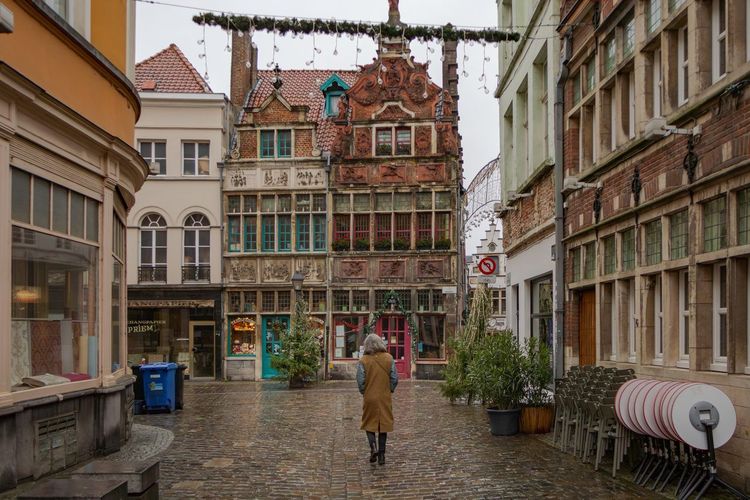
Patershol and its surroundings offer a successful compromise: ten minutes on foot from the belfry, but much quieter at night, with guesthouses set in former buildings. It is also the most practical option for doing Day 2 without transport.
For a tighter budget, the area around Gent-Sint-Pieters station offers noticeably lower rates, ten minutes by tram from the historic centre, and the advantage of staying close to the museum district of Day 3. Hostels, including one set in an old building by the water near the Gravensteen, suit solo travellers. Finally, if you arrive by car, accommodation with parking on the outskirts, near a P+R served by the tram, will help you avoid the low-emission zone.
How to Get to and Around Ghent
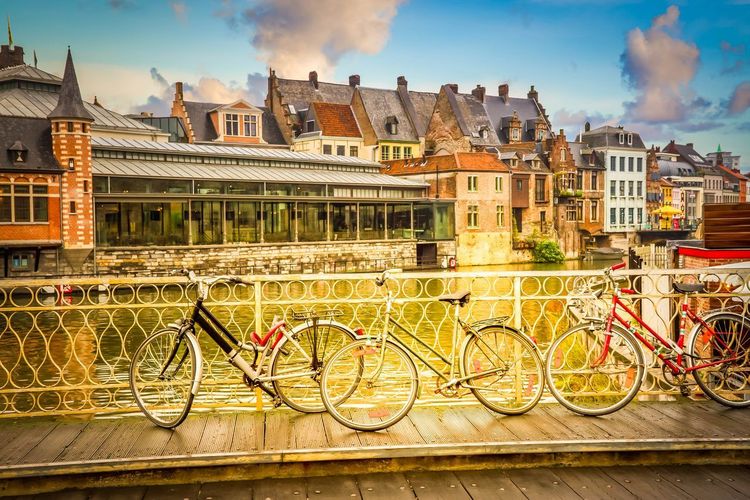
Ghent is one of the easiest Belgian cities to reach without a car, and one of the most complicated to cross by car. Here is how to organise yourself.
From Paris, Brussels and Lille: Train, Car, Bus
From Paris, the simplest route combines a Eurostar (formerly Thalys) or a TGV to Brussels-Midi, then an intercity train to Gent-Sint-Pieters, for a total of around 2.5 to 3 hours depending on the connection. From Brussels, allow 30 to 40 minutes by direct train, with several departures per hour. From Lille, a train with a connection at Kortrijk gets you to Ghent in a little over an hour; long-distance buses also provide the link.
By car from Paris, the A1 then the Belgian E17 motorway lead to Ghent in about 3 hours depending on traffic. Keep in mind that the city centre remains largely closed to through traffic.
Where to Park and Ghent's Anti-Car Policy
Since 2017, Ghent's traffic plan has divided the centre into sectors: you can no longer drive from one to another without going back out via the ring road. On top of that is a low-emission zone that turns away many older vehicles, to be checked before departure, including for French plates. The simplest option: park at one of the park-and-ride (P+R) car parks on the edge of the city, linked to the centre by tram, rather than aiming for the underground car parks in the centre, convenient but much more expensive.
Getting Around: Bike, On Foot and the Ghent CityCard
Once there, walking is enough for most of the centre, and the bike remains the king of transport: hourly or daily rental available nearly everywhere, bike lanes everywhere. By bicycle, the banks of the Lys to the southwest also offer a pretty escape to the villages of the region. To get your bearings, remember a simple axis: the three towers in the centre, the Gravensteen to the north, the museums and the station to the south.
The Ghent CityCard, valid for 48 hours (€49) or 72 hours (€55), gives entry to the main museums and monuments, unlimited access to the city's trams and buses, a guided boat ride, a day of water tram and a day of bike rental, plus a discount on the Mystic Lamb visit. With the belfry, the Gravensteen, the MSK and the boat, it pays for itself from the second day.
Day Trips from Ghent: Bruges, Kortrijk and Lille
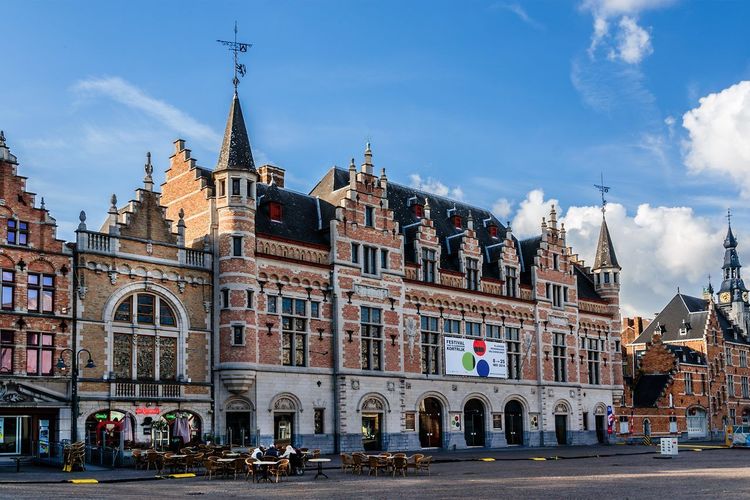
If your stay exceeds three days or you finished the itinerary faster than planned, three getaways lend themselves well to a half day or a full day.
Bruges, the Venice of the North
Bruges is reached in 25 to 30 minutes by direct train, making it the most obvious excursion. The city has an even higher density of canals and medieval façades than Ghent, at the price of a much more pronounced tourist presence, especially around the Markt. Visit Ghent or Bruges? Many travellers ask themselves this: the two complement each other more than they compete, with Ghent offering more space and a stronger local life.
Kortrijk and Lille, Two Cross-Border Getaways
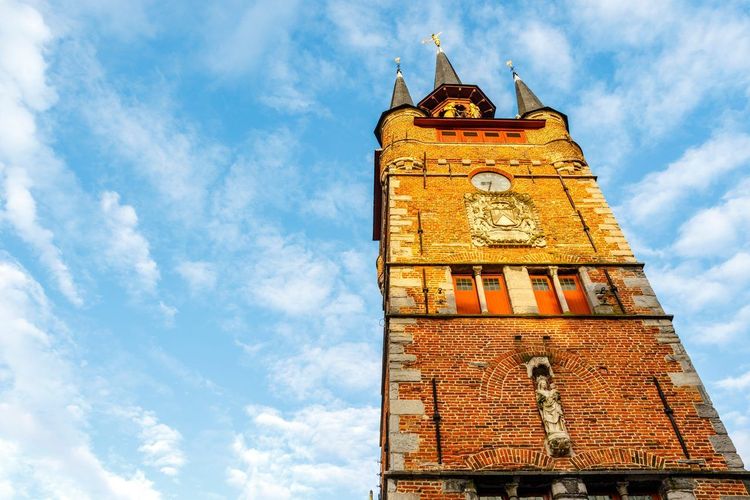
Kortrijk (Courtrai), about half an hour away by train, remains little known to French visitors even though it hides a UNESCO-listed belfry, a peaceful beguinage, redeveloped quays along the Lys and an active contemporary design scene. An excursion that is radically different from the very touristy register of Bruges.
On the French side, Lille, reachable in a little over an hour, lets you complete a coherent cross-border triangle if your stay extends to four or five days. Old Lille and its Flemish façades recall Ghent's architecture in places: the two cities belonged to the same County of Flanders for centuries.
Ghent by Profile: Families, Couples and Rainy Days
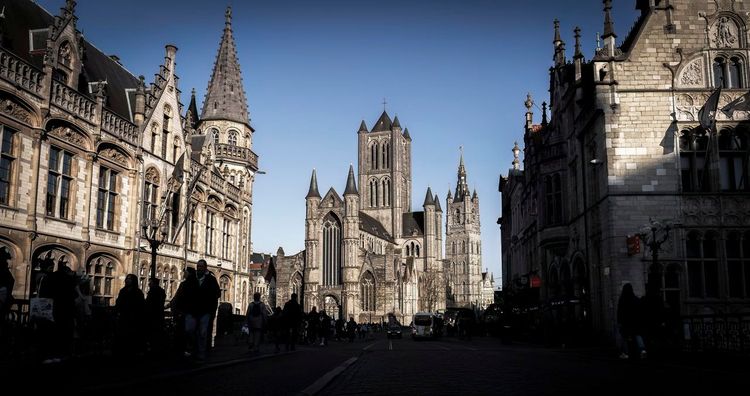
The three-day itinerary works for most profiles, with a few adjustments depending on who is with you.
With Family: Activities and Parks
With children, the Castle of the Counts on Day 2 is a hit thanks to its ramparts and weapons collection, as is the boat ride on Day 1, short enough not to tire the youngest. CitadelPark and its playgrounds are perfect for a break between two museums, and the moving machines of the Museum of Industry often captivate 8-12 year olds. One tip: let the little ones choose their cuberdon at the Groentenmarkt, it is often the memory they talk about when they get home.
For Couples and on Rainy Days
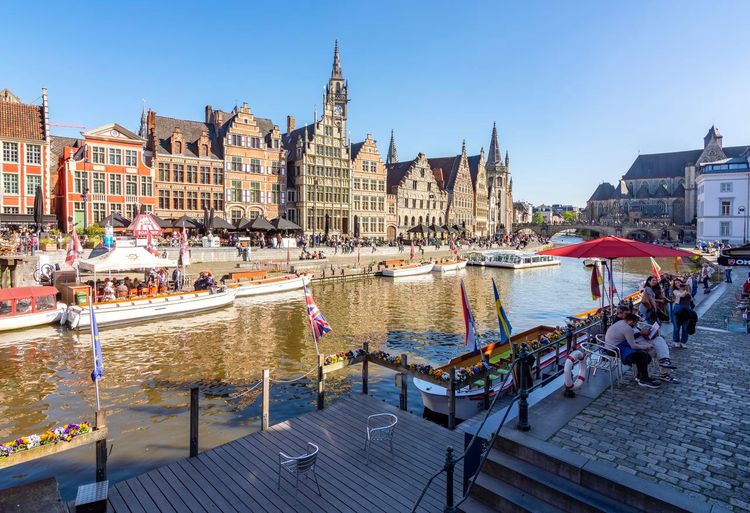
For a romantic stay, favour the boat ride at the end of the afternoon, when the low light on the Graslei completely changes the atmosphere, then return to Saint Michael's Bridge at nightfall: the city's lighting plan showcases façades and bell towers. Finish with dinner in Patershol. In case of rain, simply reverse the order of the days: string together the MSK, SMAK and Design Museum, then the Museum of Industry, all doable without spending long outside.
As for accessibility, the main streets and squares of the centre are passable by wheelchair or with a stroller, but the cobblestones of Patershol and the lanes around the Gravensteen are uncomfortable; the tourist office, on Saint Veerle Square, provides information on alternative routes.
Adapting the Itinerary: Visit Ghent in 1, 2 or 4 Days
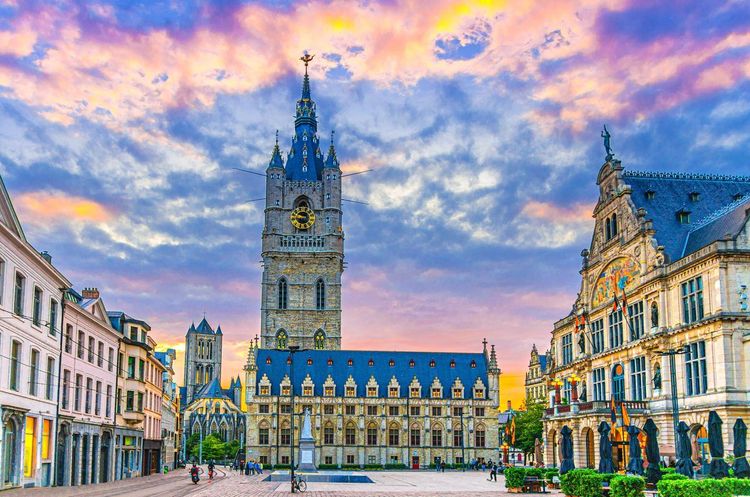
If you only have one day, focus on Day 1: belfry, cathedral, canals, with a quick pass by the Gravensteen. This is the core that all regulars recommend, the one that covers the most listed heritage per square metre. For two days, add the Castle of the Counts and Patershol from Day 2, leaving the museums for a future visit. With its 19 audio stops over 2.7 km in 1h10, the loop "The Best-Kept Secret of Flanders" of the Ryo audio guide to Ghent corresponds almost exactly to this short version: an ideal base for half a day if your stay is reduced to the essentials.
Conversely, for a fourth day, the excursion to Bruges is a must, closely followed by Kortrijk for those who prefer to avoid the crowds. If you prefer to stay in town, devote the morning to the beguinages: the Small Beguinage (Klein Begijnhof), listed as a UNESCO World Heritage Site with the other Flemish beguinages, lines up its little white houses around a lawn, in a surprising silence a few minutes from the centre. In the afternoon, a bike ride along the Lys rounds out this slower rhythm nicely. And if you are looking for other ideas on site, our selection of the top 5 activities to do in Ghent complements this programme well.
When to go? Spring (April-June) and early autumn offer the best compromise between weather and crowds. In July, the Gentse Feesten turn the centre into a giant stage for ten days, free but very busy, while December attracts for its Christmas market despite the cold. As for language, Dutch largely dominates, English is widely spoken in the tourist sector, and French is understood but less spontaneously used than in Brussels.



FAQ
How many days do you need to visit Ghent?
Three days comfortably cover the essentials: the historic centre, the Castle of the Counts and Patershol, then the museums and CitadelPark. Two days are enough for a condensed format, while a single day lets you see the monumental heart of the city if your schedule is tight.
When is the best time to visit Ghent?
Spring and early autumn offer the best balance between mild weather and moderate crowds. Summer remains pleasant but busier, especially during the Gentse Feesten in July, while December appeals for its Christmas market despite low temperatures.
How do you get to Ghent from Paris or Brussels?
From Paris, allow about 2.5 to 3 hours by combining the Eurostar or TGV to Brussels-Midi with an intercity train to Gent-Sint-Pieters. From Brussels, a direct train connects the two cities in 30 to 40 minutes, with several departures per hour.
Should you visit Ghent or Bruges?
The two cities complement each other more than they compete. Bruges has more picturesque canals but also more tourists, while Ghent offers more space and a stronger local life. With just 25 to 30 minutes by train between them, it is better to combine them than to choose.
What language is spoken in Ghent?
Dutch, in its Flemish variety, is the official and dominant language. English is widely spoken in shops and hotels, and French is understood but is not the first-reflex language.
Where can you park to visit Ghent?
The historic centre has a restrictive traffic plan and a low-emission zone. The easiest option is to park at a park-and-ride (P+R) on the outskirts and take the tram into the centre.
Is the Ghent CityCard worth it?
At €49 for 48 hours or €55 for 72 hours, it includes museums, monuments, public transport, a boat ride and a day of bike rental. It pays for itself as soon as you do three or four paid visits.
Is Ghent accessible for people with disabilities or with a stroller?
The main streets and squares of the centre are passable by wheelchair or with a stroller, and trams are generally accessible. The cobbled lanes of Patershol and the area around the Castle of the Counts are less comfortable; the tourist office can suggest adapted routes.
Our Tips for Making the Most of Your 3 Days in Ghent
After three days, Ghent rarely leaves a neutral impression: you leave either promising yourself to come back for longer, or astonished never to have heard of it sooner. Between the belfry, the Mystic Lamb, the lanes of Patershol and the breather of CitadelPark, the city holds its own against better-publicised neighbours without ever overdoing the tourist angle.
Book the Mystic Lamb and your accommodation in advance, leave the car at the P+R, and keep an evening free for the illuminated quays. To string the stops together without a paper map, the Ryo audio-guided tour of Ghent tells you the story of the city stop by stop, from the belfry to the Gravensteen.