© Shutterstock
 Votre guide Ryo
Visiting Liège in 3 Days: The Complete 2026 Itinerary
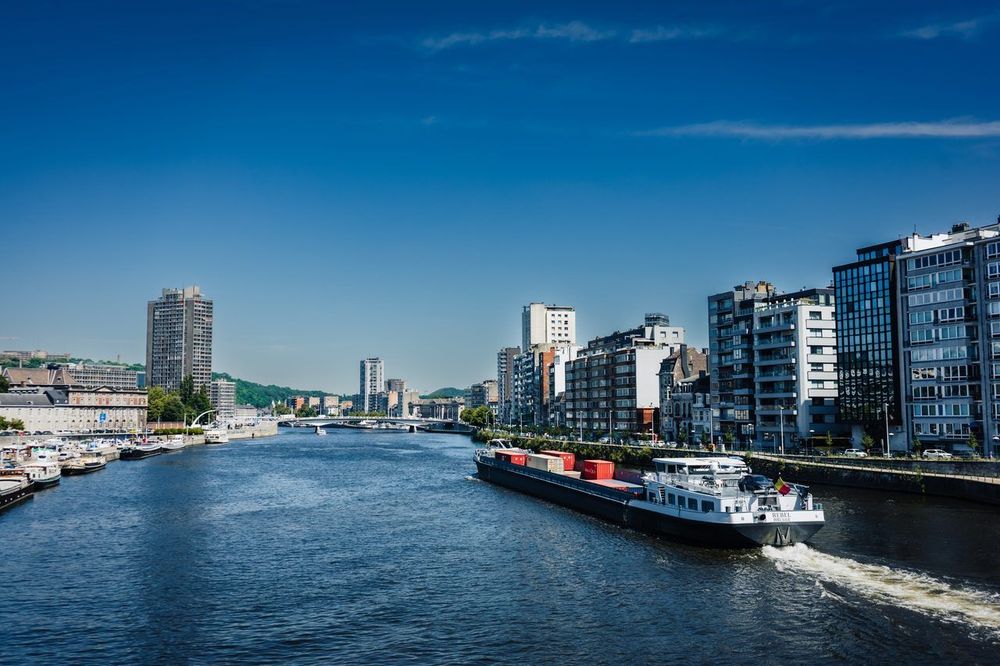
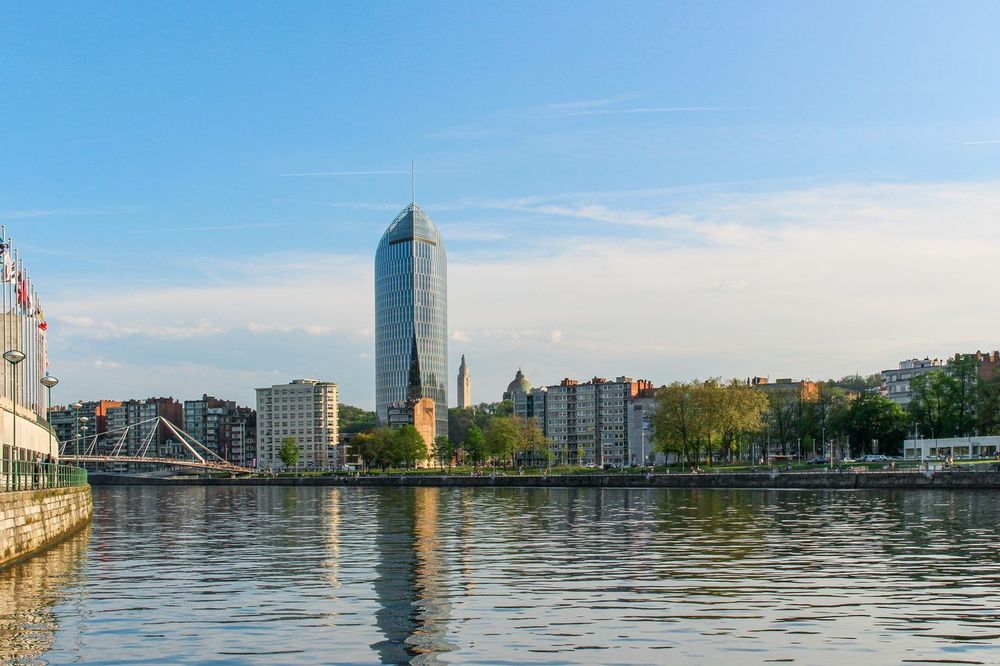
The first thing that strikes you in Liège isn't a monument, it's the elevation. Between the quai de la Batte and the top of the montagne de Bueren, the city climbs and drops without warning, and it is precisely this terrain that makes visiting Liège in 3 days as dense as it is rewarding. You will come across a station designed by a world-famous Spanish architect, a staircase of 374 steps that serves as a shortcut for hurried locals, and a waffle eaten standing in the street, with no ceremony at all. Over three days, the program covers the historic center and its collegiate churches, the modernity of the Guillemins station and the Boverie park, the Sunday Batte market and a few escapes to the Hautes-Fagnes or Stavelot. Since April 2025, the new tram also connects the station to the center in a few minutes. To miss nothing while walking at your own pace, the Ryo audio-guided tour of Liège narrates a good part of these stops directly from your smartphone, with no booking or fixed schedule.
Day 1: Montagne de Bueren, Cité Miroir and the Palace of the Prince-Bishops
Morning: The Montagne de Bueren and the Cité Miroir
The best way to start a stay in Liège is with some effort. The 374 steps of the montagne de Bueren climb up the hillside between the tightly packed facades of Old Liège, and you should allow a good quarter of an hour to get up them without stopping. Do stop, though: halfway up, the view over the slate roofs and the Meuse below is worth the break.
The staircase, built in 1881, pays tribute to Vincent de Bueren, who in 1468 led the famous six hundred Franchimontois on a desperate sortie against the troops of Charles the Bold, who had come to sack the city. Tradition has it that the attackers rushed down this hillside to surprise the Burgundian camp. The attack failed, but Liège turned it into a symbol of resistance.
At the top, you reach the citadel and its gardens directly; at the bottom, head to the Cité Miroir, the former Sauvenière baths and thermal spa, opened in the early 1940s and converted into a cultural and memorial center. The large pool is still visible under the glass roof, and the permanent exhibition devoted to human rights and the memory of the deportations takes about an hour to visit. If you like modernist architecture, you will probably spend more time there than planned.
Just a short walk away, Saint-Paul's Cathedral and its treasury deserve a twenty-minute detour, as does the Basilica of Saint-Martin, perched on its own hill: it is where the Feast of Corpus Christi was first celebrated in 1246, later extended to all of Christendom. If time is short, prioritize the cathedral, its Gothic cloister and the bust-reliquary of Saint Lambert.
Afternoon: Palace of the Prince-Bishops and the Hors-Château District
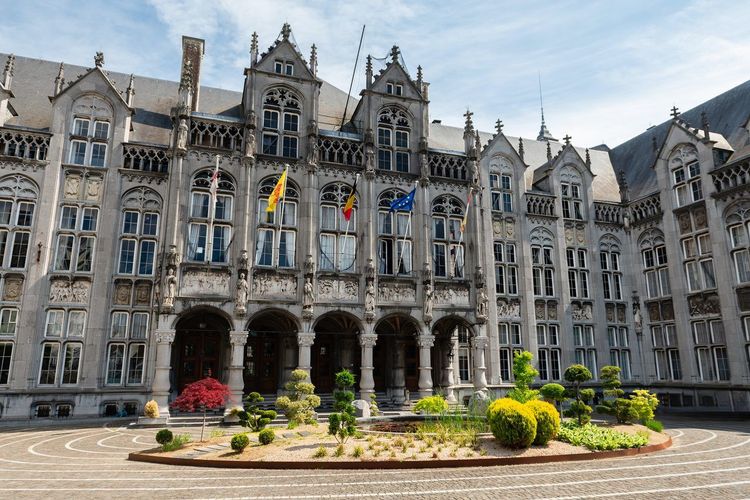
After lunch, Place Saint-Lambert is the natural starting point toward the Palace of the Prince-Bishops, today home to the provincial government and the law courts, whose first courtyard with sixty columns remains open to the public during the day. Beneath your feet, quite literally, lies the Archéoforum of Liège (Place Saint-Lambert 5, 4000 Liège, rated 4.4/5 on Google from 475 reviews): an underground site built over the excavations of the former Saint-Lambert Cathedral, destroyed after the Liège Revolution, and over Gallo-Roman remains.
It is within this area that the Ryo audio-guided sub-tour of the fiery city makes the most sense: 24 audio clips, two hours and 4.3 kilometers of walking in the historic heart, with no time slot to book and no guide to follow step by step.
Heading north, the Hors-Château district unfolds its cobblestones and 17th- and 18th-century facades. The alleyways of the Hors-Château district, some barely one meter wide, tell the story of Liège's working-class housing better than any museum, through shared courtyards and homes squeezed against one another. Allow an hour to wander them, longer if you enjoy urban photography.
The Coteaux de la Citadelle close the day: this forty-hectare landscaped park, laid out in 2002 on former vineyards and orchards held by religious orders, overlooks the whole old town and is particularly photogenic at sunset. On the plateau, the Enclos des Fusillés, now a national necropolis, holds the graves of some 415 resistance fighters and prisoners executed during the Second World War. A quiet detour that contrasts with the more festive mood of the rest of the day.
If you only keep half a day for the historic center, focus on the montagne de Bueren, the palace and the coteaux: this trio sums up the essentials of heritage Liège in under three hours.
Day 2: Guillemins Station, La Boverie and Grand Curtius
Morning: Liège-Guillemins Station and the Boverie Park
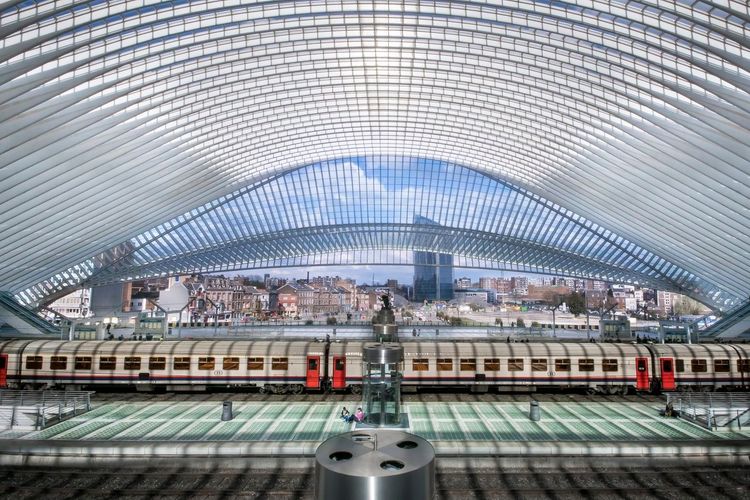
The second day begins with steel and glass: the Liège-Guillemins station, designed by architect Santiago Calatrava and opened in 2009, looks more like a contemporary cathedral than a simple transit point. Its glass vault, about thirty meters high, lets in a light that changes with the time of day, and it is not unusual to see photographers set up on the forecourt from early morning.
Calatrava designed this station as a deliberately showy architectural gesture, intended to accompany the arrival of high-speed rail and give an international image back to a city undergoing post-industrial conversion. The result still divides the people of Liège, between openly displayed pride and nostalgia for the old station, demolished for the occasion.
From the forecourt, a walk of about fifteen minutes leads to La Boverie, both a landscaped park and a fine arts museum housed in the former Palace of Fine Arts of the 1905 World's Fair. The collections mix Belgian painting and great modern names, and the glass extension by architect Rudy Ricciotti, opened in 2016, hosts the major temporary exhibitions. The park itself lends itself to a picnic break before you set off again.
At the southern end of the park, the Pont de Fragnée crosses the Meuse under the gaze of its gilded statues, the angels of the Pont de Fragnée, installed for the 1905 World's Fair and now one of the most shared photo subjects in the city. To then reach the center effortlessly, the T1 tram runs from the station to Place Saint-Lambert, an ideal starting point if you want to launch the Ryo audio guide for the afternoon in the alleys of the old center.
Afternoon: Grand Curtius, Chocolate Shop and Street Art in Outremeuse
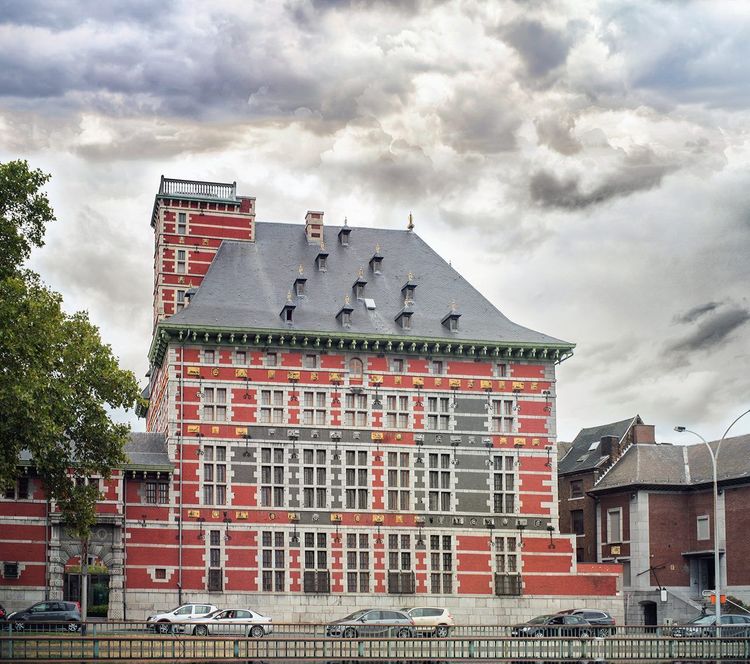
Next, head for the quai de Maastricht and the Grand Curtius (Féronstrée 136, 4000 Liège, rated 4.4/5 on Google from 1,364 reviews), a group of patrician buildings combined into a single museum devoted to archaeology, decorative arts, glass and weapons. The glass collection, one of the richest in Europe, deserves three quarters of an hour on its own.
Close by, the Curtius brewery makes the most of the same historic setting to serve its craft beers, to be enjoyed on the terrace when the weather allows. The menu changes with the seasons; ask for the beer of the moment and a platter of regional cheeses if hunger strikes before dinner.
For a sweeter break, the Carré Noir artisanal chocolate shop makes its pralines on site and lets you see the workshop from the store.
The end of the day is perfect for a street art walk in Outremeuse, this island-like district separated from the center by the Meuse and its diversion. The murals, regularly renewed by local and international artists, cover gable walls, electrical boxes and entire facades over several streets. Allow an hour of walking to see the essentials.
Outremeuse also claims Tchantchès, a mischievous puppet that has become the unofficial symbol of the city since the 19th century. His likeness appears on facades and bar signs, and on August 15, the Free Republic of Outremeuse turns the district into a giant fair for several days. If your stay falls in this period, book your accommodation several weeks in advance.
Day 3: Batte Market, Museum of Walloon Life and Last Shopping
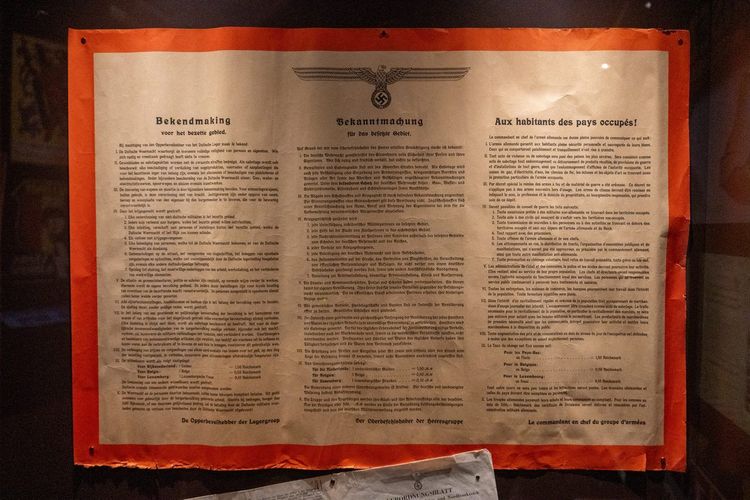
Morning: The Batte Market and the Coteaux Walk
The third day starts early, especially on a Sunday: the Batte market, which stretches for about two kilometers along the Meuse, is the oldest market in Belgium and one of the busiest in Europe. Cheeses, fish, flowers, clothing and local specialties mingle there every Sunday morning; come before 10 a.m. to avoid the densest crowds.
The market has been documented since 1561, driven by Liège's riverside position, long a commercial crossroads between France, Germany and the Netherlands. You can still hear Walloon, French, Dutch and German spoken between stalls, an echo of this vocation for exchange.
Heading back up toward the center, the Collegiate Church of Saint-Barthélemy houses one of the most precious goldsmith treasures in the country: the brass baptismal font cast in the early 12th century, carried by ten oxen. The Romanesque building, long weakened, has reopened after a complete restoration.
The Place du Marché and its city hall, nicknamed locally the Violette, gather the terraces and the Perron of Liège, a symbol of communal freedoms since the Middle Ages.
Afternoon: Museum of Walloon Life, Liège Waffle and Local Shops
The afternoon is devoted to folklore with the Museum of Walloon Life, housed in the former Franciscan convent, around a cobbled courtyard. Tchantchès puppets, reconstructed craftsmen's workshops and everyday objects make up a visit that takes on its full meaning after crossing Outremeuse the day before.
It is impossible to leave Liège without tasting a real Liège waffle: dense, caramelized, studded with sugar pearls that crunch under the tooth, it is eaten warm and plain. The yeast-risen dough, very different from the Brussels waffle, explains its texture and its ability to be eaten cold without losing flavor. The best spots are around Place du Marché and often have a line that speaks volumes.
For last-minute purchases, Wattitude brings Walloon designers together under one roof: fashion, design, stationery and gourmet groceries. A few streets away, the Opéra royal de Wallonie (Rue des Dominicains 1, 4000 Liège, rated 4.5/5 on Google from 2,978 reviews), completely renovated and raised between 2010 and 2012, deserves a glance for its neoclassical facade, even without a ticket.
Fans of religious architecture will add the Collegiate Church of Saint-Denis, founded at the end of the 10th century and one of the oldest churches in the city, then the former Collegiate Church of Sainte-Croix, perched on its mound with its astonishing Gothic hall church. Two short stops that complete the tour of Liège's collegiate churches.
Before the waffle break, take an hour to relaunch the Ryo audio-guided tour on the squares of the center: its stories about the Perron, Tchantchès and the prince-bishops add one last layer of meaning to everything you have seen in three days.
Must-Dos to Add to Your Stay
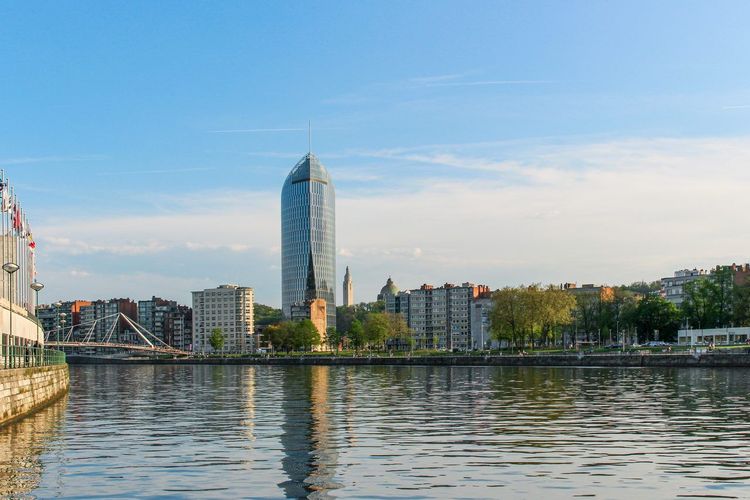
If your stay goes beyond the classic three days, or if rain crashes the program, Liège hides a few activities that few guides bring together.
Unusual Activities: Escape Game and Urban Games
The Place to Play (Féronstrée 21, 4000 Liège, rated 4.8/5 on Google from 350 reviews), located on Féronstrée and previously known as Liège Outdoor Game, offers an urban escape game: equipped with a tablet and an investigator kit, you solve augmented reality puzzles in the streets of the center for about two hours. Several missions are available, to be booked in advance, and the venue also offers other activities such as axe throwing.
The format particularly appeals to families with children over ten and groups of friends: you walk, you search, you argue a little about the solution. If you prefer to explore the same alleys solo and at your own pace, the Ryo audio-guided sub-tour of the fiery city covers the historic heart in two hours, directly on your smartphone.
Nature in the City: Hike Through the Terraced Gardens
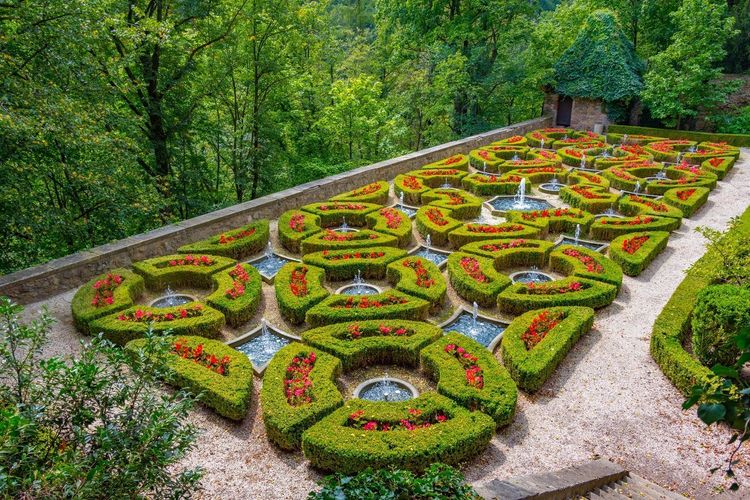
Less well known than the Bueren climb, the unusual hike through the terraced gardens winds over five to ten kilometers depending on the route chosen, between urban orchards, community gardens and hidden staircases linking Hors-Château to the coteaux. The elevation gain remains moderate, but bring good shoes: some sections follow dirt paths that are slippery after rain.
The most convenient starting point is near the citadel, and you can follow this walk after Day 1 if you have the energy; otherwise, save it for a quiet morning, before the museums open. It is free and requires no booking, unlike the escape game, whose price varies according to the mission and the size of the group.
Where to Stay in Liège for 3 Days
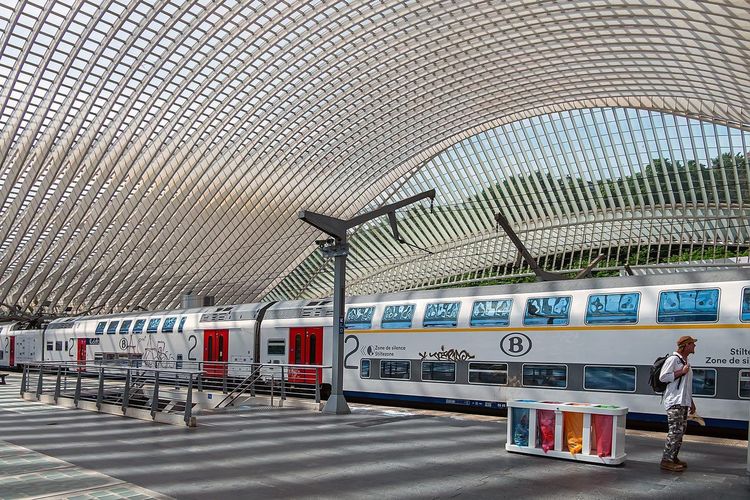
The choice of accommodation depends mostly on your itinerary: staying near Guillemins makes Day 2 easier, while staying in the historic center puts you closer to Days 1 and 3. With the tram, though, the distance between the two matters much less than before.
Hotels and Hostels in the City Center
Yust Liège, a hybrid concept between hotel, hostel and aparthotel, targets short stays with equipped rooms and studios and shared spaces designed for connected travelers. The price remains reasonable for its category, especially when booking several weeks in advance.
In the heart of the historic center, the Hôtel Neuvice sits on a pedestrian street a few minutes' walk from Place du Marché and the Palace of the Prince-Bishops. The rooms, renovated in a contemporary style, suit a stay centered on Days 1 and 3.
Alternative Options: Guesthouse and Aparthotels
For a more intimate atmosphere, the guesthouse The Street Lodge (Rue Sainte-Marguerite, 4000 Liège, rated 4.7/5 on Google from 75 reviews) focuses on careful decor and personalized service, homemade breakfast included. Guesthouses and apartments in Outremeuse or Sainte-Marguerite, a bit off-center, make up for it with lower prices.
As in many university cities, prices climb during major events, from the Ardentes in July to the August 15 festivities: book at least six weeks in advance for these periods, versus two or three weeks the rest of the year.
Whichever you choose, the historic center can be explored entirely on foot: the 4.3 kilometers of the Ryo audio-guided sub-tour give a good idea of the distances between the main points of interest from any hotel in the center.
How to Get to and Around Liège
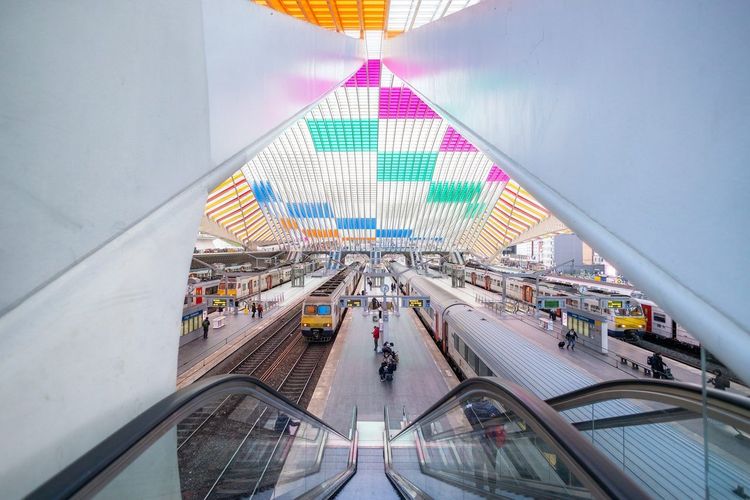
Liège is about an hour from Brussels and benefits from a central position in Europe that makes access easy, whatever your mode of transport.
Getting to Liège by Train or Car
By train, the Liège-Guillemins station is directly connected to Brussels (about one hour by InterCity train), to Paris (Eurostar, formerly Thalys, in about 2h15, with several direct trains a day) and to Cologne (about one hour by ICE). By car, Liège sits at the crossroads of several motorways (E25, E40, E42), with paid parking in the city center and park-and-ride facilities at the tram terminals, at Sclessin and Coronmeuse.
Liège Airport, mainly dedicated to freight, also receives a few seasonal holiday flights and is about twenty minutes from the center by car. If you land at Brussels Airport, direct trains connect the airport station to Liège in about an hour.
Getting Around on Site: Tram, Bus, Bike and on Foot
Once there, the historic center can be visited almost entirely on foot: between the montagne de Bueren, the palace and Place du Marché, distances are counted in minutes. Since April 28, 2025, the T1 tram line has also changed the game: 11.7 kilometers and 23 stops between Sclessin and Coronmeuse, via the Guillemins station and Place Saint-Lambert, with a tram every five minutes at rush hour. The TEC bus network completes the picture to reach Outremeuse or the heights. Shared bikes are well suited to rides along the Meuse, less so to the historic center, too steep and cobbled for comfortable cycling.
Where to Eat and Go Out in Liège

Liège cuisine doesn't seek sophistication: it relies on generous portions and recipes handed down for generations.
Good Restaurants and Liège Specialties
The boulet à la liégeoise, a large minced meatball covered in a sweet-and-sour rabbit sauce with onions and Liège syrup, appears on almost every menu in the center. You will find it in historic brasseries as well as in small neighborhood bistros, served with homemade fries. On the sweet side, besides the waffle mentioned on Day 3, try Liège syrup itself, a concentrate of pears and apples used in cooking as well as at breakfast, spread on bread.
The pékèt, a local genever available in many flavors, almost systematically completes an evening in the Carré and is served in a small glass. Vegetarians are not forgotten: several places in the center offer meat-free versions of the boulet.
The markets and gourmet grocery stores of the center, including Wattitude, let you bring back a few local products: Herve cheese, craft beer or gingerbread.
Going Out at Night: The Carré and Its Bars
For nightlife, the Carré district, a maze of pedestrian alleys in the heart of the center, concentrates most of the student bars and lively terraces open until late. The atmosphere changes completely between 6 p.m., still calm, and 11 p.m., much more festive, especially during the university term. Among the places that come up often, Merci Merry (Rue Soeurs de Hasque, 4000 Liège, rated 4.8/5 on Google from 182 reviews) cultivates a cocktail-bar style more subdued than the district's average.
Prefer a calmer evening? The terraces around Place du Marché offer a view of the city hall and a much less noisy pace than the Carré.
Liège Differently: Excursions in the Surrounding Area
If your stay goes beyond three days or if you have a car, the area around Liège deserves an extra day.
Heading East: Hautes-Fagnes, Stavelot and Malmedy
About 45 minutes by road, the Hautes-Fagnes form a peat plateau unique in Belgium, classified as a nature reserve, where wooden boardwalks let you walk above the peat bogs without damaging them. Fog is frequent there even in summer, which gives the landscape an almost Nordic atmosphere. Bring waterproof shoes and, in winter, expect snow and a much more biting wind than in Liège. The Botrange nature center, near Belgium's highest point at 694 meters, offers exhibitions and marked trails for walkers unaccustomed to this terrain.
A little farther, Stavelot charms with its abbey founded in the 7th century, now a museum, and its Laetare carnival, where the Blancs-Moussis parade masked while throwing confetti. The abbey is worth a visit even outside carnival season.
Right next door, Malmedy has its own festival, the Cwarmê, one of the oldest carnivals in Wallonia, and an old town around its cathedral, less frequented by tour buses.
Between the Vesdre and the Ourthe: Verviers, Aywaille, Esneux, Limbourg and Aubel
Closer to Liège, Verviers, the former wool capital, preserves traces of its industrial past in its converted textile wastelands. The Centre touristique de la Laine et de la Mode traces the golden age of this industry, which long rivaled the great European textile centers. The city is easily visited in half a day from Liège, with a direct train.
To the south, Aywaille and Esneux line the Ourthe valley, popular for kayaking in summer and walks along the river the rest of the year. Limbourg, perched on its rocky spur, is one of the most beautiful villages in Wallonia, with almost intact medieval alleys. Finally, Aubel, in the Herve region, stands out for its Sunday market and its orchards, the source of a syrup that rivals Liège's.
If you only have half a day, the Stavelot and Malmedy duo remains the most worthwhile choice in terms of travel time. For a full day, the loop through the Hautes-Fagnes then the Ourthe valley combines wild nature and village heritage without returning through Liège.
When to Go to Liège?
Liège can be visited all year round, but each season noticeably changes the experience.
Spring and early autumn remain the most comfortable periods for climbing the montagne de Bueren and walking the coteaux, with mild temperatures. Summer brings its festivals, including the Ardentes in July, a reference for urban music fans, but also heavier crowds at the Batte market and in the Carré.
Winter, harsher, suits museums well, from the Cité Miroir to the Grand Curtius; bring shoes suited to the slippery cobblestones of the Hors-Château district. The Christmas Village, set up on Place Saint-Lambert and neighboring squares from late November to late December, is among the oldest and most popular in Belgium, and more than makes up for the cold with its chalets and hot pékèt.
Budget and Tips for Visiting Liège in 3 Days
For three days in Liège, plan on an average daily budget of 70 to 120 euros per person at mid-range, accommodation and meals included, excluding transport to get there. In a hostel or aparthotel, cooking some of your meals, you will significantly reduce this range.
By comparison, an equivalent stay in Bruges or Brussels is generally more expensive for accommodation alone, as tourist demand there is higher all year round. This difference, combined with a dense cultural offering, partly explains why more and more Belgian and French travelers choose Liège for a three-day city trip.
As for museums, the city museums (Grand Curtius, La Boverie outside major exhibitions) are free on the first Sunday of the month: schedule your program accordingly to save about twenty euros. The VISITWallonia pass, in its digital version, gives access to discounts at many sites in the region, particularly worthwhile if you combine Liège with Stavelot or Verviers.
Finally, there is no shortage of free activities: the Bueren climb, the walk through Hors-Château, the Batte market or the terraced gardens hike cost nothing and easily fill half a day each.



FAQ
Is it worth visiting Liège?
Yes, and it is even one of the most underrated cities in Belgium, as international visitors often focus their stay on Bruges or Brussels. Liège combines a dense historic center, generous cuisine and a distinct festive identity, driven by the Carré district and its university. Three days are enough to cover the essentials of its heritage while keeping time for the Batte market and an excursion to the Hautes-Fagnes or Stavelot.
What are the must-see sights and places in Liège?
The montagne de Bueren, the Palace of the Prince-Bishops and the Archéoforum sum up the historic center; the Liège-Guillemins station and La Boverie represent the contemporary side; the Batte market and the Museum of Walloon Life cover the popular dimension. If you prefer a guided tour with no schedule constraints, the Ryo audio-guided tour of Liège covers a large part of the center in a format you listen to on your smartphone.
How many days do you need to visit Liège?
Three days allow you to comfortably cover the historic center, the Guillemins, La Boverie, Outremeuse and the Sunday Batte market. With two days, you have to sacrifice either the museums or the surroundings: our itinerary for visiting Liège in 2 days offers a condensed version. A fourth day is useful for going as far as the Hautes-Fagnes or the Ourthe valley.
What budget should you plan for visiting Liège in 3 days?
Plan on between 70 and 120 euros per day per person at mid-range, and significantly less by combining a hostel with outdoor activities.
Liège or Bruges: which city should you choose for a city trip?
The two cities don't offer the same experience. Bruges relies on photogenic canals and a very well-preserved medieval center, and is more touristy and more expensive in high season. Liège favors an authentic, student-driven atmosphere, with pronounced hills and generally lower prices. For a first city trip to Belgium focused on postcard views, Bruges remains a safe choice; for a city that reveals itself as you walk, Liège is more lastingly convincing.
How do you get around Liège without a car?
The historic center can be explored entirely on foot, including the montagne de Bueren. To connect the Guillemins station to the center, the T1 tram, in service since April 2025, is the fastest; TEC buses serve Outremeuse and the more outlying neighborhoods. Shared bikes remain poorly suited to the steep terrain of the center.
Ready for Three Days in Liège?
Three days in Liège are enough to understand why it is nicknamed the fiery city: between the montagne de Bueren, the Batte market and the terraces of the Carré, the energy of the place comes as much from the terrain as from its people. Add an excursion to Stavelot or the Hautes-Fagnes if time allows, and the stay takes on the feel of a complete Belgian city trip, far from the crowds of Bruges.
To organize each day without spending hours on it, our Ryo audio-guided tour of Liège remains the simplest companion: it accompanies your walk district by district and launches directly from the app, with no booking or time slot to respect.