© Shutterstock
 Votre guide Ryo
Tallinn Without a Car: The Complete Guide on Foot, by Tram and by Ferry (2026)
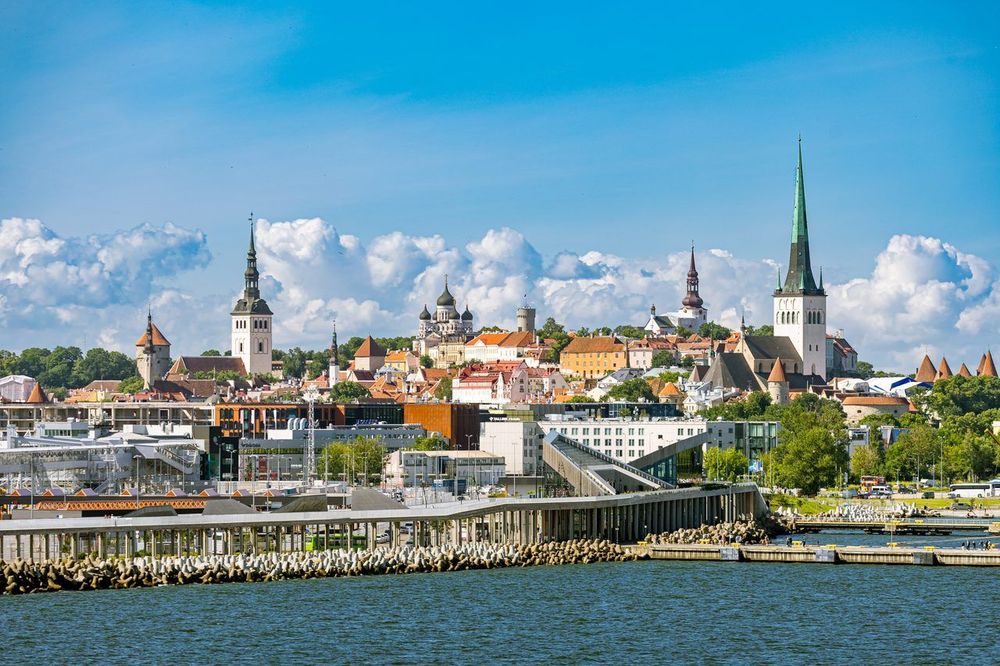
In Tallinn, looking for a parking space is almost an anachronism. The historic centre, a UNESCO World Heritage Site since 1997, bans traffic on a good part of its medieval cobblestones, and the entire city fits within a 4 km radius around the Town Hall Square. Good news: visiting Tallinn without a car is not a constraint, it is the most logical way to discover the Estonian capital. The Ryo audio-guided tour of Tallinn was designed precisely on this logic, following the old town's alleys step by step without ever requiring a detour by car.
In this guide, we detail how to get from the airport to the centre in a quarter of an hour by tram without getting into a taxi, why the Tallinn Card is not necessarily worth it for a short stay, how to reach the islands of Saaremaa or neighbouring Latvia by bus without renting any vehicle, and which rooftop in the business district lets you admire the Gothic spires of the old town while enjoying a drink. From the Viru Gate to the seaplane hangars of the Lennusadam museum, everything can be done on foot, by tram, by bus or by ferry.
Tallinn, a Perfect City to Explore Without a Car
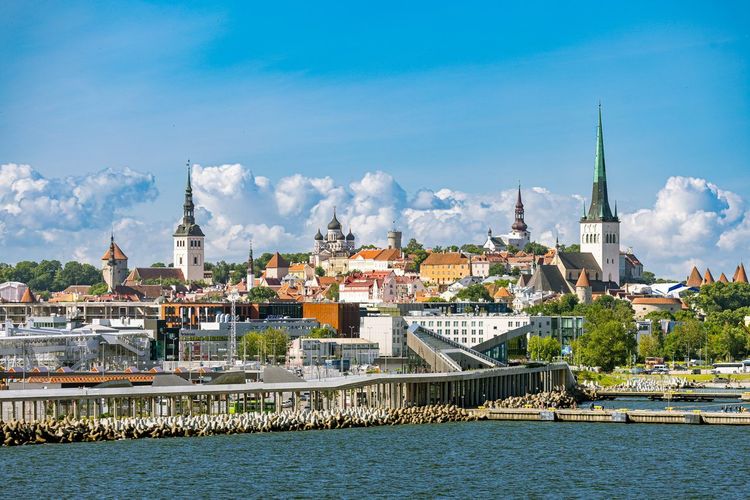
One look at a map is enough to understand: Tallinn's old town (Vanalinn) is barely more than a kilometre from end to end, and its cobbled lanes, often too narrow for a car, are closed to traffic in several sections anyway. The terrain is flat, apart from Toompea hill, and the distances between the neighbourhoods that matter (old town, Kadriorg, Kalamaja) are counted in tram stops rather than road kilometres.
The public transport network, for its part, has remained dense after decades of investment: trams, buses, trolleybuses, everything runs every few minutes, well beyond what you find in capitals of comparable size. For a visitor, this changes everything: no parking to look for, no sign to decipher at the last second in a language you cannot read.
This is exactly the logic followed by the Ryo audio-guided tour: it links the old town's points of interest in an order designed for walking. You move at your own pace, with an earphone in one ear, without ever worrying about a car park or a full tank. In the pages that follow, we pick up this thread: first the old town, then the outlying neighbourhoods, before detailing very concretely buses, trams, taxis and excursions.
Tallinn's Old Town (Vanalinn), a Heart to Explore on Foot
The Lower Town: Town Hall Square, Viru Gate and Medieval Alleys
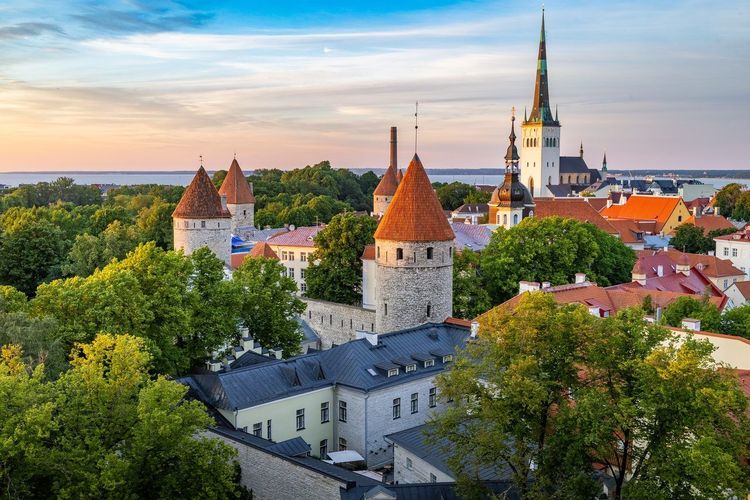
Most visits to Tallinn begin at the Viru Gate, two 14th-century round towers that once marked the eastern entrance to the fortified city.
Past the gate, Viru Street climbs gently toward the heart of the lower town, lined with amber shops and cafés that spill onto the pavement at the first rays of sunshine.
After a few minutes' walk, you come out onto Town Hall Square, paved since the Middle Ages and dominated by the Gothic town hall, one of the few of this style still standing in Northern Europe.
In winter, a Christmas market sets up its wooden chalets here; in summer, restaurant terraces nibble away a good part of the space. Right next door, the Raeapteek pharmacy claims the title of the oldest pharmacy in Europe still in operation, with a first written mention dating back to 1422.
As you make your way into the alleys east of the square, look for St. Catherine's Passage, a cobbled lane lined with craftsmen's workshops, glassblowers and ceramicists, and flanked by medieval gravestones set into the walls.
Two churches punctuate this lower district. St. Nicholas' Church (Niguliste), now converted into a museum of sacred art, houses a remarkable collection of medieval altarpieces and a famous fragment of a danse macabre. A little further north, St. Olaf's Church (Oleviste) long held the title of the tallest building in the world, after its spire was rebuilt in the 16th century: its tower still rises to 124 metres, and its roughly 232 steps lead to a platform at 60 metres, with a panorama over the red roofs of the lower town.
To take the measure of the fortifications that protected the city for centuries, head for the towers and ramparts that still encircle a good part of the historic centre, and more particularly the Kiek in de Kök fortifications museum, housed in an artillery tower from 1475 whose name means "peek into the kitchen" in Low German: from up there, guards could look down into neighbouring hearths. You can also go down into the old bastion tunnels, open to the public by guided tour.
Allow a good morning for this sector alone if you want to go inside each monument rather than admire them in passing.
The Upper Town and Toompea Hill
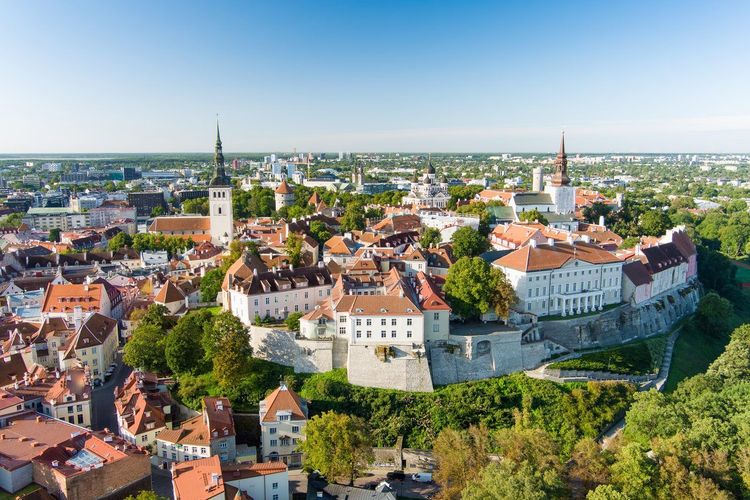
Going up via Pikk jalg street or the steep Lühike jalg staircase, you leave the lower town to climb Toompea hill, the limestone promontory where power, first religious then political, has been seated for more than eight centuries.
The Toompea Castle, with its pastel pink walls, now houses the Estonian Parliament (Riigikogu): its Baroque façade and the medieval Pikk Hermann tower, where the national flag flies, are worth a stop even without going inside.
Right opposite, the Alexander Nevsky Cathedral, completed in 1900 under the Russian Empire, imposes its onion domes and its bells, the heaviest of which weighs 15 tonnes. It remains a sensitive subject, as some Estonians see it as a symbol of tsarist Russification rather than a religious monument.
A few steps away, St. Mary's Cathedral (Toomkirik), of Lutheran denomination, is the oldest church in Tallinn still in use: its whitewashed walls contrast with the painted wooden coats of arms of Baltic noble families that line the interior.
Two viewing platforms, Kohtuotsa and Patkuli, a few minutes apart on the northern edge of the hill, offer the best panoramas of the upper town: you can make out the spires of the lower town, the port and, in very clear weather, a dark line on the horizon that is none other than the Finnish coast.
Heading back down to the south, the walk leads to Freedom Square (Vabaduse väljak, 10146 Tallinn), the large modern square where the War of Independence Victory Column stands. It is also a bus hub for the outlying neighbourhoods, which makes it a handy landmark for the rest of the visit.
If this dive into Hanseatic Tallinn appealed to you, the Ryo audio sub-tour dedicated to the medieval Baltic era revisits this Tallinn of ramparts and merchants, from the lower town to the upper town, with stories to listen to in front of each monument.
The Kadriorg District: Park and Museum a Few Tram Stops Away
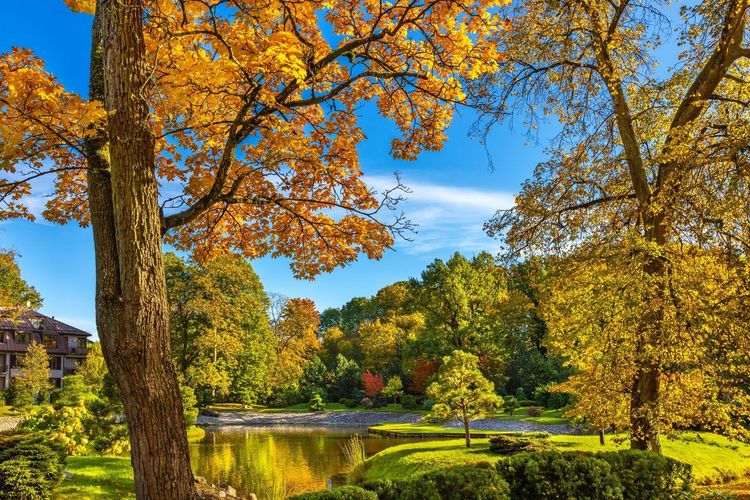
Kadriorg Park and Palace
Just a few tram stops from the old town (lines 1 or 3, Kadriorg stop), Kadriorg Park completely changes register: French-style avenues, ornamental ponds and tall centuries-old trees replace the medieval cobblestones.
The Kadriorg Palace, built from 1718 on the orders of Peter the Great for his wife Catherine I, now houses the Foreign Art Museum of the Art Museum of Estonia, with Flemish painting and Russian porcelain displayed in a Baroque setting that contrasts with the rest of the city.
The park itself is worth a stroll even without entering the palace: Tallinn residents come here to run or picnic, and several sculptures dot the paths. Right next to the palace, the office of the President of the Republic occupies a 1930s building, guarded but visible from the path, proof that this upscale neighbourhood has never left the circle of power. Allow one to two hours for the district, depending on whether you visit the palace or just the park. With children, continue to the nearby seafront, at the end of the main avenue: the Pirita promenade begins there.
The Kumu Art Museum
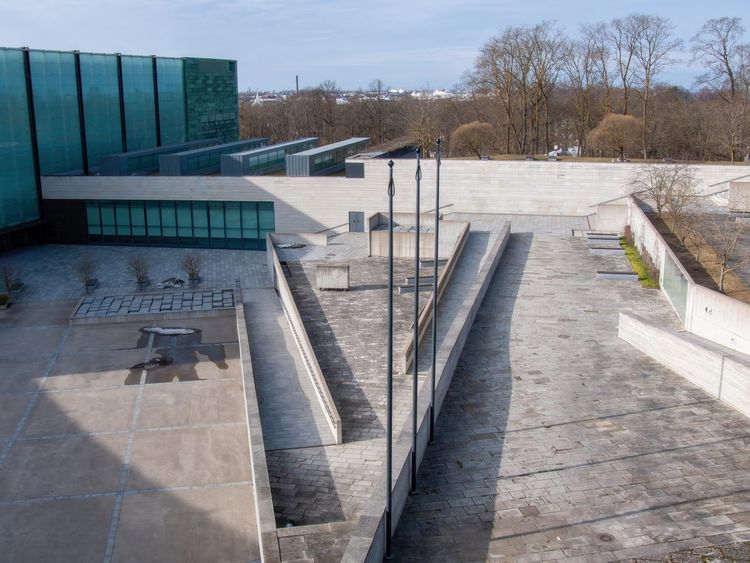
Just behind the palace, the Kumu Museum (Weizenbergi 34, 10127 Tallinn, rated 4.7/5 on Google from 6,149 reviews) occupies a limestone and glass building designed by Finnish architect Pekka Vapaavuori, opened in 2006 and named European Museum of the Year as early as 2008.
Kumu covers two centuries of Estonian art, from 19th-century academic painting to contemporary installations, including a room devoted to official Soviet art, rarely shown elsewhere with such critical distance. Allow two hours for the permanent collections, longer if a temporary exhibition catches your attention.
Kadriorg is within tram reach of the Ryo audio-guided tour of Tallinn: finish the audio walk in the old town in the morning, hop on tram 1 or 3, and the afternoon is devoted to the imperial palace and Kumu.
Kalamaja and Telliskivi, the Alternative and Creative Tallinn
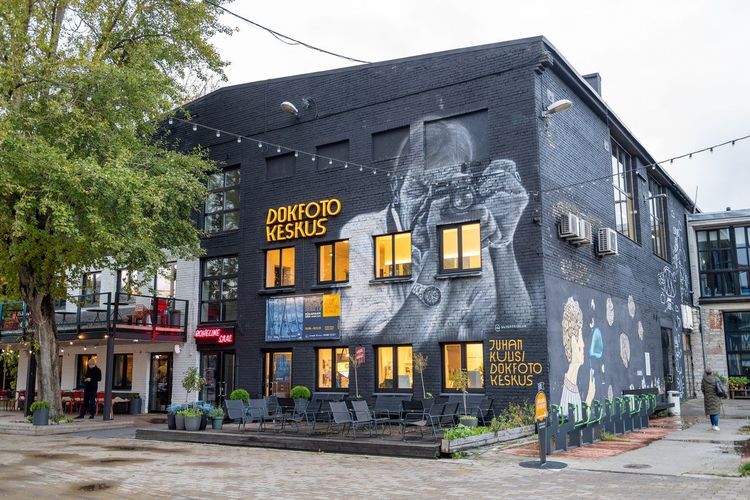
Telliskivi Creative City: Artistic Wasteland, Street Food and Bars
Fifteen minutes on foot from the old town, or two tram stops away (lines 1 or 2, Balti jaam stop), Telliskivi Creative City (Telliskivi 60, 10412 Tallinn, rated 4.6/5 on Google from 5,524 reviews) occupies the former factory of the Baltic railway company, converted into a creative hub from 2009.
Design studios, galleries, vintage thrift shops and street food canteens share the former brick buildings, whose exterior walls serve as a giant canvas for regularly renewed murals. On weekends, a flea market sets up in the main courtyard, and Tallinn residents come to spend the afternoon here as much as tourists do.
In the evening, the district transforms: craft beer bars and small concert venues take over from the galleries, in a much more relaxed atmosphere than the themed taverns of the old town.
Kalamaja: Colourful Wooden Houses and Street Art
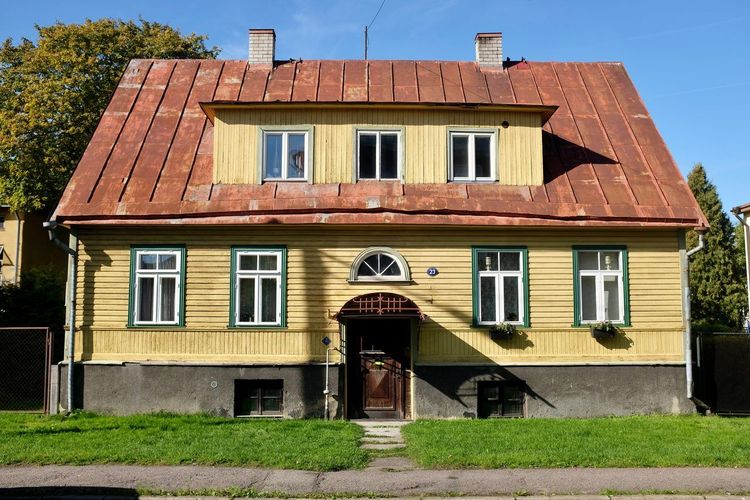
Just north of Telliskivi, the district of Kalamaja (literally "fish house") was a working-class and fishermen's suburb until the early 2000s. Its wooden houses painted in pastel blue, mustard yellow or sage green, often leaning with age, make it one of the most photographed neighbourhoods in the city today.
The streets around Kotzebue have a good concentration of street art, with murals that sometimes cover entire gable walls. You will also find some of the best brunch spots in Tallinn here, set up on the ground floors of renovated wooden houses.
The district is explored entirely on foot, with no logical straight line: that is precisely the appeal, getting lost for an hour in these small streets without a set itinerary. For those who want to extend the walk, Kalamaja can be reached in ten minutes from the Fat Margaret's Tower gate, north of the old town: a good continuation after the Ryo audio guide of Tallinn, which leaves you at the gates of the district.
Museums and Heritage Sites Not to Miss
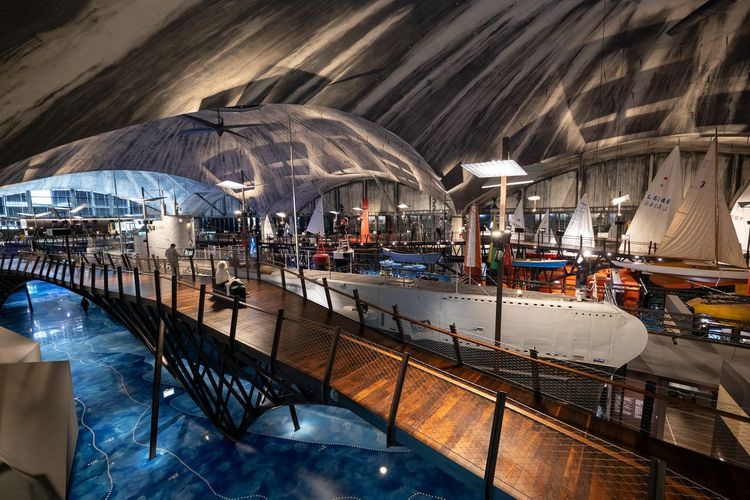
The Lennusadam Maritime Museum (the Seaplane Hangar)
About twenty minutes on foot from the centre along the waterfront, or by bus from the old town, the Lennusadam Maritime Museum (Vesilennuki 6, 10415 Tallinn, rated 4.8/5 on Google from 18,379 reviews) occupies the seaplane hangars built in 1916-1917 for the Russian imperial fleet, whose reinforced concrete domes without pillars were a technical feat at the time.
Under these vaults, the submarine Lembit (launched in 1936), naval mines, a reconstructed seaplane and simulators make it easy to spend two to three hours on site, children included: it is by far the most interactive museum in the city. Outside, the icebreaker Suur Tõll, moored at the quay, can also be visited.
The neighbouring port district, Noblessner, still mixes a few industrial workshops with recently opened fish restaurants, a good option if the visit has made you hungry.
The Rocca al Mare Open-Air Museum and Vabamu, the Museum of Occupations
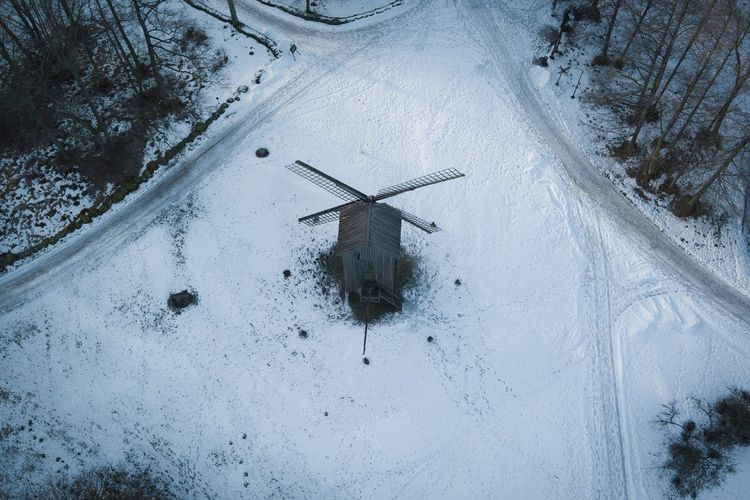
West of the city, about twenty minutes by bus from the centre (lines 21 or 21B from Balti jaam station, Rocca al Mare stop), the Rocca al Mare Open-Air Museum (Eesti Vabaõhumuuseum) brings together more than 80 Estonian rural buildings moved from all over the country: wooden farmhouses, windmills, a school, a tavern and a wooden chapel from the late 17th century, spread over some 72 hectares of coastal forest.
Allow half a day if you want to enter every reconstructed interior; an hour and a half is enough for a general stroll. On weekends, traditional craft demonstrations enliven some of the buildings.
Back in town, the Vabamu museum, dedicated to the Soviet and Nazi occupations of Estonia between 1940 and 1991, offers a route built around personal testimonies rather than dates and battles. It is arguably the most moving museum in Tallinn, and also one of the easiest to reach, at the foot of Toompea hill.
These three museums complement rather than overlap one another: the sea for Lennusadam, the countryside for Rocca al Mare, recent political history for Vabamu. If your stay does not exceed two days, prioritise Vabamu, central and quick, before considering the other two.
Where to Eat, Have a Drink and Go Out at Night in Tallinn
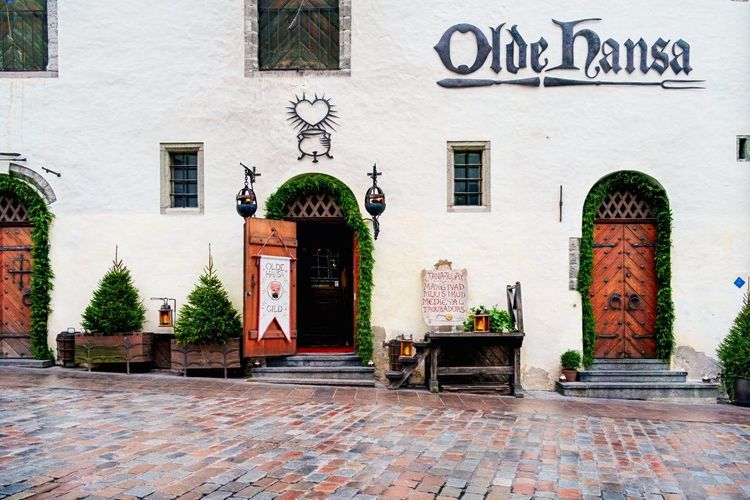
Typical Restaurants and Historic Cafés in the Old Town
For a meal in period costume, quite literally, Olde Hansa has been recreating a Hanseatic tavern since 1997: candles, earthenware dishes, waiters in medieval dress and dishes based on game and spices that were rare at the time. It is touristy, and proudly so, and Tallinn residents themselves bring visiting family here.
For a simpler format, the Maiasmokk Café (Pikk 16, 10133 Tallinn, rated 4.5/5 on Google from 3,971 reviews), open since 1864, claims the title of the oldest café in Estonia still in operation. Its salon with antique woodwork and its marzipan counter attract locals on a break as much as visitors looking for a local pastry, the kringel (braided brioche) at the top of the list.
Between these two extremes, the old town is full of small contemporary Estonian cuisine spots, often in medieval vaulted cellars, where beetroot and smoked herring are revisited with a Scandinavian touch, with black rye bread as an almost systematic accompaniment.
Rooftop Bars and Nightlife
For the view, head to Lounge 24, the panoramic bar of the Radisson Collection Hotel, on the 24th floor of a tower in the business district, on Rävala Street, five minutes from the Viru Gate: a complete panorama of the old town's Gothic spires, the port and the bay.
The Rotermann district, between the old town and the port, concentrates a good part of Tallinn's recent nightlife: former industrial warehouses converted into cocktail bars and restaurants, in a contemporary glass and brick architecture that deliberately contrasts with the medieval centre.
For a more local evening, the bars of Telliskivi, mentioned above, remain a safe bet, with prices noticeably lower than in the touristy old town. This entire small nightlife perimeter, from the old town to Rotermann and then Telliskivi, can be covered on foot in less than 25 minutes, never justifying a taxi.
Getting Around Tallinn Without a Car: Buses, Trams and Useful Apps
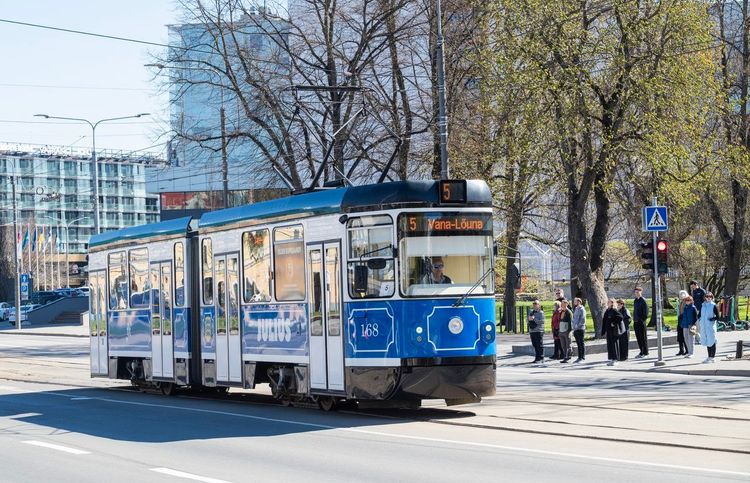
The Bus and Tram Network: Free or Paid?
Tallinn's public transport network covers the whole urban area with several tram lines, trolleybuses and dozens of bus lines, running from dawn until around midnight.
Since 2013, public transport has been free for registered Tallinn residents, a scheme long unique in Europe that often fuels confusion: no, this free travel does not apply to tourists. In practice, you pay 2 euros per trip by tapping your contactless bank card on board or via the Pilet.ee app. With a rechargeable Ühiskaart card (sold at R-Kiosk kiosks), the one-hour ticket, with unlimited transfers, drops to 1.50 euros, with a spending cap of 5 euros per day.
For a more intensive stay, the 24-hour ticket costs 5.50 euros and the 120-hour ticket 15 euros, a formula that pays off from the third day of trams and buses.
Checks do exist, carried out by plainclothes inspectors who regularly board trams and buses: travelling without a valid ticket exposes you to a fine of several dozen euros. In practice, frequency remains high all day on the tram lines of most interest to visitors (station, old town, Kadriorg, airport). It is in the evening and on Sundays that intervals lengthen, sometimes up to 20 minutes.
The Tallinn Card: Good Deal or Not?
The Tallinn Card combines unlimited public transport, free entry to more than 50 museums and sites (including Kumu, Kadriorg Palace, Lennusadam, the open-air museum, Kiek in de Kök and the St. Olaf's tower) and discounts at partners. In 2026, expect around 43 euros for 24 hours, 63 euros for 48 hours and 76 euros for 72 hours (adult rates).
The calculation depends entirely on your pace of sightseeing. If you plan to fit in three or four paid museums per day in addition to tram trips, the card pays for itself easily. If your programme looks more like a stroll in the free old town, one entry to the Kumu museum and an occasional tram ride, paying individually often works out cheaper than the card itself.
A good rule of thumb: add up the entry price of the two or three sites that really interest you, add the cost of your tram or bus trips, and compare with the card's price for your length of stay. Many visitors buy the card out of reflex without doing this calculation, and end up paying more than with separate tickets. The card can be bought online before departure, in digital form, with no queue at the ticket office.
Taxis, Ride-Hailing and Apps for Getting Around
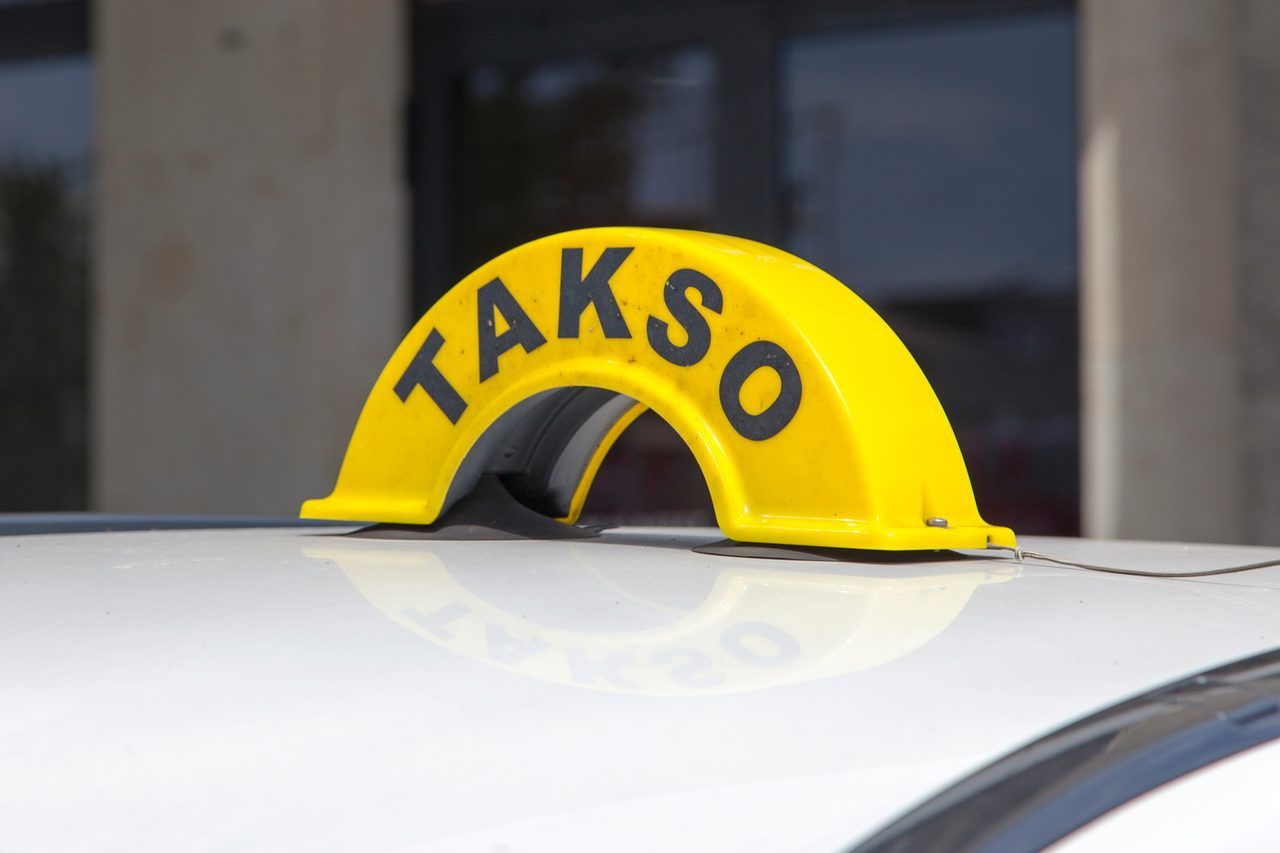
The ride-hailing apps Bolt and, to a lesser extent, Uber, cover all of Tallinn with fares clearly lower than in France for a comparable ride: expect generally between 5 and 10 euros for a trip in the city centre, a little more to reach the airport or Rocca al Mare.
Traditional taxis still exist, but their fares are set freely by each company and displayed on a sticker on the window: check it before getting in if you have not booked via an app, to avoid the inflated fares charged by some drivers around the station or the port.
For public transport journeys, Google Maps correctly integrates local timetables and calculates connections in real time. The Bolt app also serves as a self-service e-scooter and electric bike service, available almost everywhere in the centre and handy for trips under 2 kilometres, for example between the old town and Telliskivi. None of these apps requires an Estonian phone number: a foreign bank card is enough to register.
How to Get to Tallinn and Reach the Centre Without a Car

From the Airport: The Tram to the Centre in 15 Minutes
The Tallinn airport (Sadama 25, 10111 Tallinn, rated 4.3/5 on Google from 638 reviews) (Lennart Meri Tallinn Airport), one of the smallest capital-city airports in Europe, is just 4 km from the historic centre, which completely changes things compared to cities where the airport is an hour's drive away.
Since 2017, tram line 4 has connected the terminal directly to the city centre in about fifteen minutes, as far as the Hobujaama stop, a stone's throw from the Viru Gate and the old town. It is one of the shortest and cheapest airport-to-centre connections in Europe: a simple 2-euro ticket, or 1.50 euros with the Ühiskaart card, with no airport surcharge whatsoever.
Departures are frequent, every 10 to 20 minutes depending on the time, from early morning until around midnight. For a very early or very late flight, a taxi, expect 10 to 15 euros via Bolt, remains the most reliable option.
By Ferry from Helsinki, Without a Car on Board
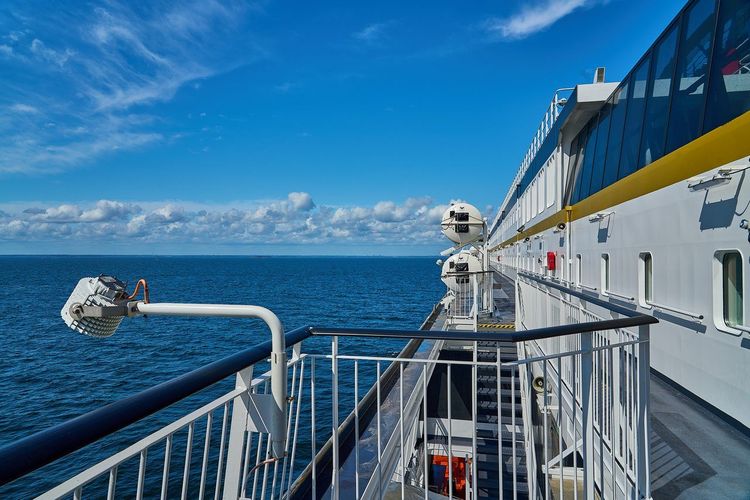
Many visitors arrive in Tallinn from Helsinki, about 80 km away on the other side of the Gulf of Finland. Three companies operate the route: Tallink in about 2h15, Viking Line in 2h30, and Eckerö Line, often cheaper, with crossings that can take up to 3h30.
Travelling as a foot passenger without a car simplifies everything: boarding is done on foot in a few minutes, without the vehicle queue, and the ticket is clearly cheaper than with a car space. The port terminal is 10 to 15 minutes on foot from the old town, or a few tram stops away if you prefer not to drag your luggage over the cobblestones.
For a day trip from Helsinki, several daily sailings allow you to spend six to eight hours in Tallinn before catching the last evening boat, more than enough to cover the essentials of the old town.
Taking an Excursion Without a Car from Tallinn
The Islands of Saaremaa and Hiiumaa by Ferry
The Estonian archipelago has more than 2,000 islands, of which the two largest, Saaremaa and Hiiumaa, can be visited without a personal car, provided you accept a slower pace.
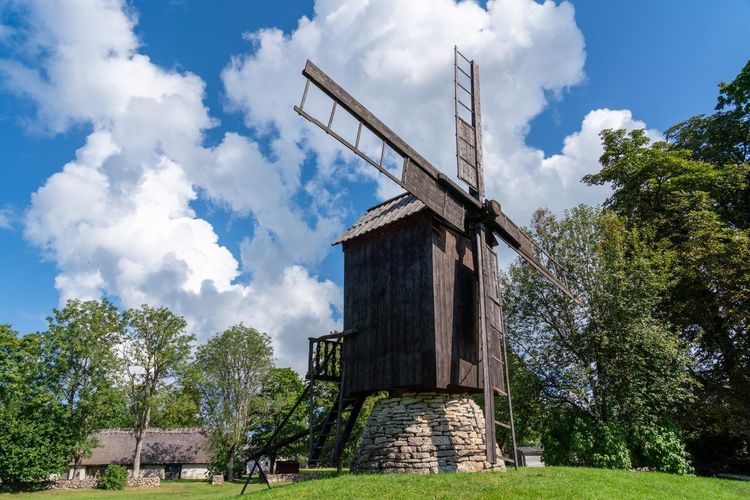
From Tallinn's bus station, a direct bus reaches Kuressaare, the capital of Saaremaa, in about 3h30 to 4h, crossing included: the bus drives straight onto the ferry between Virtsu and Kuivastu, without you having to get off. Once there, Kuressaare can be explored on foot around its 14th-century episcopal castle, and local buses, less frequent, serve the island's cliffs and windmills.
Hiiumaa, wilder and less visited, is reached by a separate ferry from Rohuküla, also accessible by bus from Tallinn. Allow rather two days on site if you want to go beyond a simple excursion, as the local bus network there is sparser.
In both cases, a bicycle, often available for rent on site, complements the bus very well for the last kilometres to isolated sites: lighthouses, pebble beaches, sometimes a fishing village forgotten by the rest of the island. Many travellers overlook these islands thinking they require a car: it is the opposite, as the light traffic makes them a particularly pleasant destination by bike once you are there.
Tartu, Pärnu and the Baltic Capitals by Train or Bus
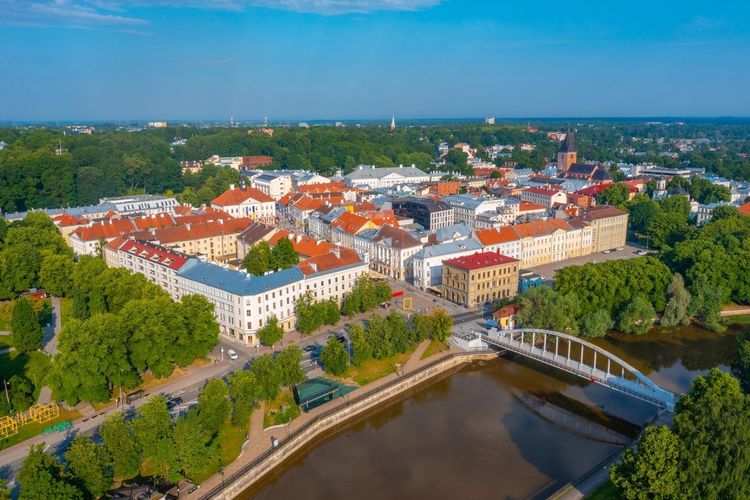
To leave Tallinn without a car, Estonia's second city, Tartu, can be reached by train (Elron company) in about two hours from Balti jaam station, a comfortable journey that serves the university centre directly, known for its student atmosphere and its museums.
Pärnu, the most popular seaside resort among Estonians in summer, no longer has a rail link from Tallinn: the bus remains the only option, with a journey of about two hours and frequent departures throughout the day.
To go further, the long-distance buses Lux Express and Ecolines connect Tallinn to Riga (the Latvian capital) in 4h to 4h30, and to Vilnius (the Lithuanian capital) in 9 to 10 hours, often via Riga. Seats include wifi and power outlets, which makes the journey perfectly bearable even over the longest distance.
These three Baltic capitals combine easily into a trip of one to two weeks, entirely by bus and train, without ever needing to rent a vehicle. Book your long-distance tickets a few days in advance in high season, from June to August: the best seats and lowest fares go quickly.
Where to Stay in Tallinn When You Don't Have a Car
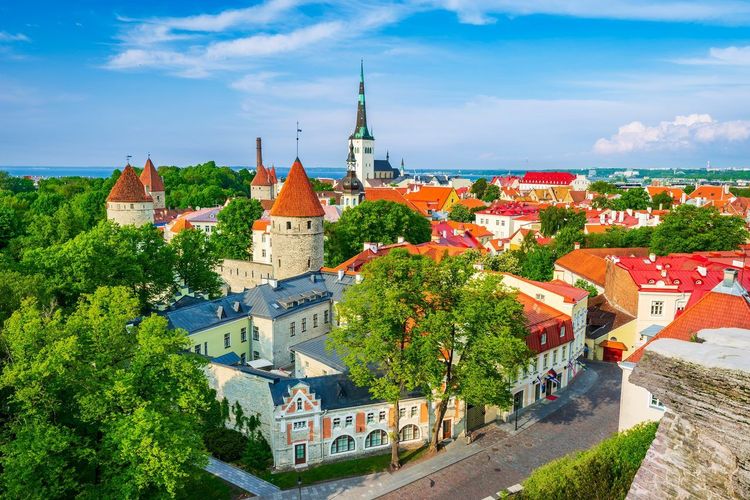
Without a car, the criteria for choosing accommodation in Tallinn change completely: forget parking, and favour proximity to a tram stop or the old town itself.
Sleeping in the old town remains the most practical option for a short stay: everything is done on foot from your door, even if it means paying a little more and putting up with sometimes noisy streets on weekends. It is the most logical choice if you stay two or three nights and plan to focus on the historic centre.
The Rotermann district, and more broadly the surroundings of Viru Square, right on the edge of the old town on the port side, offer a good compromise: more recent hotels, often cheaper than in the strict historic centre, within ten minutes on foot of everything, and the tram 4 stop for the airport a stone's throw away. If you are planning a train excursion to Tartu, note that Balti jaam station is on the other side of the old town, next to Telliskivi.
For a longer stay or a tighter budget, the Kalamaja and Kadriorg districts, well served by tram, 10 or 15 minutes from the centre, offer apartments and small guesthouses at noticeably lower rates, in a more residential atmosphere.
On the other hand, avoid hotels far out in peripheral commercial zones, often designed for motorised business travellers: the public transport link exists, but you will lose precious time on a short stay. Whichever neighbourhood you choose, check the distance to the nearest tram or bus stop before booking: for a visitor without a car, it is a criterion at least as important as the average review score.
Budget and Best Time to Visit Tallinn Without a Car
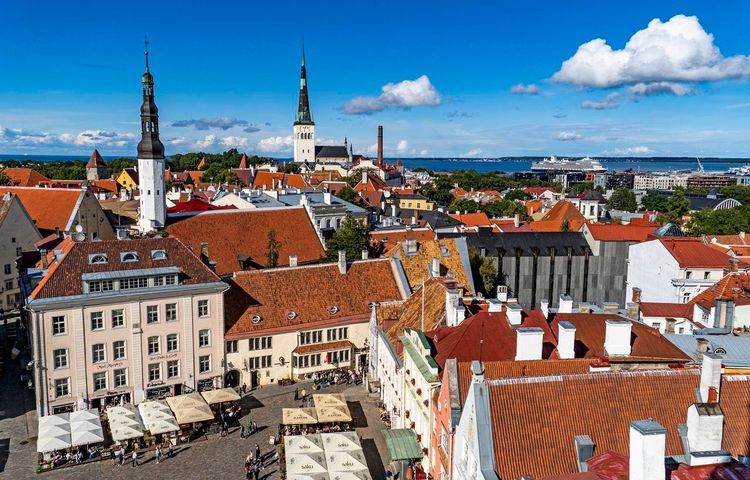
Budget, roughly, for a three-day stay in Tallinn without a car: expect about 25 to 40 euros per night per person in a hostel or shared apartment, double that in a mid-range hotel in the old town. Meals cost less than in Western Europe: a simple lunch in a local canteen costs 8 to 12 euros, a decent dinner in an old town restaurant 20 to 30 euros with a drink.
As for transport, without a car rental, the budget for a three-day stay rarely exceeds 15 euros per person in town (two or three tickets per day, capped at 5 euros daily with the Ühiskaart card), to which a bus excursion to Tartu or Pärnu may be added. An amount more than offset by the absence of rental, fuel, parking or insurance costs.
As for timing, summer (June to August) offers the longest days, up to 18 hours of daylight around Midsummer, ideal for enjoying terraces and parks, but also the densest tourist influx, especially around Town Hall Square. Spring (May) and early autumn (September) allow you to visit in good conditions with far fewer people.
Winter, from November to February, radically changes the face of the city: Christmas market, short days, barely 6 hours of daylight in December, but a snow-covered old town that is particularly photogenic, and accommodation rates often much lower than in summer. It is also the period when the tram becomes most useful, as prolonged walking is less pleasant in the bitter cold. For an off-season stay, check the reduced opening hours of some museums and of the ferries to Saaremaa or Hiiumaa before fixing your dates.
Mistakes to Avoid When Visiting Tallinn Without a Car
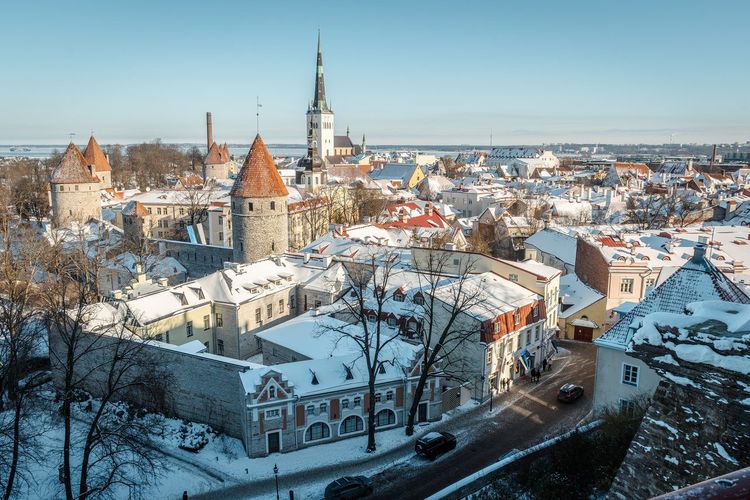
Renting a car for Tallinn remains the most common mistake among visitors who arrive with Western European habits: paid and limited parking around the old town, narrow cobbled streets poorly suited to driving, and a public transport network that already covers everything a tourist needs to see. A car only becomes truly useful for exploring the rural hinterland in depth, far from bus routes, or for linking several isolated villages on Saaremaa in a single day.
Underestimating winter comes up regularly in traveller feedback: between November and February, night falls as early as 4 pm, the Baltic wind bites seriously, and some island connections see their frequency reduced. Plan for truly warm clothing, not just a city jacket.
Another classic trap: counting on the same frequency everywhere and all the time. On weekdays and during the day, the network remains dense, but on Sundays and in the evenings intervals lengthen noticeably, sometimes up to 20 or 30 minutes on certain outlying bus lines. It is better to check timetables the day before.
Finally, many visitors buy the Tallinn Card without calculating whether their programme makes it worthwhile, or board the tram without having validated their bank card or their Ühiskaart, exposing themselves to a fine. One last frequent mistake: trying to see everything in a single day. The old town can be covered quickly on the surface, but each monument deserves ten to twenty minutes to be truly appreciated, and the pace quickly gets frantic if you chase an overly long list.



FAQ
How do you get around Tallinn without a car?
On foot in the old town, which can be crossed from end to end in less than half an hour, then by tram or bus for the more distant neighbourhoods such as Kadriorg, Kalamaja or Rocca al Mare. You pay for your trip by tapping a contactless bank card on board (2 euros), via the Pilet.ee app, or with a rechargeable Ühiskaart card (1.50 euros per hour). Bolt and Uber are a useful complement to the network for late-night trips or heavy luggage.
How many days do you need to visit Tallinn?
Two full days are enough to cover the old town, Kadriorg and Kalamaja without rushing. Three to four days allow you to add the museums (Lennusadam, Rocca al Mare, Vabamu) and a day trip to Tartu or Pärnu. With a week, you can add the islands of Saaremaa or Hiiumaa.
Is Tallinn worth visiting without a car?
Yes, and it is actually the opposite of a compromise: the compactness of the historic centre and the density of the public transport network make a car unnecessary, even a nuisance, given the limited parking and the narrow cobbled lanes. Almost all the major sites of the Estonian capital can be visited on foot or in just a few tram stops.
Is public transport free in Tallinn?
It has been free only for registered Tallinn residents since 2013, not for passing visitors. A single trip costs 2 euros contactless or via the app, a one-hour ticket costs 1.50 euros with the Ühiskaart card, and the 24-hour ticket costs 5.50 euros if you make many trips.
Should you buy the Tallinn Card?
Only if your itinerary includes at least three or four paid museums per day in addition to public transport trips: at 43 euros for 24 hours, the card requires a busy pace. For a visit centred on the old town, which is largely free, and one or two museum entries, separate tickets generally work out cheaper.
How do you get from Tallinn airport to the city centre?
Tram line 4 connects Lennart Meri Airport directly to the city centre (Hobujaama stop, near the Viru Gate) in about fifteen minutes, with a departure every 10 to 20 minutes. For a very early or late flight, a ride-hailing trip via Bolt generally costs between 10 and 15 euros.
What is the best time to visit Tallinn without a car?
May, June and September offer the best compromise between pleasant weather and moderate crowds. Summer, July and August, is the liveliest but also the busiest, especially around the Town Hall Square. Winter, from November to February, completely changes the atmosphere, with Christmas markets and snow, but reduces the frequency of some connections to the islands.
In the end, visiting Tallinn without a car is not a concession: it is the most natural way to approach a city built on a pedestrian scale, where a car proves more often an obstacle than a help. From the Viru Gate to the seaplane hangars of Lennusadam, via the wooden houses of Kalamaja and the bars of Rotermann, every neighbourhood can be discovered on foot, by tram or, for more distant excursions, by bus and ferry.
If you want to explore the old town without getting lost in its alleys, the Ryo audio tour of Tallinn guides you step by step, with anecdotes shared in front of each monument so you understand what your eyes are seeing, with no human guide and, of course, no car.