Walk
Visiting the Queen of the Danube
Budapest, Hungary
Walk
Visiting the Queen of the Danube
Budapest, Hungary
8.5 km
Distance
3h30
Durée
24
Audios
Loop
Parcours
Visiting Hungary means diving into a Central European country where history is written on every façade, where thermal waters rise from the depths of the earth and where paprika-scented cuisine fills the markets from early morning. Between the majesty of the Danube splitting cities into two living banks, the golden vineyards of the northeast and the serenity of Lake Balaton, Hungary moves at a pace that invites you to linger. To explore this country with the depth it deserves, Ryo's audio-guided tours accompany you through its streets, legends and flavours, starting with its dazzling capital.
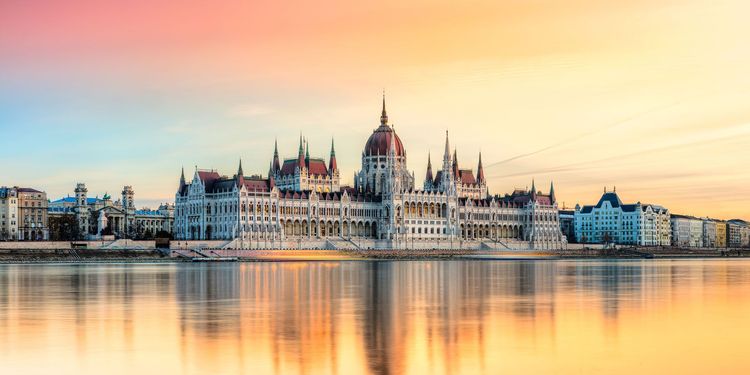
Budapest is far more than a capital: it is a dual city, merged over the centuries, where hilly Buda holds a silent dialogue with lively Pest on the opposite bank. The flamboyant Gothic Parliament reflected in the river, the Széchenyi or Gellért baths where steam rises beneath century-old domes, the lanes of the Castle Hill, the ruin pubs tucked into the courtyards of abandoned buildings… every neighbourhood reveals layers of time. With Ryo's audio-guided tour "In Intimacy with the Grand Lady of the Danube", Budapest tells its story in your ear, at your own pace, far from the hurried crowds.
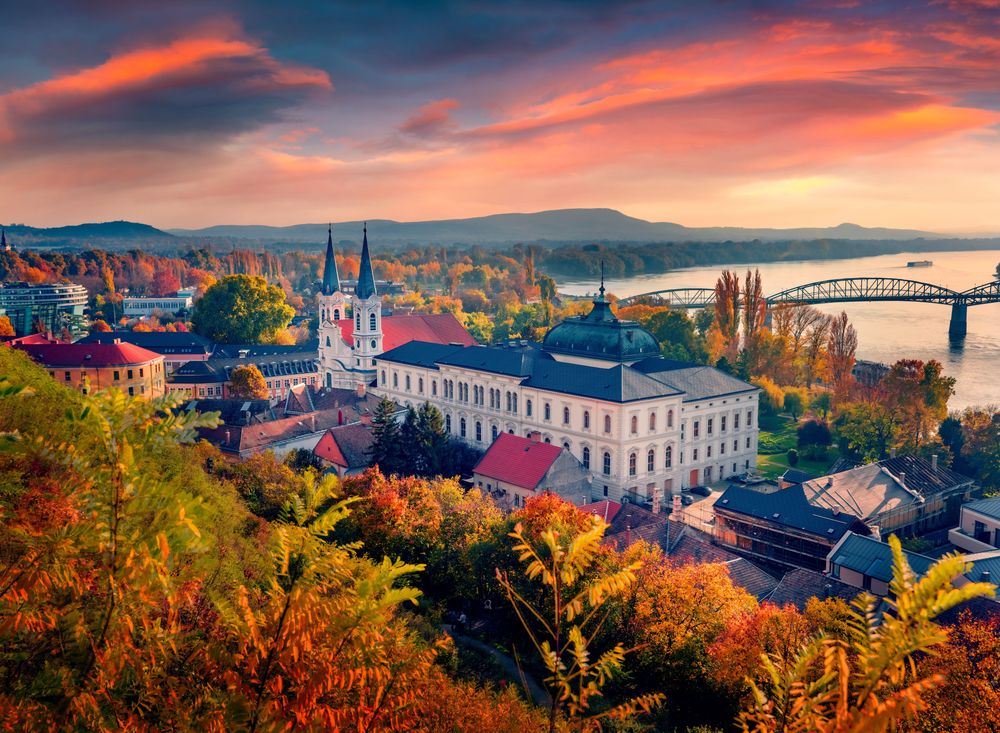
Beyond the capital, Hungary unfolds a gentle and varied geography. The Danube Bend, north of Budapest, winds between cliffs and medieval villages best explored by boat with wide-open eyes. Further east, the Great Plain, or Puszta, offers endless horizons, shepherd traditions and a particular quality of light during the golden hours. To the west, Lake Balaton, Central Europe's largest lake, draws travellers every summer with its calm waters, terraced vineyards and white-walled villages. Finally, the country's northeast is home to the Tokaj region, whose wine cellars guard the secrets of a legendary wine inscribed on the World Heritage List. Hungary also boasts nearly three hundred natural thermal springs, some reaching remarkable temperatures: a standing invitation to slowness and well-being.
Spring and autumn are generally the most pleasant seasons for exploring Hungary: temperatures are mild, crowds are manageable and the light is particularly flattering on the architecture. Summer draws travellers to Lake Balaton and open-air festivals, while winter wraps Budapest in a hushed atmosphere, perfect for Christmas markets and long sessions in the warm baths. Every season has its own character; choose the one that matches the pace of your journey.
Hungary's rail network connects Budapest to the country's main cities in a practical and relatively swift manner. Intercity buses usefully extend coverage to smaller towns and rural areas. For getaways to Lake Balaton or the Tokaj wine region, the train remains a comfortable and scenic option. In the city, Budapest's public transport network — including its century-old metro — makes getting around easy. Cycling is particularly well suited to following the Danube riverbanks or exploring the vineyards at your own pace.
Spring, from April to June, and autumn, from September to October, generally offer the most pleasant conditions: moderate temperatures, generous light and tourist crowds quieter than in midsummer. Winter has its own appeal in Budapest, particularly for the atmosphere of the markets and the culture of thermal bathing.
A short stay of a few days allows you to explore Budapest in depth. To broaden the experience to the Danube Bend, Lake Balaton or the Tokaj region, a week provides a comfortable pace — unhurried, and very much in keeping with the spirit of the destination.
Budapest concentrates a large share of the country's wonders: the Parliament on the riverbanks, the Buda Castle Hill, the thermal baths and the unique atmosphere of the ruin pubs. Beyond the capital, the Danube Bend, Lake Balaton, the Great Plain and the wine cellars of Tokaj naturally combine into a richly rewarding itinerary.
Hungary is generally considered an accessible destination in Central Europe, where the cost of living remains lower than in many Western European capitals. Accommodation, dining and domestic transport are often available at competitive prices, making it a popular choice for travellers who value quality experiences without stretching their budget.
Hungarian gastronomy revolves around paprika, the iconic spice found in goulash — a hearty beef stew — and in the generous soups served at countryside inns. The wines of Tokaj, golden and complex, deserve special attention. Pastries, heirs to a long Austro-Hungarian tradition, are best savoured in Budapest's historic cafés, during a well-earned pause.






