
Créé par Emilie, le 4 oct. 2026
Votre guide Ryo
Budapest, Hungary
Visiting the Queen of the Danube
Parcours audioguidé pour visiter Budapest en 1 jour
This tour of the historic heart of Budapest invites you to step into the elegance of an imperial capital, with its grand avenues, Belle Époque architecture, and iconic views over the Danube River. As you follow the route, you’ll uncover the fascinating legacy of the Austro-Hungarian dual monarchy, the lively energy of its bustling districts, and the storied landmarks that give rhythm to the Hungarian capital. It’s a simple, immersive way to experience the soul of Budapest at your own pace.
Quand partir à Budapest ?
Jan.
0°
7
Feb.
2°
7
March
7°
7
April
12°
8
May
17°
9
June
20°
9
July
22°
8
Aug.
22°
7
Sept.
17°
7
Nov.
5°
9
Dec.
1°
8
The average temperature in Budapest is around 11°C. Its temperate continental climate means there are cold winters and warm summers. December and January are the coldest months, with lows around 0°C. The warmest months are June and July, with highs up to 29°C. May and June are generally the rainiest months. To make the most of your visit, we recommend visiting from April to October, but you may still get some rain.
Départ conseillé
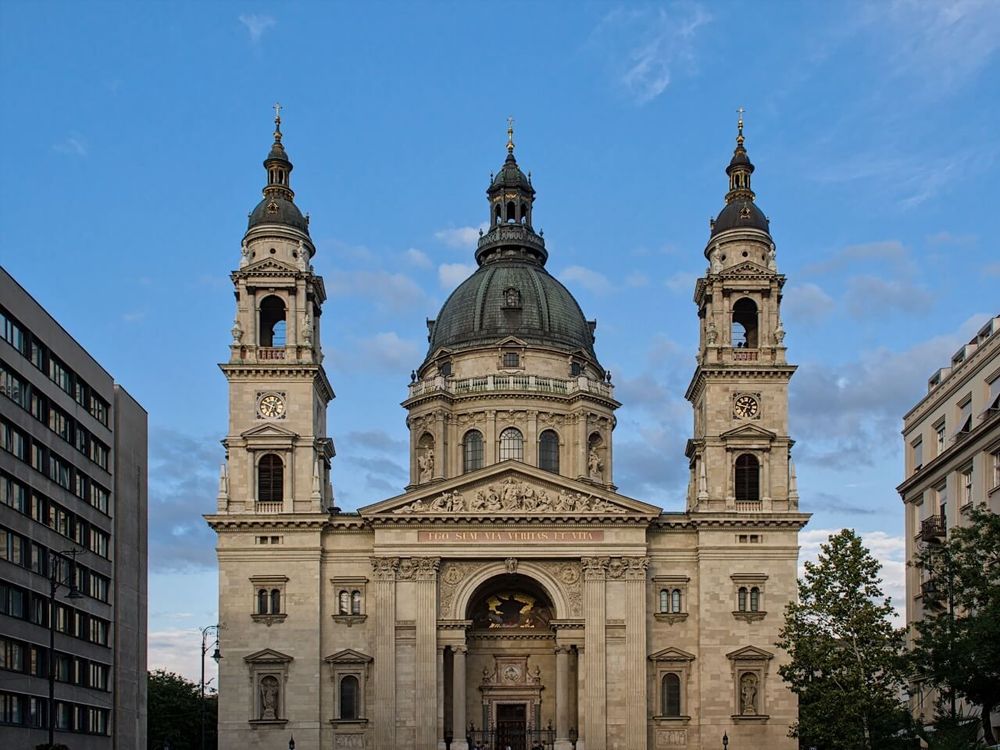
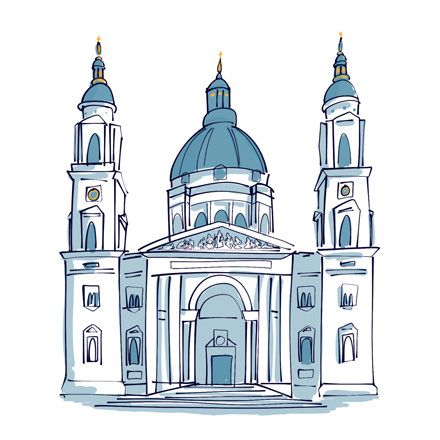
No need to worry about where to begin! Our tours are designed as a loop, so you can jump in wherever you are. The navigation system and audioguide will automatically adjust to your location. However, if you happen to be nearby, we do have a preferred starting point : in front of St. Stephen's Basilica
Parking à proximité
Liberty Square Garage : Szabadság tér
À savoir
Like many top tourist destinations, Budapest offers perks and discounts on transport and attractions with the Budapest Card. It’s a great way to explore the city at your own pace while taking advantage of special offers.
Découvrez 24 lieux d'intérêt pour visiter Budapest
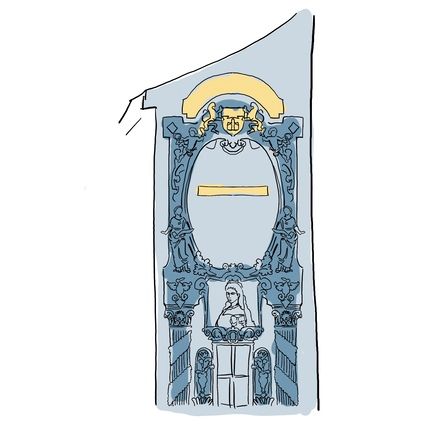

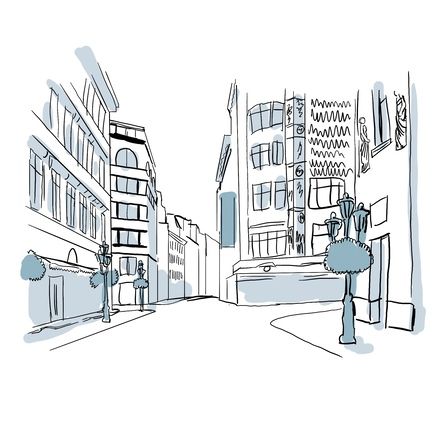
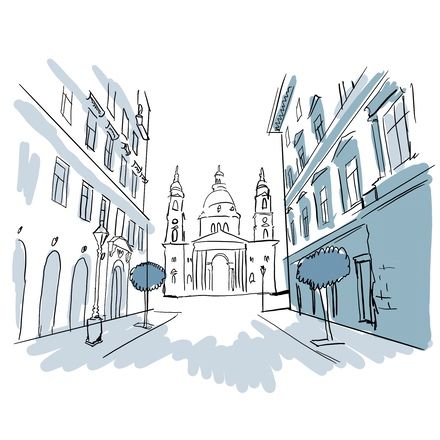
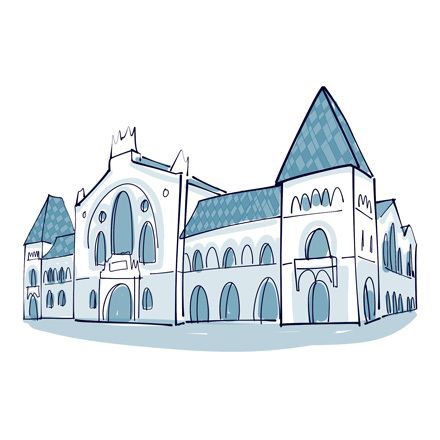
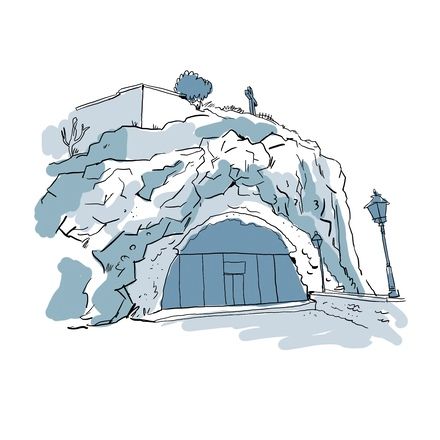



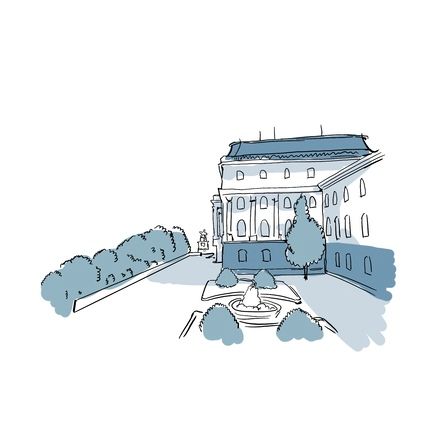
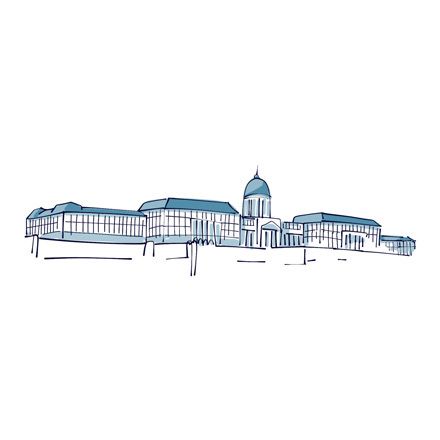
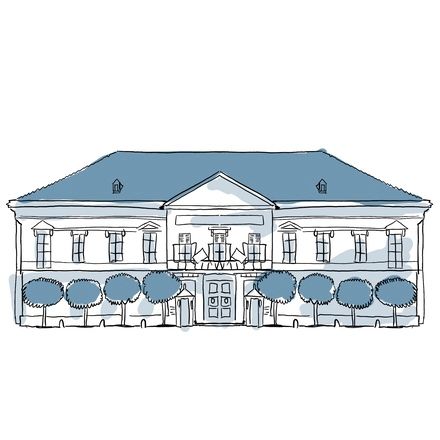
13. The Buda District





Le plein d'inspirations
Explorez le monde en totale liberté, à pied au cœur des villes ou au fil des routes. Nos guides audios transforment chaque destination en une découverte culturelle immersive et unique.




FAQ for visiting Budapest
When is the best time to visit Budapest?
The ideal time to discover Budapest runs from April to October, when temperatures are mild and the days are long. May and June may see a few showers, but the atmosphere remains pleasant for exploring the city. Summer offers warm temperatures, perfect for enjoying the terraces and the open-air thermal baths. Spring and autumn are appealing for their colours and mildness, with fewer tourists. Winter has its charm with the Christmas markets and the cosy atmosphere, but be prepared for temperatures close to zero degrees.
How many days do you need to visit Budapest?
For a first discovery of Budapest, ideally plan for three to four days. This gives you time to comfortably explore both banks of the Danube, visit the major landmarks and enjoy a thermal experience. In two days, you can see the essentials but at a brisk pace. With five days or more, you will have the luxury of wandering through the less touristy neighbourhoods, delving deeper into the cultural visits and truly soaking up the Budapest atmosphere. The city deserves that you take your time to appreciate its many facets.
How do you get to Budapest from the airport?
Ferenc Liszt Airport is located about twenty kilometres from the city centre. The official shuttle bus takes you directly to Deák Ferenc Square, in the heart of Budapest. You can also use public transport by combining bus and metro, an economical solution but one that requires a change. Official taxis wait in front of the terminals and offer fixed fares by zone. Private transfer services can be booked in advance. The journey generally takes between thirty and forty-five minutes depending on the mode of transport chosen and the traffic.
How do you get around Budapest (public transport)?
Budapest has an excellent public transport network including metro, trams, buses and trolleybuses. The metro has four lines serving the main points of interest. The trams run along the Danube and cross the neighbourhoods, offering splendid views. A single ticket lets you use all of these means of transport. Daily or weekly passes prove economical if you plan to travel a lot. Transport generally runs from early morning until late at night, with night buses on the main lines. The Budapest transport mobile app makes getting around much easier.
Where to stay in Budapest and in which neighbourhood?
The choice of neighbourhood depends on your priorities. District V, in the heart of Pest, puts the main tourist sites within easy reach. The Jewish Quarter (District VII) charms visitors with its bohemian atmosphere, its ruin bars in inner courtyards and its lively nightlife. On the Buda side, the surroundings of the castle offer calm and historic charm. Districts VI and XIII offer a good compromise between accessibility and local authenticity. Budapest has accommodation for every budget, from design hostels to luxury hotels in former palaces, along with charming apartments.
What are the must-sees in Budapest?
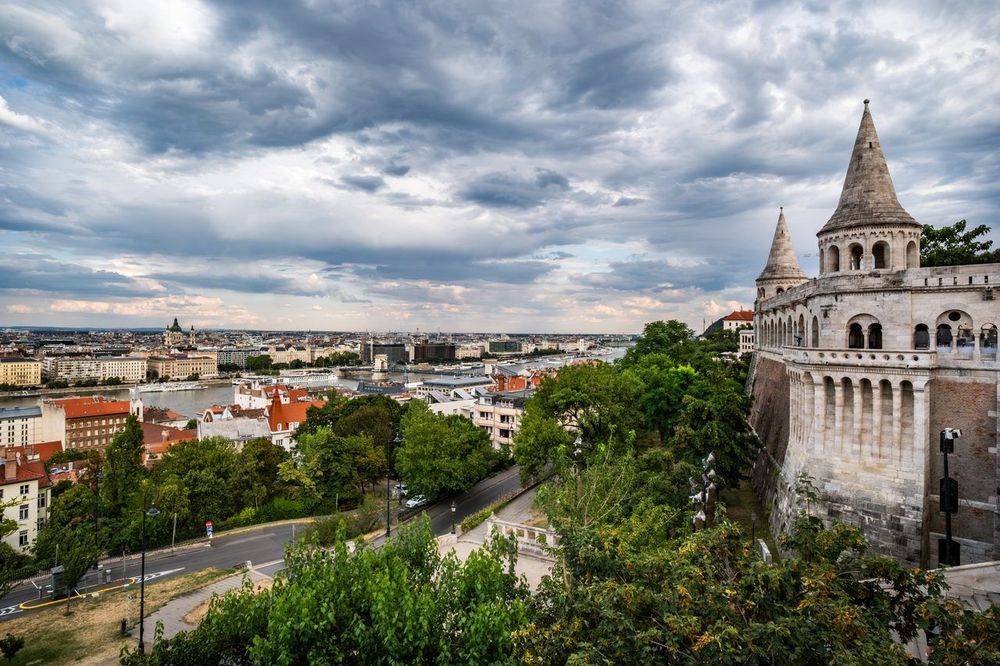
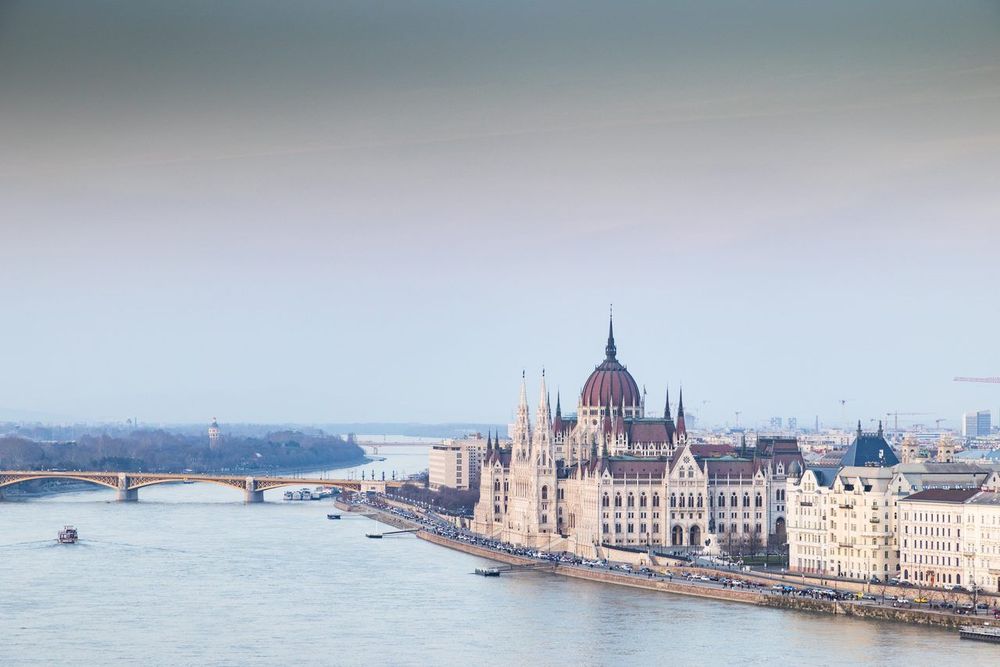
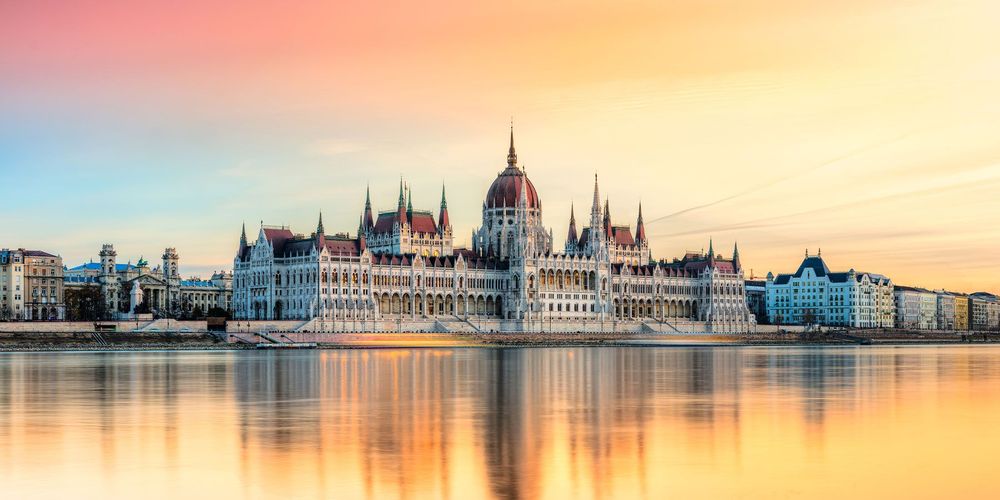
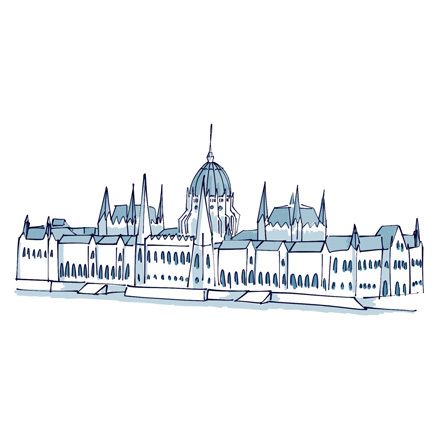
Budapest is full of wonders not to be missed. The Hungarian Parliament impresses with its masterful neo-Gothic architecture. Buda Castle and the Fisherman's Bastion offer breathtaking panoramas over the Danube. St. Stephen's Basilica, the Chain Bridge and the national opera house complete the architectural must-sees. The thermal baths are an integral part of the Budapest experience. The central market hall is worth a visit for its authentic atmosphere. To discover these jewels in depth, the Ryo audioguide offers a narrated route that reveals the fascinating history behind each monument while guiding you through the city.
Should you book tickets for the Parliament in advance?
Booking ahead for the Hungarian Parliament is strongly recommended, especially during the high tourist season. This iconic monument attracts visitors from all over the world and the guided tour slots fill up quickly. Tickets can generally be purchased online on the official website a few weeks in advance. Without a reservation, you risk queuing for a long time or being unable to enter on the desired day. Visits are only with a guide and available in several languages. Planning this visit ahead guarantees that you won't miss one of the most impressive architectural jewels of Budapest.
What are the best thermal baths in Budapest?
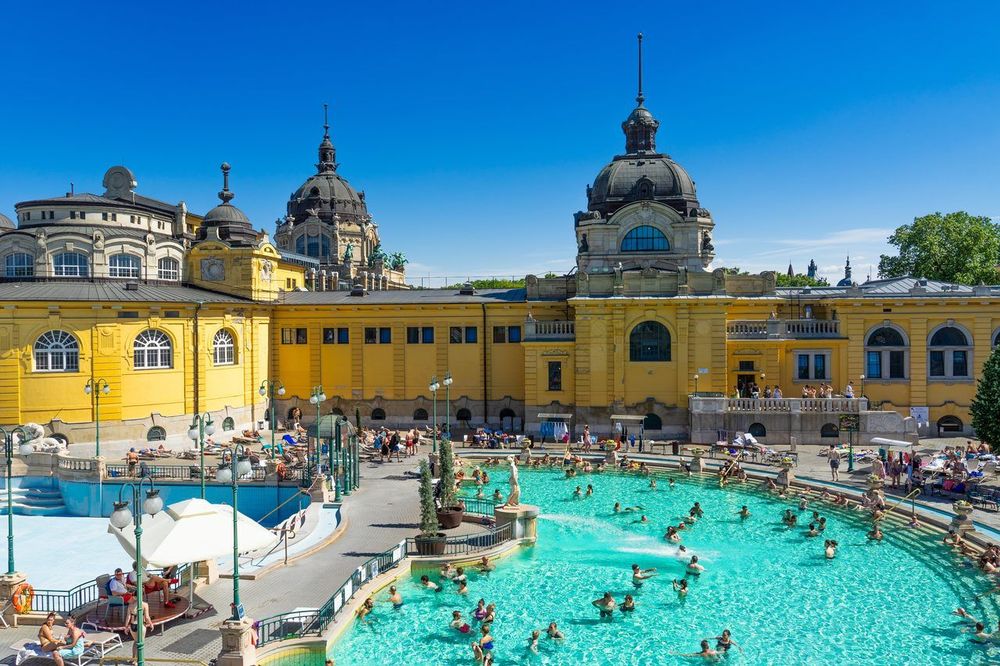
Budapest, nicknamed the city of baths, offers a thermal experience unique in Europe. The Széchenyi Baths, the largest in Europe, impress with their outdoor pools in a neo-Baroque setting. The Gellért Baths charm visitors with their sumptuous Art Nouveau architecture. For a more authentic, local atmosphere, the Rudas Baths dating from the Ottoman era offer a historic experience with a view of the Danube from their panoramic pool. The Király Baths also retain their Ottoman charm. Each establishment has its own personality, between Belle Époque luxury, Turkish tradition and modernity, letting you vary your thermal pleasures during your stay.
Which Hungarian specialities should you try in Budapest?
Hungarian cooking revolves around paprika, sweet or smoked, which colours the gulyás, a beef and vegetable soup far more liquid than the stew served elsewhere under that name, and the pörkölt, its slow-cooked version. Also try lángos, a disc of fried dough topped with sour cream and grated cheese, bought on the go at the central market, or chicken paprikash served with fresh pasta. On the sweet side, kürtőskalács baked on a spit, dobos cake and strudel are best enjoyed in the grand historic cafés inherited from the Austro-Hungarian era. To go with it all, tables offer the wines of Tokaj or Villány, pálinka, a fruit brandy, and the bitter Unicum as a digestif.
What is there to discover in the Jewish quarter of Budapest?
The seventh district, the former Jewish quarter, holds one of the liveliest faces of the city. The great synagogue on Dohány Street, the largest in Europe, opens onto a memorial garden where a metal weeping willow carries the names of Holocaust victims, and the neighbouring museum traces the community's long presence. Around it, the streets line up weathered façades, monumental murals and covered passages linking inner courtyards. This is where the ruin bars were born, set up in abandoned buildings and filled with salvaged furniture: you can step in for a coffee during the day just as easily as for the evening. The Ryo audio guide offers a dedicated Budapest route that crosses this quarter.
Vos commentaires, idées et suggestions
Aucun avis pour le moment