© Shutterstock
 Votre guide Ryo
Visiting Budapest in 3 Days: Complete Itinerary 2026
At seven in the morning, the Fisherman's Bastion is almost empty, and that is precisely the hour when Budapest reveals its best face: mist over the Danube, the gilded domes of the Parliament slowly emerging, the city almost silent before the tour buses arrive. Visiting Budapest in 3 days is more than enough to cover the essentials of the Hungarian capital, provided you organize your itinerary bank by bank rather than rushing from one site to another. To get a sense of the city before you go, the Ryo audio guide tour of Budapest lets you listen to the city's history as you walk, without relying on a paper guide.
In 72 hours on the ground, you will climb to the top of Gellért Hill for a sunset over both riverbanks, float in the 38-degree water of the Széchenyi Baths, open 365 days a year, visit the Great Synagogue, the largest in Europe, and perhaps end your evening in a ruin pub set up inside an abandoned building in the Jewish quarter. This guide breaks down the itinerary day by day, the real budget to plan for, a comparison of the three main thermal baths, and unusual activities — including a pinball museum — that most classic guides never mention. The Ryo audio-guided tour Visiting the Queen of the Danube conveniently strings together the Great Synagogue and Fisherman's Bastion for a first overview.
Buda and Pest: Two Cities, One Danube
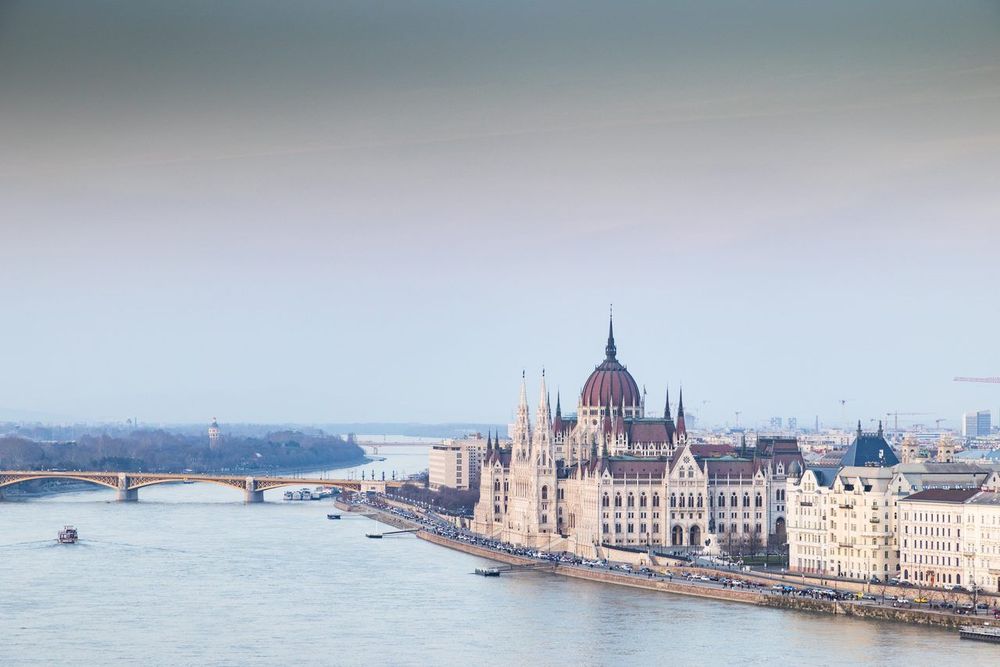
Budapest was born in 1873 from the merger of three distinct cities: Buda, the fortified hill to the west, Pest, the commercial plain to the east, and Óbuda, further north. This history explains why the city still reads today as two capitals facing each other, connected by a handful of bridges and a river that long served more as a border than a link.
Buda concentrates the medieval heritage and the viewpoints: Castle Hill, the Fisherman's Bastion quarter, Gellért Hill. Pest, much larger, gathers the Parliament, the grand Haussmann-style boulevards, most of the restaurants, and the nightlife. A visitor in a hurry might be tempted to see everything in one day per bank, but the reality on the ground calls instead for thinking in clusters of nearby monuments.
It is this geographical breakdown — not a chronological one — that structures the itinerary in this guide: one day for Buda and its heights, one day for the monumental heart of Pest, and a final day for the thermal baths, Városliget park, and the Danube seen from the water. Three days in Budapest is short, but it is enough to do nothing hastily if you avoid unnecessary back-and-forth between the two banks.
Day 1: Buda, Castle Hill, and the Danube
The first day is entirely focused on the Buda bank, where Castle Hill clusters most of its monuments within a perimeter you can cover on foot in half a day. Start early: organized groups generally arrive after 10 a.m., and the morning light on the glazed-tile rooftops of the quarter alone is worth the early rise.
The Fisherman's Bastion and Matthias Church
The Fisherman's Bastion was never used for fishing or defense: this neo-Romanesque gallery with its seven white turrets, completed in 1902, was built purely as a belvedere, in homage to the fishermen's guild that once defended this stretch of rampart. Access to the upper turrets is paid during high season (around 1,700 forints, roughly €4), but is free before 9 a.m. and after evening closing, and becomes entirely free out of season — roughly from mid-October to mid-March. The lower terraces and the staircase climbing from the Danube quays can be used freely year-round: the view over the Parliament costs nothing if you choose your timing wisely.
Just behind stands Matthias Church (Mátyás-templom), recognizable by its Zsolnay tile roof with colorful patterns and its 80-meter spire. The last two kings of Hungary were crowned here — Franz Joseph in 1867 and Charles IV in 1916 — and the current building, largely rebuilt in the 19th century on 13th-century foundations, blends Flamboyant Gothic with neo-Byzantine interior decoration. Allow 20 to 30 minutes for a visit, a little more if you climb St. Mary's Tower, reopened to visitors for an additional panorama over the hill.
You are here at the heart of the Castle Quarter, a pedestrian zone where medieval houses have been converted into cafés and small galleries. Take time for a break before tackling the rest of the route.
Buda Castle and the Funicular
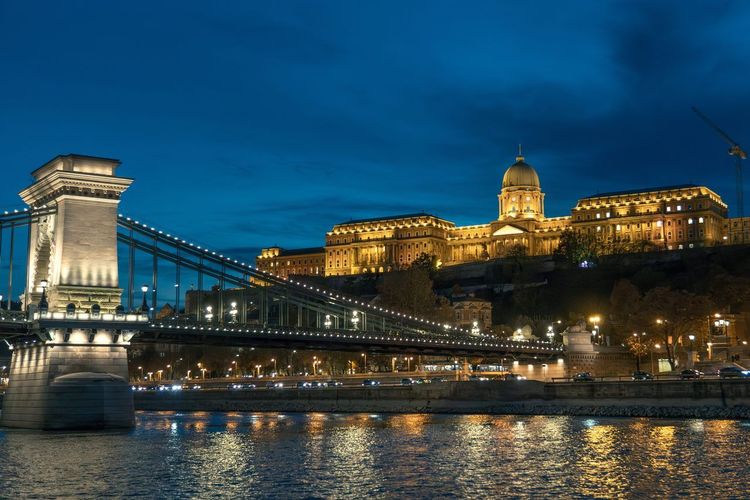
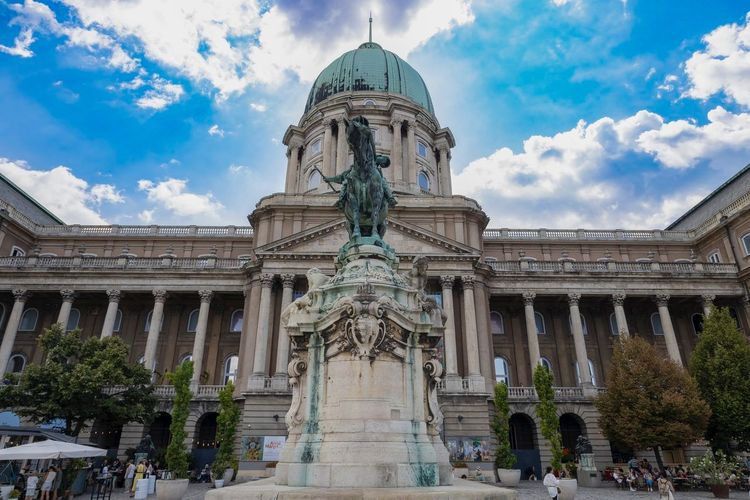
A ten-minute walk to the south stretches Buda Castle (Budavári Palota), the former Hungarian royal residence, today shared between the Hungarian National Gallery and the Budapest History Museum. Its Baroque façade, rebuilt after the destruction of the Second World War, dominates the Danube from a promontory visible from the entire Pest bank.
To get up without tiring your legs, take the Buda Castle Funicular (Budavári Sikló), in service since 1870: two minutes of ascent for a first glimpse of the panorama, versus a good fifteen minutes on foot from the Chain Bridge (Clark Ádám tér, 1013 Budapest, rated 4.7/5 on Google based on 65,010 reviews). The ticket is around 5,000 forints return, close to €13, which is steep for a hundred meters of elevation gain, but the historic experience justifies the detour at least on the way up. Consider buying a one-way ticket: the descent on foot via the adjacent staircase takes only about ten minutes and offers exactly the same views.
If you prefer to walk, the staircase alongside the funicular offers the same views without queuing, except in peak season when groups also gather there. Allow a good hour to visit the castle exteriors and enjoy the terraces, more if you enter one of the museums.
The Chain Bridge and Gellért Hill at Sunset
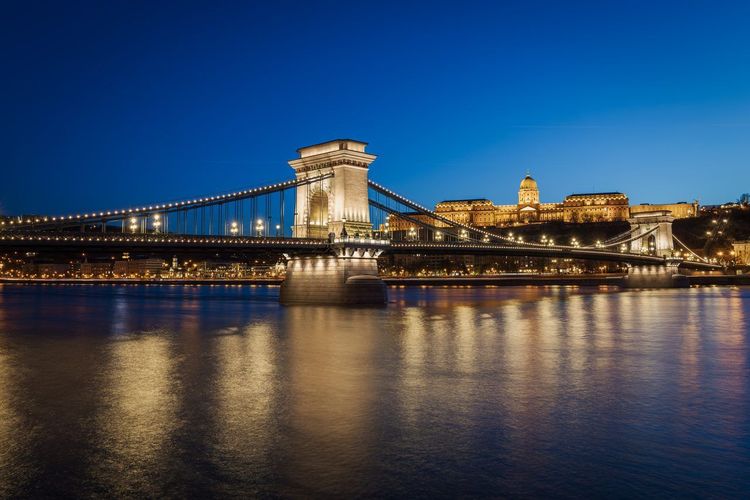
Heading back down toward the Danube, you will pass the Chain Bridge (Széchenyi lánchíd), the first permanent bridge built across the river in 1849, recognizable by its four stone lions and its neoclassical towers. It is by far the most photographed of Budapest's eight bridges, particularly at night when its golden lighting reflects on the water.
Cross on foot — fifteen minutes is enough — then head up toward Gellért Hill, the hill that dominates Buda to the south at 235 meters above sea level. The ascent follows a fairly steep path from the Liberty Bridge, about 30 to 40 minutes, but the Citadel crowning the summit offers one of the finest panoramas in all of Central Europe over both united riverbanks.
Save this viewpoint for the end of the day: the sunset over the Parliament and the illuminated bridges is particularly spectacular, and the crowds thin noticeably after 6 p.m. Wear comfortable shoes if you walk up, or take a taxi if the day has already been long.
Day 2: Pest, the Parliament, and the Great Monuments
Second day, change of bank. Pest is explored differently from Buda: distances are longer, streets wider, and the three major monuments of the day — the Parliament, St. Stephen's Basilica, and the Great Synagogue — form a triangle easily connected by tram or on foot depending on your pace.
The Hungarian Parliament and the Government Quarter
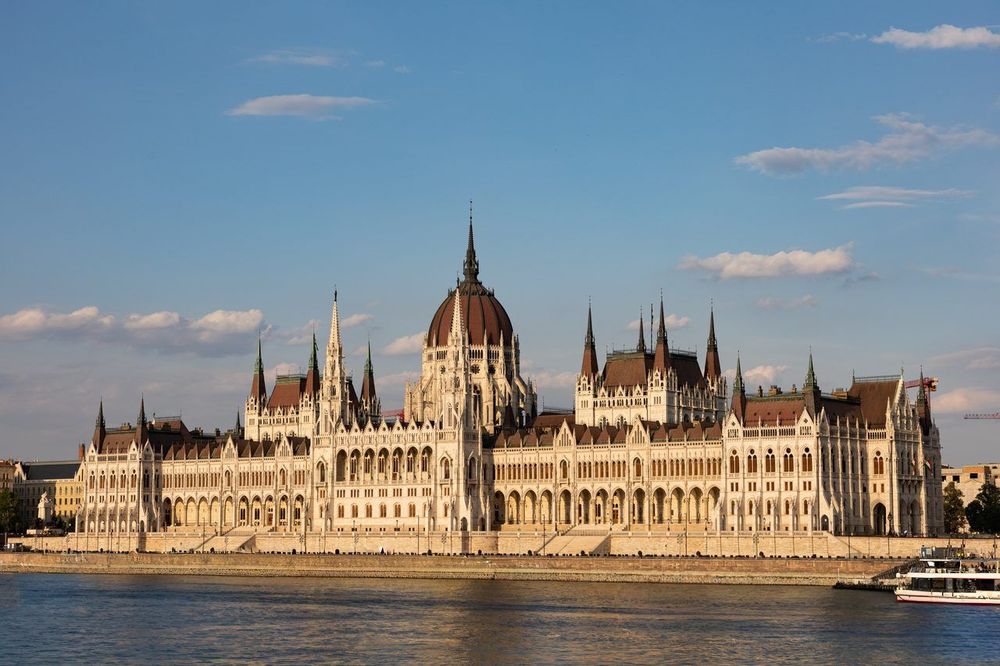
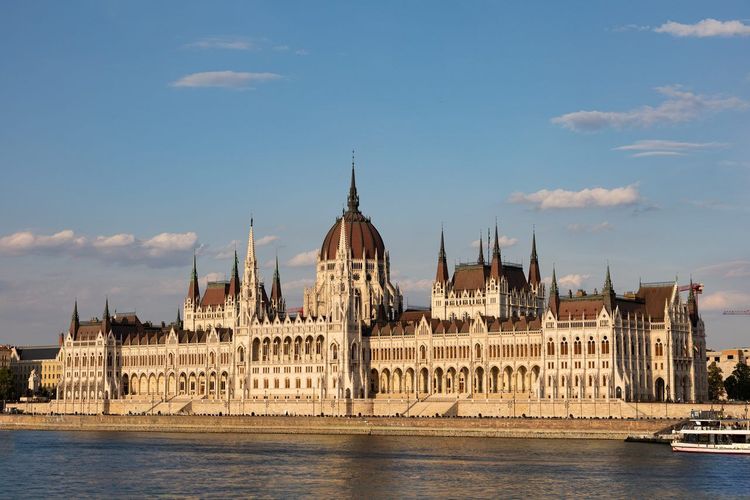
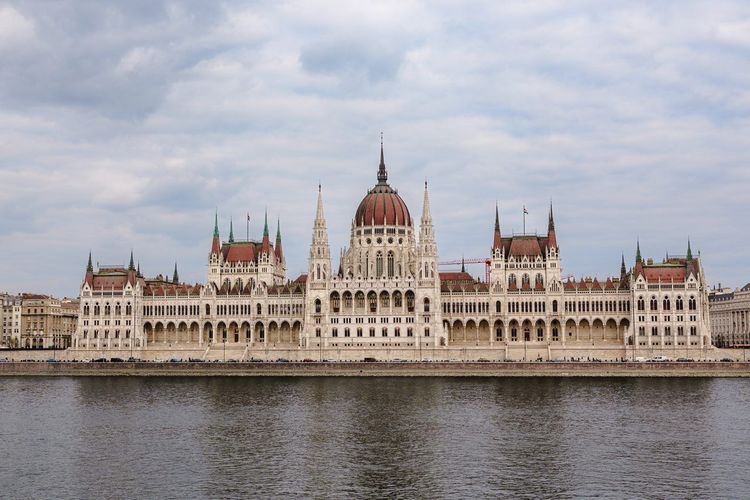
The Hungarian Parliament (Országház), with its 268-meter length and its neo-Gothic dome rising to 96 meters, is the largest building in Hungary and one of the largest parliament buildings in the world. The guided interior tour — mandatory to see the dome hall where the Crown of Saint Stephen is kept — lasts about 50 minutes and is ideally booked several days in advance during high season, as time slots fill up quickly.
If you haven't booked, the view from the Buda bank or from a boat remains a decent alternative: the building photographs just as well from outside, especially from the quay directly opposite, on the Batthyány tér side. To make the most of the visit, the Ryo guide to the Hungarian Parliament details tickets, opening hours, and booking pitfalls to avoid.
Around the Parliament extends Kossuth Square, lined with government buildings and the Museum of Ethnography with its distinctive rooftop garden. Allow a good hour for the whole area if you don't go inside the Parliament, two hours with the guided tour.
St. Stephen's Basilica and Andrássy Avenue
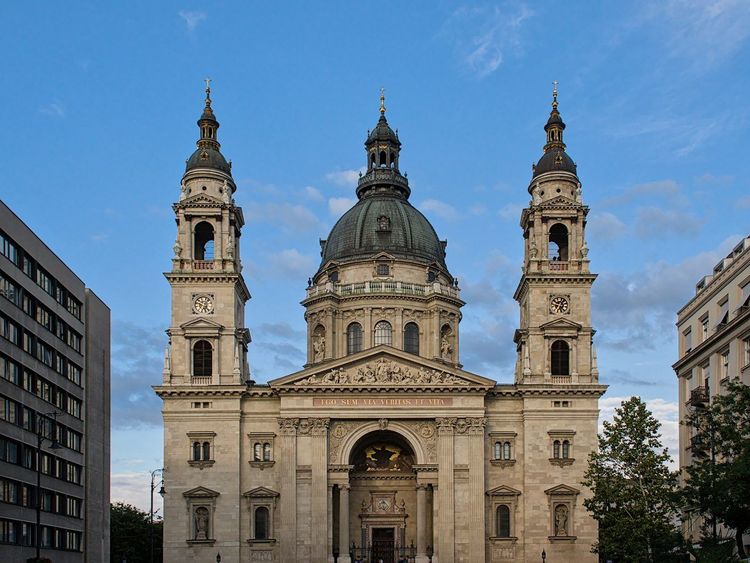
About fifteen minutes away on foot, St. Stephen's Basilica (Szent István-bazilika) houses the country's most venerated relic: the mummified right hand of King Saint Stephen, Hungary's first Christian ruler. The neoclassical building, completed in 1905 after more than fifty years of construction, rises to 96 meters — exactly the same height as the Parliament — a deliberate symbolic choice to signify equality between religious and civil power.
Climb to the dome if time allows, by elevator or via 300 steps: the 360-degree view over Pest justifies the effort. The Ryo guide to St. Stephen's Basilica details the dome's opening hours and the organ concerts regularly held in the nave.
On the way out, Andrássy Avenue, a UNESCO World Heritage site, runs toward Városliget for more than two kilometers. Along it you will find the Hungarian State Opera House — neo-Renaissance in style and acoustically ranked among Europe's finest, reopened in 2022 after six years of renovation and visitable during the day on guided tours of about thirty minutes — as well as 19th-century bourgeois buildings that today house luxury boutiques and embassies.
The Great Synagogue and the Jewish Quarter
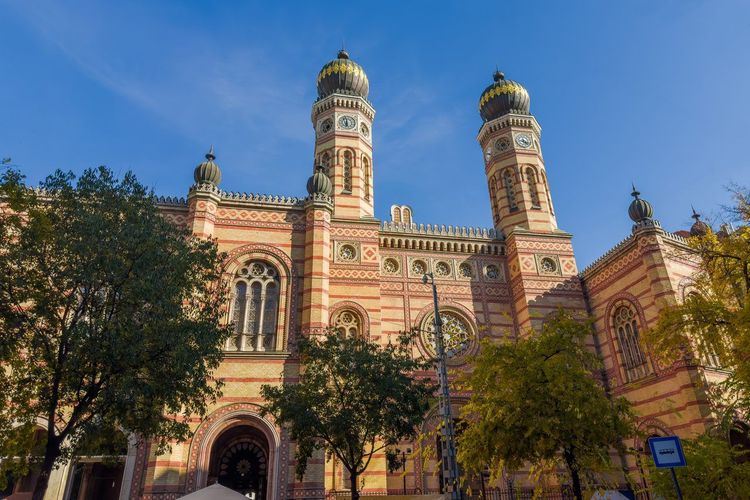
The Great Synagogue of Budapest (Dohány utca zsinagóga), inaugurated in 1859, remains the largest synagogue in Europe and one of the largest in the world, with a capacity of over 3,000 seats. The Moorish style of its façade, its two tower-spires, and its monumental organ make it a rare case among European synagogues, which are usually more discreet.
The complex also includes the Tree of Life memorial, a metal weeping willow whose every leaf bears the name of a victim of the Hungarian Holocaust, and a small adjacent Jewish museum. The full visit takes about an hour.
Around the synagogue stretches the Jewish Quarter (7th district), a maze of streets where deliberately preserved crumbling buildings and restored façades coexist. It is also, as you will discover in the evening, the epicenter of the city's ruin pubs, which are covered later in this guide. The Ryo audio-guided tour actually links the Great Synagogue to St. Stephen's Basilica along Andrássy Avenue.
Day 3: Thermal Baths, Városliget, and the Danube a Different Way
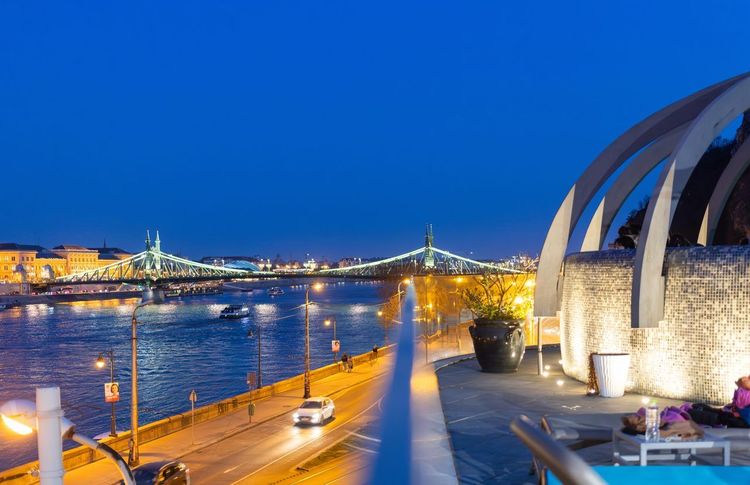
The last day shifts pace: less walking, more relaxation, with the thermal baths, the large Városliget park, and a Danube cruise at the end of the day to close the trip on a calmer note.
The Széchenyi Baths and Városliget Park
The Széchenyi Baths, opened in 1913, are among the largest thermal complexes in Europe and remain the most famous in Budapest, fed by two hot springs drawn from more than 1,000 meters underground. Their yellow neo-Baroque architecture, with three outdoor pools open year-round, makes them as much a photogenic backdrop as a relaxation spot — even in the middle of winter when steam rises above the 38-degree water.
Allow at least two to three hours on site, more if you add a massage or sauna. On the 2026 tariff side, the day ticket with locker costs 13,200 forints Monday to Thursday, 14,800 forints Friday to Sunday, and 15,800 forints on public holidays and in high season. The "Good Morning Budapest" ticket, valid for entry before 9 a.m., drops to 10,500 forints: it is by far the best deal, and also the time when the outdoor pools are quietest. The Budapest Card is accepted for the day ticket with locker.
The baths sit on the edge of Városliget Park, the city's second largest green space, home to Vajdahunyad Castle, the zoo, and several museums. A stroll through the park before or after the baths naturally rounds out the morning.
Heroes' Square and the Budapest Eye
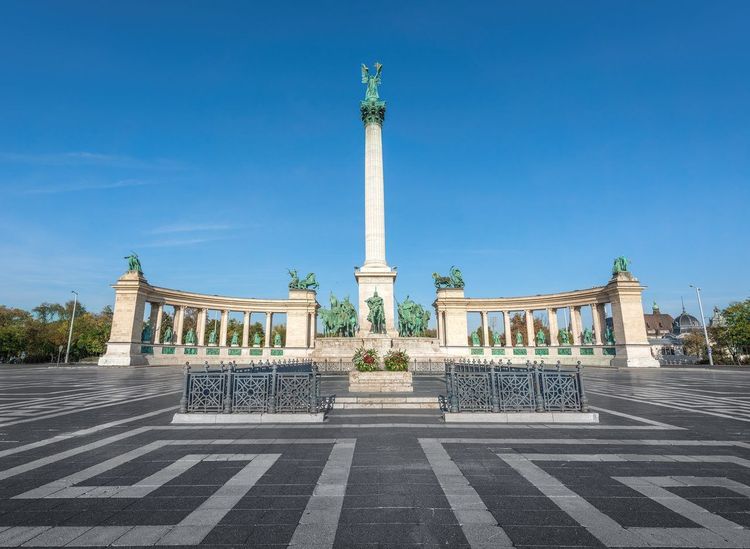
At the entrance to the park, Heroes' Square brings together a monumental ensemble dedicated to the seven chieftains of the founding Magyar tribes, dominated by a 36-meter column topped by the Archangel Gabriel. The two hemicycle buildings flanking it — the Museum of Fine Arts and the Kunsthalle Budapest — also make it a cultural hub in its own right.
Head back down toward the center to try the Budapest Eye (Erzsébet tér, 1051 Budapest, rated 4.5/5 on Google based on 28,613 reviews), the large Ferris wheel installed on Erzsébet Square in the very heart of Pest. At 65 meters high, it offers a different urban perspective from the more heritage-focused viewpoints elsewhere in the itinerary, in a ride of about ten minutes.
It is a more touristy attraction than the previous ones, but it remains popular for its view in the late afternoon, when the low-angle light illuminates the rooftops of the lower city.
A Sunset Danube Cruise
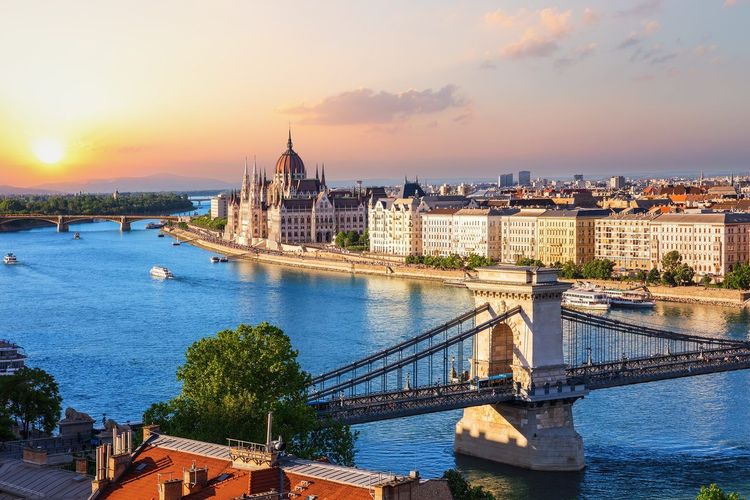
To close the trip, a Danube cruise remains one of the best ways to see in one go everything you have covered on foot over the previous days: the Parliament, the Chain Bridge, Castle Hill, and Gellért Hill, all lined up along the river. Cruises of about one hour at sunset cost between €15 and €25 depending on the operator, with a welcome drink included in most packages.
More active visitors can replace the boat with kayaking on the Danube, a guided activity offered by several rental operators on the Pest bank — less well known but far more immersive, as you paddle at water level right under the bridges. For a full overview of available activities, the Ryo guide to the best activities in Budapest lists options by season and budget.
Whatever option you choose, book for late afternoon: the golden light on the illuminated monuments is well worth the price of admission.
Budapest's Thermal Baths: Széchenyi, Rudas, or Lukács?
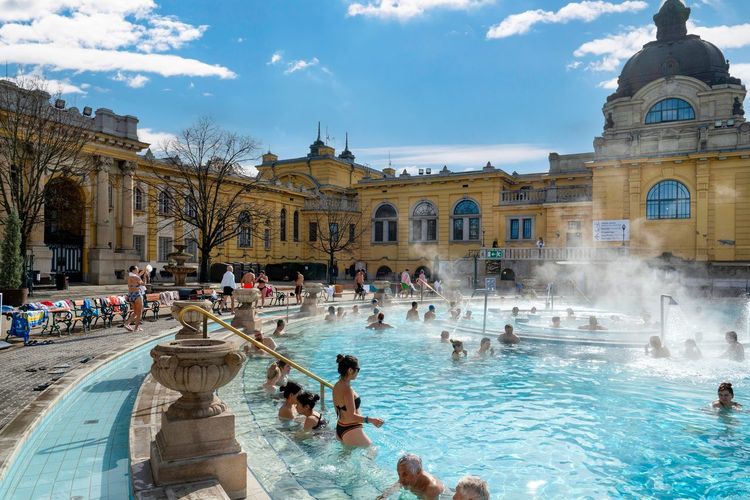
Budapest has around fifteen thermal establishments fed by natural springs, but the leading trio has recently changed: Széchenyi and Rudas remain the safe bets, while the legendary Gellért — still recommended by most online guides — has closed for renovations. Each has a radically different atmosphere, something few articles detail beyond merely listing the names.
The Széchenyi Baths, already described on Day 3, are the largest and most lively, with their monumental outdoor pools and a clientele mixing tourists and locals from the neighborhood. It is the simplest choice for a first encounter with the Hungarian thermal tradition, but also the most crowded, particularly on weekends.
The Gellért Baths, housed in a 1918 Art Nouveau hotel with remarkable mosaics and stained glass, have been closed since October 1, 2025 for major renovation work announced until 2028. Do not include them in your plans, even though many articles and printed guides still recommend them: the entire complex — indoor pools, outdoor wave pool, and sauna area — is inaccessible. The closest alternative in terms of atmosphere is the Lukács Baths, on the Buda side near Margit Bridge, frequented mainly by regulars and significantly less expensive than its two bigger neighbors.
The Rudas Baths (Döbrentei tér 9, 1013 Budapest, rated 4.3/5 on Google based on 12,027 reviews), of Ottoman origin from the 16th century, are the most authentic and intimate, with their octagonal dome pierced by colored light wells. Budget 12,000 forints Monday to Thursday for an all-zone ticket, 15,000 forints Friday to Sunday. Check the calendar before you go, as the historic Turkish bath remains single-sex for much of the week: Tuesday is reserved for women all day, Wednesday for men, and Monday, Thursday, and Friday for men only until 10:45 a.m., with the pool becoming mixed from 11 a.m. onwards. On weekends, everything is mixed and swimwear is required. The late-night sessions on Friday and Saturday, from 10 p.m. to 3 a.m. (15,000 forints), with a panoramic view from the rooftop terrace, must be booked online only and sell out several days in advance during high season. One final detail that surprises many families: the establishment is off-limits to children under 14.
In summary: Széchenyi for the atmosphere and outdoor pools, Rudas for Ottoman authenticity and the rooftop terrace, Lukács for peace and a gentler price tag. If your schedule only allows one establishment during your stay, the Ryo guide to Budapest's baths compares in detail the opening hours, prices, and spa options of each.
Where to Eat in Budapest: Specialties and Good Addresses

Hungarian cuisine is not limited to goulash, even if that dish remains the obligatory starting point for understanding local flavors: paprika, sour cream, long-simmered meat. From traditional meals to improvised street food, Budapest offers a range of choices that is widely underestimated.
Goulash, Lángos, and Traditional Hungarian Cuisine
The original Hungarian goulash (gulyás) is actually a soup — more liquid than the sauced version popularized in Western Europe — made with beef and a generous dose of sweet paprika. It can be found in almost every tourist restaurant, but the best versions are often enjoyed in more modest spots, far from Vörösmarty Square.
Lángos, a flat fried dough similar to a fritter, traditionally topped with sour cream and grated cheese, is the quintessential street classic, sold for around 1,500 to 2,000 forints depending on the toppings added. Try it at least once, ideally in the late morning when the stalls are fresh out of the fryer.
For a full sit-down meal, kifőzde — those small, often unsignposted local canteens — offer a changing daily menu at unbeatable prices, generally 2,000 to 3,000 forints for a starter and a main course. This is where, more than in the main-square restaurants, you can taste everyday Hungarian cooking. Vegetarians will not be left out: several city-center addresses now offer meat-free versions of goulash and lángos, particularly in the Jewish quarter, where the offer has diversified considerably in recent years.
The Central Market Hall and Street Food
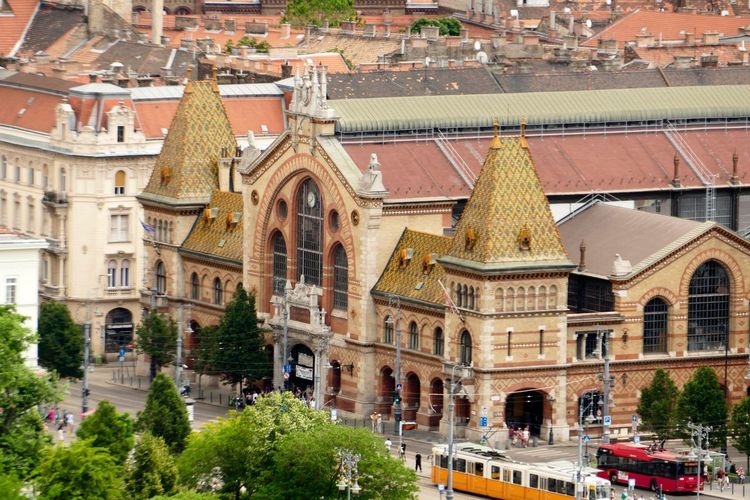
The Central Market Hall (Vámház krt. 1-3, 1093 Budapest, rated 4.3/5 on Google based on 123,424 reviews) (Nagyvásárcsarnok), a vast metal hall inaugurated in 1897 near the Liberty Bridge, remains the best place to sample the essence of local gastronomy in a single visit: charcuterie, paprika powder in every intensity, cheeses, and on the upper floor, a row of street food stalls where you can enjoy lángos or kürtőskalács — the chimney cake baked on a spit and rolled in sugar or cinnamon.
Avoid the stalls closest to the main entrance on the ground floor, which tend to be pricier and lower quality than those at the back of the hall or upstairs. Allow an hour for a visit, more if you plan on buying things to take home.
Beyond the market, Budapest's street food scene has expanded considerably in recent years around covered food courts, particularly in the Jewish quarter, where several stalls share a communal space with shared tables. For a full overview of specialties worth trying, the Ryo top 10 Budapest culinary specialties details the dishes not to miss, from chimney cake to Tokaj wine.
Ruin Pubs and Nightlife in Budapest
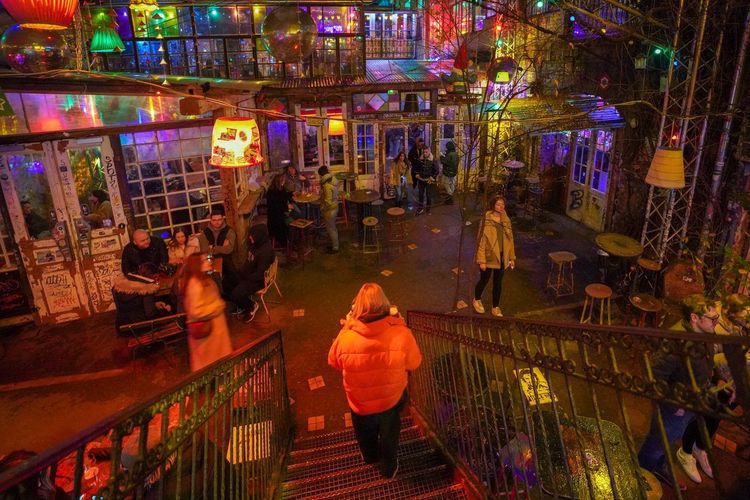
Ruin pubs (romkocsma) were born in the 2000s from the conversion of abandoned buildings in the Jewish quarter into makeshift bars, before some became lasting institutions. The concept has since spread across Europe, but Budapest remains the place to experience it in its original form, with mismatched furniture, inner courtyards, and décor salvaged from former buildings.
The most iconic remains the first of its kind, housed in a former factory in the 7th district, with its multiple themed rooms and open-air central courtyard. Other establishments in the same quarter have since developed their own identity, some more oriented toward live music, others toward cocktails.
For a successful evening, it is better to arrive before 9 p.m.: queues grow quickly on weekends, and the atmosphere shifts noticeably once the crowds settle in. The Jewish quarter remains the undisputed epicenter of Budapest's nightlife, just a few streets from the Great Synagogue visited on the second day, making it easy to move naturally from cultural visit to evening out. If the noise doesn't particularly appeal to you, note that most bars in the quarter close around 2 or 3 a.m. on weeknights, a little later on weekends, leaving plenty of time to head back before the metro shuts down completely.
Hidden Budapest: What Classic Guides Miss
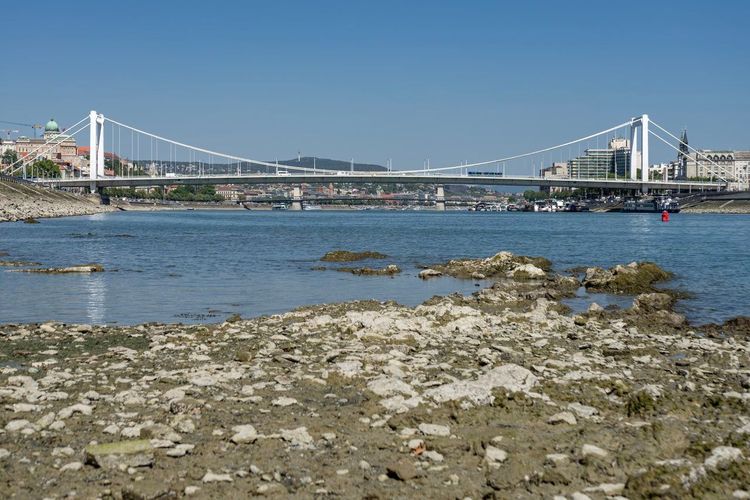
Between monuments, Budapest hides a handful of experiences that fall outside the usual heritage circuit — rarely grouped together in traditional guides yet perfectly complementing a 3-day stay.
Unusual Museums (Candy, Pinball, Illusions)
The Pinball Museum (Flippermúzeum), set in a basement in the 13th district a few minutes from Nyugati station, lines up over 160 machines from the 1950s to today, all in working order and set to free play once admission is paid: you can play as long as you like. It is a welcome playful break after a morning of heritage visits, and one of the rare indoor activities that works just as well in rainy weather.
Also on the Pest side, a small museum dedicated to candy and an illusion museum-style space offer installations designed for photos, halfway between a family attraction and an Instagram stop. Neither requires more than 45 minutes, making them easy add-ons to slip in at the end of the day between two more classic stages of the itinerary.
Kayaking on the Danube and Original Activities
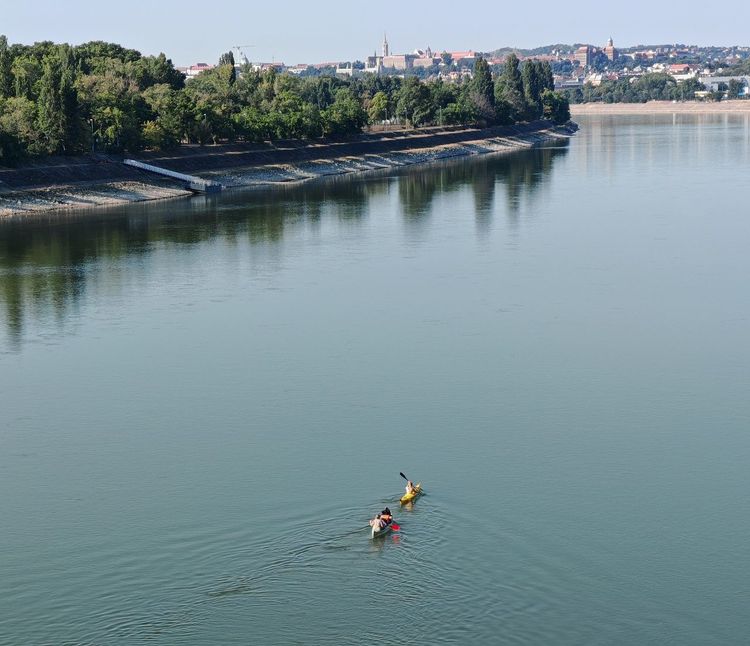
Already mentioned on Day 3, kayaking on the Danube deserves a special mention among unusual activities: few visitors think of it, yet the experience radically changes your perspective on the monuments usually seen from the quays. Guided outings, generally in small groups, last between one and a half and two hours.
For those who love heights, some operators also offer hot-air balloon flights at sunrise over the city — a pricier but rare option in Central Europe. For fans of 20th-century history, an excursion to Memento Park, on the southern outskirts of the city, brings together the monumental statues from the communist era removed from public spaces after 1989; allow half a day including the bus journey from the center — a longer outing than the other unusual activities but rarely mentioned in classic guides. The Ryo guide to unusual activities in Budapest lists all of these options with their prices and booking requirements.
Where to Stay in Budapest: Neighborhoods and Tips
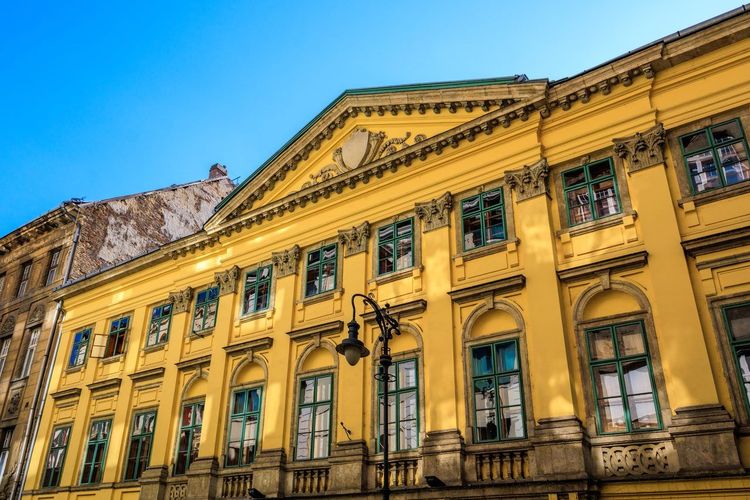
The choice of neighborhood depends mainly on the pace you want to set for your stay: quiet surroundings and Danube views on the Buda side, or buzz and easy access to restaurants and bars on the Pest side. Both banks are equally accessible, 15 to 20 minutes' walk from each other at the level of the central bridges.
Buda, for Peace and a View of the Danube
Staying on the Buda side, particularly in the Castle Quarter or near Batthyány tér, guarantees quieter nights and often a view of the Parliament from the upper floors of the best-located hotels. It is also the most convenient bank for tackling Day 1 without any transport, since you are already there when you wake up.
The trade-off is that restaurants and nightlife are almost all on the other side of the river, which means crossing a bridge every evening — on foot or by tram — to dine or go out. Prices here are generally slightly higher than in Pest for an equivalent standard, with the scarcity of supply working in hoteliers' favor.
Pest and the City Center, for the Buzz
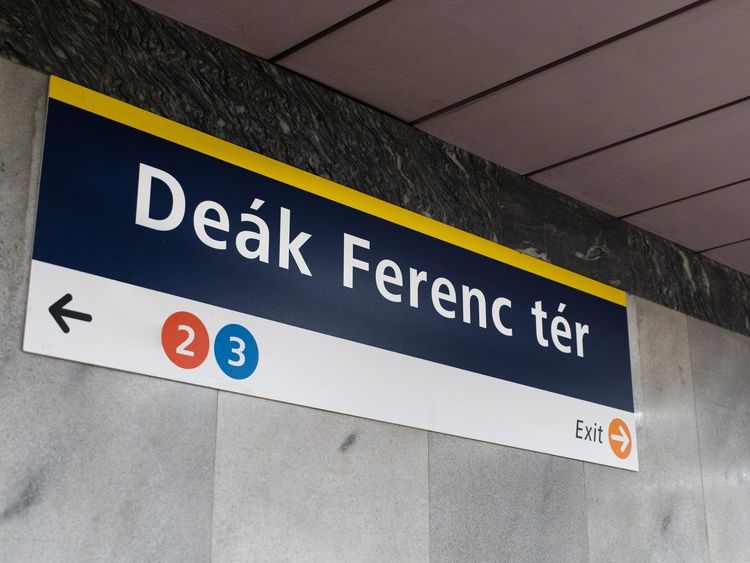
The majority of visitors choose to stay on the Pest side, particularly in the Jewish quarter (7th district) or around Deák Ferenc Square, within walking distance of the basilica, the Parliament, and the nightlife. The supply here is far wider, from youth hostels to upscale hotels, with a generally good value for money.
The main drawback is noise, especially if you stay in close proximity to the ruin pubs on weekend evenings: it is worth checking the exact location on a map before booking if you are a light sleeper. To compare neighborhoods in detail, the Ryo audio guide tour of Budapest precisely locates each hotel zone in relation to the main sites visited during the stay.
Getting Around Budapest

Budapest Ferenc Liszt Airport is located about 16 km from the city center. Bus 100E goes directly to Deák Ferenc tér in 30 to 40 minutes for 2,500 forints, using a special airport ticket: standard single tickets and regular network passes are not valid on it — this is the number one trap on arrival. The miniBUD shared shuttle, which drops you at your hotel door, comes to around 5,500 forints per person, and an official taxi booked at the airport counter — never hailed in the street — runs to around 10,000 forints depending on traffic.
Once in the city, the public transport network (metro, tram, bus) covers both banks effectively. A single ticket costs 500 forints if bought in advance (700 on board), a 30-minute ticket 600 forints, and a 90-minute ticket 850 forints; the 72-hour pass at 5,750 forints becomes worthwhile after just a handful of trips per day and covers exactly the length of this stay. Metro line 2 goes directly under the Danube between the two banks, handy for quickly reaching Buda from the center of Pest. Between the main sites on Day 1, walking distances are short — fifteen to twenty minutes on average from one monument to the next on Castle Hill — making walking more than sufficient for that day, unlike Day 2, which is more spread out across the Pest plain.
Can you do everything on foot? For the most part yes, provided you are willing to walk long distances: the historic center of Pest is easily walkable, as is Castle Hill on the Buda side, but the distance between the two banks and out to Városliget does justify occasional use of the tram or metro, especially at the end of the day after several hours of walking already accumulated. Trams 4 and 6, which run along the Grand Boulevard, are particularly useful for quickly connecting several Pest neighborhoods without changing lines, and operate 24/7, seven days a week, with a service every fifteen to twenty minutes in the middle of the night — a real advantage after an evening in the Jewish quarter.
What Budget to Plan for 3 Days in Budapest

How much does a trip to Budapest actually cost? The answer depends less on the number of sites visited than on the level of comfort chosen for accommodation and meals, the two items that weigh most heavily on a short stay.
For accommodation, budget €25 to €40 per night for a hostel or budget hotel, €60 to €100 for a well-located three-star, and upwards of €150 for an upscale property with a Danube view.
For meals, a set menu at a popular canteen (kifőzde) comes to €6–9, a full meal at a mid-range restaurant to €15–20 per person, and the big tourist restaurants on Vörösmarty Square can easily exceed €30. Street food (lángos, kürtőskalács) costs between €3 and €6 per item.
For activities, the thermal baths represent the heaviest expense: from €26 (early-morning entry at Széchenyi) to €37 at the weekend depending on the establishment and day chosen, more with a massage. A Parliament visit costs around 7,000 forints — approximately €18 — for EU citizens, and significantly more for other nationalities; a Danube cruise €15 to €25; and most churches and outdoor viewpoints remain free or near-free (€1 to €3).
In total, a comfortable daily budget including accommodation runs to around €70 to €100 per person at a mid-range level, with the possibility of dropping below €45 per day on a tight budget, or exceeding €150 per day for a more luxurious stay. Over 3 days, budget between €210 and €300 per person excluding flights for a comfortable trip without excess, bearing in mind that price increases at the baths and major monuments over the past two years have noticeably eroded the city's reputation for being inexpensive.
When to Visit Budapest
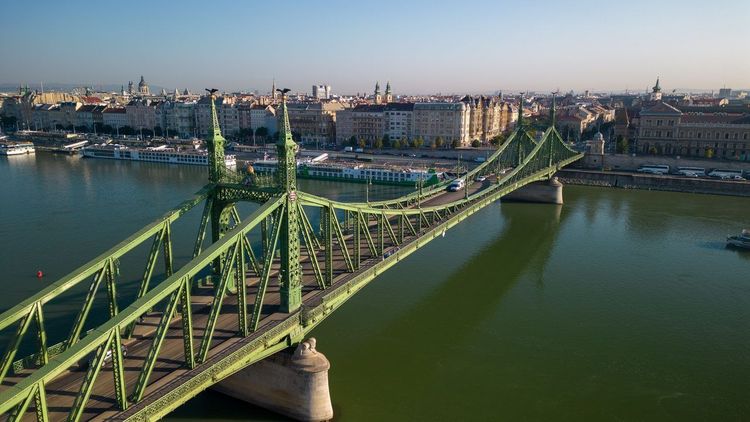
The best time to discover Budapest falls between April and June, or between September and October: mild temperatures, long days, and tourist crowds noticeably lower than in July–August. Spring also brings the castle gardens and the Danube banks in bloom, while autumn offers a particularly photogenic light on the ochre façades of Pest.
Summer (July–August) remains the busiest and most expensive period, with temperatures regularly exceeding 30 degrees, making afternoon sightseeing in full sun tiring. It is, however, the best season to make full use of the outdoor pools of the thermal baths. Also keep in mind the Sziget Festival, held at the end of summer on Óbudai Island, which pushes accommodation prices up across the city for a week: best avoided if you are after peace and reasonable rates, or deliberately targeted if the international music scene interests you.
Winter, from November to February, has its own appeal: the Christmas markets around St. Stephen's Basilica, a much less crowded city, and the particular experience of bathing in warm thermal water while steam rises above the snow. Flight and accommodation prices also drop significantly outside the festive period — a compelling argument for a somewhat spontaneous long weekend.
Currency and Payment in Hungary
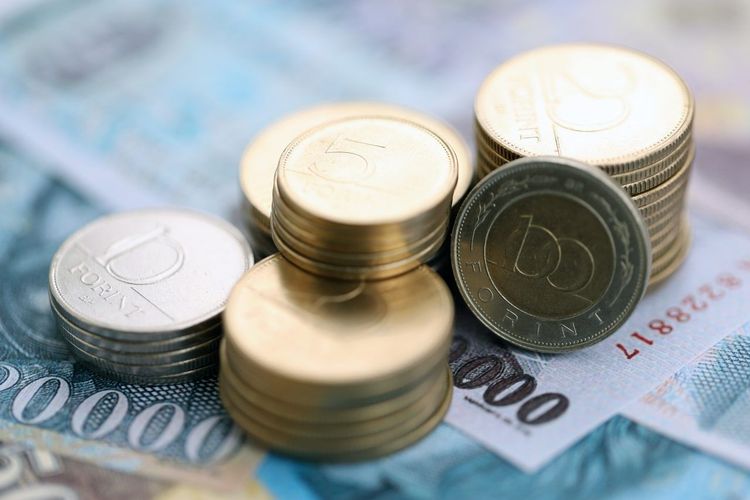
Hungary does not use the euro: the official currency is the Hungarian forint (HUF), and it is worth getting used to it quickly, as prices displayed in thousands of forints can be disorienting at first (a coffee at 800 forints is roughly €2).
Bank cards are accepted almost everywhere, including for small amounts in most cafés and on public transport, which limits the need to withdraw much cash. If you do withdraw forints, use bank ATMs rather than street exchange bureaux near tourist areas, whose rates are often heavily unfavorable despite signs advertising "0% commission."
Also avoid paying in euros directly in shops that accept them: the conversion rate applied on the spot is almost always less favorable than paying in forints by card. Tipping, generally around 10%, is customary in restaurants and is usually handed over at the time of payment rather than left on the table — a cultural difference that sometimes surprises visitors from Western Europe.
Free Walking Tour or Hop-On Hop-Off Bus: Which Option to Choose?
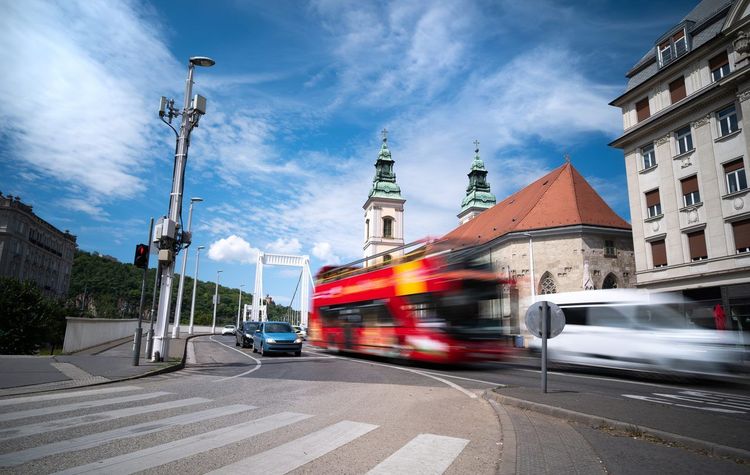
For a quick first overview of the city, two options compete: the free walking tour, run by several operators on a tip-only basis — generally 2 to 3 hours on foot through the historic center — and the hop-on hop-off bus, which lets you get on and off at will along a set circuit covering both banks.
The free tour works best on a first day to get your bearings and ask questions directly to a local guide, but covers limited ground on foot. The hop-on hop-off bus, more expensive (around €25–30 for the day), covers more terrain — including Városliget and the Castle Quarter — without physical effort, making it a complement rather than a replacement for walking.
For a stay of just 3 days, it is better to use these options to fill in areas the walking itinerary doesn't cover, rather than making them the backbone of the trip — at the risk of skimming over monuments without really visiting them.
Our Tips for Making the Most of Your 3-Day Stay
A few simple adjustments can significantly optimize a 3-day stay in Budapest. Book the interior visit to the Parliament as a priority — it is often fully booked several days in advance during high season — and reserve a thermal bath time slot if you want to avoid queuing at the entrance on weekends.
The Budapest Card, valid for 24, 48, or 72 hours, includes public transport and free or reduced admission to a selection of museums: it becomes worthwhile as soon as you plan to visit three or four paid sites during your stay, less so if your itinerary focuses mainly on exteriors and free viewpoints.
On the safety side, Budapest ranks among the quietest European capitals, and you can walk around the center in the evening without particular concern. The only habits to keep are common urban sense: watch your pockets on trams 4 and 6 and on metro line 1 during rush hour, never hail a taxi in the street (book by app or ask your restaurant), and check the price list before ordering at a bar in the Jewish quarter, as a few overcharging scams have been reported at the most touristy ruin pubs. Solo female travelers rarely report any problems, including in the evenings.
Finally, plan your route to visit the most crowded sites (Fisherman's Bastion, Parliament, Széchenyi Baths) early in the morning or late in the day, and save the middle of the day for less busy areas such as the Central Market Hall or the ruin pubs for a daytime reconnaissance.
To prepare each stage in detail — including updated opening hours and admission prices — the Ryo audio guide tour of Budapest remains the most complete tool for following this itinerary without any unpleasant surprises on the ground.
FAQ
How Many Days Do You Need to Visit Budapest?
Three days are enough to cover the essentials: Castle Hill on the Buda side, the major monuments of Pest (Parliament, basilica, synagogue), and the thermal baths with Városliget. With four or five days, you can add day trips, particularly to the Danube Bend (Szentendre, Visegrád) or Lake Balaton, but 3 days remain the most common and most efficient format for a first visit.
Is Budapest a Safe City?
Yes, Budapest ranks among the safest European capitals for travelers, with a very low rate of violent crime. The usual precautions still apply in heavily tourist areas and crowded public transport (pickpockets), as well as extra vigilance around certain bars where overcharging scams have been reported in the past. Nothing that would justify avoiding the city.
What Budget Should You Plan for 3 Days in Budapest?
Budget between €210 and €300 per person for 3 days on a comfortable basis, including accommodation, meals, and activities, excluding flights. This budget can drop below €140 if traveling on a tight budget (hostels, local canteens, free monuments) or easily exceed €450 for a high-end stay with spa and fine dining every evening.
Can You Visit Budapest on Foot?
For the most part, yes. The historic center of Pest and Castle Hill in Buda are easily walkable. However, the distance between the two banks and out to Városliget does justify occasional use of the metro or tram, especially at the end of the day after several hours of walking already accumulated.
Is Budapest a Good Destination for a Weekend Trip?
Yes, Budapest is very well suited to a long weekend format of three days, thanks to the concentration of major sites within a relatively compact area and frequent direct flights from most major European cities. It is even the most popular format for this destination, ahead of two- or four-night stays.
Is Budapest Worth It?
Absolutely. Budapest combines a dense architectural heritage (Parliament, basilica, castle), a thermal bathing tradition unique in Europe, and prices still lower than those of Western Europe for a comparable level of comfort. Few European capitals offer such a density of different experiences within a 3-day format.
What Are the Must-Sees in Budapest?
The Fisherman's Bastion and Matthias Church, the Hungarian Parliament, St. Stephen's Basilica, the Széchenyi Baths, and the Chain Bridge form the core of any first visit. If time allows, add the Great Synagogue and a sunset cruise on the Danube for an overview of everything you will have covered on foot.
Three days in Budapest are enough to understand why the city has established itself as one of Europe's most sought-after destinations in recent years, without ever giving the impression of having rushed through everything. The key is to think by riverbank rather than by list of monuments: Buda in the morning, Pest during the day, the thermal baths and the Danube to close the trip on a gentle note.
To go deeper into each stage of this itinerary — updated opening hours, admission prices, and historical anecdotes included — the Ryo audio guide tour of Budapest, from St. Stephen's Basilica to Fisherman's Bastion, with its 24 audio tracks spread over 8.5 kilometers of walking, accompanies every step of the visit, including offline. Enough to turn these three days into a genuine memory rather than a race against the clock between two monuments.
À lire également