Walk
The Smoky Bay
Reykjavik, Iceland
Walk
The Smoky Bay
Reykjavik, Iceland
6.3 km
Distance
2h30
Durée
21
Audios
Loop
Parcours
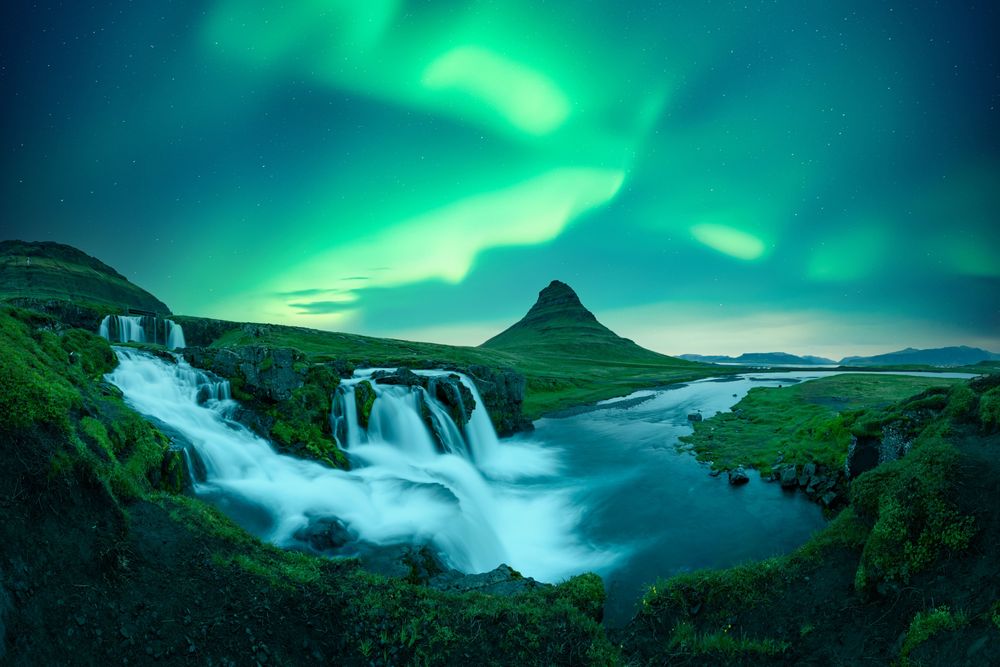
At the edge of the world, between fire and ice, Iceland stands as one of the most breathtaking destinations on the planet. Dormant volcanoes, vertiginous waterfalls, northern lights dancing above the fjords: every landscape seems to belong to another age. It is a country best experienced slowly, in tune with the earth and the wind, ideal for the traveller who prefers to understand what they are passing through rather than simply passing through it. To begin grasping its soul, Ryo's audio-guided tours take you to the heart of the Icelandic capital, through stories that bring its stones and landscapes to life.
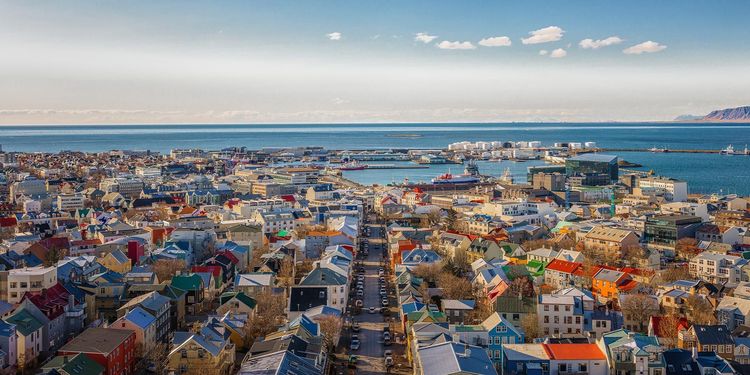
Reykjavik is a city that surprises with its duality: at once a small town you can wander on foot in a few hours, and a capital brimming with creative energy, street art, and steaming geothermal activity. Along Ryo's audio-guided tour of the Bay of Smokes, you discover the colourful alleyways of the old centre, the corrugated iron rooftops, the Hallgrímskirkja cathedral watching over the city like a basalt fortress, and the stories of the sailors, poets, and explorers who shaped this island nation. Reykjavik deserves to be given time, for it is here that Iceland tells its story with the greatest intimacy.
Beyond the capital, Iceland unfolds as a succession of breathtaking natural scenes. The Golden Circle remains the country's most iconic itinerary, linking the Gullfoss waterfall, the geysers of Geysir, and Thingvellir National Park, inscribed on the UNESCO World Heritage List for its exceptional historical and geological value. Further south, the waterfalls of Skógafoss and Seljalandsfoss cascade in veils of water from lava cliffs, while the glacial lagoon of Jökulsárlón offers the surreal spectacle of icebergs drifting silently towards the Atlantic Ocean.
The Snæfellsnes Peninsula, nicknamed Iceland in miniature, concentrates volcanoes, glaciers, cliffs, and fishing villages within a single territory. In the north, Lake Mývatn and the Krafla volcano reveal a rawer face of the country, with its lava fields, bubbling hot springs, and wild flora of surprising resilience. For travellers in search of unique experiences, the Silfra fissure, where two continental plates meet underwater, offers a dive of exceptional clarity.
The Blue Lagoon, with its milky blue-tinged waters and permanent steam, remains one of the island's most iconic images, a symbol of the geothermal power that drives the entire country.
Iceland can be visited year-round, but each season offers a radically different experience. Summer, from June to August, brings endless days under the midnight sun, ideal for exploring the landscapes at your own pace. Winter, between November and March, invites you to witness the northern lights, provided you are prepared for short days and sometimes intense weather conditions. Spring and autumn appeal to travellers seeking a low, golden light and generally more moderate crowds.
The Ring Road, which circles the island along the coast, is the backbone of any Icelandic road trip. The car remains the most flexible mode of transport for venturing off the main routes and reaching the most remote sites. A four-wheel-drive vehicle is recommended depending on the season, particularly for mountain tracks that are only open in summer. In Reykjavik and its surroundings, public transport and walking are more than sufficient to explore the city in depth.
There is no universally ideal period: it all depends on what you are looking for. Summer guarantees access to virtually all roads and landscapes, along with the unique light of the midnight sun. Winter holds the magic of the northern lights and a wild atmosphere, but some mountain roads remain closed. The months of May and September offer a good balance between accessibility and a more peaceful experience.
A one-week stay allows you to cover the main highlights, including the capital and the Golden Circle. Two weeks give you the freedom to follow the Ring Road and linger in more remote regions such as the Westfjords or the north of the country. Iceland always rewards those who give it time.
A rental car is the most common and practical way to explore the country independently. It allows you to stop at will, venture off the beaten track, and experience Iceland at your own pace. Bus connections exist between the main towns, but they remain limited outside the high season.
Among the places that feature in every Icelandic itinerary are the Golden Circle, the black sand beaches of the south coast, the glacial lagoon of Jökulsárlón, the waterfalls of Skógafoss and Seljalandsfoss, and the Snæfellsnes Peninsula. And of course, Reykjavik, an essential starting point for immersing yourself in the culture and history of the country, best explored with the Ryo audio-guided tour.
Icelandic cuisine reflects both the harshness and the generosity of the island. Seafood takes centre stage: herring, cod, salmon, and free-range lamb make up the bulk of the local table. Geothermal bread, slowly baked in the heat of the earth, and skyr, a kind of creamy fresh cheese consumed for centuries, are well worth tasting. Reykjavik is also home to a creative gastronomic scene that draws on these traditions to reinvent them.